
Utility Monitoring Equipment Costs: What Shapes 2026 Budgets


As 2026 planning starts, utility monitoring equipment costs are receiving closer scrutiny across industrial, energy, building, and environmental operations.
Budget pressure is not coming from sensor prices alone. It is coming from accuracy targets, site conditions, software integration, cybersecurity, reporting needs, and service life expectations.
That shift matters because utility monitoring equipment now supports cost control, sustainability goals, uptime protection, and digital transformation at the same time.
A stronger budget view helps reduce hidden spending, compare lifecycle value, and select monitoring systems that remain reliable beyond the first installation year.
Why utility monitoring equipment budgets are changing faster in 2026
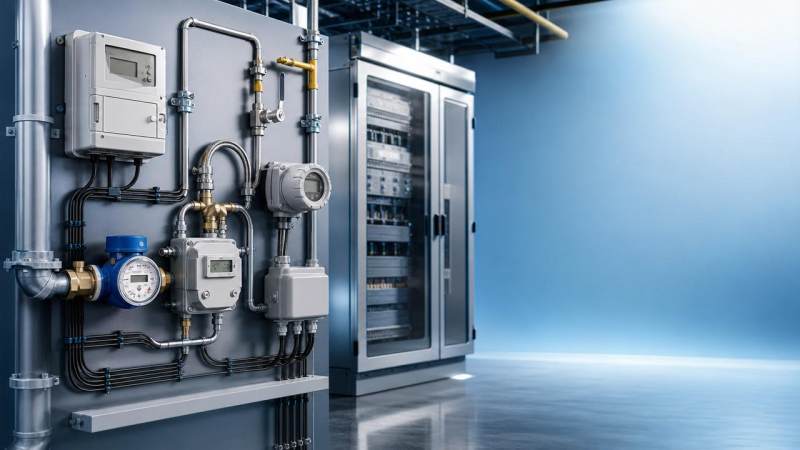
The market is moving from simple meter reading toward connected, multi-point, analytics-ready utility monitoring equipment.
Electricity, water, gas, steam, compressed air, and emissions data are increasingly tracked in one environment.
This broadening scope raises baseline costs, but it also changes how value is measured.
Instead of asking only what the device costs, budgets now ask what the data enables.
In many sites, utility monitoring equipment supports predictive maintenance, leak detection, load balancing, and audit readiness.
Those added functions increase software, networking, calibration, and training requirements.
The result is a budget model shaped by both capital expense and operational complexity.
The main cost signals behind utility monitoring equipment investment
Several cost signals are becoming more visible in 2026 planning cycles.
They often explain why two utility monitoring equipment proposals with similar device counts can produce very different total budgets.
What is pushing utility monitoring equipment costs upward
The rise in utility monitoring equipment budgets is not random. It is tied to practical changes in how facilities use measurement infrastructure.
- More monitoring points are being added below the main meter level.
- Submetering is expanding to lines, zones, tenants, and process assets.
- Decision-making increasingly depends on real-time, not monthly, utility data.
- Environmental reporting requires traceable measurement and reliable data retention.
- Cross-site visibility needs cloud access, data normalization, and dashboard consistency.
- Aging infrastructure often needs adapters, signal conversion, and communication upgrades.
Each driver adds scope. Together, they move utility monitoring equipment from a small instrumentation line item into a strategic operating system layer.
Why device price alone gives an incomplete picture
A low-cost meter may appear attractive, yet poor integration or weak diagnostics can raise support costs later.
Likewise, premium utility monitoring equipment may lower total ownership cost through better stability, easier commissioning, and fewer manual workarounds.
The budget discussion should therefore compare lifetime usability, not just purchase value.
How these cost shifts affect operations and investment timing
Rising utility monitoring equipment costs do not affect every business activity in the same way.
The impact depends on whether the focus is compliance, efficiency, resilience, or digital coordination.
- Industrial production gains more value from process-level monitoring and anomaly alerts.
- Commercial buildings benefit from tenant allocation, HVAC optimization, and peak demand control.
- Utilities and energy sites prioritize reliability, redundancy, and secure remote access.
- Environmental programs need defensible records, sensor quality, and reporting continuity.
Budget timing is also changing. Many organizations now phase utility monitoring equipment deployment rather than funding all points at once.
That approach reduces initial strain, but it requires architecture planning early.
Without a scalable design, later expansion often costs more than expected.
The budget categories that deserve closer review before approval
Strong planning for utility monitoring equipment should separate visible expenses from hidden ones.
The following categories often determine whether the final project remains within range.
- Hardware scope: meters, transmitters, analyzers, gateways, power supplies, and enclosures.
- Installation labor: mounting, wiring, process tapping, shutdown coordination, and commissioning.
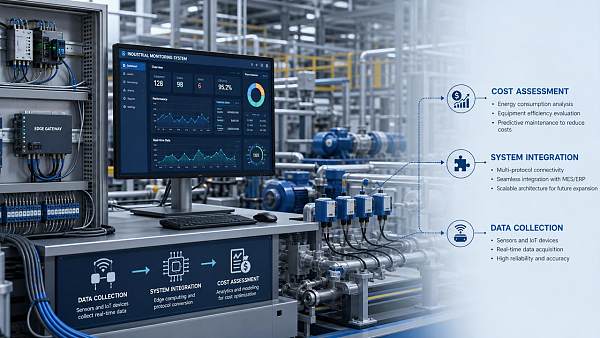
- Software layer: licensing, dashboards, historian functions, alarms, and user management.
- Integration services: protocols, data mapping, API links, testing, and acceptance validation.
- Lifecycle care: calibration, replacement parts, firmware updates, and remote support.
- Risk reserve: site surprises, schedule delays, temporary access equipment, and cybersecurity adjustments.
This structure makes utility monitoring equipment budgets easier to defend because every cost aligns with an operational purpose.
A practical comparison view for 2026 planning
What deserves the most attention as utility monitoring equipment plans mature
Several focus areas can improve budget quality before final approval.
- Confirm which utilities truly need revenue-grade or audit-grade accuracy.
- Map all existing systems that the utility monitoring equipment must communicate with.
- Review physical constraints early, especially access, shutdown windows, and environmental conditions.
- Check whether cloud, edge, or hybrid data architecture fits security expectations.
- Estimate support needs over three to five years, not only year one.
- Plan sensor maintenance and calibration intervals before installation starts.
These checkpoints help utility monitoring equipment projects avoid expensive redesigns and weak data quality after launch.
A sensible response path for 2026 utility monitoring equipment decisions
The most effective response is not simply cutting scope. It is sequencing investment according to risk, value, and readiness.
- Start with the utilities that create the largest cost volatility or compliance exposure.
- Prioritize monitoring points that can support both reporting and operational control.
- Choose utility monitoring equipment with open communication options and scalable software paths.
- Use phased implementation only when future integration is defined from day one.
- Track lifecycle metrics, including downtime reduction, billing visibility, and energy loss detection.
When that framework is applied, utility monitoring equipment budgets become easier to compare and easier to defend.
The result is better alignment between instrumentation investment and long-term operational resilience.
The next step is simple: review current monitoring gaps, separate must-have functions from future upgrades, and build a lifecycle-based cost model before approving 2026 spend.
Recommended for You
 Plant Automation Instruments: Upgrade Signals You Should Not IgnorePlant automation instruments show upgrade signals before costly failures happen. Learn the warning signs, business value, and smart replacement steps to improve uptime, safety, and control.
 How Industrial Quality Analyzers Reduce Rework and ScrapIndustrial quality analyzers help manufacturers detect defects early, reduce rework and scrap, improve compliance, and boost process efficiency with faster, data-driven control.
 Industrial Process Analyzers: What to Check Before ImportingIndustrial process analyzers: learn what to check before importing, from certifications and technical fit to maintenance and supplier support, to reduce risk and buy with confidence.
 Real-Time Analyzers vs Lab Testing for Faster Process ControlReal-time analyzers vs lab testing: learn how faster process data improves control, cuts delays, and boosts quality while lab methods ensure validation and compliance.
 Smart Measurement Devices in 2026: Where Adoption Is Growing FastSmart measurement devices are seeing rapid 2026 adoption across manufacturing, energy, labs, and environmental monitoring. Discover where demand is rising fastest and why buyers are acting now.
 Industrial Detection Systems: Common Selection Mistakes to AvoidIndustrial detection systems selection mistakes can trigger delays, compliance risks, and higher lifecycle costs. Learn how to choose smarter, integrate better, and avoid costly rework.
 When High-Accuracy Instruments Justify the Extra CostHigh-accuracy instruments justify extra cost when precision reduces waste, strengthens compliance, and improves ROI. Learn when premium accuracy delivers measurable business value.
 Utility Monitoring Equipment Costs: What Shapes 2026 BudgetsUtility monitoring equipment costs in 2026 are shaped by accuracy, integration, cybersecurity, and lifecycle service. See what drives budgets and how to plan smarter investments.
 ATEX Certified Analyzers: Key Specs That Matter in Hazardous PlantsATEX certified analyzers: discover the key specs that impact safety, accuracy, uptime, and maintenance in hazardous plants—essential guidance for smarter selection.
 How to Choose Plant Safety Instruments for High-Risk AreasPlant safety instruments selection for high-risk areas starts with the right standards, durability, and integration. Learn how to compare options, avoid costly mistakes, and improve plant safety.
 China's New Oil & Gas Discoveries Boost Export Demand for Analytical InstrumentsChina's new oil & gas discoveries drive export demand for analytical instruments—boosting global opportunities for chromatographic analyzers, gas detectors, and downhole sensors.
 China Academy Launches 800V HVDC Power-Computing Validation PlatformChina Academy launches 800V HVDC power-computing validation platform for IEC-compliant DC metering — accelerate CE/UL/SASO certification by 30%.
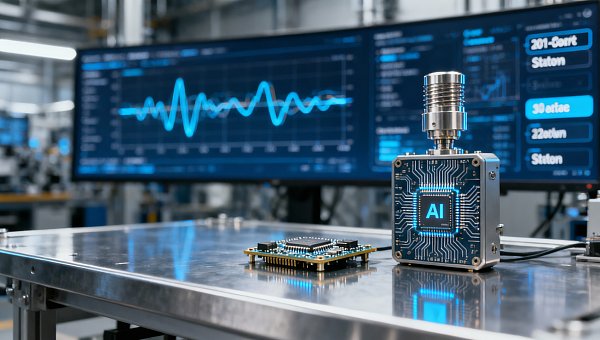
 MIIT Launches 'AI + Software' InitiativeAI + Software initiative by MIIT boosts intelligent programming tools, compute optimization & domestic industrial software—key for instrumentation, lab systems & monitoring platforms.
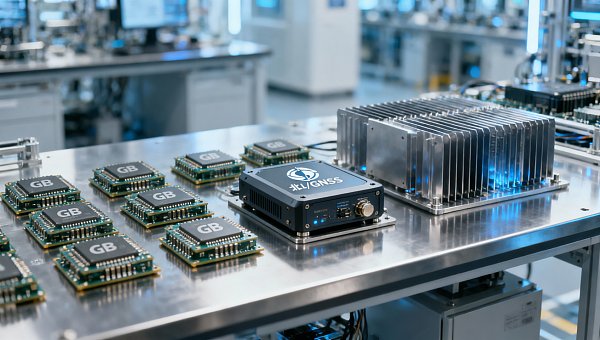
 China Approves New National Standards for AI, Chip, and GNSSChina's new national standards for AI, chips, and GNSS—effective Nov 2026—reshape global export compliance. Discover key impacts & actionable steps now.
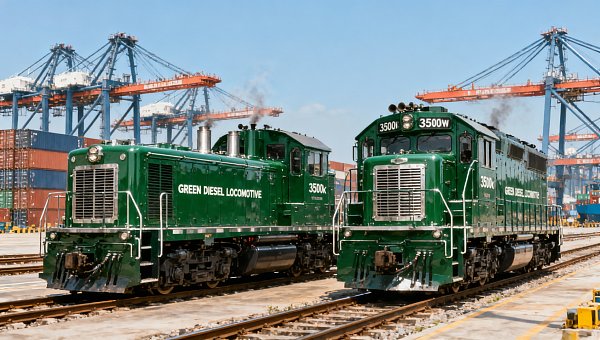
 Guangzhou Port Launches Tender for 3500kW Green Diesel LocomotivesGuangzhou Port's tender for 3500kW green diesel locomotives signals urgent demand for turnkey, eco-compliant rail solutions — act now to align with China’s port decarbonization timeline.
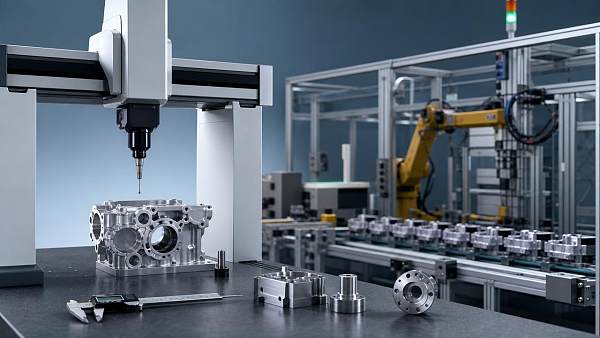
 Industrial Metrology Tools: When Accuracy Impacts OutputIndustrial metrology tools directly shape output, quality, and cost. Learn how accurate measurement reduces scrap, speeds decisions, and improves production performance.
 Process Measurement Devices in Export Compliance UpdatesProcess measurement devices face new export compliance updates that impact classification, documents, lead times, and market access. Learn practical steps to reduce risk and protect growth.
 Quality Control Analyzers Price Shifts in Global SupplyQuality control analyzers prices are shifting with global supply changes. Learn the key cost drivers, compliance risks, and sourcing tips buyers need to reduce total cost.
 Production Line Monitoring: How to Reduce Downtime FastProduction line monitoring helps reduce downtime fast with practical checklists, smarter alarms, and real-time insights. Learn how to improve visibility, response speed, and line reliability.
 Process Optimization Instruments: ROI vs Maintenance CostsProcess optimization instruments: compare ROI, downtime reduction, and accuracy gains against calibration and maintenance costs. Learn how to choose smarter, lower-risk solutions.
 Manufacturing Process Control Trends Shaping 2026 OutputManufacturing process control trends for 2026: explore real-time monitoring, predictive quality, compliance readiness, and smarter automation strategies to boost output and reduce risk.
 Industrial Inspection Devices for Safer Quality ChecksIndustrial inspection devices help deliver safer quality checks by detecting faults early, reducing downtime, and improving compliance across manufacturing, energy, and infrastructure.
 Industrial Control Instruments: Common Selection MistakesIndustrial control instruments selection mistakes can cause downtime, drift, and safety issues. Learn the most common errors and how to choose the right solution with confidence.
 Industrial Monitoring Solutions: Key Cost Factors in 2026Industrial monitoring solutions in 2026 cost far more than hardware alone. Learn the hidden cost drivers, compare vendor proposals wisely, and make smarter ROI-focused investment decisions.
 How to Compare Test and Measurement Equipment for Factory UseTest and measurement equipment for factory use should be compared by real application, not specs alone. Learn how to choose reliable, connected tools that cut downtime and improve control.
 Stack Gas Analyzers: When Maintenance Delays Start Raising RiskStack gas analyzers can look normal while hidden drift raises compliance, efficiency, and reliability risks. Learn the warning signs and smart maintenance checks before delays become costly.
 Industrial Measurement Systems in Export Projects: Key Compliance ChecksIndustrial measurement systems for export projects: learn the key compliance checks for certifications, calibration, safety, and documents to avoid delays and ensure smooth delivery.
 Pharmaceutical Instrumentation Upgrades: What to Evaluate FirstPharmaceutical instrumentation upgrades start with compliance, data integrity, uptime, and ROI. Learn what to evaluate first to reduce risk and make smarter buying decisions.
 Food Processing Analyzers for Compliance and Batch ConsistencyFood processing analyzers help manufacturers improve compliance, reduce batch variation, and verify quality from raw materials to final release with faster, traceable decisions.
 Biogas Analyzers Market Trends: Accuracy, Maintenance, and ROIBiogas analyzers market trends: explore how accuracy, lower maintenance, and stronger ROI help energy and industrial buyers improve gas quality, uptime, and compliance.
 Safety Monitoring Systems: Common Setup Mistakes to AvoidSafety monitoring systems fail fast when setup is wrong. Discover common installation, calibration, and alarm mistakes to avoid for safer operations and more reliable monitoring.
 Industrial Testing Equipment Costs in 2026: What Drives Pricing?Industrial testing equipment costs in 2026 depend on accuracy, compliance, automation, and lifecycle service. Learn what drives pricing and how to reduce total ownership cost.




Search Categories
Search Categories
Latest Article
- Plant Automation Instruments: Upgrade Signals You Should Not IgnorePlant automation instruments show upgrade signals before costly failures happen. Learn the warning signs, business value, and smart replacement steps to improve uptime, safety, and control.Posted by:
- How Industrial Quality Analyzers Reduce Rework and ScrapIndustrial quality analyzers help manufacturers detect defects early, reduce rework and scrap, improve compliance, and boost process efficiency with faster, data-driven control.Posted by:
- Industrial Process Analyzers: What to Check Before ImportingIndustrial process analyzers: learn what to check before importing, from certifications and technical fit to maintenance and supplier support, to reduce risk and buy with confidence.Posted by:
Please give us a message
