
How to Choose an Industrial Analyzer System for Continuous Process Control


How to Choose an Industrial Analyzer System for Continuous Process Control
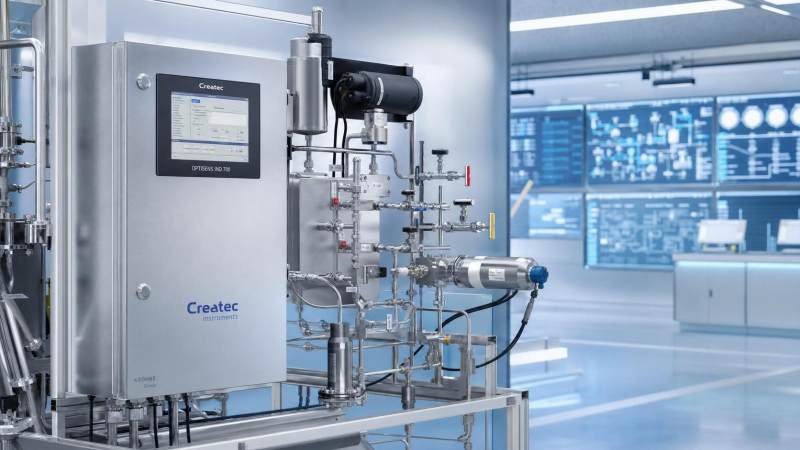
Choosing the right industrial analyzer system shapes process stability, product consistency, and compliance performance.
In continuous operations, one weak measurement point can trigger waste, off-spec output, or unplanned downtime.
That is why selection goes far beyond a data sheet.
A reliable industrial analyzer system must fit the chemistry, the control strategy, and the plant’s maintenance reality.
It also needs to support long-term digitalization goals, not just today’s commissioning target.
From recent market shifts, a clearer signal is emerging.
Plants now expect analyzers to deliver measurement accuracy, network visibility, and lower lifecycle effort at the same time.
This guide breaks down how to evaluate an industrial analyzer system for confident process control decisions.
Start with the Process, Not the Product Brochure
The best industrial analyzer system begins with the process condition it must survive and measure.
Many selection mistakes happen when teams compare analyzer brands before defining the actual measurement problem.
In practice, five process questions matter first.
- What variable must be measured continuously?
- What concentration range and detection limit are required?
- What are the pressure, temperature, and flow conditions?
- Is the sample clean, corrosive, wet, dusty, or unstable?
- How fast must the result reach the control loop?
These answers narrow the analyzer technology much faster than vendor marketing language.
For example, a gas chromatography setup may offer rich composition data.
But it may not suit a control point needing near-instant response.
Likewise, an optical analyzer can be fast and low-maintenance.
Yet it may struggle if the sample matrix changes more than expected.
Match Analyzer Technology to Measurement Risk
Not every industrial analyzer system solves the same control problem.
A smart selection compares technology strengths against process risk.
Common technology options
- Gas chromatographs for multi-component, high-accuracy composition analysis.
- TDLAS analyzers for fast gas measurement with low cross-interference.
- pH, conductivity, and dissolved oxygen analyzers for liquid process control.
- NIR and Raman systems for non-destructive composition monitoring.
- Moisture and oxygen analyzers for purity, combustion, and quality assurance.
The key is to rank what failure would cost.
If a delayed result causes product giveaway, response time becomes a primary selection factor.
If drift could trigger an emissions issue, calibration stability matters more than broad functionality.
This also means the “most advanced” industrial analyzer system is not always the best choice.
The right one is the system that reduces operational uncertainty at the exact measurement point.
Evaluate the Full Sampling System
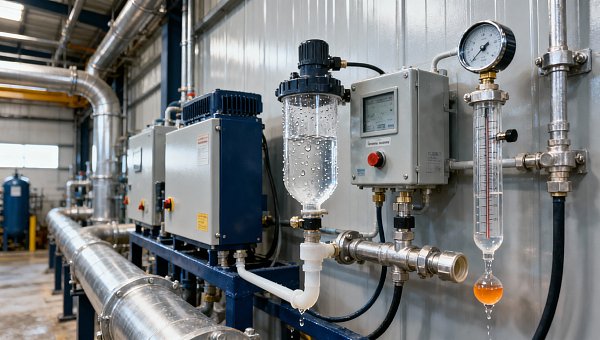
A high-quality industrial analyzer system can still fail if the sampling design is weak.
In continuous process control, the sample handling system often determines real-world performance.
This is especially true in harsh chemical, refining, power, and environmental applications.
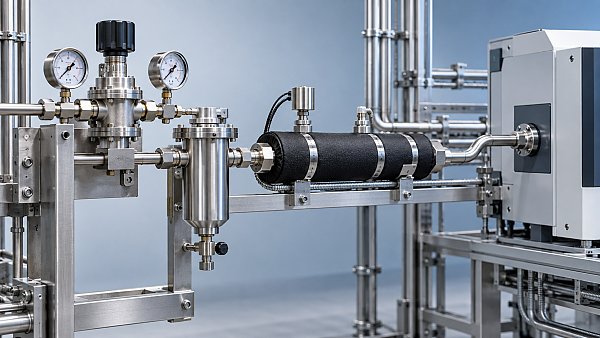
Review these sampling factors
- Sample lag time from process tap to analyzer.
- Pressure reduction and temperature conditioning design.
- Filtration, moisture removal, and particulate management.
- Materials compatibility with corrosive or reactive media.
- Access for draining, cleaning, and safe maintenance.
In actual projects, teams sometimes buy the analyzer first and design sampling later.
That sequence increases risk.
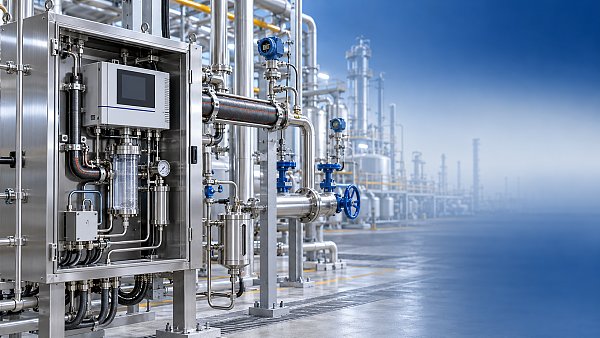
A better approach evaluates the industrial analyzer system as one package: probe, sample line, conditioning, shelter, analyzer, and drain logic.
If the sample is not representative, the control action will not be reliable.
Check Integration with DCS, PLC, and Plant Data Systems
An industrial analyzer system should not behave like an isolated instrument island.
It must connect cleanly with the control architecture already running the plant.
That usually includes DCS, PLC, SCADA, historians, and asset management tools.
Integration checklist
- Support for required protocols such as Modbus, HART, OPC UA, or Ethernet/IP.
- Clear status signals for fault, calibration, maintenance, and validation modes.
- Time synchronization for traceable event analysis.
- Cybersecurity features aligned with plant policy.
- Remote diagnostics for faster troubleshooting.
This is where long-term value becomes more visible.
A connected industrial analyzer system helps operators see measurement health, not just the measurement value.
That distinction matters when digital transformation projects push for predictive maintenance and tighter control loops.
Focus on Maintenance Burden and Lifecycle Cost
Purchase price tells only part of the story.
A cost-effective industrial analyzer system is one that delivers stable uptime with manageable service effort.
This becomes even more important in remote sites or hazardous areas.
Look beyond CAPEX
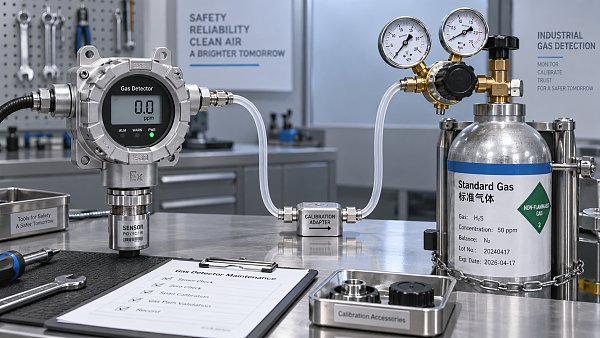
- Calibration frequency and calibration gas or reagent costs.
- Routine cleaning and consumables replacement intervals.
- Mean time to repair and spare parts availability.
- Required technician skill level.
- Vendor service coverage across operating regions.
A useful evaluation method is to estimate cost per year of reliable data.
That view often changes the ranking.
A cheaper analyzer with frequent drift, reagent use, or repeated callouts can become the expensive option fast.
For many plants, lifecycle simplicity is the real performance multiplier.
Confirm Compliance, Safety, and Environmental Fit
Every industrial analyzer system must align with the regulatory and physical environment where it will operate.
This can include hazardous area rules, emissions monitoring obligations, and internal quality standards.
This step prevents late-stage redesign and approval delays.
It also helps separate a technically impressive industrial analyzer system from one that is truly deployment-ready.
Ask Better Vendor Questions Before Final Selection
Vendor comparison becomes stronger when questions are tied to plant outcomes.
Instead of asking only about accuracy, ask how the industrial analyzer system performs over time in similar duty.
Useful decision questions
- What reference installations match this process and sample composition?
- What causes the most common measurement failure in this application?
- How is analyzer drift detected and communicated to the control room?
- What maintenance tasks can site staff complete without specialist intervention?
- What is the recommended spare parts list for the first two years?
- How quickly can service support respond in this region?
These questions reveal operational honesty.
They also expose whether the supplier understands the industrial analyzer system as a process asset, not just a product shipment.
Build a Selection Framework That Supports Long-Term Control
The final choice should be structured, not intuitive.
A practical scorecard helps compare each industrial analyzer system against real operating priorities.
- Measurement fit and response speed.
- Sampling reliability and representativeness.
- Control system integration quality.
- Maintenance burden and lifecycle cost.
- Compliance readiness and site suitability.
- Vendor support strength and installed-base evidence.
That framework makes decisions easier to defend internally.
It also keeps teams focused on risk reduction, not feature overload.
In the end, the right industrial analyzer system is the one that delivers trusted data continuously, under real plant conditions.
When measurement trust improves, control decisions improve with it.
And that is what turns analyzer selection into a long-term operational advantage.
If you are comparing options now, start by mapping one critical measurement point end to end, then score each industrial analyzer system against that real duty.
Recommended for You
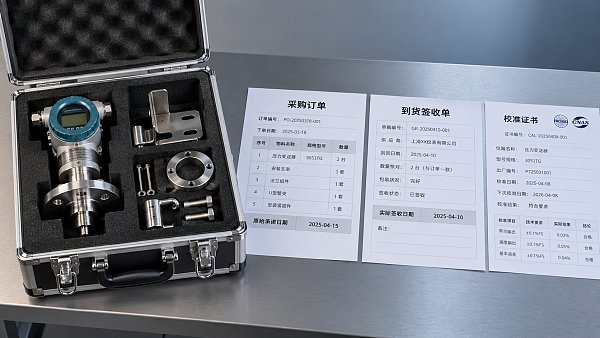
 How to identify a reliable supplier using on-time delivery recordsIdentify a Reliable Supplier by verifying on-time delivery records, original commitments, and complete shipments. Learn practical checks to reduce purchasing risk and protect your project schedule.
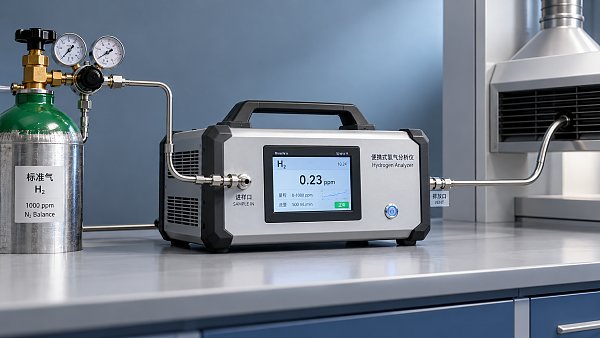
 How sensitive should a portable hydrogen analyzer be for lab use?Choose a portable hydrogen analyzer for laboratory use with the right quantification limit, accuracy, and range. Learn how to verify performance and avoid costly buying mistakes.
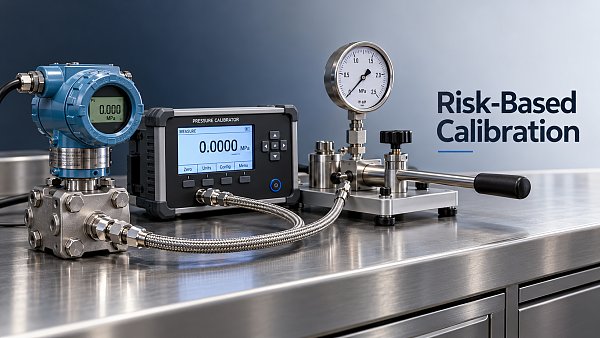
 How to set industrial calibration intervals based on equipment riskSet industrial calibration intervals based on equipment risk, drift, and as-found data. Learn when to shorten or extend schedules to improve reliability and avoid unnecessary costs.
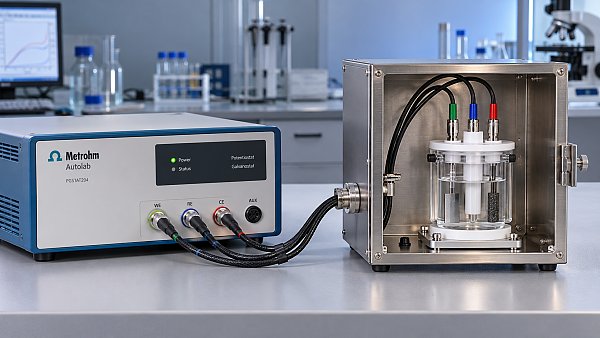
 How to choose electrochemical analyzers for low-current measurementsCompare electrochemical analyzers for precise low-current measurements. Learn how noise, leakage, bandwidth, and real-cell testing help you choose the right instrument.
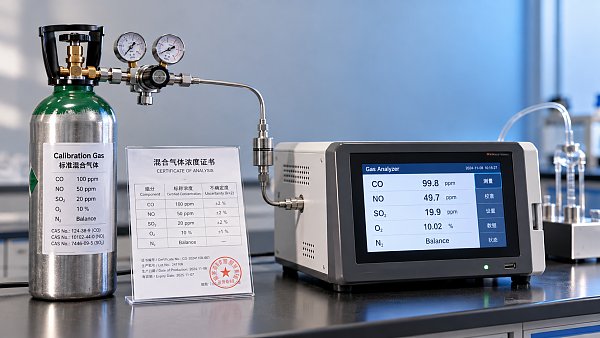
 What tolerance does a custom gas mixture need for calibration?Choose the right custom gas tolerance for calibration. Learn how blending tolerance, certified uncertainty, and stability affect accuracy—and avoid paying for precision you don’t need.
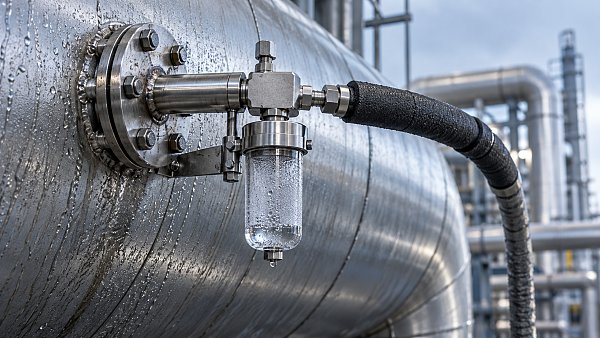
 How condensation affects stack detector readings in wet flue gasStack detector readings can drift when wet flue gas condenses. Learn how to identify moisture interference, prevent sample losses, and improve emissions monitoring reliability.
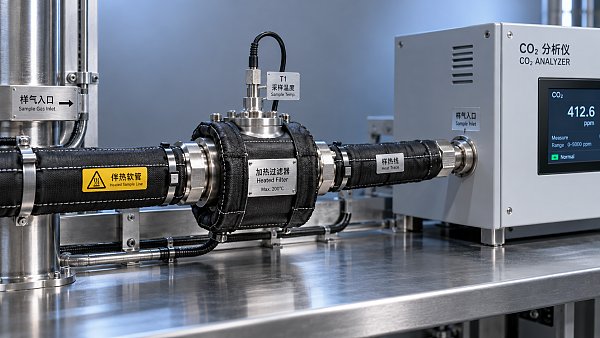
 How to prevent condensation in a CO2 analyzer sampling systemPrevent condensation in your CO2 analyzer sampling system. Learn how to control dew point, eliminate cold spots, and manage moisture for reliable readings and fewer costly disruptions.
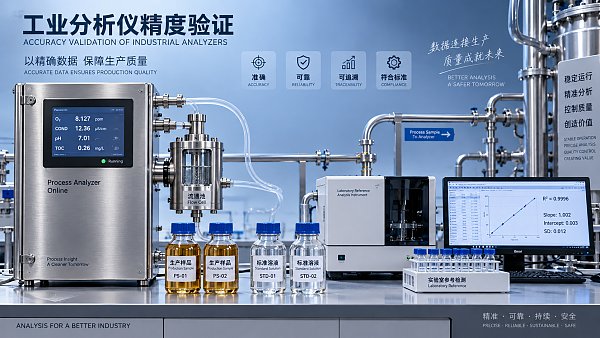
 How to verify accuracy claims for industrial quality analyzersVerify accuracy claims for industrial quality analyzers with calibration checks, independent testing, and clear acceptance criteria. Learn how to reduce risk and buy with confidence.
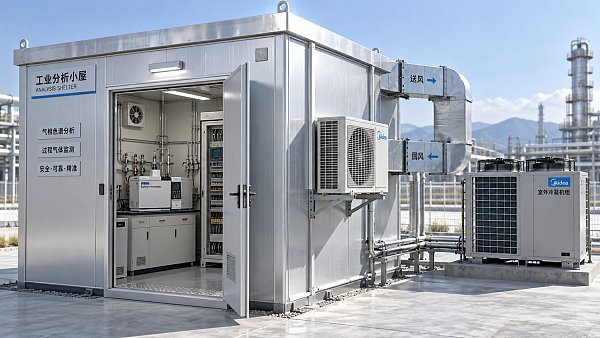
 How to calculate cooling loads for an industrial analyzer shelterSize industrial analyzer shelter cooling with confidence. Learn to calculate equipment heat, solar gains, and ventilation loads, then select HVAC capacity for reliable analyzer performance.
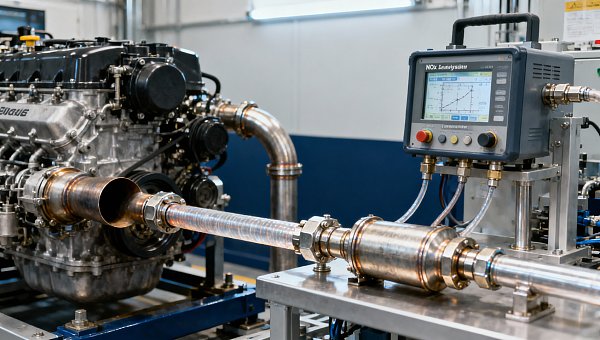
 Diesel Engine NOx Analyzers: Response Time and NO2 Conversion ExplainedChoosing a NOX analyzer for diesel engines? Learn how response time, NO2 conversion, and sampling design affect accuracy—and make a smarter, evidence-based purchase.
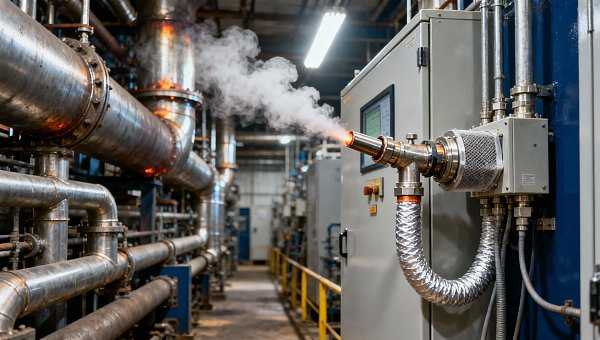
 SO2 Analyzers for Smelter Emissions: Sampling Hot, Dust-Laden Flue GasSelect an SO2 analyzer for smelting industry applications. Discover how to handle hot, dust-laden flue gas, prevent sample losses, and achieve reliable emissions monitoring.
 Unstable CH4 Readings in Biogas Monitoring? Check Moisture and Sample FlowCH4 analyzer for biogas monitoring giving unstable readings? Discover how moisture, sample flow, and pressure checks help pinpoint faults and restore reliable methane measurements.
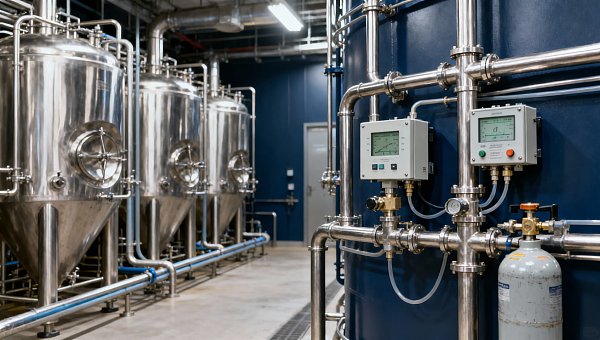
 Buying a CO2 Analyzer for Brewery Gas Recovery: Costs Beyond the Purchase PriceBuying a CO2 analyzer for brewery applications? Compare sampling, installation, calibration, and downtime costs to uncover hidden expenses and make a smarter gas recovery investment.
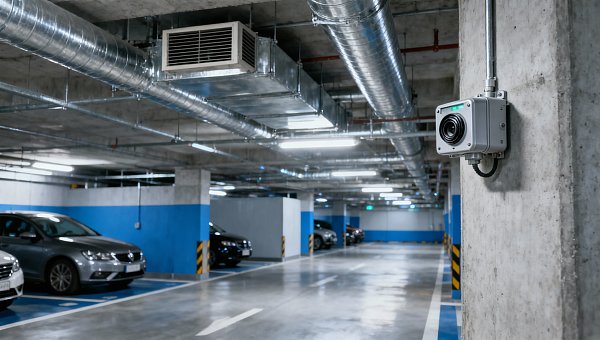
 Where to Place CO Analyzers for Effective Parking Garage VentilationOptimize your CO analyzer for parking garage ventilation with practical placement tips. Learn how sensor height, airflow, and zone coverage support timely detection and effective fan control.
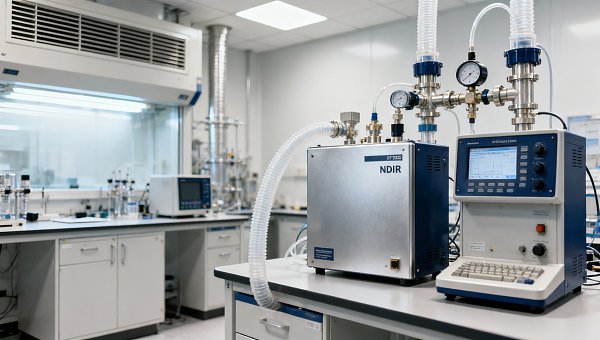
 NDIR vs. FTIR Gas Analyzers: Which Fits Your Environmental Research?Find the right infrared gas analyzer for environmental research. Compare NDIR vs. FTIR on sensitivity, gas coverage, sampling needs, and cost to choose confidently for your study.
 Oxygen Analyzers for Diving: Calibration Checks Before Nitrox BlendingUsing an oxygen analyzer for diving applications? Discover essential calibration, sensor, and sampling checks before nitrox blending to support reliable readings.
 How Paramagnetic Oxygen Analyzers Work and Why Sample Pressure MattersLearn how a paramagnetic oxygen analyzer works, why sample pressure affects accuracy, and what to check in compensation and calibration before choosing your system.
 How Much Does a Complete CEMS Integration Project Typically Cost?How much does a complete CEMS integration project typically cost? Explore budget ranges, hidden installation costs, and compliance needs to compare quotes and plan confidently.
 What Is the Typical Response Time for Industrial Air Monitors?What is the typical response time for industrial air monitors? Explore T90, sampling delays, and alarm settings to compare performance and choose the right monitor with confidence.
 Do Regulatory Monitoring Systems Need Third-Party Certification?Do regulatory monitoring systems need third-party certification? Learn when it is required, what certificates prove, and how to verify compliance before buying.
 How Do You Choose Wired or Wireless for Stack Monitoring?Learn how to choose between wired and wireless for stack monitoring. Compare reliability, lifecycle costs, and data recovery to find the right CEMS setup for your site.
 What Happens When Combustible Gas Sensor Calibration Is Overdue?What happens if combustible gas sensor is not recalibrated on time? Discover the risks of inaccurate readings and missed alarms, plus steps to restore reliable protection.
 Can One Multi-Gas Detector Replace Four Separate Analyzers?Find out: can a single multi-gas detector replace four separate analyzers? Compare accuracy, safety, compliance, and lifetime costs to make a confident buying decision.
 Industrial Safety vs. Emission Monitoring: What Are the Differences?What are the main differences between industrial safety and emission monitoring? Compare goals, sensors, response times, and compliance needs to choose the right systems for your facility.
 Is Remote Monitoring Worth the Cost for Small Emission Sources?Is it worth investing in remote monitoring for small emission sources? Compare costs, compliance needs, and potential savings to choose the right solution for your operation.
 How Do You Handle Analyzer Failure During an Environmental Audit?Learn how to handle analyzer failure during environmental compliance audit procedures. Protect evidence, verify data, and restore monitoring with this practical response guide.
 Do VOC Monitors Require Explosion-Proof Certification?Does VOC monitoring require explosion-proof certification? Learn when approval is needed, compare ATEX and IECEx, and choose the right monitor for your site.
 How sample conditioning affects accuracy in petrochemical analyzersImprove accuracy in petrochemical analyzers with smarter sample conditioning. Discover how phase control, filtration, and transport design prevent bias and deliver reliable process data.
 How to troubleshoot sensor drift in industrial gas detectorsIndustrial gas detectors showing sensor drift? Learn how to verify calibration gas, identify root causes, and determine when sensor replacement is needed for reliable monitoring.
 How to judge whether a competitive price reflects real valueCompetitive Price: learn how to compare scope, compliance, performance, and lifecycle costs to identify real value, reduce risk, and make smarter purchasing decisions.
 When custom gas analysis is the right fit for complex process streamsCustom gas analysis for complex process streams: learn when tailored sampling, interference control, and reliable measurement design deliver confident decisions.
 When does a laser gas analyzer meet stack emissions monitoring needs?Laser gas analyzer for stack emissions: learn when it delivers fast, reliable data, how to assess installation risks, and what to verify for CEMS compliance.
Search Categories
Search Categories
- Smart Meters & Power Quality
- Transformer Gas Analyzers
- BESS Thermal Runaway Detectors
- Energy, Power & Smart Grid Monitoring
- Optical Profilers & CMM
- Ultrasonic & X-Ray NDT
- Calibration Standards
- Precision Metrology & NDT
- Water Quality Analyzers
- CEMS & VOCs Monitors
- Price Trends
- Import & Export Updates
- Market Trends
- Industry News
- Industry Insights
Latest Article
- How to identify a reliable supplier using on-time delivery recordsIdentify a Reliable Supplier by verifying on-time delivery records, original commitments, and complete shipments. Learn practical checks to reduce purchasing risk and protect your project schedule.Posted by:
- How sensitive should a portable hydrogen analyzer be for lab use?Choose a portable hydrogen analyzer for laboratory use with the right quantification limit, accuracy, and range. Learn how to verify performance and avoid costly buying mistakes.Posted by:
- How to set industrial calibration intervals based on equipment riskSet industrial calibration intervals based on equipment risk, drift, and as-found data. Learn when to shorten or extend schedules to improve reliability and avoid unnecessary costs.Posted by:
Please give us a message
