
How to Compare Condition Monitoring Equipment for Critical Assets


Choosing the right condition monitoring equipment for critical assets is not just a purchasing decision—it directly affects reliability, maintenance efficiency, and risk control. In industries that depend on accurate instrumentation, comparison must go beyond catalog claims. It should test how well each option captures meaningful data, survives real operating conditions, supports integration, and delivers lifecycle value across maintenance and asset management programs.
Why a checklist matters when comparing condition monitoring equipment
Critical assets often operate in complex environments where failure costs are high. Pumps, turbines, compressors, transformers, motors, fans, conveyors, and process skids all produce different failure signals. A structured checklist prevents decisions based only on price, brand familiarity, or isolated specifications.
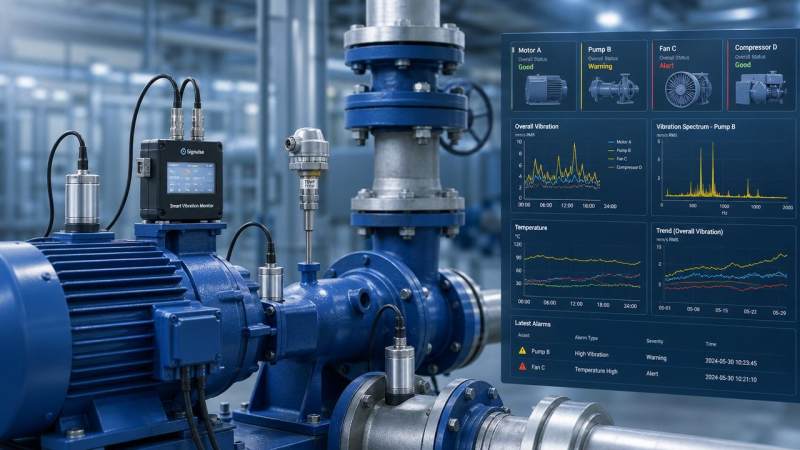
A checklist also helps align technical evaluation across reliability, automation, safety, and maintenance requirements. In the instrumentation industry, monitoring devices must support measurement accuracy, signal stability, diagnostics, communication, and long-term maintainability. Comparing condition monitoring equipment in a disciplined way reduces hidden gaps before deployment.
Core checklist for evaluating condition monitoring equipment
Use the following checklist to compare condition monitoring equipment for critical assets in manufacturing, power, energy, water treatment, laboratory utilities, and automated processing lines.
- Define failure modes first, then match sensing methods such as vibration, temperature, acoustic, oil analysis, current signature, or partial discharge to the asset’s dominant risk profile.
- Verify measurement performance under real conditions, including sensitivity, frequency range, repeatability, drift, sampling rate, and noise rejection during load changes or process disturbances.
- Check environmental suitability for dust, humidity, washdown, corrosive atmospheres, hazardous areas, extreme temperatures, and mechanical shock common in industrial monitoring applications.
- Compare installation requirements, including mounting method, cable routing, sensor placement, power supply needs, enclosure design, and fit within existing asset layouts or safety boundaries.
- Assess communication options such as 4-20 mA, Modbus, HART, Ethernet, wireless protocols, OPC UA, or gateway support for SCADA, DCS, PLC, and historian integration.
- Review onboard analytics carefully, including alarm logic, trend analysis, edge processing, event capture, baseline comparison, and whether algorithms are explainable and adjustable.
- Confirm data quality management features, including time synchronization, buffering, cybersecurity controls, calibration records, diagnostics, and auditability for regulated or high-reliability environments.
- Evaluate scalability by checking whether the condition monitoring equipment can expand from one asset to many sites without creating data overload or maintenance complexity.
- Calculate lifecycle cost instead of purchase price alone, including commissioning, software licensing, calibration, spare parts, support contracts, battery replacement, and training effort.
- Test vendor support depth, including application engineering, documentation quality, spare availability, firmware policy, service response, and experience with similar critical assets.
Measurement fit is the starting point
The best condition monitoring equipment is the one that captures the earliest useful fault indicator. For rotating assets, vibration often reveals imbalance, misalignment, looseness, and bearing defects. For electrical assets, thermal behavior, insulation status, or partial discharge may be more relevant. For fluid systems, pressure pulsation, flow instability, and lubricant condition can matter more than vibration alone.
Comparisons should therefore begin with failure mechanisms, not feature lists. An advanced dashboard has limited value if the sensor principle does not match the asset physics.
Integration determines operational value
Condition monitoring equipment creates value when data reaches the systems that trigger action. Standalone devices may be acceptable for route-based inspection. Critical assets usually require automated alarms, historian trends, work order linkage, and visibility inside plant control or enterprise systems.
When comparing options, look for open communication standards and clear data mapping. Integration effort often determines deployment speed, engineering cost, and long-term usability more than the sensor itself.
How comparison criteria change by application scenario
Rotating equipment in industrial manufacturing
Motors, pumps, fans, and gearboxes usually require vibration and temperature monitoring with reliable trending. In this scenario, compare frequency response, mounting consistency, alarm logic, and the ability to distinguish process variation from mechanical degradation.
Wireless condition monitoring equipment may reduce installation cost, but battery strategy, update interval, and signal reliability must be checked against fault progression speed and accessibility constraints.
Power and energy assets
Transformers, switchgear, turbines, and auxiliary balance-of-plant systems often require a combination of thermal, electrical, vibration, and oil-related measurements. Environmental tolerance, insulation coordination, event recording, and secure communication become especially important.
Here, condition monitoring equipment should support high-availability architecture and strong diagnostic confidence. False alarms can disrupt operations, while missed warnings can create major safety and continuity risks.
Process industries and environmental systems
In water treatment, chemical processing, emissions control, and utility monitoring, corrosion resistance, ingress protection, and stability under variable process conditions often outweigh cosmetic software features. Compare enclosure quality, material compatibility, and calibration traceability.
Condition monitoring equipment in these settings should also fit broader instrumentation strategies, especially where process analyzers, flow instruments, and control devices already feed centralized monitoring platforms.
Commonly overlooked issues when comparing condition monitoring equipment
Ignoring sensor placement constraints
A strong specification sheet cannot compensate for poor installation geometry. Limited mounting access, weak surfaces, long cable runs, and interference sources can reduce signal quality and make condition monitoring equipment appear less capable than it is.
Underestimating data governance
Many evaluations focus on sensor hardware while overlooking data retention, tagging structure, alarm ownership, and cybersecurity. Without these controls, condition monitoring equipment can generate data but not reliable decisions.
Assuming more data always means better monitoring
High sampling rates and dense sensor networks are useful only when they serve a diagnostic purpose. Oversized systems increase storage, review time, and alarm fatigue. Compare equipment based on actionable insight, not raw data volume.
Missing maintenance burden after commissioning
Condition monitoring equipment also needs maintenance. Calibration intervals, firmware updates, sensor replacement, battery service, and connector inspection should be included in the comparison. A low-cost device may create a high support burden later.
Practical steps to compare options side by side
- Build an asset-based matrix that ranks failure modes, criticality, operating environment, and required response time before reviewing any supplier proposal.
- Score each condition monitoring equipment option against weighted criteria such as sensing fit, integration, environmental rating, analytics, serviceability, and total cost.
- Request real data examples, not only brochures, including trend plots, alarm screenshots, diagnostic reports, and installation references from comparable industries.
- Run a limited pilot on one representative critical asset to validate signal quality, false alarm rate, usability, and integration effort under normal operations.
- Document acceptance criteria in advance, including baseline quality, reporting frequency, cybersecurity expectations, and support response commitments after commissioning.
Summary and next actions
To compare condition monitoring equipment effectively, start with asset failure modes, then evaluate measurement fit, environmental durability, integration depth, analytics, and lifecycle cost. The strongest option is rarely the one with the longest feature list. It is the one that produces reliable, interpretable data and fits the realities of operation, maintenance, and industrial instrumentation management.
As a next step, create a comparison sheet for the most critical assets, assign weighted evaluation criteria, and validate shortlisted condition monitoring equipment in a controlled pilot. This approach supports better reliability decisions, more efficient maintenance planning, and stronger long-term value from monitoring investments.
Recommended for You
 How does cross-interference affect multi-component gas analyzers?How does cross-interference affect multi component gas analyzers? Explore measurement errors, compensation limits, and validation tips to choose the right system for your process.
 How does temperature affect high-accuracy sensor performance?Explore how temperature affects high accuracy sensor performance. Learn to reduce thermal drift, evaluate compensation, and select the right sensor for reliable measurements.
 Can a C4H8O concentration analyzer distinguish between isomers?Can a C4H8O concentration analyzer distinguish isomers? Compare GC, FTIR and MS methods, uncover selectivity limits, and learn what to validate before choosing your instrument.
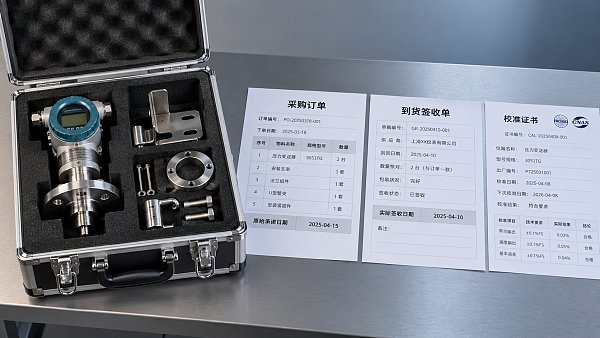
 How to identify a reliable supplier using on-time delivery recordsIdentify a Reliable Supplier by verifying on-time delivery records, original commitments, and complete shipments. Learn practical checks to reduce purchasing risk and protect your project schedule.
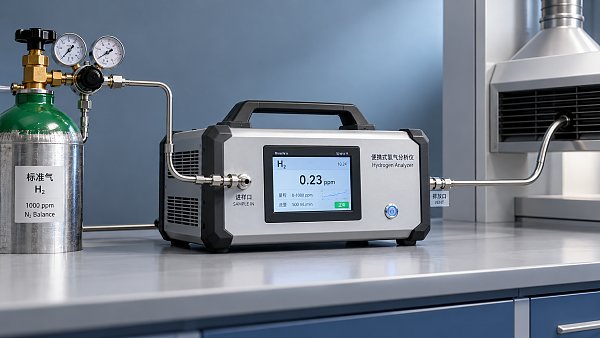
 How sensitive should a portable hydrogen analyzer be for lab use?Choose a portable hydrogen analyzer for laboratory use with the right quantification limit, accuracy, and range. Learn how to verify performance and avoid costly buying mistakes.
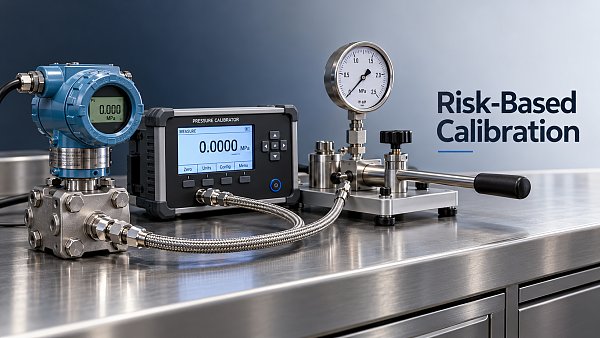
 How to set industrial calibration intervals based on equipment riskSet industrial calibration intervals based on equipment risk, drift, and as-found data. Learn when to shorten or extend schedules to improve reliability and avoid unnecessary costs.
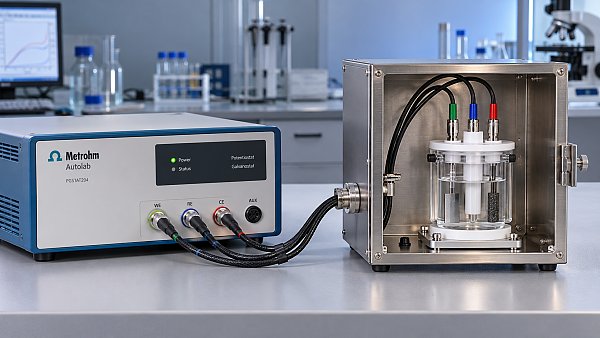
 How to choose electrochemical analyzers for low-current measurementsCompare electrochemical analyzers for precise low-current measurements. Learn how noise, leakage, bandwidth, and real-cell testing help you choose the right instrument.
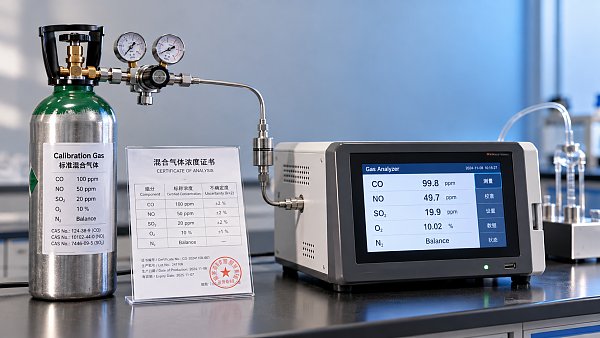
 What tolerance does a custom gas mixture need for calibration?Choose the right custom gas tolerance for calibration. Learn how blending tolerance, certified uncertainty, and stability affect accuracy—and avoid paying for precision you don’t need.
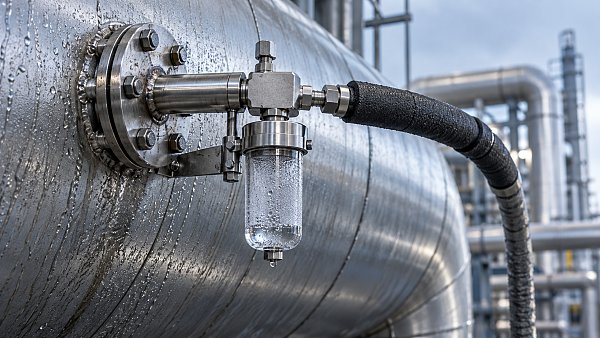
 How condensation affects stack detector readings in wet flue gasStack detector readings can drift when wet flue gas condenses. Learn how to identify moisture interference, prevent sample losses, and improve emissions monitoring reliability.
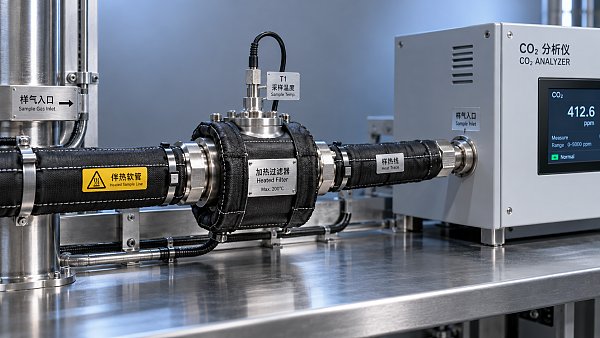
 How to prevent condensation in a CO2 analyzer sampling systemPrevent condensation in your CO2 analyzer sampling system. Learn how to control dew point, eliminate cold spots, and manage moisture for reliable readings and fewer costly disruptions.
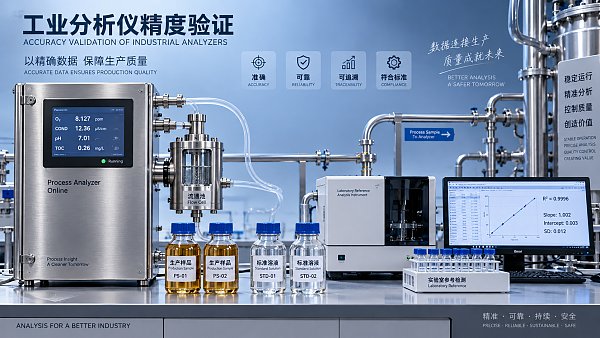
 How to verify accuracy claims for industrial quality analyzersVerify accuracy claims for industrial quality analyzers with calibration checks, independent testing, and clear acceptance criteria. Learn how to reduce risk and buy with confidence.
 How to calculate cooling loads for an industrial analyzer shelterSize industrial analyzer shelter cooling with confidence. Learn to calculate equipment heat, solar gains, and ventilation loads, then select HVAC capacity for reliable analyzer performance.
 Hydrogen Analyzers for Energy Storage: Purity Monitoring vs. Leak DetectionChoosing a hydrogen analyzer for energy storage systems? Compare purity monitoring and leak detection to select the right sensors, improve safety, and protect fuel cell performance.
 NH3 Monitoring in Fertilizer Plants: Where Should Leak Analyzers Be Installed?NH3 analyzer for fertilizer production: discover where to place leak detectors around storage, compressors, and loading areas to reduce blind spots and improve early warning.
 Diesel Engine NOx Analyzers: Response Time and NO2 Conversion ExplainedChoosing a NOX analyzer for diesel engines? Learn how response time, NO2 conversion, and sampling design affect accuracy—and make a smarter, evidence-based purchase.
 SO2 Analyzers for Smelter Emissions: Sampling Hot, Dust-Laden Flue GasSelect an SO2 analyzer for smelting industry applications. Discover how to handle hot, dust-laden flue gas, prevent sample losses, and achieve reliable emissions monitoring.
 Unstable CH4 Readings in Biogas Monitoring? Check Moisture and Sample FlowCH4 analyzer for biogas monitoring giving unstable readings? Discover how moisture, sample flow, and pressure checks help pinpoint faults and restore reliable methane measurements.
 Buying a CO2 Analyzer for Brewery Gas Recovery: Costs Beyond the Purchase PriceBuying a CO2 analyzer for brewery applications? Compare sampling, installation, calibration, and downtime costs to uncover hidden expenses and make a smarter gas recovery investment.
 Where to Place CO Analyzers for Effective Parking Garage VentilationOptimize your CO analyzer for parking garage ventilation with practical placement tips. Learn how sensor height, airflow, and zone coverage support timely detection and effective fan control.
 NDIR vs. FTIR Gas Analyzers: Which Fits Your Environmental Research?Find the right infrared gas analyzer for environmental research. Compare NDIR vs. FTIR on sensitivity, gas coverage, sampling needs, and cost to choose confidently for your study.
 Oxygen Analyzers for Diving: Calibration Checks Before Nitrox BlendingUsing an oxygen analyzer for diving applications? Discover essential calibration, sensor, and sampling checks before nitrox blending to support reliable readings.
 How Paramagnetic Oxygen Analyzers Work and Why Sample Pressure MattersLearn how a paramagnetic oxygen analyzer works, why sample pressure affects accuracy, and what to check in compensation and calibration before choosing your system.
 How Much Does a Complete CEMS Integration Project Typically Cost?How much does a complete CEMS integration project typically cost? Explore budget ranges, hidden installation costs, and compliance needs to compare quotes and plan confidently.
 What Is the Typical Response Time for Industrial Air Monitors?What is the typical response time for industrial air monitors? Explore T90, sampling delays, and alarm settings to compare performance and choose the right monitor with confidence.
 Do Regulatory Monitoring Systems Need Third-Party Certification?Do regulatory monitoring systems need third-party certification? Learn when it is required, what certificates prove, and how to verify compliance before buying.
 How Do You Choose Wired or Wireless for Stack Monitoring?Learn how to choose between wired and wireless for stack monitoring. Compare reliability, lifecycle costs, and data recovery to find the right CEMS setup for your site.
 What Happens When Combustible Gas Sensor Calibration Is Overdue?What happens if combustible gas sensor is not recalibrated on time? Discover the risks of inaccurate readings and missed alarms, plus steps to restore reliable protection.
 Can One Multi-Gas Detector Replace Four Separate Analyzers?Find out: can a single multi-gas detector replace four separate analyzers? Compare accuracy, safety, compliance, and lifetime costs to make a confident buying decision.
 Industrial Safety vs. Emission Monitoring: What Are the Differences?What are the main differences between industrial safety and emission monitoring? Compare goals, sensors, response times, and compliance needs to choose the right systems for your facility.
 Is Remote Monitoring Worth the Cost for Small Emission Sources?Is it worth investing in remote monitoring for small emission sources? Compare costs, compliance needs, and potential savings to choose the right solution for your operation.
 How Do You Handle Analyzer Failure During an Environmental Audit?Learn how to handle analyzer failure during environmental compliance audit procedures. Protect evidence, verify data, and restore monitoring with this practical response guide.
 Do VOC Monitors Require Explosion-Proof Certification?Does VOC monitoring require explosion-proof certification? Learn when approval is needed, compare ATEX and IECEx, and choose the right monitor for your site.
Search Categories
Search Categories
- Smart Meters & Power Quality
- Transformer Gas Analyzers
- BESS Thermal Runaway Detectors
- Energy, Power & Smart Grid Monitoring
- Optical Profilers & CMM
- Ultrasonic & X-Ray NDT
- Calibration Standards
- Precision Metrology & NDT
- Water Quality Analyzers
- CEMS & VOCs Monitors
- Price Trends
- Import & Export Updates
- Market Trends
- Industry News
- Industry Insights
Latest Article
- How does cross-interference affect multi-component gas analyzers?How does cross-interference affect multi component gas analyzers? Explore measurement errors, compensation limits, and validation tips to choose the right system for your process.Posted by:
- How does temperature affect high-accuracy sensor performance?Explore how temperature affects high accuracy sensor performance. Learn to reduce thermal drift, evaluate compensation, and select the right sensor for reliable measurements.Posted by:
- Can a C4H8O concentration analyzer distinguish between isomers?Can a C4H8O concentration analyzer distinguish isomers? Compare GC, FTIR and MS methods, uncover selectivity limits, and learn what to validate before choosing your instrument.Posted by:
Please give us a message
