
China Tests Mobile-Only Toll Payment on Highways


Starting May 18, 2026, pilot implementation of a mobile-only toll payment system — branded ‘Mobile+’ — began at manual toll lanes on expressways in Jiangsu Province and Chongqing Municipality. This initiative enables automatic license plate binding and sub-second toll deduction via NFC and Bluetooth dual-mode recognition, eliminating the need for physical toll cards or ETC onboard units. The rollout signals implications for smart transportation hardware manufacturers, cross-border IoT solution providers, and infrastructure integrators — particularly those targeting emerging markets in Southeast Asia and Latin America.
Event Overview
On May 18, 2026, the Ministry of Transport of China launched a pilot program for ‘Mobile+’ no-card toll payment at manually operated expressway toll lanes in Jiangsu and Chongqing. The system relies on NFC and Bluetooth dual-mode identification to auto-recognize vehicles by license plate and deduct tolls in real time. It does not require an ETC tag or physical toll card. API interfaces have been opened to vehicle OBD diagnostic devices and portable traffic monitoring terminals. No further geographic expansion or national rollout timeline has been officially announced.
Industries Affected
Smart Transportation Hardware Manufacturers
These firms produce OBD dongles, portable roadside sensors, and embedded communication modules. The pilot’s open API specification directly affects product design requirements: support for dual-mode (NFC + Bluetooth) authentication and standardized data exchange with toll backend systems is now operationally validated in a real-world Chinese highway environment. Impact manifests in R&D prioritization, firmware update cycles, and interoperability testing scope.
Cross-Border IoT Solution Providers
Companies exporting integrated mobility solutions to Southeast Asia and Latin America may reference this pilot as a technical and regulatory compatibility benchmark. The stated intent — to provide a ‘mature implementation model and localization adaptation reference’ for overseas markets — implies demand for documentation, certification pathways, and regional compliance mapping (e.g., Bluetooth SIG version alignment, NFC frequency band adherence). Impact centers on pre-sales engineering support and market-entry documentation readiness.
Transport Infrastructure Integrators
Firms responsible for deploying and maintaining toll lane systems (including legacy manual booths) face new integration requirements. Compatibility with mobile-first authentication must coexist with existing ETC infrastructure. Impact includes middleware upgrade planning, interface layer standardization efforts, and phased migration strategies — especially where manual lanes remain operationally critical due to low ETC adoption rates.
What Enterprises and Practitioners Should Monitor and Do Now
Track official technical specifications and policy updates
Monitor announcements from the Ministry of Transport and provincial transport bureaus for published API documentation, security requirements, and certification criteria. These materials — once released — will define minimum functional and compliance thresholds for third-party device integration.
Assess exposure to manual-lane-dependent markets
For hardware exporters, prioritize analysis of countries where manual toll collection remains dominant (e.g., Indonesia, Vietnam, Colombia, Peru). Evaluate whether local telecom infrastructure (Bluetooth/NFC smartphone penetration), regulatory frameworks (data privacy, vehicle ID verification), and toll operator procurement practices align with the ‘Mobile+’ architecture.
Distinguish between policy signal and operational readiness
This pilot is a field test — not a nationwide mandate. Avoid premature large-scale production ramp-ups. Instead, treat it as a validation point for modular architecture: confirm that your device SDK supports dynamic authentication switching (e.g., fallback from NFC to Bluetooth), and verify logging and audit-trail capabilities required for toll reconciliation.
Prepare for localized interoperability testing
If targeting export markets, initiate early coordination with local telecom regulators and toll operators to identify testing environments. Leverage the pilot’s stated ‘localization adaptation reference’ as a negotiation anchor for joint sandbox deployments — especially where national digital ID or vehicle registration databases are involved.
Editorial Perspective / Industry Observation
Observably, this pilot functions primarily as a technical de-risking exercise — validating dual-mode wireless identification in mixed-traffic, high-throughput toll environments. Analysis shows it is not yet a replacement strategy for ETC, but rather a complementary access layer designed to improve coverage where tags or cards are absent. From an industry perspective, its significance lies less in immediate domestic scale and more in establishing a replicable, API-driven interoperability pattern. Current evidence suggests it serves as an export-ready reference architecture — not a finalized global standard. Continuous observation is warranted on whether subsequent pilots expand to include multi-jurisdictional toll networks or integrate with national digital ID systems.
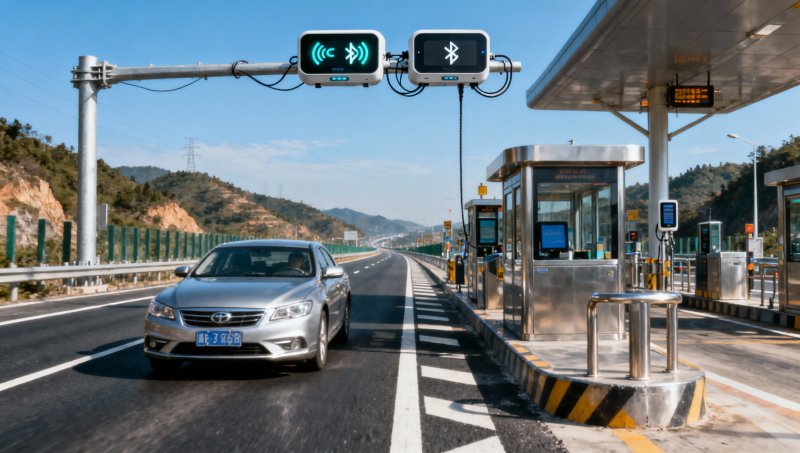
In summary, the ‘Mobile+’ pilot reflects a deliberate shift toward software-defined, hardware-agnostic toll access — one that lowers entry barriers for new sensor vendors while raising integration expectations for legacy infrastructure players. It is best understood not as an imminent market transformation, but as a concrete, field-tested blueprint for interoperable mobility services in infrastructure-constrained environments.
Source: Official announcement issued by the Ministry of Transport of the People’s Republic of China, effective May 18, 2026. Note: Expansion beyond Jiangsu and Chongqing, technical API documentation, and international deployment timelines remain unconfirmed and subject to ongoing observation.
Recommended for You
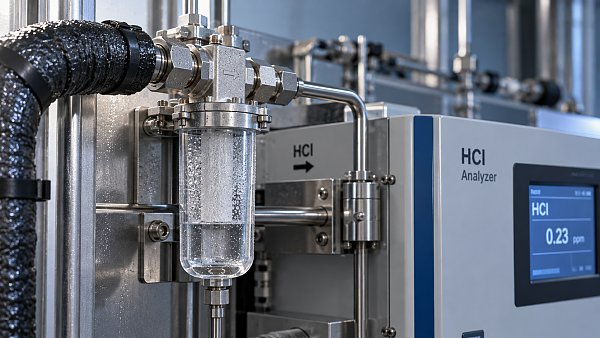
 How condensation affects HCl concentration analyzer accuracyHCl concentration analyzer accuracy can suffer when condensation traps HCl. Learn how to spot sampling losses, prevent low readings, and improve measurement reliability.
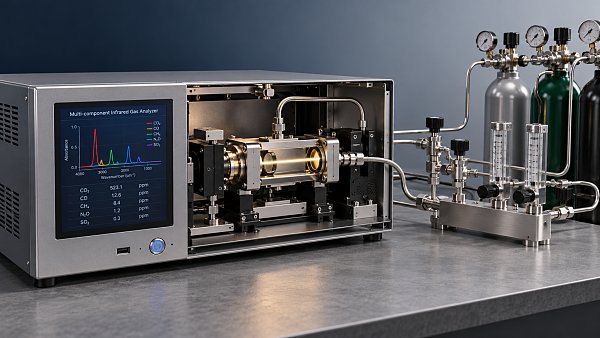
 How does cross-interference affect multi-component gas analyzers?How does cross-interference affect multi component gas analyzers? Explore measurement errors, compensation limits, and validation tips to choose the right system for your process.
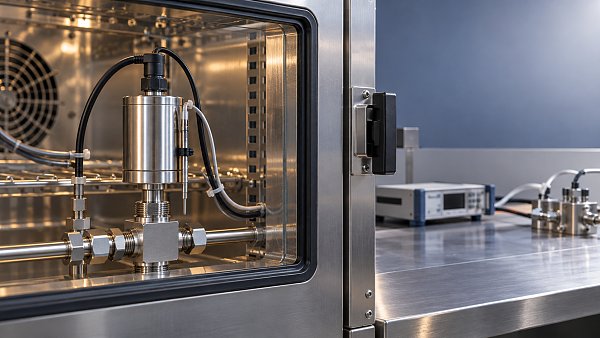
 How does temperature affect high-accuracy sensor performance?Explore how temperature affects high accuracy sensor performance. Learn to reduce thermal drift, evaluate compensation, and select the right sensor for reliable measurements.
 Can a C4H8O concentration analyzer distinguish between isomers?Can a C4H8O concentration analyzer distinguish isomers? Compare GC, FTIR and MS methods, uncover selectivity limits, and learn what to validate before choosing your instrument.
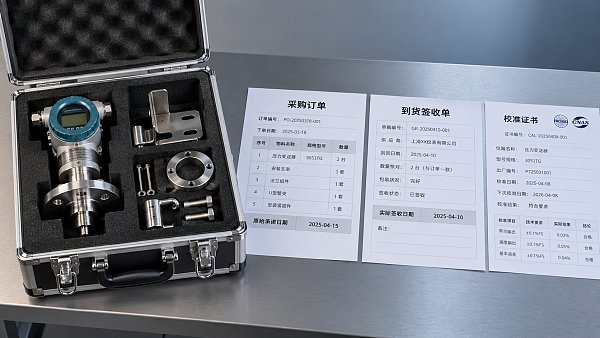
 How to identify a reliable supplier using on-time delivery recordsIdentify a Reliable Supplier by verifying on-time delivery records, original commitments, and complete shipments. Learn practical checks to reduce purchasing risk and protect your project schedule.
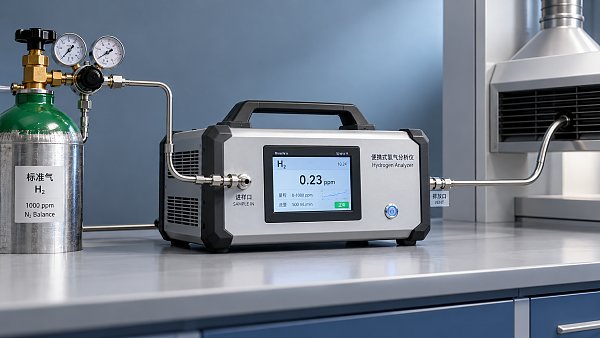
 How sensitive should a portable hydrogen analyzer be for lab use?Choose a portable hydrogen analyzer for laboratory use with the right quantification limit, accuracy, and range. Learn how to verify performance and avoid costly buying mistakes.
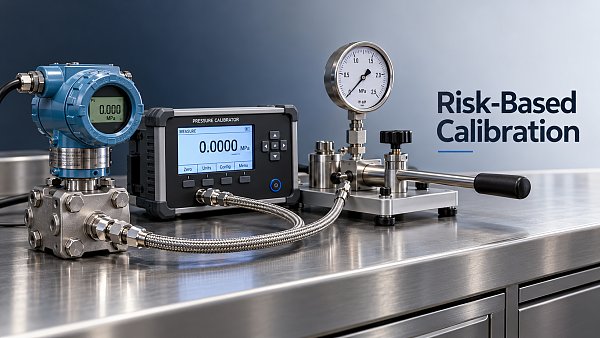
 How to set industrial calibration intervals based on equipment riskSet industrial calibration intervals based on equipment risk, drift, and as-found data. Learn when to shorten or extend schedules to improve reliability and avoid unnecessary costs.
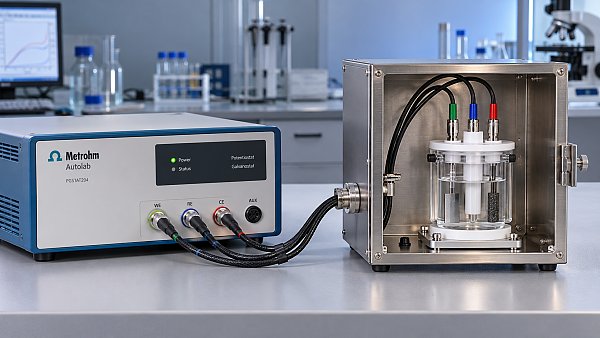
 How to choose electrochemical analyzers for low-current measurementsCompare electrochemical analyzers for precise low-current measurements. Learn how noise, leakage, bandwidth, and real-cell testing help you choose the right instrument.
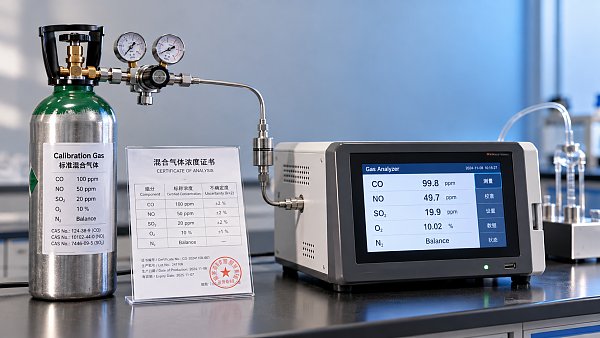
 What tolerance does a custom gas mixture need for calibration?Choose the right custom gas tolerance for calibration. Learn how blending tolerance, certified uncertainty, and stability affect accuracy—and avoid paying for precision you don’t need.
 How condensation affects stack detector readings in wet flue gasStack detector readings can drift when wet flue gas condenses. Learn how to identify moisture interference, prevent sample losses, and improve emissions monitoring reliability.
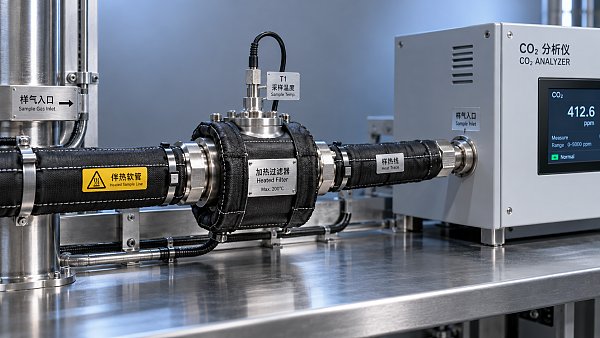
 How to prevent condensation in a CO2 analyzer sampling systemPrevent condensation in your CO2 analyzer sampling system. Learn how to control dew point, eliminate cold spots, and manage moisture for reliable readings and fewer costly disruptions.
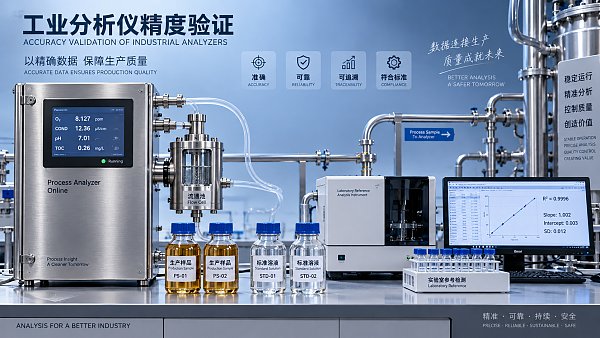
 How to verify accuracy claims for industrial quality analyzersVerify accuracy claims for industrial quality analyzers with calibration checks, independent testing, and clear acceptance criteria. Learn how to reduce risk and buy with confidence.
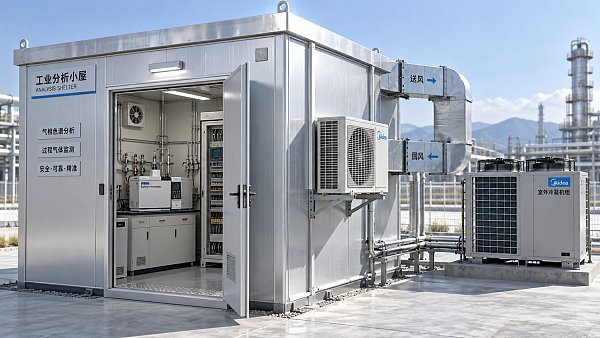
 How to calculate cooling loads for an industrial analyzer shelterSize industrial analyzer shelter cooling with confidence. Learn to calculate equipment heat, solar gains, and ventilation loads, then select HVAC capacity for reliable analyzer performance.
 Hydrogen Analyzers for Energy Storage: Purity Monitoring vs. Leak DetectionChoosing a hydrogen analyzer for energy storage systems? Compare purity monitoring and leak detection to select the right sensors, improve safety, and protect fuel cell performance.
 NH3 Monitoring in Fertilizer Plants: Where Should Leak Analyzers Be Installed?NH3 analyzer for fertilizer production: discover where to place leak detectors around storage, compressors, and loading areas to reduce blind spots and improve early warning.
 Diesel Engine NOx Analyzers: Response Time and NO2 Conversion ExplainedChoosing a NOX analyzer for diesel engines? Learn how response time, NO2 conversion, and sampling design affect accuracy—and make a smarter, evidence-based purchase.
 SO2 Analyzers for Smelter Emissions: Sampling Hot, Dust-Laden Flue GasSelect an SO2 analyzer for smelting industry applications. Discover how to handle hot, dust-laden flue gas, prevent sample losses, and achieve reliable emissions monitoring.
 Unstable CH4 Readings in Biogas Monitoring? Check Moisture and Sample FlowCH4 analyzer for biogas monitoring giving unstable readings? Discover how moisture, sample flow, and pressure checks help pinpoint faults and restore reliable methane measurements.
 Buying a CO2 Analyzer for Brewery Gas Recovery: Costs Beyond the Purchase PriceBuying a CO2 analyzer for brewery applications? Compare sampling, installation, calibration, and downtime costs to uncover hidden expenses and make a smarter gas recovery investment.
 Where to Place CO Analyzers for Effective Parking Garage VentilationOptimize your CO analyzer for parking garage ventilation with practical placement tips. Learn how sensor height, airflow, and zone coverage support timely detection and effective fan control.
 NDIR vs. FTIR Gas Analyzers: Which Fits Your Environmental Research?Find the right infrared gas analyzer for environmental research. Compare NDIR vs. FTIR on sensitivity, gas coverage, sampling needs, and cost to choose confidently for your study.
 Oxygen Analyzers for Diving: Calibration Checks Before Nitrox BlendingUsing an oxygen analyzer for diving applications? Discover essential calibration, sensor, and sampling checks before nitrox blending to support reliable readings.
 How Paramagnetic Oxygen Analyzers Work and Why Sample Pressure MattersLearn how a paramagnetic oxygen analyzer works, why sample pressure affects accuracy, and what to check in compensation and calibration before choosing your system.
 How Much Does a Complete CEMS Integration Project Typically Cost?How much does a complete CEMS integration project typically cost? Explore budget ranges, hidden installation costs, and compliance needs to compare quotes and plan confidently.
 What Is the Typical Response Time for Industrial Air Monitors?What is the typical response time for industrial air monitors? Explore T90, sampling delays, and alarm settings to compare performance and choose the right monitor with confidence.
 Do Regulatory Monitoring Systems Need Third-Party Certification?Do regulatory monitoring systems need third-party certification? Learn when it is required, what certificates prove, and how to verify compliance before buying.
 How Do You Choose Wired or Wireless for Stack Monitoring?Learn how to choose between wired and wireless for stack monitoring. Compare reliability, lifecycle costs, and data recovery to find the right CEMS setup for your site.
 What Happens When Combustible Gas Sensor Calibration Is Overdue?What happens if combustible gas sensor is not recalibrated on time? Discover the risks of inaccurate readings and missed alarms, plus steps to restore reliable protection.
 Can One Multi-Gas Detector Replace Four Separate Analyzers?Find out: can a single multi-gas detector replace four separate analyzers? Compare accuracy, safety, compliance, and lifetime costs to make a confident buying decision.
 Industrial Safety vs. Emission Monitoring: What Are the Differences?What are the main differences between industrial safety and emission monitoring? Compare goals, sensors, response times, and compliance needs to choose the right systems for your facility.
 Is Remote Monitoring Worth the Cost for Small Emission Sources?Is it worth investing in remote monitoring for small emission sources? Compare costs, compliance needs, and potential savings to choose the right solution for your operation.
 How Do You Handle Analyzer Failure During an Environmental Audit?Learn how to handle analyzer failure during environmental compliance audit procedures. Protect evidence, verify data, and restore monitoring with this practical response guide.







Search Categories
Search Categories
- Smart Meters & Power Quality
- Transformer Gas Analyzers
- BESS Thermal Runaway Detectors
- Energy, Power & Smart Grid Monitoring
- Optical Profilers & CMM
- Ultrasonic & X-Ray NDT
- Calibration Standards
- Precision Metrology & NDT
- Water Quality Analyzers
- CEMS & VOCs Monitors
- Price Trends
- Import & Export Updates
- Market Trends
- Industry News
- Industry Insights
Latest Article
- How condensation affects HCl concentration analyzer accuracyHCl concentration analyzer accuracy can suffer when condensation traps HCl. Learn how to spot sampling losses, prevent low readings, and improve measurement reliability.Posted by:
- How does cross-interference affect multi-component gas analyzers?How does cross-interference affect multi component gas analyzers? Explore measurement errors, compensation limits, and validation tips to choose the right system for your process.Posted by:
- How does temperature affect high-accuracy sensor performance?Explore how temperature affects high accuracy sensor performance. Learn to reduce thermal drift, evaluate compensation, and select the right sensor for reliable measurements.Posted by:
Please give us a message
