
Safety Gas Control: How to Cut Leak Risk Without Overdesign


For industrial sites handling fuel gas, inert gas, hydrogen blends, or specialty media, safety gas control has entered a new phase.
The goal is no longer adding valves, detectors, and shutdown layers everywhere.
The better goal is cutting leak risk with smarter design, better measurement, clearer isolation logic, and components matched to real hazards.
That shift matters across process industries, utilities, laboratories, commercial infrastructure, and advanced manufacturing.
Done well, safety gas control improves compliance, uptime, and lifecycle cost at the same time.
Safety gas control is moving from hardware-heavy design to risk-targeted architecture
Recent projects show a clear trend.
Teams now question oversized shutdown schemes, redundant piping with no diagnostic value, and detector placement based on habit rather than gas behavior.
In modern safety gas control, the strongest protection often comes from removing uncertainty.
That means knowing where leaks can start, how fast they can escalate, and which control layer actually changes the outcome.
This trend aligns with broader industrial digitization.
Facilities are integrating transmitters, shutdown valves, diagnostics, and event data into one decision framework.
As a result, safety gas control is becoming more evidence-based and less assumption-driven.
Why leak-risk reduction now depends on precision rather than excess
Several forces are reshaping safety gas control requirements across general industry.
The result is simple.
Effective safety gas control now rewards accuracy, response speed, and proof of function more than raw equipment volume.
Where overdesign usually appears in safety gas control systems
Overdesign is rarely intentional.
It often enters when teams copy a previous layout, add one more protective layer “just in case,” or ignore actual leak scenarios.
Common signs of unnecessary design weight
- Too many shutoff valves without clear isolation philosophy
- Gas detectors placed by spacing rule only, not dispersion logic
- High-end materials used where corrosion data does not support them
- Redundant pressure or flow devices that add complexity but no action value
- Alarm layers that trigger frequently yet do not improve intervention time
Each extra component can create hidden cost.
That includes maintenance burden, proof testing time, spare parts exposure, and operator confusion during abnormal events.
In safety gas control, complexity itself can become a risk factor.
The strongest leak defense often starts with measurement quality
Leak reduction begins before any emergency shutdown activates.
It starts with stable sensing of pressure, flow, temperature, and sometimes composition.
Poor data creates blind spots.
Blind spots cause late action, false trips, or the wrong corrective response.
Measurement priorities that improve safety gas control
- Select sensor ranges based on normal and abnormal operating windows
- Confirm compatibility with gas composition, pressure pulsation, and ambient conditions
- Use diagnostics to distinguish instrument fault from process deviation
- Position taps and detectors where release signatures appear earliest
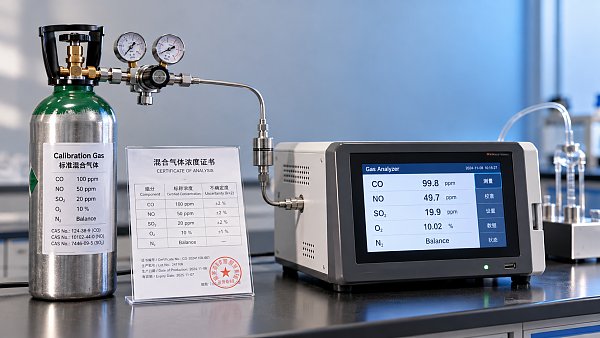
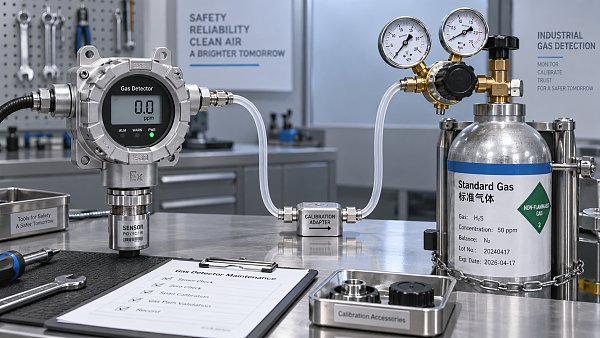
- Calibrate with traceable procedures to maintain confidence over time
This is where instrumentation intelligence creates value.
When data quality improves, safety gas control can act faster and with fewer unnecessary layers.
How the trend affects operations, maintenance, and compliance performance
A better safety gas control design affects more than incident prevention.
It changes how the whole asset performs.
Operations benefit from clearer alarms, faster isolation, and fewer nuisance trips.
Maintenance benefits from fewer devices to test, better diagnostics, and stronger prioritization of critical failure points.
Compliance teams benefit from traceable logic, rationalized safeguards, and evidence that each layer has a defined purpose.
In commercial terms, safety gas control also affects project economics.
Lower component count can reduce installation cost.
More importantly, better architecture lowers lifecycle cost without weakening protection.
What deserves the closest attention when reviewing safety gas control strategy
A practical review should focus on risk pathways, not just equipment lists.
- Map credible leak points across joints, regulators, seals, tubing, manifolds, and valve stems
- Define which deviations require alarm, controlled shutdown, or immediate isolation
- Check whether valve closing time matches the escalation speed of the hazard
- Verify detector technology against gas density, ventilation pattern, and ignition risk
- Review proof testing intervals against actual failure modes, not generic assumptions
- Use recognized standards and hazardous-area requirements as design boundaries
This approach keeps safety gas control aligned with both field reality and audit expectations.
A decision framework for reducing leak risk without adding unnecessary layers
This framework supports smarter investment.
It also helps explain safety gas control choices to engineering, operations, and compliance stakeholders using one logic base.
The next step is integrating design judgment with trustworthy instrumentation intelligence
The future of safety gas control will favor systems that are measurable, testable, and clearly justified.
That is especially true as gas applications diversify and documentation expectations rise.
A practical next step is to review one active or planned gas system against three questions.
- Which leak scenarios are truly credible?
- Which instruments and shutdown actions reduce those scenarios fastest?
- Which components add cost without adding clear safety value?
Answering those questions can sharpen safety gas control immediately.
It supports leaner design, stronger protection, and better confidence through the full asset lifecycle.
For organizations tracking instrumentation trends, supplier capability, and compliance signals, this is where better decisions begin.
Recommended for You
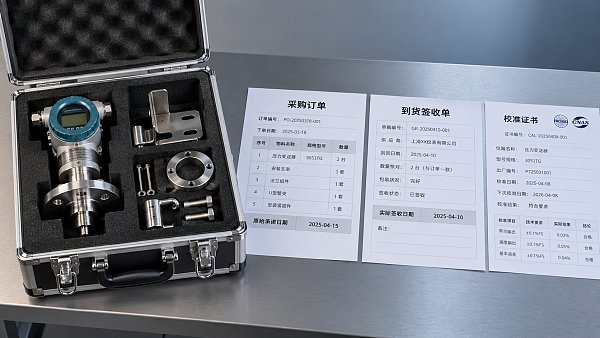
 How to identify a reliable supplier using on-time delivery recordsIdentify a Reliable Supplier by verifying on-time delivery records, original commitments, and complete shipments. Learn practical checks to reduce purchasing risk and protect your project schedule.
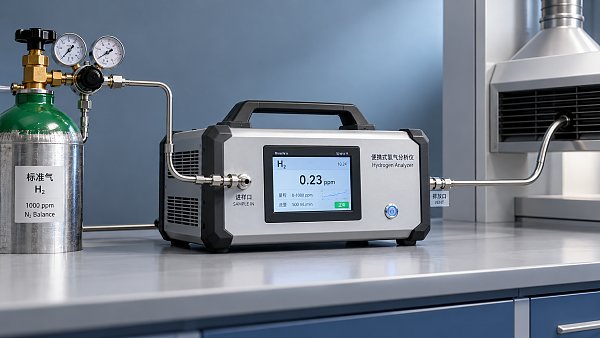
 How sensitive should a portable hydrogen analyzer be for lab use?Choose a portable hydrogen analyzer for laboratory use with the right quantification limit, accuracy, and range. Learn how to verify performance and avoid costly buying mistakes.
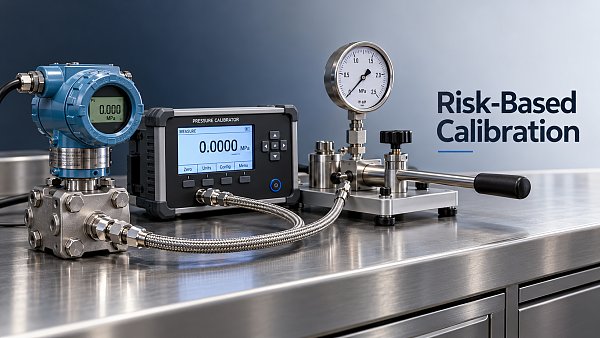
 How to set industrial calibration intervals based on equipment riskSet industrial calibration intervals based on equipment risk, drift, and as-found data. Learn when to shorten or extend schedules to improve reliability and avoid unnecessary costs.
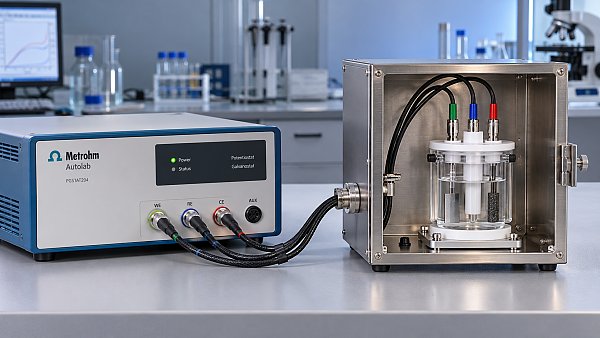
 How to choose electrochemical analyzers for low-current measurementsCompare electrochemical analyzers for precise low-current measurements. Learn how noise, leakage, bandwidth, and real-cell testing help you choose the right instrument.
 What tolerance does a custom gas mixture need for calibration?Choose the right custom gas tolerance for calibration. Learn how blending tolerance, certified uncertainty, and stability affect accuracy—and avoid paying for precision you don’t need.
 How condensation affects stack detector readings in wet flue gasStack detector readings can drift when wet flue gas condenses. Learn how to identify moisture interference, prevent sample losses, and improve emissions monitoring reliability.
 How to prevent condensation in a CO2 analyzer sampling systemPrevent condensation in your CO2 analyzer sampling system. Learn how to control dew point, eliminate cold spots, and manage moisture for reliable readings and fewer costly disruptions.
 How to verify accuracy claims for industrial quality analyzersVerify accuracy claims for industrial quality analyzers with calibration checks, independent testing, and clear acceptance criteria. Learn how to reduce risk and buy with confidence.
 How to calculate cooling loads for an industrial analyzer shelterSize industrial analyzer shelter cooling with confidence. Learn to calculate equipment heat, solar gains, and ventilation loads, then select HVAC capacity for reliable analyzer performance.
 Diesel Engine NOx Analyzers: Response Time and NO2 Conversion ExplainedChoosing a NOX analyzer for diesel engines? Learn how response time, NO2 conversion, and sampling design affect accuracy—and make a smarter, evidence-based purchase.
 SO2 Analyzers for Smelter Emissions: Sampling Hot, Dust-Laden Flue GasSelect an SO2 analyzer for smelting industry applications. Discover how to handle hot, dust-laden flue gas, prevent sample losses, and achieve reliable emissions monitoring.
 Unstable CH4 Readings in Biogas Monitoring? Check Moisture and Sample FlowCH4 analyzer for biogas monitoring giving unstable readings? Discover how moisture, sample flow, and pressure checks help pinpoint faults and restore reliable methane measurements.
 Buying a CO2 Analyzer for Brewery Gas Recovery: Costs Beyond the Purchase PriceBuying a CO2 analyzer for brewery applications? Compare sampling, installation, calibration, and downtime costs to uncover hidden expenses and make a smarter gas recovery investment.
 Where to Place CO Analyzers for Effective Parking Garage VentilationOptimize your CO analyzer for parking garage ventilation with practical placement tips. Learn how sensor height, airflow, and zone coverage support timely detection and effective fan control.
 NDIR vs. FTIR Gas Analyzers: Which Fits Your Environmental Research?Find the right infrared gas analyzer for environmental research. Compare NDIR vs. FTIR on sensitivity, gas coverage, sampling needs, and cost to choose confidently for your study.
 Oxygen Analyzers for Diving: Calibration Checks Before Nitrox BlendingUsing an oxygen analyzer for diving applications? Discover essential calibration, sensor, and sampling checks before nitrox blending to support reliable readings.
 How Paramagnetic Oxygen Analyzers Work and Why Sample Pressure MattersLearn how a paramagnetic oxygen analyzer works, why sample pressure affects accuracy, and what to check in compensation and calibration before choosing your system.
 How Much Does a Complete CEMS Integration Project Typically Cost?How much does a complete CEMS integration project typically cost? Explore budget ranges, hidden installation costs, and compliance needs to compare quotes and plan confidently.
 What Is the Typical Response Time for Industrial Air Monitors?What is the typical response time for industrial air monitors? Explore T90, sampling delays, and alarm settings to compare performance and choose the right monitor with confidence.
 Do Regulatory Monitoring Systems Need Third-Party Certification?Do regulatory monitoring systems need third-party certification? Learn when it is required, what certificates prove, and how to verify compliance before buying.
 How Do You Choose Wired or Wireless for Stack Monitoring?Learn how to choose between wired and wireless for stack monitoring. Compare reliability, lifecycle costs, and data recovery to find the right CEMS setup for your site.
 What Happens When Combustible Gas Sensor Calibration Is Overdue?What happens if combustible gas sensor is not recalibrated on time? Discover the risks of inaccurate readings and missed alarms, plus steps to restore reliable protection.
 Can One Multi-Gas Detector Replace Four Separate Analyzers?Find out: can a single multi-gas detector replace four separate analyzers? Compare accuracy, safety, compliance, and lifetime costs to make a confident buying decision.
 Industrial Safety vs. Emission Monitoring: What Are the Differences?What are the main differences between industrial safety and emission monitoring? Compare goals, sensors, response times, and compliance needs to choose the right systems for your facility.
 Is Remote Monitoring Worth the Cost for Small Emission Sources?Is it worth investing in remote monitoring for small emission sources? Compare costs, compliance needs, and potential savings to choose the right solution for your operation.
 How Do You Handle Analyzer Failure During an Environmental Audit?Learn how to handle analyzer failure during environmental compliance audit procedures. Protect evidence, verify data, and restore monitoring with this practical response guide.
 Do VOC Monitors Require Explosion-Proof Certification?Does VOC monitoring require explosion-proof certification? Learn when approval is needed, compare ATEX and IECEx, and choose the right monitor for your site.
 How sample conditioning affects accuracy in petrochemical analyzersImprove accuracy in petrochemical analyzers with smarter sample conditioning. Discover how phase control, filtration, and transport design prevent bias and deliver reliable process data.
 How to troubleshoot sensor drift in industrial gas detectorsIndustrial gas detectors showing sensor drift? Learn how to verify calibration gas, identify root causes, and determine when sensor replacement is needed for reliable monitoring.
 How to judge whether a competitive price reflects real valueCompetitive Price: learn how to compare scope, compliance, performance, and lifecycle costs to identify real value, reduce risk, and make smarter purchasing decisions.
 When custom gas analysis is the right fit for complex process streamsCustom gas analysis for complex process streams: learn when tailored sampling, interference control, and reliable measurement design deliver confident decisions.
 When does a laser gas analyzer meet stack emissions monitoring needs?Laser gas analyzer for stack emissions: learn when it delivers fast, reliable data, how to assess installation risks, and what to verify for CEMS compliance.
Search Categories
Search Categories
- Smart Meters & Power Quality
- Transformer Gas Analyzers
- BESS Thermal Runaway Detectors
- Energy, Power & Smart Grid Monitoring
- Optical Profilers & CMM
- Ultrasonic & X-Ray NDT
- Calibration Standards
- Precision Metrology & NDT
- Water Quality Analyzers
- CEMS & VOCs Monitors
- Price Trends
- Import & Export Updates
- Market Trends
- Industry News
- Industry Insights
Latest Article
- How to identify a reliable supplier using on-time delivery recordsIdentify a Reliable Supplier by verifying on-time delivery records, original commitments, and complete shipments. Learn practical checks to reduce purchasing risk and protect your project schedule.Posted by:
- How sensitive should a portable hydrogen analyzer be for lab use?Choose a portable hydrogen analyzer for laboratory use with the right quantification limit, accuracy, and range. Learn how to verify performance and avoid costly buying mistakes.Posted by:
- How to set industrial calibration intervals based on equipment riskSet industrial calibration intervals based on equipment risk, drift, and as-found data. Learn when to shorten or extend schedules to improve reliability and avoid unnecessary costs.Posted by:
Please give us a message
