
Industrial Safety Monitoring Trends to Watch in 2026


Industrial safety monitoring is entering a decisive new phase in 2026, driven by AI analytics, connected sensors, stricter compliance demands, and real-time risk visibility. For enterprise decision-makers, understanding these trends is essential to reducing operational risk, protecting workforce safety, and strengthening resilience across complex industrial environments. This article explores the key shifts shaping smarter, data-driven safety strategies in the year ahead.
What is changing most in industrial safety monitoring for 2026?
The biggest shift is moving from reactive alerts to predictive industrial safety monitoring across entire operations.
Earlier systems mainly recorded incidents, triggered alarms, and supported compliance reporting after risk signals appeared.
In 2026, industrial safety monitoring increasingly combines sensor data, edge computing, and AI-based pattern recognition.
This means safety platforms can identify weak signals before equipment failure, toxic release, overheating, or unsafe human exposure escalates.
Several trend lines are converging at once:
- More low-power wireless sensors in difficult or hazardous locations
- Broader integration of gas, vibration, thermal, pressure, and location data
- Faster risk scoring through local edge analytics
- Stronger links between safety, maintenance, and operational systems
- Higher regulatory pressure for auditable, continuous monitoring records
For comprehensive industries, this change matters because safety risks rarely stay inside one department or one equipment class.
A chemical leak may affect production, utilities, logistics, environmental reporting, and emergency response at the same time.
Industrial safety monitoring is therefore becoming a connected decision layer, not just a standalone alarm system.
Which technologies will define industrial safety monitoring performance?
The strongest performers in 2026 will usually share one trait: they turn fragmented data into clear safety action.
1. AI-assisted anomaly detection
Traditional thresholds remain useful, but fixed alarm points often miss gradual or multi-variable danger patterns.
AI models can compare pressure, flow, heat, vibration, gas concentration, and historical events together.
That helps industrial safety monitoring detect unusual drift, unstable operation, or combined risk conditions earlier.
2. Edge computing for real-time response
Sending every signal to the cloud creates delay, bandwidth cost, and possible resilience issues.
Edge devices process local data near assets, which supports faster shutdown logic and immediate field alerts.
This is especially important in remote energy sites, process plants, and heavy industrial zones.
3. Multi-sensor fusion
A single sensor can warn of one condition, but fused monitoring explains the broader safety picture.
For example, elevated temperature plus gas traces plus worker location may reveal a more urgent event.
This makes industrial safety monitoring more context-aware and less dependent on isolated readings.
4. Digital twins and simulation links
Digital twins are becoming useful for safety planning, not only efficiency analysis.
Teams can simulate ventilation failures, thermal runaway, or abnormal process excursions before real incidents happen.
Used correctly, industrial safety monitoring can then connect live conditions with modeled risk scenarios.
Where will these industrial safety monitoring trends have the greatest impact?
The impact will be strongest in environments where risk changes quickly and consequences spread across systems.
Process industries
Chemical, refining, and specialty materials operations benefit from continuous gas, pressure, and thermal monitoring.
Predictive industrial safety monitoring can reduce event escalation during abnormal process transitions and maintenance windows.
Energy and power
Power assets need monitoring for fire risk, insulation problems, overheating, battery storage instability, and remote-site hazards.
In these settings, industrial safety monitoring also supports uptime and grid resilience objectives.
Manufacturing and automation
Advanced factories depend on machine interaction, robotics, utilities, compressed air, and environmental controls.
Safety monitoring now extends beyond guarding equipment to include air quality, thermal zones, and human proximity data.
Life sciences and laboratories
Sensitive environments require stable conditions, clean airflow, proper storage, and traceable alarms.
Industrial safety monitoring in these spaces increasingly supports biosafety, cold-chain integrity, and audit readiness.
Construction and infrastructure
Temporary worksites face changing layouts, mobile hazards, equipment movement, and weather-driven exposure.
Wearables, location sensing, and environmental alerts are pushing industrial safety monitoring into more dynamic field operations.
How should organizations judge which industrial safety monitoring investments are worth it?
The best evaluation method is not feature counting. It is risk reduction with measurable operational value.
A practical review should compare system fit across six dimensions:
Reliable industrial safety monitoring should support both immediate hazard control and longer-term performance learning.
When the system only reports incidents without improving prevention, the investment stays incomplete.
What common mistakes can weaken industrial safety monitoring programs?
Many programs fail not because the technology is weak, but because implementation logic is narrow.
Mistake 1: Treating compliance as the final goal
Meeting standards is necessary, but minimum compliance does not always equal strong risk prevention.
Industrial safety monitoring should reveal operational reality, not only satisfy inspection checklists.
Mistake 2: Installing sensors without process context
A growing sensor count does not guarantee better outcomes.
If alert logic ignores process states, maintenance cycles, or occupancy patterns, false confidence can increase.
Mistake 3: Ignoring data governance
Timestamp errors, calibration drift, missing records, and poor naming structures damage trust in analytics.
High-quality industrial safety monitoring depends on disciplined data integrity from the start.
Mistake 4: Underestimating cybersecurity risk
Every connected sensor, gateway, and dashboard is part of the safety chain.
Weak segmentation or outdated firmware can turn safety infrastructure into a vulnerability.
Mistake 5: Forgetting cross-functional response planning
Monitoring only creates value when alerts lead to defined action.
Industrial safety monitoring should connect clearly with maintenance, operations, emergency response, and reporting workflows.
How can 2026 preparation start now without overcomplicating deployment?
A phased approach usually works better than trying to digitize every hazard at once.
Start with the highest-consequence risks and the weakest current visibility.
- Map critical hazards by asset, zone, and operating condition.
- Check where current industrial safety monitoring has blind spots or slow response times.
- Prioritize sensor fusion opportunities with strong business and safety relevance.
- Define alarm ownership, escalation paths, and documentation requirements.
- Run pilots with measurable baseline metrics, not vague expectations.
- Scale using architectures that support calibration control, cybersecurity, and integration.
This is where strong instrumentation intelligence becomes valuable.
Global Instrument Hub tracks the measurement, monitoring, analysis, and control technologies behind safer industrial operations.
Its coverage across process control, environmental monitoring, precision metrology, and energy systems aligns closely with evolving industrial safety monitoring needs.
That matters in 2026, when better decisions depend on trustworthy technical signals, supplier insight, and standards awareness.
Quick FAQ table: what should be watched first?
Industrial safety monitoring in 2026 will be defined by prediction, integration, and trustworthy execution.
The organizations that prepare well will not simply buy more devices.
They will build clearer visibility across assets, hazards, data flows, and response decisions.
Use this year to review monitoring blind spots, verify data integrity, and align technology choices with real risk priorities.
A stronger industrial safety monitoring strategy starts with better questions, then scales through reliable instrumentation intelligence.
Recommended for You
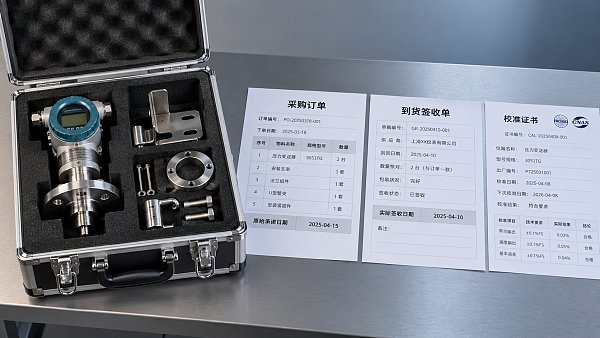
 How to identify a reliable supplier using on-time delivery recordsIdentify a Reliable Supplier by verifying on-time delivery records, original commitments, and complete shipments. Learn practical checks to reduce purchasing risk and protect your project schedule.
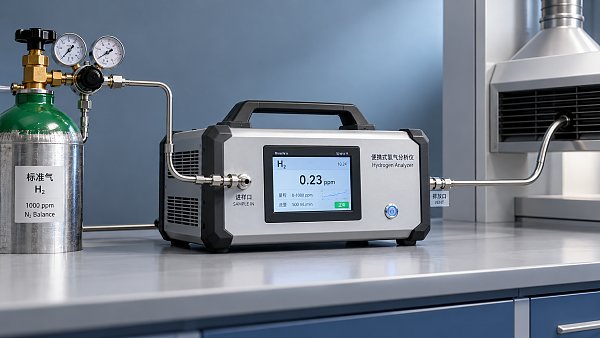
 How sensitive should a portable hydrogen analyzer be for lab use?Choose a portable hydrogen analyzer for laboratory use with the right quantification limit, accuracy, and range. Learn how to verify performance and avoid costly buying mistakes.
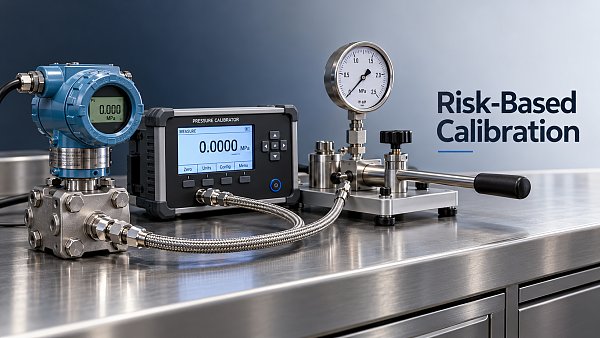
 How to set industrial calibration intervals based on equipment riskSet industrial calibration intervals based on equipment risk, drift, and as-found data. Learn when to shorten or extend schedules to improve reliability and avoid unnecessary costs.
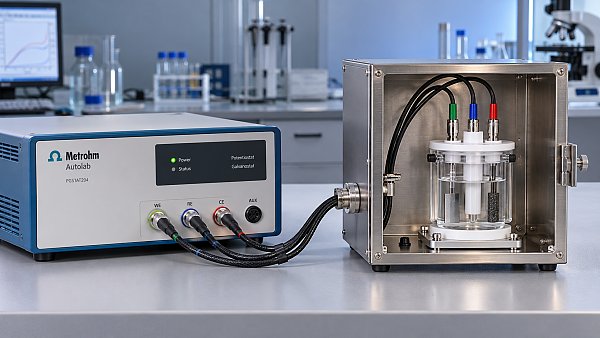
 How to choose electrochemical analyzers for low-current measurementsCompare electrochemical analyzers for precise low-current measurements. Learn how noise, leakage, bandwidth, and real-cell testing help you choose the right instrument.
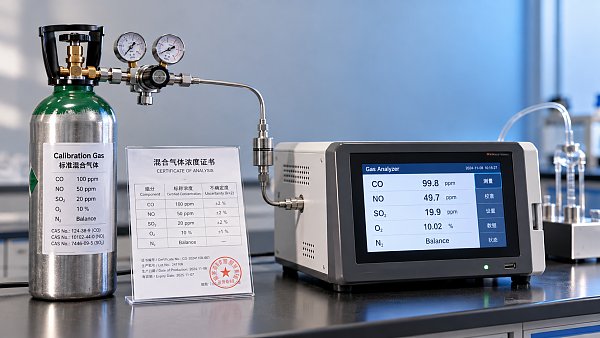
 What tolerance does a custom gas mixture need for calibration?Choose the right custom gas tolerance for calibration. Learn how blending tolerance, certified uncertainty, and stability affect accuracy—and avoid paying for precision you don’t need.
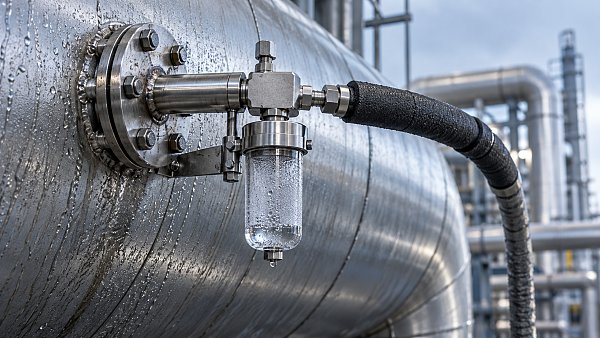
 How condensation affects stack detector readings in wet flue gasStack detector readings can drift when wet flue gas condenses. Learn how to identify moisture interference, prevent sample losses, and improve emissions monitoring reliability.
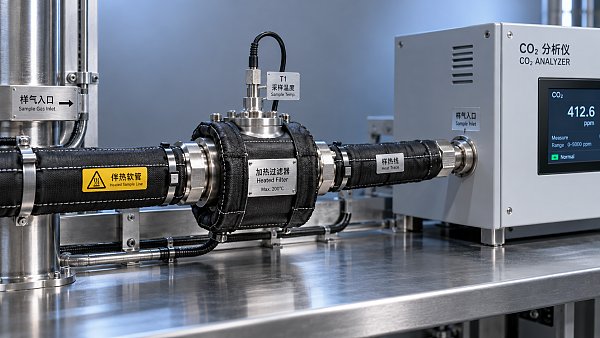
 How to prevent condensation in a CO2 analyzer sampling systemPrevent condensation in your CO2 analyzer sampling system. Learn how to control dew point, eliminate cold spots, and manage moisture for reliable readings and fewer costly disruptions.
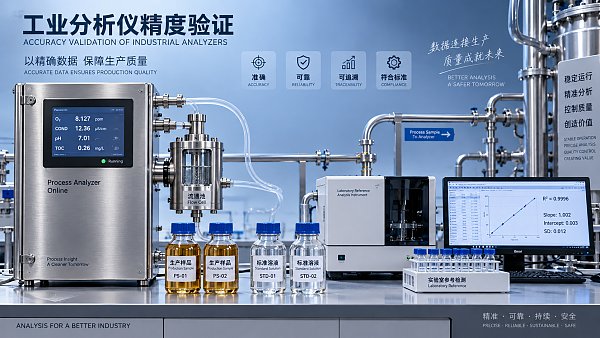
 How to verify accuracy claims for industrial quality analyzersVerify accuracy claims for industrial quality analyzers with calibration checks, independent testing, and clear acceptance criteria. Learn how to reduce risk and buy with confidence.
 How to calculate cooling loads for an industrial analyzer shelterSize industrial analyzer shelter cooling with confidence. Learn to calculate equipment heat, solar gains, and ventilation loads, then select HVAC capacity for reliable analyzer performance.
 Diesel Engine NOx Analyzers: Response Time and NO2 Conversion ExplainedChoosing a NOX analyzer for diesel engines? Learn how response time, NO2 conversion, and sampling design affect accuracy—and make a smarter, evidence-based purchase.
 SO2 Analyzers for Smelter Emissions: Sampling Hot, Dust-Laden Flue GasSelect an SO2 analyzer for smelting industry applications. Discover how to handle hot, dust-laden flue gas, prevent sample losses, and achieve reliable emissions monitoring.
 Unstable CH4 Readings in Biogas Monitoring? Check Moisture and Sample FlowCH4 analyzer for biogas monitoring giving unstable readings? Discover how moisture, sample flow, and pressure checks help pinpoint faults and restore reliable methane measurements.
 Buying a CO2 Analyzer for Brewery Gas Recovery: Costs Beyond the Purchase PriceBuying a CO2 analyzer for brewery applications? Compare sampling, installation, calibration, and downtime costs to uncover hidden expenses and make a smarter gas recovery investment.
 Where to Place CO Analyzers for Effective Parking Garage VentilationOptimize your CO analyzer for parking garage ventilation with practical placement tips. Learn how sensor height, airflow, and zone coverage support timely detection and effective fan control.
 NDIR vs. FTIR Gas Analyzers: Which Fits Your Environmental Research?Find the right infrared gas analyzer for environmental research. Compare NDIR vs. FTIR on sensitivity, gas coverage, sampling needs, and cost to choose confidently for your study.
 Oxygen Analyzers for Diving: Calibration Checks Before Nitrox BlendingUsing an oxygen analyzer for diving applications? Discover essential calibration, sensor, and sampling checks before nitrox blending to support reliable readings.
 How Paramagnetic Oxygen Analyzers Work and Why Sample Pressure MattersLearn how a paramagnetic oxygen analyzer works, why sample pressure affects accuracy, and what to check in compensation and calibration before choosing your system.
 How Much Does a Complete CEMS Integration Project Typically Cost?How much does a complete CEMS integration project typically cost? Explore budget ranges, hidden installation costs, and compliance needs to compare quotes and plan confidently.
 What Is the Typical Response Time for Industrial Air Monitors?What is the typical response time for industrial air monitors? Explore T90, sampling delays, and alarm settings to compare performance and choose the right monitor with confidence.
 Do Regulatory Monitoring Systems Need Third-Party Certification?Do regulatory monitoring systems need third-party certification? Learn when it is required, what certificates prove, and how to verify compliance before buying.
 How Do You Choose Wired or Wireless for Stack Monitoring?Learn how to choose between wired and wireless for stack monitoring. Compare reliability, lifecycle costs, and data recovery to find the right CEMS setup for your site.
 What Happens When Combustible Gas Sensor Calibration Is Overdue?What happens if combustible gas sensor is not recalibrated on time? Discover the risks of inaccurate readings and missed alarms, plus steps to restore reliable protection.
 Can One Multi-Gas Detector Replace Four Separate Analyzers?Find out: can a single multi-gas detector replace four separate analyzers? Compare accuracy, safety, compliance, and lifetime costs to make a confident buying decision.
 Industrial Safety vs. Emission Monitoring: What Are the Differences?What are the main differences between industrial safety and emission monitoring? Compare goals, sensors, response times, and compliance needs to choose the right systems for your facility.
 Is Remote Monitoring Worth the Cost for Small Emission Sources?Is it worth investing in remote monitoring for small emission sources? Compare costs, compliance needs, and potential savings to choose the right solution for your operation.
 How Do You Handle Analyzer Failure During an Environmental Audit?Learn how to handle analyzer failure during environmental compliance audit procedures. Protect evidence, verify data, and restore monitoring with this practical response guide.
 Do VOC Monitors Require Explosion-Proof Certification?Does VOC monitoring require explosion-proof certification? Learn when approval is needed, compare ATEX and IECEx, and choose the right monitor for your site.
 How sample conditioning affects accuracy in petrochemical analyzersImprove accuracy in petrochemical analyzers with smarter sample conditioning. Discover how phase control, filtration, and transport design prevent bias and deliver reliable process data.
 How to troubleshoot sensor drift in industrial gas detectorsIndustrial gas detectors showing sensor drift? Learn how to verify calibration gas, identify root causes, and determine when sensor replacement is needed for reliable monitoring.
 How to judge whether a competitive price reflects real valueCompetitive Price: learn how to compare scope, compliance, performance, and lifecycle costs to identify real value, reduce risk, and make smarter purchasing decisions.
 When custom gas analysis is the right fit for complex process streamsCustom gas analysis for complex process streams: learn when tailored sampling, interference control, and reliable measurement design deliver confident decisions.
 When does a laser gas analyzer meet stack emissions monitoring needs?Laser gas analyzer for stack emissions: learn when it delivers fast, reliable data, how to assess installation risks, and what to verify for CEMS compliance.
Search Categories
Search Categories
- Smart Meters & Power Quality
- Transformer Gas Analyzers
- BESS Thermal Runaway Detectors
- Energy, Power & Smart Grid Monitoring
- Optical Profilers & CMM
- Ultrasonic & X-Ray NDT
- Calibration Standards
- Precision Metrology & NDT
- Water Quality Analyzers
- CEMS & VOCs Monitors
- Price Trends
- Import & Export Updates
- Market Trends
- Industry News
- Industry Insights
Latest Article
- How to identify a reliable supplier using on-time delivery recordsIdentify a Reliable Supplier by verifying on-time delivery records, original commitments, and complete shipments. Learn practical checks to reduce purchasing risk and protect your project schedule.Posted by:
- How sensitive should a portable hydrogen analyzer be for lab use?Choose a portable hydrogen analyzer for laboratory use with the right quantification limit, accuracy, and range. Learn how to verify performance and avoid costly buying mistakes.Posted by:
- How to set industrial calibration intervals based on equipment riskSet industrial calibration intervals based on equipment risk, drift, and as-found data. Learn when to shorten or extend schedules to improve reliability and avoid unnecessary costs.Posted by:
Please give us a message
