
Explosion Proof Monitor Selection: Key Specs That Matter


Selecting an explosion proof monitor is not just a box-ticking exercise for hazardous locations. It shapes operator visibility, alarm response, maintenance workload, and the stability of connected systems.
In oil and gas, chemical processing, power, mining, marine, and environmental monitoring, display hardware often sits where dust, gas, vibration, heat, and corrosion meet.
That is why the right explosion proof monitor must be judged as part safety device, part industrial interface, and part lifecycle investment.
From GIH’s perspective, this category deserves closer attention because digital operations depend on trustworthy visual access to data, not only on sensors and control logic.
Why monitor selection matters in hazardous-area operations
An explosion proof monitor is designed for areas where flammable gases, vapors, or combustible dust may be present under defined conditions.
Its role sounds simple: display process information safely. In practice, the monitor often becomes the visible endpoint of a larger automation chain.
If the display is unreadable in sunlight, operators miss trends. If certifications do not match the zone, deployment stalls. If connectors fail, downtime expands.
This is especially relevant in Industry 4.0 environments, where HMI, CCTV, SCADA, DCS, and edge systems are increasingly interconnected.
A weak display link can undermine otherwise advanced instrumentation architecture.
Start with certification, but do not stop there
The first question is not screen size. It is whether the explosion proof monitor is certified for the exact hazardous classification of the site.
ATEX, IECEx, UL, and regional approvals may all appear in supplier literature, but names alone are not enough.
What matters is the complete match between certification and deployment condition.
Key compliance points to verify
- Hazardous area rating, such as Zone 1, Zone 2, Class I Division 1, or Division 2
- Gas or dust group compatibility
- Temperature class and maximum surface temperature
- Ambient operating temperature range
- Certification scope for the full assembly, not just selected components
A common evaluation mistake is accepting a certified enclosure while overlooking uncertified accessories, cable glands, touch overlays, or mounting options.
For international projects, documentation quality also matters. Clear drawings, test reports, and traceable labeling reduce approval delays across EPC and site review stages.
Display performance is a safety and usability issue
Once certification is confirmed, display quality becomes the next major filter. A certified screen that cannot be read quickly still creates operational risk.
Brightness is critical for outdoor skids, offshore platforms, and high-glare process areas. Many applications need high-nit displays rather than standard commercial panels.
Contrast ratio and anti-reflective treatment deserve equal attention. Strong brightness without good optical tuning can still produce poor readability.
Resolution should fit the task. Alarm dashboards, process trends, and surveillance feeds have different visual demands.
Specs that often affect real-world visibility
If gloves are used, touch responsiveness should be tested under actual site conditions, not judged from office demonstrations.
Enclosure strength, ingress protection, and thermal behavior
An explosion proof monitor lives or fails by its enclosure design. Hazard protection is only part of the story.
Ingress ratings such as IP65, IP66, or IP67 indicate resistance to dust and water, but they do not automatically address chemicals, salt spray, or cleaning routines.
Material choice matters in coastal plants, wastewater stations, and aggressive process areas. Stainless steel grades, coating quality, and window durability affect service life.
Thermal management is another overlooked factor. Sealed enclosures can trap heat, especially with high-brightness panels or continuous-duty video applications.
A monitor may meet hazardous certifications yet still suffer shortened component life if internal heat is poorly controlled.
- Check operating and storage temperature ranges
- Review humidity tolerance and condensation protection
- Ask about thermal derating under peak brightness
- Verify vibration and shock resistance for mobile or rotating equipment
Interfaces and system compatibility drive long-term value
The best explosion proof monitor should fit the control environment without forcing avoidable redesign.
That means checking signal inputs, communication paths, mounting formats, and power requirements early.
Some monitors are mainly built for video display. Others are better aligned with industrial HMI or SCADA integration.
HDMI, DisplayPort, VGA, DVI, serial options, and network connectivity should be reviewed against existing control cabinets and field architecture.
Power input flexibility also matters for multinational projects. AC and DC options can affect field installation complexity.
Compatibility checks worth making early
- Native support for control room, skid, or field-mount installation
- Touch or non-touch format based on application risk
- Cable entry design and service access
- Compatibility with existing industrial PCs or thin clients
- Availability of spare parts across regions
GIH often emphasizes this point in instrumentation sourcing: lifecycle fit usually matters more than headline specifications.
Different applications prioritize different specs
No single explosion proof monitor is ideal for every hazardous-area task. The weighting of specs changes with the operating context.
Typical use cases and selection priorities
This is where a generic shortlist becomes risky. Site conditions should shape the evaluation matrix before vendor comparison begins.
A practical evaluation framework
A disciplined selection process reduces both technical and commercial surprises.
Start by documenting the hazardous classification, operating environment, screen task, required interfaces, and maintenance constraints.
Then compare each explosion proof monitor against those realities, not against marketing summaries.
- Confirm certificates and exact model coverage
- Review optical performance under target lighting
- Match enclosure material to site contaminants
- Check integration with existing hardware and software
- Evaluate maintenance access, lead time, and spare strategy
- Request documentation consistency across drawings and labels
Where possible, ask for test evidence from similar installations. For critical projects, factory acceptance review can reveal issues that brochures never show.
Where to focus next
A good explosion proof monitor should be safe, readable, durable, and easy to integrate. Weakness in any one area can erode the value of the whole deployment.
The most reliable decisions usually come from aligning certification data, optical specs, enclosure design, and field conditions into one comparison framework.
For teams working across industrial automation, energy, environmental systems, or process plants, the next step is straightforward: refine the site requirements, score suppliers against them, and verify the details that affect real operation, not just compliance paperwork.
That approach makes explosion proof monitor selection more consistent, more defensible, and far more useful over the full equipment lifecycle.
Recommended for You
 How to identify a reliable supplier using on-time delivery recordsIdentify a Reliable Supplier by verifying on-time delivery records, original commitments, and complete shipments. Learn practical checks to reduce purchasing risk and protect your project schedule.
 How sensitive should a portable hydrogen analyzer be for lab use?Choose a portable hydrogen analyzer for laboratory use with the right quantification limit, accuracy, and range. Learn how to verify performance and avoid costly buying mistakes.
 How to set industrial calibration intervals based on equipment riskSet industrial calibration intervals based on equipment risk, drift, and as-found data. Learn when to shorten or extend schedules to improve reliability and avoid unnecessary costs.
 How to choose electrochemical analyzers for low-current measurementsCompare electrochemical analyzers for precise low-current measurements. Learn how noise, leakage, bandwidth, and real-cell testing help you choose the right instrument.
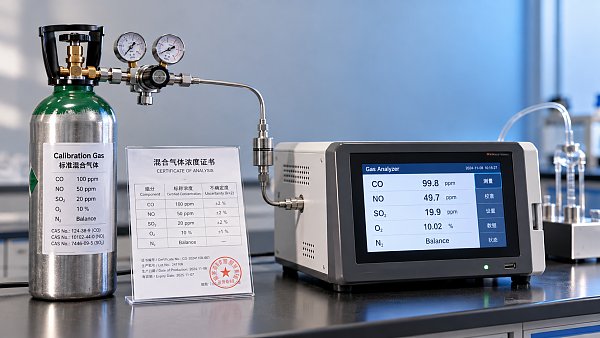
 What tolerance does a custom gas mixture need for calibration?Choose the right custom gas tolerance for calibration. Learn how blending tolerance, certified uncertainty, and stability affect accuracy—and avoid paying for precision you don’t need.
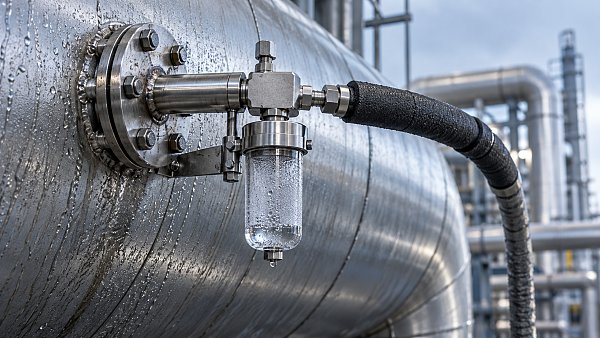
 How condensation affects stack detector readings in wet flue gasStack detector readings can drift when wet flue gas condenses. Learn how to identify moisture interference, prevent sample losses, and improve emissions monitoring reliability.
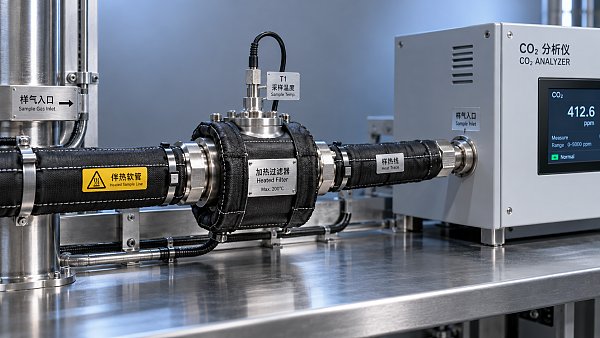
 How to prevent condensation in a CO2 analyzer sampling systemPrevent condensation in your CO2 analyzer sampling system. Learn how to control dew point, eliminate cold spots, and manage moisture for reliable readings and fewer costly disruptions.
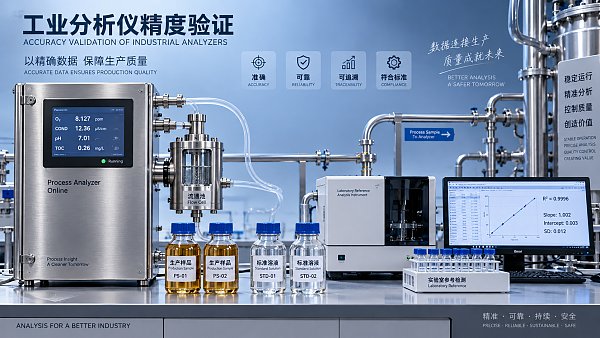
 How to verify accuracy claims for industrial quality analyzersVerify accuracy claims for industrial quality analyzers with calibration checks, independent testing, and clear acceptance criteria. Learn how to reduce risk and buy with confidence.
 How to calculate cooling loads for an industrial analyzer shelterSize industrial analyzer shelter cooling with confidence. Learn to calculate equipment heat, solar gains, and ventilation loads, then select HVAC capacity for reliable analyzer performance.
 Diesel Engine NOx Analyzers: Response Time and NO2 Conversion ExplainedChoosing a NOX analyzer for diesel engines? Learn how response time, NO2 conversion, and sampling design affect accuracy—and make a smarter, evidence-based purchase.
 SO2 Analyzers for Smelter Emissions: Sampling Hot, Dust-Laden Flue GasSelect an SO2 analyzer for smelting industry applications. Discover how to handle hot, dust-laden flue gas, prevent sample losses, and achieve reliable emissions monitoring.
 Unstable CH4 Readings in Biogas Monitoring? Check Moisture and Sample FlowCH4 analyzer for biogas monitoring giving unstable readings? Discover how moisture, sample flow, and pressure checks help pinpoint faults and restore reliable methane measurements.
 Buying a CO2 Analyzer for Brewery Gas Recovery: Costs Beyond the Purchase PriceBuying a CO2 analyzer for brewery applications? Compare sampling, installation, calibration, and downtime costs to uncover hidden expenses and make a smarter gas recovery investment.
 Where to Place CO Analyzers for Effective Parking Garage VentilationOptimize your CO analyzer for parking garage ventilation with practical placement tips. Learn how sensor height, airflow, and zone coverage support timely detection and effective fan control.
 NDIR vs. FTIR Gas Analyzers: Which Fits Your Environmental Research?Find the right infrared gas analyzer for environmental research. Compare NDIR vs. FTIR on sensitivity, gas coverage, sampling needs, and cost to choose confidently for your study.
 Oxygen Analyzers for Diving: Calibration Checks Before Nitrox BlendingUsing an oxygen analyzer for diving applications? Discover essential calibration, sensor, and sampling checks before nitrox blending to support reliable readings.
 How Paramagnetic Oxygen Analyzers Work and Why Sample Pressure MattersLearn how a paramagnetic oxygen analyzer works, why sample pressure affects accuracy, and what to check in compensation and calibration before choosing your system.
 How Much Does a Complete CEMS Integration Project Typically Cost?How much does a complete CEMS integration project typically cost? Explore budget ranges, hidden installation costs, and compliance needs to compare quotes and plan confidently.
 What Is the Typical Response Time for Industrial Air Monitors?What is the typical response time for industrial air monitors? Explore T90, sampling delays, and alarm settings to compare performance and choose the right monitor with confidence.
 Do Regulatory Monitoring Systems Need Third-Party Certification?Do regulatory monitoring systems need third-party certification? Learn when it is required, what certificates prove, and how to verify compliance before buying.
 How Do You Choose Wired or Wireless for Stack Monitoring?Learn how to choose between wired and wireless for stack monitoring. Compare reliability, lifecycle costs, and data recovery to find the right CEMS setup for your site.
 What Happens When Combustible Gas Sensor Calibration Is Overdue?What happens if combustible gas sensor is not recalibrated on time? Discover the risks of inaccurate readings and missed alarms, plus steps to restore reliable protection.
 Can One Multi-Gas Detector Replace Four Separate Analyzers?Find out: can a single multi-gas detector replace four separate analyzers? Compare accuracy, safety, compliance, and lifetime costs to make a confident buying decision.
 Industrial Safety vs. Emission Monitoring: What Are the Differences?What are the main differences between industrial safety and emission monitoring? Compare goals, sensors, response times, and compliance needs to choose the right systems for your facility.
 Is Remote Monitoring Worth the Cost for Small Emission Sources?Is it worth investing in remote monitoring for small emission sources? Compare costs, compliance needs, and potential savings to choose the right solution for your operation.
 How Do You Handle Analyzer Failure During an Environmental Audit?Learn how to handle analyzer failure during environmental compliance audit procedures. Protect evidence, verify data, and restore monitoring with this practical response guide.
 Do VOC Monitors Require Explosion-Proof Certification?Does VOC monitoring require explosion-proof certification? Learn when approval is needed, compare ATEX and IECEx, and choose the right monitor for your site.
 How sample conditioning affects accuracy in petrochemical analyzersImprove accuracy in petrochemical analyzers with smarter sample conditioning. Discover how phase control, filtration, and transport design prevent bias and deliver reliable process data.
 How to troubleshoot sensor drift in industrial gas detectorsIndustrial gas detectors showing sensor drift? Learn how to verify calibration gas, identify root causes, and determine when sensor replacement is needed for reliable monitoring.
 How to judge whether a competitive price reflects real valueCompetitive Price: learn how to compare scope, compliance, performance, and lifecycle costs to identify real value, reduce risk, and make smarter purchasing decisions.
 When custom gas analysis is the right fit for complex process streamsCustom gas analysis for complex process streams: learn when tailored sampling, interference control, and reliable measurement design deliver confident decisions.
 When does a laser gas analyzer meet stack emissions monitoring needs?Laser gas analyzer for stack emissions: learn when it delivers fast, reliable data, how to assess installation risks, and what to verify for CEMS compliance.

Search Categories
Search Categories
- Smart Meters & Power Quality
- Transformer Gas Analyzers
- BESS Thermal Runaway Detectors
- Energy, Power & Smart Grid Monitoring
- Optical Profilers & CMM
- Ultrasonic & X-Ray NDT
- Calibration Standards
- Precision Metrology & NDT
- Water Quality Analyzers
- CEMS & VOCs Monitors
- Price Trends
- Import & Export Updates
- Market Trends
- Industry News
- Industry Insights
Latest Article
- How to identify a reliable supplier using on-time delivery recordsIdentify a Reliable Supplier by verifying on-time delivery records, original commitments, and complete shipments. Learn practical checks to reduce purchasing risk and protect your project schedule.Posted by:
- How sensitive should a portable hydrogen analyzer be for lab use?Choose a portable hydrogen analyzer for laboratory use with the right quantification limit, accuracy, and range. Learn how to verify performance and avoid costly buying mistakes.Posted by:
- How to set industrial calibration intervals based on equipment riskSet industrial calibration intervals based on equipment risk, drift, and as-found data. Learn when to shorten or extend schedules to improve reliability and avoid unnecessary costs.Posted by:
Please give us a message
