
Continuous Process Monitoring: 5 Signals Your Line Needs Attention


Continuous process monitoring is often the earliest warning system on any production line, yet small deviations are easy to ignore until they trigger downtime, waste, or safety risks. For operators and frontline users, recognizing the right signals early can protect product quality, stabilize output, and reduce unplanned maintenance. Here are five clear signs your line needs attention before minor process changes become major operational problems.
In modern plants, continuous process monitoring is no longer limited to large chemical sites or highly automated energy systems. It now supports packaging lines, water treatment skids, food processing units, laboratory utilities, and mixed-use industrial facilities where operators need fast decisions based on pressure, flow, temperature, level, and analyzer data.
For frontline users, the challenge is rarely a lack of signals. The real issue is knowing which changes matter, what threshold deserves escalation, and when a small drift is the start of a wider control problem. That is where a structured monitoring mindset becomes practical, not theoretical.
Why Continuous Process Monitoring Matters on the Shop Floor
Continuous process monitoring helps operators detect unstable conditions 10–30 minutes before they become visible as rejects, alarms, or shutdown events. In many lines, this early window is enough to correct a valve position, inspect a filter, verify a sensor, or slow production without losing an entire batch.
The strongest value comes from trend visibility. A single reading may look acceptable, but a 3% drift over 2 hours, or repeated oscillation every 15 minutes, often points to a developing problem in instrumentation, control logic, or mechanical performance.
What operators should watch first
- Rate-of-change, not only absolute value
- Repeated alarm frequency within 1 shift
- Difference between setpoint and actual value
- Manual intervention count per day or per batch
- Instrument agreement across 2 or more related points
If operators must make the same correction 3–5 times in one shift, the line is not stable, even if production has not stopped. That pattern typically indicates a root cause that continuous process monitoring can reveal earlier than visual inspection alone.
Common data sources in mixed industrial environments
Across general industry, the most useful inputs usually come from transmitters, local gauges, motor current trends, tank level devices, temperature loops, conductivity or pH analyzers, and event logs from PLC or DCS platforms. Even a modest system with 8–12 critical points can provide enough data for effective line attention.
Five Signals Your Line Needs Attention
The five signals below are practical indicators that continuous process monitoring is revealing more than random variation. Each one deserves operator review, and if it repeats across 2 shifts or more, it should be documented for maintenance or engineering follow-up.
1. Process values are drifting even though the setpoint has not changed
A stable setpoint with a drifting actual value is one of the clearest warnings on any line. For example, a temperature loop set at 80°C that slowly moves between 77°C and 83°C over 90 minutes may still avoid a hard alarm, but product consistency can already be affected.
This often suggests fouling, control valve stiction, sensor aging, heat transfer loss, or flow instability upstream. In fluid systems, a 2%–5% deviation maintained across several cycles is often more meaningful than one brief spike.
Operator response
- Compare current trend against the last 7–14 days.
- Check whether manual corrections have increased.
- Verify sensor cleanliness and signal stability.
- Escalate if deviation persists for more than 2 control cycles.
2. Alarm frequency is rising, even if alarms clear quickly
Many teams ignore nuisance alarms because the process recovers within seconds. However, if the same pressure, level, or flow alarm appears 6–10 times in one shift, it usually means the process is operating too close to a limit or the instrument loop is no longer robust.
Continuous process monitoring should not only record alarm presence. It should track alarm count, recurrence interval, affected asset, and associated operator action. Those details help distinguish between random disturbance and system degradation.
The table below shows how operators can interpret recurring alarms before they become chronic production losses.
The key point is simple: a fast-clearing alarm is not necessarily a harmless alarm. Repetition is often the first operational cost signal that continuous process monitoring is meant to expose.
3. Product quality changes appear before equipment faults are confirmed
Operators often notice the process problem first through the product, not the machine. Fill weights begin to vary, color shifts outside the preferred band, conductivity trends move out of normal range, or lab checks fail more frequently at the end of a run.
When quality variation rises by even 1%–2%, continuous process monitoring should be reviewed immediately against the previous batch, previous shift, and previous operating recipe. Small quality losses can become major scrap if the plant waits for a hard equipment failure.
Frequent quality-linked process causes
- Temperature control lag during ramp-up or hold periods
- Flow inconsistency after pump wear or partial blockage
- Level measurement mismatch affecting dosing accuracy
- Analyzer drift due to calibration interval overruns
4. Operators are switching to manual mode more often
Manual mode can be necessary during startup, cleaning, changeover, or maintenance. But if the line needs manual correction every batch, or an operator must override a loop for more than 20–30 minutes each shift, automation performance is already compromised.
A rising manual intervention count usually signals unstable instrumentation, poor tuning, bad signal quality, or a process window that has shifted beyond the current control strategy. Continuous process monitoring should capture when the switch occurred, how long it lasted, and what result followed.
5. Related instruments no longer tell the same story
One of the most useful checks in continuous process monitoring is cross-verification. If inlet flow is steady but tank level falls unexpectedly, or if power draw increases while throughput drops, the line is showing contradictory behavior that may point to instrument drift, leakage, blockage, or mechanical wear.
This is especially important in plants where operators rely on multiple systems, such as local indicators, SCADA screens, and lab results. When 2 out of 3 sources disagree for longer than 10–15 minutes, the issue should not be dismissed as a display error without confirmation.
How to Turn Signals Into Actionable Monitoring Practice
Once operators identify warning signals, the next step is to standardize response. Continuous process monitoring delivers the most value when plants define thresholds, review frequency, and escalation rules clearly enough for every shift team to follow the same logic.
A practical 4-step response workflow
- Detect: identify deviation, recurrence, or mismatch within the live trend.
- Confirm: compare against one secondary indicator or field observation.
- Classify: mark as quality risk, maintenance risk, or safety-related risk.
- Escalate: notify maintenance, process engineer, or supervisor within the defined response window.
In many facilities, a 15-minute review cycle for critical loops and a 2-hour review cycle for non-critical utilities provide a workable balance between responsiveness and operator workload. Highly sensitive processes may require tighter intervals.
Useful checkpoints for operators and supervisors
The checklist below can support shift handovers, daily reviews, and basic procurement decisions when teams need better monitoring instruments, transmitters, or software visibility.
These checkpoints also help procurement and maintenance teams identify where better sensor reliability, tighter calibration practices, or clearer visualization tools will create measurable operating value instead of adding unnecessary hardware.
What to look for when improving monitoring capability
Instrumentation factors
- Measurement range matched to normal operating band, not only design maximum
- Accuracy suitable for process tolerance, such as ±0.5% or tighter where needed
- Signal stability in vibration, moisture, dust, or temperature variation
System factors
- Historical trending for at least 30–90 days
- Alarm logs with timestamp and operator note fields
- Easy comparison between related process variables on one screen
Operational factors
- Shift-based review routine with named ownership
- Clear thresholds for observe, correct, and escalate actions
- Simple training so new operators can read trends within 1–2 weeks
Monitoring Mistakes That Delay the Right Response
Even plants with good instruments can miss developing problems if the operating routine is weak. Continuous process monitoring becomes less effective when teams focus only on red alarms, ignore slow drift, or fail to connect process data with maintenance findings and product quality results.
Three common mistakes
- Treating every stable reading as healthy without reviewing the trend slope
- Resetting alarms repeatedly without recording cause and response time
- Assuming a sensor is wrong before checking the process condition itself
A practical rule is to review not just the last value, but the last 4 hours, the current shift, and the last comparable run. That three-layer view often reveals whether the issue is sudden, recurring, or slowly developing across days.
Where GIH supports better decisions
For operators, supervisors, and industrial buyers, stronger continuous process monitoring depends on more than field devices alone. It requires reliable instrumentation insight, practical supplier evaluation, and a clear understanding of where specific measurement technologies fit different process risks.
Global Instrument Hub supports that need by connecting process control knowledge, instrumentation categories, monitoring applications, and supplier-side intelligence across industrial manufacturing, energy systems, environmental monitoring, laboratory operations, and broader automation environments.
The earlier a team recognizes drift, alarm recurrence, manual overrides, quality variation, and conflicting instrument signals, the more value continuous process monitoring delivers. Those five warning signs help operators act before downtime spreads, scrap increases, or safety margins narrow.
If your line needs clearer monitoring priorities, better instrumentation visibility, or stronger decision support for process control upgrades, GIH can help you evaluate practical options with a more informed technical and sourcing perspective. Contact us to discuss your application, request a tailored solution, or learn more about monitoring strategies that fit your operation.
Recommended for You
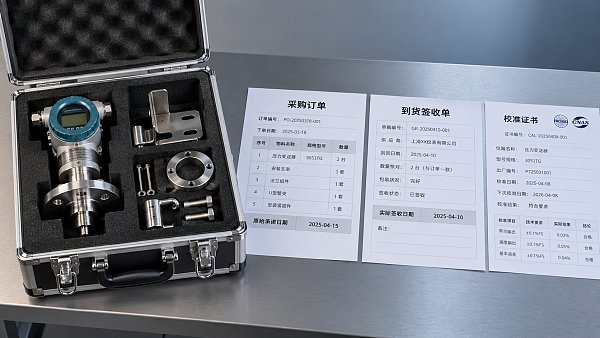
 How to identify a reliable supplier using on-time delivery recordsIdentify a Reliable Supplier by verifying on-time delivery records, original commitments, and complete shipments. Learn practical checks to reduce purchasing risk and protect your project schedule.
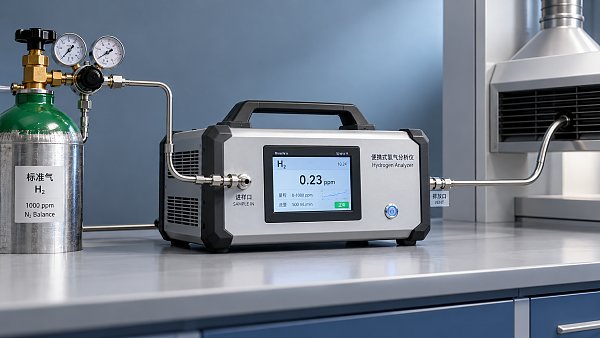
 How sensitive should a portable hydrogen analyzer be for lab use?Choose a portable hydrogen analyzer for laboratory use with the right quantification limit, accuracy, and range. Learn how to verify performance and avoid costly buying mistakes.
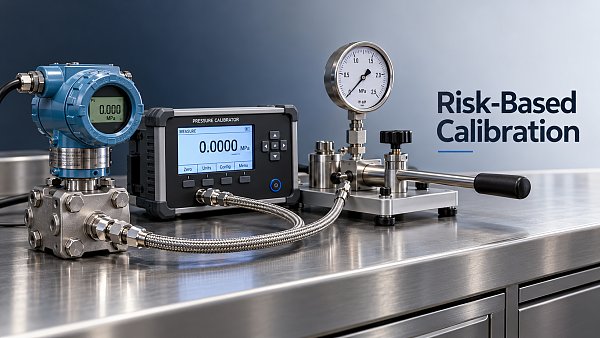
 How to set industrial calibration intervals based on equipment riskSet industrial calibration intervals based on equipment risk, drift, and as-found data. Learn when to shorten or extend schedules to improve reliability and avoid unnecessary costs.
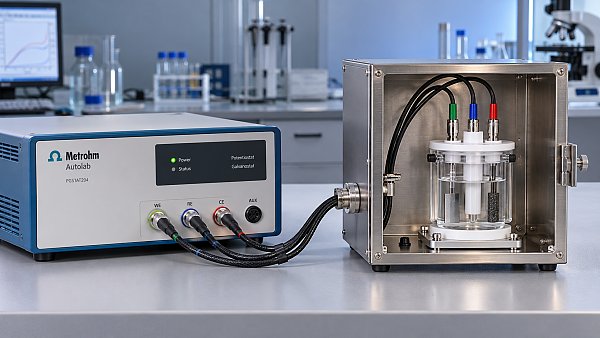
 How to choose electrochemical analyzers for low-current measurementsCompare electrochemical analyzers for precise low-current measurements. Learn how noise, leakage, bandwidth, and real-cell testing help you choose the right instrument.
 What tolerance does a custom gas mixture need for calibration?Choose the right custom gas tolerance for calibration. Learn how blending tolerance, certified uncertainty, and stability affect accuracy—and avoid paying for precision you don’t need.
 How condensation affects stack detector readings in wet flue gasStack detector readings can drift when wet flue gas condenses. Learn how to identify moisture interference, prevent sample losses, and improve emissions monitoring reliability.
 How to prevent condensation in a CO2 analyzer sampling systemPrevent condensation in your CO2 analyzer sampling system. Learn how to control dew point, eliminate cold spots, and manage moisture for reliable readings and fewer costly disruptions.
 How to verify accuracy claims for industrial quality analyzersVerify accuracy claims for industrial quality analyzers with calibration checks, independent testing, and clear acceptance criteria. Learn how to reduce risk and buy with confidence.
 How to calculate cooling loads for an industrial analyzer shelterSize industrial analyzer shelter cooling with confidence. Learn to calculate equipment heat, solar gains, and ventilation loads, then select HVAC capacity for reliable analyzer performance.
 Diesel Engine NOx Analyzers: Response Time and NO2 Conversion ExplainedChoosing a NOX analyzer for diesel engines? Learn how response time, NO2 conversion, and sampling design affect accuracy—and make a smarter, evidence-based purchase.
 SO2 Analyzers for Smelter Emissions: Sampling Hot, Dust-Laden Flue GasSelect an SO2 analyzer for smelting industry applications. Discover how to handle hot, dust-laden flue gas, prevent sample losses, and achieve reliable emissions monitoring.
 Unstable CH4 Readings in Biogas Monitoring? Check Moisture and Sample FlowCH4 analyzer for biogas monitoring giving unstable readings? Discover how moisture, sample flow, and pressure checks help pinpoint faults and restore reliable methane measurements.
 Buying a CO2 Analyzer for Brewery Gas Recovery: Costs Beyond the Purchase PriceBuying a CO2 analyzer for brewery applications? Compare sampling, installation, calibration, and downtime costs to uncover hidden expenses and make a smarter gas recovery investment.
 Where to Place CO Analyzers for Effective Parking Garage VentilationOptimize your CO analyzer for parking garage ventilation with practical placement tips. Learn how sensor height, airflow, and zone coverage support timely detection and effective fan control.
 NDIR vs. FTIR Gas Analyzers: Which Fits Your Environmental Research?Find the right infrared gas analyzer for environmental research. Compare NDIR vs. FTIR on sensitivity, gas coverage, sampling needs, and cost to choose confidently for your study.
 Oxygen Analyzers for Diving: Calibration Checks Before Nitrox BlendingUsing an oxygen analyzer for diving applications? Discover essential calibration, sensor, and sampling checks before nitrox blending to support reliable readings.
 How Paramagnetic Oxygen Analyzers Work and Why Sample Pressure MattersLearn how a paramagnetic oxygen analyzer works, why sample pressure affects accuracy, and what to check in compensation and calibration before choosing your system.
 How Much Does a Complete CEMS Integration Project Typically Cost?How much does a complete CEMS integration project typically cost? Explore budget ranges, hidden installation costs, and compliance needs to compare quotes and plan confidently.
 What Is the Typical Response Time for Industrial Air Monitors?What is the typical response time for industrial air monitors? Explore T90, sampling delays, and alarm settings to compare performance and choose the right monitor with confidence.
 Do Regulatory Monitoring Systems Need Third-Party Certification?Do regulatory monitoring systems need third-party certification? Learn when it is required, what certificates prove, and how to verify compliance before buying.
 How Do You Choose Wired or Wireless for Stack Monitoring?Learn how to choose between wired and wireless for stack monitoring. Compare reliability, lifecycle costs, and data recovery to find the right CEMS setup for your site.
 What Happens When Combustible Gas Sensor Calibration Is Overdue?What happens if combustible gas sensor is not recalibrated on time? Discover the risks of inaccurate readings and missed alarms, plus steps to restore reliable protection.
 Can One Multi-Gas Detector Replace Four Separate Analyzers?Find out: can a single multi-gas detector replace four separate analyzers? Compare accuracy, safety, compliance, and lifetime costs to make a confident buying decision.
 Industrial Safety vs. Emission Monitoring: What Are the Differences?What are the main differences between industrial safety and emission monitoring? Compare goals, sensors, response times, and compliance needs to choose the right systems for your facility.
 Is Remote Monitoring Worth the Cost for Small Emission Sources?Is it worth investing in remote monitoring for small emission sources? Compare costs, compliance needs, and potential savings to choose the right solution for your operation.
 How Do You Handle Analyzer Failure During an Environmental Audit?Learn how to handle analyzer failure during environmental compliance audit procedures. Protect evidence, verify data, and restore monitoring with this practical response guide.
 Do VOC Monitors Require Explosion-Proof Certification?Does VOC monitoring require explosion-proof certification? Learn when approval is needed, compare ATEX and IECEx, and choose the right monitor for your site.
 How sample conditioning affects accuracy in petrochemical analyzersImprove accuracy in petrochemical analyzers with smarter sample conditioning. Discover how phase control, filtration, and transport design prevent bias and deliver reliable process data.
 How to troubleshoot sensor drift in industrial gas detectorsIndustrial gas detectors showing sensor drift? Learn how to verify calibration gas, identify root causes, and determine when sensor replacement is needed for reliable monitoring.
 How to judge whether a competitive price reflects real valueCompetitive Price: learn how to compare scope, compliance, performance, and lifecycle costs to identify real value, reduce risk, and make smarter purchasing decisions.
 When custom gas analysis is the right fit for complex process streamsCustom gas analysis for complex process streams: learn when tailored sampling, interference control, and reliable measurement design deliver confident decisions.
 When does a laser gas analyzer meet stack emissions monitoring needs?Laser gas analyzer for stack emissions: learn when it delivers fast, reliable data, how to assess installation risks, and what to verify for CEMS compliance.
Search Categories
Search Categories
- Smart Meters & Power Quality
- Transformer Gas Analyzers
- BESS Thermal Runaway Detectors
- Energy, Power & Smart Grid Monitoring
- Optical Profilers & CMM
- Ultrasonic & X-Ray NDT
- Calibration Standards
- Precision Metrology & NDT
- Water Quality Analyzers
- CEMS & VOCs Monitors
- Price Trends
- Import & Export Updates
- Market Trends
- Industry News
- Industry Insights
Latest Article
- How to identify a reliable supplier using on-time delivery recordsIdentify a Reliable Supplier by verifying on-time delivery records, original commitments, and complete shipments. Learn practical checks to reduce purchasing risk and protect your project schedule.Posted by:
- How sensitive should a portable hydrogen analyzer be for lab use?Choose a portable hydrogen analyzer for laboratory use with the right quantification limit, accuracy, and range. Learn how to verify performance and avoid costly buying mistakes.Posted by:
- How to set industrial calibration intervals based on equipment riskSet industrial calibration intervals based on equipment risk, drift, and as-found data. Learn when to shorten or extend schedules to improve reliability and avoid unnecessary costs.Posted by:
Please give us a message
