
IECEx Analyzer Basics: Key Compliance Points Explained


Why IECEx analyzers matter now
In hazardous process environments, an IECEx analyzer is not just a measurement device.
It sits at the intersection of safety, uptime, documentation, and regulatory accountability.
That is why compliance questions often surface long before commissioning begins.
They start during specification, continue through procurement, and remain relevant during maintenance and audits.
For sectors tracked closely by Global Instrument Hub, this is especially visible in energy, chemicals, environmental monitoring, and advanced manufacturing.
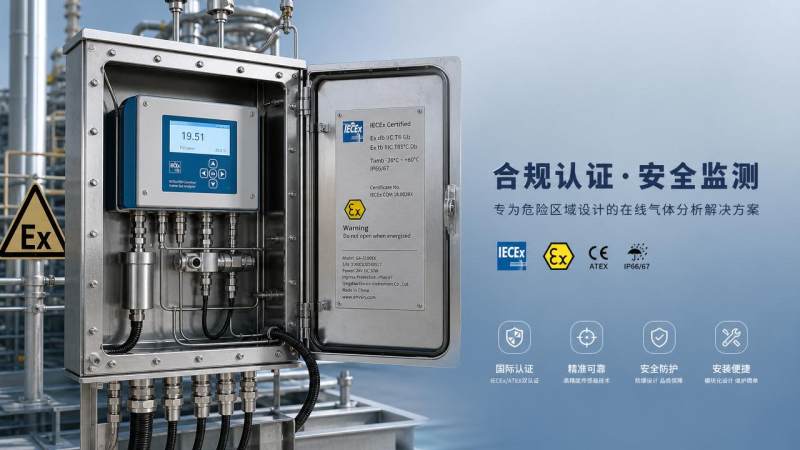
A certified analyzer can still create risk if the installation concept, enclosure details, or supporting documents do not match the certified conditions.
Simple purchasing decisions can therefore become safety decisions.
That is the practical lens needed to understand IECEx analyzer basics.
What an IECEx analyzer actually covers
An IECEx analyzer is an analytical instrument intended for use in explosive atmospheres under the IECEx certification system.
The system verifies that equipment design meets internationally recognized explosion protection requirements.
In practice, the term may involve gas analyzers, process analyzers, sampling systems, or analyzer houses with certified components.
The key point is that certification does not describe analytical performance alone.
It addresses ignition risk under defined operating conditions.
This includes protection concepts, ambient limits, temperature classes, ingress protection, and the relationship between the device and its hazardous zone.
Many buyers confuse product quality with Ex compliance.
A high-accuracy analyzer without the correct IECEx marking may still be unsuitable for the intended area.
Likewise, a certified IECEx analyzer can become noncompliant if modified, re-cabled incorrectly, or paired with incompatible accessories.
The compliance logic behind the certificate
The most useful way to read IECEx requirements is to see them as a chain.
The chain starts with hazard classification, then moves to equipment selection, installation, operation, inspection, and record control.
If one link is weak, the certificate alone does not protect the site.
Core points that deserve close attention
- Equipment marking must match the actual zone, gas group, and temperature class.
- Ambient temperature limits must reflect the real field environment, not just indoor assumptions.
- Cable glands, conduit entries, and barriers must be approved for the same protection concept.
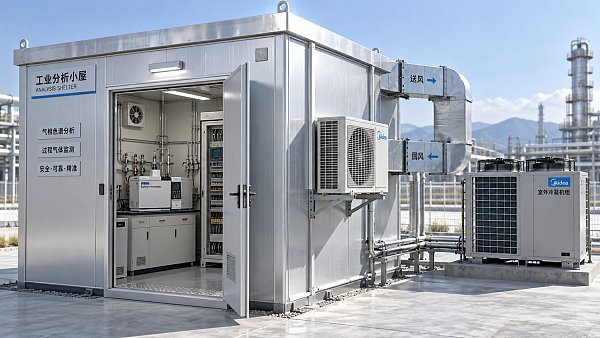
- Analyzer shelters and sample handling systems may need separate review, even when the analyzer itself is certified.
- Maintenance procedures must preserve the certified configuration and documented repair boundaries.
This is why experienced teams read both the certificate and the schedule attached to it.
The detail often sits in the conditions of use, not in the headline approval statement.
Where mistakes usually happen
Most compliance failures do not come from a fake certificate.
They come from incomplete interpretation of a real one.
An IECEx analyzer may be selected correctly but installed in the wrong thermal conditions.
A replacement part may fit mechanically but break the certified assembly.
A panel integrator may add components without checking whether the whole system still aligns with the approved design.
The table below highlights frequent weak points.
In other words, compliance lives in the system context, not only in the analyzer catalog page.
Why industry attention is increasing
Several trends are pushing the IECEx analyzer topic higher on the decision agenda.
Facilities are collecting more real-time data from more hazardous points.
Analyzer networks are becoming more connected to digital control and asset systems.
At the same time, compliance scrutiny is becoming more document-driven.
This aligns with the broader intelligence model promoted by GIH.
Instrumentation is now the sensory layer of industrial decision-making.
When that sensory layer sits in explosive atmospheres, every data point depends on trusted protection design.
A weakly documented IECEx analyzer can delay startup, trigger reinspection, or complicate cross-border sourcing.
A well-documented one supports safer operation and smoother approval workflows.
Typical use settings for an IECEx analyzer
The need for an IECEx analyzer appears across multiple industrial segments.
The surrounding hazards differ, but the decision logic is similar.
Common application environments
- Refineries and petrochemical plants using gas composition or moisture analysis near process units.
- Offshore and upstream sites where analyzer cabinets face vibration, salt exposure, and difficult access.
- Chemical production lines with corrosive media and tightly controlled temperature limits.
- Environmental monitoring systems linked to emissions compliance in hazardous utility areas.
- Energy and power facilities requiring continuous gas quality verification around critical equipment.
These settings show why selection cannot rely on generic specifications alone.
The right IECEx analyzer depends on process media, area classification, service model, and lifecycle support.
What to verify before approval or purchase
A practical review should combine certification checks with operating reality.
That approach reduces surprises after delivery.
A workable review checklist
- Confirm the exact IECEx certificate number and verify its current status.
- Match the protection concept to the site classification and installation method.
- Review special conditions for safe use, including enclosure opening restrictions.
- Check whether sample conditioning, shelters, and purge units are included in scope.
- Ensure spare parts, calibration access, and field service plans do not undermine compliance.
- Request complete documentation packages, not only marketing datasheets.
This is also where supply chain discipline matters.
A reliable supplier should be able to explain the certified boundaries of the IECEx analyzer clearly and consistently.
If documents are fragmented, lifecycle risk usually increases.
Documentation is part of the safety case
In many projects, paperwork is treated as an afterthought.
For an IECEx analyzer, that approach is costly.
Certificates, installation drawings, wiring details, maintenance instructions, and inspection records form the evidence trail.
That trail supports audits, handovers, incident review, and future upgrades.
It also helps separate certified facts from assumptions made during integration.
From a governance perspective, this is where instrumentation intelligence becomes operational trust.
Well-structured records make an IECEx analyzer easier to defend, maintain, and requalify over time.
A sensible next step
The best next move is usually not to compare analyzers by price first.
Start by mapping the hazardous area, process objective, and required evidence package.
Then review whether each IECEx analyzer option fits the full operating context, not only the nominal specification.
That means checking certification scope, installation dependencies, support capability, and document completeness together.
Where the application is complex, a structured gap review before procurement often saves more time than late-stage corrective work.
A clear internal checklist, backed by trusted instrumentation intelligence, turns IECEx compliance from a reactive task into a controlled decision process.
Recommended for You
 How does cross-interference affect multi-component gas analyzers?How does cross-interference affect multi component gas analyzers? Explore measurement errors, compensation limits, and validation tips to choose the right system for your process.
 How does temperature affect high-accuracy sensor performance?Explore how temperature affects high accuracy sensor performance. Learn to reduce thermal drift, evaluate compensation, and select the right sensor for reliable measurements.
 Can a C4H8O concentration analyzer distinguish between isomers?Can a C4H8O concentration analyzer distinguish isomers? Compare GC, FTIR and MS methods, uncover selectivity limits, and learn what to validate before choosing your instrument.
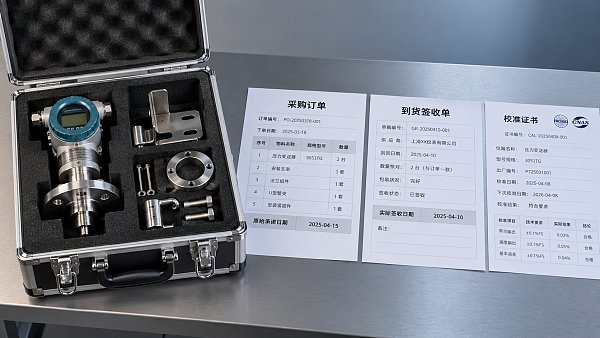
 How to identify a reliable supplier using on-time delivery recordsIdentify a Reliable Supplier by verifying on-time delivery records, original commitments, and complete shipments. Learn practical checks to reduce purchasing risk and protect your project schedule.
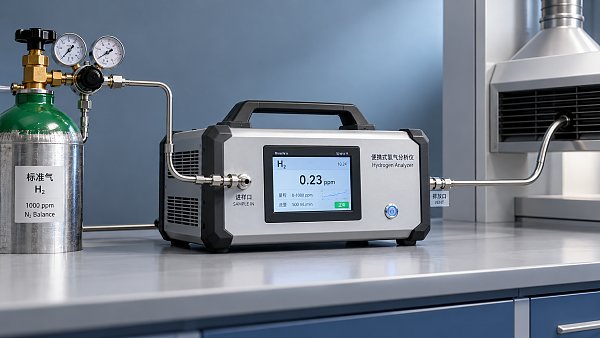
 How sensitive should a portable hydrogen analyzer be for lab use?Choose a portable hydrogen analyzer for laboratory use with the right quantification limit, accuracy, and range. Learn how to verify performance and avoid costly buying mistakes.
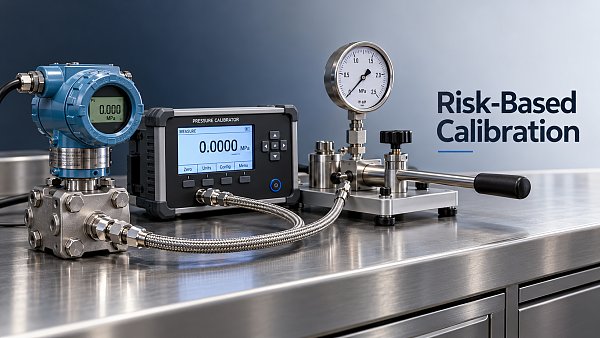
 How to set industrial calibration intervals based on equipment riskSet industrial calibration intervals based on equipment risk, drift, and as-found data. Learn when to shorten or extend schedules to improve reliability and avoid unnecessary costs.
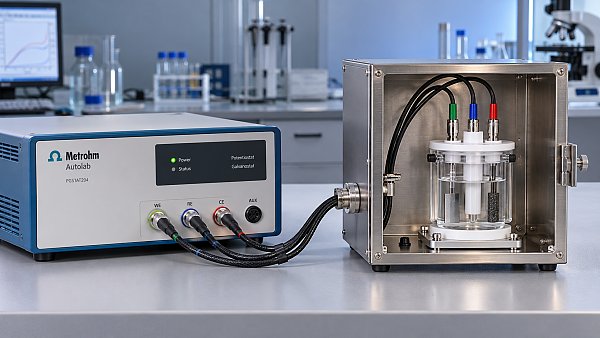
 How to choose electrochemical analyzers for low-current measurementsCompare electrochemical analyzers for precise low-current measurements. Learn how noise, leakage, bandwidth, and real-cell testing help you choose the right instrument.
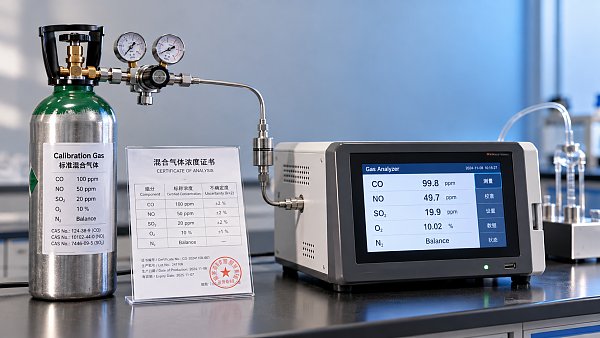
 What tolerance does a custom gas mixture need for calibration?Choose the right custom gas tolerance for calibration. Learn how blending tolerance, certified uncertainty, and stability affect accuracy—and avoid paying for precision you don’t need.
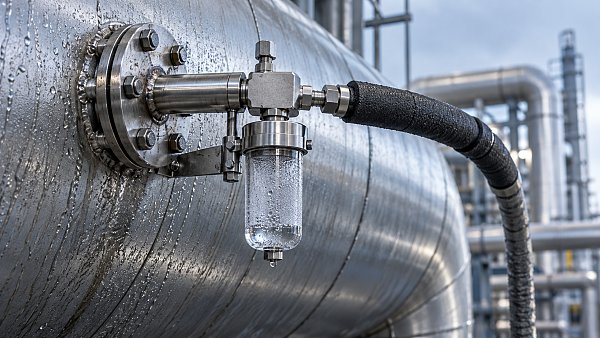
 How condensation affects stack detector readings in wet flue gasStack detector readings can drift when wet flue gas condenses. Learn how to identify moisture interference, prevent sample losses, and improve emissions monitoring reliability.
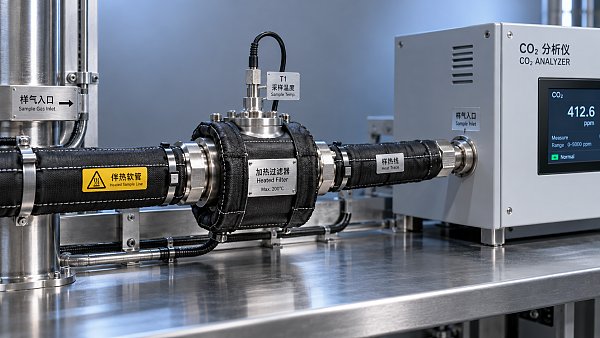
 How to prevent condensation in a CO2 analyzer sampling systemPrevent condensation in your CO2 analyzer sampling system. Learn how to control dew point, eliminate cold spots, and manage moisture for reliable readings and fewer costly disruptions.
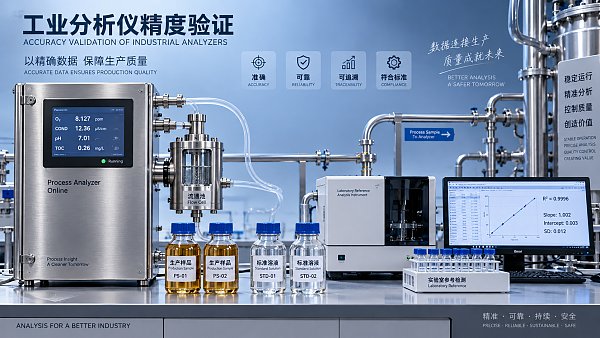
 How to verify accuracy claims for industrial quality analyzersVerify accuracy claims for industrial quality analyzers with calibration checks, independent testing, and clear acceptance criteria. Learn how to reduce risk and buy with confidence.
 How to calculate cooling loads for an industrial analyzer shelterSize industrial analyzer shelter cooling with confidence. Learn to calculate equipment heat, solar gains, and ventilation loads, then select HVAC capacity for reliable analyzer performance.
 Hydrogen Analyzers for Energy Storage: Purity Monitoring vs. Leak DetectionChoosing a hydrogen analyzer for energy storage systems? Compare purity monitoring and leak detection to select the right sensors, improve safety, and protect fuel cell performance.
 NH3 Monitoring in Fertilizer Plants: Where Should Leak Analyzers Be Installed?NH3 analyzer for fertilizer production: discover where to place leak detectors around storage, compressors, and loading areas to reduce blind spots and improve early warning.
 Diesel Engine NOx Analyzers: Response Time and NO2 Conversion ExplainedChoosing a NOX analyzer for diesel engines? Learn how response time, NO2 conversion, and sampling design affect accuracy—and make a smarter, evidence-based purchase.
 SO2 Analyzers for Smelter Emissions: Sampling Hot, Dust-Laden Flue GasSelect an SO2 analyzer for smelting industry applications. Discover how to handle hot, dust-laden flue gas, prevent sample losses, and achieve reliable emissions monitoring.
 Unstable CH4 Readings in Biogas Monitoring? Check Moisture and Sample FlowCH4 analyzer for biogas monitoring giving unstable readings? Discover how moisture, sample flow, and pressure checks help pinpoint faults and restore reliable methane measurements.
 Buying a CO2 Analyzer for Brewery Gas Recovery: Costs Beyond the Purchase PriceBuying a CO2 analyzer for brewery applications? Compare sampling, installation, calibration, and downtime costs to uncover hidden expenses and make a smarter gas recovery investment.
 Where to Place CO Analyzers for Effective Parking Garage VentilationOptimize your CO analyzer for parking garage ventilation with practical placement tips. Learn how sensor height, airflow, and zone coverage support timely detection and effective fan control.
 NDIR vs. FTIR Gas Analyzers: Which Fits Your Environmental Research?Find the right infrared gas analyzer for environmental research. Compare NDIR vs. FTIR on sensitivity, gas coverage, sampling needs, and cost to choose confidently for your study.
 Oxygen Analyzers for Diving: Calibration Checks Before Nitrox BlendingUsing an oxygen analyzer for diving applications? Discover essential calibration, sensor, and sampling checks before nitrox blending to support reliable readings.
 How Paramagnetic Oxygen Analyzers Work and Why Sample Pressure MattersLearn how a paramagnetic oxygen analyzer works, why sample pressure affects accuracy, and what to check in compensation and calibration before choosing your system.
 How Much Does a Complete CEMS Integration Project Typically Cost?How much does a complete CEMS integration project typically cost? Explore budget ranges, hidden installation costs, and compliance needs to compare quotes and plan confidently.
 What Is the Typical Response Time for Industrial Air Monitors?What is the typical response time for industrial air monitors? Explore T90, sampling delays, and alarm settings to compare performance and choose the right monitor with confidence.
 Do Regulatory Monitoring Systems Need Third-Party Certification?Do regulatory monitoring systems need third-party certification? Learn when it is required, what certificates prove, and how to verify compliance before buying.
 How Do You Choose Wired or Wireless for Stack Monitoring?Learn how to choose between wired and wireless for stack monitoring. Compare reliability, lifecycle costs, and data recovery to find the right CEMS setup for your site.
 What Happens When Combustible Gas Sensor Calibration Is Overdue?What happens if combustible gas sensor is not recalibrated on time? Discover the risks of inaccurate readings and missed alarms, plus steps to restore reliable protection.
 Can One Multi-Gas Detector Replace Four Separate Analyzers?Find out: can a single multi-gas detector replace four separate analyzers? Compare accuracy, safety, compliance, and lifetime costs to make a confident buying decision.
 Industrial Safety vs. Emission Monitoring: What Are the Differences?What are the main differences between industrial safety and emission monitoring? Compare goals, sensors, response times, and compliance needs to choose the right systems for your facility.
 Is Remote Monitoring Worth the Cost for Small Emission Sources?Is it worth investing in remote monitoring for small emission sources? Compare costs, compliance needs, and potential savings to choose the right solution for your operation.
 How Do You Handle Analyzer Failure During an Environmental Audit?Learn how to handle analyzer failure during environmental compliance audit procedures. Protect evidence, verify data, and restore monitoring with this practical response guide.
 Do VOC Monitors Require Explosion-Proof Certification?Does VOC monitoring require explosion-proof certification? Learn when approval is needed, compare ATEX and IECEx, and choose the right monitor for your site.
Search Categories
Search Categories
- Smart Meters & Power Quality
- Transformer Gas Analyzers
- BESS Thermal Runaway Detectors
- Energy, Power & Smart Grid Monitoring
- Optical Profilers & CMM
- Ultrasonic & X-Ray NDT
- Calibration Standards
- Precision Metrology & NDT
- Water Quality Analyzers
- CEMS & VOCs Monitors
- Price Trends
- Import & Export Updates
- Market Trends
- Industry News
- Industry Insights
Latest Article
- How does cross-interference affect multi-component gas analyzers?How does cross-interference affect multi component gas analyzers? Explore measurement errors, compensation limits, and validation tips to choose the right system for your process.Posted by:
- How does temperature affect high-accuracy sensor performance?Explore how temperature affects high accuracy sensor performance. Learn to reduce thermal drift, evaluate compensation, and select the right sensor for reliable measurements.Posted by:
- Can a C4H8O concentration analyzer distinguish between isomers?Can a C4H8O concentration analyzer distinguish isomers? Compare GC, FTIR and MS methods, uncover selectivity limits, and learn what to validate before choosing your instrument.Posted by:
Please give us a message
