
Process Instrumentation Selection Tips for Stable Production


Why process instrumentation selection now has a bigger impact on production stability
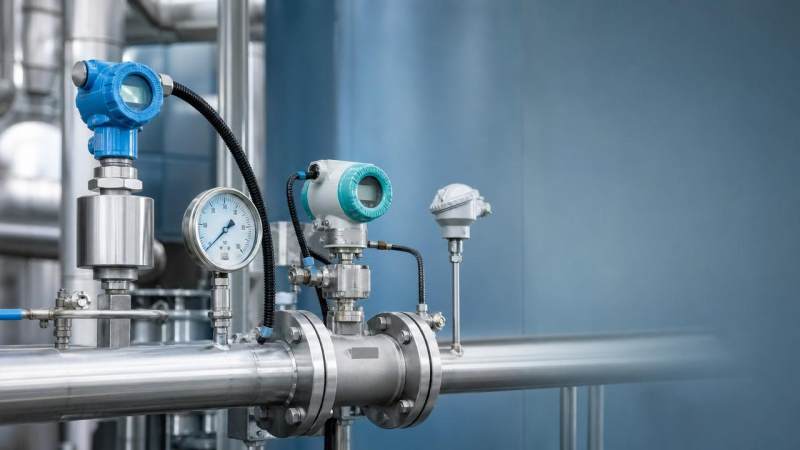
Stable production used to depend mainly on equipment robustness and operator experience. That equation has changed.
Today, process instrumentation sits closer to the center of plant performance. It shapes control quality, alarm credibility, compliance readiness, and maintenance workload.
Across manufacturing, energy, environmental systems, life sciences, and building utilities, small measurement errors now create larger operational consequences.
That is why process instrumentation selection tips are no longer a narrow engineering checklist. They are part of production risk management.
The stronger signal in recent projects is clear: digital transformation only works when field data is trustworthy from the start.
Global Instrument Hub follows this shift closely because measurement is the sensory layer behind automation, quality assurance, emissions reporting, and energy visibility.
In practice, better selection decisions reduce false trips, control drift, rework, and expensive site modifications after commissioning.
The change is not just technical; it is operational and strategic
A few years ago, many projects selected instruments by habit, brand familiarity, or initial price. That approach is showing its limits.
Plants now run tighter margins, stricter environmental targets, and more connected control architectures. Measurement quality matters earlier and longer.
Several drivers are making process instrumentation selection more demanding:
- Higher automation means bad signals propagate faster through PLC, DCS, historian, and analytics layers.
- Safety and compliance regimes require traceable performance, not just nominal device specifications.
- Harsh service conditions are expanding, especially in chemical, energy, wastewater, and battery-related processes.
- Lifecycle cost now outweighs purchase price in many board-level investment reviews.
- Global supply chain uncertainty makes standardization and supplier credibility more important.
This explains why the best process instrumentation selection tips begin with process reality, not catalog features.
What should be matched first: process conditions, control intent, or compliance needs?
In real projects, these three factors interact. Still, process conditions deserve first attention because they decide what can survive and measure correctly.
For flow, pressure, level, temperature, and analytical measurement, the medium often tells the truth faster than the datasheet.
Viscosity, solids content, foam, pulsation, corrosion, vacuum behavior, and cleaning cycles all influence instrument fit.
After that, define control intent. Is the device supporting indication, closed-loop control, custody relevance, safety interlock, or emissions evidence?
The same transmitter may be acceptable for monitoring, but unsuitable for critical control or regulated reporting.
Compliance comes next, but not as a final stamp. Hazardous area classification, hygiene requirements, calibration traceability, and cybersecurity expectations should be built in early.
Good process instrumentation selection tips often start by ranking these factors by risk, not by convenience.
Where selection mistakes usually appear before startup
Most failures do not begin with a broken device. They begin with a mismatch.
One common mistake is specifying accuracy without considering full operating range. Another is selecting materials that tolerate chemistry on paper, but not cleaning chemicals.
Impulse line design, straight pipe requirements, vibration, cable routing, and EMC exposure also get underestimated.
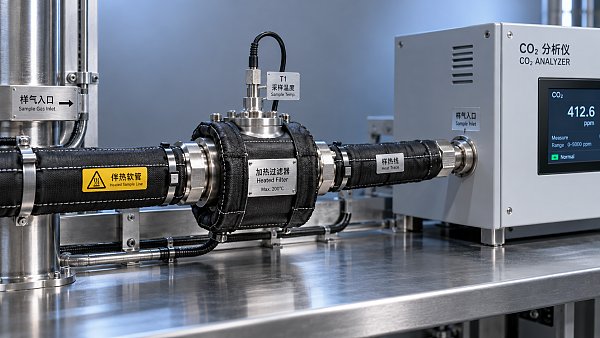
In analytical systems, sample conditioning is often the hidden issue. The analyzer may be excellent, while the sample reaching it is not representative.
For level measurement, foam, interface layers, internal obstructions, and vessel shape can defeat otherwise proven technologies.
This is why reliable process instrumentation selection depends on installation context as much as device capability.
A practical screening set for early design reviews
- Define normal, upset, and cleaning conditions separately.
- Check turndown against actual operating range, not nameplate capacity.
- Review wetted materials with both process media and maintenance chemicals.
- Confirm access for calibration, removal, and verification.
- Verify communication compatibility with plant architecture and asset systems.
- Assess whether redundancy is needed for critical loops or safety functions.
Why lifecycle performance is becoming a stronger selection criterion
The market is moving away from lowest upfront cost. The reason is simple: unstable measurements create hidden costs for years.
These costs appear as troubleshooting labor, spare consumption, off-spec product, unplanned shutdowns, and compliance disputes.
Better process instrumentation selection tips now include maintainability, diagnostics, calibration intervals, and supplier support maturity.
That shift is especially visible in sectors where downtime is expensive and process windows are narrow.
GIH has highlighted this pattern across industrial process control, environmental monitoring, smart energy systems, and laboratory-linked production environments.
When measurement feeds both operations and reporting, instrument reliability becomes a governance issue as much as an engineering one.
Questions that reveal lifecycle risk early
Ask how the device behaves after two years, not just on commissioning day.
- How often will field verification interrupt operations?
- Can diagnostics distinguish sensor drift from process disturbance?
- Are spare parts regionally available within outage windows?
- Is recalibration traceable for regulated or audited environments?
- Will firmware, protocol, and cybersecurity support remain current?
Different applications are feeling the pressure in different ways
The impact of process instrumentation selection is broad, but not uniform.
In chemical and energy processes, hazardous area compliance and extreme conditions dominate decisions.
In food, pharma, and life science production, hygienic design, cleanability, and data integrity carry more weight.
In wastewater and environmental monitoring, fouling resistance and reporting confidence can matter more than laboratory-grade precision.
In buildings, utilities, and district energy, scalability and integration with digital energy management platforms are increasingly important.
This cross-sector pattern reinforces a useful principle: the best process instrumentation selection tips are always application-shaped.
What deserves closer attention over the next project cycle
A more mature selection strategy usually focuses on a few high-leverage areas.
- Prioritize data quality for critical loops before expanding dashboards or analytics.
- Standardize where practical, but avoid forcing one technology into unsuitable services.
- Treat hazardous certifications and metrology evidence as design inputs, not paperwork later.
- Review supplier technical depth, regional support, and documentation quality alongside device performance.
- Build commissioning feedback into future specifications, especially recurring installation problems.
This is also where intelligence-led platforms like GIH become useful. They connect device categories, standards, application conditions, and supplier trust signals in one view.
That kind of context matters when instrumentation decisions affect automation reliability across entire operations.
A steadier path starts with better measurement decisions
The most valuable process instrumentation selection tips are rarely the most complicated. They are the ones that connect process truth, control purpose, and lifecycle reality.
Measurement choices made early will shape startup quality, maintenance burden, compliance confidence, and production stability long after installation.
A sensible next step is to review critical measurement points, compare them against actual process behavior, and flag where current assumptions may be weak.
Then track the parameters, standards, and support requirements that matter most for each application. That is usually where more reliable production begins.
Recommended for You
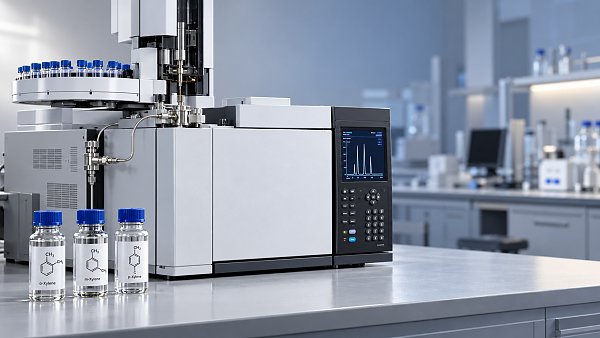
 Can a C4H8O concentration analyzer distinguish between isomers?Can a C4H8O concentration analyzer distinguish isomers? Compare GC, FTIR and MS methods, uncover selectivity limits, and learn what to validate before choosing your instrument.
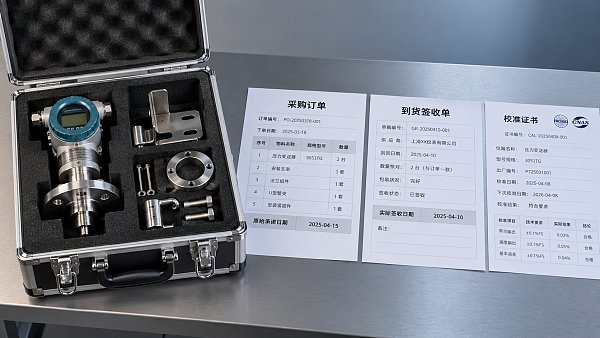
 How to identify a reliable supplier using on-time delivery recordsIdentify a Reliable Supplier by verifying on-time delivery records, original commitments, and complete shipments. Learn practical checks to reduce purchasing risk and protect your project schedule.
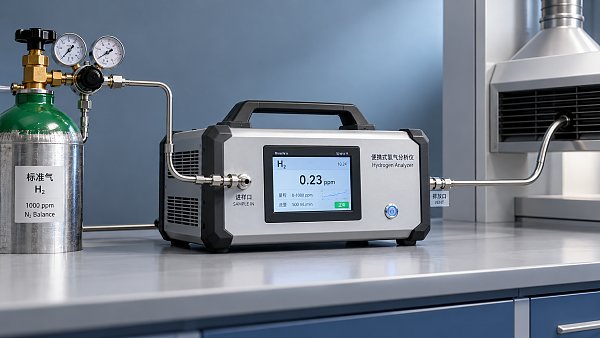
 How sensitive should a portable hydrogen analyzer be for lab use?Choose a portable hydrogen analyzer for laboratory use with the right quantification limit, accuracy, and range. Learn how to verify performance and avoid costly buying mistakes.
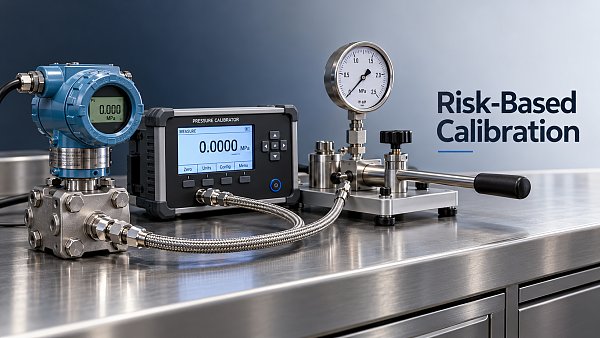
 How to set industrial calibration intervals based on equipment riskSet industrial calibration intervals based on equipment risk, drift, and as-found data. Learn when to shorten or extend schedules to improve reliability and avoid unnecessary costs.
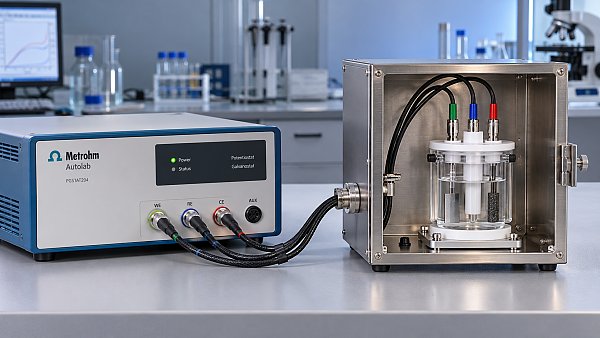
 How to choose electrochemical analyzers for low-current measurementsCompare electrochemical analyzers for precise low-current measurements. Learn how noise, leakage, bandwidth, and real-cell testing help you choose the right instrument.
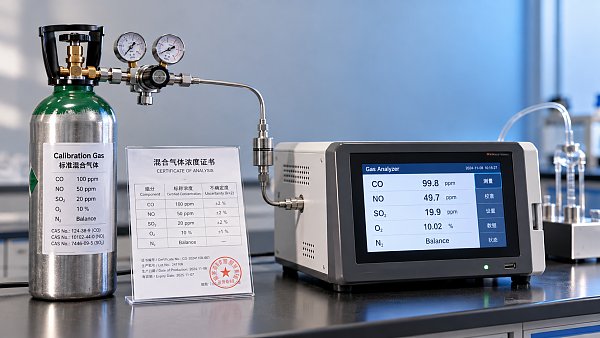
 What tolerance does a custom gas mixture need for calibration?Choose the right custom gas tolerance for calibration. Learn how blending tolerance, certified uncertainty, and stability affect accuracy—and avoid paying for precision you don’t need.
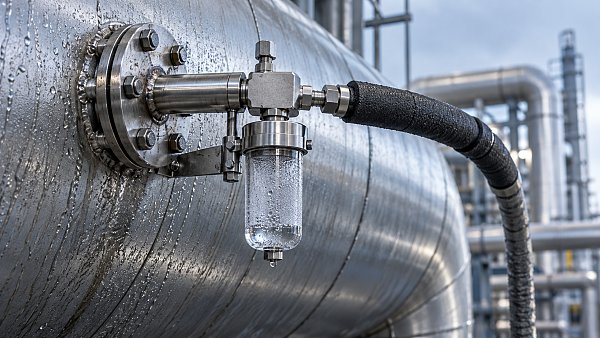
 How condensation affects stack detector readings in wet flue gasStack detector readings can drift when wet flue gas condenses. Learn how to identify moisture interference, prevent sample losses, and improve emissions monitoring reliability.
 How to prevent condensation in a CO2 analyzer sampling systemPrevent condensation in your CO2 analyzer sampling system. Learn how to control dew point, eliminate cold spots, and manage moisture for reliable readings and fewer costly disruptions.
 How to verify accuracy claims for industrial quality analyzersVerify accuracy claims for industrial quality analyzers with calibration checks, independent testing, and clear acceptance criteria. Learn how to reduce risk and buy with confidence.
 How to calculate cooling loads for an industrial analyzer shelterSize industrial analyzer shelter cooling with confidence. Learn to calculate equipment heat, solar gains, and ventilation loads, then select HVAC capacity for reliable analyzer performance.
 Hydrogen Analyzers for Energy Storage: Purity Monitoring vs. Leak DetectionChoosing a hydrogen analyzer for energy storage systems? Compare purity monitoring and leak detection to select the right sensors, improve safety, and protect fuel cell performance.
 NH3 Monitoring in Fertilizer Plants: Where Should Leak Analyzers Be Installed?NH3 analyzer for fertilizer production: discover where to place leak detectors around storage, compressors, and loading areas to reduce blind spots and improve early warning.
 Diesel Engine NOx Analyzers: Response Time and NO2 Conversion ExplainedChoosing a NOX analyzer for diesel engines? Learn how response time, NO2 conversion, and sampling design affect accuracy—and make a smarter, evidence-based purchase.
 SO2 Analyzers for Smelter Emissions: Sampling Hot, Dust-Laden Flue GasSelect an SO2 analyzer for smelting industry applications. Discover how to handle hot, dust-laden flue gas, prevent sample losses, and achieve reliable emissions monitoring.
 Unstable CH4 Readings in Biogas Monitoring? Check Moisture and Sample FlowCH4 analyzer for biogas monitoring giving unstable readings? Discover how moisture, sample flow, and pressure checks help pinpoint faults and restore reliable methane measurements.
 Buying a CO2 Analyzer for Brewery Gas Recovery: Costs Beyond the Purchase PriceBuying a CO2 analyzer for brewery applications? Compare sampling, installation, calibration, and downtime costs to uncover hidden expenses and make a smarter gas recovery investment.
 Where to Place CO Analyzers for Effective Parking Garage VentilationOptimize your CO analyzer for parking garage ventilation with practical placement tips. Learn how sensor height, airflow, and zone coverage support timely detection and effective fan control.
 NDIR vs. FTIR Gas Analyzers: Which Fits Your Environmental Research?Find the right infrared gas analyzer for environmental research. Compare NDIR vs. FTIR on sensitivity, gas coverage, sampling needs, and cost to choose confidently for your study.
 Oxygen Analyzers for Diving: Calibration Checks Before Nitrox BlendingUsing an oxygen analyzer for diving applications? Discover essential calibration, sensor, and sampling checks before nitrox blending to support reliable readings.
 How Paramagnetic Oxygen Analyzers Work and Why Sample Pressure MattersLearn how a paramagnetic oxygen analyzer works, why sample pressure affects accuracy, and what to check in compensation and calibration before choosing your system.
 How Much Does a Complete CEMS Integration Project Typically Cost?How much does a complete CEMS integration project typically cost? Explore budget ranges, hidden installation costs, and compliance needs to compare quotes and plan confidently.
 What Is the Typical Response Time for Industrial Air Monitors?What is the typical response time for industrial air monitors? Explore T90, sampling delays, and alarm settings to compare performance and choose the right monitor with confidence.
 Do Regulatory Monitoring Systems Need Third-Party Certification?Do regulatory monitoring systems need third-party certification? Learn when it is required, what certificates prove, and how to verify compliance before buying.
 How Do You Choose Wired or Wireless for Stack Monitoring?Learn how to choose between wired and wireless for stack monitoring. Compare reliability, lifecycle costs, and data recovery to find the right CEMS setup for your site.
 What Happens When Combustible Gas Sensor Calibration Is Overdue?What happens if combustible gas sensor is not recalibrated on time? Discover the risks of inaccurate readings and missed alarms, plus steps to restore reliable protection.
 Can One Multi-Gas Detector Replace Four Separate Analyzers?Find out: can a single multi-gas detector replace four separate analyzers? Compare accuracy, safety, compliance, and lifetime costs to make a confident buying decision.
 Industrial Safety vs. Emission Monitoring: What Are the Differences?What are the main differences between industrial safety and emission monitoring? Compare goals, sensors, response times, and compliance needs to choose the right systems for your facility.
 Is Remote Monitoring Worth the Cost for Small Emission Sources?Is it worth investing in remote monitoring for small emission sources? Compare costs, compliance needs, and potential savings to choose the right solution for your operation.
 How Do You Handle Analyzer Failure During an Environmental Audit?Learn how to handle analyzer failure during environmental compliance audit procedures. Protect evidence, verify data, and restore monitoring with this practical response guide.
 Do VOC Monitors Require Explosion-Proof Certification?Does VOC monitoring require explosion-proof certification? Learn when approval is needed, compare ATEX and IECEx, and choose the right monitor for your site.
 How sample conditioning affects accuracy in petrochemical analyzersImprove accuracy in petrochemical analyzers with smarter sample conditioning. Discover how phase control, filtration, and transport design prevent bias and deliver reliable process data.
 How to troubleshoot sensor drift in industrial gas detectorsIndustrial gas detectors showing sensor drift? Learn how to verify calibration gas, identify root causes, and determine when sensor replacement is needed for reliable monitoring.

Search Categories
Search Categories
- Smart Meters & Power Quality
- Transformer Gas Analyzers
- BESS Thermal Runaway Detectors
- Energy, Power & Smart Grid Monitoring
- Optical Profilers & CMM
- Ultrasonic & X-Ray NDT
- Calibration Standards
- Precision Metrology & NDT
- Water Quality Analyzers
- CEMS & VOCs Monitors
- Price Trends
- Import & Export Updates
- Market Trends
- Industry News
- Industry Insights
Latest Article
- Can a C4H8O concentration analyzer distinguish between isomers?Can a C4H8O concentration analyzer distinguish isomers? Compare GC, FTIR and MS methods, uncover selectivity limits, and learn what to validate before choosing your instrument.Posted by:
- How to identify a reliable supplier using on-time delivery recordsIdentify a Reliable Supplier by verifying on-time delivery records, original commitments, and complete shipments. Learn practical checks to reduce purchasing risk and protect your project schedule.Posted by:
- How sensitive should a portable hydrogen analyzer be for lab use?Choose a portable hydrogen analyzer for laboratory use with the right quantification limit, accuracy, and range. Learn how to verify performance and avoid costly buying mistakes.Posted by:
Please give us a message
