
CO Analyzer Selection: Accuracy, Range, and Maintenance


Choosing a CO analyzer is rarely a matter of comparing datasheets line by line. In real operating environments, performance depends on how accurately the instrument tracks carbon monoxide, how well its range matches the process, and how much maintenance it demands over time.
That matters across industrial manufacturing, energy systems, environmental monitoring, laboratory analysis, and building infrastructure. A well-matched CO analyzer supports safer control decisions, cleaner compliance records, and more reliable process data. A poorly matched one creates false confidence, repeated calibration work, and avoidable lifecycle cost.
From the perspective of Global Instrument Hub, where instrumentation is treated as the sensing layer of modern industry, CO analysis sits at a practical intersection of process safety, emissions accountability, and digital decision-making. The selection process therefore needs to focus on measurement reality, not specification headlines.
Why CO measurement deserves closer attention
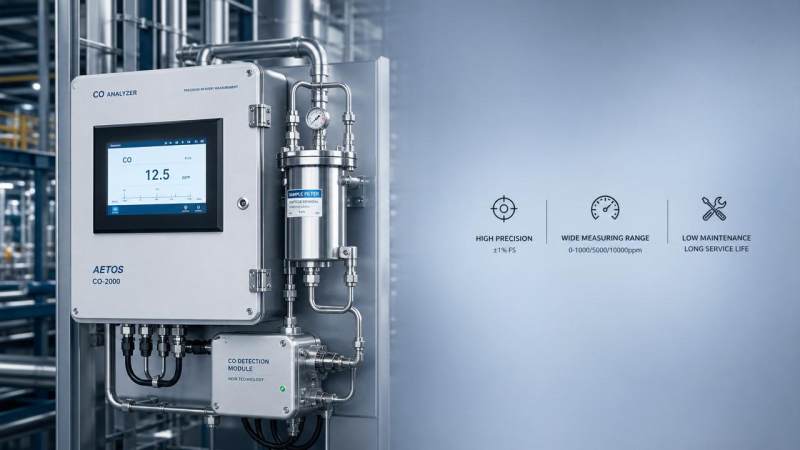
Carbon monoxide is a small molecule with large operational consequences. It can indicate incomplete combustion, burner imbalance, ventilation failure, process upset, or hazardous exposure. In some systems, it is also a useful marker for combustion efficiency and emissions quality.
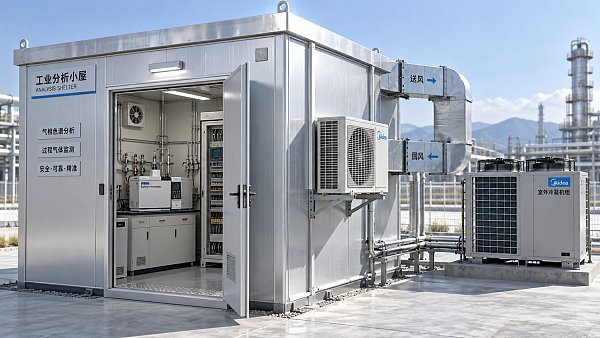
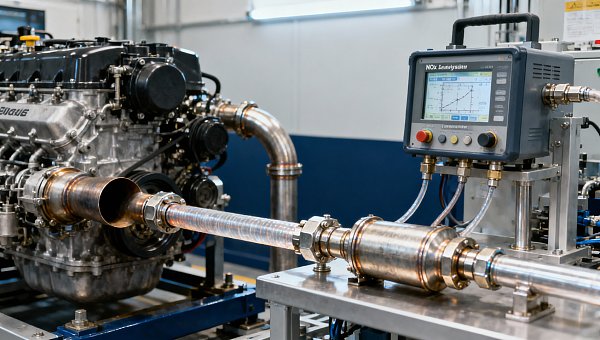
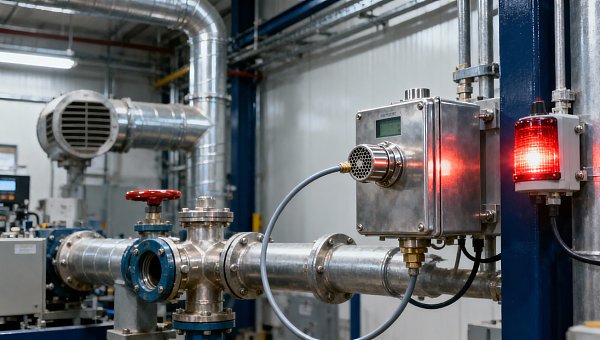
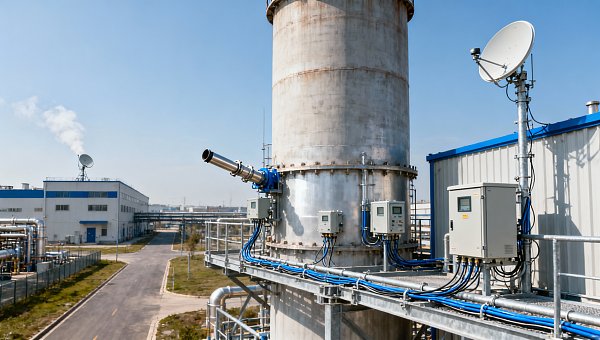
A CO analyzer may be installed in stacks, ducts, engine exhaust lines, heat treatment systems, chemical units, enclosed facilities, research setups, or portable inspection workflows. The context changes, but the core challenge remains the same: produce trustworthy readings under changing conditions.
This is one reason CO analysis receives growing attention in Industry 4.0 environments. Once measurement data flows into PLC, DCS, SCADA, or cloud monitoring systems, errors no longer stay local. They influence alarms, reporting, optimization routines, and maintenance planning.
Start with the measurement principle, not the catalog
A CO analyzer is not one uniform device category. Selection begins with the sensing principle, because the principle shapes accuracy behavior, cross-sensitivity, response time, maintenance burden, and cost structure.
Common technology paths
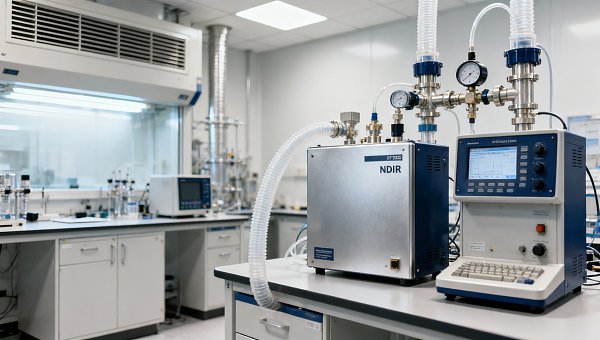
- NDIR analyzers are widely used for continuous gas analysis and are valued for stability and broad industrial adoption.
- Electrochemical sensors often suit portable or compact applications, especially where lower cost and simpler deployment matter.
- Tunable diode laser methods can be attractive where fast response and selective measurement are critical.
- Integrated multi-gas platforms may fit systems where CO must be interpreted alongside O2, CO2, NOx, or moisture.
The right choice depends on sample composition, duty cycle, and risk tolerance. A technology that performs well in a clean lab stream may struggle in hot, wet, particulate-laden flue gas. In practice, application fit matters more than general popularity.
Accuracy means more than a low error number
Accuracy is often the first selection criterion, yet it is frequently misunderstood. The published specification may look strong, but the useful question is whether the CO analyzer remains accurate at the concentrations that matter most in the actual process.
For example, a combustion application may care most about low-level drift near control thresholds. A safety monitoring point may care about repeatability around alarm values. An emissions system may need confidence across a regulated reporting band, not only at full scale.
Accuracy checkpoints worth reviewing
- Stated accuracy across the full measuring span, not only under reference conditions.
- Zero drift and span drift over time.
- Linearity at low, mid, and high concentration points.
- Sensitivity to temperature, pressure, humidity, and vibration.
- Cross-interference from gases likely to appear in the sample stream.
This is where technical evaluation becomes more disciplined. A CO analyzer that is nominally accurate but vulnerable to moisture, background gas changes, or unstable sampling can produce readings that are compliant on paper and unreliable in operation.
Range selection should follow process behavior
The measuring range sets the instrument’s operating window, but the best range is not simply the widest one available. Oversized ranges can reduce useful resolution at low concentrations. Undersized ranges can create saturation, frequent alarms, or unusable trend data during excursions.
A practical range decision usually starts with normal concentration, upset concentration, and alarm concentration. It should also account for startup behavior, purge phases, maintenance states, and any unusual events that briefly push CO levels outside routine values.
Multi-range or auto-ranging designs can help, but only if switching behavior is predictable and does not compromise reporting continuity. It is worth checking how the instrument logs and communicates range transitions.
Maintenance drives lifecycle value
A CO analyzer may look competitive at purchase stage and become expensive after installation. Filters clog, optics drift, pumps wear, condensate systems foul, and sensor cells age. The maintenance model therefore has a direct impact on uptime, labor, and spare parts planning.
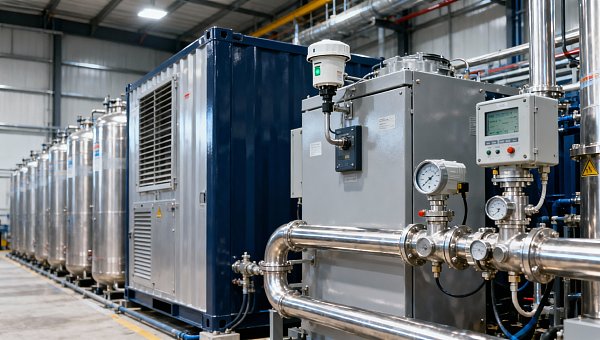
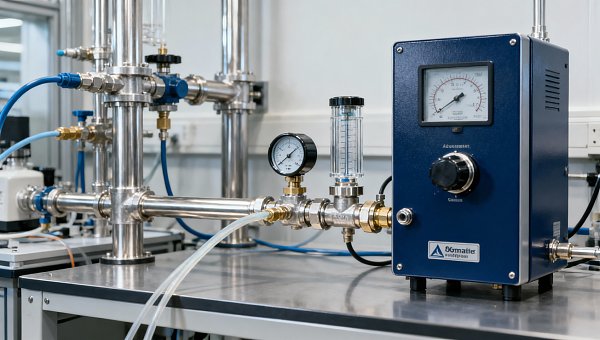
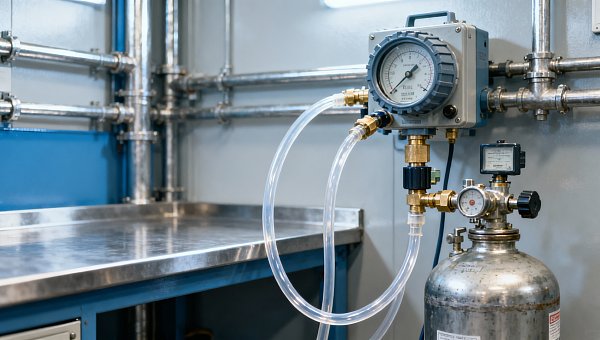
For continuous monitoring, the sampling system is often as important as the analyzer body. Heated lines, moisture handling, dust filtration, and sample conditioning can determine whether the measurement remains stable or turns into a recurring service issue.
Questions that expose maintenance risk
- How often does the CO analyzer require zero and span calibration?
- What consumables are replaced routinely, and what is their expected service life?
- Can routine maintenance be performed on site without specialist intervention?
- How does the instrument diagnose drift, blockage, or sensor degradation?
- Are spare parts and service support available across the target region?
In supply chain terms, this is where GIH-style evaluation becomes useful. A credible vendor is not defined only by product claims. Documentation quality, calibration traceability, regional support, and parts continuity often separate a robust CO analyzer program from a fragile one.
Application context changes the selection criteria
The same CO analyzer specification does not carry the same value in every environment. Selection should be anchored to operating conditions, compliance obligations, and the way the data will actually be used.
Typical selection differences by use case
In industrial process control, stable trends and resistance to interference may matter more than ultra-low detection limits. In environmental systems, reporting integrity, audit trails, and calibration routines can move to the front of the decision.
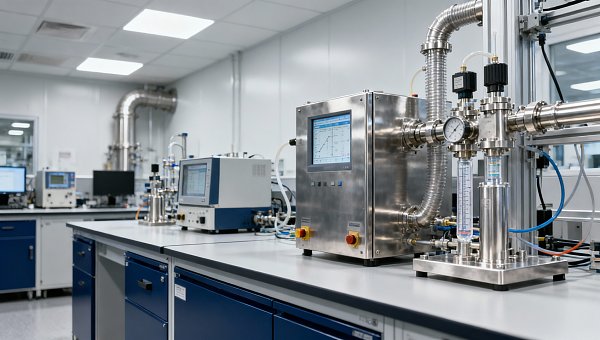
In laboratories, response quality, sample handling precision, and integration with analytical workflows often receive closer scrutiny. In buildings, utilities, or enclosed operational spaces, ease of service and dependable alarm behavior may outweigh advanced analytical features.
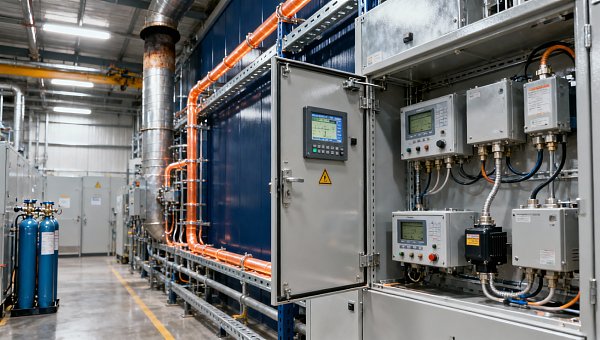
Hazardous areas add another layer. If the CO analyzer will be deployed in explosive atmospheres, certification requirements such as ATEX or IECEx are not secondary details. They are part of the selection baseline.
What to compare during technical evaluation
A structured comparison matrix usually leads to better outcomes than a price-first shortlist. The point is not to create a long checklist for its own sake, but to keep the evaluation tied to operational reality.
- Measurement fit: principle, accuracy profile, range, repeatability, and interference tolerance.
- Installation fit: sample system design, utilities required, footprint, and environmental limits.
- Data fit: analog outputs, digital protocols, historian compatibility, and diagnostics visibility.
- Compliance fit: calibration traceability, certifications, and reporting support.
- Support fit: training, spare parts, lead time, documentation clarity, and service coverage.
When possible, compare these points against real sample conditions rather than only vendor test conditions. Site-specific gases, moisture load, ambient temperature swings, and maintenance access constraints can change the preferred option quickly.
A practical next step for better selection decisions
A strong CO analyzer decision usually starts with a short application brief. Define the concentration band that matters, the process variables that interfere, the acceptable maintenance interval, and the compliance or control function the data must support.
From there, narrow the shortlist by measurement principle, not branding alone. Then test each option against lifecycle questions: calibration burden, spare parts risk, sampling complexity, and integration effort. That sequence often reveals the real cost and the real value.
In an instrumentation market shaped by digital transformation and tighter accountability, the best CO analyzer is the one that stays credible after installation. Clear evaluation criteria, realistic operating assumptions, and trustworthy supplier intelligence make that decision far easier to defend.
Recommended for You
 How does cross-interference affect multi-component gas analyzers?How does cross-interference affect multi component gas analyzers? Explore measurement errors, compensation limits, and validation tips to choose the right system for your process.
 How does temperature affect high-accuracy sensor performance?Explore how temperature affects high accuracy sensor performance. Learn to reduce thermal drift, evaluate compensation, and select the right sensor for reliable measurements.
 Can a C4H8O concentration analyzer distinguish between isomers?Can a C4H8O concentration analyzer distinguish isomers? Compare GC, FTIR and MS methods, uncover selectivity limits, and learn what to validate before choosing your instrument.
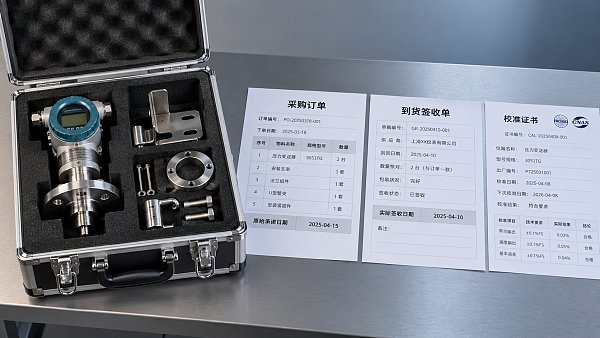
 How to identify a reliable supplier using on-time delivery recordsIdentify a Reliable Supplier by verifying on-time delivery records, original commitments, and complete shipments. Learn practical checks to reduce purchasing risk and protect your project schedule.
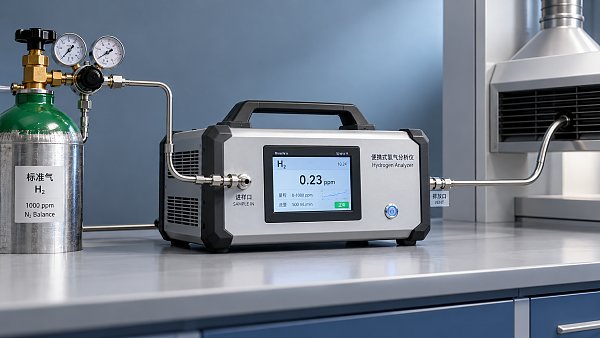
 How sensitive should a portable hydrogen analyzer be for lab use?Choose a portable hydrogen analyzer for laboratory use with the right quantification limit, accuracy, and range. Learn how to verify performance and avoid costly buying mistakes.
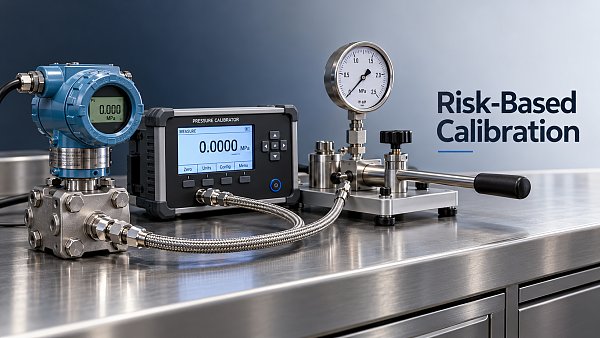
 How to set industrial calibration intervals based on equipment riskSet industrial calibration intervals based on equipment risk, drift, and as-found data. Learn when to shorten or extend schedules to improve reliability and avoid unnecessary costs.
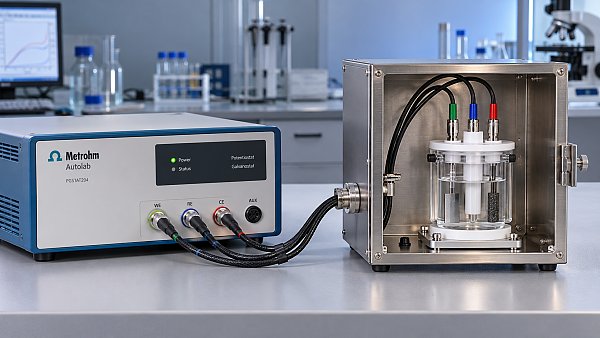
 How to choose electrochemical analyzers for low-current measurementsCompare electrochemical analyzers for precise low-current measurements. Learn how noise, leakage, bandwidth, and real-cell testing help you choose the right instrument.
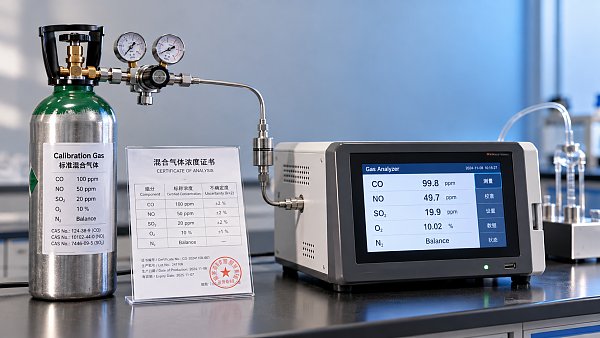
 What tolerance does a custom gas mixture need for calibration?Choose the right custom gas tolerance for calibration. Learn how blending tolerance, certified uncertainty, and stability affect accuracy—and avoid paying for precision you don’t need.
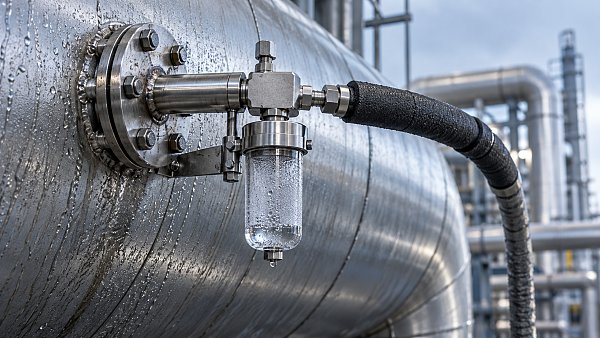
 How condensation affects stack detector readings in wet flue gasStack detector readings can drift when wet flue gas condenses. Learn how to identify moisture interference, prevent sample losses, and improve emissions monitoring reliability.
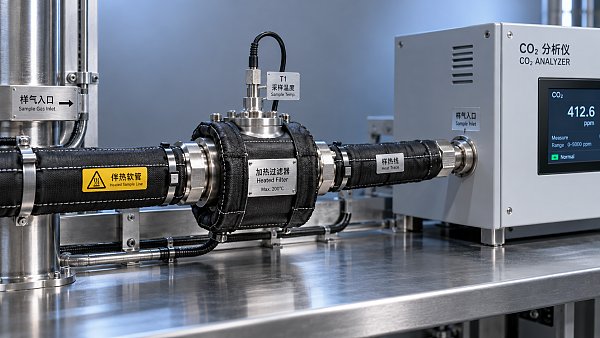
 How to prevent condensation in a CO2 analyzer sampling systemPrevent condensation in your CO2 analyzer sampling system. Learn how to control dew point, eliminate cold spots, and manage moisture for reliable readings and fewer costly disruptions.
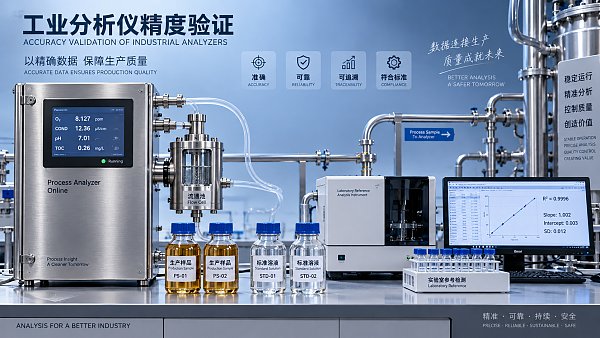
 How to verify accuracy claims for industrial quality analyzersVerify accuracy claims for industrial quality analyzers with calibration checks, independent testing, and clear acceptance criteria. Learn how to reduce risk and buy with confidence.
 How to calculate cooling loads for an industrial analyzer shelterSize industrial analyzer shelter cooling with confidence. Learn to calculate equipment heat, solar gains, and ventilation loads, then select HVAC capacity for reliable analyzer performance.
 Hydrogen Analyzers for Energy Storage: Purity Monitoring vs. Leak DetectionChoosing a hydrogen analyzer for energy storage systems? Compare purity monitoring and leak detection to select the right sensors, improve safety, and protect fuel cell performance.
 NH3 Monitoring in Fertilizer Plants: Where Should Leak Analyzers Be Installed?NH3 analyzer for fertilizer production: discover where to place leak detectors around storage, compressors, and loading areas to reduce blind spots and improve early warning.
 Diesel Engine NOx Analyzers: Response Time and NO2 Conversion ExplainedChoosing a NOX analyzer for diesel engines? Learn how response time, NO2 conversion, and sampling design affect accuracy—and make a smarter, evidence-based purchase.
 SO2 Analyzers for Smelter Emissions: Sampling Hot, Dust-Laden Flue GasSelect an SO2 analyzer for smelting industry applications. Discover how to handle hot, dust-laden flue gas, prevent sample losses, and achieve reliable emissions monitoring.
 Unstable CH4 Readings in Biogas Monitoring? Check Moisture and Sample FlowCH4 analyzer for biogas monitoring giving unstable readings? Discover how moisture, sample flow, and pressure checks help pinpoint faults and restore reliable methane measurements.
 Buying a CO2 Analyzer for Brewery Gas Recovery: Costs Beyond the Purchase PriceBuying a CO2 analyzer for brewery applications? Compare sampling, installation, calibration, and downtime costs to uncover hidden expenses and make a smarter gas recovery investment.
 Where to Place CO Analyzers for Effective Parking Garage VentilationOptimize your CO analyzer for parking garage ventilation with practical placement tips. Learn how sensor height, airflow, and zone coverage support timely detection and effective fan control.
 NDIR vs. FTIR Gas Analyzers: Which Fits Your Environmental Research?Find the right infrared gas analyzer for environmental research. Compare NDIR vs. FTIR on sensitivity, gas coverage, sampling needs, and cost to choose confidently for your study.
 Oxygen Analyzers for Diving: Calibration Checks Before Nitrox BlendingUsing an oxygen analyzer for diving applications? Discover essential calibration, sensor, and sampling checks before nitrox blending to support reliable readings.
 How Paramagnetic Oxygen Analyzers Work and Why Sample Pressure MattersLearn how a paramagnetic oxygen analyzer works, why sample pressure affects accuracy, and what to check in compensation and calibration before choosing your system.
 How Much Does a Complete CEMS Integration Project Typically Cost?How much does a complete CEMS integration project typically cost? Explore budget ranges, hidden installation costs, and compliance needs to compare quotes and plan confidently.
 What Is the Typical Response Time for Industrial Air Monitors?What is the typical response time for industrial air monitors? Explore T90, sampling delays, and alarm settings to compare performance and choose the right monitor with confidence.
 Do Regulatory Monitoring Systems Need Third-Party Certification?Do regulatory monitoring systems need third-party certification? Learn when it is required, what certificates prove, and how to verify compliance before buying.
 How Do You Choose Wired or Wireless for Stack Monitoring?Learn how to choose between wired and wireless for stack monitoring. Compare reliability, lifecycle costs, and data recovery to find the right CEMS setup for your site.
 What Happens When Combustible Gas Sensor Calibration Is Overdue?What happens if combustible gas sensor is not recalibrated on time? Discover the risks of inaccurate readings and missed alarms, plus steps to restore reliable protection.
 Can One Multi-Gas Detector Replace Four Separate Analyzers?Find out: can a single multi-gas detector replace four separate analyzers? Compare accuracy, safety, compliance, and lifetime costs to make a confident buying decision.
 Industrial Safety vs. Emission Monitoring: What Are the Differences?What are the main differences between industrial safety and emission monitoring? Compare goals, sensors, response times, and compliance needs to choose the right systems for your facility.
 Is Remote Monitoring Worth the Cost for Small Emission Sources?Is it worth investing in remote monitoring for small emission sources? Compare costs, compliance needs, and potential savings to choose the right solution for your operation.
 How Do You Handle Analyzer Failure During an Environmental Audit?Learn how to handle analyzer failure during environmental compliance audit procedures. Protect evidence, verify data, and restore monitoring with this practical response guide.
 Do VOC Monitors Require Explosion-Proof Certification?Does VOC monitoring require explosion-proof certification? Learn when approval is needed, compare ATEX and IECEx, and choose the right monitor for your site.
Search Categories
Search Categories
- Smart Meters & Power Quality
- Transformer Gas Analyzers
- BESS Thermal Runaway Detectors
- Energy, Power & Smart Grid Monitoring
- Optical Profilers & CMM
- Ultrasonic & X-Ray NDT
- Calibration Standards
- Precision Metrology & NDT
- Water Quality Analyzers
- CEMS & VOCs Monitors
- Price Trends
- Import & Export Updates
- Market Trends
- Industry News
- Industry Insights
Latest Article
- How does cross-interference affect multi-component gas analyzers?How does cross-interference affect multi component gas analyzers? Explore measurement errors, compensation limits, and validation tips to choose the right system for your process.Posted by:
- How does temperature affect high-accuracy sensor performance?Explore how temperature affects high accuracy sensor performance. Learn to reduce thermal drift, evaluate compensation, and select the right sensor for reliable measurements.Posted by:
- Can a C4H8O concentration analyzer distinguish between isomers?Can a C4H8O concentration analyzer distinguish isomers? Compare GC, FTIR and MS methods, uncover selectivity limits, and learn what to validate before choosing your instrument.Posted by:
Please give us a message
