
Laboratory Gas Analyzer: Common Testing Errors to Avoid


Laboratory Gas Analyzer: why small testing errors create big data problems
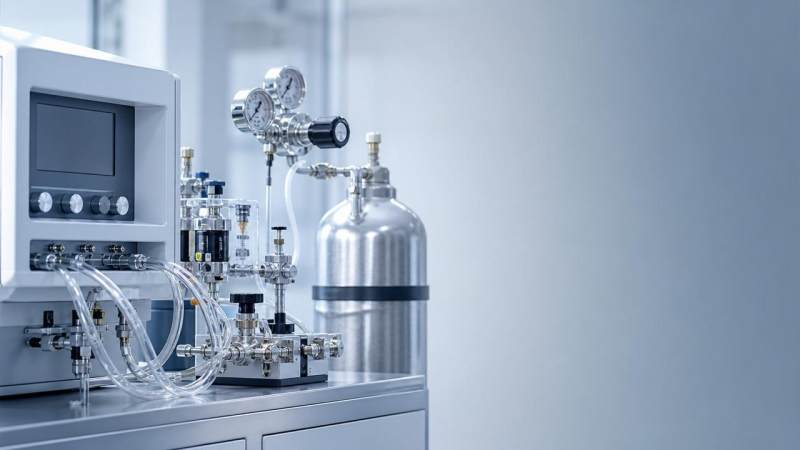
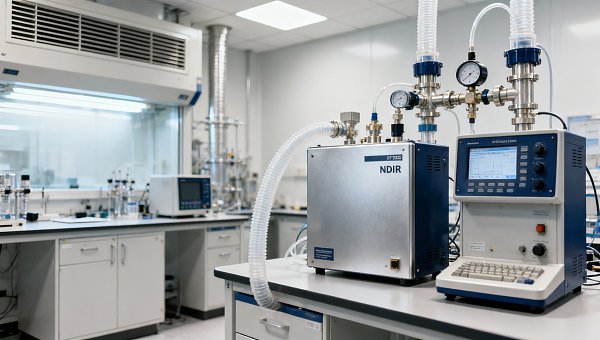
A Laboratory Gas Analyzer often appears precise by design, yet precision in hardware does not guarantee trustworthy results.
In practice, most failures begin with routine habits.
A rushed warm-up, unstable calibration gas, or poor sampling line can shift readings enough to affect compliance, formulation, and safety decisions.
That matters across industries.
Laboratories supporting manufacturing, energy, environmental monitoring, and life sciences all depend on reliable gas composition data.
GIH often frames instrumentation as the sensory system of modern operations.
That idea fits here well.
If the sensing layer is compromised, every later judgment becomes less certain.
The more useful question, then, is not simply how a Laboratory Gas Analyzer works.
It is how to avoid the common testing errors that quietly damage confidence in the result.
What usually goes wrong first when a Laboratory Gas Analyzer starts giving doubtful results?
The first suspect is rarely a dramatic equipment failure.
More often, the problem begins with setup discipline.
A Laboratory Gas Analyzer may be technically sound while still producing unstable values because the baseline has drifted.
Warm-up time is a common example.
Some analyzers need thermal equilibrium before the sensor, optics, or detector behave consistently.
Running tests too early creates data that looks usable but lacks repeatability.
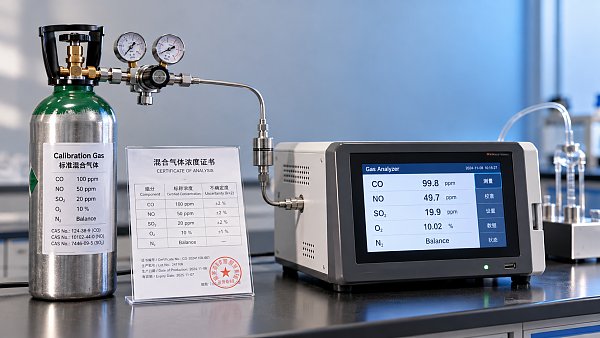
Another frequent issue is zero and span calibration.
If calibration gas is expired, contaminated, or incorrectly matched to the expected range, the analyzer can be wrong in a very consistent way.
That consistency is dangerous because it feels reliable.
More subtle still is environmental influence.
Temperature swings, vibration, humidity, and nearby solvents can interfere with sensitive analytical systems.
In mixed-use labs, those conditions are easier to overlook than many expect.
- Skipped stabilization time before testing begins
- Incorrect zero gas or span gas selection
- Calibration intervals based on habit, not drift history
- Ambient conditions outside the analyzer’s validated range
When a Laboratory Gas Analyzer starts showing unexplained variation, these basics deserve attention before deeper troubleshooting.
Could the sampling method be the real source of error?
Yes, and in many laboratories it is the real source.
An analyzer only measures the sample that actually reaches it.
If the sample changes during transport, the reading no longer reflects the original process or container.
Leaks are the obvious risk, especially for trace gas work.
Even a minor leak can dilute the sample or pull in ambient air.
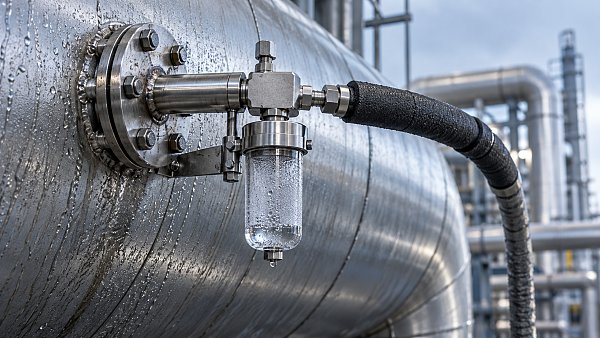
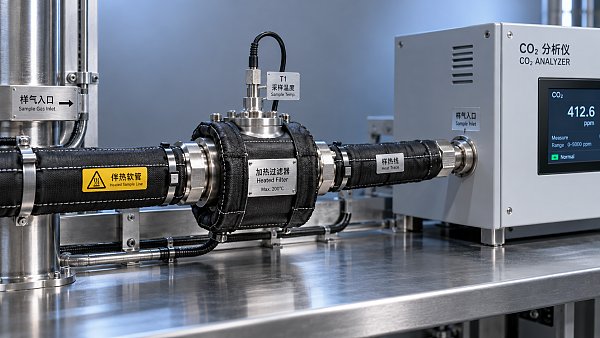
Condensation is another quiet problem.
If moisture drops out inside tubing, water-soluble compounds may be lost before measurement.
Adsorption also matters.
Reactive gases can cling to unsuitable line materials, producing delayed response or artificially low concentrations.
In actual use, flow control often causes confusion.
Too much flow may overload the analyzer or disturb internal pressure conditions.
Too little flow can extend response time and increase carryover between samples.
The table below summarizes the most common sampling-related mistakes and how they typically appear.
For any Laboratory Gas Analyzer, sample integrity is not a side detail.
It is part of the measurement system itself.
Why do calibration routines fail even when they seem to follow procedure?
Because procedure on paper is not always procedure in context.
A Laboratory Gas Analyzer can pass a routine calibration step and still be unsuited to the actual test matrix.
One reason is range mismatch.
If the calibration points are far from normal operating concentrations, linearity assumptions may hide meaningful errors.
Cross-sensitivity is another issue.
Some sensor technologies respond not only to the target gas, but also to similar compounds or background changes.
That is especially relevant in laboratories handling mixed gases, solvent vapors, or reactive process streams.
Traceability also deserves more attention.
Calibration gases should be linked to recognized standards and documented clearly.
Where ISO/IEC 17025 practices shape the laboratory culture, this is not paperwork for its own sake.
It is how measurement confidence is defended.
GIH frequently emphasizes that trustworthy instrumentation depends on both technical capability and credible validation.
Calibration is where those two meet.
- Use calibration points close to real operating ranges
- Review known interferences before accepting results
- Record gas lot numbers, expiry dates, and uncertainty data
- Trend analyzer drift instead of relying only on fixed intervals
That last point is often the most useful.
A drift history reveals whether the Laboratory Gas Analyzer is stable, aging, or being affected by process conditions.
When do maintenance shortcuts start affecting data quality?
Usually before the analyzer shows a clear alarm.
Maintenance shortcuts often reduce performance gradually, which is why they escape notice.
Filters are a good example.
A partially loaded filter may still pass gas, yet it can change pressure, trap analytes, or add delay.
Pump wear creates similar trouble.
The Laboratory Gas Analyzer may continue running while flow consistency slowly disappears.
Sensor aging is another common blind spot.
Electrochemical cells, infrared sources, and detector surfaces all have finite useful lives.
Ignoring replacement guidance can turn every later calibration into a temporary correction rather than a real fix.
Software and firmware should not be overlooked either.
Data averaging, compensation logic, and communication settings can affect recorded values and audit trails.
In regulated or high-consequence settings, that becomes a documentation risk as well as a measurement risk.
A sound maintenance approach ties physical service to data review.
If repeatability, response time, or baseline stability changes, maintenance should be reassessed immediately.
How can testing teams tell whether the problem is the gas, the method, or the analyzer?
The fastest path is comparative evidence, not guesswork.
When a Laboratory Gas Analyzer produces suspicious data, isolate variables one at a time.
Start with a certified reference gas.
If the instrument performs correctly there, the problem may be in sample transport or matrix effects.
If it fails even on reference gas, the analyzer or calibration logic becomes the primary focus.
Parallel measurement can also help.
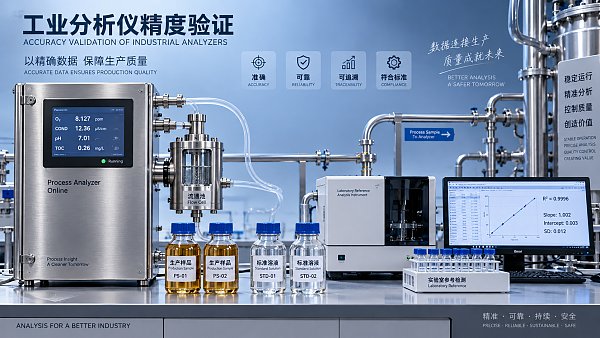
Comparing results with another validated method, even temporarily, exposes whether the deviation is systematic or situational.
In broader industrial settings, this matters because gas data rarely stays inside the lab.
It can influence environmental reporting, process adjustment, material release, and safety verification.
That is why data governance is becoming part of analyzer evaluation.
GIH’s research perspective is useful here.
The best instrumentation decisions combine device performance, supply-chain reliability, calibration traceability, and long-term service confidence.
A Laboratory Gas Analyzer should be judged in that wider framework, not by sensor specification alone.
What is the most practical way to prevent repeat errors?
The most practical answer is standardization without rigidity.
A Laboratory Gas Analyzer performs best when daily use follows a controlled routine, but that routine should still reflect the actual gas matrix and risk level.
Short checklists help, especially before high-value or compliance-sensitive testing.
- Confirm warm-up status and baseline stability
- Verify calibration gas identity, validity, and pressure
- Inspect tubing, fittings, filters, and condensate points
- Match analyzer range to the expected concentration window
- Review recent drift, maintenance, and alarm history
That routine should be supported by periodic method review.
If gas types, concentration ranges, or compliance requirements change, the old testing approach may no longer be valid.
The main lesson is simple.
A Laboratory Gas Analyzer is not just an instrument to operate.
It is a measurement system to manage.
Avoiding common testing errors means checking calibration quality, protecting sample integrity, respecting maintenance signals, and validating data in context.
For the next step, map the current testing workflow from gas source to final report.
That usually reveals where uncertainty enters first.
From there, it becomes easier to compare methods, tighten control points, and build a more dependable Laboratory Gas Analyzer program.
Recommended for You
 How does cross-interference affect multi-component gas analyzers?How does cross-interference affect multi component gas analyzers? Explore measurement errors, compensation limits, and validation tips to choose the right system for your process.
 How does temperature affect high-accuracy sensor performance?Explore how temperature affects high accuracy sensor performance. Learn to reduce thermal drift, evaluate compensation, and select the right sensor for reliable measurements.
 Can a C4H8O concentration analyzer distinguish between isomers?Can a C4H8O concentration analyzer distinguish isomers? Compare GC, FTIR and MS methods, uncover selectivity limits, and learn what to validate before choosing your instrument.
 How to identify a reliable supplier using on-time delivery recordsIdentify a Reliable Supplier by verifying on-time delivery records, original commitments, and complete shipments. Learn practical checks to reduce purchasing risk and protect your project schedule.
 How sensitive should a portable hydrogen analyzer be for lab use?Choose a portable hydrogen analyzer for laboratory use with the right quantification limit, accuracy, and range. Learn how to verify performance and avoid costly buying mistakes.
 How to set industrial calibration intervals based on equipment riskSet industrial calibration intervals based on equipment risk, drift, and as-found data. Learn when to shorten or extend schedules to improve reliability and avoid unnecessary costs.
 How to choose electrochemical analyzers for low-current measurementsCompare electrochemical analyzers for precise low-current measurements. Learn how noise, leakage, bandwidth, and real-cell testing help you choose the right instrument.
 What tolerance does a custom gas mixture need for calibration?Choose the right custom gas tolerance for calibration. Learn how blending tolerance, certified uncertainty, and stability affect accuracy—and avoid paying for precision you don’t need.
 How condensation affects stack detector readings in wet flue gasStack detector readings can drift when wet flue gas condenses. Learn how to identify moisture interference, prevent sample losses, and improve emissions monitoring reliability.
 How to prevent condensation in a CO2 analyzer sampling systemPrevent condensation in your CO2 analyzer sampling system. Learn how to control dew point, eliminate cold spots, and manage moisture for reliable readings and fewer costly disruptions.
 How to verify accuracy claims for industrial quality analyzersVerify accuracy claims for industrial quality analyzers with calibration checks, independent testing, and clear acceptance criteria. Learn how to reduce risk and buy with confidence.
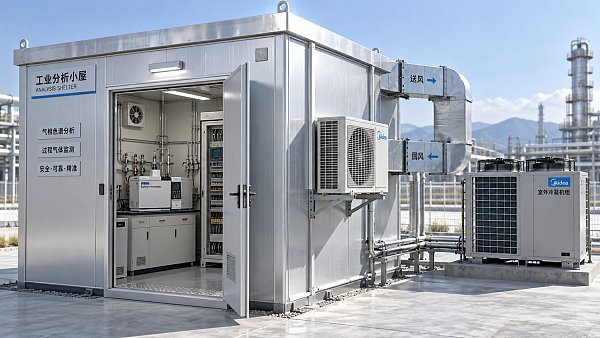
 How to calculate cooling loads for an industrial analyzer shelterSize industrial analyzer shelter cooling with confidence. Learn to calculate equipment heat, solar gains, and ventilation loads, then select HVAC capacity for reliable analyzer performance.
 Hydrogen Analyzers for Energy Storage: Purity Monitoring vs. Leak DetectionChoosing a hydrogen analyzer for energy storage systems? Compare purity monitoring and leak detection to select the right sensors, improve safety, and protect fuel cell performance.
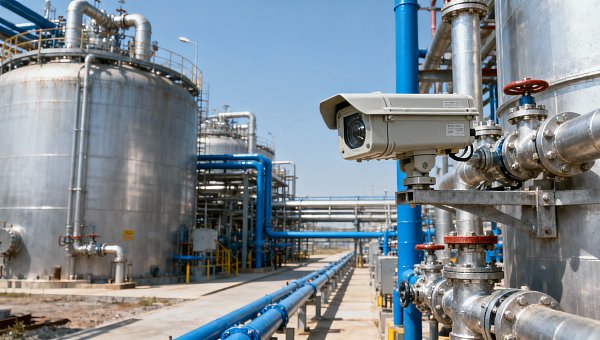
 NH3 Monitoring in Fertilizer Plants: Where Should Leak Analyzers Be Installed?NH3 analyzer for fertilizer production: discover where to place leak detectors around storage, compressors, and loading areas to reduce blind spots and improve early warning.
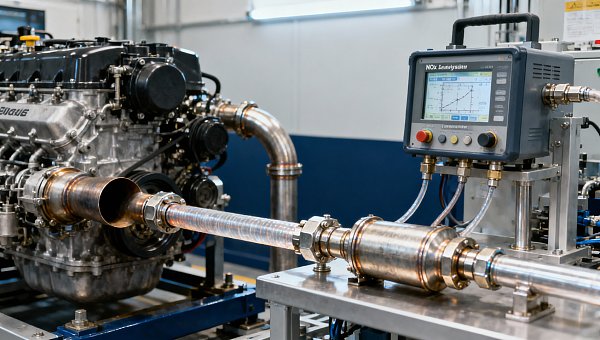
 Diesel Engine NOx Analyzers: Response Time and NO2 Conversion ExplainedChoosing a NOX analyzer for diesel engines? Learn how response time, NO2 conversion, and sampling design affect accuracy—and make a smarter, evidence-based purchase.
 SO2 Analyzers for Smelter Emissions: Sampling Hot, Dust-Laden Flue GasSelect an SO2 analyzer for smelting industry applications. Discover how to handle hot, dust-laden flue gas, prevent sample losses, and achieve reliable emissions monitoring.
 Unstable CH4 Readings in Biogas Monitoring? Check Moisture and Sample FlowCH4 analyzer for biogas monitoring giving unstable readings? Discover how moisture, sample flow, and pressure checks help pinpoint faults and restore reliable methane measurements.
 Buying a CO2 Analyzer for Brewery Gas Recovery: Costs Beyond the Purchase PriceBuying a CO2 analyzer for brewery applications? Compare sampling, installation, calibration, and downtime costs to uncover hidden expenses and make a smarter gas recovery investment.
 Where to Place CO Analyzers for Effective Parking Garage VentilationOptimize your CO analyzer for parking garage ventilation with practical placement tips. Learn how sensor height, airflow, and zone coverage support timely detection and effective fan control.
 NDIR vs. FTIR Gas Analyzers: Which Fits Your Environmental Research?Find the right infrared gas analyzer for environmental research. Compare NDIR vs. FTIR on sensitivity, gas coverage, sampling needs, and cost to choose confidently for your study.
 Oxygen Analyzers for Diving: Calibration Checks Before Nitrox BlendingUsing an oxygen analyzer for diving applications? Discover essential calibration, sensor, and sampling checks before nitrox blending to support reliable readings.
 How Paramagnetic Oxygen Analyzers Work and Why Sample Pressure MattersLearn how a paramagnetic oxygen analyzer works, why sample pressure affects accuracy, and what to check in compensation and calibration before choosing your system.
 How Much Does a Complete CEMS Integration Project Typically Cost?How much does a complete CEMS integration project typically cost? Explore budget ranges, hidden installation costs, and compliance needs to compare quotes and plan confidently.
 What Is the Typical Response Time for Industrial Air Monitors?What is the typical response time for industrial air monitors? Explore T90, sampling delays, and alarm settings to compare performance and choose the right monitor with confidence.
 Do Regulatory Monitoring Systems Need Third-Party Certification?Do regulatory monitoring systems need third-party certification? Learn when it is required, what certificates prove, and how to verify compliance before buying.
 How Do You Choose Wired or Wireless for Stack Monitoring?Learn how to choose between wired and wireless for stack monitoring. Compare reliability, lifecycle costs, and data recovery to find the right CEMS setup for your site.
 What Happens When Combustible Gas Sensor Calibration Is Overdue?What happens if combustible gas sensor is not recalibrated on time? Discover the risks of inaccurate readings and missed alarms, plus steps to restore reliable protection.
 Can One Multi-Gas Detector Replace Four Separate Analyzers?Find out: can a single multi-gas detector replace four separate analyzers? Compare accuracy, safety, compliance, and lifetime costs to make a confident buying decision.
 Industrial Safety vs. Emission Monitoring: What Are the Differences?What are the main differences between industrial safety and emission monitoring? Compare goals, sensors, response times, and compliance needs to choose the right systems for your facility.
 Is Remote Monitoring Worth the Cost for Small Emission Sources?Is it worth investing in remote monitoring for small emission sources? Compare costs, compliance needs, and potential savings to choose the right solution for your operation.
 How Do You Handle Analyzer Failure During an Environmental Audit?Learn how to handle analyzer failure during environmental compliance audit procedures. Protect evidence, verify data, and restore monitoring with this practical response guide.
 Do VOC Monitors Require Explosion-Proof Certification?Does VOC monitoring require explosion-proof certification? Learn when approval is needed, compare ATEX and IECEx, and choose the right monitor for your site.
Search Categories
Search Categories
- Smart Meters & Power Quality
- Transformer Gas Analyzers
- BESS Thermal Runaway Detectors
- Energy, Power & Smart Grid Monitoring
- Optical Profilers & CMM
- Ultrasonic & X-Ray NDT
- Calibration Standards
- Precision Metrology & NDT
- Water Quality Analyzers
- CEMS & VOCs Monitors
- Price Trends
- Import & Export Updates
- Market Trends
- Industry News
- Industry Insights
Latest Article
- How does cross-interference affect multi-component gas analyzers?How does cross-interference affect multi component gas analyzers? Explore measurement errors, compensation limits, and validation tips to choose the right system for your process.Posted by:
- How does temperature affect high-accuracy sensor performance?Explore how temperature affects high accuracy sensor performance. Learn to reduce thermal drift, evaluate compensation, and select the right sensor for reliable measurements.Posted by:
- Can a C4H8O concentration analyzer distinguish between isomers?Can a C4H8O concentration analyzer distinguish isomers? Compare GC, FTIR and MS methods, uncover selectivity limits, and learn what to validate before choosing your instrument.Posted by:
Please give us a message
