
Process Measurement Errors That Raise Operating Costs


Process measurement errors rarely appear as a single line item on a financial statement, yet they quietly inflate energy use, scrap rates, maintenance spend, compliance risk, and unplanned downtime. For finance leaders approving instrumentation upgrades, the real question is not only what a device costs, but how much inaccurate data is already costing the business. This article examines the hidden operating expenses caused by poor measurement performance and explains how smarter instrumentation decisions can protect margins, improve asset utilization, and support more confident capital allocation.
Across manufacturing, energy, environmental monitoring, laboratories, and infrastructure, process measurement is the financial translation layer between physical operations and management decisions.
When flow, level, pressure, temperature, composition, or power quality readings drift outside acceptable limits, budgets absorb the consequences through 5 to 7 different cost centers.
Why Measurement Error Becomes a Finance Problem
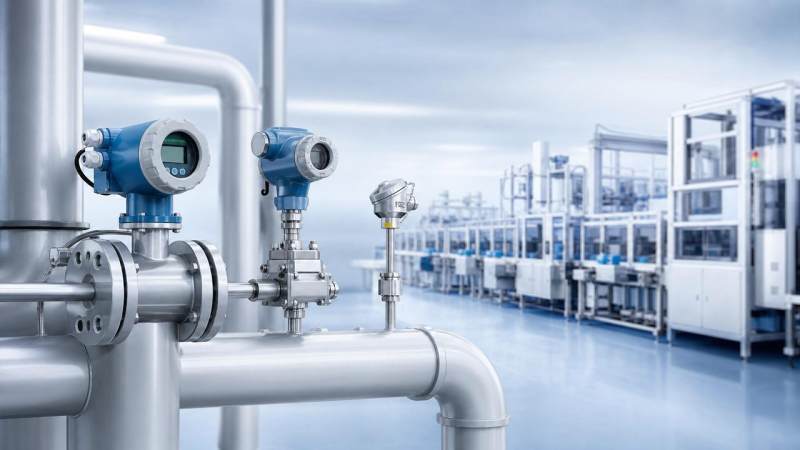
A measurement error may begin as a sensor drift of 0.5%, a blocked impulse line, or a calibration interval extended by 3 months.
For finance teams, the issue is not the technical defect alone. It is the accumulated variance between planned operating cost and actual cash leakage.
The invisible bridge between instruments and operating expense
Process measurement shapes control decisions every second. A faulty temperature transmitter can trigger excess steam, slow production, or cause unnecessary cooling.
A flowmeter with unstable readings may lead operators to overdose chemicals by 2% to 8%, creating avoidable material consumption and treatment cost.
In batch production, a small level error can affect recipe consistency, forcing rework, lab retesting, or product downgrading across multiple lots.
Typical financial symptoms
- Energy intensity rises while production volume remains stable.
- Scrap, rework, or off-spec batches increase by 1 to 3 percentage points.
- Maintenance work orders repeat within 30 to 90 days.
- Compliance testing requires more manual verification and documentation.
These symptoms often appear before a major failure. The earlier finance connects them to process measurement quality, the easier ROI becomes to prove.
Cost Centers Most Exposed to Poor Process Measurement
Not every measurement point has equal financial importance. A low-risk utility indicator differs greatly from a custody transfer meter or safety-critical pressure loop.
Finance approvers can prioritize upgrades by mapping instrument performance to operating cost exposure, compliance impact, and asset utilization constraints.
The table below summarizes common cost pathways where inaccurate process measurement creates recurring expense rather than a one-time maintenance issue.
The key conclusion is practical: finance should not evaluate process measurement upgrades only as replacement purchases. They are cost-control instruments.
Why small errors scale quickly
A 1% measurement deviation may look minor during procurement review, but it can apply to thousands of tons, megawatt-hours, or batches annually.
If a plant runs 24 hours a day, inaccurate process measurement affects roughly 8,000 operating hours per year, excluding planned shutdowns.
That is why instrumentation decisions require lifecycle thinking, not only unit-price comparison between transmitters, analyzers, meters, or calibration services.
Where Errors Originate in Industrial and Laboratory Environments
Process measurement errors rarely come from one cause. They usually emerge from installation conditions, aging components, process changes, and weak data governance.
In cross-industry operations, finance teams should ask whether technical teams have separated instrument error from process instability before approving new capital.
Installation and application mismatch
A flowmeter installed with insufficient straight pipe length can produce distorted readings even when the device itself meets its factory specification.
A level instrument selected for clean liquids may underperform in foam, vapor, high viscosity, or corrosive service after only 6 to 12 months.
For hazardous areas, mismatched certification such as ATEX or IECEx may add redesign cost, delivery delays, and commissioning risk.
Calibration drift and verification gaps
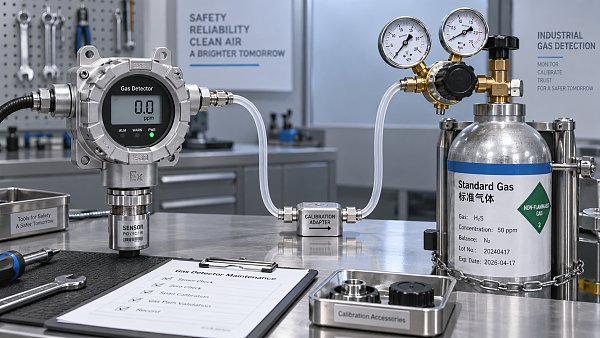
Many instruments operate acceptably at startup, then drift because of vibration, thermal cycling, contamination, pressure shocks, or sensor aging.
Common verification intervals range from 6 to 24 months, but critical loops may require quarterly checks depending on risk and process volatility.
For laboratories and regulated testing, traceability to recognized calibration practices, including ISO/IEC 17025 aligned workflows, strengthens audit confidence.
Six root-cause questions before approving replacement
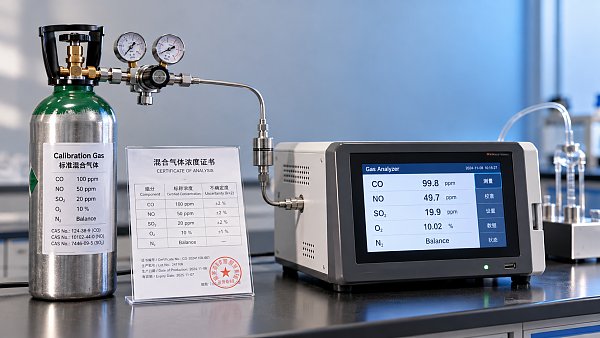
- Has the loop been calibrated against a traceable reference?
- Is the instrument suitable for pressure, temperature, viscosity, and media chemistry?
- Are installation effects documented with drawings or commissioning records?
- Does the control system filter noise without hiding real process events?
- Are maintenance failures concentrated in fewer than 20% of loops?
- Is the financial impact linked to energy, yield, downtime, or compliance exposure?
These questions help separate a procurement need from a maintenance habit. The result is better capital discipline and fewer repeated replacements.
A Finance-Focused Framework for Instrumentation Investment
The strongest business cases for process measurement upgrades connect technical performance to measurable financial outcomes within 3 to 5 operating categories.
Instead of asking whether the proposed device is cheaper, finance leaders can ask whether the entire measurement chain is economically fit for purpose.
Evaluate total cost of ownership, not purchase price
A low-cost instrument can become expensive if it requires frequent calibration, manual cleaning, specialized spare parts, or repeated engineering intervention.
A stronger option may reduce technician visits from monthly to quarterly, cut false alarms, or support remote diagnostics through PLC or DCS integration.
GIH encourages procurement teams to compare supplier claims against application notes, service capability, compliance needs, and lifecycle support evidence.
The following decision matrix gives finance approvers a practical way to compare offers beyond the invoice value and delivery lead time.
The matrix shows why process measurement purchasing should include technical, operational, and financial stakeholders. Each group sees a different risk layer.
Build the business case in 5 steps
A credible upgrade request should quantify the current loss, not only describe the equipment problem. Finance needs a traceable cost bridge.
- Identify 10 to 30 critical loops affecting throughput, quality, safety, or compliance.
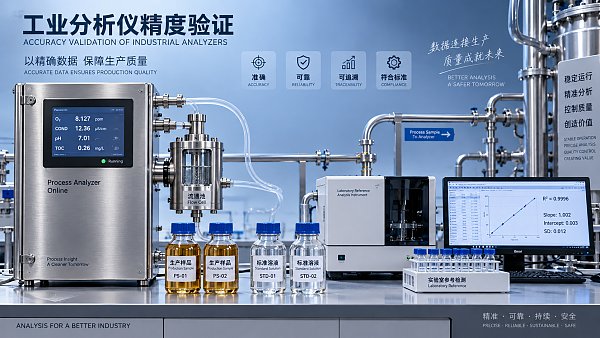
- Compare readings with reference instruments, lab results, or verified mass balance.
- Estimate financial exposure from energy, scrap, downtime, maintenance, and audit workload.
- Rank investments by payback period, risk severity, and implementation difficulty.
- Set acceptance criteria for commissioning, calibration records, and post-upgrade performance.
This 5-step method keeps projects grounded. It prevents unnecessary replacement while supporting instrumentation upgrades where returns are defensible.
Implementation Risks That Can Dilute ROI
Even well-selected instruments can underperform if installation, training, and data integration are treated as secondary tasks during the project schedule.
For typical industrial sites, commissioning may take 2 to 6 weeks depending on loop count, shutdown windows, documentation, and control system access.
Common mistakes during upgrade execution
- Replacing sensors without correcting pipe layout, grounding, impulse lines, or sample conditioning.
- Approving devices before confirming spare-parts availability for 3 to 5 years.
- Ignoring cybersecurity and data integrity requirements for smart instruments.
- Failing to train operators on diagnostics, alarms, and verification routines.
These mistakes can shift expected savings into extra engineering hours. Finance should require implementation detail before releasing the full budget.
Data quality governance after commissioning
Process measurement performance should be reviewed after installation at 30, 90, and 180 days, especially for high-value production or energy loops.
The review should compare baseline cost indicators with post-upgrade trends, such as yield, utility consumption, alarm frequency, and maintenance interventions.
Where smart diagnostics are available, finance and operations can use exception reports rather than waiting for monthly cost variance analysis.
Useful post-upgrade indicators
- Reduction in unplanned calibration events over 6 months.
- Stabilization of energy per ton, batch, test, or operating hour.
- Lower number of manual data corrections in compliance reports.
- Fewer nuisance alarms and fewer operator overrides.
These indicators help determine whether the measurement investment has improved operating discipline, not merely added new hardware to the plant.
How GIH Supports Confident Instrumentation Decisions
Global Instrument Hub supports decision-makers who need reliable intelligence across industrial process control, laboratory analysis, environmental monitoring, metrology, and energy systems.
For finance approvers, GIH helps translate process measurement discussions into supplier risk, lifecycle cost, compliance readiness, and procurement confidence.
What finance teams should request from suppliers
Before approving an upgrade, ask suppliers for documentation that proves application fit rather than relying only on brochures and price comparisons.
- Accuracy statement with operating conditions, not only laboratory reference conditions.
- Calibration procedure, recommended interval, and traceability documentation.
- Compatibility notes for PLC, DCS, historian, or reporting systems.
- Installation limitations, including straight-run needs, sample conditioning, or grounding requirements.
- Warranty scope, spare-part lead time, and technical response process.
A well-documented supplier can reduce procurement uncertainty. Weak documentation often signals future hidden cost in commissioning and maintenance.
Procurement intelligence as a risk-control tool
GIH’s role is to help buyers navigate complex instrumentation categories and compare technologies with stronger context than a standard sourcing list.
That context matters when a project involves 20 suppliers, multiple standards, and long-term operational exposure beyond the first purchase order.
By aligning technical requirements with commercial risk, organizations can avoid under-specified instruments and over-engineered solutions that burden capital budgets.
Turning Better Measurement Into Lower Operating Cost
Process measurement is not a narrow engineering detail. It is a financial control point embedded inside production, energy, quality, safety, and compliance systems.
For finance leaders, the best instrumentation decisions combine lifecycle cost analysis, documented supplier capability, application-specific accuracy, and disciplined post-installation review.
When measurement improves, teams can control assets with higher confidence, reduce avoidable variance, and allocate capital to projects with clearer operating returns.
If your organization is reviewing instrumentation upgrades or supplier options, contact Global Instrument Hub to explore tailored intelligence and practical procurement guidance.
Consult GIH for product details, supplier evaluation support, or a customized process measurement decision framework for your next capital approval cycle.
Recommended for You
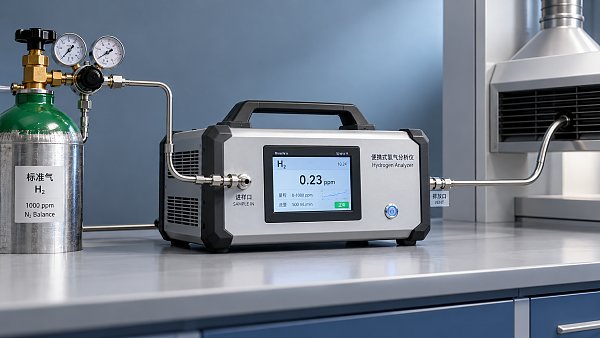
 How sensitive should a portable hydrogen analyzer be for lab use?Choose a portable hydrogen analyzer for laboratory use with the right quantification limit, accuracy, and range. Learn how to verify performance and avoid costly buying mistakes.
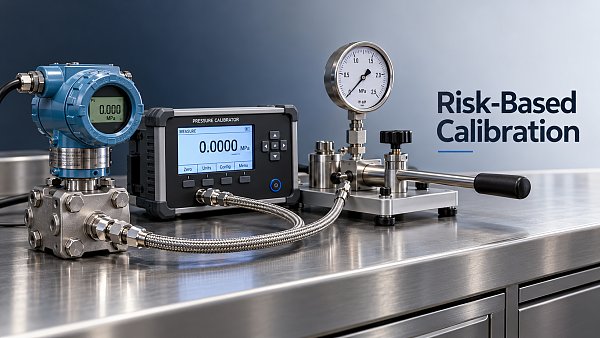
 How to set industrial calibration intervals based on equipment riskSet industrial calibration intervals based on equipment risk, drift, and as-found data. Learn when to shorten or extend schedules to improve reliability and avoid unnecessary costs.
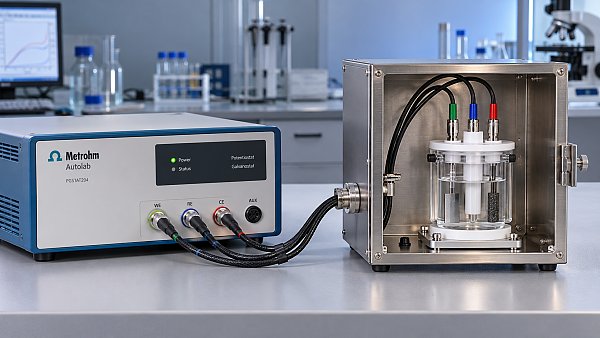
 How to choose electrochemical analyzers for low-current measurementsCompare electrochemical analyzers for precise low-current measurements. Learn how noise, leakage, bandwidth, and real-cell testing help you choose the right instrument.
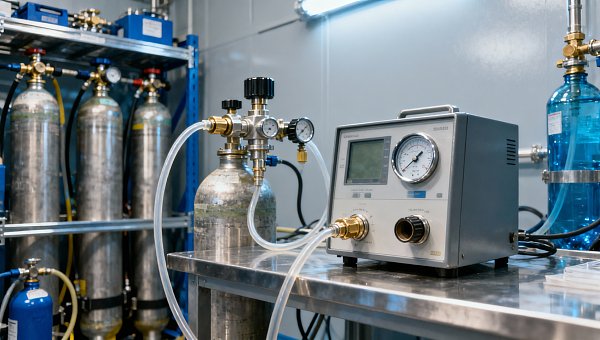
 What tolerance does a custom gas mixture need for calibration?Choose the right custom gas tolerance for calibration. Learn how blending tolerance, certified uncertainty, and stability affect accuracy—and avoid paying for precision you don’t need.
 How condensation affects stack detector readings in wet flue gasStack detector readings can drift when wet flue gas condenses. Learn how to identify moisture interference, prevent sample losses, and improve emissions monitoring reliability.
 How to prevent condensation in a CO2 analyzer sampling systemPrevent condensation in your CO2 analyzer sampling system. Learn how to control dew point, eliminate cold spots, and manage moisture for reliable readings and fewer costly disruptions.
 How to verify accuracy claims for industrial quality analyzersVerify accuracy claims for industrial quality analyzers with calibration checks, independent testing, and clear acceptance criteria. Learn how to reduce risk and buy with confidence.
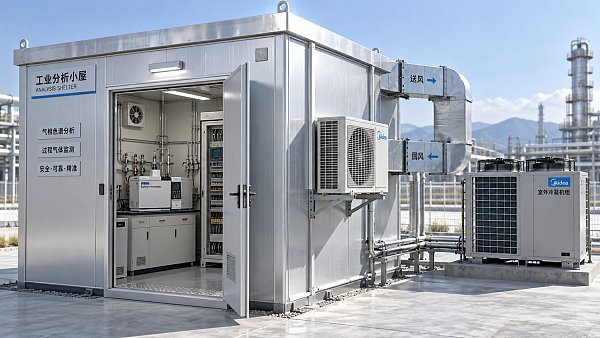
 How to calculate cooling loads for an industrial analyzer shelterSize industrial analyzer shelter cooling with confidence. Learn to calculate equipment heat, solar gains, and ventilation loads, then select HVAC capacity for reliable analyzer performance.
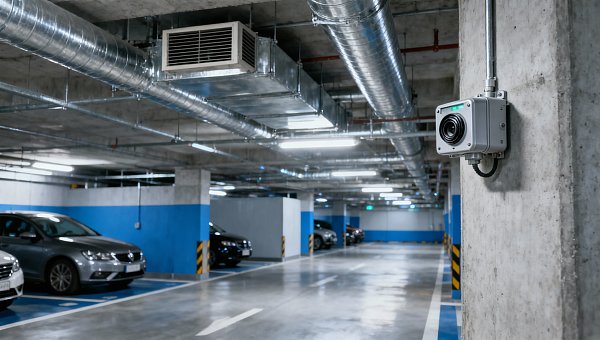
 Where to Place CO Analyzers for Effective Parking Garage VentilationOptimize your CO analyzer for parking garage ventilation with practical placement tips. Learn how sensor height, airflow, and zone coverage support timely detection and effective fan control.
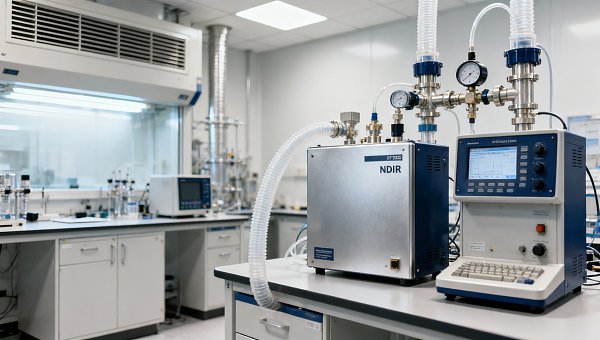
 NDIR vs. FTIR Gas Analyzers: Which Fits Your Environmental Research?Find the right infrared gas analyzer for environmental research. Compare NDIR vs. FTIR on sensitivity, gas coverage, sampling needs, and cost to choose confidently for your study.
 Oxygen Analyzers for Diving: Calibration Checks Before Nitrox BlendingUsing an oxygen analyzer for diving applications? Discover essential calibration, sensor, and sampling checks before nitrox blending to support reliable readings.
 How Paramagnetic Oxygen Analyzers Work and Why Sample Pressure MattersLearn how a paramagnetic oxygen analyzer works, why sample pressure affects accuracy, and what to check in compensation and calibration before choosing your system.
 How Much Does a Complete CEMS Integration Project Typically Cost?How much does a complete CEMS integration project typically cost? Explore budget ranges, hidden installation costs, and compliance needs to compare quotes and plan confidently.
 What Is the Typical Response Time for Industrial Air Monitors?What is the typical response time for industrial air monitors? Explore T90, sampling delays, and alarm settings to compare performance and choose the right monitor with confidence.
 Do Regulatory Monitoring Systems Need Third-Party Certification?Do regulatory monitoring systems need third-party certification? Learn when it is required, what certificates prove, and how to verify compliance before buying.
 How Do You Choose Wired or Wireless for Stack Monitoring?Learn how to choose between wired and wireless for stack monitoring. Compare reliability, lifecycle costs, and data recovery to find the right CEMS setup for your site.
 What Happens When Combustible Gas Sensor Calibration Is Overdue?What happens if combustible gas sensor is not recalibrated on time? Discover the risks of inaccurate readings and missed alarms, plus steps to restore reliable protection.
 Can One Multi-Gas Detector Replace Four Separate Analyzers?Find out: can a single multi-gas detector replace four separate analyzers? Compare accuracy, safety, compliance, and lifetime costs to make a confident buying decision.
 Industrial Safety vs. Emission Monitoring: What Are the Differences?What are the main differences between industrial safety and emission monitoring? Compare goals, sensors, response times, and compliance needs to choose the right systems for your facility.
 Is Remote Monitoring Worth the Cost for Small Emission Sources?Is it worth investing in remote monitoring for small emission sources? Compare costs, compliance needs, and potential savings to choose the right solution for your operation.
 How Do You Handle Analyzer Failure During an Environmental Audit?Learn how to handle analyzer failure during environmental compliance audit procedures. Protect evidence, verify data, and restore monitoring with this practical response guide.
 Do VOC Monitors Require Explosion-Proof Certification?Does VOC monitoring require explosion-proof certification? Learn when approval is needed, compare ATEX and IECEx, and choose the right monitor for your site.
 How sample conditioning affects accuracy in petrochemical analyzersImprove accuracy in petrochemical analyzers with smarter sample conditioning. Discover how phase control, filtration, and transport design prevent bias and deliver reliable process data.
 How to troubleshoot sensor drift in industrial gas detectorsIndustrial gas detectors showing sensor drift? Learn how to verify calibration gas, identify root causes, and determine when sensor replacement is needed for reliable monitoring.
 How to judge whether a competitive price reflects real valueCompetitive Price: learn how to compare scope, compliance, performance, and lifecycle costs to identify real value, reduce risk, and make smarter purchasing decisions.
 When custom gas analysis is the right fit for complex process streamsCustom gas analysis for complex process streams: learn when tailored sampling, interference control, and reliable measurement design deliver confident decisions.
 When does a laser gas analyzer meet stack emissions monitoring needs?Laser gas analyzer for stack emissions: learn when it delivers fast, reliable data, how to assess installation risks, and what to verify for CEMS compliance.
 How to select a hazardous gas analyzer for confined spacesHazardous gas analyzer selection for confined spaces: compare sensors, sampling, certifications, alarms, and maintenance to protect workers and choose with confidence.
 When is a single gas analyzer sufficient for workplace safety monitoring?Discover when a single gas analyzer delivers reliable workplace safety monitoring, and learn the key limits, calibration needs, and risks that require broader detection.
 How to choose an ambient gas analyzer for low-level leak detectionAmbient gas analyzer selection for low-level leak detection: compare sensitivity, cross-sensitivity, sampling design, alarms, and calibration for reliable site performance.
 How to tell when an oxygen sensor needs replacementOxygen sensor replacement signs explained: learn how live data, fault codes, wiring checks, and exhaust inspections pinpoint the real issue before you buy.
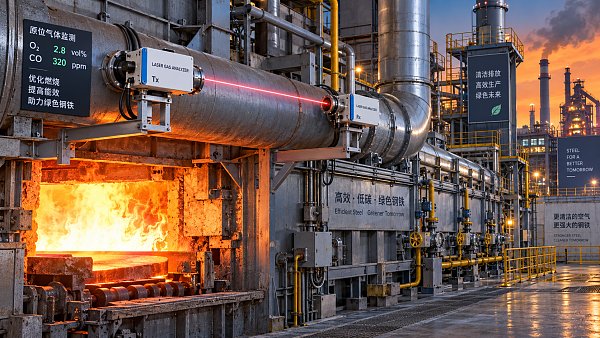
 How laser gas analyzers improve combustion control in steel furnacesLaser gas analyzer for steel industry applications delivers fast in-situ O₂ and CO data to optimize furnace combustion, cut fuel waste, and improve steel heating stability.
Search Categories
Search Categories
- Smart Meters & Power Quality
- Transformer Gas Analyzers
- BESS Thermal Runaway Detectors
- Energy, Power & Smart Grid Monitoring
- Optical Profilers & CMM
- Ultrasonic & X-Ray NDT
- Calibration Standards
- Precision Metrology & NDT
- Water Quality Analyzers
- CEMS & VOCs Monitors
- Price Trends
- Import & Export Updates
- Market Trends
- Industry News
- Industry Insights
Latest Article
- How sensitive should a portable hydrogen analyzer be for lab use?Choose a portable hydrogen analyzer for laboratory use with the right quantification limit, accuracy, and range. Learn how to verify performance and avoid costly buying mistakes.Posted by:
- How to set industrial calibration intervals based on equipment riskSet industrial calibration intervals based on equipment risk, drift, and as-found data. Learn when to shorten or extend schedules to improve reliability and avoid unnecessary costs.Posted by:
- How to choose electrochemical analyzers for low-current measurementsCompare electrochemical analyzers for precise low-current measurements. Learn how noise, leakage, bandwidth, and real-cell testing help you choose the right instrument.Posted by:
Please give us a message
