
Industrial Analysis Equipment Selection Checklist


Industrial Analysis Equipment Selection Checklist
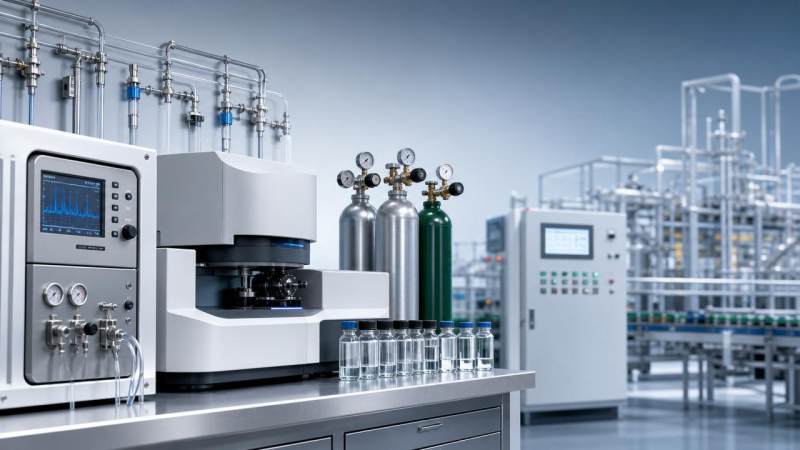
Selecting the right industrial analysis equipment is a high-stakes procurement decision that affects process reliability, compliance, product quality, and long-term operating costs.
Technical specifications alone are not enough. Certification status, lifecycle support, calibration needs, integration capability, and total cost must be reviewed together.
This checklist helps reduce sourcing risks and supports confident decisions in automated, regulated, and data-driven industrial environments.
Why a Checklist Matters for Industrial Analysis Equipment
Industrial analysis equipment is often connected to production quality, emission limits, safety shutdowns, and batch release decisions.
A missed requirement can cause inaccurate readings, downtime, failed audits, or expensive retrofit work after installation.
A checklist forces structured comparison across instruments, suppliers, application conditions, and service commitments.
It also separates attractive brochure claims from verifiable performance under real plant, laboratory, or field conditions.
Core Industrial Analysis Equipment Selection Checklist
Use the following checklist before issuing a purchase order, approving a supplier, or standardizing industrial analysis equipment across multiple sites.
- Define the target measurement clearly, including analyte, range, accuracy, repeatability, detection limit, sample state, and reporting frequency.
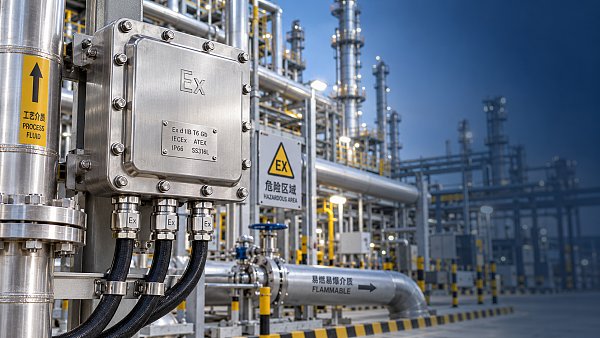
- Confirm the application environment, including temperature, humidity, vibration, dust, corrosive gases, hazardous areas, and cleaning procedures.
- Verify compliance requirements, such as ISO/IEC 17025 traceability, ATEX, IECEx, FDA, CE, RoHS, or local metrology rules.
- Check the sampling method, including manual sampling, online extraction, in-situ analysis, sample conditioning, filtration, and transport delay.
- Evaluate analytical technology, such as spectroscopy, chromatography, electrochemical sensing, mass spectrometry, thermal analysis, or optical detection.
- Request proven performance data from similar applications, not only ideal laboratory results or simplified factory demonstration reports.
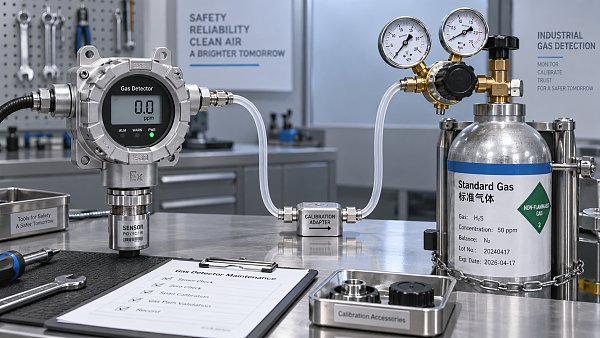
- Review calibration intervals, reference materials, drift behavior, automatic validation options, and required technician skill level.
- Confirm digital connectivity, including Modbus, Profibus, OPC UA, Ethernet, cloud export, cybersecurity controls, and historian compatibility.
- Assess installation requirements, including footprint, utilities, enclosure rating, ventilation, grounding, drainage, and access for maintenance.
- Calculate total ownership cost, including consumables, spare parts, calibration gases, software licenses, downtime, training, and service contracts.
- Inspect supplier capability through factory audit records, engineering support depth, documentation quality, response time, and regional service coverage.
- Plan acceptance testing with clear criteria for accuracy, response time, stability, alarm behavior, communication, and environmental tolerance.
Specification Fit
The best industrial analysis equipment is not always the instrument with the broadest range or highest sensitivity.
It is the system that matches the real measurement window, process dynamics, and required confidence level.
Overspecified instruments can increase maintenance burden, while underspecified instruments can hide process deviations.
Certification and Traceability
Certification must be checked against the exact model, firmware version, probe type, enclosure, and intended installation zone.
For regulated sectors, industrial analysis equipment should include calibration certificates, traceability chains, validation documents, and audit-ready records.
Integration and Data Quality
Modern industrial analysis equipment must do more than display values locally.
It should transmit stable, time-stamped, and diagnostic-rich data to control systems, dashboards, alarms, and maintenance platforms.
Signal quality, update speed, data validation, and cybersecurity are now part of instrument performance.
Application-Based Selection Notes
Process Manufacturing
In chemical, petrochemical, food, and pharmaceutical processes, industrial analysis equipment often supports continuous quality control and safety decisions.
Fast response, stable sampling, clean-in-place compatibility, and hazardous-area approval usually matter more than broad laboratory flexibility.
Environmental Monitoring
For CEMS, water quality monitoring, and ambient air applications, the focus shifts toward regulatory acceptance and long-term stability.
Industrial analysis equipment should provide automated calibration, data logging, alarm records, and clear maintenance history for inspection readiness.
Laboratory and Life Science Use
In laboratories, resolution, repeatability, software workflow, sample throughput, and validation support are central selection factors.
Industrial analysis equipment used for R&D or quality release should support method transfer, user permissions, and secure electronic records.
Energy and Power Systems
Power plants, substations, battery systems, and renewable assets require rugged instruments with reliable diagnostics.
Thermal monitoring, gas analysis, oil condition testing, and insulation diagnostics must be aligned with safety margins and predictive maintenance plans.
Commonly Overlooked Risks
Ignoring Sample Conditioning
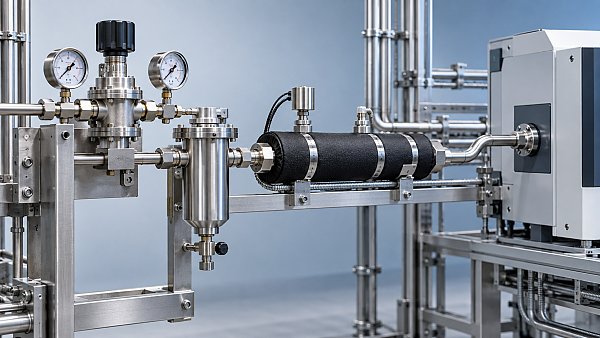
Many failures blamed on industrial analysis equipment actually begin in sampling lines, filters, moisture traps, pressure reducers, or temperature control devices.
Confirm the full sample path before judging analyzer performance.
Underestimating Calibration Workload
Calibration intervals affect downtime, staffing, consumable use, and confidence in measured values.
Select industrial analysis equipment with realistic calibration routines, available standards, and clear drift specifications.
Treating Software as an Afterthought
Software controls reporting, access rights, alarm logic, audit trails, and integration with enterprise systems.
Weak software can reduce the value of otherwise strong industrial analysis equipment.
Skipping Spare Parts Review
A low purchase price can become expensive when sensors, lamps, columns, pumps, or valves have long delivery cycles.
Ask for spare part lists, expected replacement intervals, and stock availability before final approval.
Supplier Evaluation Checklist
Supplier strength is part of the product. Industrial analysis equipment depends on engineering knowledge, documentation, training, and service continuity.
- Request application references that match process conditions, not only general industry names or unrelated success stories.
- Compare warranty terms, service response targets, remote diagnostics, training content, and escalation routes for urgent failures.
- Review manuals, wiring diagrams, validation documents, calibration procedures, and software release notes before shipment.
- Confirm long-term model support, firmware policy, spare part availability, and upgrade paths for future automation projects.
- Use third-party intelligence sources, such as Global Instrument Hub, to cross-check supplier credibility and technology positioning.
Practical Execution Steps Before Purchase
Start with a requirements matrix that ranks measurement accuracy, compliance, uptime, integration, and budget impact.
Then compare each industrial analysis equipment option against mandatory, preferred, and optional requirements.
Do not rely only on catalog sheets. Request sample reports, calibration records, communication protocol files, and installation drawings.
Where risk is high, arrange pilot testing with actual samples, realistic interference conditions, and defined acceptance limits.
Document all assumptions. Include ambient conditions, sample composition, expected maintenance frequency, and responsibilities after commissioning.
Simple Scoring Method
Final Summary and Action Guide
Industrial analysis equipment selection should be treated as a system decision, not a single-device purchase.
The strongest choice balances measurement performance, compliance evidence, sampling reliability, integration depth, and long-term maintainability.
Before committing, build a requirement matrix, verify certifications, test real samples, and compare lifecycle costs across shortlisted options.
For complex sourcing decisions, combine supplier documents with independent market intelligence and technical benchmarking.
A disciplined checklist turns industrial analysis equipment procurement into a controlled, evidence-based process with fewer surprises after installation.
Recommended for You
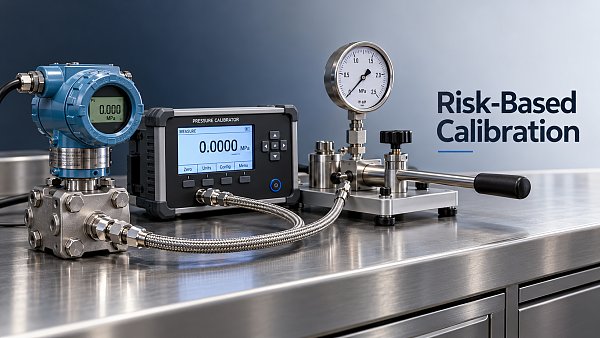
 How to set industrial calibration intervals based on equipment riskSet industrial calibration intervals based on equipment risk, drift, and as-found data. Learn when to shorten or extend schedules to improve reliability and avoid unnecessary costs.
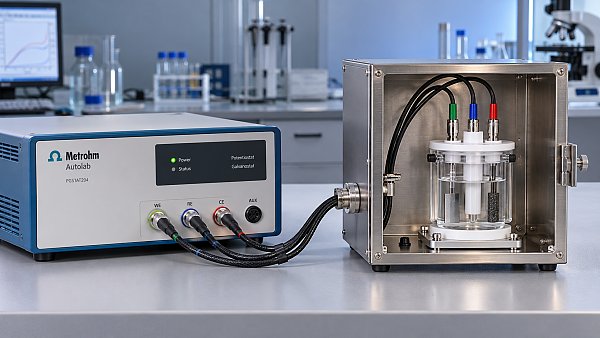
 How to choose electrochemical analyzers for low-current measurementsCompare electrochemical analyzers for precise low-current measurements. Learn how noise, leakage, bandwidth, and real-cell testing help you choose the right instrument.
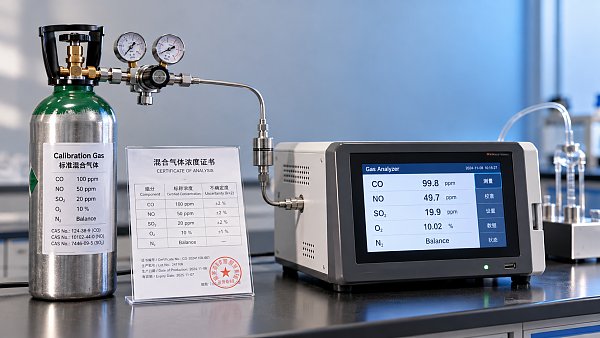
 What tolerance does a custom gas mixture need for calibration?Choose the right custom gas tolerance for calibration. Learn how blending tolerance, certified uncertainty, and stability affect accuracy—and avoid paying for precision you don’t need.
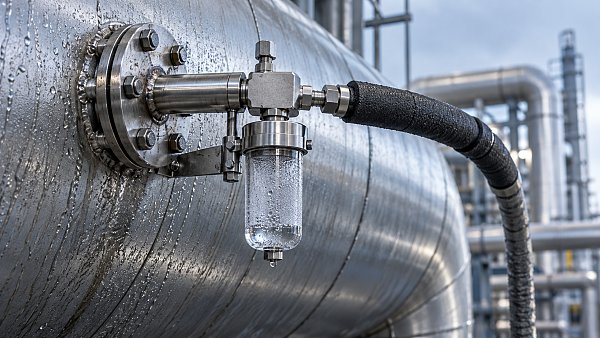
 How condensation affects stack detector readings in wet flue gasStack detector readings can drift when wet flue gas condenses. Learn how to identify moisture interference, prevent sample losses, and improve emissions monitoring reliability.
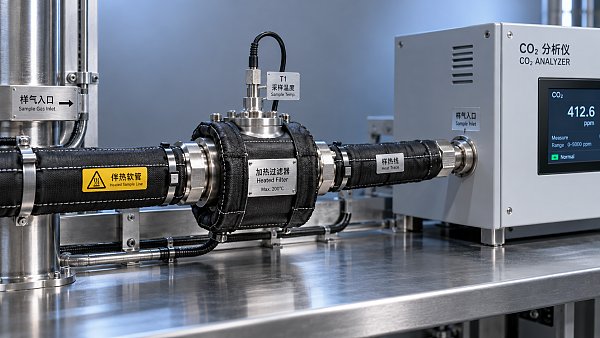
 How to prevent condensation in a CO2 analyzer sampling systemPrevent condensation in your CO2 analyzer sampling system. Learn how to control dew point, eliminate cold spots, and manage moisture for reliable readings and fewer costly disruptions.
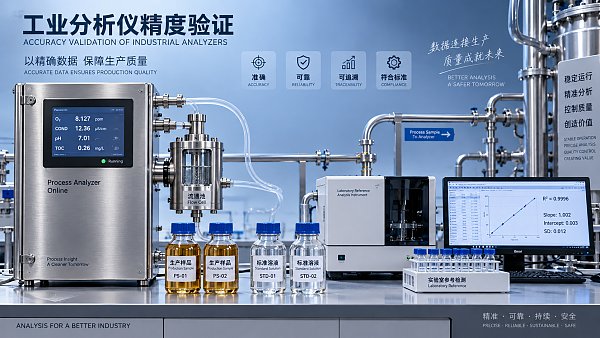
 How to verify accuracy claims for industrial quality analyzersVerify accuracy claims for industrial quality analyzers with calibration checks, independent testing, and clear acceptance criteria. Learn how to reduce risk and buy with confidence.
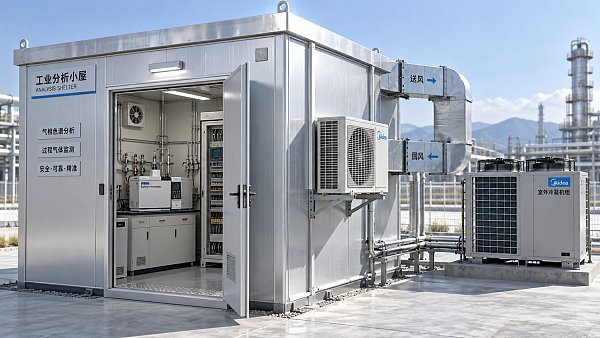
 How to calculate cooling loads for an industrial analyzer shelterSize industrial analyzer shelter cooling with confidence. Learn to calculate equipment heat, solar gains, and ventilation loads, then select HVAC capacity for reliable analyzer performance.
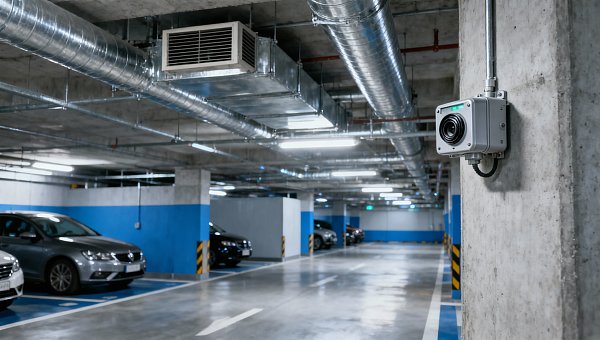
 Where to Place CO Analyzers for Effective Parking Garage VentilationOptimize your CO analyzer for parking garage ventilation with practical placement tips. Learn how sensor height, airflow, and zone coverage support timely detection and effective fan control.
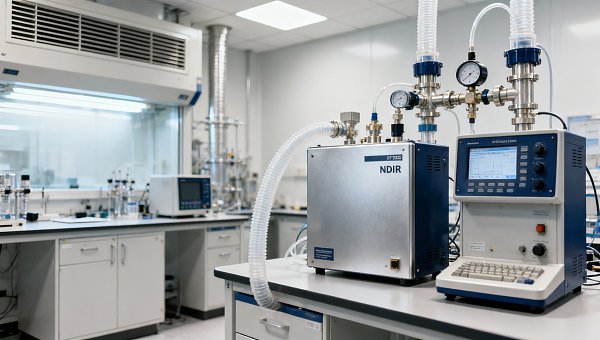
 NDIR vs. FTIR Gas Analyzers: Which Fits Your Environmental Research?Find the right infrared gas analyzer for environmental research. Compare NDIR vs. FTIR on sensitivity, gas coverage, sampling needs, and cost to choose confidently for your study.
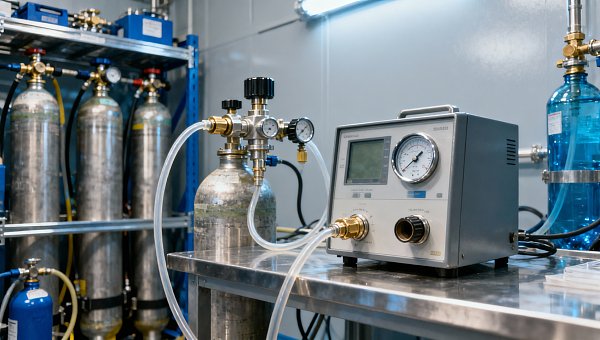
 Oxygen Analyzers for Diving: Calibration Checks Before Nitrox BlendingUsing an oxygen analyzer for diving applications? Discover essential calibration, sensor, and sampling checks before nitrox blending to support reliable readings.
 How Paramagnetic Oxygen Analyzers Work and Why Sample Pressure MattersLearn how a paramagnetic oxygen analyzer works, why sample pressure affects accuracy, and what to check in compensation and calibration before choosing your system.
 How Much Does a Complete CEMS Integration Project Typically Cost?How much does a complete CEMS integration project typically cost? Explore budget ranges, hidden installation costs, and compliance needs to compare quotes and plan confidently.
 What Is the Typical Response Time for Industrial Air Monitors?What is the typical response time for industrial air monitors? Explore T90, sampling delays, and alarm settings to compare performance and choose the right monitor with confidence.
 Do Regulatory Monitoring Systems Need Third-Party Certification?Do regulatory monitoring systems need third-party certification? Learn when it is required, what certificates prove, and how to verify compliance before buying.
 How Do You Choose Wired or Wireless for Stack Monitoring?Learn how to choose between wired and wireless for stack monitoring. Compare reliability, lifecycle costs, and data recovery to find the right CEMS setup for your site.
 What Happens When Combustible Gas Sensor Calibration Is Overdue?What happens if combustible gas sensor is not recalibrated on time? Discover the risks of inaccurate readings and missed alarms, plus steps to restore reliable protection.
 Can One Multi-Gas Detector Replace Four Separate Analyzers?Find out: can a single multi-gas detector replace four separate analyzers? Compare accuracy, safety, compliance, and lifetime costs to make a confident buying decision.
 Industrial Safety vs. Emission Monitoring: What Are the Differences?What are the main differences between industrial safety and emission monitoring? Compare goals, sensors, response times, and compliance needs to choose the right systems for your facility.
 Is Remote Monitoring Worth the Cost for Small Emission Sources?Is it worth investing in remote monitoring for small emission sources? Compare costs, compliance needs, and potential savings to choose the right solution for your operation.
 How Do You Handle Analyzer Failure During an Environmental Audit?Learn how to handle analyzer failure during environmental compliance audit procedures. Protect evidence, verify data, and restore monitoring with this practical response guide.
 Do VOC Monitors Require Explosion-Proof Certification?Does VOC monitoring require explosion-proof certification? Learn when approval is needed, compare ATEX and IECEx, and choose the right monitor for your site.
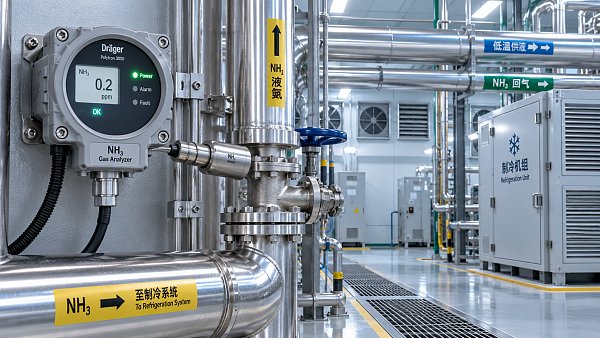
 How sample conditioning affects accuracy in petrochemical analyzersImprove accuracy in petrochemical analyzers with smarter sample conditioning. Discover how phase control, filtration, and transport design prevent bias and deliver reliable process data.
 How to troubleshoot sensor drift in industrial gas detectorsIndustrial gas detectors showing sensor drift? Learn how to verify calibration gas, identify root causes, and determine when sensor replacement is needed for reliable monitoring.
 How to judge whether a competitive price reflects real valueCompetitive Price: learn how to compare scope, compliance, performance, and lifecycle costs to identify real value, reduce risk, and make smarter purchasing decisions.
 When custom gas analysis is the right fit for complex process streamsCustom gas analysis for complex process streams: learn when tailored sampling, interference control, and reliable measurement design deliver confident decisions.
 When does a laser gas analyzer meet stack emissions monitoring needs?Laser gas analyzer for stack emissions: learn when it delivers fast, reliable data, how to assess installation risks, and what to verify for CEMS compliance.
 How to select a hazardous gas analyzer for confined spacesHazardous gas analyzer selection for confined spaces: compare sensors, sampling, certifications, alarms, and maintenance to protect workers and choose with confidence.
 When is a single gas analyzer sufficient for workplace safety monitoring?Discover when a single gas analyzer delivers reliable workplace safety monitoring, and learn the key limits, calibration needs, and risks that require broader detection.
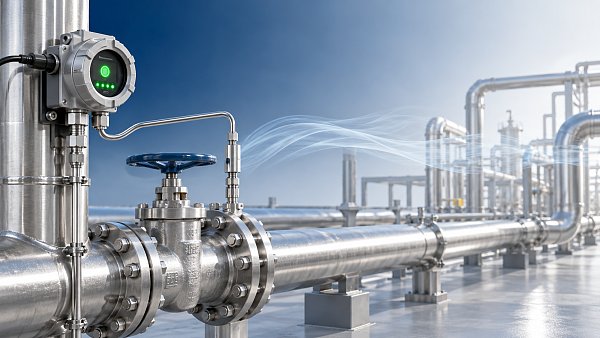
 How to choose an ambient gas analyzer for low-level leak detectionAmbient gas analyzer selection for low-level leak detection: compare sensitivity, cross-sensitivity, sampling design, alarms, and calibration for reliable site performance.
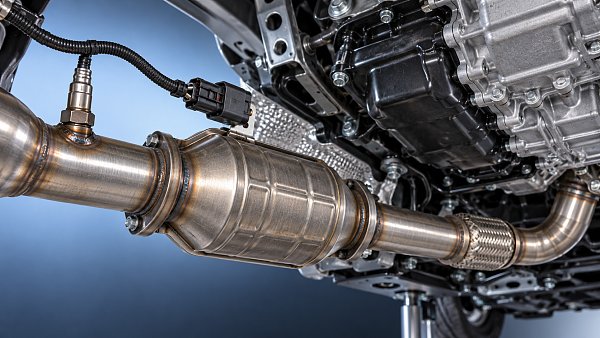
 How to tell when an oxygen sensor needs replacementOxygen sensor replacement signs explained: learn how live data, fault codes, wiring checks, and exhaust inspections pinpoint the real issue before you buy.
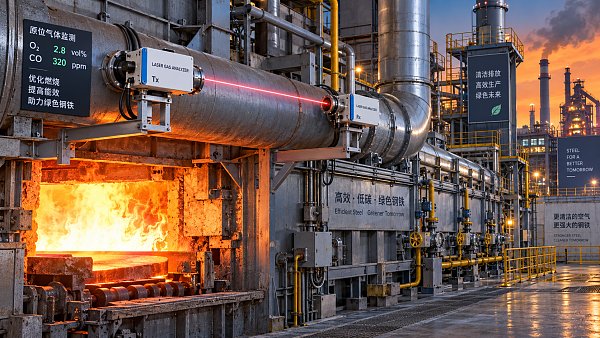
 How laser gas analyzers improve combustion control in steel furnacesLaser gas analyzer for steel industry applications delivers fast in-situ O₂ and CO data to optimize furnace combustion, cut fuel waste, and improve steel heating stability.
 How to verify whether explosion proof equipment meets site requirementsExplosion proof equipment verification made practical: match zones, gas or dust groups, temperature classes, certificates, and installation conditions for confident compliance.
Search Categories
Search Categories
- Smart Meters & Power Quality
- Transformer Gas Analyzers
- BESS Thermal Runaway Detectors
- Energy, Power & Smart Grid Monitoring
- Optical Profilers & CMM
- Ultrasonic & X-Ray NDT
- Calibration Standards
- Precision Metrology & NDT
- Water Quality Analyzers
- CEMS & VOCs Monitors
- Price Trends
- Import & Export Updates
- Market Trends
- Industry News
- Industry Insights
Latest Article
- How to set industrial calibration intervals based on equipment riskSet industrial calibration intervals based on equipment risk, drift, and as-found data. Learn when to shorten or extend schedules to improve reliability and avoid unnecessary costs.Posted by:
- How to choose electrochemical analyzers for low-current measurementsCompare electrochemical analyzers for precise low-current measurements. Learn how noise, leakage, bandwidth, and real-cell testing help you choose the right instrument.Posted by:
- What tolerance does a custom gas mixture need for calibration?Choose the right custom gas tolerance for calibration. Learn how blending tolerance, certified uncertainty, and stability affect accuracy—and avoid paying for precision you don’t need.Posted by:
Please give us a message
