
Process Sensor Selection: Accuracy, Drift, and Maintenance Risks


Selecting the right process sensor is rarely just a specification exercise; it is a risk decision affecting measurement integrity, uptime, compliance, and lifecycle cost.
The real challenge lies beyond headline accuracy. Drift behavior, calibration burden, environmental tolerance, failure modes, and maintenance exposure shape long-term automation confidence.
This article examines process sensor selection through an engineering-focused lens, helping industrial systems gain stable data and reduce hidden operational risk.
Process Sensor Selection Is Becoming a Strategic Reliability Decision
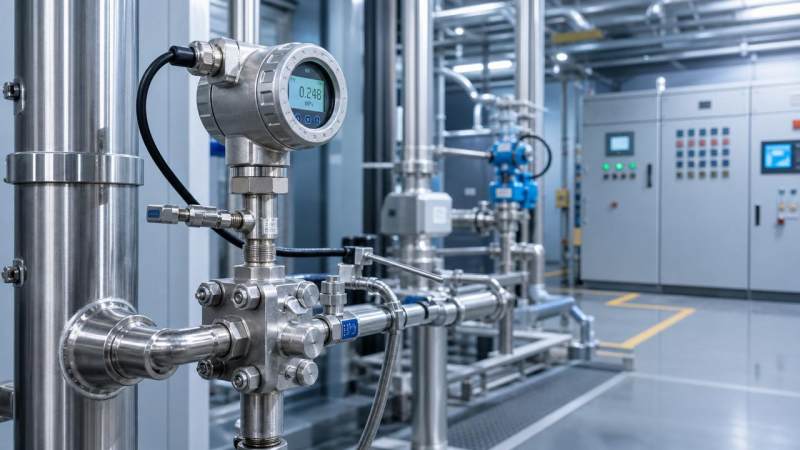
Across manufacturing, energy, environmental monitoring, life sciences, and utilities, every automated decision begins with a process sensor signal.
When that signal is wrong, the control system still reacts with full confidence. This creates silent risk inside otherwise advanced operations.
Industry 4.0 has increased this exposure. Digital platforms, predictive models, and closed-loop control all depend on trustworthy field data.
A process sensor is no longer a passive measuring device. It is a data source within a connected operational nervous system.
This change explains why selection criteria are shifting from simple purchase specifications toward lifecycle performance, traceability, diagnostics, and service stability.
Accuracy Claims Are Losing Value Without Stability Evidence
Accuracy remains important, but it is often misunderstood. A laboratory accuracy figure may not reflect actual performance in a harsh plant.
A process sensor exposed to vibration, heat cycles, corrosive media, humidity, or pressure shocks may deviate faster than expected.
The practical question is not only how accurate the process sensor is on day one. It is how long that accuracy remains defensible.
Stable measurement requires attention to repeatability, hysteresis, linearity, response time, and compensation methods across the full operating range.
For pressure, temperature, level, flow, and analytical measurement, the best process sensor choice depends on application stress rather than catalog ranking.
Signals to Examine Before Comparing Price
- Specified accuracy under reference conditions and real operating conditions.
- Long-term drift rate and recommended calibration interval.
- Temperature coefficient and compensation architecture.
- Mechanical robustness against shock, vibration, and process pulsation.
- Diagnostic coverage for sensor element, electronics, and signal output.
Drift Is Becoming the Hidden Cost Driver
Drift is the slow movement of measured value away from the true value. It often develops without immediate alarms.
A drifting process sensor can cause energy waste, off-spec batches, false environmental reports, or unnecessary maintenance interventions.
In safety-related loops, drift also reduces protection margin. The control system may believe the process remains inside a safe window.
Several forces increase drift risk. Miniaturized electronics, aggressive cleaning cycles, higher operating temperatures, and extended service intervals all add pressure.
A high-quality process sensor should provide transparent drift data, not only polished accuracy claims. Stability history matters more than marketing language.
Maintenance Exposure Is Reshaping Sensor Evaluation
Maintenance risk is now a central process sensor selection factor. Labor availability, shutdown windows, and compliance documentation are all tightening.
A cheaper process sensor may require frequent verification, special tools, fragile spare parts, or difficult access during plant operation.
The true cost appears after installation. Calibration frequency, technician time, bypass procedures, and production disruption define lifecycle economics.
Smart diagnostics can reduce unnecessary maintenance. However, diagnostics must be meaningful, validated, and integrated into plant asset systems.
For critical loops, a process sensor with self-monitoring, status classification, and traceable calibration history can support safer maintenance planning.
Maintenance Questions That Reveal Lifecycle Risk
- Can the device be calibrated in place without process interruption?
- Are wetted parts replaceable without full instrument replacement?
- Does the process sensor provide clear diagnostic status codes?
- Is calibration traceability aligned with ISO/IEC 17025 expectations?
- Are spare parts globally available with stable revision control?
Application Conditions Are Driving More Specialized Choices
General-purpose instruments still have value, but demanding applications increasingly require specialized process sensor designs.
A steam line, bioreactor, wastewater channel, hydrogen system, and offshore platform impose very different risks on the same measurement principle.
Material selection is especially important. Diaphragms, seals, housings, electrodes, and cable entries often fail before core electronics do.
Environmental ratings should be interpreted carefully. IP, NEMA, ATEX, IECEx, SIL, FDA, or sanitary approvals address different hazards.
A compliant process sensor must match the real installation context. Certification alone does not guarantee reliable field performance.
Impact Across Industrial Functions
- Production quality depends on stable temperature, flow, pressure, and composition measurement.
- Energy efficiency improves when process sensor data supports tighter control margins.
- Environmental compliance requires defensible measurements, audit trails, and reliable analyzer interfaces.
- Asset reliability benefits from early detection of abnormal process conditions.
- Automation upgrades need consistent sensor signals for advanced algorithms.
Digital Diagnostics Are Raising Expectations for Process Sensor Intelligence
Digital transformation is changing expectations for field instruments. A process sensor must increasingly communicate health, uncertainty, and configuration status.
Protocols such as HART, Foundation Fieldbus, PROFIBUS PA, IO-Link, and Ethernet-based systems enable richer data exchange.
The value is not connectivity alone. The value comes from usable condition data that prevents surprises and supports risk-based maintenance.
A modern process sensor should help distinguish process abnormalities from instrument degradation. This distinction prevents wrong troubleshooting decisions.
Cybersecurity also matters. Connected instruments should support secure configuration control, firmware management, and protected access.
A Practical Evaluation Framework for Lower-Risk Decisions
A strong process sensor evaluation framework links measurement needs with risk consequence. It avoids treating every loop as equally critical.
Critical measurements justify deeper validation. Noncritical measurements still need suitability, but may not require the same diagnostic or certification depth.
This framework makes process sensor comparison more transparent. It also prevents low initial cost from hiding reliability penalties.
Key Priorities for Future-Ready Sensor Strategies
The next phase of automation will reward stable, traceable, and diagnosable measurements. Process sensor strategy should reflect that direction.
- Prioritize long-term stability, not only catalog accuracy.
- Match materials and certifications to actual process hazards.
- Use risk classification to define calibration and validation depth.
- Require diagnostic clarity for critical process sensor applications.
- Evaluate supplier capability, documentation discipline, and technical continuity.
- Connect instrument data with asset management and compliance systems.
These priorities help reduce uncertainty in complex plants. They also support stronger automation decisions across mixed industrial environments.
How to Act on the Trend Without Overcomplicating Selection
A process sensor decision should begin with consequence analysis. If a bad signal can cause shutdown, waste, or compliance risk, scrutiny must rise.
Next, define the measurement envelope. Include normal conditions, cleaning cycles, pressure spikes, temperature extremes, vibration, media changes, and access limitations.
Then compare evidence. Favor suppliers that provide real stability data, calibration guidance, failure-mode knowledge, and credible field references.
Finally, document assumptions. A process sensor selected with clear risk logic becomes easier to defend during audits, upgrades, and troubleshooting.
Recommended Next Steps
- Map every critical process sensor to its operational consequence.
- Review drift history and calibration records from installed assets.
- Update specifications to include stability, diagnostics, and maintainability.
- Benchmark alternatives using lifecycle risk, not only purchase price.
- Use trusted intelligence sources to validate supplier credibility.
Global Instrument Hub focuses on the intelligence behind these decisions. Its instrumentation coverage helps clarify technologies, standards, suppliers, and risk signals.
As measurement becomes the foundation of industrial control, the right process sensor will be defined by proven stability, maintainability, and trustworthy data.
The practical action is clear: review critical loops, challenge accuracy-only claims, and select each process sensor as a lifecycle reliability asset.
Recommended for You
 How to choose electrochemical analyzers for low-current measurementsCompare electrochemical analyzers for precise low-current measurements. Learn how noise, leakage, bandwidth, and real-cell testing help you choose the right instrument.
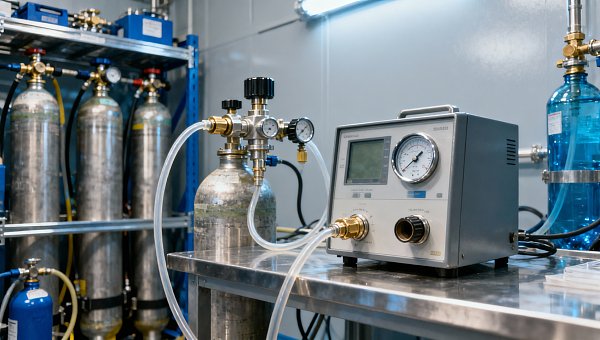
 What tolerance does a custom gas mixture need for calibration?Choose the right custom gas tolerance for calibration. Learn how blending tolerance, certified uncertainty, and stability affect accuracy—and avoid paying for precision you don’t need.
 How condensation affects stack detector readings in wet flue gasStack detector readings can drift when wet flue gas condenses. Learn how to identify moisture interference, prevent sample losses, and improve emissions monitoring reliability.
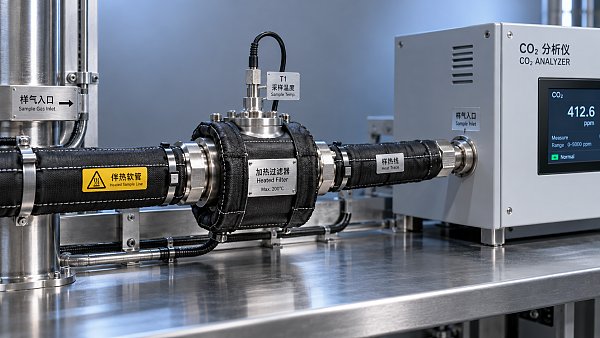
 How to prevent condensation in a CO2 analyzer sampling systemPrevent condensation in your CO2 analyzer sampling system. Learn how to control dew point, eliminate cold spots, and manage moisture for reliable readings and fewer costly disruptions.
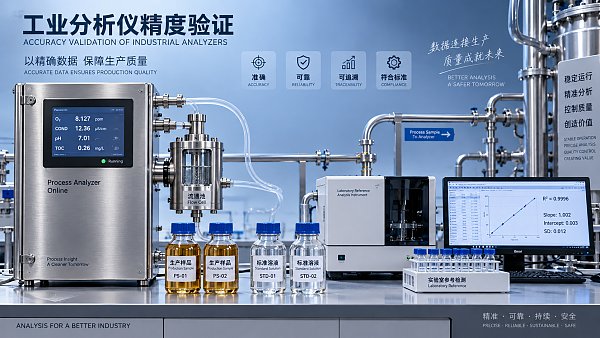
 How to verify accuracy claims for industrial quality analyzersVerify accuracy claims for industrial quality analyzers with calibration checks, independent testing, and clear acceptance criteria. Learn how to reduce risk and buy with confidence.
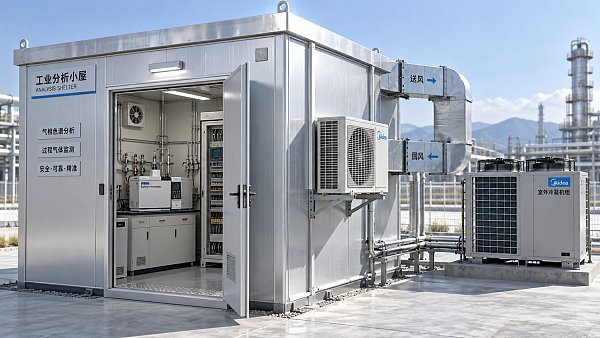
 How to calculate cooling loads for an industrial analyzer shelterSize industrial analyzer shelter cooling with confidence. Learn to calculate equipment heat, solar gains, and ventilation loads, then select HVAC capacity for reliable analyzer performance.
 Oxygen Analyzers for Diving: Calibration Checks Before Nitrox BlendingUsing an oxygen analyzer for diving applications? Discover essential calibration, sensor, and sampling checks before nitrox blending to support reliable readings.
 How Paramagnetic Oxygen Analyzers Work and Why Sample Pressure MattersLearn how a paramagnetic oxygen analyzer works, why sample pressure affects accuracy, and what to check in compensation and calibration before choosing your system.
 How Much Does a Complete CEMS Integration Project Typically Cost?How much does a complete CEMS integration project typically cost? Explore budget ranges, hidden installation costs, and compliance needs to compare quotes and plan confidently.
 What Is the Typical Response Time for Industrial Air Monitors?What is the typical response time for industrial air monitors? Explore T90, sampling delays, and alarm settings to compare performance and choose the right monitor with confidence.
 Do Regulatory Monitoring Systems Need Third-Party Certification?Do regulatory monitoring systems need third-party certification? Learn when it is required, what certificates prove, and how to verify compliance before buying.
 How Do You Choose Wired or Wireless for Stack Monitoring?Learn how to choose between wired and wireless for stack monitoring. Compare reliability, lifecycle costs, and data recovery to find the right CEMS setup for your site.
 What Happens When Combustible Gas Sensor Calibration Is Overdue?What happens if combustible gas sensor is not recalibrated on time? Discover the risks of inaccurate readings and missed alarms, plus steps to restore reliable protection.
 Can One Multi-Gas Detector Replace Four Separate Analyzers?Find out: can a single multi-gas detector replace four separate analyzers? Compare accuracy, safety, compliance, and lifetime costs to make a confident buying decision.
 Industrial Safety vs. Emission Monitoring: What Are the Differences?What are the main differences between industrial safety and emission monitoring? Compare goals, sensors, response times, and compliance needs to choose the right systems for your facility.
 Is Remote Monitoring Worth the Cost for Small Emission Sources?Is it worth investing in remote monitoring for small emission sources? Compare costs, compliance needs, and potential savings to choose the right solution for your operation.
 How Do You Handle Analyzer Failure During an Environmental Audit?Learn how to handle analyzer failure during environmental compliance audit procedures. Protect evidence, verify data, and restore monitoring with this practical response guide.
 Do VOC Monitors Require Explosion-Proof Certification?Does VOC monitoring require explosion-proof certification? Learn when approval is needed, compare ATEX and IECEx, and choose the right monitor for your site.
 How sample conditioning affects accuracy in petrochemical analyzersImprove accuracy in petrochemical analyzers with smarter sample conditioning. Discover how phase control, filtration, and transport design prevent bias and deliver reliable process data.
 How to troubleshoot sensor drift in industrial gas detectorsIndustrial gas detectors showing sensor drift? Learn how to verify calibration gas, identify root causes, and determine when sensor replacement is needed for reliable monitoring.
 How to judge whether a competitive price reflects real valueCompetitive Price: learn how to compare scope, compliance, performance, and lifecycle costs to identify real value, reduce risk, and make smarter purchasing decisions.
 When custom gas analysis is the right fit for complex process streamsCustom gas analysis for complex process streams: learn when tailored sampling, interference control, and reliable measurement design deliver confident decisions.
 When does a laser gas analyzer meet stack emissions monitoring needs?Laser gas analyzer for stack emissions: learn when it delivers fast, reliable data, how to assess installation risks, and what to verify for CEMS compliance.
 How to select a hazardous gas analyzer for confined spacesHazardous gas analyzer selection for confined spaces: compare sensors, sampling, certifications, alarms, and maintenance to protect workers and choose with confidence.
 When is a single gas analyzer sufficient for workplace safety monitoring?Discover when a single gas analyzer delivers reliable workplace safety monitoring, and learn the key limits, calibration needs, and risks that require broader detection.
 How to choose an ambient gas analyzer for low-level leak detectionAmbient gas analyzer selection for low-level leak detection: compare sensitivity, cross-sensitivity, sampling design, alarms, and calibration for reliable site performance.
 How to tell when an oxygen sensor needs replacementOxygen sensor replacement signs explained: learn how live data, fault codes, wiring checks, and exhaust inspections pinpoint the real issue before you buy.
 How laser gas analyzers improve combustion control in steel furnacesLaser gas analyzer for steel industry applications delivers fast in-situ O₂ and CO data to optimize furnace combustion, cut fuel waste, and improve steel heating stability.
 How to verify whether explosion proof equipment meets site requirementsExplosion proof equipment verification made practical: match zones, gas or dust groups, temperature classes, certificates, and installation conditions for confident compliance.
 How industrial gas analysis helps detect contamination before releaseIndustrial Gas Analysis helps detect moisture, oil, oxygen, and toxic contaminants before release—protecting processes, ensuring compliance, and reducing costly risks.
 When is electrochemistry detection the right choice for water analysis?Electrochemistry detection for water analysis: learn when fast, reliable monitoring of ions, chlorine, pH, and more delivers actionable results.
 How industrial standards reduce quality risks in supplier selectionIndustrial Standard guidance helps quality and safety managers reduce supplier risks, verify compliance, strengthen traceability, and build resilient instrumentation supply chains.
Search Categories
Search Categories
- Smart Meters & Power Quality
- Transformer Gas Analyzers
- BESS Thermal Runaway Detectors
- Energy, Power & Smart Grid Monitoring
- Optical Profilers & CMM
- Ultrasonic & X-Ray NDT
- Calibration Standards
- Precision Metrology & NDT
- Water Quality Analyzers
- CEMS & VOCs Monitors
- Price Trends
- Import & Export Updates
- Market Trends
- Industry News
- Industry Insights
Latest Article
- How to choose electrochemical analyzers for low-current measurementsCompare electrochemical analyzers for precise low-current measurements. Learn how noise, leakage, bandwidth, and real-cell testing help you choose the right instrument.Posted by:
- What tolerance does a custom gas mixture need for calibration?Choose the right custom gas tolerance for calibration. Learn how blending tolerance, certified uncertainty, and stability affect accuracy—and avoid paying for precision you don’t need.Posted by:
- How condensation affects stack detector readings in wet flue gasStack detector readings can drift when wet flue gas condenses. Learn how to identify moisture interference, prevent sample losses, and improve emissions monitoring reliability.Posted by:
Please give us a message
