
ATEX Analyzer Buying Risks in Hazardous Gas Areas


ATEX Analyzer Buying Risks in Hazardous Gas Areas
Buying an ATEX analyzer for hazardous gas areas is a risk-control decision, not a routine equipment purchase.
The choice affects explosion safety, regulatory compliance, uptime, maintenance exposure, and supplier accountability across demanding industrial environments.
The main challenge is verifying certification, zone suitability, gas compatibility, lifecycle costs, and evidence quality before contract approval.
This guide explains scenario-based buying risks and practical checks for safer ATEX analyzer sourcing decisions.
Start With the Hazardous Area Scenario, Not the Instrument Catalog

A compliant ATEX analyzer must match the actual hazardous area classification, not only the preferred measurement principle.
Zone 0, Zone 1, and Zone 2 applications carry different ignition probability assumptions and protection requirements.
A device suitable for occasional explosive atmospheres may be unacceptable where gas is continuously present.
The same ATEX analyzer may also behave differently in outdoor racks, process shelters, laboratories, or offshore modules.
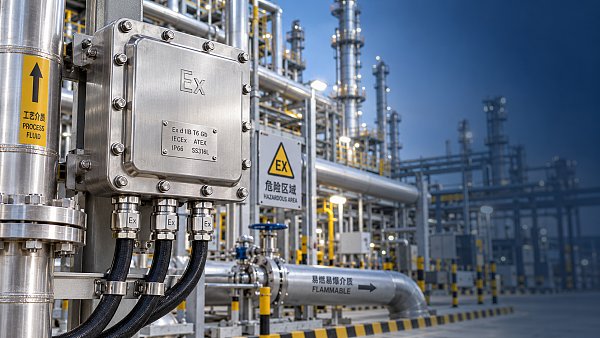
Temperature class, gas group, enclosure rating, cable glands, and purge design must be verified together.
A common buying error is treating ATEX marking as a single pass-or-fail label.
In reality, the marking describes boundaries that must align with the installation scenario.
Scenario 1: Petrochemical Process Units With Continuous Gas Risk
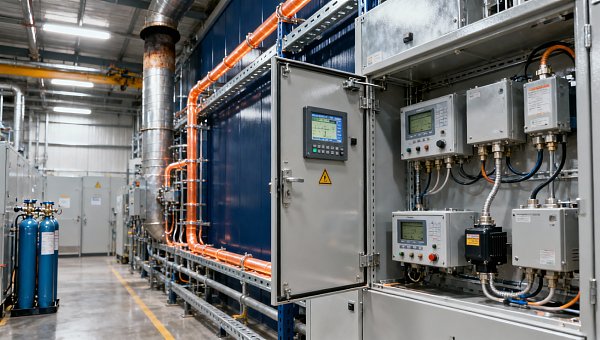
Petrochemical plants often require an ATEX analyzer near reactors, fractionation systems, compressors, or flare-related process lines.
In these areas, the primary risk is incorrect zone matching and underestimated gas group severity.
Hydrogen, acetylene, and light hydrocarbons demand careful review of IIC or relevant gas group requirements.
Temperature class is equally critical when hot surfaces, heated sample lines, or catalytic sensors are involved.
The ATEX analyzer should include traceable documentation for the complete system, not only the core detector.
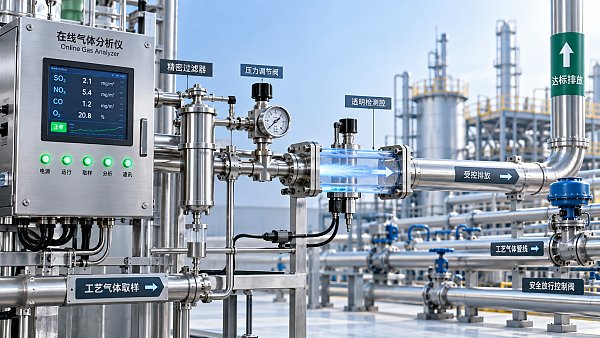
Sample conditioning modules, pumps, filters, valves, and junction boxes can invalidate system-level compliance if ignored.
For this scenario, request a full hazardous-area bill of materials and certificate mapping table.
Scenario 2: Oil and Gas Platforms Where Access Is Limited
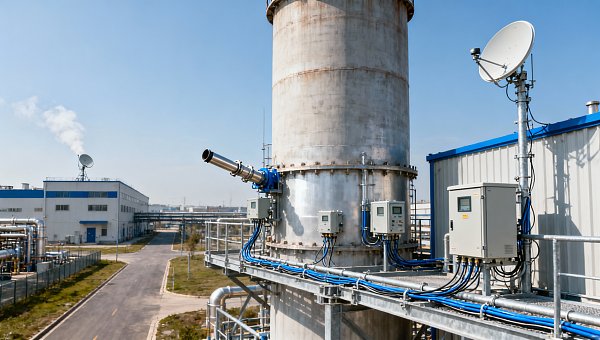
Offshore platforms add space, corrosion, vibration, salt spray, and maintenance-window constraints to ATEX analyzer selection.
A technically valid instrument may still be unsuitable if calibration requires frequent offshore intervention.
Remote diagnostics, rugged enclosures, redundant sampling, and stable calibration intervals become strong buying criteria.
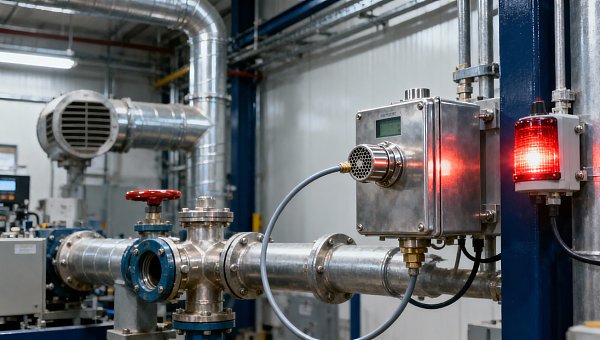
The ATEX analyzer should also support clear alarm integration with safety systems and platform control rooms.
Check whether spare parts are stocked regionally and whether technicians are certified for hazardous-area service.
Delayed service at sea can turn a small analyzer fault into production loss.
For offshore procurement, lifecycle support evidence is as important as the ATEX certificate itself.
Scenario 3: Chemical Storage and Loading Areas With Intermittent Exposure
Tank farms, loading racks, and solvent storage zones often involve intermittent explosive gas release.
Here, the ATEX analyzer must respond quickly to changing vapor concentration and ventilation conditions.
The main buying risk is selecting an instrument optimized for steady process samples.
Open-area monitoring, extractive sampling, and point detection have different strengths in this scenario.
Weather protection, sensor poisoning resistance, response time, and alarm verification procedures must be reviewed.
An ATEX analyzer used near storage areas should also be checked against vapor density and likely gas accumulation points.
Installation height can be as important as the brand name.
Scenario 4: Laboratories and Pilot Plants Handling Flammable Gases
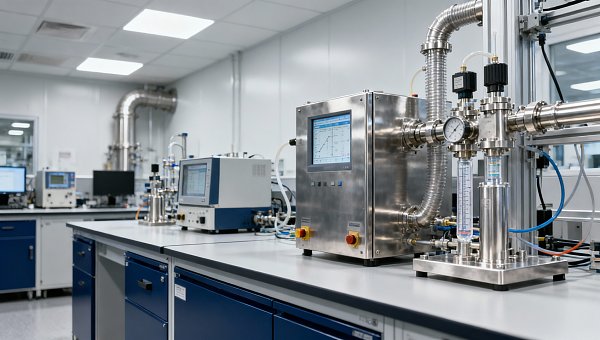
Research laboratories and pilot plants often change gases, test conditions, and process layouts more frequently than production sites.
This makes ATEX analyzer flexibility and documentation control essential.
A fixed specification may become obsolete when a new solvent, catalyst, or carrier gas is introduced.
Review cross-sensitivity, sample compatibility, pressure limits, and cleaning procedures before approval.
Small-scale systems can still create serious ignition risks in enclosed spaces.
The ATEX analyzer should include user-friendly calibration routines and clear limits for experimental variation.
For pilot environments, specification discipline prevents experimental freedom from becoming safety uncertainty.
Different Hazardous Gas Scenarios Require Different Buying Priorities
This comparison shows why one ATEX analyzer specification cannot cover every hazardous gas application.
Scenario analysis should come before supplier shortlisting, price negotiation, or delivery scheduling.
Certification Risks That Are Easy to Miss
The first document to review is the ATEX certificate, but it is not the last document needed.
The certificate number, notified body, equipment category, protection concept, and special conditions must be checked.
Look carefully for “X” conditions in the certificate reference.
These conditions may limit installation, grounding, ambient temperature, cleaning, cable entry, or maintenance practice.
A frequent risk is receiving a certificate for a component, not the supplied ATEX analyzer system.
Another risk is assuming IECEx, ATEX, and local legal acceptance are automatically interchangeable.
Cross-border projects should confirm final jurisdiction requirements before purchase orders are issued.
Minimum Evidence to Request Before Approval
- Valid ATEX analyzer certificate with matching model and configuration.
- Declaration of conformity and applicable harmonized standards.
- Hazardous-area marking explanation from the supplier.
- System drawing showing certified and non-certified parts.
- Installation manual, special conditions, and maintenance restrictions.
- Calibration procedure and recommended reference gases.
Application Suitability Risks Beyond Explosion Protection
Explosion protection does not prove measurement suitability.
An ATEX analyzer must still deliver reliable data under real gas composition, humidity, pressure, and contamination conditions.
Chemical compatibility should include seals, tubing, filters, membranes, optical windows, and sensor materials.
Condensation and particulate loading often cause more failures than electronic faults.
Extractive systems need sample conditioning that preserves the target gas while removing damaging contaminants.
In-situ systems avoid sample transport but face vibration, alignment, and access challenges.
Before buying an ATEX analyzer, verify the measurement principle against the actual gas matrix.
Ask for application references that resemble the site, not only generic product brochures.
Lifecycle Cost Risks Hidden Behind a Low Quotation
The lowest ATEX analyzer price can conceal higher operating costs.
Calibration gas consumption, sensor replacement, pump maintenance, filter changes, and service travel should be priced early.
Downtime cost may exceed the original purchase price in continuous production environments.
A strong commercial comparison includes five-year ownership cost, not only equipment cost.
Check whether software licenses, protocol gateways, heated lines, cabinets, and commissioning are included.
Also confirm warranty limits for sensors exposed to aggressive gases or poisoning agents.
For an ATEX analyzer, lifecycle transparency is a major supplier trust signal.
Supplier Credibility and Accountability Checks
Hazardous-area instrumentation requires supplier competence that extends beyond export capability.
Evaluate whether the supplier understands ATEX zoning, gas groups, installation practice, and inspection expectations.
A credible ATEX analyzer supplier should answer technical questions with documents, not vague assurances.
Factory quality systems, calibration traceability, engineering change control, and after-sales response should be reviewed.
Ask how substitutions are controlled when components become unavailable.
Unapproved replacement parts can compromise certification and create audit exposure.
Global Instrument Hub emphasizes evidence-based sourcing because supplier accountability is part of safety performance.
Scenario Adaptation Checklist Before Purchase
- Confirm hazardous zone, gas group, temperature class, and ambient range.
- Match ATEX analyzer marking to the exact installation location.
- Validate the measurement principle against the gas matrix and contaminants.
- Review certified scope for accessories, sample systems, and enclosures.
- Calculate calibration, spare parts, consumables, and downtime exposure.
- Verify local service capability and hazardous-area maintenance competence.
- Request installation drawings, manuals, and certificate conditions before payment.
This checklist turns the ATEX analyzer purchase into a structured risk review.
It also helps compare competing quotations on safety evidence, not only commercial appeal.
Common Misjudgments in Hazardous Gas Area Buying
Several recurring mistakes create avoidable risk during ATEX analyzer procurement.
- Assuming every explosion-proof label is suitable for every gas zone.
- Ignoring certificate special conditions and installation limitations.
- Buying the sensor without validating the full sampling system.
- Underestimating calibration frequency and consumable costs.
- Accepting undocumented component substitutions after quotation approval.
- Selecting a supplier with weak local service capacity.
These errors often appear small during sourcing but serious during commissioning, inspection, or incident investigation.
A disciplined ATEX analyzer review reduces both technical uncertainty and contractual ambiguity.
Action Steps for Safer ATEX Analyzer Sourcing
Begin with a site-specific hazardous-area profile and a clear measurement objective.
Then request certification evidence, application references, lifecycle cost details, and service commitments from shortlisted suppliers.
Compare each ATEX analyzer against the operating scenario, not only against the datasheet headline.
For complex international sourcing, independent intelligence helps reduce information asymmetry and supplier-selection risk.
Global Instrument Hub supports high-confidence instrumentation decisions through technical trend analysis, compliance insight, and supplier research.
Use evidence, scenario fit, and accountable support as the final decision standard.
That approach makes an ATEX analyzer purchase safer, more compliant, and more defensible over its full service life.
Recommended for You
 How to choose electrochemical analyzers for low-current measurementsCompare electrochemical analyzers for precise low-current measurements. Learn how noise, leakage, bandwidth, and real-cell testing help you choose the right instrument.
 What tolerance does a custom gas mixture need for calibration?Choose the right custom gas tolerance for calibration. Learn how blending tolerance, certified uncertainty, and stability affect accuracy—and avoid paying for precision you don’t need.
 How condensation affects stack detector readings in wet flue gasStack detector readings can drift when wet flue gas condenses. Learn how to identify moisture interference, prevent sample losses, and improve emissions monitoring reliability.
 How to prevent condensation in a CO2 analyzer sampling systemPrevent condensation in your CO2 analyzer sampling system. Learn how to control dew point, eliminate cold spots, and manage moisture for reliable readings and fewer costly disruptions.
 How to verify accuracy claims for industrial quality analyzersVerify accuracy claims for industrial quality analyzers with calibration checks, independent testing, and clear acceptance criteria. Learn how to reduce risk and buy with confidence.
 How to calculate cooling loads for an industrial analyzer shelterSize industrial analyzer shelter cooling with confidence. Learn to calculate equipment heat, solar gains, and ventilation loads, then select HVAC capacity for reliable analyzer performance.
 Oxygen Analyzers for Diving: Calibration Checks Before Nitrox BlendingUsing an oxygen analyzer for diving applications? Discover essential calibration, sensor, and sampling checks before nitrox blending to support reliable readings.
 How Paramagnetic Oxygen Analyzers Work and Why Sample Pressure MattersLearn how a paramagnetic oxygen analyzer works, why sample pressure affects accuracy, and what to check in compensation and calibration before choosing your system.
 How Much Does a Complete CEMS Integration Project Typically Cost?How much does a complete CEMS integration project typically cost? Explore budget ranges, hidden installation costs, and compliance needs to compare quotes and plan confidently.
 What Is the Typical Response Time for Industrial Air Monitors?What is the typical response time for industrial air monitors? Explore T90, sampling delays, and alarm settings to compare performance and choose the right monitor with confidence.
 Do Regulatory Monitoring Systems Need Third-Party Certification?Do regulatory monitoring systems need third-party certification? Learn when it is required, what certificates prove, and how to verify compliance before buying.
 How Do You Choose Wired or Wireless for Stack Monitoring?Learn how to choose between wired and wireless for stack monitoring. Compare reliability, lifecycle costs, and data recovery to find the right CEMS setup for your site.
 What Happens When Combustible Gas Sensor Calibration Is Overdue?What happens if combustible gas sensor is not recalibrated on time? Discover the risks of inaccurate readings and missed alarms, plus steps to restore reliable protection.
 Can One Multi-Gas Detector Replace Four Separate Analyzers?Find out: can a single multi-gas detector replace four separate analyzers? Compare accuracy, safety, compliance, and lifetime costs to make a confident buying decision.
 Industrial Safety vs. Emission Monitoring: What Are the Differences?What are the main differences between industrial safety and emission monitoring? Compare goals, sensors, response times, and compliance needs to choose the right systems for your facility.
 Is Remote Monitoring Worth the Cost for Small Emission Sources?Is it worth investing in remote monitoring for small emission sources? Compare costs, compliance needs, and potential savings to choose the right solution for your operation.
 How Do You Handle Analyzer Failure During an Environmental Audit?Learn how to handle analyzer failure during environmental compliance audit procedures. Protect evidence, verify data, and restore monitoring with this practical response guide.
 Do VOC Monitors Require Explosion-Proof Certification?Does VOC monitoring require explosion-proof certification? Learn when approval is needed, compare ATEX and IECEx, and choose the right monitor for your site.
 How sample conditioning affects accuracy in petrochemical analyzersImprove accuracy in petrochemical analyzers with smarter sample conditioning. Discover how phase control, filtration, and transport design prevent bias and deliver reliable process data.
 How to troubleshoot sensor drift in industrial gas detectorsIndustrial gas detectors showing sensor drift? Learn how to verify calibration gas, identify root causes, and determine when sensor replacement is needed for reliable monitoring.
 How to judge whether a competitive price reflects real valueCompetitive Price: learn how to compare scope, compliance, performance, and lifecycle costs to identify real value, reduce risk, and make smarter purchasing decisions.
 When custom gas analysis is the right fit for complex process streamsCustom gas analysis for complex process streams: learn when tailored sampling, interference control, and reliable measurement design deliver confident decisions.
 When does a laser gas analyzer meet stack emissions monitoring needs?Laser gas analyzer for stack emissions: learn when it delivers fast, reliable data, how to assess installation risks, and what to verify for CEMS compliance.
 How to select a hazardous gas analyzer for confined spacesHazardous gas analyzer selection for confined spaces: compare sensors, sampling, certifications, alarms, and maintenance to protect workers and choose with confidence.
 When is a single gas analyzer sufficient for workplace safety monitoring?Discover when a single gas analyzer delivers reliable workplace safety monitoring, and learn the key limits, calibration needs, and risks that require broader detection.
 How to choose an ambient gas analyzer for low-level leak detectionAmbient gas analyzer selection for low-level leak detection: compare sensitivity, cross-sensitivity, sampling design, alarms, and calibration for reliable site performance.
 How to tell when an oxygen sensor needs replacementOxygen sensor replacement signs explained: learn how live data, fault codes, wiring checks, and exhaust inspections pinpoint the real issue before you buy.
 How laser gas analyzers improve combustion control in steel furnacesLaser gas analyzer for steel industry applications delivers fast in-situ O₂ and CO data to optimize furnace combustion, cut fuel waste, and improve steel heating stability.
 How to verify whether explosion proof equipment meets site requirementsExplosion proof equipment verification made practical: match zones, gas or dust groups, temperature classes, certificates, and installation conditions for confident compliance.
 How industrial gas analysis helps detect contamination before releaseIndustrial Gas Analysis helps detect moisture, oil, oxygen, and toxic contaminants before release—protecting processes, ensuring compliance, and reducing costly risks.
 When is electrochemistry detection the right choice for water analysis?Electrochemistry detection for water analysis: learn when fast, reliable monitoring of ions, chlorine, pH, and more delivers actionable results.
 How industrial standards reduce quality risks in supplier selectionIndustrial Standard guidance helps quality and safety managers reduce supplier risks, verify compliance, strengthen traceability, and build resilient instrumentation supply chains.
Search Categories
Search Categories
- Smart Meters & Power Quality
- Transformer Gas Analyzers
- BESS Thermal Runaway Detectors
- Energy, Power & Smart Grid Monitoring
- Optical Profilers & CMM
- Ultrasonic & X-Ray NDT
- Calibration Standards
- Precision Metrology & NDT
- Water Quality Analyzers
- CEMS & VOCs Monitors
- Price Trends
- Import & Export Updates
- Market Trends
- Industry News
- Industry Insights
Latest Article
- How to choose electrochemical analyzers for low-current measurementsCompare electrochemical analyzers for precise low-current measurements. Learn how noise, leakage, bandwidth, and real-cell testing help you choose the right instrument.Posted by:
- What tolerance does a custom gas mixture need for calibration?Choose the right custom gas tolerance for calibration. Learn how blending tolerance, certified uncertainty, and stability affect accuracy—and avoid paying for precision you don’t need.Posted by:
- How condensation affects stack detector readings in wet flue gasStack detector readings can drift when wet flue gas condenses. Learn how to identify moisture interference, prevent sample losses, and improve emissions monitoring reliability.Posted by:
Please give us a message
