
China-Europe Railway Express Surpasses 130,000 Trains


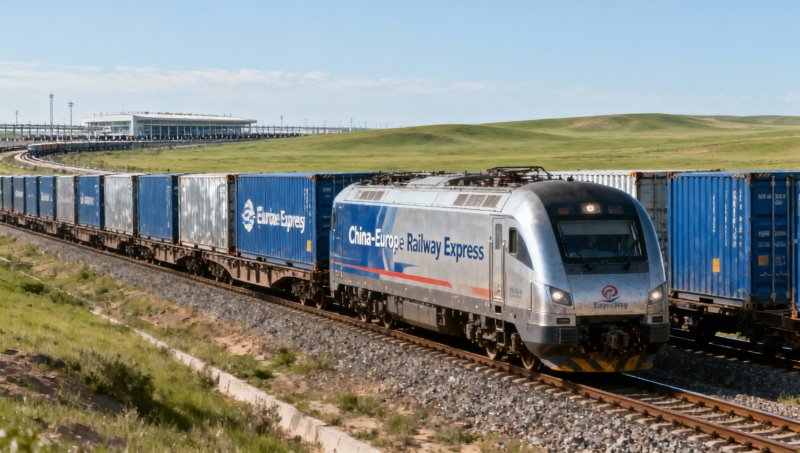
On May 9, 2026, the China-Europe Railway Express (CERE) reached a cumulative total of over 130,000 trains operated since its inception, with cargo value exceeding USD 520 billion. This milestone reflects strengthening resilience in the Asia–Europe land-based supply chain — a development of growing strategic relevance for industries reliant on predictable, time-sensitive cross-border logistics, especially in key European distribution hubs including Germany, Poland, and Hungary.
Event Overview
As of May 9, 2026, the China-Europe Railway Express has operated more than 130,000 trains in total, carrying goods valued at over USD 520 billion. Average transit time is currently 18–22 days faster than maritime shipping. The initiative has implemented electronic ‘single-document-through’ transport documentation and customs mutual recognition mechanisms to reduce clearance uncertainty.
Industries Affected
Direct Trading Enterprises
Exporters and importers engaged in bilateral trade between China and Central/Eastern Europe face reduced lead-time volatility and improved inventory planning certainty. For firms managing just-in-time replenishment for retail or e-commerce fulfillment centers in Berlin, Warsaw, or Budapest, this acceleration directly lowers safety stock requirements and working capital pressure — though service frequency and terminal capacity constraints remain variable across corridors.
Raw Material Procurement Enterprises
Companies sourcing industrial inputs — such as German automotive suppliers importing lithium battery components from China or Hungarian electronics assemblers procuring printed circuit boards — benefit from tighter delivery windows and reduced exposure to maritime port congestion or Suez Canal disruptions. However, analysis shows that cost parity with sea freight remains conditional on cargo volume, commodity type, and seasonal demand surges.
Manufacturing Enterprises
Contract manufacturers and OEMs with dual-sourcing strategies (e.g., Chinese factories supplying Tier-1 suppliers in Poland) gain greater flexibility in production scheduling and multi-modal routing decisions. Observably, the reliability uplift supports nearshoring adjustments — but only where rail-capable packaging, inland intermodal handoffs, and last-mile integration are already mature.
Supply Chain Service Providers
Freight forwarders, customs brokers, and digital logistics platforms are adapting service offerings to support ‘rail-first’ planning tools, real-time rail-car tracking APIs, and harmonized documentation workflows aligned with the electronic single transport document system. From an industry perspective, differentiation now hinges less on route access and more on regulatory fluency across multiple Eurasian jurisdictions.
Key Considerations and Recommended Actions
Monitor corridor-specific capacity allocation
Not all CERE routes offer equal reliability: the China–Poland–Germany corridor accounts for ~42% of total volumes, while newer lines (e.g., via Kazakhstan–Azerbaijan–Georgia) show higher variability in transit time and customs processing. Firms should assess contractual service-level agreements (SLAs) against actual on-time performance data, not headline averages.
Validate electronic documentation readiness
The ‘single-document-through’ system requires full digitization of consignment notes, certificates of origin, and phytosanitary documents. Enterprises must confirm ERP and TMS compatibility with the unified electronic platform — particularly when operating through multiple EU member states with divergent national customs interfaces.
Evaluate insurance and risk transfer terms
Rail cargo insurance premiums have not yet converged with marine insurance benchmarks. Current contract templates often retain legacy clauses designed for ocean freight; parties should review force majeure definitions, liability caps, and claims settlement timelines specific to land-based intermodal incidents.
Editorial Perspective / Industry Observation
This milestone is better understood as a maturation signal — not a tipping point. While volume and value metrics are impressive, structural bottlenecks persist: gauge changes at border crossings, inconsistent electrification, and fragmented digital infrastructure across 20+ participating countries constrain scalability. Analysis shows that growth in train numbers has outpaced investment in terminal automation and cross-border regulatory alignment. Therefore, the current trajectory reflects operational optimization more than systemic transformation.
Conclusion
The 130,000-train milestone underscores the China-Europe Railway Express’s evolving role as a complementary — not substitutive — backbone for Eurasian trade. Its value lies not in replacing maritime networks, but in offering a calibrated alternative for mid-volume, time-sensitive, and politically sensitive shipments. A rational conclusion is that resilience, not speed alone, defines its strategic utility — and that utility expands only where policy coherence matches infrastructure ambition.
Source Attribution
Data sourced from the China State Railway Group Co., Ltd. and the China-Europe Railway Express Joint Coordination Committee (as of May 9, 2026). Additional verification drawn from Eurostat’s 2026 Q1 Intermodal Freight Statistics and the World Customs Organization’s Mutual Recognition Arrangement Implementation Dashboard. Note: Ongoing observation is recommended for updates on the EU’s proposed ‘Trans-European Transport Network (TEN-T) Rail Corridor Certification Framework’, expected for consultation in Q3 2026.
Recommended for You
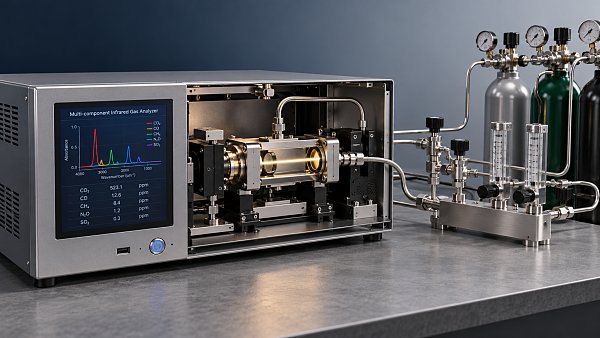
 How does cross-interference affect multi-component gas analyzers?How does cross-interference affect multi component gas analyzers? Explore measurement errors, compensation limits, and validation tips to choose the right system for your process.
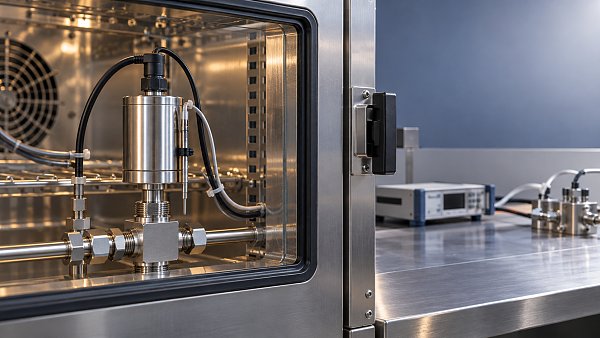
 How does temperature affect high-accuracy sensor performance?Explore how temperature affects high accuracy sensor performance. Learn to reduce thermal drift, evaluate compensation, and select the right sensor for reliable measurements.
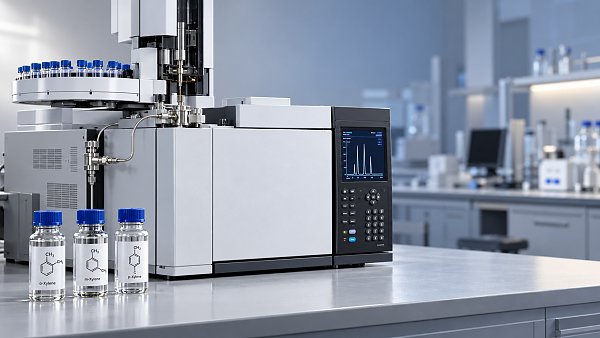
 Can a C4H8O concentration analyzer distinguish between isomers?Can a C4H8O concentration analyzer distinguish isomers? Compare GC, FTIR and MS methods, uncover selectivity limits, and learn what to validate before choosing your instrument.
 How to identify a reliable supplier using on-time delivery recordsIdentify a Reliable Supplier by verifying on-time delivery records, original commitments, and complete shipments. Learn practical checks to reduce purchasing risk and protect your project schedule.
 How sensitive should a portable hydrogen analyzer be for lab use?Choose a portable hydrogen analyzer for laboratory use with the right quantification limit, accuracy, and range. Learn how to verify performance and avoid costly buying mistakes.
 How to set industrial calibration intervals based on equipment riskSet industrial calibration intervals based on equipment risk, drift, and as-found data. Learn when to shorten or extend schedules to improve reliability and avoid unnecessary costs.
 How to choose electrochemical analyzers for low-current measurementsCompare electrochemical analyzers for precise low-current measurements. Learn how noise, leakage, bandwidth, and real-cell testing help you choose the right instrument.
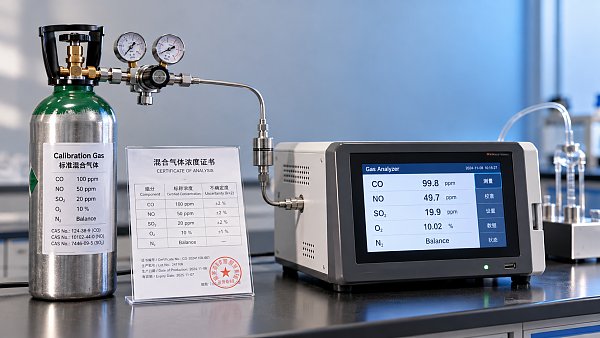
 What tolerance does a custom gas mixture need for calibration?Choose the right custom gas tolerance for calibration. Learn how blending tolerance, certified uncertainty, and stability affect accuracy—and avoid paying for precision you don’t need.
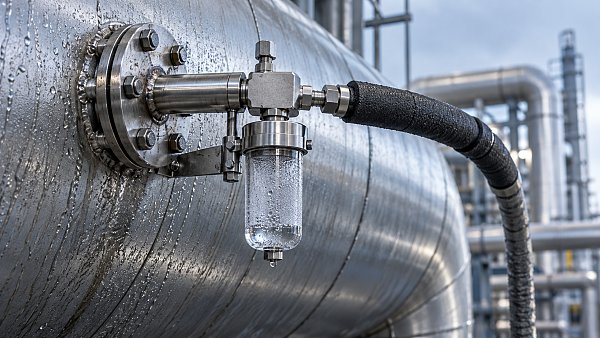
 How condensation affects stack detector readings in wet flue gasStack detector readings can drift when wet flue gas condenses. Learn how to identify moisture interference, prevent sample losses, and improve emissions monitoring reliability.
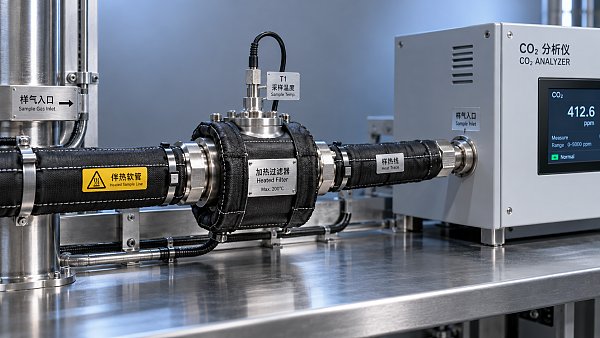
 How to prevent condensation in a CO2 analyzer sampling systemPrevent condensation in your CO2 analyzer sampling system. Learn how to control dew point, eliminate cold spots, and manage moisture for reliable readings and fewer costly disruptions.
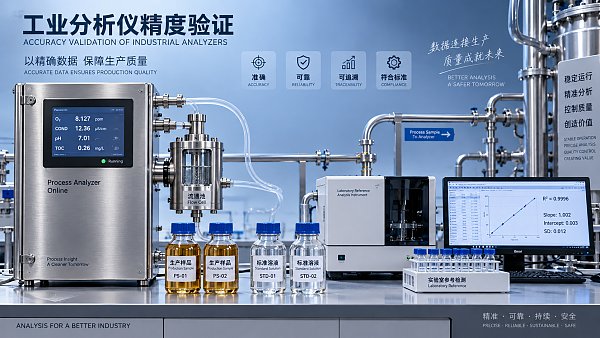
 How to verify accuracy claims for industrial quality analyzersVerify accuracy claims for industrial quality analyzers with calibration checks, independent testing, and clear acceptance criteria. Learn how to reduce risk and buy with confidence.
 How to calculate cooling loads for an industrial analyzer shelterSize industrial analyzer shelter cooling with confidence. Learn to calculate equipment heat, solar gains, and ventilation loads, then select HVAC capacity for reliable analyzer performance.
 Hydrogen Analyzers for Energy Storage: Purity Monitoring vs. Leak DetectionChoosing a hydrogen analyzer for energy storage systems? Compare purity monitoring and leak detection to select the right sensors, improve safety, and protect fuel cell performance.
 NH3 Monitoring in Fertilizer Plants: Where Should Leak Analyzers Be Installed?NH3 analyzer for fertilizer production: discover where to place leak detectors around storage, compressors, and loading areas to reduce blind spots and improve early warning.
 Diesel Engine NOx Analyzers: Response Time and NO2 Conversion ExplainedChoosing a NOX analyzer for diesel engines? Learn how response time, NO2 conversion, and sampling design affect accuracy—and make a smarter, evidence-based purchase.
 SO2 Analyzers for Smelter Emissions: Sampling Hot, Dust-Laden Flue GasSelect an SO2 analyzer for smelting industry applications. Discover how to handle hot, dust-laden flue gas, prevent sample losses, and achieve reliable emissions monitoring.
 Unstable CH4 Readings in Biogas Monitoring? Check Moisture and Sample FlowCH4 analyzer for biogas monitoring giving unstable readings? Discover how moisture, sample flow, and pressure checks help pinpoint faults and restore reliable methane measurements.
 Buying a CO2 Analyzer for Brewery Gas Recovery: Costs Beyond the Purchase PriceBuying a CO2 analyzer for brewery applications? Compare sampling, installation, calibration, and downtime costs to uncover hidden expenses and make a smarter gas recovery investment.
 Where to Place CO Analyzers for Effective Parking Garage VentilationOptimize your CO analyzer for parking garage ventilation with practical placement tips. Learn how sensor height, airflow, and zone coverage support timely detection and effective fan control.
 NDIR vs. FTIR Gas Analyzers: Which Fits Your Environmental Research?Find the right infrared gas analyzer for environmental research. Compare NDIR vs. FTIR on sensitivity, gas coverage, sampling needs, and cost to choose confidently for your study.
 Oxygen Analyzers for Diving: Calibration Checks Before Nitrox BlendingUsing an oxygen analyzer for diving applications? Discover essential calibration, sensor, and sampling checks before nitrox blending to support reliable readings.
 How Paramagnetic Oxygen Analyzers Work and Why Sample Pressure MattersLearn how a paramagnetic oxygen analyzer works, why sample pressure affects accuracy, and what to check in compensation and calibration before choosing your system.
 How Much Does a Complete CEMS Integration Project Typically Cost?How much does a complete CEMS integration project typically cost? Explore budget ranges, hidden installation costs, and compliance needs to compare quotes and plan confidently.
 What Is the Typical Response Time for Industrial Air Monitors?What is the typical response time for industrial air monitors? Explore T90, sampling delays, and alarm settings to compare performance and choose the right monitor with confidence.
 Do Regulatory Monitoring Systems Need Third-Party Certification?Do regulatory monitoring systems need third-party certification? Learn when it is required, what certificates prove, and how to verify compliance before buying.
 How Do You Choose Wired or Wireless for Stack Monitoring?Learn how to choose between wired and wireless for stack monitoring. Compare reliability, lifecycle costs, and data recovery to find the right CEMS setup for your site.
 What Happens When Combustible Gas Sensor Calibration Is Overdue?What happens if combustible gas sensor is not recalibrated on time? Discover the risks of inaccurate readings and missed alarms, plus steps to restore reliable protection.
 Can One Multi-Gas Detector Replace Four Separate Analyzers?Find out: can a single multi-gas detector replace four separate analyzers? Compare accuracy, safety, compliance, and lifetime costs to make a confident buying decision.
 Industrial Safety vs. Emission Monitoring: What Are the Differences?What are the main differences between industrial safety and emission monitoring? Compare goals, sensors, response times, and compliance needs to choose the right systems for your facility.
 Is Remote Monitoring Worth the Cost for Small Emission Sources?Is it worth investing in remote monitoring for small emission sources? Compare costs, compliance needs, and potential savings to choose the right solution for your operation.
 How Do You Handle Analyzer Failure During an Environmental Audit?Learn how to handle analyzer failure during environmental compliance audit procedures. Protect evidence, verify data, and restore monitoring with this practical response guide.
 Do VOC Monitors Require Explosion-Proof Certification?Does VOC monitoring require explosion-proof certification? Learn when approval is needed, compare ATEX and IECEx, and choose the right monitor for your site.


Search Categories
Search Categories
- Smart Meters & Power Quality
- Transformer Gas Analyzers
- BESS Thermal Runaway Detectors
- Energy, Power & Smart Grid Monitoring
- Optical Profilers & CMM
- Ultrasonic & X-Ray NDT
- Calibration Standards
- Precision Metrology & NDT
- Water Quality Analyzers
- CEMS & VOCs Monitors
- Price Trends
- Import & Export Updates
- Market Trends
- Industry News
- Industry Insights
Latest Article
- How does cross-interference affect multi-component gas analyzers?How does cross-interference affect multi component gas analyzers? Explore measurement errors, compensation limits, and validation tips to choose the right system for your process.Posted by:
- How does temperature affect high-accuracy sensor performance?Explore how temperature affects high accuracy sensor performance. Learn to reduce thermal drift, evaluate compensation, and select the right sensor for reliable measurements.Posted by:
- Can a C4H8O concentration analyzer distinguish between isomers?Can a C4H8O concentration analyzer distinguish isomers? Compare GC, FTIR and MS methods, uncover selectivity limits, and learn what to validate before choosing your instrument.Posted by:
Please give us a message
