
MIIT Launches Enforcement Action on EV Battery Recycling


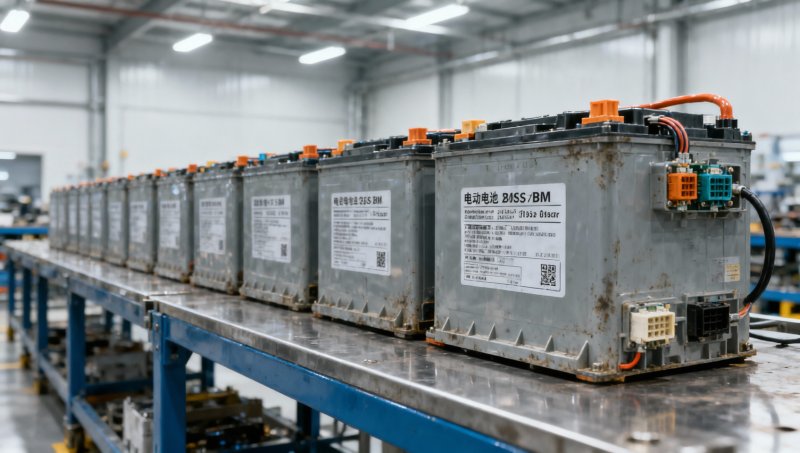
On April 28, 2026, China’s Ministry of Industry and Information Technology (MIIT), together with four other state departments, launched a nationwide enforcement campaign targeting illegal dismantling, data falsification in battery remanufacturing, and unauthorized cross-border transmission of Battery Management System (BMS) data from retired electric vehicle (EV) power batteries. The action directly impacts the EV battery recycling ecosystem, global supply chain compliance frameworks, and export-oriented test equipment manufacturers — reflecting an accelerating convergence of industrial regulation, data sovereignty, and ESG accountability.
Event Overview
On April 28, 2026, MIIT, the National Development and Reform Commission (NDRC), the Ministry of Ecology and Environment (MEE), the Ministry of Commerce (MOFCOM), and the General Administration of Customs jointly initiated a special law enforcement operation on the recycling and reuse of spent lithium-ion traction batteries. Key enforcement priorities include: (1) unlicensed dismantling of retired EV batteries; (2) fabrication of performance and safety data in battery grading and second-life applications; and (3) outbound transmission of BMS telemetry, diagnostics, or health data without prior regulatory approval. As a direct consequence, several small- and medium-sized Chinese manufacturers of battery testing equipment have temporarily suspended exports of diagnostic testers equipped with remote connectivity modules.
Industries Affected
Direct Export Enterprises
Export-oriented battery testing equipment suppliers — particularly those offering cloud-connected, OTA-upgradable diagnostic hardware — face immediate operational disruption. Their products are now subject to pre-export compliance verification under the new enforcement framework. Impact manifests as delayed shipments, revised product firmware architecture (e.g., disabling remote data upload by default), and increased certification lead times for overseas market access.
Raw Material Procurement Firms
Companies sourcing black mass, cathode scrap, or recovered cobalt/nickel from informal or non-certified recyclers risk downstream traceability failures. Under the campaign, documentation proving lawful origin, full chain-of-custody records, and verified BMS data lineage are becoming de facto prerequisites for material acceptance — especially by EU-based or U.S.-listed battery material buyers subject to CBAM or SEC climate disclosure rules.
Manufacturing Enterprises (Battery Reuse & Remanufacturing)
Firms engaged in battery module repurposing (e.g., for energy storage systems) must now validate all incoming battery units against auditable BMS logs — not just visual inspection or basic voltage checks. Analysis shows that this raises both technical validation costs and time-to-market for second-life products, particularly where legacy battery packs lack standardized, exportable telemetry interfaces.
Supply Chain Service Providers
Third-party logistics operators, certification bodies, and digital traceability platform vendors are experiencing heightened demand for integrated audit-ready solutions. Observably, platforms capable of linking physical battery ID, dismantling site license status, and encrypted BMS snapshot metadata are gaining traction — but only if aligned with MIIT’s newly published data classification guidelines (draft version, issued April 2026).
Key Focus Areas and Recommended Actions
Verify Equipment Export Compliance Before Shipment
Exporters of battery diagnostic or grading equipment must confirm whether their devices’ firmware, communication protocols, or cloud backends trigger “data出境” (cross-border data transfer) under China’s Measures for Security Assessment of Cross-Border Data Transfer. Where remote diagnostics involve real-time BMS parameter streaming, pre-approval via MIIT’s newly established Battery Data Governance Portal is now mandatory.
Require Full BMS Data Provenance from Upstream Suppliers
Purchasers of recycled battery cells or modules should contractually require documented BMS data history — including SOC/SOH timestamps, fault log archives, and thermal event records — certified by a MIIT-designated evaluation institution. This mitigates exposure during ESG audits conducted by European automotive OEMs or U.S. institutional investors.
Conduct Internal Gap Assessment Against the New Enforcement Criteria
Recycling facilities and second-life integrators should benchmark current processes against the five-point checklist released alongside the campaign: (1) dismantling license validity; (2) battery unit traceability to original OEM; (3) BMS data retention period (minimum 8 years); (4) encryption standard for stored telemetry; and (5) prohibition of anonymized data export unless fully scrubbed of vehicle/owner identifiers.
Editorial Perspective / Industry Observation
This enforcement action is better understood not as a temporary crackdown, but as the operationalization of China’s Regulations on Data Security in New Energy Vehicle Industries (effective January 2026). From an industry perspective, the focus on BMS data — rather than just physical battery flows — signals a strategic shift toward treating battery telemetry as critical infrastructure data. Current more significant implications lie in how it reshapes trust architectures: overseas buyers are no longer just vetting environmental credentials, but actively selecting vendors based on verifiable domestic regulatory alignment — turning compliance into a competitive differentiator.
Conclusion
The MIIT-led action marks a structural inflection point: battery recycling is evolving from a materials-centric circular economy activity into a regulated data-intensive industrial process. For global stakeholders, the rational takeaway is not heightened restriction, but clarified accountability — where transparency in data handling becomes inseparable from physical traceability, and regulatory adherence increasingly functions as a prerequisite for market access, not merely a compliance checkbox.
Source Attribution
Official announcement: MIIT Joint Notice No. 2026–17 (April 28, 2026), co-issued with NDRC, MEE, MOFCOM, and GACC. Supporting technical guidance: Interim Standards for BMS Data Management in Spent Power Battery Recycling (MIIT Circular, April 2026, draft for public comment). Note: Final implementation details for cross-border data exemption pathways remain under consultation; updates expected by Q3 2026.
Recommended for You
 How does cross-interference affect multi-component gas analyzers?How does cross-interference affect multi component gas analyzers? Explore measurement errors, compensation limits, and validation tips to choose the right system for your process.
 How does temperature affect high-accuracy sensor performance?Explore how temperature affects high accuracy sensor performance. Learn to reduce thermal drift, evaluate compensation, and select the right sensor for reliable measurements.
 Can a C4H8O concentration analyzer distinguish between isomers?Can a C4H8O concentration analyzer distinguish isomers? Compare GC, FTIR and MS methods, uncover selectivity limits, and learn what to validate before choosing your instrument.
 How to identify a reliable supplier using on-time delivery recordsIdentify a Reliable Supplier by verifying on-time delivery records, original commitments, and complete shipments. Learn practical checks to reduce purchasing risk and protect your project schedule.
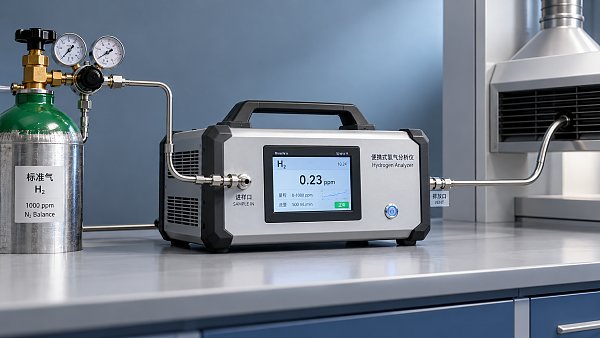
 How sensitive should a portable hydrogen analyzer be for lab use?Choose a portable hydrogen analyzer for laboratory use with the right quantification limit, accuracy, and range. Learn how to verify performance and avoid costly buying mistakes.
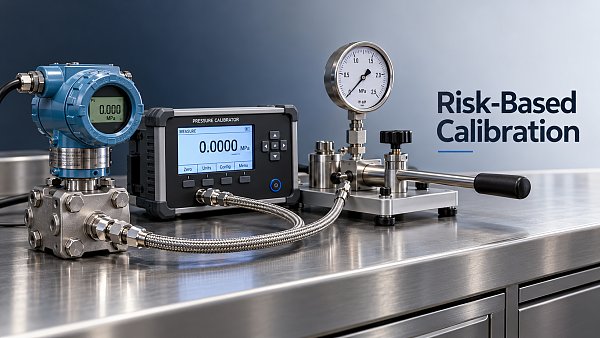
 How to set industrial calibration intervals based on equipment riskSet industrial calibration intervals based on equipment risk, drift, and as-found data. Learn when to shorten or extend schedules to improve reliability and avoid unnecessary costs.
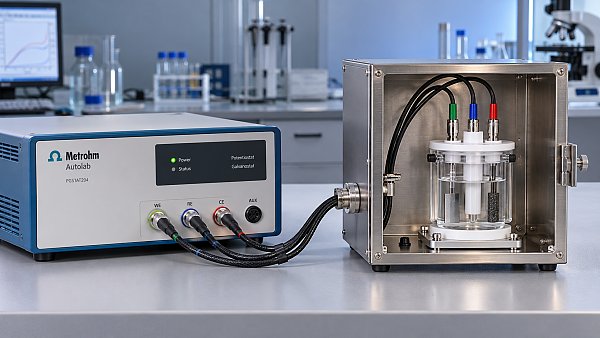
 How to choose electrochemical analyzers for low-current measurementsCompare electrochemical analyzers for precise low-current measurements. Learn how noise, leakage, bandwidth, and real-cell testing help you choose the right instrument.
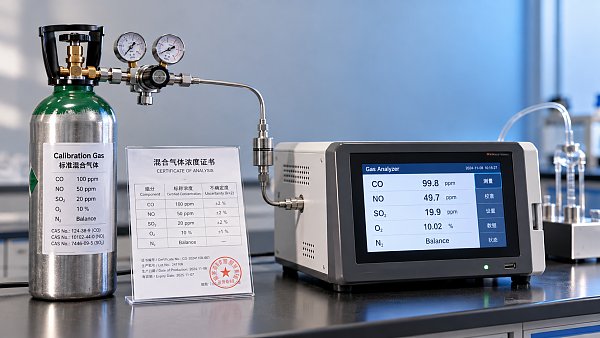
 What tolerance does a custom gas mixture need for calibration?Choose the right custom gas tolerance for calibration. Learn how blending tolerance, certified uncertainty, and stability affect accuracy—and avoid paying for precision you don’t need.
 How condensation affects stack detector readings in wet flue gasStack detector readings can drift when wet flue gas condenses. Learn how to identify moisture interference, prevent sample losses, and improve emissions monitoring reliability.
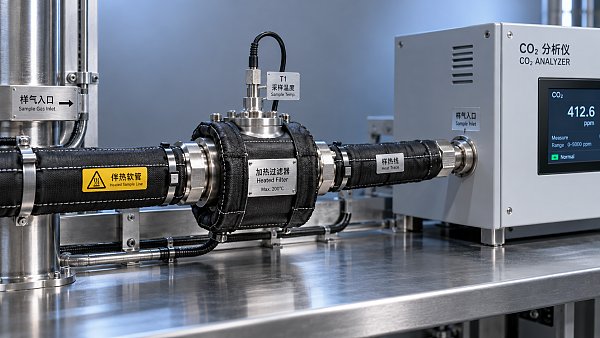
 How to prevent condensation in a CO2 analyzer sampling systemPrevent condensation in your CO2 analyzer sampling system. Learn how to control dew point, eliminate cold spots, and manage moisture for reliable readings and fewer costly disruptions.
 How to verify accuracy claims for industrial quality analyzersVerify accuracy claims for industrial quality analyzers with calibration checks, independent testing, and clear acceptance criteria. Learn how to reduce risk and buy with confidence.
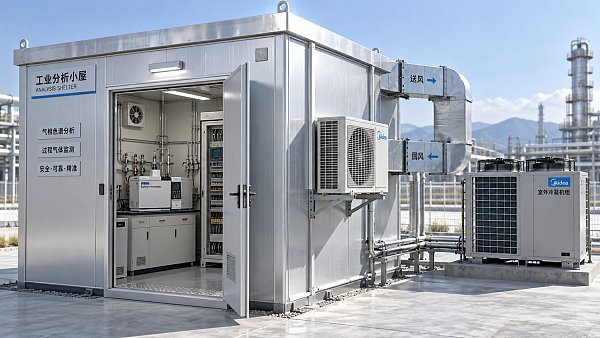
 How to calculate cooling loads for an industrial analyzer shelterSize industrial analyzer shelter cooling with confidence. Learn to calculate equipment heat, solar gains, and ventilation loads, then select HVAC capacity for reliable analyzer performance.
 Hydrogen Analyzers for Energy Storage: Purity Monitoring vs. Leak DetectionChoosing a hydrogen analyzer for energy storage systems? Compare purity monitoring and leak detection to select the right sensors, improve safety, and protect fuel cell performance.
 NH3 Monitoring in Fertilizer Plants: Where Should Leak Analyzers Be Installed?NH3 analyzer for fertilizer production: discover where to place leak detectors around storage, compressors, and loading areas to reduce blind spots and improve early warning.
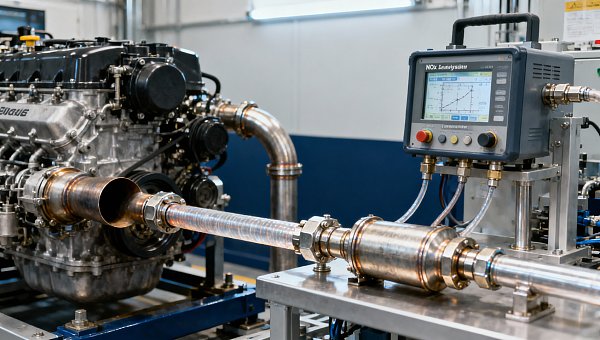
 Diesel Engine NOx Analyzers: Response Time and NO2 Conversion ExplainedChoosing a NOX analyzer for diesel engines? Learn how response time, NO2 conversion, and sampling design affect accuracy—and make a smarter, evidence-based purchase.
 SO2 Analyzers for Smelter Emissions: Sampling Hot, Dust-Laden Flue GasSelect an SO2 analyzer for smelting industry applications. Discover how to handle hot, dust-laden flue gas, prevent sample losses, and achieve reliable emissions monitoring.
 Unstable CH4 Readings in Biogas Monitoring? Check Moisture and Sample FlowCH4 analyzer for biogas monitoring giving unstable readings? Discover how moisture, sample flow, and pressure checks help pinpoint faults and restore reliable methane measurements.
 Buying a CO2 Analyzer for Brewery Gas Recovery: Costs Beyond the Purchase PriceBuying a CO2 analyzer for brewery applications? Compare sampling, installation, calibration, and downtime costs to uncover hidden expenses and make a smarter gas recovery investment.
 Where to Place CO Analyzers for Effective Parking Garage VentilationOptimize your CO analyzer for parking garage ventilation with practical placement tips. Learn how sensor height, airflow, and zone coverage support timely detection and effective fan control.
 NDIR vs. FTIR Gas Analyzers: Which Fits Your Environmental Research?Find the right infrared gas analyzer for environmental research. Compare NDIR vs. FTIR on sensitivity, gas coverage, sampling needs, and cost to choose confidently for your study.
 Oxygen Analyzers for Diving: Calibration Checks Before Nitrox BlendingUsing an oxygen analyzer for diving applications? Discover essential calibration, sensor, and sampling checks before nitrox blending to support reliable readings.
 How Paramagnetic Oxygen Analyzers Work and Why Sample Pressure MattersLearn how a paramagnetic oxygen analyzer works, why sample pressure affects accuracy, and what to check in compensation and calibration before choosing your system.
 How Much Does a Complete CEMS Integration Project Typically Cost?How much does a complete CEMS integration project typically cost? Explore budget ranges, hidden installation costs, and compliance needs to compare quotes and plan confidently.
 What Is the Typical Response Time for Industrial Air Monitors?What is the typical response time for industrial air monitors? Explore T90, sampling delays, and alarm settings to compare performance and choose the right monitor with confidence.
 Do Regulatory Monitoring Systems Need Third-Party Certification?Do regulatory monitoring systems need third-party certification? Learn when it is required, what certificates prove, and how to verify compliance before buying.
 How Do You Choose Wired or Wireless for Stack Monitoring?Learn how to choose between wired and wireless for stack monitoring. Compare reliability, lifecycle costs, and data recovery to find the right CEMS setup for your site.
 What Happens When Combustible Gas Sensor Calibration Is Overdue?What happens if combustible gas sensor is not recalibrated on time? Discover the risks of inaccurate readings and missed alarms, plus steps to restore reliable protection.
 Can One Multi-Gas Detector Replace Four Separate Analyzers?Find out: can a single multi-gas detector replace four separate analyzers? Compare accuracy, safety, compliance, and lifetime costs to make a confident buying decision.
 Industrial Safety vs. Emission Monitoring: What Are the Differences?What are the main differences between industrial safety and emission monitoring? Compare goals, sensors, response times, and compliance needs to choose the right systems for your facility.
 Is Remote Monitoring Worth the Cost for Small Emission Sources?Is it worth investing in remote monitoring for small emission sources? Compare costs, compliance needs, and potential savings to choose the right solution for your operation.
 How Do You Handle Analyzer Failure During an Environmental Audit?Learn how to handle analyzer failure during environmental compliance audit procedures. Protect evidence, verify data, and restore monitoring with this practical response guide.
 Do VOC Monitors Require Explosion-Proof Certification?Does VOC monitoring require explosion-proof certification? Learn when approval is needed, compare ATEX and IECEx, and choose the right monitor for your site.

















Search Categories
Search Categories
- Smart Meters & Power Quality
- Transformer Gas Analyzers
- BESS Thermal Runaway Detectors
- Energy, Power & Smart Grid Monitoring
- Optical Profilers & CMM
- Ultrasonic & X-Ray NDT
- Calibration Standards
- Precision Metrology & NDT
- Water Quality Analyzers
- CEMS & VOCs Monitors
- Price Trends
- Import & Export Updates
- Market Trends
- Industry News
- Industry Insights
Latest Article
- How does cross-interference affect multi-component gas analyzers?How does cross-interference affect multi component gas analyzers? Explore measurement errors, compensation limits, and validation tips to choose the right system for your process.Posted by:
- How does temperature affect high-accuracy sensor performance?Explore how temperature affects high accuracy sensor performance. Learn to reduce thermal drift, evaluate compensation, and select the right sensor for reliable measurements.Posted by:
- Can a C4H8O concentration analyzer distinguish between isomers?Can a C4H8O concentration analyzer distinguish isomers? Compare GC, FTIR and MS methods, uncover selectivity limits, and learn what to validate before choosing your instrument.Posted by:
Please give us a message
