
Oxygen Deficiency Monitors: Key Risks in Confined Space Applications


In confined space operations, unseen oxygen loss can become fatal in seconds. Oxygen deficiency monitors help detect this silent hazard before workers enter or while tasks continue.
Across industrial manufacturing, power systems, laboratories, construction, and environmental facilities, these devices support safer work, stronger compliance, and more stable operations.
For the instrumentation industry, oxygen deficiency monitors are practical safety instruments. They combine sensing, alarming, data display, and system integration for real-world confined space risk control.
Why confined space conditions demand different oxygen deficiency monitors
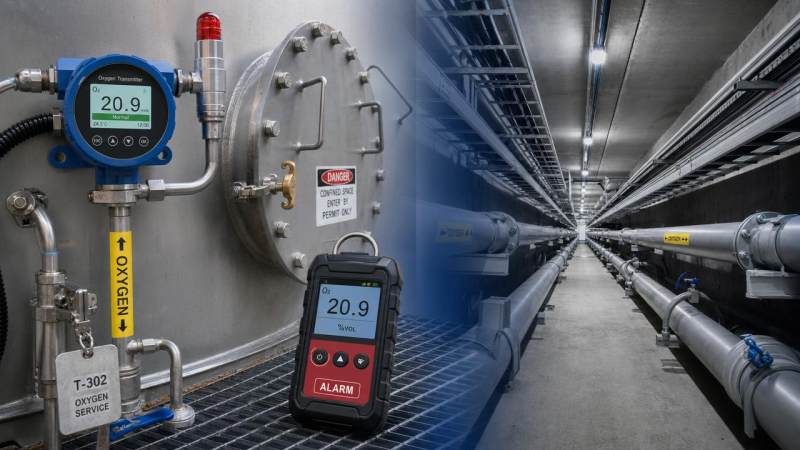
Not every confined space behaves the same. Tanks, sewers, utility vaults, pipelines, and process vessels can lose oxygen for different reasons and at different speeds.
Some spaces consume oxygen through rusting or biological activity. Others displace oxygen with nitrogen, argon, carbon dioxide, steam, or process gases.
That is why oxygen deficiency monitors must match the environment. Sensor response, sampling method, alarm strategy, and portability all depend on the specific application scene.
A fixed monitor may work well near a vessel entrance. A portable unit may be essential during entry, inspection, welding, or maintenance inside the space.
Scenario one: storage tanks and process vessels with inert gas exposure
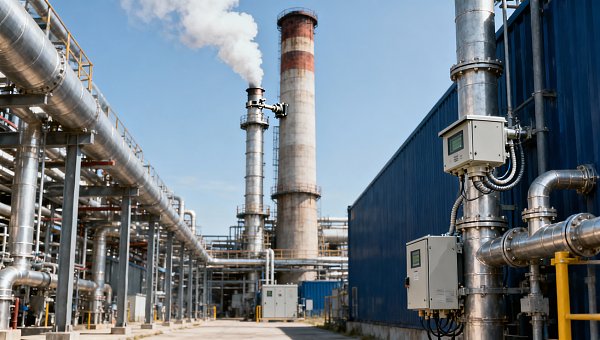
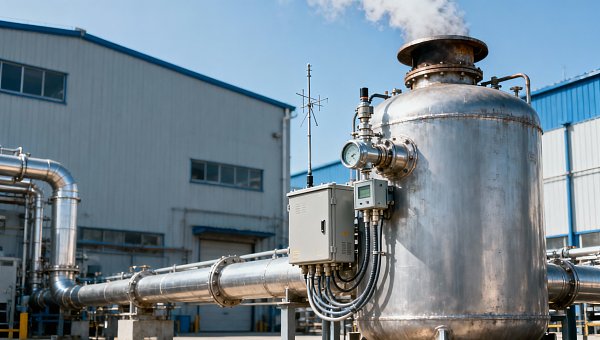
Storage tanks and process vessels often use nitrogen blanketing. During purging, cleaning, or shutdown, oxygen can drop below safe levels without any visible warning.
In this scene, oxygen deficiency monitors must react quickly and remain accurate under changing gas concentrations. Entry testing alone is not enough when gas conditions can shift during work.
Key judgment points for tank applications
- Whether inert gas purging occurred recently
- Whether stratification may create different oxygen levels by height
- Whether continuous sampling is needed during cleaning or welding
- Whether alarms must be heard outside the vessel
For these environments, pumped sampling often provides better awareness than diffusion alone. It helps check upper, middle, and lower sections before entry.
Scenario two: sewer systems, pits, and underground chambers with biological oxygen loss
Underground spaces can lose oxygen through decomposition, corrosion, and poor ventilation. These areas may also contain toxic gases that complicate rescue and evacuation.
Oxygen deficiency monitors are especially important here because oxygen reduction may happen together with hydrogen sulfide or methane presence.
Core monitoring concerns in underground spaces
The first concern is pre-entry assessment from outside the opening. The second is continuous monitoring at breathing level during movement and task changes.
Strong vibration alarms matter in noisy field conditions. Rugged enclosures and reliable battery life also affect practical performance.
In wet and dirty spaces, sensor protection and calibration discipline become essential. False confidence from neglected maintenance is a major hidden risk.
Scenario three: utility vaults and cable tunnels with ventilation uncertainty
Utility vaults and cable tunnels may appear routine, yet airflow can change fast. Nearby leaks, purge activities, or external weather conditions can alter oxygen availability.
Oxygen deficiency monitors in these settings should support quick screening, clear readouts, and dependable alarms for short-duration but high-risk entries.
What matters most in utility access spaces
- Fast startup and bump test readiness
- Readable display in low-light conditions
- Compact size for ladders and narrow passages
- Stable alarm performance with ventilation equipment running
Because tasks are often brief, teams may underestimate risk. That makes portable oxygen deficiency monitors a critical control layer rather than an optional check.
Scenario four: laboratories, medical gas rooms, and enclosed technical spaces
Laboratories and technical rooms may use nitrogen, helium, argon, or carbon dioxide. A small leak in a poorly ventilated room can reduce oxygen before anyone notices.
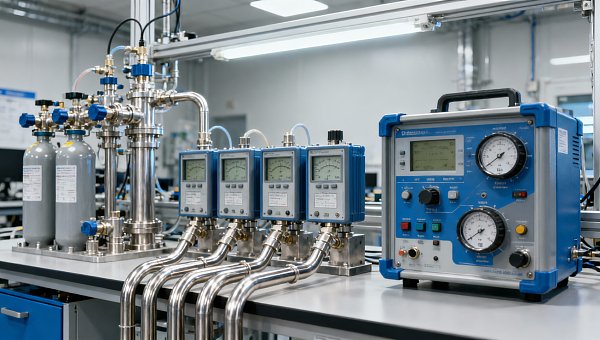
Here, fixed oxygen deficiency monitors often provide the best protection. They support area monitoring, remote alarms, and connection with building safety systems.
Important judgment points for enclosed indoor rooms
Detector placement is critical. Sensors should reflect likely leak behavior, room airflow, and personnel occupancy rather than simple wall convenience.
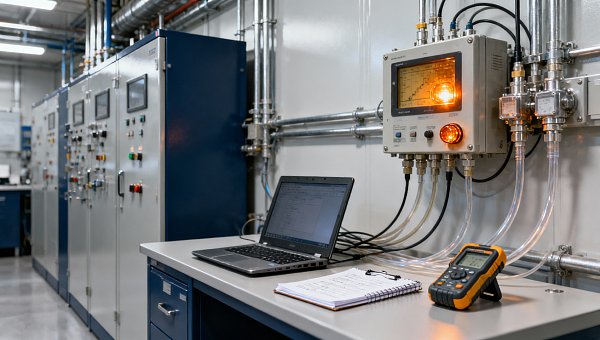
Alarm outputs may need to trigger ventilation, access restriction, or remote notifications. Integration strengthens the value of oxygen deficiency monitors beyond local indication.
How oxygen deficiency monitors differ across confined space scenes
Practical selection advice for safer monitor deployment
Choosing oxygen deficiency monitors should start with hazard behavior, not just price or device type. A good fit depends on movement, ventilation, and gas source.
Recommended selection checklist
- Define whether the space needs portable, fixed, or combined monitoring.
- Check sensor response time and alarm visibility in the real environment.
- Confirm calibration routines, bump test process, and maintenance intervals.
- Review data logging or connectivity needs for traceability.
- Match enclosure durability to moisture, dust, and handling conditions.
In the instrumentation industry, reliability depends on measurement quality over time. Stable sensing performance matters more than a long feature list with weak upkeep.
Common mistakes when using oxygen deficiency monitors in confined spaces
One common mistake is treating oxygen checks as a one-time entry permit item. Conditions inside a confined space can change after work begins.
Another mistake is placing fixed sensors where they are easy to install rather than where oxygen loss is likely to appear first.
A third mistake is ignoring sampling height. Oxygen concentration may vary between the top and bottom of a vessel or pit.
Poor maintenance creates another failure point. Oxygen deficiency monitors need calibration, bump testing, clean inlets, and battery discipline to stay dependable.
Finally, some sites rely only on audible alarms. In loud industrial spaces, visual and vibration alerts improve hazard recognition significantly.
Next steps for improving confined space oxygen safety
Start by mapping every confined space according to oxygen loss mechanism, ventilation pattern, and task duration. This creates a clearer basis for monitor selection.
Then compare existing oxygen deficiency monitors against each scene. Identify where portable coverage, fixed detection, sampling reach, or alarm integration is missing.
Update procedures to require pre-entry testing, continuous monitoring where needed, and routine maintenance records. Measurement discipline is as important as equipment presence.
When oxygen deficiency monitors are matched to the actual confined space scenario, they support safer entry decisions, faster response, and stronger operational control across complex industrial environments.
Recommended for You
 How does cross-interference affect multi-component gas analyzers?How does cross-interference affect multi component gas analyzers? Explore measurement errors, compensation limits, and validation tips to choose the right system for your process.
 How does temperature affect high-accuracy sensor performance?Explore how temperature affects high accuracy sensor performance. Learn to reduce thermal drift, evaluate compensation, and select the right sensor for reliable measurements.
 Can a C4H8O concentration analyzer distinguish between isomers?Can a C4H8O concentration analyzer distinguish isomers? Compare GC, FTIR and MS methods, uncover selectivity limits, and learn what to validate before choosing your instrument.
 How to identify a reliable supplier using on-time delivery recordsIdentify a Reliable Supplier by verifying on-time delivery records, original commitments, and complete shipments. Learn practical checks to reduce purchasing risk and protect your project schedule.
 How sensitive should a portable hydrogen analyzer be for lab use?Choose a portable hydrogen analyzer for laboratory use with the right quantification limit, accuracy, and range. Learn how to verify performance and avoid costly buying mistakes.
 How to set industrial calibration intervals based on equipment riskSet industrial calibration intervals based on equipment risk, drift, and as-found data. Learn when to shorten or extend schedules to improve reliability and avoid unnecessary costs.
 How to choose electrochemical analyzers for low-current measurementsCompare electrochemical analyzers for precise low-current measurements. Learn how noise, leakage, bandwidth, and real-cell testing help you choose the right instrument.
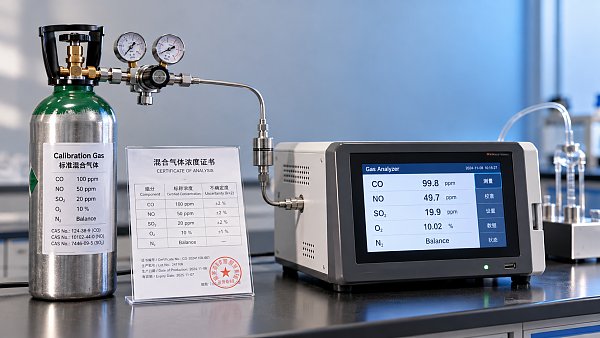
 What tolerance does a custom gas mixture need for calibration?Choose the right custom gas tolerance for calibration. Learn how blending tolerance, certified uncertainty, and stability affect accuracy—and avoid paying for precision you don’t need.
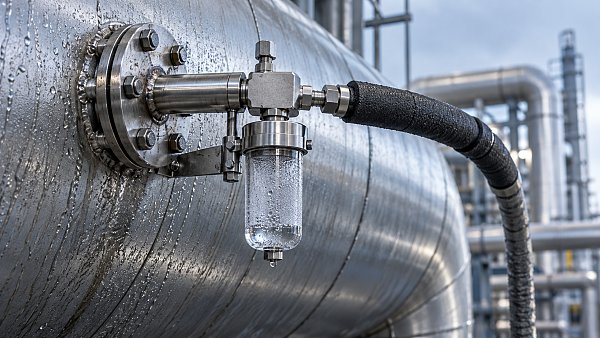
 How condensation affects stack detector readings in wet flue gasStack detector readings can drift when wet flue gas condenses. Learn how to identify moisture interference, prevent sample losses, and improve emissions monitoring reliability.
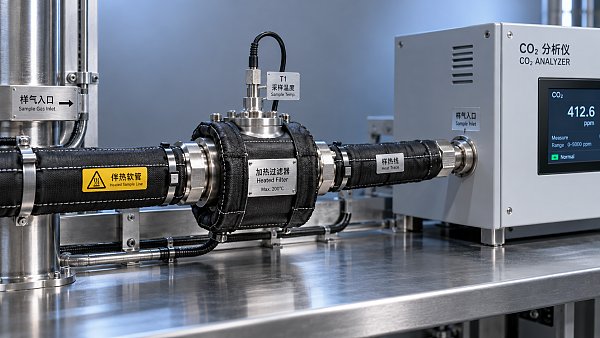
 How to prevent condensation in a CO2 analyzer sampling systemPrevent condensation in your CO2 analyzer sampling system. Learn how to control dew point, eliminate cold spots, and manage moisture for reliable readings and fewer costly disruptions.
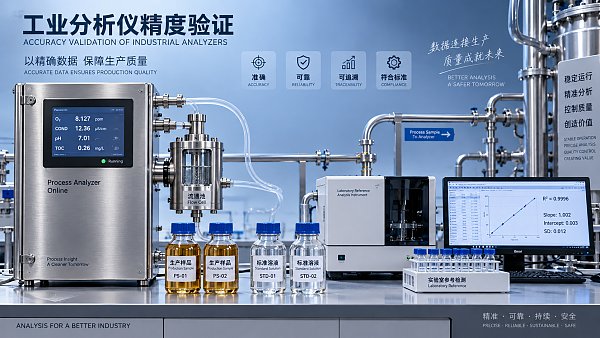
 How to verify accuracy claims for industrial quality analyzersVerify accuracy claims for industrial quality analyzers with calibration checks, independent testing, and clear acceptance criteria. Learn how to reduce risk and buy with confidence.
 How to calculate cooling loads for an industrial analyzer shelterSize industrial analyzer shelter cooling with confidence. Learn to calculate equipment heat, solar gains, and ventilation loads, then select HVAC capacity for reliable analyzer performance.
 Hydrogen Analyzers for Energy Storage: Purity Monitoring vs. Leak DetectionChoosing a hydrogen analyzer for energy storage systems? Compare purity monitoring and leak detection to select the right sensors, improve safety, and protect fuel cell performance.
 NH3 Monitoring in Fertilizer Plants: Where Should Leak Analyzers Be Installed?NH3 analyzer for fertilizer production: discover where to place leak detectors around storage, compressors, and loading areas to reduce blind spots and improve early warning.
 Diesel Engine NOx Analyzers: Response Time and NO2 Conversion ExplainedChoosing a NOX analyzer for diesel engines? Learn how response time, NO2 conversion, and sampling design affect accuracy—and make a smarter, evidence-based purchase.
 SO2 Analyzers for Smelter Emissions: Sampling Hot, Dust-Laden Flue GasSelect an SO2 analyzer for smelting industry applications. Discover how to handle hot, dust-laden flue gas, prevent sample losses, and achieve reliable emissions monitoring.
 Unstable CH4 Readings in Biogas Monitoring? Check Moisture and Sample FlowCH4 analyzer for biogas monitoring giving unstable readings? Discover how moisture, sample flow, and pressure checks help pinpoint faults and restore reliable methane measurements.
 Buying a CO2 Analyzer for Brewery Gas Recovery: Costs Beyond the Purchase PriceBuying a CO2 analyzer for brewery applications? Compare sampling, installation, calibration, and downtime costs to uncover hidden expenses and make a smarter gas recovery investment.
 Where to Place CO Analyzers for Effective Parking Garage VentilationOptimize your CO analyzer for parking garage ventilation with practical placement tips. Learn how sensor height, airflow, and zone coverage support timely detection and effective fan control.
 NDIR vs. FTIR Gas Analyzers: Which Fits Your Environmental Research?Find the right infrared gas analyzer for environmental research. Compare NDIR vs. FTIR on sensitivity, gas coverage, sampling needs, and cost to choose confidently for your study.
 Oxygen Analyzers for Diving: Calibration Checks Before Nitrox BlendingUsing an oxygen analyzer for diving applications? Discover essential calibration, sensor, and sampling checks before nitrox blending to support reliable readings.
 How Paramagnetic Oxygen Analyzers Work and Why Sample Pressure MattersLearn how a paramagnetic oxygen analyzer works, why sample pressure affects accuracy, and what to check in compensation and calibration before choosing your system.
 How Much Does a Complete CEMS Integration Project Typically Cost?How much does a complete CEMS integration project typically cost? Explore budget ranges, hidden installation costs, and compliance needs to compare quotes and plan confidently.
 What Is the Typical Response Time for Industrial Air Monitors?What is the typical response time for industrial air monitors? Explore T90, sampling delays, and alarm settings to compare performance and choose the right monitor with confidence.
 Do Regulatory Monitoring Systems Need Third-Party Certification?Do regulatory monitoring systems need third-party certification? Learn when it is required, what certificates prove, and how to verify compliance before buying.
 How Do You Choose Wired or Wireless for Stack Monitoring?Learn how to choose between wired and wireless for stack monitoring. Compare reliability, lifecycle costs, and data recovery to find the right CEMS setup for your site.
 What Happens When Combustible Gas Sensor Calibration Is Overdue?What happens if combustible gas sensor is not recalibrated on time? Discover the risks of inaccurate readings and missed alarms, plus steps to restore reliable protection.
 Can One Multi-Gas Detector Replace Four Separate Analyzers?Find out: can a single multi-gas detector replace four separate analyzers? Compare accuracy, safety, compliance, and lifetime costs to make a confident buying decision.
 Industrial Safety vs. Emission Monitoring: What Are the Differences?What are the main differences between industrial safety and emission monitoring? Compare goals, sensors, response times, and compliance needs to choose the right systems for your facility.
 Is Remote Monitoring Worth the Cost for Small Emission Sources?Is it worth investing in remote monitoring for small emission sources? Compare costs, compliance needs, and potential savings to choose the right solution for your operation.
 How Do You Handle Analyzer Failure During an Environmental Audit?Learn how to handle analyzer failure during environmental compliance audit procedures. Protect evidence, verify data, and restore monitoring with this practical response guide.
 Do VOC Monitors Require Explosion-Proof Certification?Does VOC monitoring require explosion-proof certification? Learn when approval is needed, compare ATEX and IECEx, and choose the right monitor for your site.
Search Categories
Search Categories
- Smart Meters & Power Quality
- Transformer Gas Analyzers
- BESS Thermal Runaway Detectors
- Energy, Power & Smart Grid Monitoring
- Optical Profilers & CMM
- Ultrasonic & X-Ray NDT
- Calibration Standards
- Precision Metrology & NDT
- Water Quality Analyzers
- CEMS & VOCs Monitors
- Price Trends
- Import & Export Updates
- Market Trends
- Industry News
- Industry Insights
Latest Article
- How does cross-interference affect multi-component gas analyzers?How does cross-interference affect multi component gas analyzers? Explore measurement errors, compensation limits, and validation tips to choose the right system for your process.Posted by:
- How does temperature affect high-accuracy sensor performance?Explore how temperature affects high accuracy sensor performance. Learn to reduce thermal drift, evaluate compensation, and select the right sensor for reliable measurements.Posted by:
- Can a C4H8O concentration analyzer distinguish between isomers?Can a C4H8O concentration analyzer distinguish isomers? Compare GC, FTIR and MS methods, uncover selectivity limits, and learn what to validate before choosing your instrument.Posted by:
Please give us a message
