
Digital Monitoring Instruments for Daily Operations: Common Setup Mistakes


Digital monitoring instruments help daily operations stay visible, stable, and measurable across industrial plants, utility systems, laboratories, buildings, and environmental sites.
However, many performance issues begin during setup, not during actual operation.
A poorly installed transmitter, an unverified alarm threshold, or weak network configuration can distort readings from the first day.
Understanding common setup mistakes in digital monitoring instruments helps improve data accuracy, reduce downtime, and support safer, smarter operational decisions.
What are digital monitoring instruments, and why does setup matter so much?
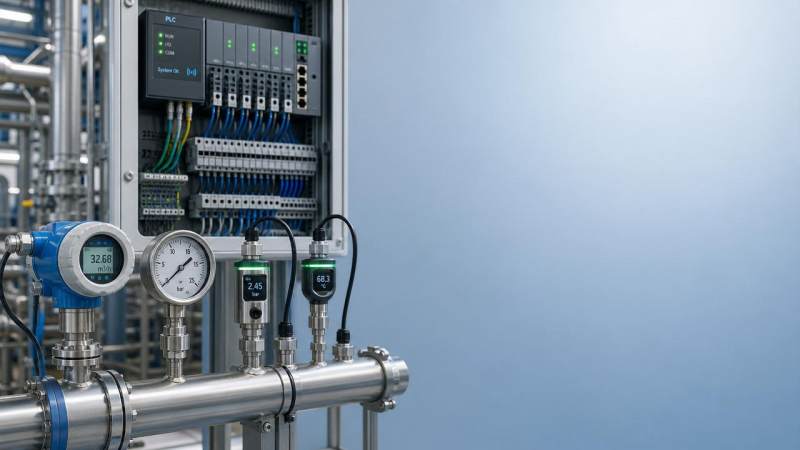
Digital monitoring instruments are devices that measure, transmit, record, or analyze operating conditions in real time.
They may track pressure, temperature, flow, level, vibration, power quality, gas concentration, humidity, or process status.
In modern operations, these instruments connect field data with control systems, dashboards, alarms, and maintenance workflows.
That connection creates value only when the setup is correct.
If input ranges are wrong, sensor signals may saturate or disappear.
If time stamps are not synchronized, trend analysis becomes misleading.
If scaling parameters are incorrect, a normal condition may look like an emergency.
This is why digital monitoring instruments require careful setup before teams rely on their data for daily decisions.
Which setup mistakes appear most often in daily operations?
Several errors repeat across industries, from manufacturing and power generation to water treatment and building automation.
The most common problems include installation mistakes, calibration gaps, communication failures, and weak verification routines.
1. Incorrect sensor placement
Placement affects reading quality more than many teams expect.
A temperature sensor near heat leakage may report false highs.
A flow sensor installed near bends or valves may receive turbulent data.
Vibration monitors mounted on weak structures can amplify noise instead of machine behavior.
2. Incomplete calibration or wrong scaling
Many digital monitoring instruments arrive with factory settings that do not match the real site range.
A pressure device configured for a broader span may lose useful resolution.
A level instrument with wrong zero and span values can create false inventory data.
3. Weak power and grounding practices
Unstable power supply causes resets, drifting signals, or communication interruptions.
Improper grounding may introduce electrical noise, especially in mixed environments with motors, drives, and switching equipment.
4. Alarm settings copied without review
Default thresholds often do not reflect process reality.
If alarms are too tight, nuisance alerts increase.
If limits are too loose, early fault detection disappears.
5. No final functional test
Some installations stop after wiring and screen confirmation.
Yet digital monitoring instruments should be tested from sensing point to display, alarm, logging, and response action.
How do setup mistakes affect different application scenarios?
The impact varies by environment, but the pattern is similar: bad setup leads to bad decisions.
- In industrial manufacturing, false readings can disrupt process control and product consistency.
- In energy and power systems, delayed alarms may increase safety and equipment risks.
- In environmental monitoring, poor calibration may create noncompliant reporting data.
- In laboratories, unstable digital monitoring instruments can affect traceability and test confidence.
- In building systems, wrong sensor mapping can waste energy and reduce occupant comfort.
Because digital monitoring instruments serve many sectors, setup should always reflect site conditions, process dynamics, and required accuracy.
A configuration that works in a clean lab may fail in a humid outdoor station.
A sensor location suitable for steady flow may fail in batch processing.
How can you check whether digital monitoring instruments are configured correctly?
A reliable setup review should cover mechanical, electrical, digital, and operational points.
Instead of relying on one inspection, use a short commissioning checklist.
This review helps digital monitoring instruments produce useful data instead of attractive but unreliable dashboards.
What is the difference between a fast setup and a correct setup?
A fast setup focuses on finishing installation quickly.
A correct setup focuses on dependable operation over time.
The difference seems small at first, but operating costs reveal it later.
Fast setup often skips documentation, loop checks, calibration confirmation, and communication diagnostics.
That approach may save hours initially, yet it can create weeks of hidden troubleshooting.
Correctly configured digital monitoring instruments reduce false alarms, repeated site visits, and unexplained process variation.
For operations with continuous production, even a minor setup error can become costly.
A drifting temperature signal may change batch quality.
A missed vibration trend may delay bearing replacement.
A wrong power monitor ratio may distort energy analysis.
How can daily operations avoid recurring setup problems?
Prevention works best when setup becomes a standard process rather than a one-time task.
- Define measurement purpose before installation.
- Match instrument range, accuracy, and protection level to the application.
- Confirm mounting position using process conditions, not convenience alone.
- Calibrate or validate against known references before live use.
- Check wiring, shielding, grounding, and communication addresses carefully.
- Test alarms, data logging, and display mapping under simulated conditions.
- Document all settings for later maintenance and replacement.
These steps help digital monitoring instruments remain consistent when conditions change, equipment ages, or systems expand.
They also support better handover between installation, operations, and maintenance teams.
FAQ: What should be reviewed before relying on digital monitoring instruments every day?
Digital monitoring instruments are powerful tools for daily operations, but only when setup quality matches operational expectations.
Most recurring issues come from preventable mistakes such as poor placement, wrong scaling, weak grounding, or untested alarm logic.
A disciplined setup process turns digital monitoring instruments into dependable sources of real-time insight.
Review current installations, verify critical points, and standardize commissioning steps to improve data trust from the start.
Recommended for You
 How does cross-interference affect multi-component gas analyzers?How does cross-interference affect multi component gas analyzers? Explore measurement errors, compensation limits, and validation tips to choose the right system for your process.
 How does temperature affect high-accuracy sensor performance?Explore how temperature affects high accuracy sensor performance. Learn to reduce thermal drift, evaluate compensation, and select the right sensor for reliable measurements.
 Can a C4H8O concentration analyzer distinguish between isomers?Can a C4H8O concentration analyzer distinguish isomers? Compare GC, FTIR and MS methods, uncover selectivity limits, and learn what to validate before choosing your instrument.
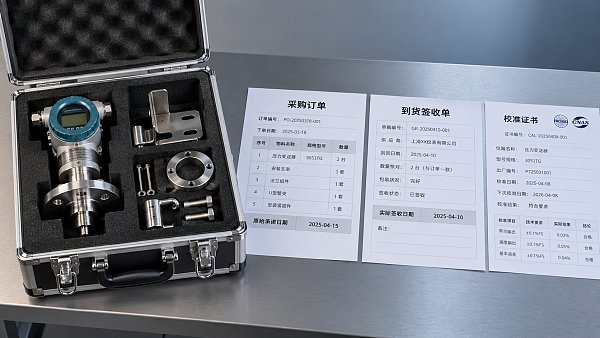
 How to identify a reliable supplier using on-time delivery recordsIdentify a Reliable Supplier by verifying on-time delivery records, original commitments, and complete shipments. Learn practical checks to reduce purchasing risk and protect your project schedule.
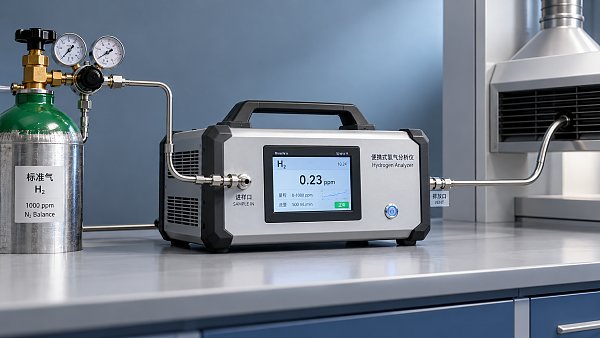
 How sensitive should a portable hydrogen analyzer be for lab use?Choose a portable hydrogen analyzer for laboratory use with the right quantification limit, accuracy, and range. Learn how to verify performance and avoid costly buying mistakes.
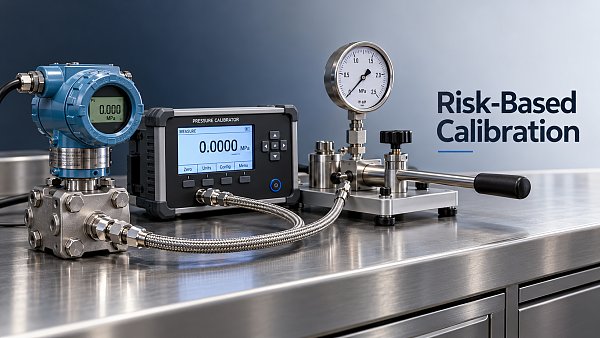
 How to set industrial calibration intervals based on equipment riskSet industrial calibration intervals based on equipment risk, drift, and as-found data. Learn when to shorten or extend schedules to improve reliability and avoid unnecessary costs.
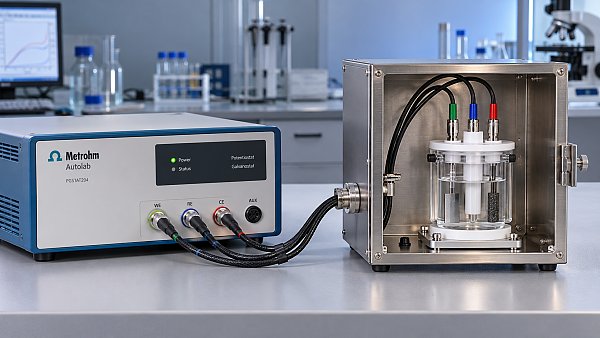
 How to choose electrochemical analyzers for low-current measurementsCompare electrochemical analyzers for precise low-current measurements. Learn how noise, leakage, bandwidth, and real-cell testing help you choose the right instrument.
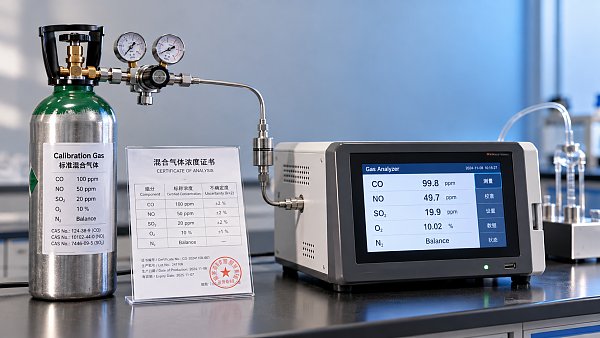
 What tolerance does a custom gas mixture need for calibration?Choose the right custom gas tolerance for calibration. Learn how blending tolerance, certified uncertainty, and stability affect accuracy—and avoid paying for precision you don’t need.
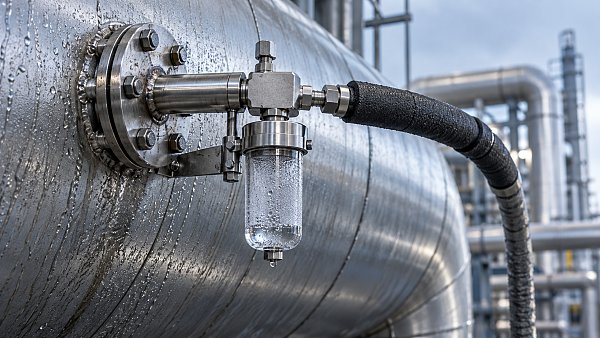
 How condensation affects stack detector readings in wet flue gasStack detector readings can drift when wet flue gas condenses. Learn how to identify moisture interference, prevent sample losses, and improve emissions monitoring reliability.
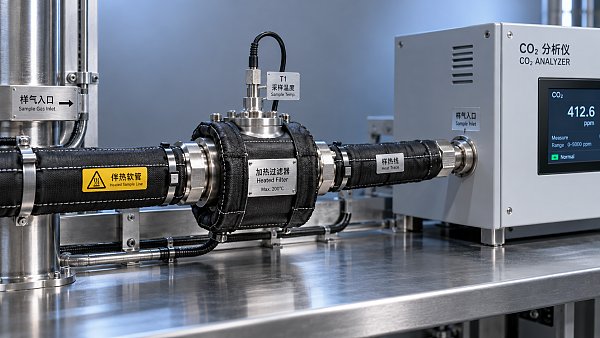
 How to prevent condensation in a CO2 analyzer sampling systemPrevent condensation in your CO2 analyzer sampling system. Learn how to control dew point, eliminate cold spots, and manage moisture for reliable readings and fewer costly disruptions.
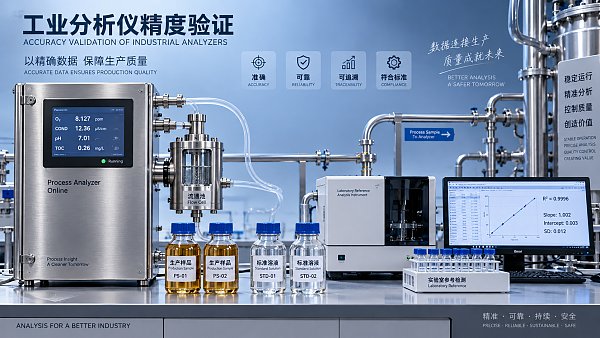
 How to verify accuracy claims for industrial quality analyzersVerify accuracy claims for industrial quality analyzers with calibration checks, independent testing, and clear acceptance criteria. Learn how to reduce risk and buy with confidence.
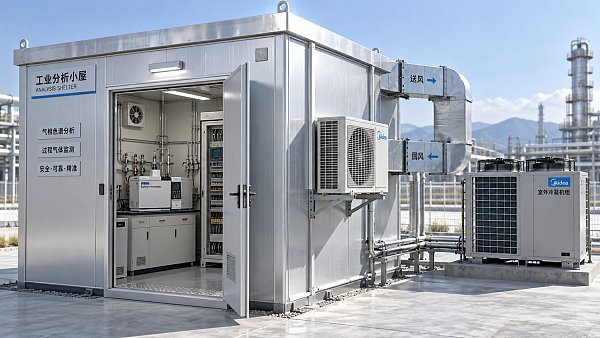
 How to calculate cooling loads for an industrial analyzer shelterSize industrial analyzer shelter cooling with confidence. Learn to calculate equipment heat, solar gains, and ventilation loads, then select HVAC capacity for reliable analyzer performance.
 Hydrogen Analyzers for Energy Storage: Purity Monitoring vs. Leak DetectionChoosing a hydrogen analyzer for energy storage systems? Compare purity monitoring and leak detection to select the right sensors, improve safety, and protect fuel cell performance.
 NH3 Monitoring in Fertilizer Plants: Where Should Leak Analyzers Be Installed?NH3 analyzer for fertilizer production: discover where to place leak detectors around storage, compressors, and loading areas to reduce blind spots and improve early warning.
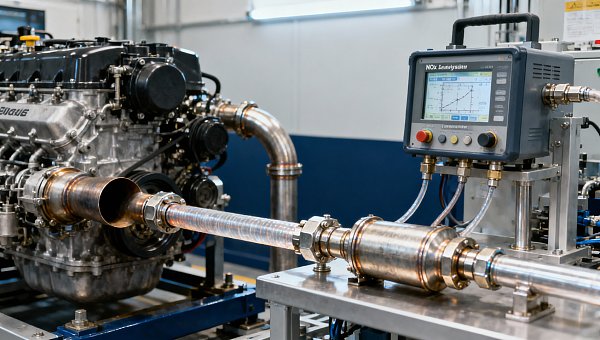
 Diesel Engine NOx Analyzers: Response Time and NO2 Conversion ExplainedChoosing a NOX analyzer for diesel engines? Learn how response time, NO2 conversion, and sampling design affect accuracy—and make a smarter, evidence-based purchase.
 SO2 Analyzers for Smelter Emissions: Sampling Hot, Dust-Laden Flue GasSelect an SO2 analyzer for smelting industry applications. Discover how to handle hot, dust-laden flue gas, prevent sample losses, and achieve reliable emissions monitoring.
 Unstable CH4 Readings in Biogas Monitoring? Check Moisture and Sample FlowCH4 analyzer for biogas monitoring giving unstable readings? Discover how moisture, sample flow, and pressure checks help pinpoint faults and restore reliable methane measurements.
 Buying a CO2 Analyzer for Brewery Gas Recovery: Costs Beyond the Purchase PriceBuying a CO2 analyzer for brewery applications? Compare sampling, installation, calibration, and downtime costs to uncover hidden expenses and make a smarter gas recovery investment.
 Where to Place CO Analyzers for Effective Parking Garage VentilationOptimize your CO analyzer for parking garage ventilation with practical placement tips. Learn how sensor height, airflow, and zone coverage support timely detection and effective fan control.
 NDIR vs. FTIR Gas Analyzers: Which Fits Your Environmental Research?Find the right infrared gas analyzer for environmental research. Compare NDIR vs. FTIR on sensitivity, gas coverage, sampling needs, and cost to choose confidently for your study.
 Oxygen Analyzers for Diving: Calibration Checks Before Nitrox BlendingUsing an oxygen analyzer for diving applications? Discover essential calibration, sensor, and sampling checks before nitrox blending to support reliable readings.
 How Paramagnetic Oxygen Analyzers Work and Why Sample Pressure MattersLearn how a paramagnetic oxygen analyzer works, why sample pressure affects accuracy, and what to check in compensation and calibration before choosing your system.
 How Much Does a Complete CEMS Integration Project Typically Cost?How much does a complete CEMS integration project typically cost? Explore budget ranges, hidden installation costs, and compliance needs to compare quotes and plan confidently.
 What Is the Typical Response Time for Industrial Air Monitors?What is the typical response time for industrial air monitors? Explore T90, sampling delays, and alarm settings to compare performance and choose the right monitor with confidence.
 Do Regulatory Monitoring Systems Need Third-Party Certification?Do regulatory monitoring systems need third-party certification? Learn when it is required, what certificates prove, and how to verify compliance before buying.
 How Do You Choose Wired or Wireless for Stack Monitoring?Learn how to choose between wired and wireless for stack monitoring. Compare reliability, lifecycle costs, and data recovery to find the right CEMS setup for your site.
 What Happens When Combustible Gas Sensor Calibration Is Overdue?What happens if combustible gas sensor is not recalibrated on time? Discover the risks of inaccurate readings and missed alarms, plus steps to restore reliable protection.
 Can One Multi-Gas Detector Replace Four Separate Analyzers?Find out: can a single multi-gas detector replace four separate analyzers? Compare accuracy, safety, compliance, and lifetime costs to make a confident buying decision.
 Industrial Safety vs. Emission Monitoring: What Are the Differences?What are the main differences between industrial safety and emission monitoring? Compare goals, sensors, response times, and compliance needs to choose the right systems for your facility.
 Is Remote Monitoring Worth the Cost for Small Emission Sources?Is it worth investing in remote monitoring for small emission sources? Compare costs, compliance needs, and potential savings to choose the right solution for your operation.
 How Do You Handle Analyzer Failure During an Environmental Audit?Learn how to handle analyzer failure during environmental compliance audit procedures. Protect evidence, verify data, and restore monitoring with this practical response guide.
 Do VOC Monitors Require Explosion-Proof Certification?Does VOC monitoring require explosion-proof certification? Learn when approval is needed, compare ATEX and IECEx, and choose the right monitor for your site.
Search Categories
Search Categories
- Smart Meters & Power Quality
- Transformer Gas Analyzers
- BESS Thermal Runaway Detectors
- Energy, Power & Smart Grid Monitoring
- Optical Profilers & CMM
- Ultrasonic & X-Ray NDT
- Calibration Standards
- Precision Metrology & NDT
- Water Quality Analyzers
- CEMS & VOCs Monitors
- Price Trends
- Import & Export Updates
- Market Trends
- Industry News
- Industry Insights
Latest Article
- How does cross-interference affect multi-component gas analyzers?How does cross-interference affect multi component gas analyzers? Explore measurement errors, compensation limits, and validation tips to choose the right system for your process.Posted by:
- How does temperature affect high-accuracy sensor performance?Explore how temperature affects high accuracy sensor performance. Learn to reduce thermal drift, evaluate compensation, and select the right sensor for reliable measurements.Posted by:
- Can a C4H8O concentration analyzer distinguish between isomers?Can a C4H8O concentration analyzer distinguish isomers? Compare GC, FTIR and MS methods, uncover selectivity limits, and learn what to validate before choosing your instrument.Posted by:
Please give us a message
