
Process Analyzers vs Lab Testing: Which Cuts Downtime Faster?


Where downtime pressure changes the answer fastest
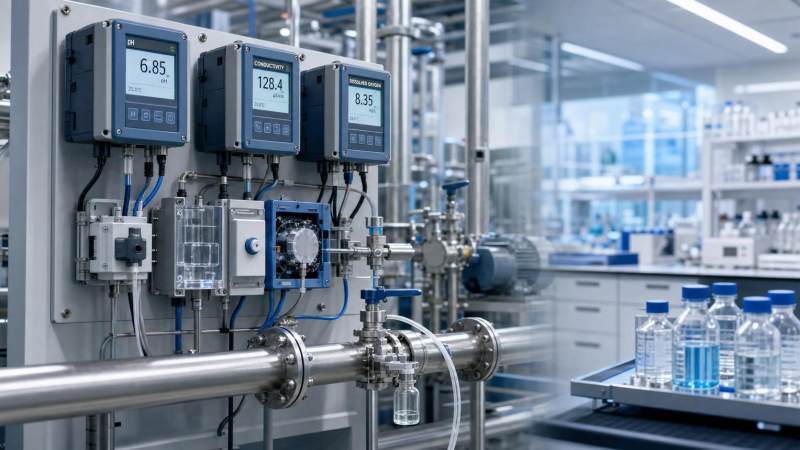
When production stops, the real cost is rarely limited to lost throughput.
Delayed quality release, unstable utilities, off-spec material, and restart risk often compound the damage.
That is why the choice between process analyzers and lab testing matters far beyond measurement speed.
In practice, the faster option depends on where the decision sits in the workflow.
If a correction must happen inside the process window, process analyzers usually cut downtime faster.
If the decision requires traceable confirmation, method flexibility, or deep composition insight, lab testing still leads.
Across manufacturing, energy, environmental systems, and life sciences, the useful question is not which tool is better.
The better question is which tool shortens the delay between process change and confident action.
That distinction aligns with how Global Instrument Hub tracks instrumentation value across automation, compliance, and supply chain reliability.
Actual operating conditions decide more than instrument specifications
On paper, lab testing can deliver very accurate results.
On the plant floor, delay often comes from sampling, transport, queue time, sample prep, and reporting loops.
Process analyzers reduce those hidden minutes by measuring closer to the event.
That advantage becomes critical when product drift develops in minutes rather than shifts.
Still, not every process variable deserves online measurement.
Some streams foul sensors quickly, some matrices change unpredictably, and some regulated tests require certified laboratory methods.
The more common judgment is to map downtime causes first.
If stoppages come from slow detection, process analyzers often win.
If stoppages come from uncertain release decisions, lab testing may still be the faster path overall.
What usually shifts the decision
- Process dynamics: fast reactions favor continuous process analyzers.
- Matrix complexity: variable compositions often need laboratory interpretation.
- Compliance burden: release or reporting rules may require lab testing.
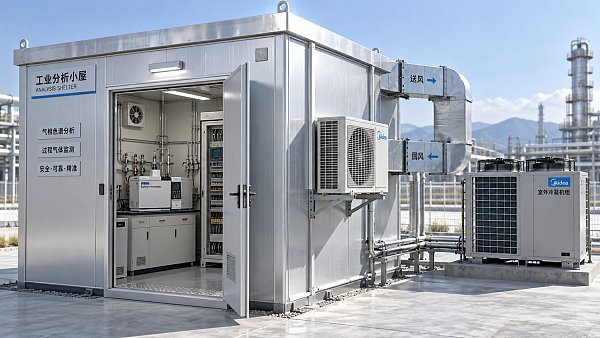
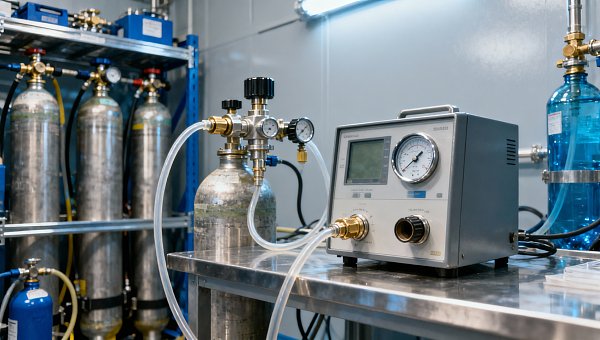
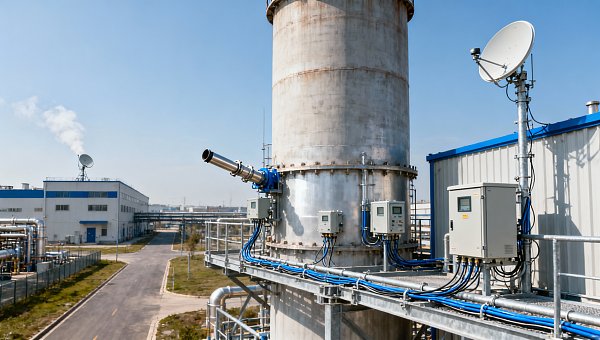
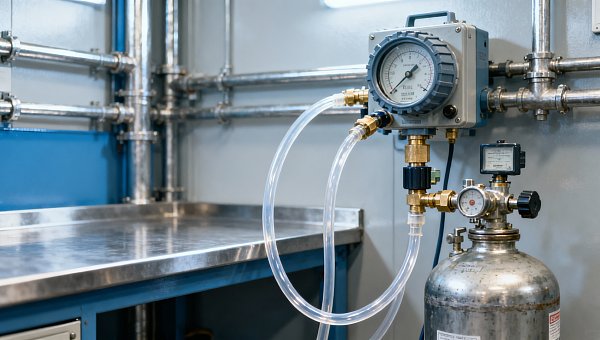
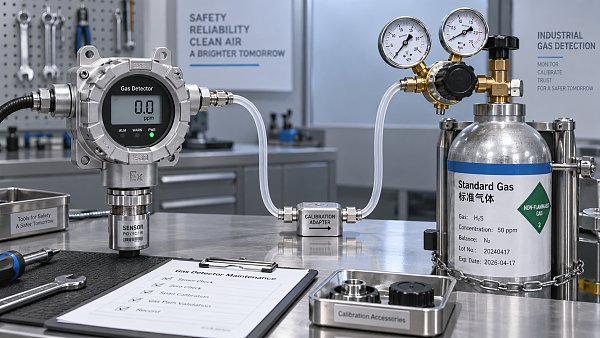
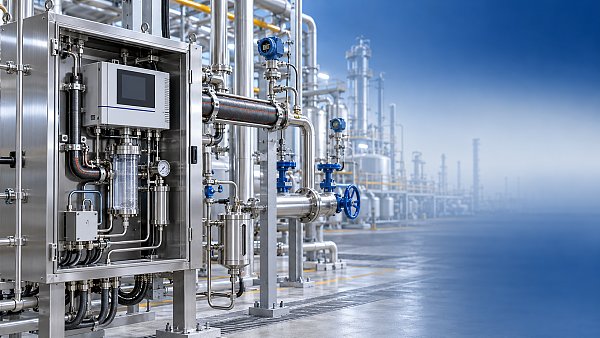
- Maintenance reality: analyzer shelters, calibration gas, and cleaning access matter.
- Control strategy: value rises when analyzer data feeds PLC or DCS logic.
In continuous production, process analyzers usually prevent the longest stops
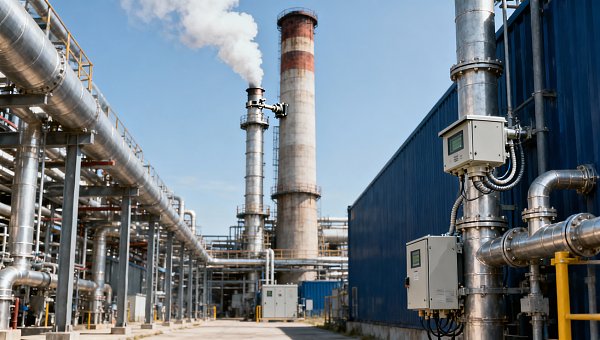
Refining, chemicals, power generation, and water treatment rarely suffer from one dramatic failure alone.
More often, downtime begins with gradual deviation that no one sees early enough.
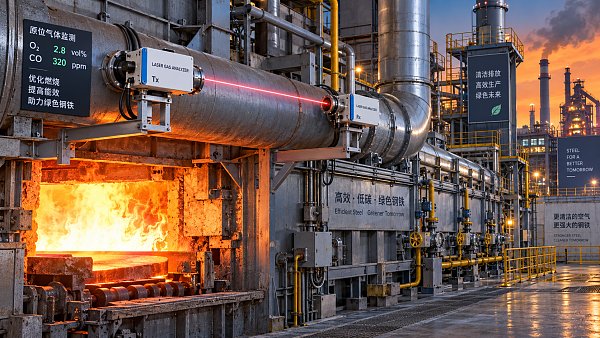
This is where process analyzers create their strongest operational edge.
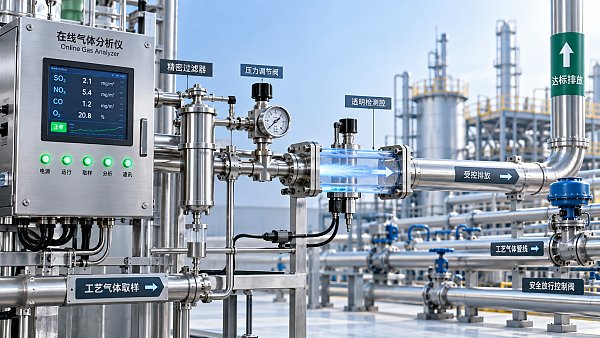
An online pH, conductivity, moisture, oxygen, TOC, or composition analyzer can reveal drift before alarms escalate.
In these settings, lab testing often confirms the issue after the process has already moved off target.
A steam cycle in power generation is a good example.
Waiting for lab results on sodium or silica can mean corrosion risk continues during the delay.
Online process analyzers shorten that exposure window and support corrective action before shutdown becomes unavoidable.
The same pattern appears in blending operations.
If composition moves outside control limits, real-time analyzer data can trigger ratio changes immediately.
Lab testing remains useful for method validation, but not for minute-by-minute rescue.
Batch production and life sciences often need both speed and proof
Batch environments behave differently because each hold point can interrupt the entire schedule.
Food, specialty chemicals, bioprocessing, and pharmaceutical workflows often need release confidence as much as process visibility.
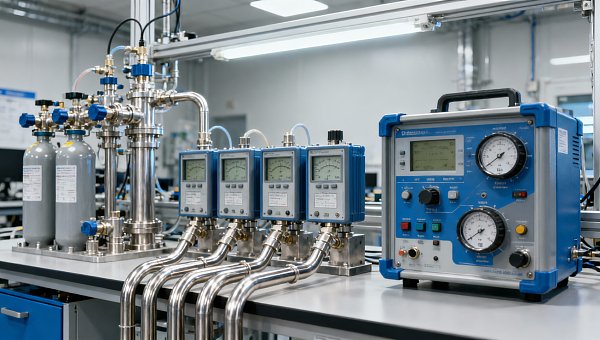
Here, lab testing keeps its value because method flexibility is higher.
A laboratory can investigate contaminants, unexpected byproducts, and low-level composition changes that a fixed analyzer may miss.
Yet downtime still falls when online process analyzers cover the variables that create avoidable holds.
For example, dissolved oxygen, pH, turbidity, or near-infrared measurements can stabilize the batch before final testing.
That means fewer out-of-trend excursions reach the lab in the first place.
In real operations, the fastest model is often layered.
Process analyzers protect cycle continuity, while lab testing protects release integrity and investigation depth.
Compliance-heavy systems care about evidence, not only speed
In emissions monitoring, boiler chemistry, ultrapure water, and regulated discharge control, timing is only one part of the equation.
The data must also stand up to audit, calibration review, and method scrutiny.
This is why some sites overestimate what process analyzers can replace.
Online measurement can reduce downtime from undetected excursions.
It cannot automatically replace every requirement tied to certified laboratory procedures or ISO/IEC 17025 practices.
GIH’s industry perspective is useful here.
Instrumentation decisions only hold value when technical fit, compliance expectations, and supplier reliability stay aligned.
In regulated environments, the fastest route to less downtime is often a documented split.
Use process analyzers for continuous control and lab testing for formal verification, exception review, and audit defense.
Common misreads that slow both options down
One frequent mistake is comparing analyzer response time with lab method time only.
That ignores sample logistics, maintenance downtime, false alarms, and operator workflow.
Another mistake is assuming similar streams need identical process analyzers.
A clean utility loop and a fouling slurry line create very different ownership burdens.
There is also a cost trap.
A low-priced analyzer may look attractive until shelter design, sample conditioning, calibration routines, and spare parts are added.
Lab testing has its own hidden cost when delayed decisions force rework, scrap, or cautious underloading.
- Do not judge process analyzers without sample conditioning requirements.
- Do not judge lab testing without full turnaround time mapping.
- Do not ignore integration with historians, DCS, and alarm strategy.
- Do not separate uptime goals from calibration and service capability.
A practical way to choose before implementation
A useful starting point is to identify which variable causes the most expensive stop.
Then check how quickly that variable moves beyond recoverable limits.
If the window is short, process analyzers deserve priority.
If the window is longer but interpretation is complex, lab testing may remain central.
In many facilities, the strongest result comes from defining clear roles instead of forcing a winner.
Let process analyzers handle continuous visibility, fast alarms, and control loop input.
Let lab testing handle method development, cross-checking, unusual events, and compliance records.
Before moving forward, it helps to compare five points side by side.
- How much downtime comes from late detection versus slow confirmation.
- Which measurements need continuous action and which need defensible documentation.
- Whether the stream is stable enough for reliable online measurement.
- What maintenance, calibration, and utilities the analyzer system will require.
- How supplier support and parts availability affect long-term uptime.
When those conditions are clear, the decision becomes less about instrument preference and more about operational logic.
That is usually the fastest path to selecting process analyzers, preserving lab testing where it matters, and cutting downtime with fewer surprises.
Recommended for You
 How to choose electrochemical analyzers for low-current measurementsCompare electrochemical analyzers for precise low-current measurements. Learn how noise, leakage, bandwidth, and real-cell testing help you choose the right instrument.
 What tolerance does a custom gas mixture need for calibration?Choose the right custom gas tolerance for calibration. Learn how blending tolerance, certified uncertainty, and stability affect accuracy—and avoid paying for precision you don’t need.
 How condensation affects stack detector readings in wet flue gasStack detector readings can drift when wet flue gas condenses. Learn how to identify moisture interference, prevent sample losses, and improve emissions monitoring reliability.
 How to prevent condensation in a CO2 analyzer sampling systemPrevent condensation in your CO2 analyzer sampling system. Learn how to control dew point, eliminate cold spots, and manage moisture for reliable readings and fewer costly disruptions.
 How to verify accuracy claims for industrial quality analyzersVerify accuracy claims for industrial quality analyzers with calibration checks, independent testing, and clear acceptance criteria. Learn how to reduce risk and buy with confidence.
 How to calculate cooling loads for an industrial analyzer shelterSize industrial analyzer shelter cooling with confidence. Learn to calculate equipment heat, solar gains, and ventilation loads, then select HVAC capacity for reliable analyzer performance.
 Oxygen Analyzers for Diving: Calibration Checks Before Nitrox BlendingUsing an oxygen analyzer for diving applications? Discover essential calibration, sensor, and sampling checks before nitrox blending to support reliable readings.
 How Paramagnetic Oxygen Analyzers Work and Why Sample Pressure MattersLearn how a paramagnetic oxygen analyzer works, why sample pressure affects accuracy, and what to check in compensation and calibration before choosing your system.
 How Much Does a Complete CEMS Integration Project Typically Cost?How much does a complete CEMS integration project typically cost? Explore budget ranges, hidden installation costs, and compliance needs to compare quotes and plan confidently.
 What Is the Typical Response Time for Industrial Air Monitors?What is the typical response time for industrial air monitors? Explore T90, sampling delays, and alarm settings to compare performance and choose the right monitor with confidence.
 Do Regulatory Monitoring Systems Need Third-Party Certification?Do regulatory monitoring systems need third-party certification? Learn when it is required, what certificates prove, and how to verify compliance before buying.
 How Do You Choose Wired or Wireless for Stack Monitoring?Learn how to choose between wired and wireless for stack monitoring. Compare reliability, lifecycle costs, and data recovery to find the right CEMS setup for your site.
 What Happens When Combustible Gas Sensor Calibration Is Overdue?What happens if combustible gas sensor is not recalibrated on time? Discover the risks of inaccurate readings and missed alarms, plus steps to restore reliable protection.
 Can One Multi-Gas Detector Replace Four Separate Analyzers?Find out: can a single multi-gas detector replace four separate analyzers? Compare accuracy, safety, compliance, and lifetime costs to make a confident buying decision.
 Industrial Safety vs. Emission Monitoring: What Are the Differences?What are the main differences between industrial safety and emission monitoring? Compare goals, sensors, response times, and compliance needs to choose the right systems for your facility.
 Is Remote Monitoring Worth the Cost for Small Emission Sources?Is it worth investing in remote monitoring for small emission sources? Compare costs, compliance needs, and potential savings to choose the right solution for your operation.
 How Do You Handle Analyzer Failure During an Environmental Audit?Learn how to handle analyzer failure during environmental compliance audit procedures. Protect evidence, verify data, and restore monitoring with this practical response guide.
 Do VOC Monitors Require Explosion-Proof Certification?Does VOC monitoring require explosion-proof certification? Learn when approval is needed, compare ATEX and IECEx, and choose the right monitor for your site.
 How sample conditioning affects accuracy in petrochemical analyzersImprove accuracy in petrochemical analyzers with smarter sample conditioning. Discover how phase control, filtration, and transport design prevent bias and deliver reliable process data.
 How to troubleshoot sensor drift in industrial gas detectorsIndustrial gas detectors showing sensor drift? Learn how to verify calibration gas, identify root causes, and determine when sensor replacement is needed for reliable monitoring.
 How to judge whether a competitive price reflects real valueCompetitive Price: learn how to compare scope, compliance, performance, and lifecycle costs to identify real value, reduce risk, and make smarter purchasing decisions.
 When custom gas analysis is the right fit for complex process streamsCustom gas analysis for complex process streams: learn when tailored sampling, interference control, and reliable measurement design deliver confident decisions.
 When does a laser gas analyzer meet stack emissions monitoring needs?Laser gas analyzer for stack emissions: learn when it delivers fast, reliable data, how to assess installation risks, and what to verify for CEMS compliance.
 How to select a hazardous gas analyzer for confined spacesHazardous gas analyzer selection for confined spaces: compare sensors, sampling, certifications, alarms, and maintenance to protect workers and choose with confidence.
 When is a single gas analyzer sufficient for workplace safety monitoring?Discover when a single gas analyzer delivers reliable workplace safety monitoring, and learn the key limits, calibration needs, and risks that require broader detection.
 How to choose an ambient gas analyzer for low-level leak detectionAmbient gas analyzer selection for low-level leak detection: compare sensitivity, cross-sensitivity, sampling design, alarms, and calibration for reliable site performance.
 How to tell when an oxygen sensor needs replacementOxygen sensor replacement signs explained: learn how live data, fault codes, wiring checks, and exhaust inspections pinpoint the real issue before you buy.
 How laser gas analyzers improve combustion control in steel furnacesLaser gas analyzer for steel industry applications delivers fast in-situ O₂ and CO data to optimize furnace combustion, cut fuel waste, and improve steel heating stability.
 How to verify whether explosion proof equipment meets site requirementsExplosion proof equipment verification made practical: match zones, gas or dust groups, temperature classes, certificates, and installation conditions for confident compliance.
 How industrial gas analysis helps detect contamination before releaseIndustrial Gas Analysis helps detect moisture, oil, oxygen, and toxic contaminants before release—protecting processes, ensuring compliance, and reducing costly risks.
 When is electrochemistry detection the right choice for water analysis?Electrochemistry detection for water analysis: learn when fast, reliable monitoring of ions, chlorine, pH, and more delivers actionable results.
 How industrial standards reduce quality risks in supplier selectionIndustrial Standard guidance helps quality and safety managers reduce supplier risks, verify compliance, strengthen traceability, and build resilient instrumentation supply chains.
Search Categories
Search Categories
- Smart Meters & Power Quality
- Transformer Gas Analyzers
- BESS Thermal Runaway Detectors
- Energy, Power & Smart Grid Monitoring
- Optical Profilers & CMM
- Ultrasonic & X-Ray NDT
- Calibration Standards
- Precision Metrology & NDT
- Water Quality Analyzers
- CEMS & VOCs Monitors
- Price Trends
- Import & Export Updates
- Market Trends
- Industry News
- Industry Insights
Latest Article
- How to choose electrochemical analyzers for low-current measurementsCompare electrochemical analyzers for precise low-current measurements. Learn how noise, leakage, bandwidth, and real-cell testing help you choose the right instrument.Posted by:
- What tolerance does a custom gas mixture need for calibration?Choose the right custom gas tolerance for calibration. Learn how blending tolerance, certified uncertainty, and stability affect accuracy—and avoid paying for precision you don’t need.Posted by:
- How condensation affects stack detector readings in wet flue gasStack detector readings can drift when wet flue gas condenses. Learn how to identify moisture interference, prevent sample losses, and improve emissions monitoring reliability.Posted by:
Please give us a message
