
Hydrogen Analyzer Trends in 2026: Safety and Demand Shifts


A market defined by risk, regulation, and energy transition
In 2026, the hydrogen analyzer market sits at a critical intersection of safety control, decarbonization investment, and digital plant modernization.
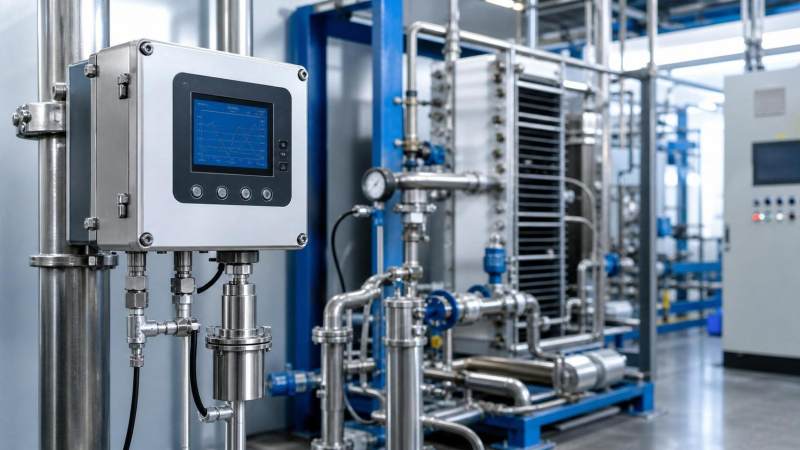
Hydrogen is no longer limited to niche process environments. It now appears across refineries, chemical plants, power systems, electrolyzers, fuel infrastructure, and laboratory operations.
That wider use changes the role of the hydrogen analyzer.
It is not simply a measurement device. It becomes part of a plant’s safety architecture, compliance posture, and uptime strategy.
For organizations tracking instrumentation trends through platforms like Global Instrument Hub, the signal is clear.
Hydrogen measurement is moving from optional optimization toward board-level operational relevance.
Tighter safety expectations, more distributed hydrogen assets, and pressure to verify process data are all pushing demand upward.
At the same time, buyers are becoming more selective about response time, certification, maintenance burden, and integration capability.
What a hydrogen analyzer really needs to do in 2026
A hydrogen analyzer measures hydrogen concentration in gases or process streams, but the practical requirement goes further than detection alone.
In real operations, the instrument must produce stable, trusted data under pressure, heat, contamination, vibration, and changing flow conditions.
That is why technology choice matters.
Thermal conductivity, electrochemical, zirconia-linked systems, gas chromatography-based setups, and tunable laser methods each fit different risk profiles.
The best hydrogen analyzer is rarely the one with the most impressive specification sheet.
Usually, it is the one that matches the process chemistry, hazardous area classification, calibration routine, and control system logic.
This shift in thinking is becoming more visible across industrial procurement.
Instead of buying around unit price, more teams are evaluating total information quality over the analyzer lifecycle.
Why safety standards are reshaping demand
Hydrogen is highly combustible, diffuses quickly, and can accumulate in hard-to-predict ways.
Because of that, safety standards are influencing analyzer design more directly than before.
In 2026, demand is rising for systems that align with ATEX, IECEx, SIL-related expectations, and site-specific hazardous area requirements.
Compliance is no longer a paperwork issue handled late in procurement.
It now affects enclosure design, sensor placement, purge logic, sample conditioning, and communication redundancy from the beginning.
More importantly, safety reviews increasingly ask whether the hydrogen analyzer can support early warning rather than only post-event confirmation.
That favors fast-response platforms with strong diagnostics and fewer false alarms.
- Certified operation in explosive atmospheres
- Reliable performance with moisture, dust, and mixed gases
- Clear alarm thresholds linked to control actions
- Traceable calibration and inspection records
- Remote diagnostics for faster maintenance decisions
These points matter because one weak link can undermine the entire measurement chain.
Where demand is growing fastest
The broad industrial story is not just about more hydrogen. It is about more points where hydrogen must be measured with confidence.
Several sectors are expanding demand at the same time, but for different reasons.
From an instrumentation intelligence perspective, that diversity is important.
It means the hydrogen analyzer market is not one single demand curve. It is a mix of retrofit demand, safety upgrades, and new-energy capacity buildout.
The technology shift is also a data shift
One of the biggest changes in 2026 is that analyzer value is being judged by data usefulness, not just detection accuracy.
Plants want the hydrogen analyzer to speak clearly with DCS, PLC, SCADA, and asset management layers.
That pushes vendors toward smarter diagnostics, digital protocols, and more transparent health indicators.
A unit that drifts quietly is more dangerous than one that fails loudly.
Because of this, self-check functions, predictive maintenance prompts, and remote verification are moving into mainstream evaluation criteria.
This fits a wider pattern tracked by GIH across the instrumentation sector.
Measurement devices are becoming nodes in the industrial nervous system, not isolated hardware boxes.
The hydrogen analyzer now contributes to operational visibility, audit readiness, and cross-site standardization.
What buyers are checking more closely
- Warm-up time and measurement stability after restart
- Cross-sensitivity in mixed or dirty gas streams
- Sample system complexity and consumable dependence
- Digital integration with plant control infrastructure
- Vendor documentation depth and calibration support
These details often decide whether a good specification becomes a reliable field result.
How to interpret value beyond unit price
A low-cost hydrogen analyzer can become expensive when downtime, false alarms, manual recalibration, or spare part delays enter the picture.
That is why procurement logic is changing.
More organizations are comparing analyzers through lifecycle cost, service resilience, and evidence quality.
This is especially relevant in global sourcing, where product availability may look similar, but documentation quality and after-sales depth vary sharply.
GIH’s supply chain research model is useful here because hydrogen measurement decisions often depend on trust signals that are not visible in a brochure.
Factory audit readiness, certification history, component traceability, and application references can matter as much as nominal performance.
In practice, a sound comparison usually covers four layers.
- Measurement fit: range, speed, selectivity, drift behavior
- Safety fit: hazardous area design, certifications, alarm logic
- Operational fit: maintenance interval, service access, consumables
- Supply fit: lead time, support quality, documentation credibility
Practical signals to watch in the year ahead
Several signals will likely separate short-lived demand spikes from durable market direction.
First, green hydrogen projects will keep attracting attention, but not every project will convert into analyzer orders at the same pace.
The more dependable indicator is whether projects move into sustained operation with strict purity and safety reporting needs.
Second, retrofit cycles in conventional industries remain highly relevant.
Legacy systems in refining, power, and chemical processing still represent a large installed base for hydrogen analyzer upgrades.
Third, standards interpretation will become a competitive factor.
Suppliers that can explain compliance boundaries clearly will likely gain more trust than those selling generic capability claims.
Finally, procurement teams will keep favoring analyzers that reduce uncertainty across engineering, safety, and operations at the same time.
That broader business case is what turns a measurement device into a strategic asset.
A grounded next step for 2026 decisions
The most useful next move is not to chase the newest hydrogen analyzer blindly.
It is to map where hydrogen measurement affects safety exposure, process economics, and reporting reliability across the operation.
From there, compare analyzer options against actual gas conditions, compliance demands, integration needs, and supplier credibility.
In 2026, the organizations that make better hydrogen analyzer decisions will usually be the ones using better instrumentation intelligence first.
That means building a clear evaluation framework, validating trust signals early, and treating measurement quality as part of strategic risk control.
Recommended for You
 How to choose electrochemical analyzers for low-current measurementsCompare electrochemical analyzers for precise low-current measurements. Learn how noise, leakage, bandwidth, and real-cell testing help you choose the right instrument.
 What tolerance does a custom gas mixture need for calibration?Choose the right custom gas tolerance for calibration. Learn how blending tolerance, certified uncertainty, and stability affect accuracy—and avoid paying for precision you don’t need.
 How condensation affects stack detector readings in wet flue gasStack detector readings can drift when wet flue gas condenses. Learn how to identify moisture interference, prevent sample losses, and improve emissions monitoring reliability.
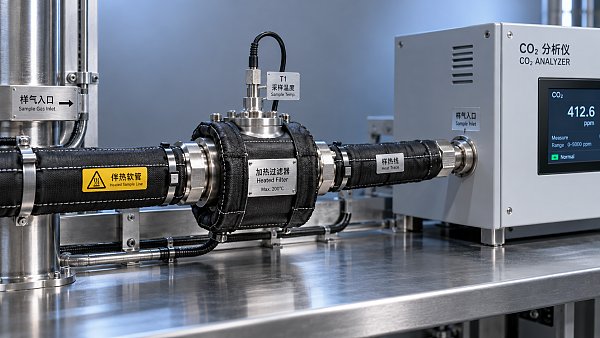
 How to prevent condensation in a CO2 analyzer sampling systemPrevent condensation in your CO2 analyzer sampling system. Learn how to control dew point, eliminate cold spots, and manage moisture for reliable readings and fewer costly disruptions.
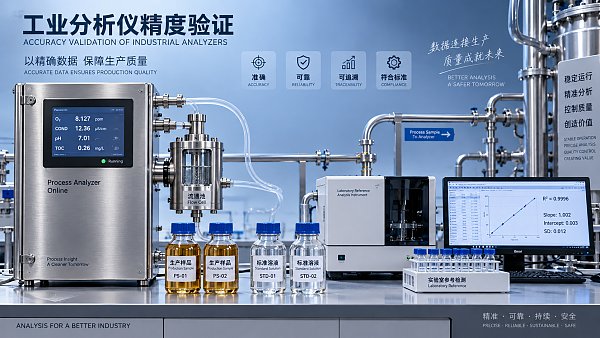
 How to verify accuracy claims for industrial quality analyzersVerify accuracy claims for industrial quality analyzers with calibration checks, independent testing, and clear acceptance criteria. Learn how to reduce risk and buy with confidence.
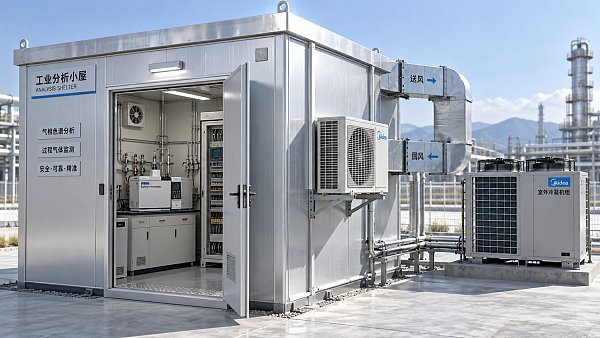
 How to calculate cooling loads for an industrial analyzer shelterSize industrial analyzer shelter cooling with confidence. Learn to calculate equipment heat, solar gains, and ventilation loads, then select HVAC capacity for reliable analyzer performance.
 How Much Does a Complete CEMS Integration Project Typically Cost?How much does a complete CEMS integration project typically cost? Explore budget ranges, hidden installation costs, and compliance needs to compare quotes and plan confidently.
 What Is the Typical Response Time for Industrial Air Monitors?What is the typical response time for industrial air monitors? Explore T90, sampling delays, and alarm settings to compare performance and choose the right monitor with confidence.
 Do Regulatory Monitoring Systems Need Third-Party Certification?Do regulatory monitoring systems need third-party certification? Learn when it is required, what certificates prove, and how to verify compliance before buying.
 How Do You Choose Wired or Wireless for Stack Monitoring?Learn how to choose between wired and wireless for stack monitoring. Compare reliability, lifecycle costs, and data recovery to find the right CEMS setup for your site.
 What Happens When Combustible Gas Sensor Calibration Is Overdue?What happens if combustible gas sensor is not recalibrated on time? Discover the risks of inaccurate readings and missed alarms, plus steps to restore reliable protection.
 Can One Multi-Gas Detector Replace Four Separate Analyzers?Find out: can a single multi-gas detector replace four separate analyzers? Compare accuracy, safety, compliance, and lifetime costs to make a confident buying decision.
 Industrial Safety vs. Emission Monitoring: What Are the Differences?What are the main differences between industrial safety and emission monitoring? Compare goals, sensors, response times, and compliance needs to choose the right systems for your facility.
 Is Remote Monitoring Worth the Cost for Small Emission Sources?Is it worth investing in remote monitoring for small emission sources? Compare costs, compliance needs, and potential savings to choose the right solution for your operation.
 How Do You Handle Analyzer Failure During an Environmental Audit?Learn how to handle analyzer failure during environmental compliance audit procedures. Protect evidence, verify data, and restore monitoring with this practical response guide.
 Do VOC Monitors Require Explosion-Proof Certification?Does VOC monitoring require explosion-proof certification? Learn when approval is needed, compare ATEX and IECEx, and choose the right monitor for your site.
 How sample conditioning affects accuracy in petrochemical analyzersImprove accuracy in petrochemical analyzers with smarter sample conditioning. Discover how phase control, filtration, and transport design prevent bias and deliver reliable process data.
 How to troubleshoot sensor drift in industrial gas detectorsIndustrial gas detectors showing sensor drift? Learn how to verify calibration gas, identify root causes, and determine when sensor replacement is needed for reliable monitoring.
 How to judge whether a competitive price reflects real valueCompetitive Price: learn how to compare scope, compliance, performance, and lifecycle costs to identify real value, reduce risk, and make smarter purchasing decisions.
 When custom gas analysis is the right fit for complex process streamsCustom gas analysis for complex process streams: learn when tailored sampling, interference control, and reliable measurement design deliver confident decisions.
 When does a laser gas analyzer meet stack emissions monitoring needs?Laser gas analyzer for stack emissions: learn when it delivers fast, reliable data, how to assess installation risks, and what to verify for CEMS compliance.
 How to select a hazardous gas analyzer for confined spacesHazardous gas analyzer selection for confined spaces: compare sensors, sampling, certifications, alarms, and maintenance to protect workers and choose with confidence.
 When is a single gas analyzer sufficient for workplace safety monitoring?Discover when a single gas analyzer delivers reliable workplace safety monitoring, and learn the key limits, calibration needs, and risks that require broader detection.
 How to choose an ambient gas analyzer for low-level leak detectionAmbient gas analyzer selection for low-level leak detection: compare sensitivity, cross-sensitivity, sampling design, alarms, and calibration for reliable site performance.
 How to tell when an oxygen sensor needs replacementOxygen sensor replacement signs explained: learn how live data, fault codes, wiring checks, and exhaust inspections pinpoint the real issue before you buy.
 How laser gas analyzers improve combustion control in steel furnacesLaser gas analyzer for steel industry applications delivers fast in-situ O₂ and CO data to optimize furnace combustion, cut fuel waste, and improve steel heating stability.
 How to verify whether explosion proof equipment meets site requirementsExplosion proof equipment verification made practical: match zones, gas or dust groups, temperature classes, certificates, and installation conditions for confident compliance.
 How industrial gas analysis helps detect contamination before releaseIndustrial Gas Analysis helps detect moisture, oil, oxygen, and toxic contaminants before release—protecting processes, ensuring compliance, and reducing costly risks.
 When is electrochemistry detection the right choice for water analysis?Electrochemistry detection for water analysis: learn when fast, reliable monitoring of ions, chlorine, pH, and more delivers actionable results.
 How industrial standards reduce quality risks in supplier selectionIndustrial Standard guidance helps quality and safety managers reduce supplier risks, verify compliance, strengthen traceability, and build resilient instrumentation supply chains.
 When does a multi-component system reduce installation complexity?Multi component systems reduce installation complexity when they eliminate field interfaces, streamline commissioning, and provide proven compatibility. Learn how to assess total cost and supplier accountability.
 How to size an industrial control shelter for outdoor equipmentIndustrial control shelter sizing guide: optimize layout, HVAC, access, safety, and expansion space for reliable outdoor equipment operations.
Search Categories
Search Categories
- Smart Meters & Power Quality
- Transformer Gas Analyzers
- BESS Thermal Runaway Detectors
- Energy, Power & Smart Grid Monitoring
- Optical Profilers & CMM
- Ultrasonic & X-Ray NDT
- Calibration Standards
- Precision Metrology & NDT
- Water Quality Analyzers
- CEMS & VOCs Monitors
- Price Trends
- Import & Export Updates
- Market Trends
- Industry News
- Industry Insights
Latest Article
- How to choose electrochemical analyzers for low-current measurementsCompare electrochemical analyzers for precise low-current measurements. Learn how noise, leakage, bandwidth, and real-cell testing help you choose the right instrument.Posted by:
- What tolerance does a custom gas mixture need for calibration?Choose the right custom gas tolerance for calibration. Learn how blending tolerance, certified uncertainty, and stability affect accuracy—and avoid paying for precision you don’t need.Posted by:
- How condensation affects stack detector readings in wet flue gasStack detector readings can drift when wet flue gas condenses. Learn how to identify moisture interference, prevent sample losses, and improve emissions monitoring reliability.Posted by:
Please give us a message
