
Gas Calibration Costs: What Affects Price and Accuracy


Gas Calibration Costs: What Affects Price and Accuracy
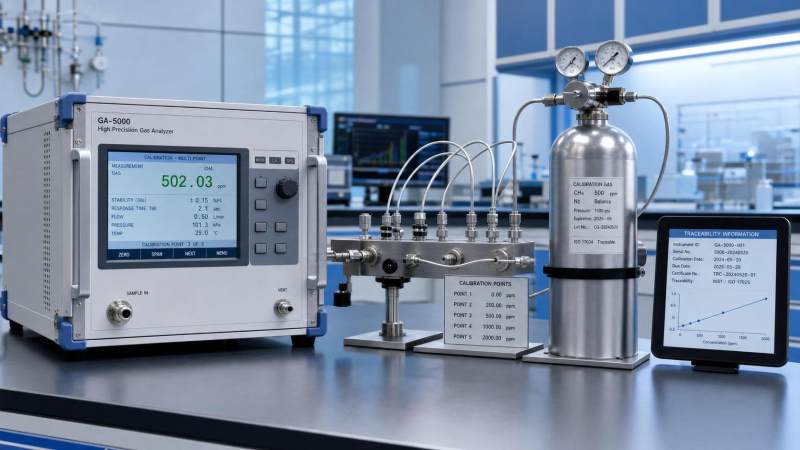
Gas calibration costs can vary widely, and the lowest quote rarely delivers the best long-term value.
For operations that depend on reliable readings, price and accuracy are tightly linked.
That matters in manufacturing, energy, laboratories, environmental monitoring, and regulated process industries.
A cheap service can become expensive when drift, delays, or failed audits disrupt production.
A higher upfront fee may reduce compliance risk, rework, downtime, and instrument replacement.
In practical buying decisions, the goal is not simply lower gas calibration costs.
The goal is dependable measurement performance at a predictable total cost.
This guide explains what drives gas calibration pricing and how to compare service options with confidence.
Why Gas Calibration Costs Vary So Much
Gas calibration is not one fixed service.
Pricing changes with the gas mixture, concentration range, instrument design, service method, and documentation level.
Recent market shifts make this even more visible.
Supply chain pressure, specialty gas handling requirements, and tighter compliance expectations are raising service complexity.
This also means two quotes may look similar while covering very different scopes.
- Basic calibration may include only adjustment and a simple pass or fail result.
- Advanced service may include uncertainty data, traceability, preventive checks, and full certificates.
- Field work often costs more than depot service because of travel, scheduling, and site safety requirements.
When reviewing gas calibration costs, scope clarity matters more than headline price.
The Biggest Cost Drivers in Gas Calibration
Reference Gas Quality
Reference gas quality has a direct impact on both price and measurement confidence.
Certified mixtures with tighter tolerances cost more than general-purpose blends.
For critical analyzers, low-grade gas creates hidden risk.
Instrument Type and Detection Technology
Single-gas detectors are usually faster and cheaper to calibrate than complex analyzers.
Infrared, electrochemical, PID, thermal conductivity, and multi-channel systems need different procedures.
The more complex the sensor architecture, the higher the gas calibration costs often become.
Range, Points, and Tolerance
A one-point bump check is not the same as a multi-point calibration across the full operating range.
More points mean more time, more gas use, and more documentation.
Tighter accuracy demands also increase labor and verification steps.
Accreditation and Documentation
ISO/IEC 17025-accredited calibration usually costs more than non-accredited service.
However, accredited results can reduce audit friction and strengthen quality records.
In regulated environments, this premium is often justified.
Turnaround Time
Rush service almost always raises gas calibration costs.
Expedited queues, after-hours work, and emergency site visits add labor pressure.
Planning calibration cycles early often produces better pricing.
How Accuracy and Price Connect in Real Operations
Accuracy is not just a technical issue.
It affects production decisions, worker safety, emissions reporting, and asset performance.
That is why gas calibration costs should be evaluated against operational consequences.
A calibration error may trigger false alarms, missed leaks, off-spec batches, or unstable process control.
In high-risk environments, the cost of one wrong reading can exceed a full annual service budget.
More importantly, stable calibration improves trend reliability.
Teams can trust data history, compare sites fairly, and make maintenance decisions earlier.
This is where better service quality often pays for itself quietly over time.
What to Compare When Reviewing Supplier Quotes
A useful quote should make gas calibration costs transparent, not harder to decode.
In actual sourcing work, the best comparisons come from a structured checklist.
- Confirm whether the service is accredited or standard.
- Check which gases, ranges, and calibration points are included.
- Review the certificate details, uncertainty statement, and traceability records.
- Ask if adjustment, repair screening, and sensor health checks are included.
- Clarify logistics, travel fees, shipping risk, and turnaround commitments.
- Verify whether loan units or swap programs are available.
A lower quote may exclude items that later appear as extra charges.
That is one of the most common reasons gas calibration costs exceed the initial budget.
Common Pricing Models and Hidden Cost Risks
Suppliers usually price gas calibration in one of several ways.
Hidden costs often appear in freight, hazardous handling, replacement sensors, failed calibration retries, and emergency scheduling.
It is worth asking for a total-cost view before making a final decision.
How to Reduce Gas Calibration Costs Without Hurting Accuracy
Lower gas calibration costs and strong accuracy can coexist when the program is managed well.
- Standardize instrument models where possible to simplify service procedures.
- Bundle sites or devices into planned service windows to cut travel charges.
- Use risk-based intervals where regulations and process criticality allow.
- Track drift history to identify unstable devices before failure escalates.
- Separate routine devices from mission-critical assets that need premium calibration support.
Another smart move is aligning calibration requirements with actual application demands.
Not every device needs the same certificate detail or the same turnaround speed.
This kind of segmentation often improves both cost control and service reliability.
Questions That Lead to Better Supplier Decisions
Strong sourcing decisions usually come from better questions, not just more quotes.
- What reference gases are used, and what traceability backs them?
- Which standards define the calibration method?
- What percentage of instruments fail initial calibration?
- How are out-of-tolerance results reported and resolved?
- Can the provider support multi-site programs across regions?
- What data format is available for audit and asset management systems?
These questions reveal whether the supplier is selling a basic task or a dependable calibration program.
Final Takeaway
Gas calibration costs are shaped by technical requirements, service scope, compliance needs, and operational urgency.
Price matters, but accuracy, traceability, and uptime matter more in the long run.
A practical evaluation compares total cost, calibration quality, certificate value, and supplier responsiveness together.
When gas calibration decisions are tied to real risk and real usage, budgets become easier to defend.
The most reliable choice is usually the provider that helps preserve measurement truth, not simply lower the invoice.
Recommended for You
 What tolerance does a custom gas mixture need for calibration?Choose the right custom gas tolerance for calibration. Learn how blending tolerance, certified uncertainty, and stability affect accuracy—and avoid paying for precision you don’t need.
 How condensation affects stack detector readings in wet flue gasStack detector readings can drift when wet flue gas condenses. Learn how to identify moisture interference, prevent sample losses, and improve emissions monitoring reliability.
 How to prevent condensation in a CO2 analyzer sampling systemPrevent condensation in your CO2 analyzer sampling system. Learn how to control dew point, eliminate cold spots, and manage moisture for reliable readings and fewer costly disruptions.
 How to verify accuracy claims for industrial quality analyzersVerify accuracy claims for industrial quality analyzers with calibration checks, independent testing, and clear acceptance criteria. Learn how to reduce risk and buy with confidence.
 How to calculate cooling loads for an industrial analyzer shelterSize industrial analyzer shelter cooling with confidence. Learn to calculate equipment heat, solar gains, and ventilation loads, then select HVAC capacity for reliable analyzer performance.
 How Much Does a Complete CEMS Integration Project Typically Cost?How much does a complete CEMS integration project typically cost? Explore budget ranges, hidden installation costs, and compliance needs to compare quotes and plan confidently.
 What Is the Typical Response Time for Industrial Air Monitors?What is the typical response time for industrial air monitors? Explore T90, sampling delays, and alarm settings to compare performance and choose the right monitor with confidence.
 Do Regulatory Monitoring Systems Need Third-Party Certification?Do regulatory monitoring systems need third-party certification? Learn when it is required, what certificates prove, and how to verify compliance before buying.
 How Do You Choose Wired or Wireless for Stack Monitoring?Learn how to choose between wired and wireless for stack monitoring. Compare reliability, lifecycle costs, and data recovery to find the right CEMS setup for your site.
 What Happens When Combustible Gas Sensor Calibration Is Overdue?What happens if combustible gas sensor is not recalibrated on time? Discover the risks of inaccurate readings and missed alarms, plus steps to restore reliable protection.
 Can One Multi-Gas Detector Replace Four Separate Analyzers?Find out: can a single multi-gas detector replace four separate analyzers? Compare accuracy, safety, compliance, and lifetime costs to make a confident buying decision.
 Industrial Safety vs. Emission Monitoring: What Are the Differences?What are the main differences between industrial safety and emission monitoring? Compare goals, sensors, response times, and compliance needs to choose the right systems for your facility.
 Is Remote Monitoring Worth the Cost for Small Emission Sources?Is it worth investing in remote monitoring for small emission sources? Compare costs, compliance needs, and potential savings to choose the right solution for your operation.
 How Do You Handle Analyzer Failure During an Environmental Audit?Learn how to handle analyzer failure during environmental compliance audit procedures. Protect evidence, verify data, and restore monitoring with this practical response guide.
 Do VOC Monitors Require Explosion-Proof Certification?Does VOC monitoring require explosion-proof certification? Learn when approval is needed, compare ATEX and IECEx, and choose the right monitor for your site.
 How sample conditioning affects accuracy in petrochemical analyzersImprove accuracy in petrochemical analyzers with smarter sample conditioning. Discover how phase control, filtration, and transport design prevent bias and deliver reliable process data.
 How to troubleshoot sensor drift in industrial gas detectorsIndustrial gas detectors showing sensor drift? Learn how to verify calibration gas, identify root causes, and determine when sensor replacement is needed for reliable monitoring.
 How to judge whether a competitive price reflects real valueCompetitive Price: learn how to compare scope, compliance, performance, and lifecycle costs to identify real value, reduce risk, and make smarter purchasing decisions.
 When custom gas analysis is the right fit for complex process streamsCustom gas analysis for complex process streams: learn when tailored sampling, interference control, and reliable measurement design deliver confident decisions.
 When does a laser gas analyzer meet stack emissions monitoring needs?Laser gas analyzer for stack emissions: learn when it delivers fast, reliable data, how to assess installation risks, and what to verify for CEMS compliance.
 How to select a hazardous gas analyzer for confined spacesHazardous gas analyzer selection for confined spaces: compare sensors, sampling, certifications, alarms, and maintenance to protect workers and choose with confidence.
 When is a single gas analyzer sufficient for workplace safety monitoring?Discover when a single gas analyzer delivers reliable workplace safety monitoring, and learn the key limits, calibration needs, and risks that require broader detection.
 How to choose an ambient gas analyzer for low-level leak detectionAmbient gas analyzer selection for low-level leak detection: compare sensitivity, cross-sensitivity, sampling design, alarms, and calibration for reliable site performance.
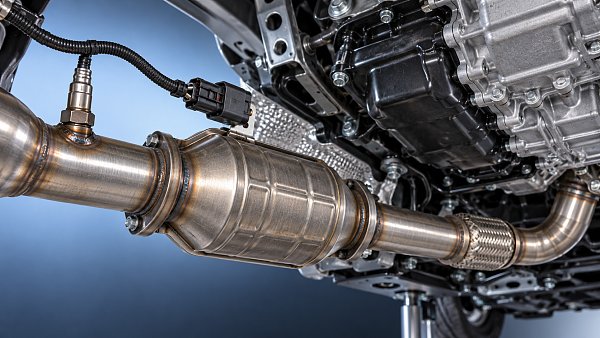
 How to tell when an oxygen sensor needs replacementOxygen sensor replacement signs explained: learn how live data, fault codes, wiring checks, and exhaust inspections pinpoint the real issue before you buy.
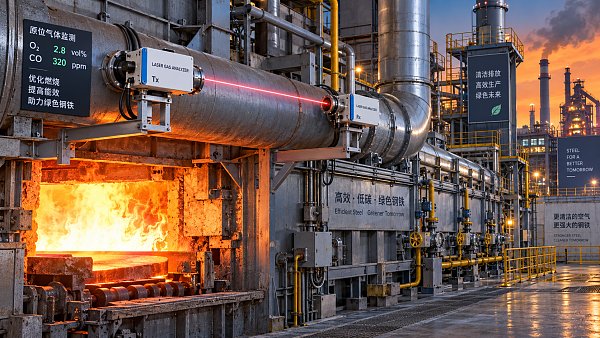
 How laser gas analyzers improve combustion control in steel furnacesLaser gas analyzer for steel industry applications delivers fast in-situ O₂ and CO data to optimize furnace combustion, cut fuel waste, and improve steel heating stability.
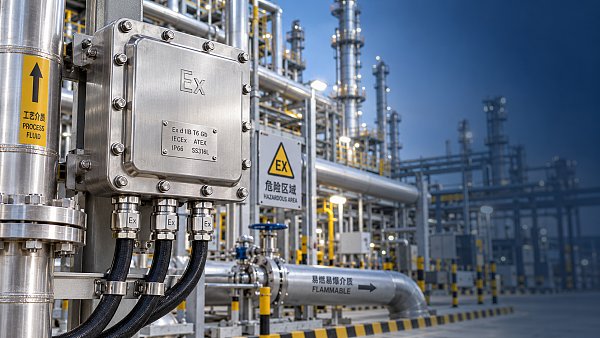
 How to verify whether explosion proof equipment meets site requirementsExplosion proof equipment verification made practical: match zones, gas or dust groups, temperature classes, certificates, and installation conditions for confident compliance.
 How industrial gas analysis helps detect contamination before releaseIndustrial Gas Analysis helps detect moisture, oil, oxygen, and toxic contaminants before release—protecting processes, ensuring compliance, and reducing costly risks.
 When is electrochemistry detection the right choice for water analysis?Electrochemistry detection for water analysis: learn when fast, reliable monitoring of ions, chlorine, pH, and more delivers actionable results.
 How industrial standards reduce quality risks in supplier selectionIndustrial Standard guidance helps quality and safety managers reduce supplier risks, verify compliance, strengthen traceability, and build resilient instrumentation supply chains.
 When does a multi-component system reduce installation complexity?Multi component systems reduce installation complexity when they eliminate field interfaces, streamline commissioning, and provide proven compatibility. Learn how to assess total cost and supplier accountability.
 How to size an industrial control shelter for outdoor equipmentIndustrial control shelter sizing guide: optimize layout, HVAC, access, safety, and expansion space for reliable outdoor equipment operations.
 How flue analysis helps verify combustion efficiencyFlue analysis verifies combustion efficiency by assessing O2, CO, CO2, and stack temperature to identify excess air, incomplete combustion, and heat losses.
Search Categories
Search Categories
- Smart Meters & Power Quality
- Transformer Gas Analyzers
- BESS Thermal Runaway Detectors
- Energy, Power & Smart Grid Monitoring
- Optical Profilers & CMM
- Ultrasonic & X-Ray NDT
- Calibration Standards
- Precision Metrology & NDT
- Water Quality Analyzers
- CEMS & VOCs Monitors
- Price Trends
- Import & Export Updates
- Market Trends
- Industry News
- Industry Insights
Latest Article
- What tolerance does a custom gas mixture need for calibration?Choose the right custom gas tolerance for calibration. Learn how blending tolerance, certified uncertainty, and stability affect accuracy—and avoid paying for precision you don’t need.Posted by:
- How condensation affects stack detector readings in wet flue gasStack detector readings can drift when wet flue gas condenses. Learn how to identify moisture interference, prevent sample losses, and improve emissions monitoring reliability.Posted by:
- How to prevent condensation in a CO2 analyzer sampling systemPrevent condensation in your CO2 analyzer sampling system. Learn how to control dew point, eliminate cold spots, and manage moisture for reliable readings and fewer costly disruptions.Posted by:
Please give us a message
