
C2H2 Concentration Analyzer Price Factors in 2026 Projects


C2H2 Concentration Analyzer Price Factors in 2026 Projects
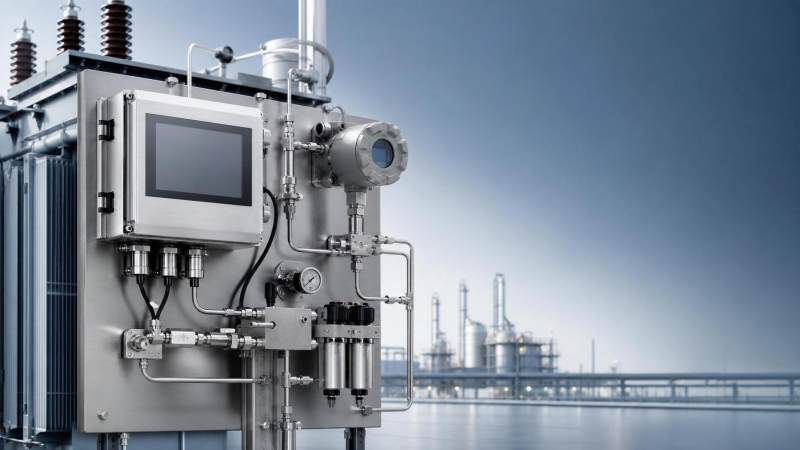
For 2026 project planning, C2H2 concentration analyzer budgeting is no longer a simple equipment comparison exercise.
Price gaps often reflect technical risk, compliance burden, and operating cost over many years.
That matters especially in transformer monitoring, petrochemical safety, specialty gas control, and laboratory-linked industrial processes.
A low initial quote can look attractive, yet become expensive after calibration downtime, spare parts delays, or failed site acceptance.
A high quote may also be inflated by features that do not match the actual process requirement.
The practical goal is to understand which C2H2 concentration analyzer price factors are justified, and which are not.
This guide breaks down the cost drivers that shape quotations in 2026 projects and shows how to compare offers with more confidence.
Why C2H2 Concentration Analyzer Prices Vary So Much
The first reason is application complexity.
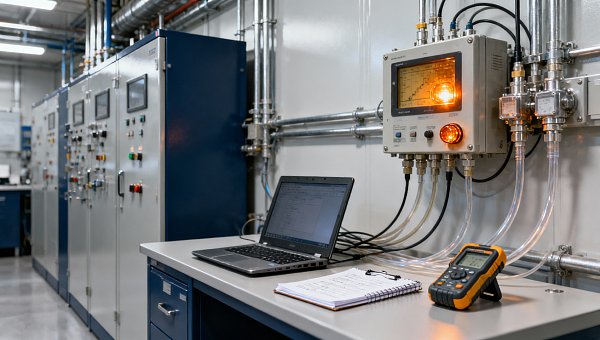
A C2H2 concentration analyzer used in dissolved gas analysis for transformers differs from one installed in a hazardous gas process line.
Sampling method, environmental protection, and response speed can all change the build cost.
The second reason is specification depth.
Not every analyzer supports the same detection limit, repeatability, drift control, or communications package.
The third reason is project delivery scope.
Some quotes cover only the analyzer body.
Others include probes, conditioning systems, software, FAT, commissioning, training, and long-term service packages.
In real procurement work, these differences explain why two C2H2 concentration analyzer offers can be far apart even with similar headline specifications.
Detection Technology Has the Biggest Cost Impact
Technology choice is usually the largest pricing variable.
Different C2H2 concentration analyzer platforms use different sensing principles, and each has cost implications.
Common technology options
- Electrochemical designs are often lower in entry price, but sensor replacement cycles can increase lifecycle cost.
- NDIR solutions may offer stronger stability for some gas applications, though the optical path adds cost.
- Photoacoustic or laser-based systems tend to command premium pricing for selectivity and low detection limits.
- Gas chromatography based units can be the most expensive when multi-gas precision is required.
From a pricing perspective, better selectivity usually means a higher analyzer price.
But it can also reduce false alarms, manual verification, and process interruptions.
That tradeoff should be evaluated against the criticality of the monitored asset, not against price alone.
Measurement Range, Sensitivity, and Accuracy Drive Specification Premiums
A wider range does not automatically mean a better fit.
Many projects overbuy here, then pay for performance they never use.
If the process needs trace-level acetylene detection, the C2H2 concentration analyzer must support low ppm or even sub-ppm sensitivity.
That usually raises price because the sensing element, compensation design, and calibration requirements become more demanding.
Accuracy claims also need careful reading.
Some vendors quote full-scale accuracy.
Others quote reading-based accuracy, which may look better on paper but perform differently across the full range.
A practical quote review should check these items:
- Minimum detection limit for actual alarm thresholds.
- Repeatability under site temperature swings.
- Long-term drift and calibration interval.
- Cross-sensitivity to adjacent gases or vapors.
These four points often explain hidden differences in C2H2 concentration analyzer price.
Hazardous Area Certification and Enclosure Design Add Real Cost
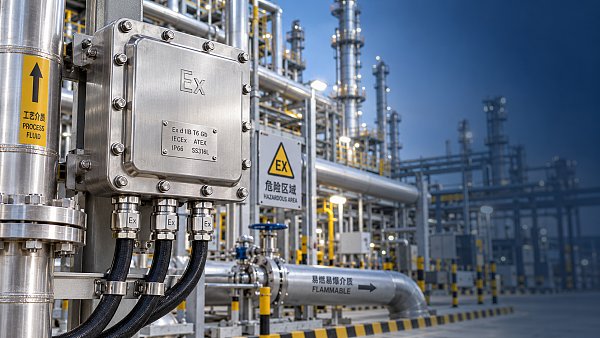
For oil and gas, chemical plants, and certain power applications, compliance is a major price driver.
An explosion-proof or intrinsically safe C2H2 concentration analyzer will cost more than a general-purpose model.
ATEX, IECEx, and local electrical approvals can all affect quotation level and lead time.
The enclosure also matters.
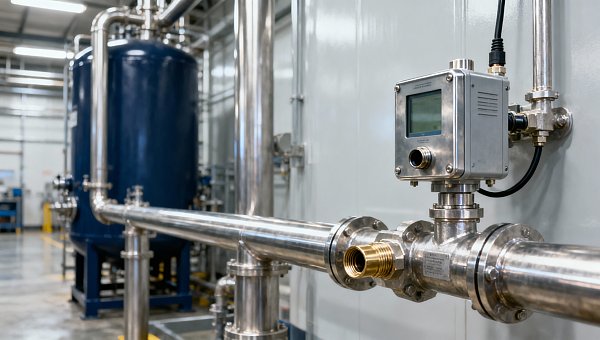
Marine-grade coatings, stainless steel housings, IP66 or IP67 protection, and corrosion resistance all increase hardware cost.
Still, these are often justified when downtime or safety exposure is expensive.
A cheap unit with the wrong enclosure can fail early, especially in humid, dusty, or salt-laden environments.
Sampling System and Integration Scope Often Change the Final Quote
Many buyers focus on the analyzer body and underestimate the balance-of-system cost.
In practice, the sampling system can account for a meaningful share of the total package price.
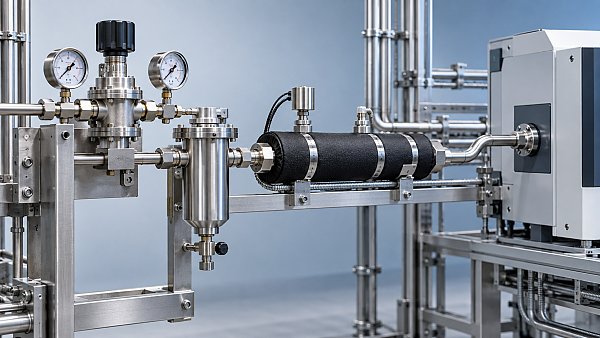
Filters, pumps, valves, heated lines, moisture management, and pressure conditioning all add material and engineering cost.
The same is true for controls integration.
A standalone C2H2 concentration analyzer with 4-20 mA output is cheaper than a package with Modbus, Profibus, Ethernet, historian connectivity, and remote diagnostics.
This also means quotation comparisons should separate equipment cost from integration cost.
Otherwise, one supplier may appear expensive simply because more project scope is already included.
Supplier Capability Influences Cost More Than Many Teams Expect
A C2H2 concentration analyzer is not just a catalog item.
It is part of a measurement chain that depends on supplier engineering competence.
Vendors with stronger application support may quote higher, but they often reduce project execution risk.
This becomes more visible in 2026 projects, where digital integration, compliance evidence, and global service responsiveness matter more.
Useful supplier evaluation points include:
- Installed base in similar industries.
- Calibration and maintenance support regionally.
- Spare parts lead time and stocking policy.
- Documentation quality for FAT, SAT, and audits.
- Software update policy and cybersecurity readiness.
In many cases, the best C2H2 concentration analyzer value comes from the supplier that prevents problems before startup.
How to Compare Quotations Without Missing Lifecycle Cost
A disciplined comparison method helps avoid distorted decisions.
Instead of ranking bids by purchase price only, compare the total ownership picture over the expected service period.
A practical quotation checklist
- Normalize scope line by line across all suppliers.
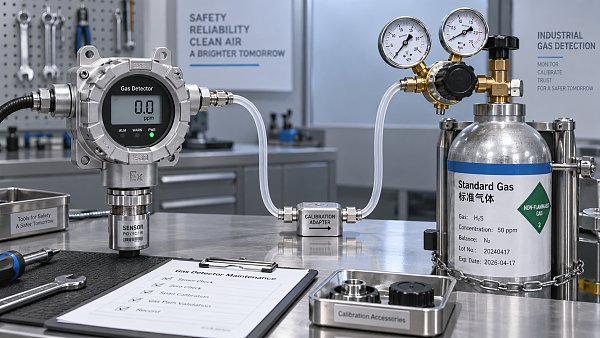
- Calculate calibration gas, sensor, and consumables cost.
- Estimate maintenance labor and expected downtime.
- Review certification validity for the target country and site.
- Check communication compatibility with existing PLC or DCS systems.
- Confirm warranty terms and performance commitments.
This framework makes C2H2 concentration analyzer pricing easier to interpret in business terms.
It also creates a clearer basis for negotiation.
For example, a supplier may reduce total cost more effectively through longer calibration intervals than through a small unit discount.
What to Prioritize in 2026 C2H2 Concentration Analyzer Procurement
Recent market signals point to three procurement priorities.
First, compliance and traceability requirements are getting stricter across energy, chemicals, and infrastructure projects.
Second, digital connectivity is becoming a standard requirement rather than an upgrade option.
Third, service resilience matters more because supply chains remain uneven in many regions.
So the most effective buying strategy is straightforward.
Define the exact monitoring objective, match the C2H2 concentration analyzer technology to that objective, and challenge every optional feature against real operational value.
Then compare suppliers on support quality, not just hardware specification.
A strong 2026 decision usually comes from balancing analyzer price, site risk, and lifecycle performance as one package.
That approach leads to cleaner quotations, fewer surprises during execution, and a C2H2 concentration analyzer selection that holds up well after commissioning.
Recommended for You
 How to set industrial calibration intervals based on equipment riskSet industrial calibration intervals based on equipment risk, drift, and as-found data. Learn when to shorten or extend schedules to improve reliability and avoid unnecessary costs.
 How to choose electrochemical analyzers for low-current measurementsCompare electrochemical analyzers for precise low-current measurements. Learn how noise, leakage, bandwidth, and real-cell testing help you choose the right instrument.
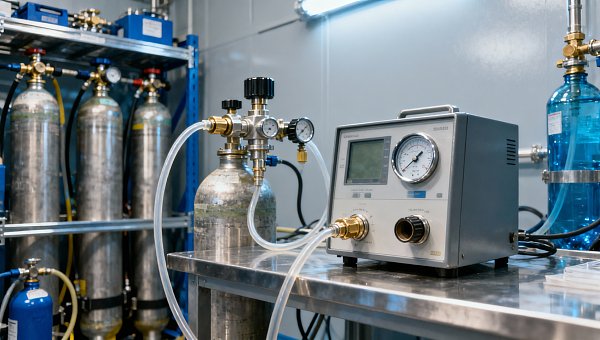
 What tolerance does a custom gas mixture need for calibration?Choose the right custom gas tolerance for calibration. Learn how blending tolerance, certified uncertainty, and stability affect accuracy—and avoid paying for precision you don’t need.
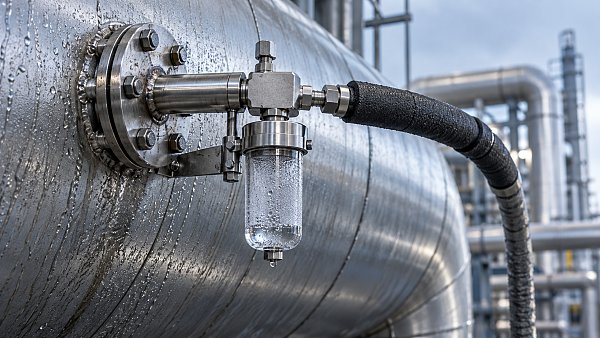
 How condensation affects stack detector readings in wet flue gasStack detector readings can drift when wet flue gas condenses. Learn how to identify moisture interference, prevent sample losses, and improve emissions monitoring reliability.
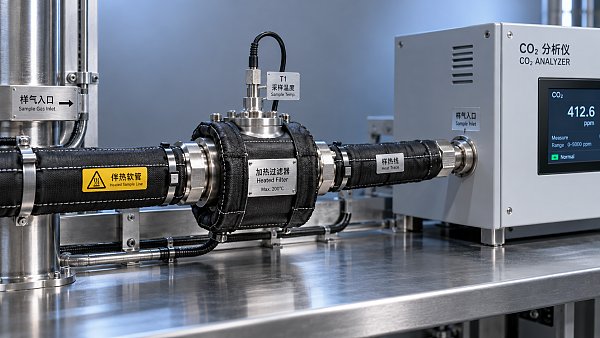
 How to prevent condensation in a CO2 analyzer sampling systemPrevent condensation in your CO2 analyzer sampling system. Learn how to control dew point, eliminate cold spots, and manage moisture for reliable readings and fewer costly disruptions.
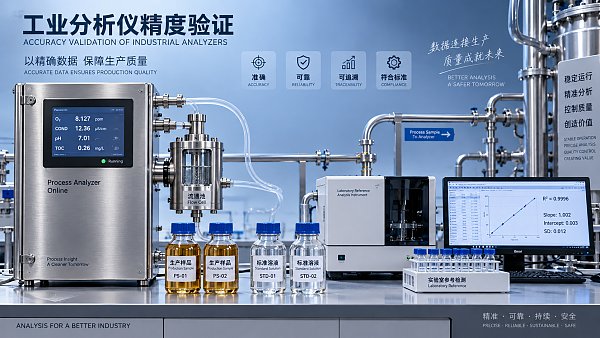
 How to verify accuracy claims for industrial quality analyzersVerify accuracy claims for industrial quality analyzers with calibration checks, independent testing, and clear acceptance criteria. Learn how to reduce risk and buy with confidence.
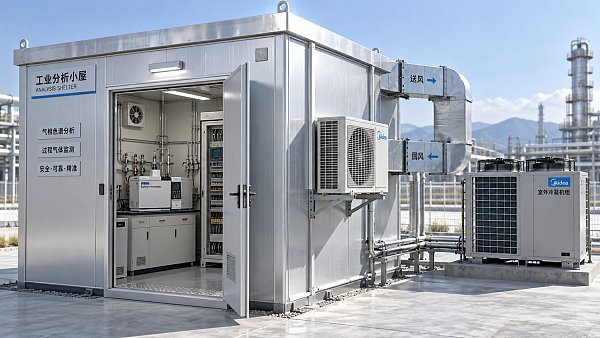
 How to calculate cooling loads for an industrial analyzer shelterSize industrial analyzer shelter cooling with confidence. Learn to calculate equipment heat, solar gains, and ventilation loads, then select HVAC capacity for reliable analyzer performance.
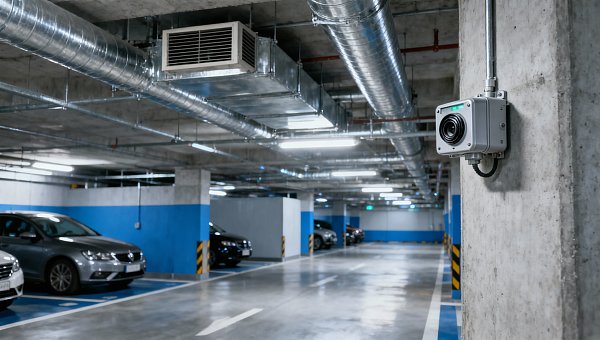
 Where to Place CO Analyzers for Effective Parking Garage VentilationOptimize your CO analyzer for parking garage ventilation with practical placement tips. Learn how sensor height, airflow, and zone coverage support timely detection and effective fan control.
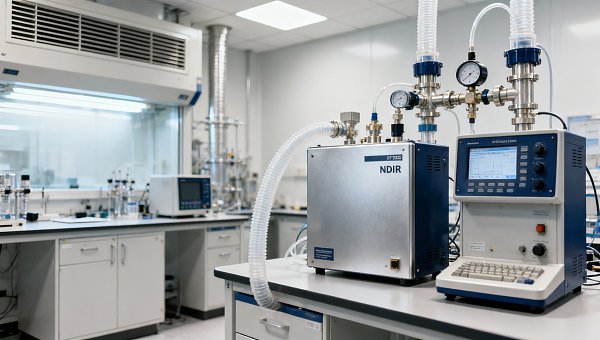
 NDIR vs. FTIR Gas Analyzers: Which Fits Your Environmental Research?Find the right infrared gas analyzer for environmental research. Compare NDIR vs. FTIR on sensitivity, gas coverage, sampling needs, and cost to choose confidently for your study.
 Oxygen Analyzers for Diving: Calibration Checks Before Nitrox BlendingUsing an oxygen analyzer for diving applications? Discover essential calibration, sensor, and sampling checks before nitrox blending to support reliable readings.
 How Paramagnetic Oxygen Analyzers Work and Why Sample Pressure MattersLearn how a paramagnetic oxygen analyzer works, why sample pressure affects accuracy, and what to check in compensation and calibration before choosing your system.
 How Much Does a Complete CEMS Integration Project Typically Cost?How much does a complete CEMS integration project typically cost? Explore budget ranges, hidden installation costs, and compliance needs to compare quotes and plan confidently.
 What Is the Typical Response Time for Industrial Air Monitors?What is the typical response time for industrial air monitors? Explore T90, sampling delays, and alarm settings to compare performance and choose the right monitor with confidence.
 Do Regulatory Monitoring Systems Need Third-Party Certification?Do regulatory monitoring systems need third-party certification? Learn when it is required, what certificates prove, and how to verify compliance before buying.
 How Do You Choose Wired or Wireless for Stack Monitoring?Learn how to choose between wired and wireless for stack monitoring. Compare reliability, lifecycle costs, and data recovery to find the right CEMS setup for your site.
 What Happens When Combustible Gas Sensor Calibration Is Overdue?What happens if combustible gas sensor is not recalibrated on time? Discover the risks of inaccurate readings and missed alarms, plus steps to restore reliable protection.
 Can One Multi-Gas Detector Replace Four Separate Analyzers?Find out: can a single multi-gas detector replace four separate analyzers? Compare accuracy, safety, compliance, and lifetime costs to make a confident buying decision.
 Industrial Safety vs. Emission Monitoring: What Are the Differences?What are the main differences between industrial safety and emission monitoring? Compare goals, sensors, response times, and compliance needs to choose the right systems for your facility.
 Is Remote Monitoring Worth the Cost for Small Emission Sources?Is it worth investing in remote monitoring for small emission sources? Compare costs, compliance needs, and potential savings to choose the right solution for your operation.
 How Do You Handle Analyzer Failure During an Environmental Audit?Learn how to handle analyzer failure during environmental compliance audit procedures. Protect evidence, verify data, and restore monitoring with this practical response guide.
 Do VOC Monitors Require Explosion-Proof Certification?Does VOC monitoring require explosion-proof certification? Learn when approval is needed, compare ATEX and IECEx, and choose the right monitor for your site.
 How sample conditioning affects accuracy in petrochemical analyzersImprove accuracy in petrochemical analyzers with smarter sample conditioning. Discover how phase control, filtration, and transport design prevent bias and deliver reliable process data.
 How to troubleshoot sensor drift in industrial gas detectorsIndustrial gas detectors showing sensor drift? Learn how to verify calibration gas, identify root causes, and determine when sensor replacement is needed for reliable monitoring.
 How to judge whether a competitive price reflects real valueCompetitive Price: learn how to compare scope, compliance, performance, and lifecycle costs to identify real value, reduce risk, and make smarter purchasing decisions.
 When custom gas analysis is the right fit for complex process streamsCustom gas analysis for complex process streams: learn when tailored sampling, interference control, and reliable measurement design deliver confident decisions.
 When does a laser gas analyzer meet stack emissions monitoring needs?Laser gas analyzer for stack emissions: learn when it delivers fast, reliable data, how to assess installation risks, and what to verify for CEMS compliance.
 How to select a hazardous gas analyzer for confined spacesHazardous gas analyzer selection for confined spaces: compare sensors, sampling, certifications, alarms, and maintenance to protect workers and choose with confidence.
 When is a single gas analyzer sufficient for workplace safety monitoring?Discover when a single gas analyzer delivers reliable workplace safety monitoring, and learn the key limits, calibration needs, and risks that require broader detection.
 How to choose an ambient gas analyzer for low-level leak detectionAmbient gas analyzer selection for low-level leak detection: compare sensitivity, cross-sensitivity, sampling design, alarms, and calibration for reliable site performance.
 How to tell when an oxygen sensor needs replacementOxygen sensor replacement signs explained: learn how live data, fault codes, wiring checks, and exhaust inspections pinpoint the real issue before you buy.
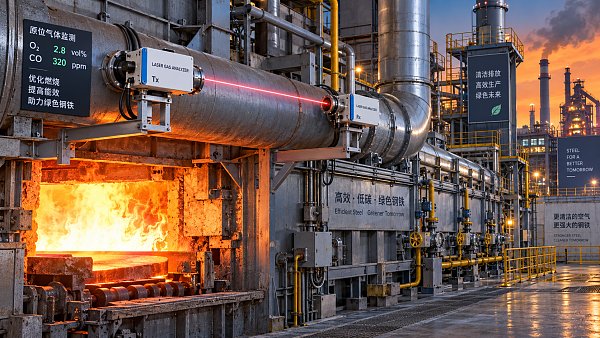
 How laser gas analyzers improve combustion control in steel furnacesLaser gas analyzer for steel industry applications delivers fast in-situ O₂ and CO data to optimize furnace combustion, cut fuel waste, and improve steel heating stability.
 How to verify whether explosion proof equipment meets site requirementsExplosion proof equipment verification made practical: match zones, gas or dust groups, temperature classes, certificates, and installation conditions for confident compliance.
Search Categories
Search Categories
- Smart Meters & Power Quality
- Transformer Gas Analyzers
- BESS Thermal Runaway Detectors
- Energy, Power & Smart Grid Monitoring
- Optical Profilers & CMM
- Ultrasonic & X-Ray NDT
- Calibration Standards
- Precision Metrology & NDT
- Water Quality Analyzers
- CEMS & VOCs Monitors
- Price Trends
- Import & Export Updates
- Market Trends
- Industry News
- Industry Insights
Latest Article
- How to set industrial calibration intervals based on equipment riskSet industrial calibration intervals based on equipment risk, drift, and as-found data. Learn when to shorten or extend schedules to improve reliability and avoid unnecessary costs.Posted by:
- How to choose electrochemical analyzers for low-current measurementsCompare electrochemical analyzers for precise low-current measurements. Learn how noise, leakage, bandwidth, and real-cell testing help you choose the right instrument.Posted by:
- What tolerance does a custom gas mixture need for calibration?Choose the right custom gas tolerance for calibration. Learn how blending tolerance, certified uncertainty, and stability affect accuracy—and avoid paying for precision you don’t need.Posted by:
Please give us a message
