
How GeH4 Concentration Analyzers Improve Process Stability in Specialty Gas Monitoring


How GeH4 Concentration Analyzers Improve Process Stability in Specialty Gas Monitoring
In specialty gas monitoring, even slight fluctuations in GeH4 can affect yield, safety, and downstream process control.
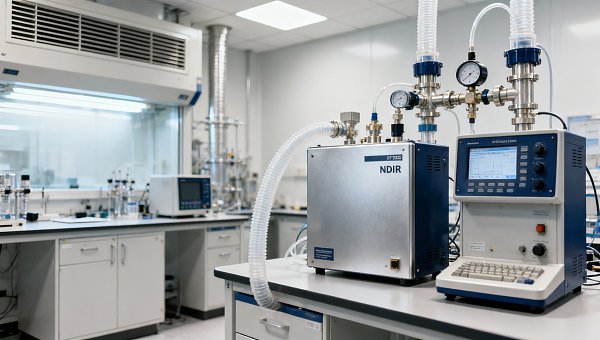
A GeH4 concentration analyzer helps technical evaluators detect concentration drift early and maintain reliable, repeatable measurement conditions.
That matters in operations handling high-purity gases, where small errors can quickly become process instability, compliance exposure, or material loss.
Why GeH4 Stability Matters in Specialty Gas Systems
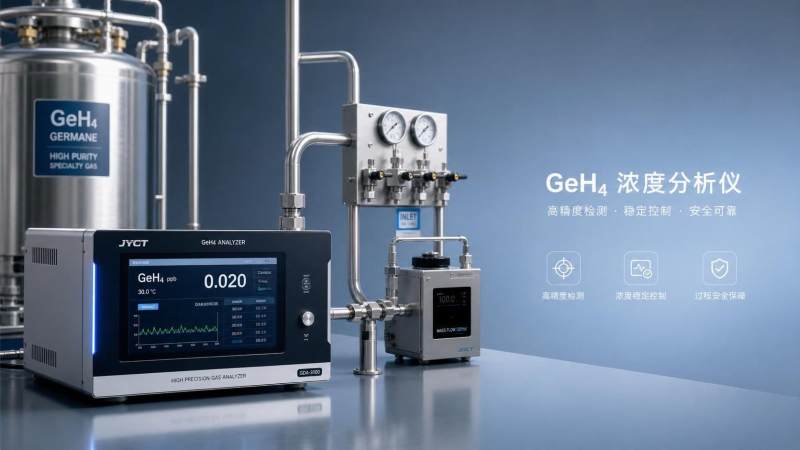
GeH4, or germane, is used in semiconductor and advanced materials processes that demand tight gas composition control.
In these environments, concentration accuracy is not a reporting detail. It is a direct process variable.
When GeH4 drifts outside its expected range, several problems can appear at once.
- Deposition uniformity can shift.
- Tool-to-tool consistency may weaken.
- Gas blending assumptions can become unreliable.
- Alarm thresholds may react too late.
A GeH4 concentration analyzer gives operators a stable window into those changes before they turn into expensive corrections.
This is especially important where specialty gas cabinets, bulk delivery lines, and process chambers depend on precise concentration verification.
How a GeH4 Concentration Analyzer Supports Process Stability
Process stability improves when measurement uncertainty stays low and response time stays consistent.
A GeH4 concentration analyzer contributes to both.
1. Early drift detection
Small concentration shifts often appear before a larger process upset becomes visible in yield or chamber behavior.
A well-configured GeH4 concentration analyzer reveals those shifts in near real time.
That gives engineering teams time to verify supply quality, check regulators, or inspect blending control loops.
2. Better control loop confidence
Stable analytical data improves the confidence of upstream and downstream control decisions.
When a GeH4 concentration analyzer produces repeatable readings, setpoint adjustments are based on evidence, not estimation.
That also reduces unnecessary interventions caused by noisy or drifting measurements.
3. Stronger safety margins
GeH4 handling requires disciplined monitoring because the gas presents toxicity and flammability concerns.
A GeH4 concentration analyzer strengthens safety by confirming actual gas conditions rather than assumed composition.
That becomes even more useful during cylinder changeover, startup, purge validation, and abnormal event investigation.
Key Performance Factors to Evaluate
Not every GeH4 concentration analyzer delivers the same field performance.
For technical evaluation, it helps to focus on a few practical criteria that affect long-term process stability.
Measurement range and sensitivity
The analyzer must match the expected GeH4 concentration window and detect meaningful deviations within that range.
Oversized range selection can reduce useful sensitivity at the operating point.
Response time
Fast response matters when gas quality changes quickly or when interlocks depend on timely confirmation.
A slow GeH4 concentration analyzer can still be accurate, but less useful for control stability.
Selectivity and interference resistance
Specialty gas systems rarely exist in isolation.
Background gases, moisture, or trace contaminants can distort readings if the sensing method lacks selectivity.
A GeH4 concentration analyzer should show clear interference data under realistic process conditions.
Calibration stability
Frequent recalibration increases maintenance effort and may create avoidable downtime windows.
A stable GeH4 concentration analyzer should maintain performance between service intervals without significant baseline drift.
Materials compatibility
Wetted materials, seals, and sampling components must align with high-purity gas service requirements.
Compatibility issues often show up later as contamination, adsorption effects, or unstable measurement behavior.
Standards, Compliance, and Reliability Expectations
In technical and standard-driven purchasing, compliance cannot be separated from performance.
A GeH4 concentration analyzer should fit the site’s electrical, safety, and calibration framework from the start.
Typical checkpoints include ATEX or IECEx suitability, traceable calibration practice, and documentation quality.
Where laboratory validation or regulated production is involved, alignment with ISO/IEC 17025 principles can support confidence in measurement integrity.
More importantly, compliance data should be easy to audit.
A supplier that cannot clearly explain calibration traceability, drift characteristics, and maintenance conditions creates avoidable evaluation risk.
Common Failure Points That Destabilize Monitoring
From recent project trends, the bigger issue is often not analyzer technology alone.
It is system integration around the GeH4 concentration analyzer.
- Poor sample line design adds lag or adsorption effects.
- Inadequate filtration introduces contamination or pressure instability.
- Wrong installation location hides real process changes.
- Weak maintenance planning allows unnoticed drift to accumulate.
This also means selection should extend beyond the analyzer datasheet.
Sampling architecture, purge strategy, validation routines, and service access all affect stable performance.
A Practical Selection Approach for Technical Evaluation
A practical evaluation process keeps decisions grounded in operating reality.
- Define the actual GeH4 concentration range and upset scenarios.
- Verify whether the GeH4 concentration analyzer meets required response time.
- Review cross-sensitivity data under site-specific gas backgrounds.
- Check calibration intervals, traceability, and service access.
- Assess integration with alarms, DCS, and maintenance workflows.
The strongest selection decisions connect analyzer performance to process consequences, not just instrument specifications.
That is where a reliable GeH4 concentration analyzer creates measurable value.
It reduces uncertainty, improves response discipline, and helps maintain stable operating conditions across the gas monitoring chain.
For organizations evaluating specialty gas instrumentation, the right GeH4 concentration analyzer is less about adding another sensor and more about protecting process stability with evidence that can be trusted.
Recommended for You
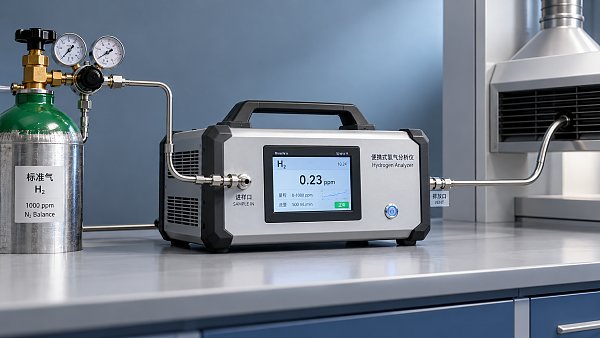
 How sensitive should a portable hydrogen analyzer be for lab use?Choose a portable hydrogen analyzer for laboratory use with the right quantification limit, accuracy, and range. Learn how to verify performance and avoid costly buying mistakes.
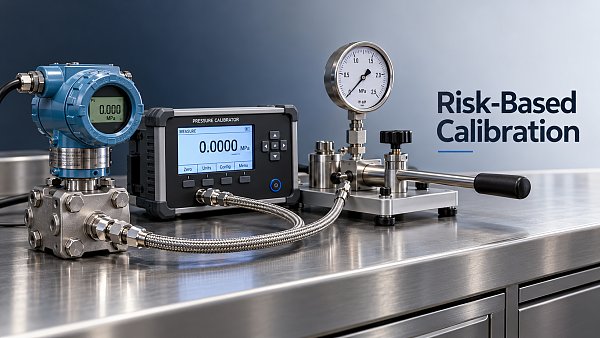
 How to set industrial calibration intervals based on equipment riskSet industrial calibration intervals based on equipment risk, drift, and as-found data. Learn when to shorten or extend schedules to improve reliability and avoid unnecessary costs.
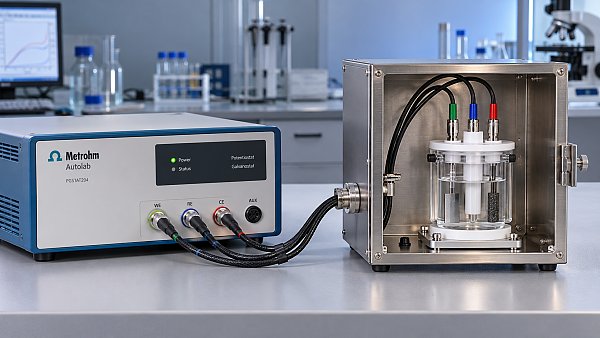
 How to choose electrochemical analyzers for low-current measurementsCompare electrochemical analyzers for precise low-current measurements. Learn how noise, leakage, bandwidth, and real-cell testing help you choose the right instrument.
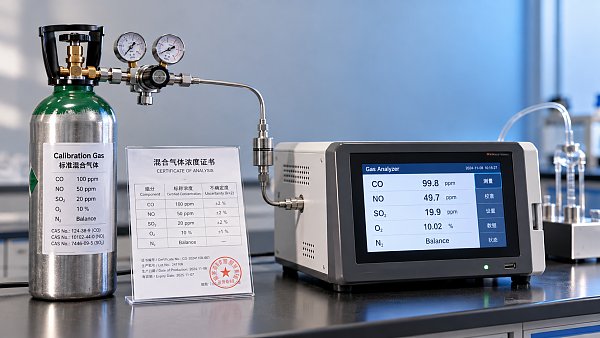
 What tolerance does a custom gas mixture need for calibration?Choose the right custom gas tolerance for calibration. Learn how blending tolerance, certified uncertainty, and stability affect accuracy—and avoid paying for precision you don’t need.
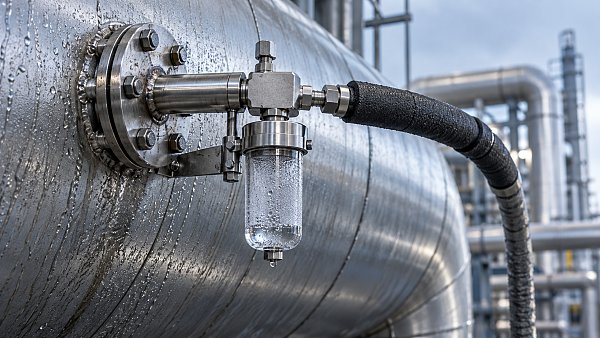
 How condensation affects stack detector readings in wet flue gasStack detector readings can drift when wet flue gas condenses. Learn how to identify moisture interference, prevent sample losses, and improve emissions monitoring reliability.
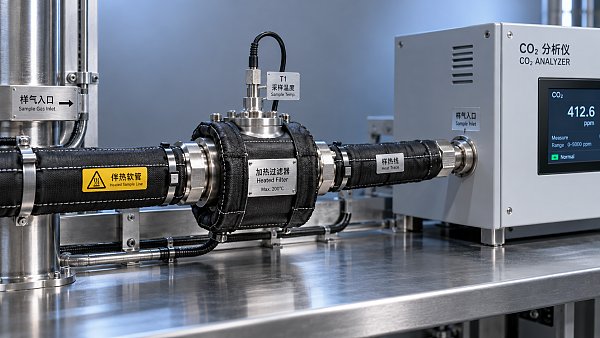
 How to prevent condensation in a CO2 analyzer sampling systemPrevent condensation in your CO2 analyzer sampling system. Learn how to control dew point, eliminate cold spots, and manage moisture for reliable readings and fewer costly disruptions.
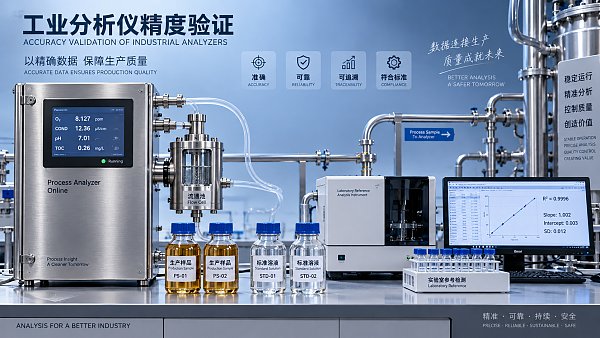
 How to verify accuracy claims for industrial quality analyzersVerify accuracy claims for industrial quality analyzers with calibration checks, independent testing, and clear acceptance criteria. Learn how to reduce risk and buy with confidence.
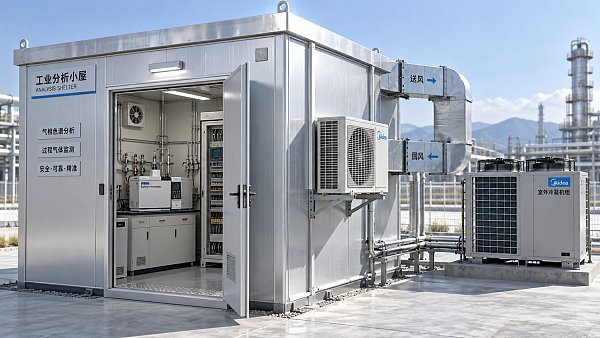
 How to calculate cooling loads for an industrial analyzer shelterSize industrial analyzer shelter cooling with confidence. Learn to calculate equipment heat, solar gains, and ventilation loads, then select HVAC capacity for reliable analyzer performance.
 Unstable CH4 Readings in Biogas Monitoring? Check Moisture and Sample FlowCH4 analyzer for biogas monitoring giving unstable readings? Discover how moisture, sample flow, and pressure checks help pinpoint faults and restore reliable methane measurements.
 Buying a CO2 Analyzer for Brewery Gas Recovery: Costs Beyond the Purchase PriceBuying a CO2 analyzer for brewery applications? Compare sampling, installation, calibration, and downtime costs to uncover hidden expenses and make a smarter gas recovery investment.
 Where to Place CO Analyzers for Effective Parking Garage VentilationOptimize your CO analyzer for parking garage ventilation with practical placement tips. Learn how sensor height, airflow, and zone coverage support timely detection and effective fan control.
 NDIR vs. FTIR Gas Analyzers: Which Fits Your Environmental Research?Find the right infrared gas analyzer for environmental research. Compare NDIR vs. FTIR on sensitivity, gas coverage, sampling needs, and cost to choose confidently for your study.
 Oxygen Analyzers for Diving: Calibration Checks Before Nitrox BlendingUsing an oxygen analyzer for diving applications? Discover essential calibration, sensor, and sampling checks before nitrox blending to support reliable readings.
 How Paramagnetic Oxygen Analyzers Work and Why Sample Pressure MattersLearn how a paramagnetic oxygen analyzer works, why sample pressure affects accuracy, and what to check in compensation and calibration before choosing your system.
 How Much Does a Complete CEMS Integration Project Typically Cost?How much does a complete CEMS integration project typically cost? Explore budget ranges, hidden installation costs, and compliance needs to compare quotes and plan confidently.
 What Is the Typical Response Time for Industrial Air Monitors?What is the typical response time for industrial air monitors? Explore T90, sampling delays, and alarm settings to compare performance and choose the right monitor with confidence.
 Do Regulatory Monitoring Systems Need Third-Party Certification?Do regulatory monitoring systems need third-party certification? Learn when it is required, what certificates prove, and how to verify compliance before buying.
 How Do You Choose Wired or Wireless for Stack Monitoring?Learn how to choose between wired and wireless for stack monitoring. Compare reliability, lifecycle costs, and data recovery to find the right CEMS setup for your site.
 What Happens When Combustible Gas Sensor Calibration Is Overdue?What happens if combustible gas sensor is not recalibrated on time? Discover the risks of inaccurate readings and missed alarms, plus steps to restore reliable protection.
 Can One Multi-Gas Detector Replace Four Separate Analyzers?Find out: can a single multi-gas detector replace four separate analyzers? Compare accuracy, safety, compliance, and lifetime costs to make a confident buying decision.
 Industrial Safety vs. Emission Monitoring: What Are the Differences?What are the main differences between industrial safety and emission monitoring? Compare goals, sensors, response times, and compliance needs to choose the right systems for your facility.
 Is Remote Monitoring Worth the Cost for Small Emission Sources?Is it worth investing in remote monitoring for small emission sources? Compare costs, compliance needs, and potential savings to choose the right solution for your operation.
 How Do You Handle Analyzer Failure During an Environmental Audit?Learn how to handle analyzer failure during environmental compliance audit procedures. Protect evidence, verify data, and restore monitoring with this practical response guide.
 Do VOC Monitors Require Explosion-Proof Certification?Does VOC monitoring require explosion-proof certification? Learn when approval is needed, compare ATEX and IECEx, and choose the right monitor for your site.
 How sample conditioning affects accuracy in petrochemical analyzersImprove accuracy in petrochemical analyzers with smarter sample conditioning. Discover how phase control, filtration, and transport design prevent bias and deliver reliable process data.
 How to troubleshoot sensor drift in industrial gas detectorsIndustrial gas detectors showing sensor drift? Learn how to verify calibration gas, identify root causes, and determine when sensor replacement is needed for reliable monitoring.
 How to judge whether a competitive price reflects real valueCompetitive Price: learn how to compare scope, compliance, performance, and lifecycle costs to identify real value, reduce risk, and make smarter purchasing decisions.
 When custom gas analysis is the right fit for complex process streamsCustom gas analysis for complex process streams: learn when tailored sampling, interference control, and reliable measurement design deliver confident decisions.
 When does a laser gas analyzer meet stack emissions monitoring needs?Laser gas analyzer for stack emissions: learn when it delivers fast, reliable data, how to assess installation risks, and what to verify for CEMS compliance.
 How to select a hazardous gas analyzer for confined spacesHazardous gas analyzer selection for confined spaces: compare sensors, sampling, certifications, alarms, and maintenance to protect workers and choose with confidence.
 When is a single gas analyzer sufficient for workplace safety monitoring?Discover when a single gas analyzer delivers reliable workplace safety monitoring, and learn the key limits, calibration needs, and risks that require broader detection.
 How to choose an ambient gas analyzer for low-level leak detectionAmbient gas analyzer selection for low-level leak detection: compare sensitivity, cross-sensitivity, sampling design, alarms, and calibration for reliable site performance.
Search Categories
Search Categories
- Smart Meters & Power Quality
- Transformer Gas Analyzers
- BESS Thermal Runaway Detectors
- Energy, Power & Smart Grid Monitoring
- Optical Profilers & CMM
- Ultrasonic & X-Ray NDT
- Calibration Standards
- Precision Metrology & NDT
- Water Quality Analyzers
- CEMS & VOCs Monitors
- Price Trends
- Import & Export Updates
- Market Trends
- Industry News
- Industry Insights
Latest Article
- How sensitive should a portable hydrogen analyzer be for lab use?Choose a portable hydrogen analyzer for laboratory use with the right quantification limit, accuracy, and range. Learn how to verify performance and avoid costly buying mistakes.Posted by:
- How to set industrial calibration intervals based on equipment riskSet industrial calibration intervals based on equipment risk, drift, and as-found data. Learn when to shorten or extend schedules to improve reliability and avoid unnecessary costs.Posted by:
- How to choose electrochemical analyzers for low-current measurementsCompare electrochemical analyzers for precise low-current measurements. Learn how noise, leakage, bandwidth, and real-cell testing help you choose the right instrument.Posted by:
Please give us a message
