
Pharmaceutical Instrumentation: Common Compliance Gaps and How to Prevent Them


Why do small compliance gaps in pharmaceutical instrumentation become major audit problems?
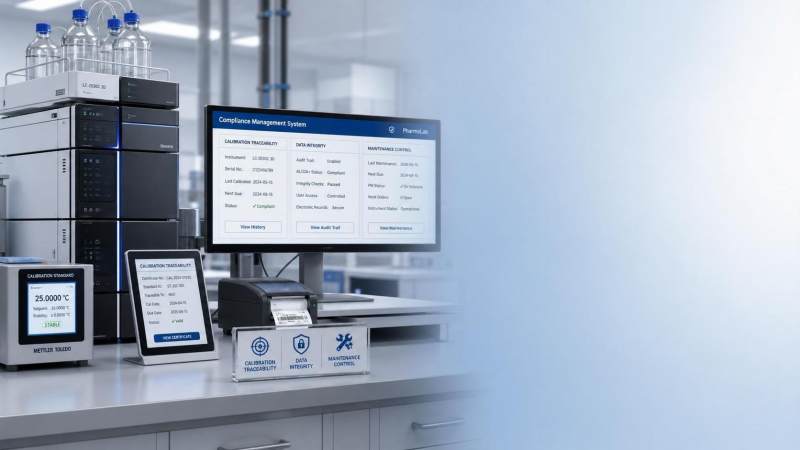
In pharmaceutical operations, instruments do more than measure. They support release decisions, stability studies, cleaning verification, and process control.
That is why pharmaceutical instrumentation fails compliance long before it fails physically. A sensor may still produce numbers, yet those numbers may no longer be defensible.
A missed calibration window, an incomplete audit trail review, or an undocumented firmware change can all weaken trust in results.
Regulators usually focus on control, traceability, and evidence. If data cannot be traced to a maintained and qualified instrument, product quality questions follow quickly.
This matters across the wider instrumentation landscape as well. GIH often highlights the same pattern in life sciences, industrial monitoring, and precision metrology.
Simply put, what cannot be measured reliably cannot be controlled confidently. In pharma, that principle carries direct quality and patient risk.
Which compliance gaps appear most often in pharmaceutical instrumentation?
The common issues are rarely dramatic. More often, they build quietly through routine work, vendor updates, or handoffs between quality, engineering, and operations.
The table below captures the gaps that tend to surface repeatedly during inspections and internal reviews.
In real facilities, these gaps often overlap. A calibration issue may also expose weak change control and poor record review.
How can you tell whether calibration control is truly robust?
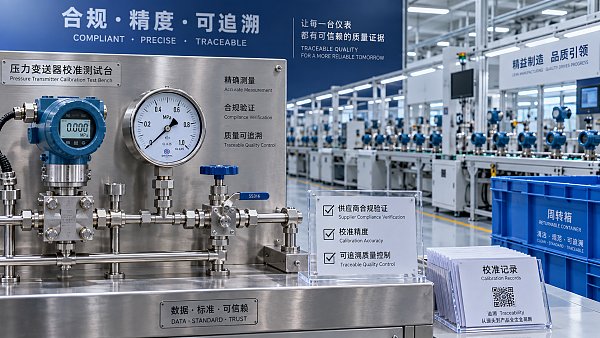
A valid calibration program is not defined by certificates alone. It is defined by technical rationale, traceability, and decisions made after each result.
Many pharmaceutical instrumentation programs still use calendar-based intervals copied from vendor guidance. That is convenient, but often too generic.
A stronger approach uses instrument criticality, historical drift, environmental stress, and process impact to set review frequency.
The practical questions are straightforward. Was the standard traceable? Was the acceptance range justified? Was an out-of-tolerance event assessed for product impact?
That last point is where many systems weaken. Teams close the calibration event but fail to investigate what happened before the failure was detected.
- Link every critical instrument to a documented calibration strategy.
- Trend as-found and as-left data, not only pass or fail status.
- Define product impact rules for out-of-tolerance findings.
- Review whether relocation, vibration, cleaning agents, or utilities affect drift.
GIH’s perspective on precision metrology is useful here. The instrument is only one part of control. The measurement system around it matters just as much.
Why does data integrity remain a weak point even with modern digital systems?
Because digital tools can hide poor discipline behind a polished interface. Electronic records look orderly, yet the underlying controls may be incomplete.
With pharmaceutical instrumentation, the main risks usually involve user access, audit trail review, time synchronization, backup testing, and interface control.
A chromatography system, balance, environmental monitor, or SCADA-connected analyzer may all create valid data. The question is whether the data remain attributable and original.
Shared accounts are still a recurring problem. So are unofficial exports to spreadsheets that become decision records outside validated systems.
More advanced sites now review data pathways end to end. They check where values are generated, transformed, stored, approved, archived, and restored.
That approach reflects a broader Industry 4.0 reality. Instrumentation is increasingly connected, which means compliance must extend beyond the bench or process skid.
A useful rule is simple: if a system can influence a quality decision, its electronic controls deserve the same seriousness as its physical calibration.
When do maintenance and change control start creating hidden compliance risk?
Usually when maintenance is treated as a technical task only. In regulated settings, maintenance is also a quality event.
A pump seal replacement, detector lamp change, software patch, or sensor swap may appear minor. Yet each change can alter performance or record structure.
The hidden risk appears when the system returns to use without documented impact assessment. That is especially common after urgent repairs.
A workable control model connects maintenance, spare parts, change control, and requalification triggers. Not every intervention needs full revalidation, but every one needs clear logic.
For example, replacing like-for-like hardware may require functional verification only. A firmware update affecting calculations may require broader testing and record review.
This is where supplier intelligence also matters. GIH’s supply chain view is relevant because vendor support quality often determines whether changes are documented properly.
- Require maintenance records that describe the exact intervention.
- Classify changes by compliance impact, not by effort level.
- Define post-maintenance checks before release to service.
- Verify vendor updates against validated configuration baselines.
What does a practical prevention plan for pharmaceutical instrumentation look like?
The best prevention plans are not oversized. They are specific, reviewable, and tied to actual instrument risk.
Start by ranking pharmaceutical instrumentation according to product impact, process criticality, data use, and failure detectability.
Then build controls around the highest-risk assets first. That gives faster compliance improvement than rewriting every SOP at once.
A concise prevention checklist can help during internal reviews.
In practice, prevention works best when compliance, metrology, engineering, and IT review the same instrument lifecycle together.
That cross-functional view matches how modern instrumentation actually operates. It is connected, data-heavy, and sensitive to small configuration shifts.
How should the next review be prioritized?
Begin with instruments that influence release, sterility, environmental monitoring, critical utilities, or validated analytical methods.
Look for the familiar weak points: unclear calibration rationale, weak audit trail review, maintenance without impact assessment, and records that do not match reality.
Pharmaceutical instrumentation does not need perfect paperwork first. It needs credible control over measurement, data, and change.
A sensible next step is to map each critical instrument against its lifecycle evidence, from qualification through calibration, use, maintenance, and retirement.
That exercise usually exposes the highest-value fixes quickly. It also creates a stronger basis for supplier review, system upgrades, and future digital integration.
For organizations following deeper instrumentation signals, GIH’s intelligence model is a useful reference point: measure precisely, verify continuously, and treat trust in data as an operational asset.
Recommended for You
 How to choose electrochemical analyzers for low-current measurementsCompare electrochemical analyzers for precise low-current measurements. Learn how noise, leakage, bandwidth, and real-cell testing help you choose the right instrument.
 What tolerance does a custom gas mixture need for calibration?Choose the right custom gas tolerance for calibration. Learn how blending tolerance, certified uncertainty, and stability affect accuracy—and avoid paying for precision you don’t need.
 How condensation affects stack detector readings in wet flue gasStack detector readings can drift when wet flue gas condenses. Learn how to identify moisture interference, prevent sample losses, and improve emissions monitoring reliability.
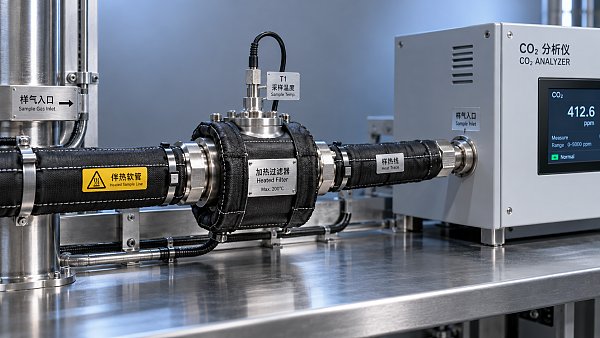
 How to prevent condensation in a CO2 analyzer sampling systemPrevent condensation in your CO2 analyzer sampling system. Learn how to control dew point, eliminate cold spots, and manage moisture for reliable readings and fewer costly disruptions.
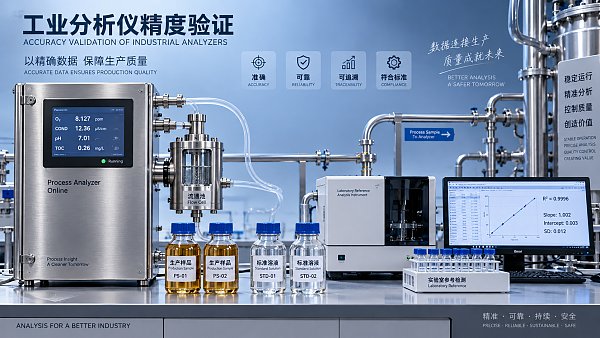
 How to verify accuracy claims for industrial quality analyzersVerify accuracy claims for industrial quality analyzers with calibration checks, independent testing, and clear acceptance criteria. Learn how to reduce risk and buy with confidence.
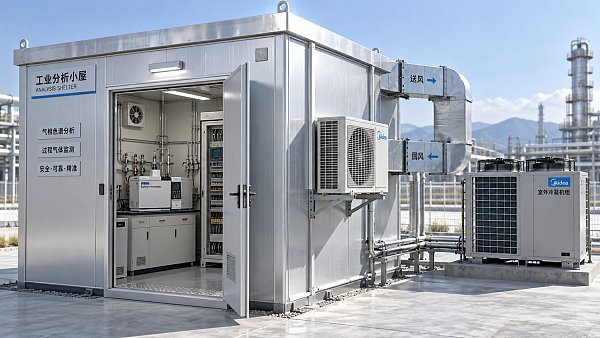
 How to calculate cooling loads for an industrial analyzer shelterSize industrial analyzer shelter cooling with confidence. Learn to calculate equipment heat, solar gains, and ventilation loads, then select HVAC capacity for reliable analyzer performance.
 Oxygen Analyzers for Diving: Calibration Checks Before Nitrox BlendingUsing an oxygen analyzer for diving applications? Discover essential calibration, sensor, and sampling checks before nitrox blending to support reliable readings.
 How Paramagnetic Oxygen Analyzers Work and Why Sample Pressure MattersLearn how a paramagnetic oxygen analyzer works, why sample pressure affects accuracy, and what to check in compensation and calibration before choosing your system.
 How Much Does a Complete CEMS Integration Project Typically Cost?How much does a complete CEMS integration project typically cost? Explore budget ranges, hidden installation costs, and compliance needs to compare quotes and plan confidently.
 What Is the Typical Response Time for Industrial Air Monitors?What is the typical response time for industrial air monitors? Explore T90, sampling delays, and alarm settings to compare performance and choose the right monitor with confidence.
 Do Regulatory Monitoring Systems Need Third-Party Certification?Do regulatory monitoring systems need third-party certification? Learn when it is required, what certificates prove, and how to verify compliance before buying.
 How Do You Choose Wired or Wireless for Stack Monitoring?Learn how to choose between wired and wireless for stack monitoring. Compare reliability, lifecycle costs, and data recovery to find the right CEMS setup for your site.
 What Happens When Combustible Gas Sensor Calibration Is Overdue?What happens if combustible gas sensor is not recalibrated on time? Discover the risks of inaccurate readings and missed alarms, plus steps to restore reliable protection.
 Can One Multi-Gas Detector Replace Four Separate Analyzers?Find out: can a single multi-gas detector replace four separate analyzers? Compare accuracy, safety, compliance, and lifetime costs to make a confident buying decision.
 Industrial Safety vs. Emission Monitoring: What Are the Differences?What are the main differences between industrial safety and emission monitoring? Compare goals, sensors, response times, and compliance needs to choose the right systems for your facility.
 Is Remote Monitoring Worth the Cost for Small Emission Sources?Is it worth investing in remote monitoring for small emission sources? Compare costs, compliance needs, and potential savings to choose the right solution for your operation.
 How Do You Handle Analyzer Failure During an Environmental Audit?Learn how to handle analyzer failure during environmental compliance audit procedures. Protect evidence, verify data, and restore monitoring with this practical response guide.
 Do VOC Monitors Require Explosion-Proof Certification?Does VOC monitoring require explosion-proof certification? Learn when approval is needed, compare ATEX and IECEx, and choose the right monitor for your site.
 How sample conditioning affects accuracy in petrochemical analyzersImprove accuracy in petrochemical analyzers with smarter sample conditioning. Discover how phase control, filtration, and transport design prevent bias and deliver reliable process data.
 How to troubleshoot sensor drift in industrial gas detectorsIndustrial gas detectors showing sensor drift? Learn how to verify calibration gas, identify root causes, and determine when sensor replacement is needed for reliable monitoring.
 How to judge whether a competitive price reflects real valueCompetitive Price: learn how to compare scope, compliance, performance, and lifecycle costs to identify real value, reduce risk, and make smarter purchasing decisions.
 When custom gas analysis is the right fit for complex process streamsCustom gas analysis for complex process streams: learn when tailored sampling, interference control, and reliable measurement design deliver confident decisions.
 When does a laser gas analyzer meet stack emissions monitoring needs?Laser gas analyzer for stack emissions: learn when it delivers fast, reliable data, how to assess installation risks, and what to verify for CEMS compliance.
 How to select a hazardous gas analyzer for confined spacesHazardous gas analyzer selection for confined spaces: compare sensors, sampling, certifications, alarms, and maintenance to protect workers and choose with confidence.
 When is a single gas analyzer sufficient for workplace safety monitoring?Discover when a single gas analyzer delivers reliable workplace safety monitoring, and learn the key limits, calibration needs, and risks that require broader detection.
 How to choose an ambient gas analyzer for low-level leak detectionAmbient gas analyzer selection for low-level leak detection: compare sensitivity, cross-sensitivity, sampling design, alarms, and calibration for reliable site performance.
 How to tell when an oxygen sensor needs replacementOxygen sensor replacement signs explained: learn how live data, fault codes, wiring checks, and exhaust inspections pinpoint the real issue before you buy.
 How laser gas analyzers improve combustion control in steel furnacesLaser gas analyzer for steel industry applications delivers fast in-situ O₂ and CO data to optimize furnace combustion, cut fuel waste, and improve steel heating stability.
 How to verify whether explosion proof equipment meets site requirementsExplosion proof equipment verification made practical: match zones, gas or dust groups, temperature classes, certificates, and installation conditions for confident compliance.
 How industrial gas analysis helps detect contamination before releaseIndustrial Gas Analysis helps detect moisture, oil, oxygen, and toxic contaminants before release—protecting processes, ensuring compliance, and reducing costly risks.
 When is electrochemistry detection the right choice for water analysis?Electrochemistry detection for water analysis: learn when fast, reliable monitoring of ions, chlorine, pH, and more delivers actionable results.
 How industrial standards reduce quality risks in supplier selectionIndustrial Standard guidance helps quality and safety managers reduce supplier risks, verify compliance, strengthen traceability, and build resilient instrumentation supply chains.

Search Categories
Search Categories
- Smart Meters & Power Quality
- Transformer Gas Analyzers
- BESS Thermal Runaway Detectors
- Energy, Power & Smart Grid Monitoring
- Optical Profilers & CMM
- Ultrasonic & X-Ray NDT
- Calibration Standards
- Precision Metrology & NDT
- Water Quality Analyzers
- CEMS & VOCs Monitors
- Price Trends
- Import & Export Updates
- Market Trends
- Industry News
- Industry Insights
Latest Article
- How to choose electrochemical analyzers for low-current measurementsCompare electrochemical analyzers for precise low-current measurements. Learn how noise, leakage, bandwidth, and real-cell testing help you choose the right instrument.Posted by:
- What tolerance does a custom gas mixture need for calibration?Choose the right custom gas tolerance for calibration. Learn how blending tolerance, certified uncertainty, and stability affect accuracy—and avoid paying for precision you don’t need.Posted by:
- How condensation affects stack detector readings in wet flue gasStack detector readings can drift when wet flue gas condenses. Learn how to identify moisture interference, prevent sample losses, and improve emissions monitoring reliability.Posted by:
Please give us a message
