
How Laser Measurement Improves Inline Accuracy Control


Inline quality control lives or fails on timing. When dimensional drift is detected too late, scrap rises, rework expands, and process confidence falls. Laser measurement changes that equation by capturing non-contact, high-resolution data directly on the line, allowing production teams to see variation while it is still small, correctable, and economically manageable.
That matters across the instrumentation landscape covered by Global Instrument Hub, where accurate sensing is the basis of automation, compliance, and safe operation. In sectors ranging from industrial fabrication to life sciences and energy systems, laser measurement supports inline accuracy control not simply by measuring faster, but by turning dimensional information into a live process signal.
Why laser measurement has become central to inline control
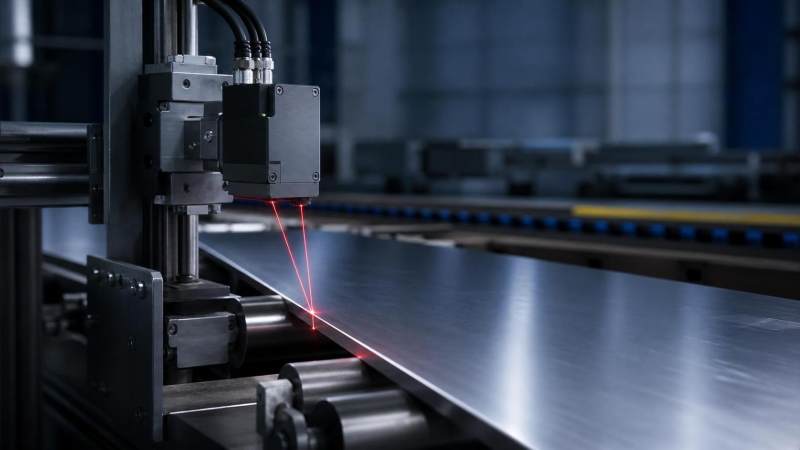
Traditional contact gauges still have value, especially in controlled inspection cells. Yet inline production often demands more speed, less interruption, and better survivability in environments filled with vibration, heat, dust, or moving material.
Laser measurement addresses those demands through optical sensing. It evaluates distance, position, thickness, width, diameter, profile, or flatness without physically touching the target.
That non-contact approach reduces wear on both the sensor and the product. It also avoids deformation on soft, hot, polished, or fragile materials where contact probes may distort the result.
More importantly, inline accuracy control depends on repetition under motion. A laser measurement system can sample continuously, feeding PLC, DCS, or edge analytics platforms with measurement values that reflect what is happening now, not what happened several batches ago.
What laser measurement improves in practical terms
The value of laser measurement is often misunderstood as simple precision. Precision matters, but inline control benefits from a broader combination of speed, consistency, traceability, and responsiveness.
Earlier visibility into process drift
Tool wear, thermal expansion, web tension changes, misalignment, and vibration rarely appear as sudden failures. They show up first as small dimensional trends.
Laser measurement detects those shifts continuously. That gives control systems time to compensate before the line moves outside tolerance.
Better closed-loop control
When a sensor delivers repeatable data with low latency, it becomes useful for automatic correction. Thickness can be adjusted, cutter position refined, coating rate stabilized, or alignment restored.
This is where measurement stops being passive inspection. It becomes an active control input.
Less scrap and fewer hidden defects
Offline checks may confirm quality after a long stretch of defective output. Inline laser measurement shortens that exposure window.
The result is not only lower scrap volume. It is also better containment of quality events, which matters for audits, recalls, and customer confidence.
Where inline laser measurement delivers the strongest value
From an industry viewpoint, the strongest use cases are usually processes where speed, tolerance, and variation interact continuously. The table below outlines common examples.
These examples also explain why laser measurement appears frequently in digital transformation roadmaps. It creates usable data at the exact point where physical variation originates.
What technical evaluators should examine beyond headline accuracy
A sensor may look impressive in a datasheet and still perform poorly on a real production line. Inline accuracy control depends on system fit, not isolated specification claims.
Measurement stability in the real environment
Ambient light, reflective surfaces, steam, dust, and temperature change can all affect optical performance. The real question is not peak lab accuracy, but stable repeatability under plant conditions.
Sampling speed and control latency
Fast lines require fast sensing, but also fast communication. If the signal reaches the controller too late, corrective action may arrive after defects have already multiplied.
Integration with automation architecture
Laser measurement creates more value when it fits existing PLC, SCADA, MES, and quality databases. Data that cannot be aligned, timestamped, or trended rarely improves control for long.
Calibration and traceability
In regulated or export-sensitive environments, measurement credibility matters as much as measurement speed. Traceable calibration, documented uncertainty, and alignment with ISO/IEC 17025 expectations can shape supplier selection.
- Check repeatability across the full target material range, not one sample.
- Review response time together with network and controller delay.
- Confirm maintenance needs for optics, housing, and mounting stability.
- Evaluate whether the vendor can support validation, compliance, and lifecycle documentation.
How laser measurement supports broader industrial intelligence
Laser measurement is not only a metrology tool. In many operations, it becomes part of a larger sensing strategy that connects physical assets with decision systems.
This is especially relevant in the sectors tracked by GIH, where measurement, monitoring, and control are increasingly merged. A dimensional sensor on a line can be linked with temperature data, machine load, vibration, and recipe history.
That combination helps identify root causes rather than symptoms. If thickness drift correlates with roller heat, tension change, or tool wear, process adjustments become more targeted and less reactive.
In other words, laser measurement improves inline accuracy control most when its data is interpreted within the full process context. The sensor provides the signal, but the surrounding intelligence determines how much business value is captured.
A practical way to evaluate next steps
A useful starting point is to map where dimensional variation becomes expensive. That may be at a high-speed conversion line, a precision assembly point, or a coating stage with narrow tolerances.
Then compare the current detection gap. If defects are found after batching, after cooling, or after downstream assembly, inline laser measurement may offer immediate control leverage.
The next step is usually not buying the most advanced sensor. It is defining measurement targets, tolerance windows, environmental constraints, communication needs, and evidence requirements for traceability.
From there, solution comparison becomes more disciplined. It is easier to judge whether a laser measurement setup will truly improve inline accuracy control, or simply add more data without stronger decisions.
For organizations building smarter automation and more reliable sourcing criteria, that disciplined approach is often the difference between a promising sensor trial and a scalable measurement strategy.
Recommended for You
 How to prevent condensation in a CO2 analyzer sampling systemPrevent condensation in your CO2 analyzer sampling system. Learn how to control dew point, eliminate cold spots, and manage moisture for reliable readings and fewer costly disruptions.
 How to verify accuracy claims for industrial quality analyzersVerify accuracy claims for industrial quality analyzers with calibration checks, independent testing, and clear acceptance criteria. Learn how to reduce risk and buy with confidence.
 How to calculate cooling loads for an industrial analyzer shelterSize industrial analyzer shelter cooling with confidence. Learn to calculate equipment heat, solar gains, and ventilation loads, then select HVAC capacity for reliable analyzer performance.
 What Happens When Combustible Gas Sensor Calibration Is Overdue?What happens if combustible gas sensor is not recalibrated on time? Discover the risks of inaccurate readings and missed alarms, plus steps to restore reliable protection.
 Can One Multi-Gas Detector Replace Four Separate Analyzers?Find out: can a single multi-gas detector replace four separate analyzers? Compare accuracy, safety, compliance, and lifetime costs to make a confident buying decision.
 Industrial Safety vs. Emission Monitoring: What Are the Differences?What are the main differences between industrial safety and emission monitoring? Compare goals, sensors, response times, and compliance needs to choose the right systems for your facility.
 Is Remote Monitoring Worth the Cost for Small Emission Sources?Is it worth investing in remote monitoring for small emission sources? Compare costs, compliance needs, and potential savings to choose the right solution for your operation.
 How Do You Handle Analyzer Failure During an Environmental Audit?Learn how to handle analyzer failure during environmental compliance audit procedures. Protect evidence, verify data, and restore monitoring with this practical response guide.
 Do VOC Monitors Require Explosion-Proof Certification?Does VOC monitoring require explosion-proof certification? Learn when approval is needed, compare ATEX and IECEx, and choose the right monitor for your site.
 How sample conditioning affects accuracy in petrochemical analyzersImprove accuracy in petrochemical analyzers with smarter sample conditioning. Discover how phase control, filtration, and transport design prevent bias and deliver reliable process data.
 How to troubleshoot sensor drift in industrial gas detectorsIndustrial gas detectors showing sensor drift? Learn how to verify calibration gas, identify root causes, and determine when sensor replacement is needed for reliable monitoring.
 How to judge whether a competitive price reflects real valueCompetitive Price: learn how to compare scope, compliance, performance, and lifecycle costs to identify real value, reduce risk, and make smarter purchasing decisions.
 When custom gas analysis is the right fit for complex process streamsCustom gas analysis for complex process streams: learn when tailored sampling, interference control, and reliable measurement design deliver confident decisions.
 When does a laser gas analyzer meet stack emissions monitoring needs?Laser gas analyzer for stack emissions: learn when it delivers fast, reliable data, how to assess installation risks, and what to verify for CEMS compliance.
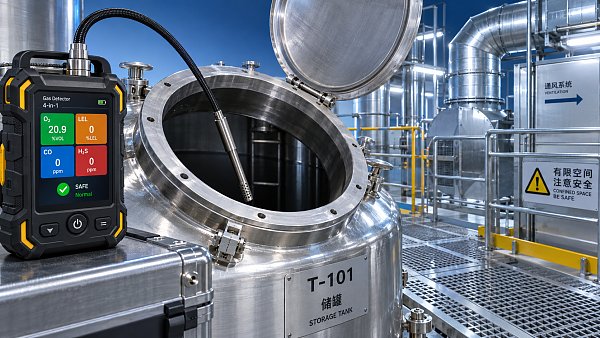
 How to select a hazardous gas analyzer for confined spacesHazardous gas analyzer selection for confined spaces: compare sensors, sampling, certifications, alarms, and maintenance to protect workers and choose with confidence.
 When is a single gas analyzer sufficient for workplace safety monitoring?Discover when a single gas analyzer delivers reliable workplace safety monitoring, and learn the key limits, calibration needs, and risks that require broader detection.
 How to choose an ambient gas analyzer for low-level leak detectionAmbient gas analyzer selection for low-level leak detection: compare sensitivity, cross-sensitivity, sampling design, alarms, and calibration for reliable site performance.
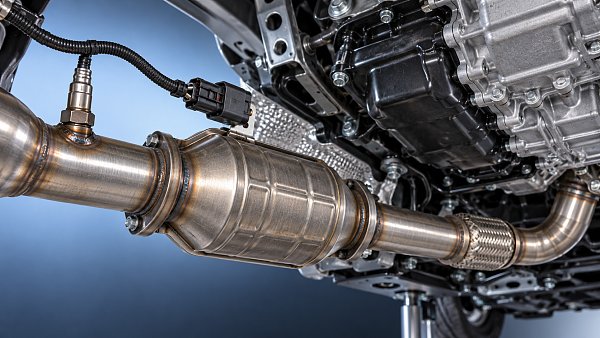
 How to tell when an oxygen sensor needs replacementOxygen sensor replacement signs explained: learn how live data, fault codes, wiring checks, and exhaust inspections pinpoint the real issue before you buy.
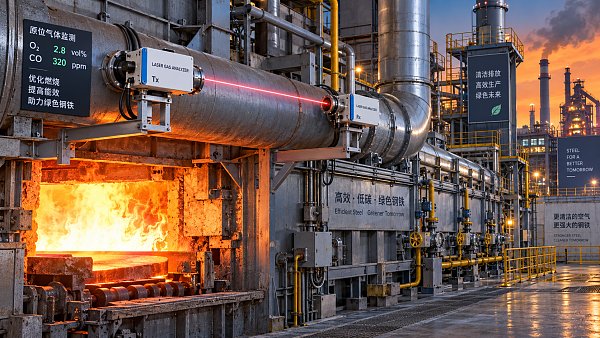
 How laser gas analyzers improve combustion control in steel furnacesLaser gas analyzer for steel industry applications delivers fast in-situ O₂ and CO data to optimize furnace combustion, cut fuel waste, and improve steel heating stability.
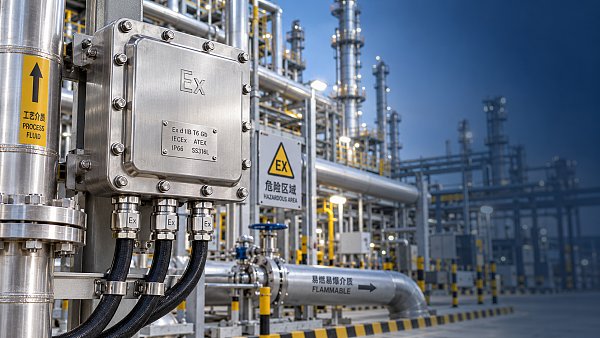
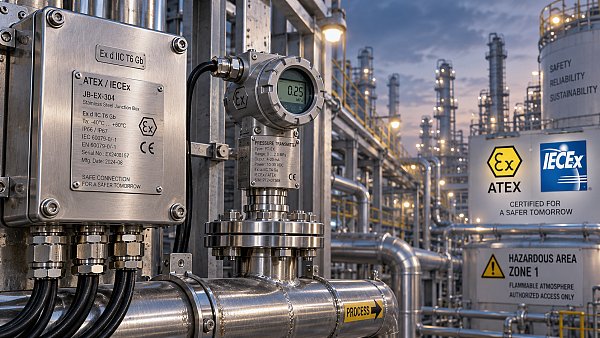
 How to verify whether explosion proof equipment meets site requirementsExplosion proof equipment verification made practical: match zones, gas or dust groups, temperature classes, certificates, and installation conditions for confident compliance.
 How industrial gas analysis helps detect contamination before releaseIndustrial Gas Analysis helps detect moisture, oil, oxygen, and toxic contaminants before release—protecting processes, ensuring compliance, and reducing costly risks.
 When is electrochemistry detection the right choice for water analysis?Electrochemistry detection for water analysis: learn when fast, reliable monitoring of ions, chlorine, pH, and more delivers actionable results.
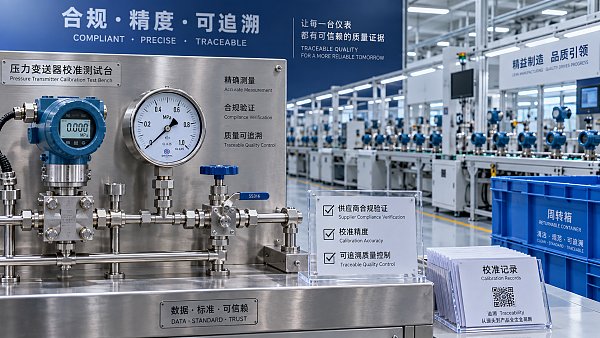
 How industrial standards reduce quality risks in supplier selectionIndustrial Standard guidance helps quality and safety managers reduce supplier risks, verify compliance, strengthen traceability, and build resilient instrumentation supply chains.
 When does a multi-component system reduce installation complexity?Multi component systems reduce installation complexity when they eliminate field interfaces, streamline commissioning, and provide proven compatibility. Learn how to assess total cost and supplier accountability.
 How to size an industrial control shelter for outdoor equipmentIndustrial control shelter sizing guide: optimize layout, HVAC, access, safety, and expansion space for reliable outdoor equipment operations.
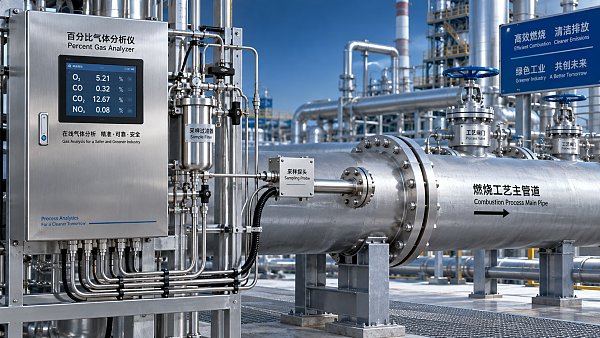
 How flue analysis helps verify combustion efficiencyFlue analysis verifies combustion efficiency by assessing O2, CO, CO2, and stack temperature to identify excess air, incomplete combustion, and heat losses.
 How to select industrial gas detectors for confined spacesIndustrial gas detectors for confined spaces: learn how to match sensors, sampling methods, alarms, and certifications to real atmospheric hazards.
 When does a laser oxygen analyzer outperform zirconia sensors?Laser oxygen analyzer vs. zirconia sensors: compare speed, selectivity, maintenance, gas chemistry, and installation needs to choose the right oxygen measurement solution.
 How to select a percent range analyzer for process measurementsPercent range analyzer selection made practical: compare accuracy, sample systems, calibration, gas matrix, integration, and lifecycle cost for reliable process measurements.
 How explosion proof analysis verifies safe equipment for hazardous areasExplosion proof analysis verifies hazardous-area equipment by matching certifications, temperature ratings, installation details, and inspection controls for safer compliance.
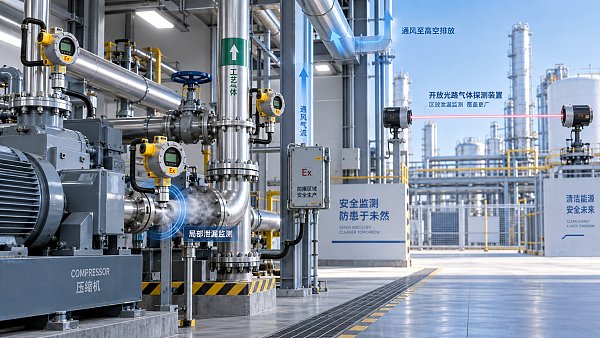
 When does fixed gas detection need point sensors instead of open-path monitoring?Fixed gas detection: discover when point sensors outperform open-path monitoring for predictable leaks, enclosed zones, local alarms, and safer design decisions.
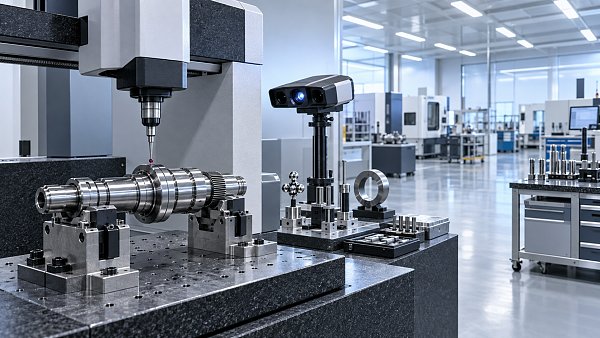
 How to choose industrial metrology systems for tight-tolerance partsIndustrial metrology guide for tight-tolerance parts: compare CMMs, optical scanners, gauges, uncertainty, workflow, and traceable inspection strategies.





Search Categories
Search Categories
- Smart Meters & Power Quality
- Transformer Gas Analyzers
- BESS Thermal Runaway Detectors
- Energy, Power & Smart Grid Monitoring
- Optical Profilers & CMM
- Ultrasonic & X-Ray NDT
- Calibration Standards
- Precision Metrology & NDT
- Water Quality Analyzers
- CEMS & VOCs Monitors
- Price Trends
- Import & Export Updates
- Market Trends
- Industry News
- Industry Insights
Latest Article
- How to prevent condensation in a CO2 analyzer sampling systemPrevent condensation in your CO2 analyzer sampling system. Learn how to control dew point, eliminate cold spots, and manage moisture for reliable readings and fewer costly disruptions.Posted by:
- How to verify accuracy claims for industrial quality analyzersVerify accuracy claims for industrial quality analyzers with calibration checks, independent testing, and clear acceptance criteria. Learn how to reduce risk and buy with confidence.Posted by:
- How to calculate cooling loads for an industrial analyzer shelterSize industrial analyzer shelter cooling with confidence. Learn to calculate equipment heat, solar gains, and ventilation loads, then select HVAC capacity for reliable analyzer performance.Posted by:
Please give us a message
