
How Accurate Is an Oxygen Monitor


How accurate is an oxygen monitor in real-world applications? From portable detector units to fixed detector systems, accuracy depends on sensor type, calibration, and environment. Whether you are comparing an electrochemical monitor, paramagnetic monitor, infrared monitor, thermal conductivity monitor, or laser monitor, understanding performance differences is essential—especially for explosion proof monitor selection and any high accuracy detector purchase.
For buyers, safety managers, engineers, and decision-makers, this question is not theoretical. Oxygen measurement affects personnel safety, combustion control, laboratory quality, process stability, and compliance planning across manufacturing, energy, environmental monitoring, medical testing, and automation systems. A monitor that reads within ±0.1% in one setting may drift significantly in another if temperature, humidity, pressure, or cross-interference are not managed correctly.
This article explains what accuracy really means for an oxygen monitor, how different technologies perform, what can reduce measurement reliability, and how to select a practical solution for portable or fixed installation. It is written to support technical evaluation, procurement comparison, budget approval, and project implementation in instrumentation-driven industries.
What Oxygen Monitor Accuracy Really Means in Practice
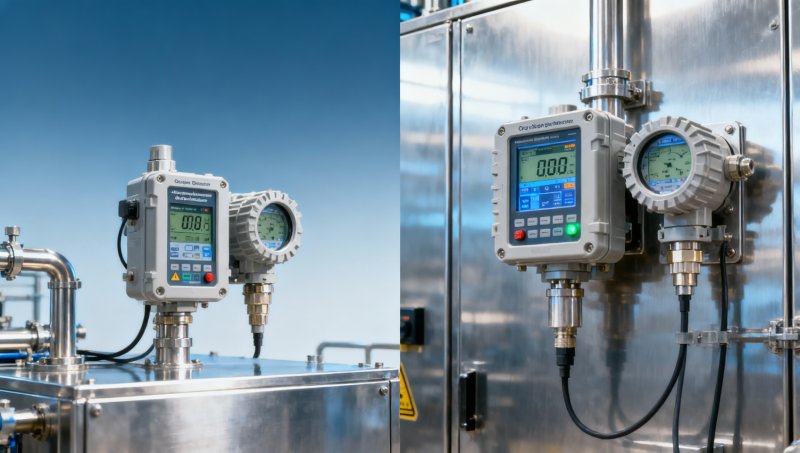
When people ask how accurate an oxygen monitor is, they often focus only on the specification sheet. In practice, accuracy includes several layers: base accuracy, repeatability, response time, long-term stability, and calibration tolerance. A fixed detector with a stated accuracy of ±1% of full scale may perform very differently from a portable detector rated at ±0.1 vol% depending on where and how it is used.
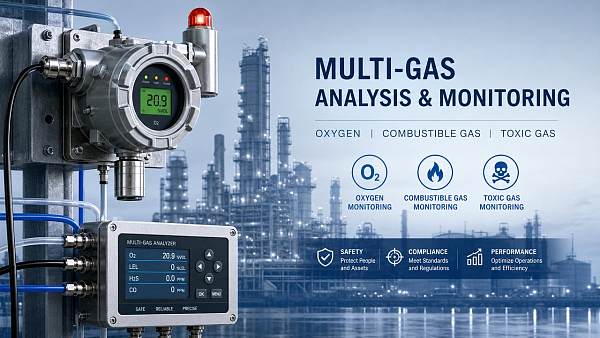
In ambient air monitoring, the normal oxygen concentration is about 20.9 vol%. For confined spaces, combustion systems, glove boxes, laboratories, and inert gas environments, even a 0.5 vol% deviation can influence safety decisions. For example, many industrial safety programs treat oxygen below 19.5 vol% as oxygen-deficient and above 23.5 vol% as oxygen-enriched. That means measurement confidence near those thresholds is critical.
Accuracy also depends on range selection. A monitor designed for 0–25 vol% oxygen is typically used for personnel safety and area monitoring, while analyzers in process control may cover 0–100%, 0–10,000 ppm, or ultra-low trace ranges. A high accuracy detector for ppm-level oxygen in semiconductor, specialty gas, or laboratory applications must be evaluated very differently from a general portable detector used for plant entry checks.
Key terms buyers should separate
A common selection mistake is to mix accuracy with resolution. Resolution may be 0.01 vol%, but that does not guarantee true field accuracy at the same level. Another confusion is between repeatability and drift. A monitor may repeat the same reading over 8 hours yet still drift after 30 to 90 days if calibration intervals are too long or the sensor ages faster in harsh environments.
- Accuracy: closeness of the displayed value to the actual oxygen concentration.
- Repeatability: ability to provide the same result under the same conditions.
- Response time: often expressed as T90, such as 10–30 seconds for many portable units.
- Drift: gradual deviation over time between calibrations.
- Cross-sensitivity: effect of other gases, vapors, or pressure changes on the reading.
The table below shows how different accuracy concepts affect decision-making in common instrumentation projects.
The main takeaway is simple: a good oxygen monitor is not just one with a low stated error. It is one that maintains dependable measurement under the real conditions of your plant, laboratory, warehouse, utility room, or mobile inspection workflow.
How Sensor Technology Changes Oxygen Monitor Accuracy
Different sensor technologies deliver different strengths. Electrochemical monitor designs are widely used for portable detector products and many fixed detector systems because they are compact, cost-effective, and fast enough for most safety monitoring tasks. However, their accuracy can be influenced by sensor consumption, temperature, humidity, and exposure history.
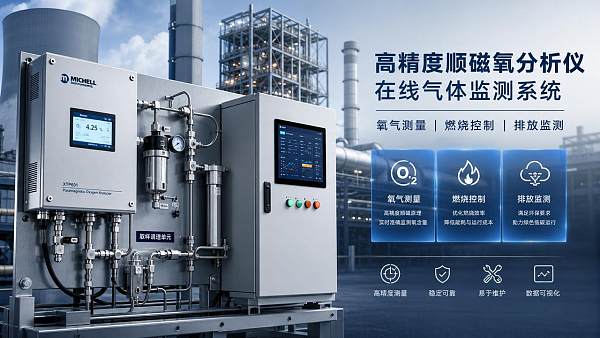
Paramagnetic monitor technology is often selected for higher precision process and laboratory applications. Since oxygen is paramagnetic, this method can achieve strong stability and accurate continuous analysis, especially where the gas composition is relatively clean and controlled. In many industrial settings, it is preferred when buyers want a high accuracy detector for combustion optimization or quality-critical gas analysis.
Infrared monitor solutions are less common for direct oxygen measurement because oxygen itself is not strongly IR active in the same way as gases such as CO2 or hydrocarbons. In oxygen-related systems, infrared methods may instead support multi-gas strategies. Thermal conductivity monitor options can work in binary or well-characterized gas mixtures, while laser monitor systems can deliver very fast and highly selective performance in advanced process applications, though at higher capital cost.
Technology comparison for procurement and engineering teams
The best technology depends on whether your priority is worker safety, combustion control, inerting verification, laboratory analysis, or continuous online monitoring. The table below compares the most common technologies from an instrumentation selection perspective.
For many procurement teams, the decision comes down to matching accuracy needs with lifecycle cost. A portable detector used for daily safety rounds may not justify a premium analyzer design. By contrast, an oxygen monitor integrated into a furnace, inerting skid, or medical testing line may justify a higher initial cost if it reduces false alarms, improves product consistency, or lowers recalibration frequency over 12 to 24 months.
A practical rule of thumb
If the application is life safety, start with alarm reliability and ease of bump testing. If the application is process control, prioritize measurement stability, sampling design, and maintenance predictability. If the application is hazardous area deployment, explosion proof monitor construction, enclosure rating, and certification suitability become as important as the sensor itself.
Why Real-World Conditions Reduce Accuracy
Even a well-designed oxygen monitor can lose accuracy when field conditions differ from laboratory assumptions. Temperature swings of 15°C to 20°C across a shift, relative humidity above 90%, dust ingress, sample line condensation, pressure fluctuations, and vibration can all distort readings. This is especially common in power plants, wastewater stations, metal processing areas, and outdoor utility installations.
Calibration practices are another major variable. A detector that is bumped before each shift and fully calibrated every 30 to 90 days typically performs more consistently than one left unattended for 6 months. Portable detector fleets often show larger variation because use intensity differs between operators, while fixed detector networks may suffer from neglected sensor replacement cycles or poor sampling point design.
Mounting location matters as well. Oxygen stratification, ventilation patterns, purge gas paths, and enclosure dead zones affect whether the sensor sees the actual gas concentration at the right time. In confined spaces or inert gas blanketing systems, a monitor installed only 1 to 2 meters away from the critical point may respond too slowly to a local depletion event.
Common field factors that influence readings
- Temperature compensation limits: some monitors handle only a defined range such as 0°C to 40°C without meaningful deviation.
- Pressure change: process analyzers can misread if the sample pressure changes by several kPa without compensation.
- Moisture and condensation: water in the sample path can slow diffusion and damage some sensor elements.
- Chemical exposure: solvents, acid vapors, or sulfur compounds may shorten electrochemical sensor life.
- Flow instability: extracted-sample systems need stable flow, often within a specified low range, to maintain reliable analysis.
A frequent mistake in industrial projects is buying a high accuracy detector but underinvesting in installation details. In many cases, better tubing materials, a proper particulate filter, a moisture trap, sun shielding, or a more suitable sensor height can improve performance more than upgrading from one specification line to another.
Explosion proof monitor considerations
For hazardous locations, the enclosure and installation method can affect both safety and accuracy. Explosion proof monitor assemblies may require sealed conduits, specific cable glands, or heavier housings. These features improve compliance and survivability but may change service access and thermal behavior. Procurement teams should review not only hazardous-area suitability but also calibration access, display visibility, and maintenance turnaround time.
As a practical benchmark, if your oxygen monitoring point is tied to shutdown logic, permit-to-work approval, or personnel entry control, it is wise to define at least 4 checks during acceptance: baseline air verification at 20.9 vol%, span confirmation, alarm threshold test, and response time confirmation under site conditions.
How to Choose the Right Portable or Fixed Oxygen Monitor
Selection should start with the application, not the catalog. A portable detector is usually best for route inspection, maintenance, confined space entry, emergency response, and contractor use. A fixed detector suits continuous area monitoring, process rooms, gas cylinder storage, inerting systems, laboratories, and production lines where round-the-clock visibility is required.
In most B2B projects, buyers should define at least 6 evaluation points before requesting quotations: measurement range, required accuracy, response time, environmental conditions, hazardous-area needs, and maintenance model. If any of these are unclear, the risk of overspecifying or underspecifying the oxygen monitor increases sharply.
Financial approvers and project managers should also compare acquisition cost with operating cost. A lower-price unit may require sensor replacement every 12 months, more frequent calibration gas use, and more technician hours. Over a 3-year ownership period, those costs can exceed the initial price gap versus a more stable fixed detector or higher-grade analyzer platform.
Selection checklist by project type
The following table can help cross-functional teams align technical need, budget, and deployment risk before purchasing.
This comparison shows that no single oxygen monitor is best for every task. The correct solution depends on the consequence of error, the speed of gas change, and how often the device is handled, calibrated, and exposed to contamination.
A 5-step buying process
- Define the monitoring objective: safety, compliance, process control, or quality assurance.
- Confirm gas range and alarm thresholds, such as 19.5 vol% low oxygen and 23.5 vol% high oxygen.
- Assess site conditions including temperature, humidity, dust, and hazardous zoning.
- Estimate maintenance capacity: who will calibrate, how often, and with what turnaround target.
- Compare total ownership cost over 24–36 months, not only unit price.
For distributors, EPC teams, and integrators, this structured approach also improves quotation quality because it reduces rework, change orders, and late-stage accessory additions such as sample pumps, mounting kits, sunshields, strobe alarms, or calibration adaptors.
Calibration, Maintenance, and Accuracy Retention Over Time
No oxygen monitor remains accurate forever without maintenance. Accuracy retention depends on sensor aging, calibration discipline, environmental stress, and how often the device is exposed to abnormal gas conditions. In high-usage industrial environments, routine verification is often more important than headline specifications at the point of purchase.
A practical maintenance strategy usually includes 3 layers: daily or shift-based function checks for portable detector fleets, monthly or quarterly inspection for fixed detector points, and scheduled calibration or sensor replacement based on application severity. In cleaner indoor applications, service intervals may be longer. In corrosive, humid, or outdoor conditions, intervals often need to be shortened.
Procurement leaders should ask a direct question during evaluation: what actions are required to keep the stated accuracy in service for 12 months, 24 months, and beyond? The answer influences labor planning, spare parts inventory, calibration gas management, and downtime risk.
Maintenance points that protect measurement quality
- Perform bump tests at a frequency appropriate to criticality, often before use or before each shift for personal safety devices.
- Use calibration gas and procedures suited to the monitor range and sensor type.
- Track drift trends rather than only pass/fail results; repeated correction is an early warning sign.
- Inspect filters, sampling lines, diffusion ports, and seals at scheduled intervals.
- Store portable units in controlled conditions when not in use, ideally away from solvents and extreme temperatures.
FAQ for operations and procurement teams
Below are several practical questions that frequently arise during oxygen monitor selection and service planning.
How often should an oxygen monitor be calibrated?
There is no universal interval. Many safety-oriented portable detector units are bump tested before use and calibrated every 30 to 180 days depending on site rules, while some fixed detector installations follow quarterly, semiannual, or annual verification plans. Harsh service generally requires shorter cycles.
Can a high accuracy detector stay accurate without frequent service?
Higher-grade technology can reduce drift, but no monitor is maintenance-free. Sample contamination, temperature stress, and sensor aging still matter. In process-critical applications, trending calibration results over 6 to 12 months is often the best way to confirm long-term performance.
Is a fixed detector more accurate than a portable detector?
Not always. A fixed detector may provide better stability and integration for continuous monitoring, but a well-maintained portable detector can be very accurate for spot checks and entry testing. The more important difference is continuity of monitoring, not simply the device format.
When is an explosion proof monitor necessary?
It is typically required when the installation area presents flammable gas or vapor hazards and site rules call for suitable protected equipment. Buyers should confirm local hazardous-area requirements early because enclosure style, wiring method, and maintenance procedures may affect both budget and project schedule.
In the end, oxygen monitor accuracy is not a single number. It is the result of proper technology selection, correct installation, realistic maintenance planning, and a good fit between the monitor and the application. Whether you need a portable detector for worker safety, a fixed detector for continuous area monitoring, or a high accuracy detector for process analysis, the best choice is the one that remains dependable under your actual operating conditions.
If you are evaluating oxygen monitoring solutions for industrial manufacturing, energy, environmental, laboratory, medical, or automation projects, now is the right time to compare technologies, define performance targets, and review lifecycle costs. Contact us to discuss your application, get a tailored recommendation, or learn more about oxygen monitor options for your next project.
Recommended for You
 SAMR to Finalize 1,800+ Standards by 2026, Including EV Battery RecyclingSAMR to finalize 1,800+ standards by 2026—including EV battery recycling, hazardous chemical packaging & EMC immunity. Stay ahead of mandatory GB shifts and global export compliance.
 China's Largest Single-Line Large-Tow Carbon Fiber Line Starts OperationChina's largest single-line large-tow carbon fiber line is live—30,000 tons/year capacity, ASME-certified, 22% cheaper & 6-week lead time. Boost your industrial instrumentation supply chain now.
 China Mobile Unveils National Integrated Computing Power NetworkChina Mobile's National Integrated Computing Power Network accelerates AI quality inspection for global manufacturers—cutting model training time by 68% and enabling cross-border industrial AI development.
 World's First Humanoid Robot Industrial Calibration White Paper ReleasedWorld's First Humanoid Robot Industrial Calibration White Paper released—setting new global benchmarks for dynamic sensor calibration in robotics. Discover how ABB, Yaskawa & metrology leaders are reshaping industry trust.
 Red Sea Crisis Escalates: Aden Gulf Ban Extended to June 15Red Sea Crisis escalates: Aden Gulf ban extended to June 15 — disrupting industrial instrumentation trade between China and the Middle East with 452% air freight spikes and 7–12 day delays.
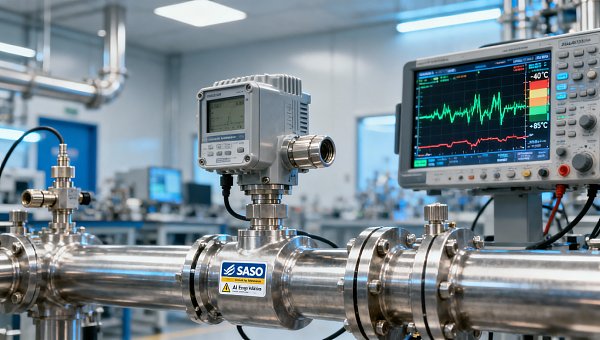
 Saudi SASO Introduces AI-Based Energy Validation for Industrial TransmittersAI-based energy validation for industrial transmitters is now mandatory in Saudi Arabia—learn how SASO’s new AI regulation impacts global exporters, compliance timelines, and supply chains.
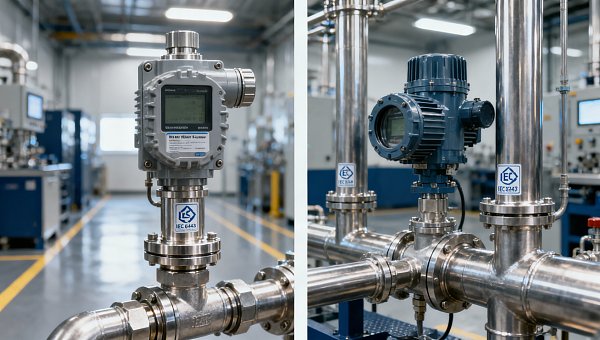
 IEC TC65 Releases Cybersecurity Validation Guide for Industrial InstrumentsIEC TC65’s new Cybersecurity Validation Guide for Industrial Instruments mandates SDL certification & firmware signing—key for EU/US market access. Act now to align with GB/T 42278-2026 and avoid export delays.
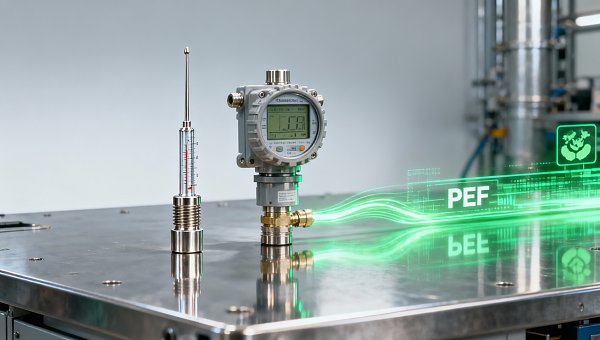
 EU PEF Carbon Footprint Database Mandatory Access for Industrial InstrumentsEU PEF Carbon Footprint Database mandatory access starts June 2026 for industrial instruments—pressure, temperature & flow meters. Ensure compliance now to avoid EU customs delays and market exclusion.
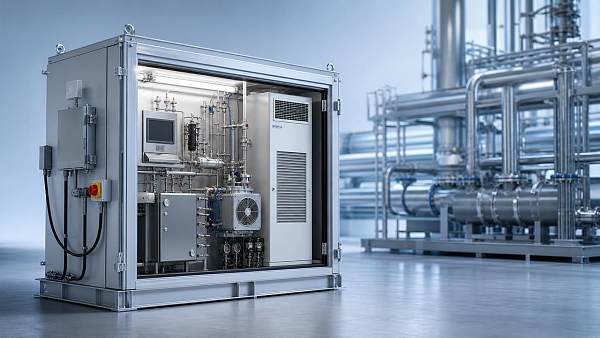
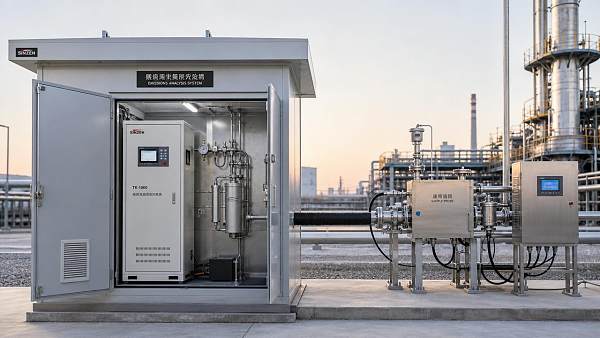
 Gas Quality Analyzer Shelter Price Trends and Specification Gaps to WatchGas quality analyzer shelter price trends vary with materials, HVAC, safety, integration, and compliance. See key specification gaps before shortlisting suppliers or approving budget.
 Process Measurement Equipment: Key Accuracy Risks in Harsh EnvironmentsProcess measurement equipment in harsh environments can drift before failing. Discover key accuracy risks, warning signs, and practical controls to protect quality, safety, and compliance.
 Industrial Analyzer Shelter Export Factors Affecting Lead Times This YearIndustrial analyzer shelter export lead times vary with sourcing, engineering, compliance, packing, and logistics. Learn the key factors to quote smarter and deliver with confidence.
 What to Check Before Buying a Process Analyzer ShelterProcess analyzer shelter buying guide: learn what to check before purchase, from compliance and HVAC to utilities, durability, and maintenance access.
 Process Monitoring Equipment Trends Shaping Plant Upgrades in 2026Process monitoring equipment trends for 2026 reveal how smarter plant upgrades can cut downtime, improve compliance, boost efficiency, and deliver faster ROI.
 Flue Gas Analyzer Shelter Maintenance Issues That Shorten Service LifeFlue gas analyzer shelter maintenance issues can quietly shorten equipment life. Learn the key risks, warning signs, and practical checks to reduce downtime and protect accuracy.
 Emission Analyzer Shelter vs Outdoor Mounting: Which Reduces DowntimeEmission analyzer shelter vs outdoor mounting: discover which setup cuts downtime, improves analyzer reliability, and lowers lifecycle risk in harsh or compliance-critical environments.
 Common Gas Quality Equipment Selection Mistakes in Industrial ProjectsGas quality equipment selection mistakes can delay industrial projects and raise compliance risks. Learn how to choose the right solution for accuracy, safety, integration, and faster commissioning.
 Gas Quality System Costs: What Shapes Total Project Spending in 2026Gas quality system costs in 2026 depend on more than analyzer price. Discover the key budget drivers, hidden expenses, and smart planning steps to control total project spending.
 How to Choose Emission Measurement Equipment for Reliable Compliance DataEmission measurement equipment selection affects compliance accuracy, uptime, and audit readiness. Learn how to compare systems, reduce risk, and choose a solution built for reliable data.
 First Global White Paper on Dynamic Calibration for Humanoid Robot Sensors ReleasedFirst global white paper on dynamic calibration for humanoid robot sensors—key for pressure & 6-axis force/torque accuracy in smart manufacturing and collaborative robotics.
 FDA Updates IVD Import Guidelines: CNAS/NIST Calibration Chain RequiredFDA mandates CNAS/NIST calibration chain for IVD pressure & temperature sensors—key for Chinese exporters. Act now to meet July 2026 deadline.
 EU PEF Carbon Database Mandatory Access for Chinese Industrial InstrumentsEU PEF Carbon Database mandatory for Chinese industrial instruments—meet June 15, 2026 deadline to keep CE marking & win EU tenders.
 IEC TC65 Releases Cybersecurity Validation Guide for Industrial InstrumentsIEC TC65 releases cybersecurity validation guide for industrial instruments—key for firmware signing, OT encryption & remote audit compliance. Act now.
 SASO Introduces AI-Based Energy Efficiency Verification for Industrial TransmittersSASO AI energy efficiency verification now mandatory for industrial transmitters in Saudi Arabia—ensure compliance before June 1, 2026 to avoid customs delays.
 ASEAN Green Customs Corridor Fully LaunchedASEAN Green Customs Corridor now live: AI-verified CNAS calibration reports slash ASEAN-China customs clearance to under 4 hours — boost precision equipment trade today.
 Process Control Equipment Price Trends Under Energy Cost PressureProcess control equipment price trends are shifting under energy cost pressure. Discover key cost drivers, total ownership factors, and smart sourcing tips to reduce risk and improve ROI.
 Multi Gas Analysis in Safety-Critical Areas: What to Check FirstMulti gas analysis starts with risk, not just instruments. Learn what to check first in safety-critical areas to improve compliance, reduce downtime, and protect people and assets.
 Industrial Analyzer Equipment: Common Failures and Maintenance TipsIndustrial analyzer equipment failures can disrupt uptime, compliance, and data accuracy. Discover common faults and practical maintenance tips to improve reliability fast.
 Industrial Measurement System Import Trends and Supply RisksIndustrial measurement system import trends and supply risks explained: learn how distributors can protect margins, reduce delays, and build stronger sourcing resilience.
 Emission Control Equipment Rules Reshaping Industrial DemandEmission control equipment is reshaping industrial investment as stricter rules drive demand for smarter monitoring, lower risk, and compliance-ready systems. Explore what buyers must evaluate now.
 Emission Measurement System Costs in 2026: What Shapes PricingEmission measurement system costs in 2026 depend on accuracy, compliance, installation, integration, and service. Learn what shapes pricing and plan a smarter investment.
 Process Measurement System Upgrades: When Do They Pay Off?Process measurement system upgrades pay off when they cut downtime, improve accuracy, and support compliance. Learn the key signals, ROI factors, and smart upgrade strategies.
 Paramagnetic Gas Measurement: Where It Performs Best in IndustryParamagnetic gas measurement delivers fast, stable oxygen analysis for combustion, emissions, and process control. Discover where it performs best and how it improves efficiency, compliance, and reliability.






Search Categories
Search Categories
Latest Article
- SAMR to Finalize 1,800+ Standards by 2026, Including EV Battery RecyclingSAMR to finalize 1,800+ standards by 2026—including EV battery recycling, hazardous chemical packaging & EMC immunity. Stay ahead of mandatory GB shifts and global export compliance.Posted by:
- China's Largest Single-Line Large-Tow Carbon Fiber Line Starts OperationChina's largest single-line large-tow carbon fiber line is live—30,000 tons/year capacity, ASME-certified, 22% cheaper & 6-week lead time. Boost your industrial instrumentation supply chain now.Posted by:
- China Mobile Unveils National Integrated Computing Power NetworkChina Mobile's National Integrated Computing Power Network accelerates AI quality inspection for global manufacturers—cutting model training time by 68% and enabling cross-border industrial AI development.Posted by:
Please give us a message
