
Custom solution costs rise fastest during late revisions


In custom instrumentation projects, costs often rise fastest when late revisions disrupt planning, sourcing, and production. For buyers seeking gas monitoring systems, Custom Solution flexibility matters, but so do Stable Supply, Timely Delivery, and Logistics Support. Whether you need Bulk Order options, Wholesale Price advantages, or Worldwide Shipping for Long Term Supply, understanding how change timing affects total cost helps procurement, engineering, and project teams make smarter decisions.
Why do late revisions increase custom solution costs so quickly?
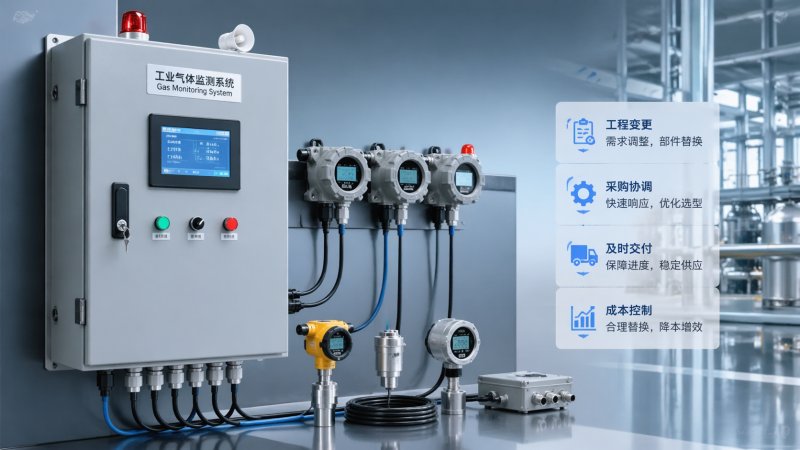
In the instrumentation industry, a custom solution rarely involves only one device. It usually connects sensors, transmitters, analyzers, controllers, enclosures, communication interfaces, calibration requirements, and site-specific safety needs. When a revision appears in the final 10%–20% of the project timeline, the impact can spread across drawings, firmware logic, cable schedules, procurement lists, compliance review, and final testing.
This is why late revisions often cost more than early engineering changes. In the concept phase, changing a gas monitoring system layout may only require 1–2 design discussions and a document update. During procurement or assembly, the same change can trigger supplier re-quotation, replacement of long-lead components, new panel drilling, updated I/O mapping, and repeated factory acceptance checks.
For information researchers and technical evaluators, the key lesson is simple: flexibility should be designed into the Custom Solution before production begins. For procurement and finance teams, the issue is not just unit price. It is total landed cost, including scrap risk, schedule slippage, retesting labor, expedited shipping, and possible site rework after delivery.
In sectors such as industrial manufacturing, energy and power, environmental monitoring, laboratory analysis, and automation control, revision timing matters because instrumentation is tightly linked to accuracy, continuity, and safety. A small late change in sensor range, material compatibility, or communication protocol can affect the entire control loop and delay commissioning by 1–3 weeks.
Where does the extra cost usually come from?
The most common cost jump does not come from one expensive component. It comes from a chain of small disruptions that accumulate quickly. This is especially true in projects that require Stable Supply, Timely Delivery, and Logistics Support across multiple regions or distribution channels.
- Engineering rework: revised drawings, bill of materials updates, communication mapping changes, enclosure redesign, and new approval cycles.
- Procurement disruption: canceled purchase orders, minimum order quantity conflicts, substitute component validation, and vendor lead time resets from 7–15 days to 3–6 weeks.
- Production impact: reassembly, rewiring, relabeling, repeated calibration, repeated leak or function checks, and final inspection delays.
- Logistics premium: split shipments, urgent air freight, customs document amendments, and warehouse handling for partially completed orders.
For distributors, project managers, and end users, these hidden costs often explain why a low initial quote can become less competitive after late changes. A supplier with better change control, stronger documentation, and Long Term Supply capability may protect overall budget better than a lower-priced but less organized source.
How revision timing changes procurement, delivery, and total cost
A useful way to evaluate a Custom Solution is to divide the project into 4 stages: concept definition, detailed engineering, procurement and production, and pre-shipment validation. The later a change enters the process, the more departments it affects. This pattern is common across pressure, temperature, flow, level, gas analysis, laboratory instrumentation, and online monitoring systems.
The table below helps procurement teams, project owners, and financial approvers compare the typical impact of changes made at different stages. It is not a fixed price rule, but it reflects common cost drivers in custom instrumentation supply.
This comparison shows why early alignment creates real savings. If a buyer needs Wholesale Price benefits on a Bulk Order, consistent scope control is essential. A 50-unit gas monitoring system order is easier to price competitively when sensor type, output signal, communication protocol, and mounting method are frozen before purchasing starts.
What should each stakeholder check before approving a change?
Late revisions are sometimes necessary. A site hazard review may reveal a new requirement. A laboratory may need tighter measurement repeatability. An automation contractor may request protocol changes for PLC integration. The right response is not to reject every change, but to evaluate impact in a structured way.
Recommended for You
 IEC Approves China-Led Smart Sensor Semantic Interoperability GuideSmart sensor semantic interoperability takes a leap: IEC TR 63382—China-led, globally approved—sets the first semantic guide for IoT sensor data modeling, ontology, and APIs.
 SABIC Launches 'Smart Factory 2030' with China Sourcing PrioritySABIC's 'Smart Factory 2030' prioritizes China sourcing for AI-driven process analyzers — discover how ISA-88/95 compliance and Saudi data sovereignty unlock new market access.
 China Leads Global Offshore Wind Installations for 5th Consecutive YearChina leads global offshore wind installations for the 5th year — discover how domestic submarine cable monitoring, corrosion robots & FBG sensors drive export growth to UK, Vietnam, Brazil.
 Germany Enforces New EMC Standard EN IEC 61000-6-4:2026 for AI Edge DevicesEN IEC 61000-6-4:2026 is now mandatory in Germany for AI edge devices — discover radiated emission limits (1–6 GHz), CE impact, and urgent compliance actions.
 FDA Updates IVD Software Guidance for AI Diagnostic ToolsFDA updates IVD software guidance for AI diagnostic tools—new data transparency & bias assessment rules impact global manufacturers. Act now to align.
 MIIT Launches Enforcement Campaign on EV Battery RecyclingMIIT Launches EV Battery Recycling Enforcement: Key for compliance, data security & global exports. Act now to avoid delays and seize market advantage.
 Released") Guidelines for Domestic Trade Transactions (Trial) ReleasedGuidelines for Domestic Trade Transactions (Trial) released—key for instrumentation, automation & global procurement teams navigating quality, IP, data & dispute clauses.
Guidelines for Domestic Trade Transactions (Trial) ReleasedGuidelines for Domestic Trade Transactions (Trial) released—key for instrumentation, automation & global procurement teams navigating quality, IP, data & dispute clauses. China's Shipbuilding Industry Sees 195.2% YOY Growth in Q1 New OrdersChina's shipbuilding industry surges 195.2% YoY in Q1 2026 new orders — driving demand for marine survey instruments, LNG bunkering ships & integrated sensor systems.
 China Releases AI Terminal Intelligence Grading StandardChina's new AI Terminal Intelligence Grading Standard (GB/Z 177—2026) defines L1–L5 AI capabilities for smart sensors, automotive cockpits & edge controllers—key for EU/SEA market access.
 China-Europe Railway Express Hits 130,000 Trains, $520B Cargo ValueChina-Europe Railway Express hits 130,000 trains & $520B cargo value — discover how CERX boosts supply chain resilience, cuts carbon, and outperforms sea freight for high-value, time-sensitive shipments.
 Plant Automation Instruments: Upgrade Signals You Should Not IgnorePlant automation instruments show upgrade signals before costly failures happen. Learn the warning signs, business value, and smart replacement steps to improve uptime, safety, and control.
 How Industrial Quality Analyzers Reduce Rework and ScrapIndustrial quality analyzers help manufacturers detect defects early, reduce rework and scrap, improve compliance, and boost process efficiency with faster, data-driven control.
 Industrial Process Analyzers: What to Check Before ImportingIndustrial process analyzers: learn what to check before importing, from certifications and technical fit to maintenance and supplier support, to reduce risk and buy with confidence.
 Real-Time Analyzers vs Lab Testing for Faster Process ControlReal-time analyzers vs lab testing: learn how faster process data improves control, cuts delays, and boosts quality while lab methods ensure validation and compliance.
 Smart Measurement Devices in 2026: Where Adoption Is Growing FastSmart measurement devices are seeing rapid 2026 adoption across manufacturing, energy, labs, and environmental monitoring. Discover where demand is rising fastest and why buyers are acting now.
 Industrial Detection Systems: Common Selection Mistakes to AvoidIndustrial detection systems selection mistakes can trigger delays, compliance risks, and higher lifecycle costs. Learn how to choose smarter, integrate better, and avoid costly rework.
 When High-Accuracy Instruments Justify the Extra CostHigh-accuracy instruments justify extra cost when precision reduces waste, strengthens compliance, and improves ROI. Learn when premium accuracy delivers measurable business value.
 Utility Monitoring Equipment Costs: What Shapes 2026 BudgetsUtility monitoring equipment costs in 2026 are shaped by accuracy, integration, cybersecurity, and lifecycle service. See what drives budgets and how to plan smarter investments.
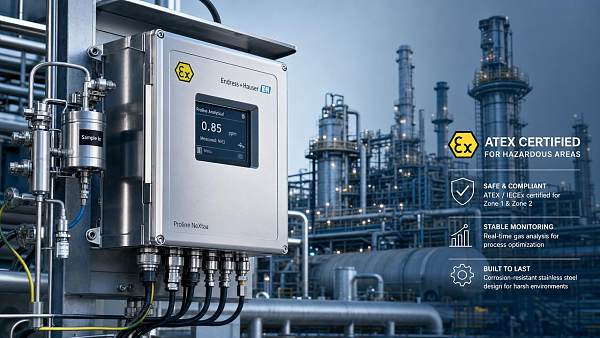
 ATEX Certified Analyzers: Key Specs That Matter in Hazardous PlantsATEX certified analyzers: discover the key specs that impact safety, accuracy, uptime, and maintenance in hazardous plants—essential guidance for smarter selection.
 How to Choose Plant Safety Instruments for High-Risk AreasPlant safety instruments selection for high-risk areas starts with the right standards, durability, and integration. Learn how to compare options, avoid costly mistakes, and improve plant safety.
 China's New Oil & Gas Discoveries Boost Export Demand for Analytical InstrumentsChina's new oil & gas discoveries drive export demand for analytical instruments—boosting global opportunities for chromatographic analyzers, gas detectors, and downhole sensors.
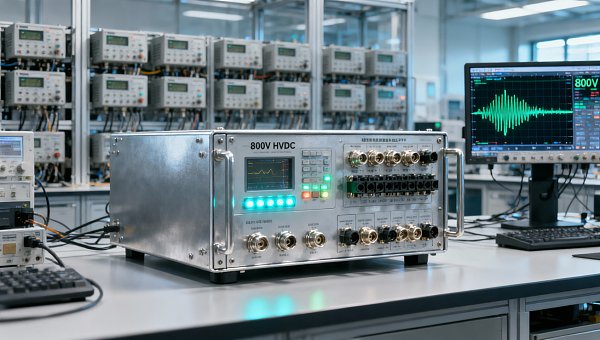
 China Academy Launches 800V HVDC Power-Computing Validation PlatformChina Academy launches 800V HVDC power-computing validation platform for IEC-compliant DC metering — accelerate CE/UL/SASO certification by 30%.
 MIIT Launches 'AI + Software' InitiativeAI + Software initiative by MIIT boosts intelligent programming tools, compute optimization & domestic industrial software—key for instrumentation, lab systems & monitoring platforms.
 China Approves New National Standards for AI, Chip, and GNSSChina's new national standards for AI, chips, and GNSS—effective Nov 2026—reshape global export compliance. Discover key impacts & actionable steps now.
 Guangzhou Port Launches Tender for 3500kW Green Diesel LocomotivesGuangzhou Port's tender for 3500kW green diesel locomotives signals urgent demand for turnkey, eco-compliant rail solutions — act now to align with China’s port decarbonization timeline.
 Industrial Metrology Tools: When Accuracy Impacts OutputIndustrial metrology tools directly shape output, quality, and cost. Learn how accurate measurement reduces scrap, speeds decisions, and improves production performance.
 Process Measurement Devices in Export Compliance UpdatesProcess measurement devices face new export compliance updates that impact classification, documents, lead times, and market access. Learn practical steps to reduce risk and protect growth.
 Quality Control Analyzers Price Shifts in Global SupplyQuality control analyzers prices are shifting with global supply changes. Learn the key cost drivers, compliance risks, and sourcing tips buyers need to reduce total cost.
 Production Line Monitoring: How to Reduce Downtime FastProduction line monitoring helps reduce downtime fast with practical checklists, smarter alarms, and real-time insights. Learn how to improve visibility, response speed, and line reliability.
 Process Optimization Instruments: ROI vs Maintenance CostsProcess optimization instruments: compare ROI, downtime reduction, and accuracy gains against calibration and maintenance costs. Learn how to choose smarter, lower-risk solutions.
 Manufacturing Process Control Trends Shaping 2026 OutputManufacturing process control trends for 2026: explore real-time monitoring, predictive quality, compliance readiness, and smarter automation strategies to boost output and reduce risk.
 Industrial Inspection Devices for Safer Quality ChecksIndustrial inspection devices help deliver safer quality checks by detecting faults early, reducing downtime, and improving compliance across manufacturing, energy, and infrastructure.























Search Categories
Search Categories
Latest Article
- IEC Approves China-Led Smart Sensor Semantic Interoperability GuideSmart sensor semantic interoperability takes a leap: IEC TR 63382—China-led, globally approved—sets the first semantic guide for IoT sensor data modeling, ontology, and APIs.Posted by:
- SABIC Launches 'Smart Factory 2030' with China Sourcing PrioritySABIC's 'Smart Factory 2030' prioritizes China sourcing for AI-driven process analyzers — discover how ISA-88/95 compliance and Saudi data sovereignty unlock new market access.Posted by:
- China Leads Global Offshore Wind Installations for 5th Consecutive YearChina leads global offshore wind installations for the 5th year — discover how domestic submarine cable monitoring, corrosion robots & FBG sensors drive export growth to UK, Vietnam, Brazil.Posted by:
Please give us a message
