
Control Analyzer Selection Mistakes That Increase Maintenance Costs


A poorly matched control analyzer can quietly turn routine service into repeated callouts, calibration drift, spare-parts waste, and unplanned downtime.
Selection mistakes often appear after installation, when harsh process conditions, weak diagnostics, or protocol conflicts begin raising lifecycle costs.
This FAQ explains how smarter specification, supplier evaluation, and lifecycle thinking reduce maintenance burden and protect operating reliability.
What Makes a Control Analyzer Expensive to Maintain?
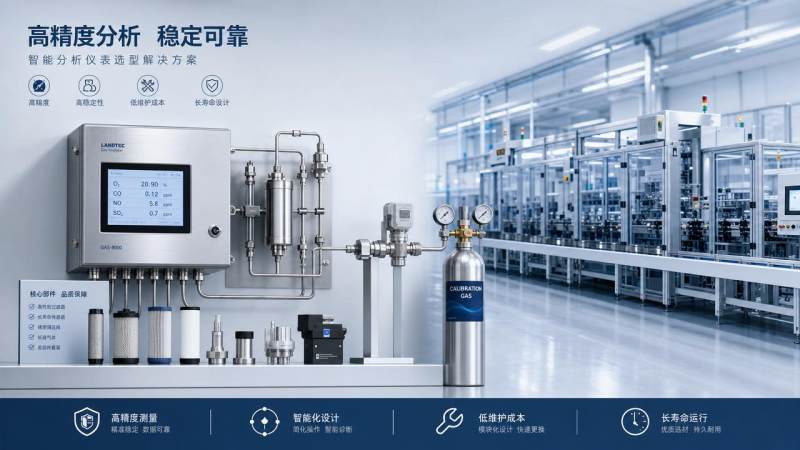
A control analyzer becomes costly when its real operating environment differs from the assumptions used during selection.
The purchase price may look acceptable, but service hours, downtime, consumables, and emergency troubleshooting create hidden cost.
A control analyzer must measure accurately while surviving temperature swings, vibration, fouling, humidity, corrosion, and electrical noise.
If any of these factors are underestimated, maintenance becomes reactive instead of planned.
Common cost drivers include frequent recalibration, blocked sample lines, unstable sensors, firmware conflicts, and unclear alarm messages.
Another problem is over-specification. An overly complex control analyzer may require specialist tools and expensive spare modules.
Under-specification is equally harmful. A weak analyzer may drift quickly or fail during abnormal process excursions.
The best choice balances measurement performance, installation reality, service access, diagnostics, and supply-chain stability.
Key maintenance cost signals
- Calibration intervals become shorter than planned.
- Spare parts are difficult to source or verify.
- Diagnostics identify symptoms, not root causes.
- Sample conditioning needs constant cleaning.
- Communication with PLC, DCS, or SCADA remains unstable.
How Does Wrong Process Matching Damage Control Analyzer Reliability?
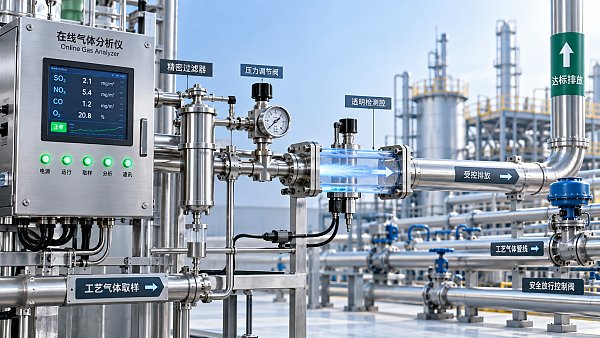
Process matching is the first decision point. A control analyzer cannot deliver stable data if the sample is unsuitable.
Temperature, pressure, phase state, viscosity, particulates, and chemical compatibility must be reviewed before model selection.
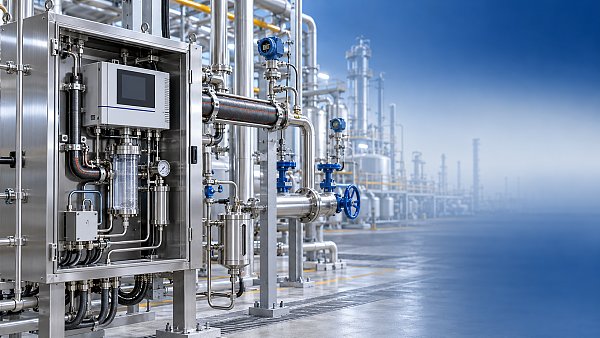
Many failures begin when the sample system is treated as secondary. In practice, it often determines analyzer performance.
A high-quality control analyzer still fails when liquid carryover enters a gas measurement cell.
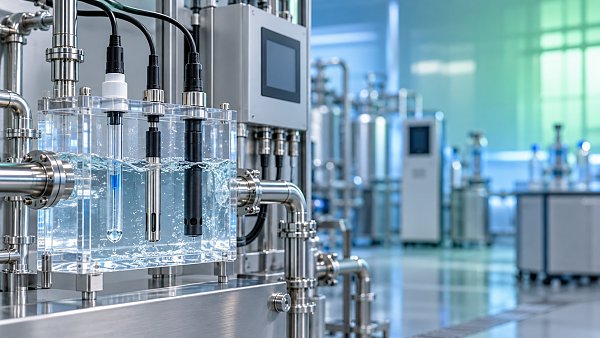
Likewise, a dissolved-solids analyzer will struggle if filtration, flushing, or flow velocity is ignored.
Incorrect materials also create expensive failures. Seals, tubing, probes, and wetted parts must resist real process chemistry.
Corrosion, swelling, coating, and crystallization can turn a stable control analyzer into a recurring maintenance case.
Practical specification checks
- Define normal, startup, shutdown, and upset conditions.
- Confirm maximum pressure and temperature with safety margin.
- Check whether sample lag affects control decisions.
- Review cleaning frequency and manual access requirements.
- Verify hazardous-area needs such as ATEX or IECEx.
A control analyzer should be selected with the full measurement chain, not only the sensing principle.
That chain includes extraction, conditioning, transport, measurement, communication, calibration, diagnostics, and safe isolation.
Why Do Communication and Integration Mistakes Raise Service Costs?
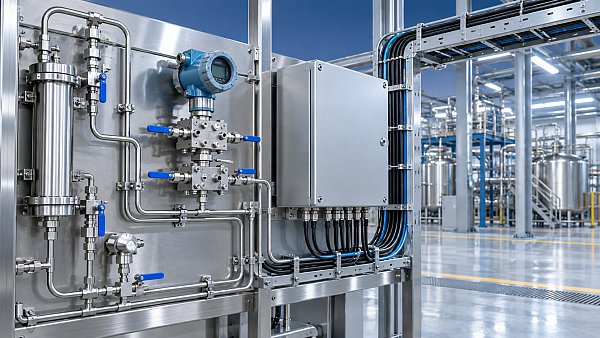
Modern plants depend on connected measurement. A control analyzer must communicate reliably with automation and asset systems.
Protocol mismatch is a common hidden issue. Analog output alone may not provide enough diagnostic information.
Digital protocols such as HART, Modbus, Profibus, Ethernet/IP, or OPC UA require careful compatibility review.
A control analyzer with strong measurement capability can still create maintenance friction if data mapping is incomplete.
For example, alarms may reach the DCS without status quality, timestamp clarity, or actionable fault codes.
This forces manual checking, repeated site visits, and longer downtime during abnormal conditions.
Cybersecurity and firmware policy also affect maintenance. Uncontrolled updates can change behavior or interrupt validated operation.
Before approving a control analyzer, confirm revision control, backup procedures, audit trails, and remote support boundaries.
Integration questions worth asking
- Which variables and diagnostics are transmitted?
- Are device descriptions available for the control platform?
- Can alarms distinguish sensor, sample, and electronics faults?
- Is remote access secure and documented?
- Does the supplier support lifecycle firmware management?
Reliable integration turns the control analyzer into a maintainable asset, not an isolated black box.
Which Supplier Evaluation Mistakes Lead to Higher Control Analyzer Costs?
Supplier evaluation should go beyond brochures, accuracy claims, and initial delivery time.
A control analyzer supports critical decisions, so documentation quality and after-sales continuity matter strongly.
Weak manuals create longer troubleshooting. Poor calibration guidance increases uncertainty. Unclear spare-part lists delay repairs.
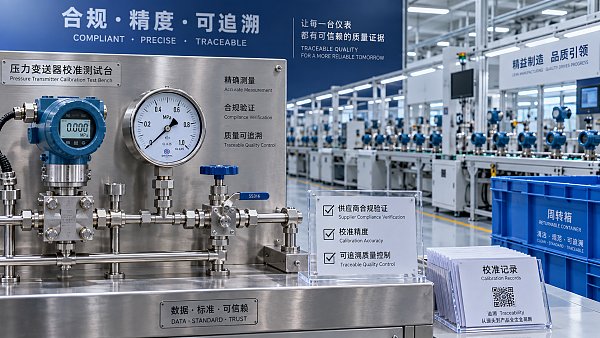
A supplier should provide traceable calibration options, recommended maintenance intervals, and realistic consumable forecasts.
For regulated sectors, certificates and compliance evidence may be as important as technical performance.
Relevant references include ISO/IEC 17025 calibration, hazardous-area approval, environmental compliance, and industry-specific validation records.
Global Instrument Hub emphasizes evidence-based supplier research because instrumentation sourcing depends on trust signals.
A credible control analyzer supplier should show application experience, repair policy, obsolescence planning, and accessible technical response.
Supplier evidence checklist
- Documented accuracy under real process conditions.
- Clear spare-part codes and lead-time expectations.
- Calibration procedures with traceability options.
- Maintenance training materials and troubleshooting flowcharts.
- Lifecycle policy for sensors, electronics, and software.
Choosing a control analyzer without this evidence shifts technical uncertainty into future maintenance budgets.
How Can Lifecycle Cost Be Compared Before Buying a Control Analyzer?
Lifecycle cost comparison helps avoid the trap of selecting the lowest initial price.
A control analyzer should be evaluated across installation, commissioning, calibration, consumables, downtime exposure, and eventual replacement.
The strongest comparison uses a realistic service model. It should include labor time, travel, spare inventory, and production risk.
Calibration gas, reagents, filters, lamps, membranes, reference solutions, and sample pumps can dominate long-term cost.
A control analyzer with longer service intervals may justify higher upfront investment when downtime is expensive.
However, longer intervals must be proven under similar applications, not only stated in promotional material.
This comparison makes the control analyzer decision measurable, transparent, and easier to defend.
What Are the Most Common Control Analyzer Selection Mistakes?
The most damaging mistakes usually look small during specification, but become expensive after commissioning.
One mistake is focusing only on accuracy. Accuracy matters, but stability and maintainability decide long-term value.
Another mistake is ignoring the environment. Heat, dust, vibration, rain, and electromagnetic interference affect analyzer survival.
A third mistake is selecting a control analyzer without reviewing operator interface and diagnostic clarity.
Confusing menus, unclear alarms, and limited event history increase troubleshooting time during stressful conditions.
A fourth mistake is overlooking training. Even reliable instruments fail when routine care is misunderstood.
The fifth mistake is insufficient commissioning acceptance. Baseline data must be captured before handover.
Commissioning records to keep
- Initial calibration certificate and reference values.
- Sample flow, pressure, temperature, and conditioning settings.
- Communication mapping and alarm configuration.
- Firmware version and configuration backup.
- Recommended inspection and consumable schedule.
These records create a baseline when the control analyzer later shows drift, noise, or abnormal response.
FAQ: Quick Answers for Better Control Analyzer Decisions
Conclusion: Select for Measurement Quality and Maintenance Reality
A control analyzer is not only a measurement device. It is part of a wider reliability system.
Poor matching, weak integration, unclear diagnostics, and uncertain supplier support all increase maintenance cost.
Better decisions begin with real process data, lifecycle cost comparison, and evidence-based supplier evaluation.
Global Instrument Hub supports smarter instrumentation decisions through technical intelligence, supplier insight, and practical industry analysis.
Before selecting the next control analyzer, review the sample system, diagnostics, protocols, certificates, consumables, and service model together.
That integrated review helps reduce repeated callouts, protect uptime, and build a more maintainable automation foundation.
Recommended for You
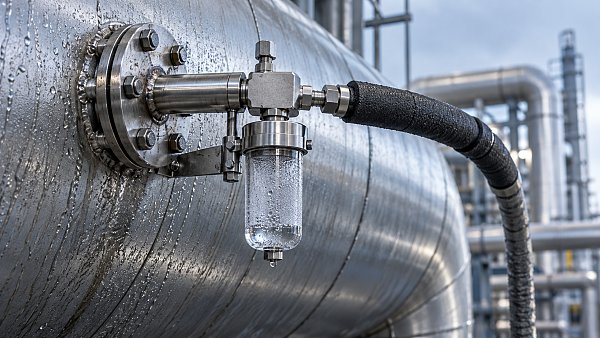
 How condensation affects stack detector readings in wet flue gasStack detector readings can drift when wet flue gas condenses. Learn how to identify moisture interference, prevent sample losses, and improve emissions monitoring reliability.
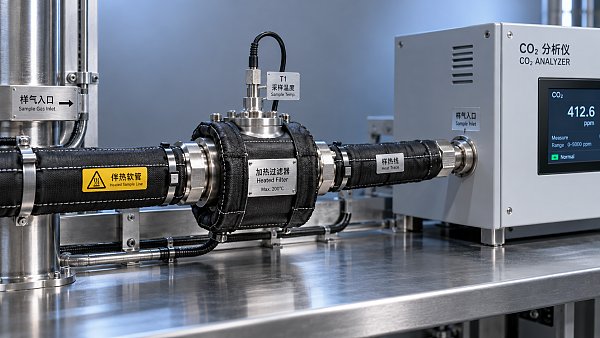
 How to prevent condensation in a CO2 analyzer sampling systemPrevent condensation in your CO2 analyzer sampling system. Learn how to control dew point, eliminate cold spots, and manage moisture for reliable readings and fewer costly disruptions.
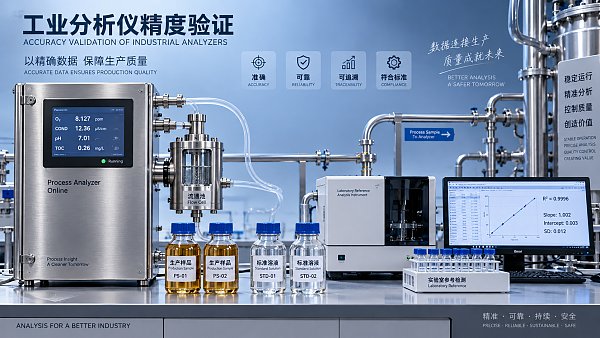
 How to verify accuracy claims for industrial quality analyzersVerify accuracy claims for industrial quality analyzers with calibration checks, independent testing, and clear acceptance criteria. Learn how to reduce risk and buy with confidence.
 How to calculate cooling loads for an industrial analyzer shelterSize industrial analyzer shelter cooling with confidence. Learn to calculate equipment heat, solar gains, and ventilation loads, then select HVAC capacity for reliable analyzer performance.
 Do Regulatory Monitoring Systems Need Third-Party Certification?Do regulatory monitoring systems need third-party certification? Learn when it is required, what certificates prove, and how to verify compliance before buying.
 How Do You Choose Wired or Wireless for Stack Monitoring?Learn how to choose between wired and wireless for stack monitoring. Compare reliability, lifecycle costs, and data recovery to find the right CEMS setup for your site.
 What Happens When Combustible Gas Sensor Calibration Is Overdue?What happens if combustible gas sensor is not recalibrated on time? Discover the risks of inaccurate readings and missed alarms, plus steps to restore reliable protection.
 Can One Multi-Gas Detector Replace Four Separate Analyzers?Find out: can a single multi-gas detector replace four separate analyzers? Compare accuracy, safety, compliance, and lifetime costs to make a confident buying decision.
 Industrial Safety vs. Emission Monitoring: What Are the Differences?What are the main differences between industrial safety and emission monitoring? Compare goals, sensors, response times, and compliance needs to choose the right systems for your facility.
 Is Remote Monitoring Worth the Cost for Small Emission Sources?Is it worth investing in remote monitoring for small emission sources? Compare costs, compliance needs, and potential savings to choose the right solution for your operation.
 How Do You Handle Analyzer Failure During an Environmental Audit?Learn how to handle analyzer failure during environmental compliance audit procedures. Protect evidence, verify data, and restore monitoring with this practical response guide.
 Do VOC Monitors Require Explosion-Proof Certification?Does VOC monitoring require explosion-proof certification? Learn when approval is needed, compare ATEX and IECEx, and choose the right monitor for your site.
 How sample conditioning affects accuracy in petrochemical analyzersImprove accuracy in petrochemical analyzers with smarter sample conditioning. Discover how phase control, filtration, and transport design prevent bias and deliver reliable process data.
 How to troubleshoot sensor drift in industrial gas detectorsIndustrial gas detectors showing sensor drift? Learn how to verify calibration gas, identify root causes, and determine when sensor replacement is needed for reliable monitoring.
 How to judge whether a competitive price reflects real valueCompetitive Price: learn how to compare scope, compliance, performance, and lifecycle costs to identify real value, reduce risk, and make smarter purchasing decisions.
 When custom gas analysis is the right fit for complex process streamsCustom gas analysis for complex process streams: learn when tailored sampling, interference control, and reliable measurement design deliver confident decisions.
 When does a laser gas analyzer meet stack emissions monitoring needs?Laser gas analyzer for stack emissions: learn when it delivers fast, reliable data, how to assess installation risks, and what to verify for CEMS compliance.
 How to select a hazardous gas analyzer for confined spacesHazardous gas analyzer selection for confined spaces: compare sensors, sampling, certifications, alarms, and maintenance to protect workers and choose with confidence.
 When is a single gas analyzer sufficient for workplace safety monitoring?Discover when a single gas analyzer delivers reliable workplace safety monitoring, and learn the key limits, calibration needs, and risks that require broader detection.
 How to choose an ambient gas analyzer for low-level leak detectionAmbient gas analyzer selection for low-level leak detection: compare sensitivity, cross-sensitivity, sampling design, alarms, and calibration for reliable site performance.
 How to tell when an oxygen sensor needs replacementOxygen sensor replacement signs explained: learn how live data, fault codes, wiring checks, and exhaust inspections pinpoint the real issue before you buy.
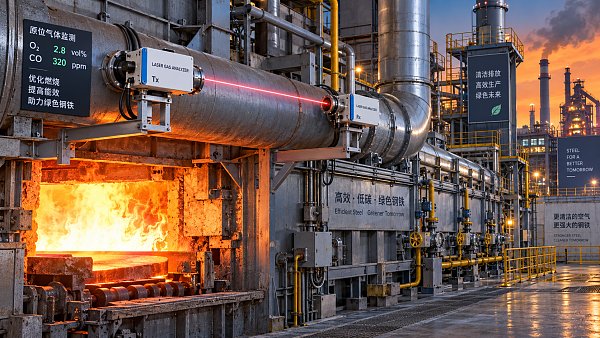
 How laser gas analyzers improve combustion control in steel furnacesLaser gas analyzer for steel industry applications delivers fast in-situ O₂ and CO data to optimize furnace combustion, cut fuel waste, and improve steel heating stability.
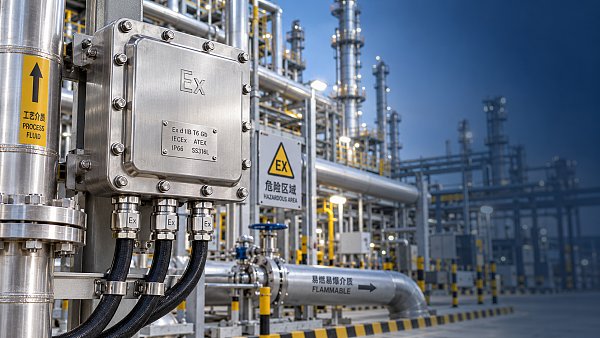
 How to verify whether explosion proof equipment meets site requirementsExplosion proof equipment verification made practical: match zones, gas or dust groups, temperature classes, certificates, and installation conditions for confident compliance.
 How industrial gas analysis helps detect contamination before releaseIndustrial Gas Analysis helps detect moisture, oil, oxygen, and toxic contaminants before release—protecting processes, ensuring compliance, and reducing costly risks.
 When is electrochemistry detection the right choice for water analysis?Electrochemistry detection for water analysis: learn when fast, reliable monitoring of ions, chlorine, pH, and more delivers actionable results.
 How industrial standards reduce quality risks in supplier selectionIndustrial Standard guidance helps quality and safety managers reduce supplier risks, verify compliance, strengthen traceability, and build resilient instrumentation supply chains.
 When does a multi-component system reduce installation complexity?Multi component systems reduce installation complexity when they eliminate field interfaces, streamline commissioning, and provide proven compatibility. Learn how to assess total cost and supplier accountability.
 How to size an industrial control shelter for outdoor equipmentIndustrial control shelter sizing guide: optimize layout, HVAC, access, safety, and expansion space for reliable outdoor equipment operations.
 How flue analysis helps verify combustion efficiencyFlue analysis verifies combustion efficiency by assessing O2, CO, CO2, and stack temperature to identify excess air, incomplete combustion, and heat losses.
 How to select industrial gas detectors for confined spacesIndustrial gas detectors for confined spaces: learn how to match sensors, sampling methods, alarms, and certifications to real atmospheric hazards.
 When does a laser oxygen analyzer outperform zirconia sensors?Laser oxygen analyzer vs. zirconia sensors: compare speed, selectivity, maintenance, gas chemistry, and installation needs to choose the right oxygen measurement solution.
 How to select a percent range analyzer for process measurementsPercent range analyzer selection made practical: compare accuracy, sample systems, calibration, gas matrix, integration, and lifecycle cost for reliable process measurements.
Search Categories
Search Categories
- Smart Meters & Power Quality
- Transformer Gas Analyzers
- BESS Thermal Runaway Detectors
- Energy, Power & Smart Grid Monitoring
- Optical Profilers & CMM
- Ultrasonic & X-Ray NDT
- Calibration Standards
- Precision Metrology & NDT
- Water Quality Analyzers
- CEMS & VOCs Monitors
- Price Trends
- Import & Export Updates
- Market Trends
- Industry News
- Industry Insights
Latest Article
- How condensation affects stack detector readings in wet flue gasStack detector readings can drift when wet flue gas condenses. Learn how to identify moisture interference, prevent sample losses, and improve emissions monitoring reliability.Posted by:
- How to prevent condensation in a CO2 analyzer sampling systemPrevent condensation in your CO2 analyzer sampling system. Learn how to control dew point, eliminate cold spots, and manage moisture for reliable readings and fewer costly disruptions.Posted by:
- How to verify accuracy claims for industrial quality analyzersVerify accuracy claims for industrial quality analyzers with calibration checks, independent testing, and clear acceptance criteria. Learn how to reduce risk and buy with confidence.Posted by:
Please give us a message
