
Explosion Proof Equipment: Common Specification Mistakes to Avoid


Explosion Proof Equipment: Common Specification Mistakes to Avoid
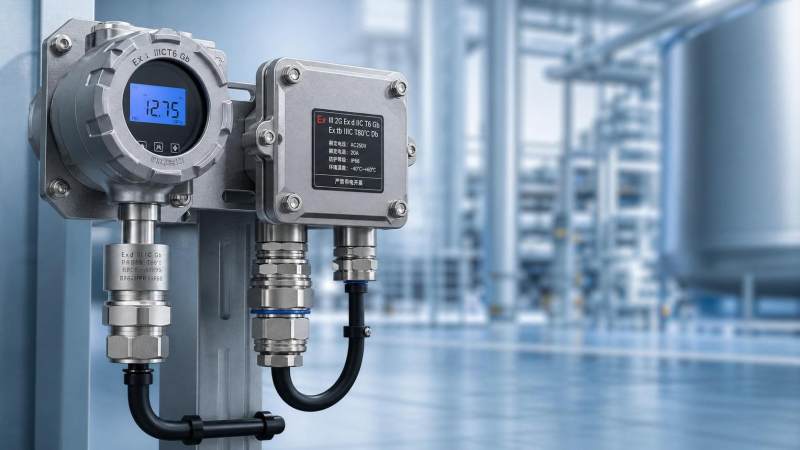
Selecting explosion proof equipment often looks simple on paper. In practice, specification errors create delays, redesign work, failed inspections, and expensive replacement orders.
That risk grows when teams assume all certified devices are interchangeable. They are not. Hazardous area details, gas groups, temperature classes, and protection concepts matter.
The real challenge is coordination. Mechanical, electrical, procurement, and operations teams often define requirements from different angles, and the gaps surface late.
This is where explosion proof equipment selection becomes a project issue, not only a technical one. Small wording mistakes can trigger large compliance and schedule consequences.
The sections below focus on the most common specification mistakes and how to prevent them before RFQ release, vendor clarification, and site installation.
1. Starting Without a Clear Hazardous Area Definition
The first mistake is specifying explosion proof equipment before the hazardous area is fully defined. Many teams jump straight to product models and miss the site basis.
Zone, Division, gas group, dust risk, ambient temperature, and ignition temperature should be confirmed first. Without that, every later choice becomes uncertain.
A transmitter suitable for Zone 2 may be completely wrong for Zone 1. The nameplate may still look convincing during a quick review.
This mistake often appears in revamp projects. Existing drawings are reused, while process changes quietly alter the hazardous classification basis.
- Verify the latest area classification study before writing datasheets.
- Confirm whether the site uses ATEX, IECEx, NEC, CEC, or a mixed approval environment.
- Record gas, vapor, and dust hazards separately.
- Check normal and abnormal ambient conditions, including solar heat and enclosure buildup.
A well-defined hazardous area basis makes explosion proof equipment selection faster, cleaner, and easier to defend during audits and design reviews.
2. Confusing Certification Schemes and Market Access Requirements
Another common mistake is assuming one certificate works everywhere. It does not. Certification acceptance depends on jurisdiction, project standards, and local inspection practice.
A device with IECEx certification may still need additional approval for North America. Likewise, ATEX marking alone may not satisfy every owner specification.
This issue usually surfaces late, often after purchase orders are placed. At that point, substitution options become limited and expensive.
For explosion proof equipment, the exact protection marking matters as much as the certificate logo. Inspectors review the full code, not the sales brochure.
- Define accepted certification schemes in the project specification.
- Ask vendors to submit full certificates, not summary declarations.
- Match the certificate scope to the exact model, options, and accessories.
- Confirm local authority or EPC acceptance before technical bid close.
This step prevents one of the most avoidable procurement failures in explosion proof equipment projects.
3. Overlooking Temperature Class and Real Operating Conditions
Temperature class errors are more common than many teams expect. The device may be certified, yet still unsuitable for the actual process environment.
A T4 marking does not solve everything. Surface temperature limits must stay below the ignition temperature of the hazardous atmosphere under real conditions.
More importantly, ambient temperature ranges can reduce certification validity. Heat tracing, direct sun, and enclosed panels change the thermal picture significantly.
Some explosion proof equipment is certified only with specific cable entries, blanking plugs, or mounting orientations. Those details are often buried in annex documents.
- Compare process temperature, ambient temperature, and enclosure heating effects.
- Review derating notes in the certificate conditions of use.
- Check whether add-on displays, barriers, or power modules affect heat output.
From a schedule standpoint, this matters because thermal mismatches rarely appear during office review. They usually show up during field inspection or commissioning.
4. Specifying the Wrong Protection Method for Maintenance Reality
Not every hazardous location needs the same protection concept. Yet many specifications treat explosion proof equipment as one broad category without practical distinction.
Flameproof Ex d, intrinsic safety Ex i, increased safety Ex e, and purge systems solve different problems. They also create different installation and maintenance demands.
Choosing Ex d everywhere may seem conservative, but it can increase weight, cost, cable complexity, and maintenance time. In some loops, Ex i is more practical.
In real projects, the best explosion proof equipment strategy balances safety, maintainability, spare parts, and technician familiarity.
This kind of early questioning reduces lifecycle friction, not just initial purchase cost.
5. Ignoring Cable Glands, Conduits, Accessories, and Assembly Scope
A frequent specification gap is focusing on the main device while ignoring the assembly around it. Explosion proof equipment only performs as certified when the full installation matches.
Cable glands, adapters, stopping plugs, seals, junction boxes, and conduit entries are not minor accessories. They are part of the compliance chain.
Problems appear when purchasing splits package responsibility. One supplier delivers the instrument, another delivers glands, and nobody verifies certificate compatibility.
For explosion proof equipment, even thread type confusion can stop installation. NPT, metric, and BSP differences still create expensive field surprises.
- Define gland type, thread standard, seal requirement, and material.
- Specify whether accessories are vendor-supplied or site-supplied.
- Require a complete certified assembly list during document review.
- Check ingress protection together with hazardous certification.
This is one of the easiest mistakes to prevent, provided ownership is clear early.
6. Treating Documentation as a Late-Stage Formality
Documentation quality directly affects whether explosion proof equipment gets accepted smoothly. Too many projects review certificates only after goods arrive on site.
That is late. By then, design decisions, cable schedules, and panel layouts are already fixed, making correction slow and costly.
The better approach is to review documentation in layers. Start with datasheets, then certificates, then control drawings, then installation conditions and maintenance instructions.
This also supports stronger procurement decisions. Global Instrument Hub follows this logic when evaluating instrumentation suppliers across regulated industrial sectors.
A strong review package for explosion proof equipment should include:
- Current certificates and marking details.
- Certificate schedules and special conditions.
- Control drawings for intrinsic safety loops.
- Approved accessory compatibility information.
- Installation, inspection, and maintenance instructions.
Better documentation discipline shortens FAT, SAT, and turnover cycles.
7. A Practical Review Workflow Before You Release the Order
The most effective way to avoid mistakes is a simple cross-functional check before purchase release. It does not need to be bureaucratic, but it must be disciplined.
Use a short decision gate for every explosion proof equipment package. Review the hazardous basis, certification path, temperature limits, accessories, and documentation completeness together.
In many projects, this one checkpoint prevents weeks of recovery work later. That is especially true when long-lead instruments or imported assemblies are involved.
- Confirm area classification reference and revision status.
- Match certification to the project jurisdiction.
- Verify T-class and ambient operating envelope.
- Validate glands, entries, and accessory scope.
- Check document package before final approval.
Explosion proof equipment should never be treated as a checkbox line item. It is a system decision with safety, schedule, and commercial consequences.
When specifications are precise early, projects move faster later. That is the real gain: fewer surprises, cleaner approvals, and more reliable field execution.
Recommended for You
 How does cross-interference affect multi-component gas analyzers?How does cross-interference affect multi component gas analyzers? Explore measurement errors, compensation limits, and validation tips to choose the right system for your process.
 How does temperature affect high-accuracy sensor performance?Explore how temperature affects high accuracy sensor performance. Learn to reduce thermal drift, evaluate compensation, and select the right sensor for reliable measurements.
 Can a C4H8O concentration analyzer distinguish between isomers?Can a C4H8O concentration analyzer distinguish isomers? Compare GC, FTIR and MS methods, uncover selectivity limits, and learn what to validate before choosing your instrument.
 How to identify a reliable supplier using on-time delivery recordsIdentify a Reliable Supplier by verifying on-time delivery records, original commitments, and complete shipments. Learn practical checks to reduce purchasing risk and protect your project schedule.
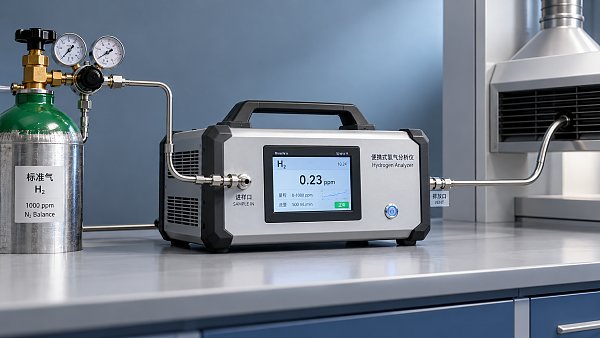
 How sensitive should a portable hydrogen analyzer be for lab use?Choose a portable hydrogen analyzer for laboratory use with the right quantification limit, accuracy, and range. Learn how to verify performance and avoid costly buying mistakes.
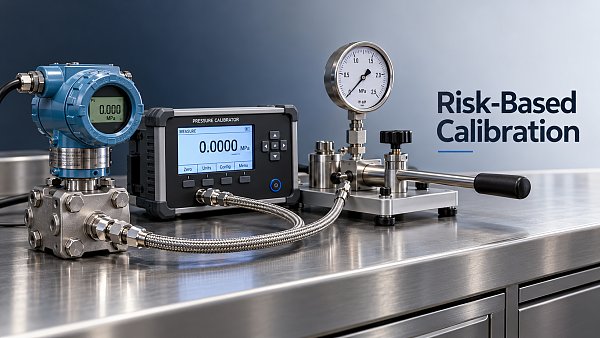
 How to set industrial calibration intervals based on equipment riskSet industrial calibration intervals based on equipment risk, drift, and as-found data. Learn when to shorten or extend schedules to improve reliability and avoid unnecessary costs.
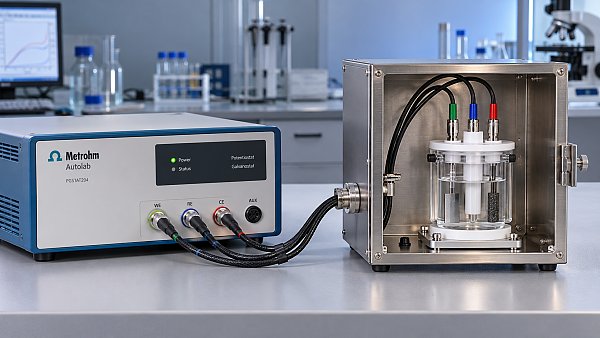
 How to choose electrochemical analyzers for low-current measurementsCompare electrochemical analyzers for precise low-current measurements. Learn how noise, leakage, bandwidth, and real-cell testing help you choose the right instrument.
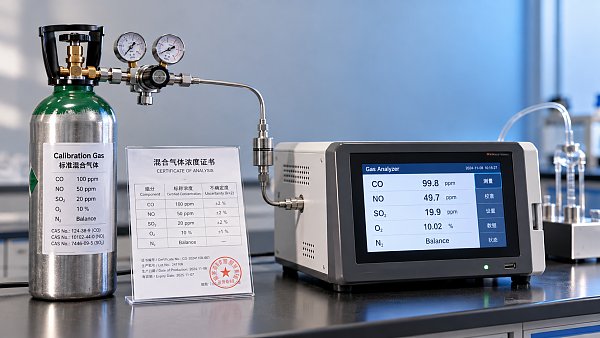
 What tolerance does a custom gas mixture need for calibration?Choose the right custom gas tolerance for calibration. Learn how blending tolerance, certified uncertainty, and stability affect accuracy—and avoid paying for precision you don’t need.
 How condensation affects stack detector readings in wet flue gasStack detector readings can drift when wet flue gas condenses. Learn how to identify moisture interference, prevent sample losses, and improve emissions monitoring reliability.
 How to prevent condensation in a CO2 analyzer sampling systemPrevent condensation in your CO2 analyzer sampling system. Learn how to control dew point, eliminate cold spots, and manage moisture for reliable readings and fewer costly disruptions.
 How to verify accuracy claims for industrial quality analyzersVerify accuracy claims for industrial quality analyzers with calibration checks, independent testing, and clear acceptance criteria. Learn how to reduce risk and buy with confidence.
 How to calculate cooling loads for an industrial analyzer shelterSize industrial analyzer shelter cooling with confidence. Learn to calculate equipment heat, solar gains, and ventilation loads, then select HVAC capacity for reliable analyzer performance.
 Hydrogen Analyzers for Energy Storage: Purity Monitoring vs. Leak DetectionChoosing a hydrogen analyzer for energy storage systems? Compare purity monitoring and leak detection to select the right sensors, improve safety, and protect fuel cell performance.
 NH3 Monitoring in Fertilizer Plants: Where Should Leak Analyzers Be Installed?NH3 analyzer for fertilizer production: discover where to place leak detectors around storage, compressors, and loading areas to reduce blind spots and improve early warning.
 Diesel Engine NOx Analyzers: Response Time and NO2 Conversion ExplainedChoosing a NOX analyzer for diesel engines? Learn how response time, NO2 conversion, and sampling design affect accuracy—and make a smarter, evidence-based purchase.
 SO2 Analyzers for Smelter Emissions: Sampling Hot, Dust-Laden Flue GasSelect an SO2 analyzer for smelting industry applications. Discover how to handle hot, dust-laden flue gas, prevent sample losses, and achieve reliable emissions monitoring.
 Unstable CH4 Readings in Biogas Monitoring? Check Moisture and Sample FlowCH4 analyzer for biogas monitoring giving unstable readings? Discover how moisture, sample flow, and pressure checks help pinpoint faults and restore reliable methane measurements.
 Buying a CO2 Analyzer for Brewery Gas Recovery: Costs Beyond the Purchase PriceBuying a CO2 analyzer for brewery applications? Compare sampling, installation, calibration, and downtime costs to uncover hidden expenses and make a smarter gas recovery investment.
 Where to Place CO Analyzers for Effective Parking Garage VentilationOptimize your CO analyzer for parking garage ventilation with practical placement tips. Learn how sensor height, airflow, and zone coverage support timely detection and effective fan control.
 NDIR vs. FTIR Gas Analyzers: Which Fits Your Environmental Research?Find the right infrared gas analyzer for environmental research. Compare NDIR vs. FTIR on sensitivity, gas coverage, sampling needs, and cost to choose confidently for your study.
 Oxygen Analyzers for Diving: Calibration Checks Before Nitrox BlendingUsing an oxygen analyzer for diving applications? Discover essential calibration, sensor, and sampling checks before nitrox blending to support reliable readings.
 How Paramagnetic Oxygen Analyzers Work and Why Sample Pressure MattersLearn how a paramagnetic oxygen analyzer works, why sample pressure affects accuracy, and what to check in compensation and calibration before choosing your system.
 How Much Does a Complete CEMS Integration Project Typically Cost?How much does a complete CEMS integration project typically cost? Explore budget ranges, hidden installation costs, and compliance needs to compare quotes and plan confidently.
 What Is the Typical Response Time for Industrial Air Monitors?What is the typical response time for industrial air monitors? Explore T90, sampling delays, and alarm settings to compare performance and choose the right monitor with confidence.
 Do Regulatory Monitoring Systems Need Third-Party Certification?Do regulatory monitoring systems need third-party certification? Learn when it is required, what certificates prove, and how to verify compliance before buying.
 How Do You Choose Wired or Wireless for Stack Monitoring?Learn how to choose between wired and wireless for stack monitoring. Compare reliability, lifecycle costs, and data recovery to find the right CEMS setup for your site.
 What Happens When Combustible Gas Sensor Calibration Is Overdue?What happens if combustible gas sensor is not recalibrated on time? Discover the risks of inaccurate readings and missed alarms, plus steps to restore reliable protection.
 Can One Multi-Gas Detector Replace Four Separate Analyzers?Find out: can a single multi-gas detector replace four separate analyzers? Compare accuracy, safety, compliance, and lifetime costs to make a confident buying decision.
 Industrial Safety vs. Emission Monitoring: What Are the Differences?What are the main differences between industrial safety and emission monitoring? Compare goals, sensors, response times, and compliance needs to choose the right systems for your facility.
 Is Remote Monitoring Worth the Cost for Small Emission Sources?Is it worth investing in remote monitoring for small emission sources? Compare costs, compliance needs, and potential savings to choose the right solution for your operation.
 How Do You Handle Analyzer Failure During an Environmental Audit?Learn how to handle analyzer failure during environmental compliance audit procedures. Protect evidence, verify data, and restore monitoring with this practical response guide.
 Do VOC Monitors Require Explosion-Proof Certification?Does VOC monitoring require explosion-proof certification? Learn when approval is needed, compare ATEX and IECEx, and choose the right monitor for your site.



Search Categories
Search Categories
- Smart Meters & Power Quality
- Transformer Gas Analyzers
- BESS Thermal Runaway Detectors
- Energy, Power & Smart Grid Monitoring
- Optical Profilers & CMM
- Ultrasonic & X-Ray NDT
- Calibration Standards
- Precision Metrology & NDT
- Water Quality Analyzers
- CEMS & VOCs Monitors
- Price Trends
- Import & Export Updates
- Market Trends
- Industry News
- Industry Insights
Latest Article
- How does cross-interference affect multi-component gas analyzers?How does cross-interference affect multi component gas analyzers? Explore measurement errors, compensation limits, and validation tips to choose the right system for your process.Posted by:
- How does temperature affect high-accuracy sensor performance?Explore how temperature affects high accuracy sensor performance. Learn to reduce thermal drift, evaluate compensation, and select the right sensor for reliable measurements.Posted by:
- Can a C4H8O concentration analyzer distinguish between isomers?Can a C4H8O concentration analyzer distinguish isomers? Compare GC, FTIR and MS methods, uncover selectivity limits, and learn what to validate before choosing your instrument.Posted by:
Please give us a message
