
Flue Equipment Failures That Quietly Raise Operating Costs


Flue Equipment Failures That Quietly Raise Operating Costs
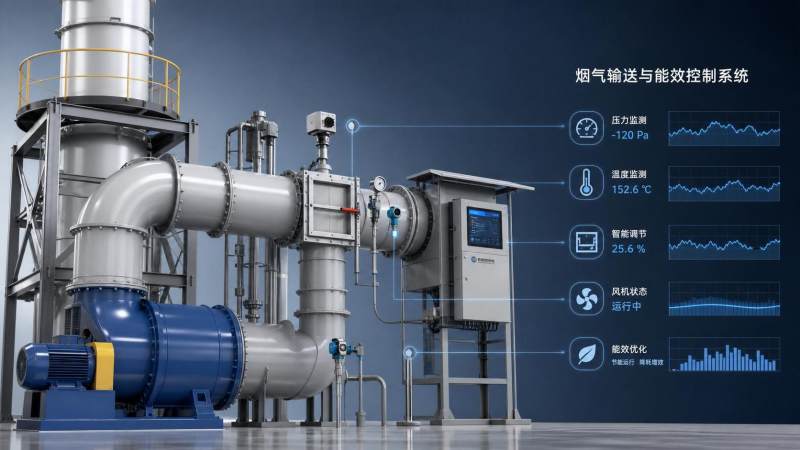
Many plants overlook how small flue equipment problems slowly drain profit. The damage rarely starts with a major shutdown. It often begins with slight losses in draft control, heat transfer, sealing, or emissions performance.
Over time, those hidden losses increase fuel use, maintenance frequency, and compliance exposure. They also reduce confidence in production planning, especially where uptime and energy intensity directly affect margins.
For companies managing industrial assets, flue equipment should be treated as a cost-control system, not only an exhaust path. When performance drifts, operating costs can rise long before alarms become visible.
This matters across manufacturing, power generation, process industries, and environmental operations. In each case, reliable flue equipment supports safer combustion, steadier throughput, and better use of utilities.
The common problem is simple. Teams often react to obvious failures, but miss the small performance shifts that raise total cost month after month.
Where Flue Equipment Failures Usually Start
Most flue equipment failures do not begin with broken hardware. They begin with gradual deterioration that appears manageable during daily operations.
Corrosion is one of the most common triggers. Acidic condensate, variable fuel quality, and temperature cycling can weaken ducts, stacks, dampers, and expansion joints.
Fouling is another frequent issue. Soot, ash, or particulate buildup reduces flow efficiency and heat exchange, forcing fans and burners to work harder than planned.
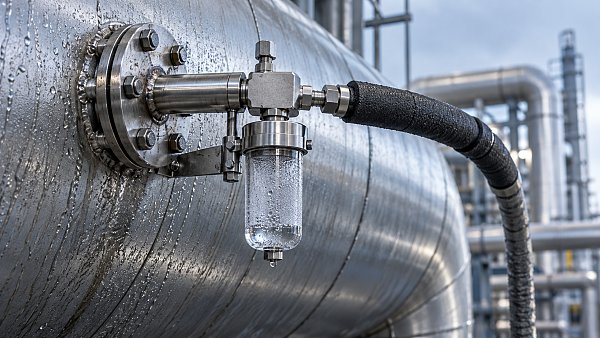
Seal failure also creates a quiet cost problem. Air leakage changes draft balance, lowers combustion efficiency, and distorts emissions readings that support compliance decisions.
Instrumentation drift adds another layer of risk. If pressure, temperature, or gas analysis values become unreliable, the control system may optimize around bad information.
- Corroded flue paths increase repair frequency and leakage risk.
- Blocked passages raise fan loads and energy bills.
- Worn dampers weaken process control and temperature stability.
- Sensor drift leads to poor combustion tuning and reporting errors.
These early-stage flue equipment issues rarely look dramatic. Yet they steadily shift costs upward across fuel, labor, spare parts, and environmental management.
The Hidden Cost Channels Behind Flue Equipment Problems
When flue equipment performance drops, higher fuel consumption is often the first financial effect. Poor draft and restricted flow make combustion less stable and less efficient.
The next cost channel is electricity. Fans, induced draft systems, and related motors draw more power when the exhaust path becomes dirty, misaligned, or partially blocked.
Maintenance spending also rises in a non-linear way. A small leak or hot spot can create secondary damage in insulation, supports, bearings, or connected process equipment.
More importantly, unstable flue equipment increases the chance of unplanned downtime. That usually costs far more than the repair itself, especially in continuous or high-volume operations.
Compliance is another area where costs stay hidden until they spike. Underperforming flue equipment can affect emissions control, reporting accuracy, and audit readiness.
Seen together, these costs make flue equipment reliability a procurement and operating issue, not just a maintenance detail.
Warning Signs Decision-Makers Should Track Earlier
The most useful warning signs are usually operational, not dramatic. A steady increase in fuel per unit output can point to flue equipment degradation before failure becomes visible.
Rising fan load is another signal. If electrical demand moves upward without a production increase, exhaust restrictions or draft imbalance may be developing.
Repeated manual damper adjustments also deserve attention. They often indicate that flue equipment control performance is drifting away from design conditions.
Shorter cleaning intervals are equally important. If deposits return faster than before, upstream combustion quality or downstream flue equipment condition may have changed.
A more obvious signal is inconsistency in emissions or stack temperature data. That can reflect sensor issues, leaks, or changes in flue gas behavior.
- Track fuel intensity against stable output bands.
- Review fan power trends weekly, not only during outages.
- Compare inspection findings with process and emissions data.
- Flag recurring manual interventions as a cost signal.
This broader view helps identify flue equipment issues while the response is still relatively low cost.
How Better Monitoring Changes the Cost Equation
The fastest way to reduce hidden losses is better visibility. Reliable monitoring turns flue equipment from a reactive maintenance burden into a managed operating asset.
Pressure and differential pressure trends can reveal blockage, leakage, or draft instability early. Temperature mapping can show hot spots, insulation failure, or flow imbalance.
Gas composition data adds another level of insight. It helps teams judge combustion quality, excess air, and emissions control performance with greater confidence.
In practical terms, this means fewer assumptions and faster root-cause analysis. It also supports better vendor conversations when flue equipment upgrades or replacements are being evaluated.
For larger sites, integrating flue equipment monitoring with plant historians or control platforms creates a stronger basis for predictive maintenance and lifecycle planning.
- Use trending, not snapshots, to understand deterioration.
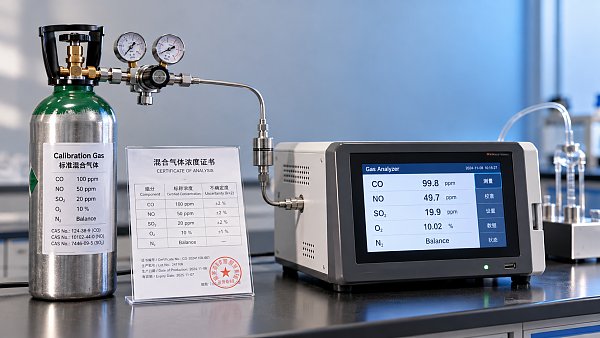
- Validate sensor calibration before changing process settings.
- Correlate flue equipment data with energy and emissions KPIs.
- Set alert thresholds based on drift, not only hard limits.
That approach supports lower total operating cost and avoids replacing good hardware too early because the real problem was poor visibility.
What to Prioritize When Reviewing Flue Equipment Suppliers or Upgrades
When costs are rising, many teams focus only on purchase price. That is rarely enough for flue equipment decisions tied to energy use, uptime, and compliance.
Material selection should come first. Corrosion resistance, thermal durability, and suitability for actual flue gas conditions matter more than nominal specifications on paper.
The second priority is measurement reliability. Good flue equipment performs better when paired with dependable sensing, calibration support, and clear maintenance access.
Lifecycle service should also be reviewed closely. Spare parts availability, inspection support, response time, and documentation quality all affect long-term cost control.
This is where industry intelligence becomes useful. A supplier may offer acceptable pricing, but weak field support or poor consistency can erase those savings quickly.
Decision quality improves when teams compare flue equipment options against operating conditions, maintenance history, and measurable loss mechanisms rather than general catalog claims.
A Practical Cost-Control Checklist for Flue Equipment
A useful flue equipment strategy does not need to be complicated. It needs to connect inspection, data quality, maintenance timing, and procurement decisions.
- Rank flue equipment assets by energy impact and downtime risk.
- Baseline draft, temperature, fan load, and emissions performance.
- Inspect seals, joints, dampers, and corrosion-prone areas routinely.
- Verify instruments before acting on unexpected trend changes.
- Use maintenance history to identify repeat failure patterns.
- Review suppliers based on lifecycle value, not only capex.
The broader point is straightforward. Flue equipment failures become expensive because they stay unnoticed for too long, not because they are always severe at the start.
By treating flue equipment as part of operational intelligence, companies can catch weak signals earlier, protect margins, and make more confident sourcing and maintenance decisions.
In a market where efficiency and reliability shape competitiveness, better flue equipment visibility is often one of the simplest ways to stop hidden costs from becoming permanent.
Recommended for You
 How does cross-interference affect multi-component gas analyzers?How does cross-interference affect multi component gas analyzers? Explore measurement errors, compensation limits, and validation tips to choose the right system for your process.
 How does temperature affect high-accuracy sensor performance?Explore how temperature affects high accuracy sensor performance. Learn to reduce thermal drift, evaluate compensation, and select the right sensor for reliable measurements.
 Can a C4H8O concentration analyzer distinguish between isomers?Can a C4H8O concentration analyzer distinguish isomers? Compare GC, FTIR and MS methods, uncover selectivity limits, and learn what to validate before choosing your instrument.
 How to identify a reliable supplier using on-time delivery recordsIdentify a Reliable Supplier by verifying on-time delivery records, original commitments, and complete shipments. Learn practical checks to reduce purchasing risk and protect your project schedule.
 How sensitive should a portable hydrogen analyzer be for lab use?Choose a portable hydrogen analyzer for laboratory use with the right quantification limit, accuracy, and range. Learn how to verify performance and avoid costly buying mistakes.
 How to set industrial calibration intervals based on equipment riskSet industrial calibration intervals based on equipment risk, drift, and as-found data. Learn when to shorten or extend schedules to improve reliability and avoid unnecessary costs.
 How to choose electrochemical analyzers for low-current measurementsCompare electrochemical analyzers for precise low-current measurements. Learn how noise, leakage, bandwidth, and real-cell testing help you choose the right instrument.
 What tolerance does a custom gas mixture need for calibration?Choose the right custom gas tolerance for calibration. Learn how blending tolerance, certified uncertainty, and stability affect accuracy—and avoid paying for precision you don’t need.
 How condensation affects stack detector readings in wet flue gasStack detector readings can drift when wet flue gas condenses. Learn how to identify moisture interference, prevent sample losses, and improve emissions monitoring reliability.
 How to prevent condensation in a CO2 analyzer sampling systemPrevent condensation in your CO2 analyzer sampling system. Learn how to control dew point, eliminate cold spots, and manage moisture for reliable readings and fewer costly disruptions.
 How to verify accuracy claims for industrial quality analyzersVerify accuracy claims for industrial quality analyzers with calibration checks, independent testing, and clear acceptance criteria. Learn how to reduce risk and buy with confidence.
 How to calculate cooling loads for an industrial analyzer shelterSize industrial analyzer shelter cooling with confidence. Learn to calculate equipment heat, solar gains, and ventilation loads, then select HVAC capacity for reliable analyzer performance.
 Hydrogen Analyzers for Energy Storage: Purity Monitoring vs. Leak DetectionChoosing a hydrogen analyzer for energy storage systems? Compare purity monitoring and leak detection to select the right sensors, improve safety, and protect fuel cell performance.
 NH3 Monitoring in Fertilizer Plants: Where Should Leak Analyzers Be Installed?NH3 analyzer for fertilizer production: discover where to place leak detectors around storage, compressors, and loading areas to reduce blind spots and improve early warning.
 Diesel Engine NOx Analyzers: Response Time and NO2 Conversion ExplainedChoosing a NOX analyzer for diesel engines? Learn how response time, NO2 conversion, and sampling design affect accuracy—and make a smarter, evidence-based purchase.
 SO2 Analyzers for Smelter Emissions: Sampling Hot, Dust-Laden Flue GasSelect an SO2 analyzer for smelting industry applications. Discover how to handle hot, dust-laden flue gas, prevent sample losses, and achieve reliable emissions monitoring.
 Unstable CH4 Readings in Biogas Monitoring? Check Moisture and Sample FlowCH4 analyzer for biogas monitoring giving unstable readings? Discover how moisture, sample flow, and pressure checks help pinpoint faults and restore reliable methane measurements.
 Buying a CO2 Analyzer for Brewery Gas Recovery: Costs Beyond the Purchase PriceBuying a CO2 analyzer for brewery applications? Compare sampling, installation, calibration, and downtime costs to uncover hidden expenses and make a smarter gas recovery investment.
 Where to Place CO Analyzers for Effective Parking Garage VentilationOptimize your CO analyzer for parking garage ventilation with practical placement tips. Learn how sensor height, airflow, and zone coverage support timely detection and effective fan control.
 NDIR vs. FTIR Gas Analyzers: Which Fits Your Environmental Research?Find the right infrared gas analyzer for environmental research. Compare NDIR vs. FTIR on sensitivity, gas coverage, sampling needs, and cost to choose confidently for your study.
 Oxygen Analyzers for Diving: Calibration Checks Before Nitrox BlendingUsing an oxygen analyzer for diving applications? Discover essential calibration, sensor, and sampling checks before nitrox blending to support reliable readings.
 How Paramagnetic Oxygen Analyzers Work and Why Sample Pressure MattersLearn how a paramagnetic oxygen analyzer works, why sample pressure affects accuracy, and what to check in compensation and calibration before choosing your system.
 How Much Does a Complete CEMS Integration Project Typically Cost?How much does a complete CEMS integration project typically cost? Explore budget ranges, hidden installation costs, and compliance needs to compare quotes and plan confidently.
 What Is the Typical Response Time for Industrial Air Monitors?What is the typical response time for industrial air monitors? Explore T90, sampling delays, and alarm settings to compare performance and choose the right monitor with confidence.
 Do Regulatory Monitoring Systems Need Third-Party Certification?Do regulatory monitoring systems need third-party certification? Learn when it is required, what certificates prove, and how to verify compliance before buying.
 How Do You Choose Wired or Wireless for Stack Monitoring?Learn how to choose between wired and wireless for stack monitoring. Compare reliability, lifecycle costs, and data recovery to find the right CEMS setup for your site.
 What Happens When Combustible Gas Sensor Calibration Is Overdue?What happens if combustible gas sensor is not recalibrated on time? Discover the risks of inaccurate readings and missed alarms, plus steps to restore reliable protection.
 Can One Multi-Gas Detector Replace Four Separate Analyzers?Find out: can a single multi-gas detector replace four separate analyzers? Compare accuracy, safety, compliance, and lifetime costs to make a confident buying decision.
 Industrial Safety vs. Emission Monitoring: What Are the Differences?What are the main differences between industrial safety and emission monitoring? Compare goals, sensors, response times, and compliance needs to choose the right systems for your facility.
 Is Remote Monitoring Worth the Cost for Small Emission Sources?Is it worth investing in remote monitoring for small emission sources? Compare costs, compliance needs, and potential savings to choose the right solution for your operation.
 How Do You Handle Analyzer Failure During an Environmental Audit?Learn how to handle analyzer failure during environmental compliance audit procedures. Protect evidence, verify data, and restore monitoring with this practical response guide.
 Do VOC Monitors Require Explosion-Proof Certification?Does VOC monitoring require explosion-proof certification? Learn when approval is needed, compare ATEX and IECEx, and choose the right monitor for your site.
Search Categories
Search Categories
- Smart Meters & Power Quality
- Transformer Gas Analyzers
- BESS Thermal Runaway Detectors
- Energy, Power & Smart Grid Monitoring
- Optical Profilers & CMM
- Ultrasonic & X-Ray NDT
- Calibration Standards
- Precision Metrology & NDT
- Water Quality Analyzers
- CEMS & VOCs Monitors
- Price Trends
- Import & Export Updates
- Market Trends
- Industry News
- Industry Insights
Latest Article
- How does cross-interference affect multi-component gas analyzers?How does cross-interference affect multi component gas analyzers? Explore measurement errors, compensation limits, and validation tips to choose the right system for your process.Posted by:
- How does temperature affect high-accuracy sensor performance?Explore how temperature affects high accuracy sensor performance. Learn to reduce thermal drift, evaluate compensation, and select the right sensor for reliable measurements.Posted by:
- Can a C4H8O concentration analyzer distinguish between isomers?Can a C4H8O concentration analyzer distinguish isomers? Compare GC, FTIR and MS methods, uncover selectivity limits, and learn what to validate before choosing your instrument.Posted by:
Please give us a message
