
Gas Composition Analysis Methods for Process Control


Why Gas Composition Analysis Changes the Quality of Process Control
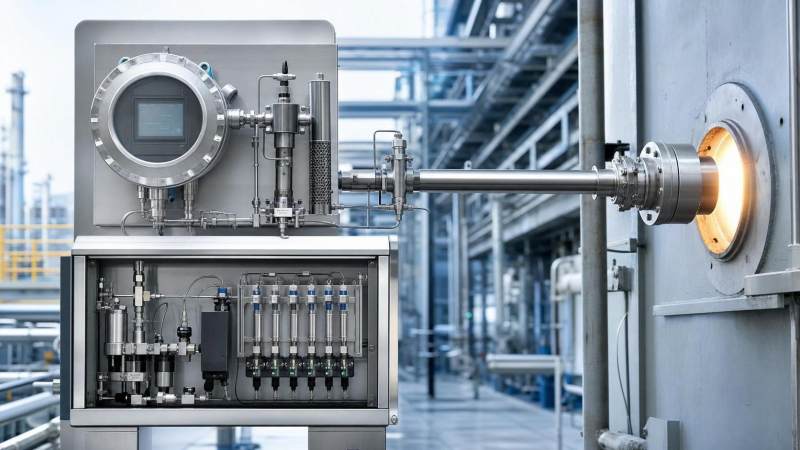 Gas Composition Analysis is not just a laboratory exercise. In live operations, it shapes control logic, alarm credibility, product consistency, and shutdown decisions.
When gas streams shift faster than expected, operators do not need more raw data. They need analysis methods that match process speed, risk level, and measurement purpose.
That difference matters across industrial manufacturing, energy systems, environmental monitoring, laboratory workflows, and engineered infrastructure.
A trace impurity in a semiconductor-related process, for example, demands a different approach than combustion tuning in a boiler line.
At Global Instrument Hub, this is where instrumentation intelligence becomes practical. Measurement only improves control when the method fits the operating context.
The core question is rarely whether Gas Composition Analysis is necessary. The real question is which method provides usable truth at the right time.
In Practice, the First Decision Is About the Process Environment
Different plants ask different things from Gas Composition Analysis because process conditions are rarely comparable in a meaningful way.
Some systems need second-level response. Others can tolerate batch verification. Some gas matrices are simple and dry. Others are wet, corrosive, unstable, or cross-sensitive.
A method that performs well in a clean calibration environment may fail once pressure swings, particulates, or condensate enter the sample path.
This is why method selection should begin with four checks: response time, target components, sampling condition, and control consequence.
- If a reading drives interlocks, stability and validation matter as much as sensitivity.
- If the stream changes composition rapidly, analyzer lag can distort the control loop.
- If contaminants are measured at trace level, sampling integrity often becomes the real limiting factor.
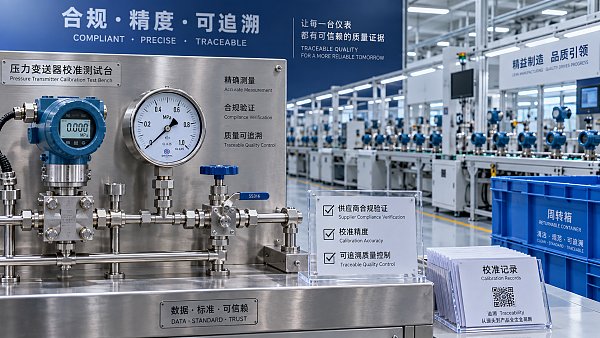
- If compliance reporting is involved, calibration traceability cannot be treated as a secondary issue.
Fast-Moving Combustion and Fuel Gas Systems Need Speed First
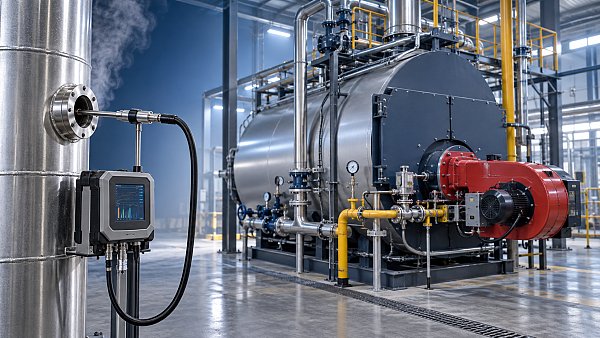
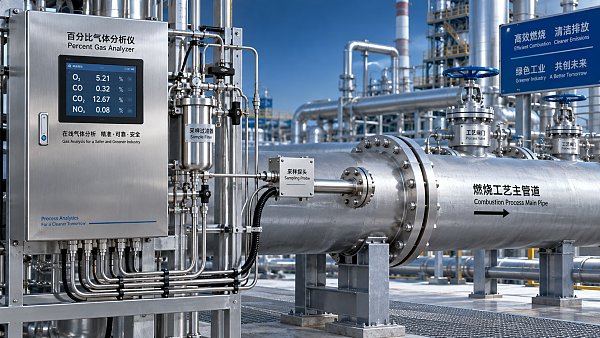
In burners, furnaces, gas turbines, and thermal oxidizers, Gas Composition Analysis usually supports immediate control rather than delayed diagnosis.
The common objective is not to identify every component. It is to keep the air-fuel relationship, flame stability, and energy efficiency within a workable range.
Here, paramagnetic oxygen analyzers, zirconia sensors, NDIR analyzers, and thermal conductivity methods are often more useful than slower multi-component platforms.
That does not mean simpler is always better. Mixed fuels, hydrogen blending, or fluctuating calorific value can quickly expose the limits of single-parameter monitoring.
A practical judgment point is whether the control system needs inferred composition or verified composition. Those are not the same thing.
Where fuel variability is high, online gas chromatography often becomes the reference layer, even if a faster analyzer still handles routine control.
What usually works best here
Use rapid analyzers for control feedback, then use periodic or continuous compositional verification to protect against drift in fuel quality.
Complex Chemical Streams Require Selectivity More Than Convenience
In petrochemical, refining, and reactive process units, Gas Composition Analysis is usually tied to conversion, purity, and hazard management.
These streams often contain multiple hydrocarbons, permanent gases, sulfur compounds, moisture, or corrosive species. Cross-interference becomes a serious technical issue.
This is where process gas chromatography remains central. It offers component-level separation that optical or electrochemical methods may not achieve reliably.
Mass spectrometry also has value in faster process diagnosis, especially when composition changes are broad and dynamic. Still, it demands stronger sample conditioning discipline.
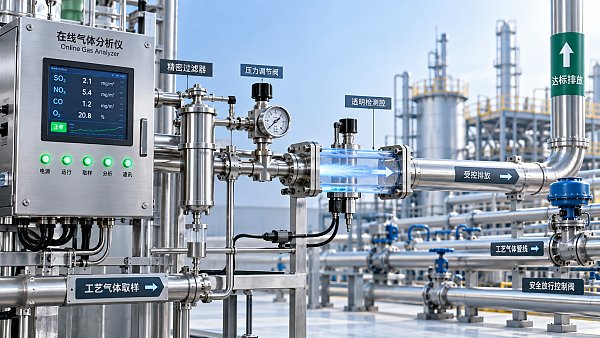
In real plants, the bigger mistake is often upstream of the analyzer. Heated lines, pressure reduction, filtration, and moisture control decide whether the reading is believable.
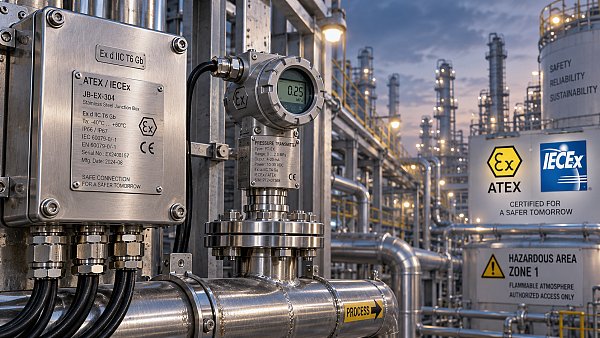
For high-pressure reactors or hazardous zones, the method must also align with ATEX or IECEx requirements, not just analytical performance.
Emissions and Environmental Duty Ask for Defensible Data
In CEMS and broader environmental monitoring, Gas Composition Analysis supports compliance, trend detection, and process accountability.
The decision criteria here are different from production optimization. Auditability, calibration routines, and standard alignment become part of method selection.
NDIR, UV, FTIR, and chemiluminescence methods are common, but their suitability depends on gas matrix complexity and reporting obligations.
FTIR is especially attractive when several compounds must be monitored together. Still, spectral overlap can complicate interpretation in mixed emission streams.
Where reporting risk is high, routine validation under recognized quality frameworks matters as much as nominal analyzer accuracy.
That aligns with the broader GIH view of instrumentation: trustworthy process intelligence depends on both technical capability and metrological discipline.
Laboratory, Bioprocess, and High-Purity Environments Follow a Different Logic
Not every process control problem happens in heavy industry. Gas Composition Analysis also supports sterile processing, inert atmosphere control, and high-purity verification.
In these settings, detection limit and contamination control can matter more than throughput. A delayed but highly selective method may be the right choice.
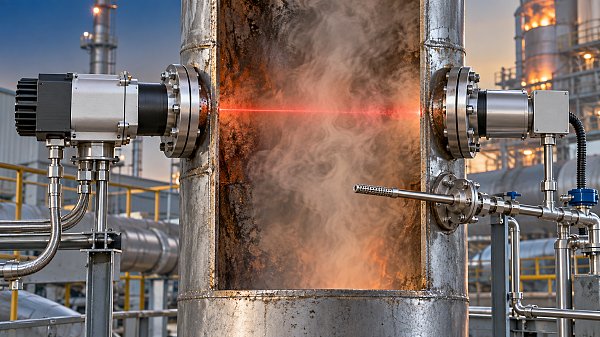
Gas chromatography, mass spectrometry, and laser-based analyzers are common where trace oxygen, residual solvents, or low-level impurities change product outcome.
The judgment point is usually whether the analysis protects process control directly or verifies quality after a critical step.
This distinction affects installation strategy, maintenance frequency, and validation burden, especially where ISO/IEC 17025 or regulated workflows influence data acceptance.
Different Scenarios Do Not Prioritize the Same Things
A side-by-side view helps clarify why Gas Composition Analysis methods should not be selected by brochure comparison alone.
Common Misjudgments Before a Method Goes Live
One frequent mistake is choosing Gas Composition Analysis by detection limit alone. Low detection capability does not guarantee useful control data.
Another is treating similar gas streams as identical. A wet flare gas, dry natural gas, and hydrogen-rich recycle stream may look close on paper, but not in operation.
There is also a tendency to underestimate lifecycle burden. Calibration gas availability, valve wear, membrane replacement, and software validation all affect long-term reliability.
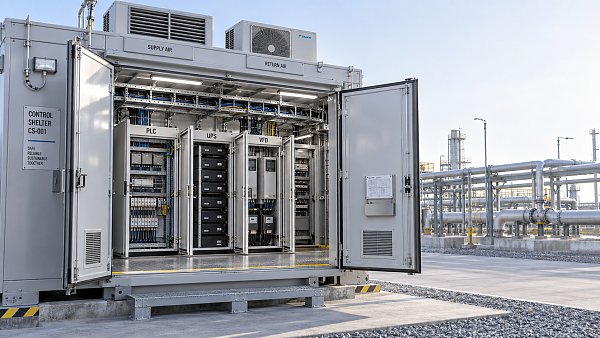
In digital plants, integration errors matter too. If analyzer outputs are not mapped correctly into PLC or DCS logic, good measurement still leads to poor control.
A Practical Way to Match Gas Composition Analysis to the Job
A workable selection process starts with the control decision, not the analyzer catalog.
- Define whether the result supports safety, optimization, quality release, or emissions reporting.
- Map the gas matrix, including moisture, pressure, temperature, corrosive species, and expected variability.
- Set a realistic response-time target for the actual loop or workflow.
- Check sampling system design before comparing analyzer specifications.
- Review calibration traceability, hazardous-area requirements, and integration compatibility early.
- Estimate maintenance effort over the full operating cycle, not only at commissioning.
This approach is more consistent with how GIH evaluates instrumentation intelligence across process control, laboratory analysis, environmental systems, and energy monitoring.
The point is not to find a universal analyzer. It is to build a measurement method that remains credible under real operating stress.
Where to Focus Next
The most effective Gas Composition Analysis strategy usually begins with a tighter reading of the process itself.
List the gas conditions, identify which decisions depend on the result, and separate control needs from verification needs.
Then compare methods against response speed, selectivity, sampling risk, compliance burden, and maintenance reality.
That kind of structured review reduces misfit installations and makes Gas Composition Analysis a dependable part of process control rather than a disconnected measurement point.
Recommended for You
 How to verify accuracy claims for industrial quality analyzersVerify accuracy claims for industrial quality analyzers with calibration checks, independent testing, and clear acceptance criteria. Learn how to reduce risk and buy with confidence.
 How to calculate cooling loads for an industrial analyzer shelterSize industrial analyzer shelter cooling with confidence. Learn to calculate equipment heat, solar gains, and ventilation loads, then select HVAC capacity for reliable analyzer performance.
 How Do You Handle Analyzer Failure During an Environmental Audit?Learn how to handle analyzer failure during environmental compliance audit procedures. Protect evidence, verify data, and restore monitoring with this practical response guide.
 Do VOC Monitors Require Explosion-Proof Certification?Does VOC monitoring require explosion-proof certification? Learn when approval is needed, compare ATEX and IECEx, and choose the right monitor for your site.
 How sample conditioning affects accuracy in petrochemical analyzersImprove accuracy in petrochemical analyzers with smarter sample conditioning. Discover how phase control, filtration, and transport design prevent bias and deliver reliable process data.
 How to troubleshoot sensor drift in industrial gas detectorsIndustrial gas detectors showing sensor drift? Learn how to verify calibration gas, identify root causes, and determine when sensor replacement is needed for reliable monitoring.
 How to judge whether a competitive price reflects real valueCompetitive Price: learn how to compare scope, compliance, performance, and lifecycle costs to identify real value, reduce risk, and make smarter purchasing decisions.
 When custom gas analysis is the right fit for complex process streamsCustom gas analysis for complex process streams: learn when tailored sampling, interference control, and reliable measurement design deliver confident decisions.
 When does a laser gas analyzer meet stack emissions monitoring needs?Laser gas analyzer for stack emissions: learn when it delivers fast, reliable data, how to assess installation risks, and what to verify for CEMS compliance.
 How to select a hazardous gas analyzer for confined spacesHazardous gas analyzer selection for confined spaces: compare sensors, sampling, certifications, alarms, and maintenance to protect workers and choose with confidence.
 When is a single gas analyzer sufficient for workplace safety monitoring?Discover when a single gas analyzer delivers reliable workplace safety monitoring, and learn the key limits, calibration needs, and risks that require broader detection.
 How to choose an ambient gas analyzer for low-level leak detectionAmbient gas analyzer selection for low-level leak detection: compare sensitivity, cross-sensitivity, sampling design, alarms, and calibration for reliable site performance.
 How to tell when an oxygen sensor needs replacementOxygen sensor replacement signs explained: learn how live data, fault codes, wiring checks, and exhaust inspections pinpoint the real issue before you buy.
 How laser gas analyzers improve combustion control in steel furnacesLaser gas analyzer for steel industry applications delivers fast in-situ O₂ and CO data to optimize furnace combustion, cut fuel waste, and improve steel heating stability.
 How to verify whether explosion proof equipment meets site requirementsExplosion proof equipment verification made practical: match zones, gas or dust groups, temperature classes, certificates, and installation conditions for confident compliance.
 How industrial gas analysis helps detect contamination before releaseIndustrial Gas Analysis helps detect moisture, oil, oxygen, and toxic contaminants before release—protecting processes, ensuring compliance, and reducing costly risks.
 When is electrochemistry detection the right choice for water analysis?Electrochemistry detection for water analysis: learn when fast, reliable monitoring of ions, chlorine, pH, and more delivers actionable results.
 How industrial standards reduce quality risks in supplier selectionIndustrial Standard guidance helps quality and safety managers reduce supplier risks, verify compliance, strengthen traceability, and build resilient instrumentation supply chains.
 When does a multi-component system reduce installation complexity?Multi component systems reduce installation complexity when they eliminate field interfaces, streamline commissioning, and provide proven compatibility. Learn how to assess total cost and supplier accountability.
 How to size an industrial control shelter for outdoor equipmentIndustrial control shelter sizing guide: optimize layout, HVAC, access, safety, and expansion space for reliable outdoor equipment operations.
 How flue analysis helps verify combustion efficiencyFlue analysis verifies combustion efficiency by assessing O2, CO, CO2, and stack temperature to identify excess air, incomplete combustion, and heat losses.
 How to select industrial gas detectors for confined spacesIndustrial gas detectors for confined spaces: learn how to match sensors, sampling methods, alarms, and certifications to real atmospheric hazards.
 When does a laser oxygen analyzer outperform zirconia sensors?Laser oxygen analyzer vs. zirconia sensors: compare speed, selectivity, maintenance, gas chemistry, and installation needs to choose the right oxygen measurement solution.
 How to select a percent range analyzer for process measurementsPercent range analyzer selection made practical: compare accuracy, sample systems, calibration, gas matrix, integration, and lifecycle cost for reliable process measurements.
 How explosion proof analysis verifies safe equipment for hazardous areasExplosion proof analysis verifies hazardous-area equipment by matching certifications, temperature ratings, installation details, and inspection controls for safer compliance.
 When does fixed gas detection need point sensors instead of open-path monitoring?Fixed gas detection: discover when point sensors outperform open-path monitoring for predictable leaks, enclosed zones, local alarms, and safer design decisions.
 How to choose industrial metrology systems for tight-tolerance partsIndustrial metrology guide for tight-tolerance parts: compare CMMs, optical scanners, gauges, uncertainty, workflow, and traceable inspection strategies.
 How process metrology reduces measurement variation in productionProcess metrology reduces production measurement variation by improving traceability, uncertainty control, calibration, and reliable quality decisions.
 How to select an industrial monitoring analyzer for harsh environmentsIndustrial monitoring analyzer selection for harsh environments: evaluate sampling, durability, hazardous-area compliance, accuracy, maintenance, and data reliability.
 How calibration intervals affect test and measurement equipment accuracyTest and measurement equipment calibration intervals directly affect accuracy, risk, compliance, and uptime. Learn how to set evidence-based schedules that protect critical decisions.
 When does process gas monitoring need continuous measurement?Process gas monitoring needs continuous measurement when rapid changes threaten safety, quality, compliance, or uptime. Learn how to specify reliable, actionable monitoring systems.
 How to prevent false alarms in power plant instrumentationPower plant instrumentation guide: prevent false alarms with reliable signal checks, smarter alarm settings, mode-based control, and actionable operator responses.
Search Categories
Search Categories
- Smart Meters & Power Quality
- Transformer Gas Analyzers
- BESS Thermal Runaway Detectors
- Energy, Power & Smart Grid Monitoring
- Optical Profilers & CMM
- Ultrasonic & X-Ray NDT
- Calibration Standards
- Precision Metrology & NDT
- Water Quality Analyzers
- CEMS & VOCs Monitors
- Price Trends
- Import & Export Updates
- Market Trends
- Industry News
- Industry Insights
Latest Article
- How to verify accuracy claims for industrial quality analyzersVerify accuracy claims for industrial quality analyzers with calibration checks, independent testing, and clear acceptance criteria. Learn how to reduce risk and buy with confidence.Posted by:
- How to calculate cooling loads for an industrial analyzer shelterSize industrial analyzer shelter cooling with confidence. Learn to calculate equipment heat, solar gains, and ventilation loads, then select HVAC capacity for reliable analyzer performance.Posted by:
- How Do You Handle Analyzer Failure During an Environmental Audit?Learn how to handle analyzer failure during environmental compliance audit procedures. Protect evidence, verify data, and restore monitoring with this practical response guide.Posted by:
Please give us a message
