
Hazardous Environment Monitoring: Key Risks and Control Points


Why Hazardous Environment Monitoring Has Become a Board-Level Issue
Hazardous Environment monitoring now sits at the center of industrial risk control, especially where safety, uptime, and compliance are tightly connected.
In chemical processing, offshore production, power generation, mining, water treatment, and laboratory operations, small deviations can escalate fast.
A drifting gas reading, delayed pressure alarm, or missed temperature spike rarely stays a local issue for long.
It can trigger shutdowns, product loss, emissions events, equipment damage, or worker exposure within minutes.
That is why Hazardous Environment monitoring is no longer treated as a narrow instrumentation task.
It is increasingly viewed as an operational intelligence layer that supports decision quality across projects and asset lifecycles.
The same shift is visible across the instrumentation sector tracked by Global Instrument Hub, where sensing accuracy and control logic define resilience.
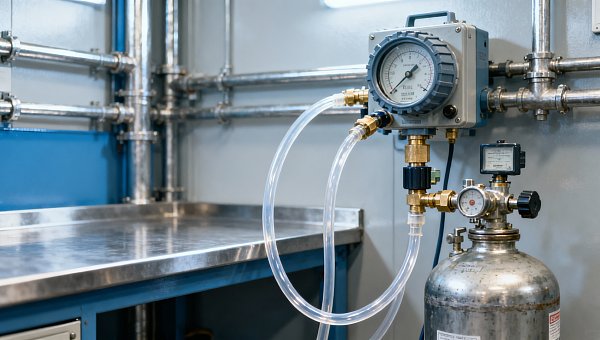
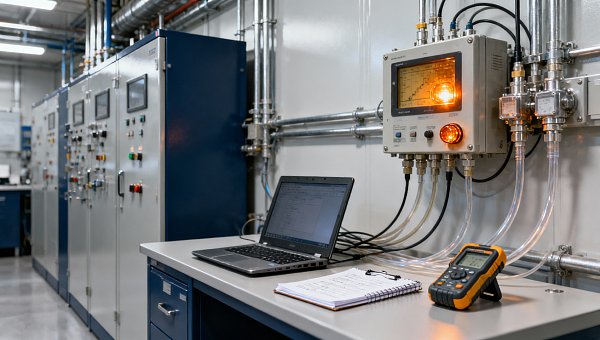
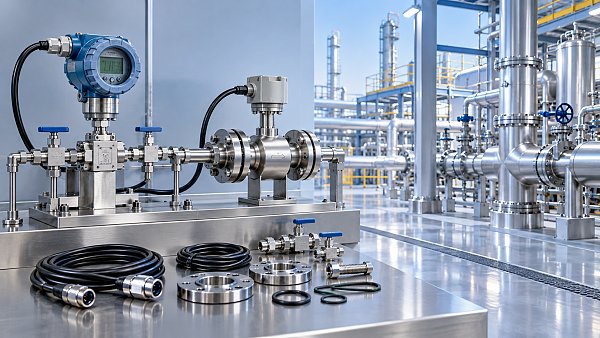
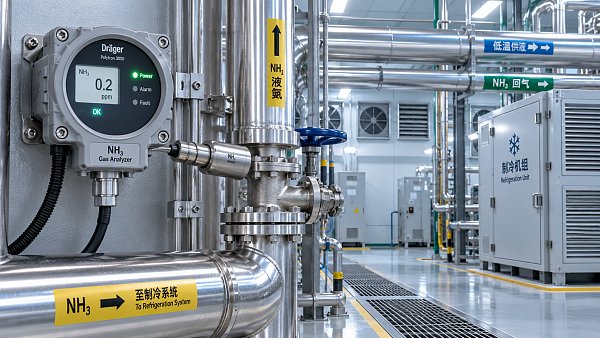
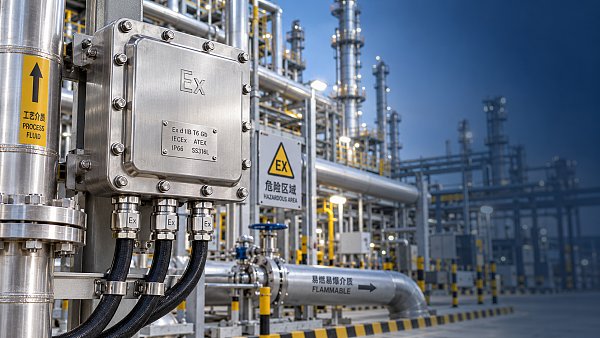
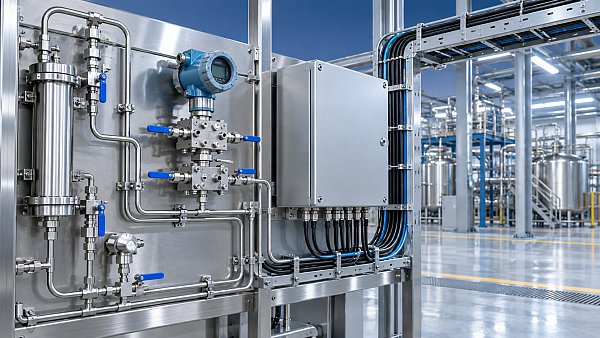
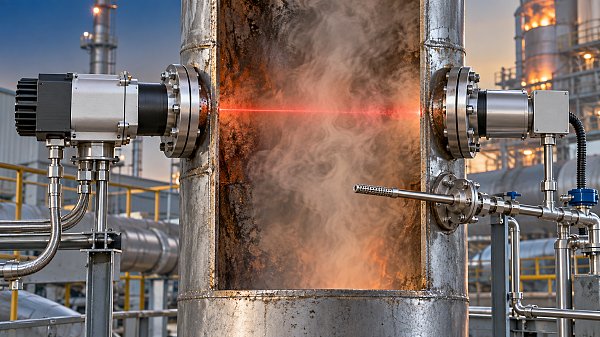
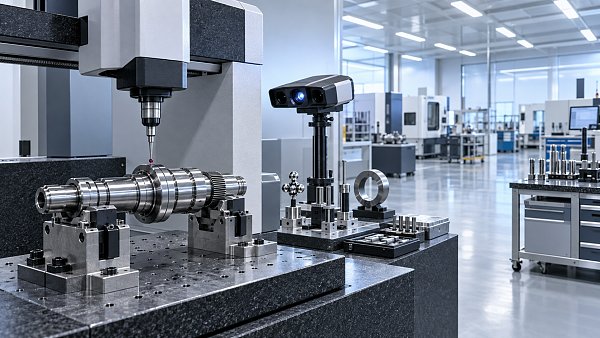
A useful visual reference belongs here.
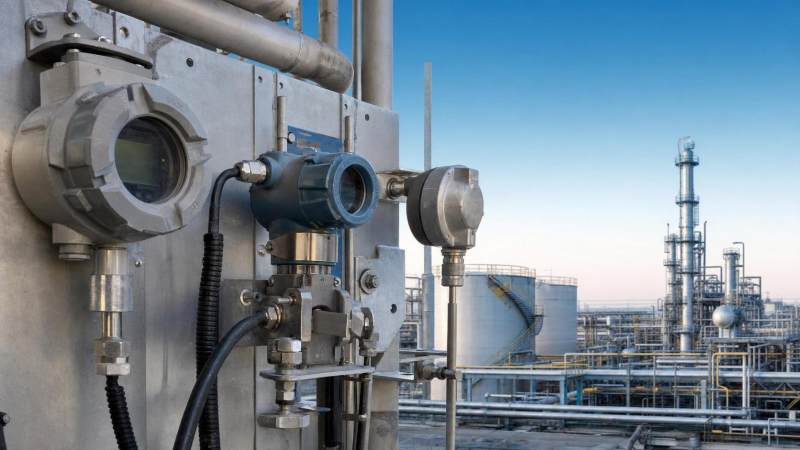
What matters most is not only detecting danger, but detecting it early enough to act with confidence.
What Hazardous Environment Monitoring Really Covers
The term Hazardous Environment usually refers to locations where flammable gases, combustible dust, toxic substances, high energy, or unstable process conditions exist.
Monitoring in these settings extends beyond one detector or one alarm panel.
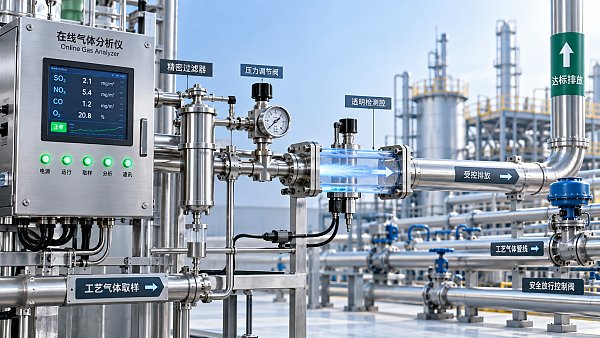
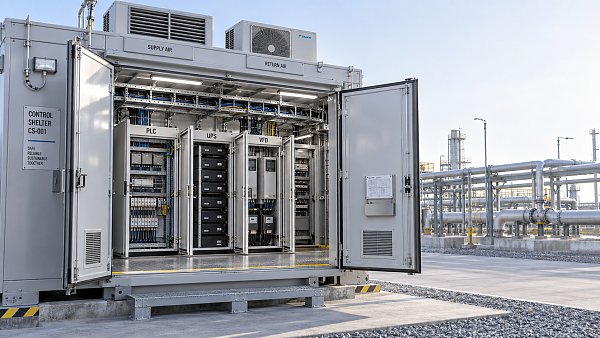
It includes field sensors, transmitters, analyzers, PLC or DCS integration, communication networks, alarm management, and response procedures.
It also includes the quality of calibration, enclosure selection, hazardous area certification, and data interpretation.
A site may technically have instruments installed and still remain poorly monitored.
That gap appears when measurements are inaccurate, blind spots are ignored, or alarm priorities are poorly configured.
From an execution standpoint, the question is simple.
Can the monitoring system reveal abnormal conditions early, clearly, and reliably enough to support action?
The Risk Signals That Deserve Constant Attention
Most Hazardous Environment events develop through a limited set of measurable signals.
The challenge is recognizing which signals matter most in each operating context.
Gas accumulation and vapor release
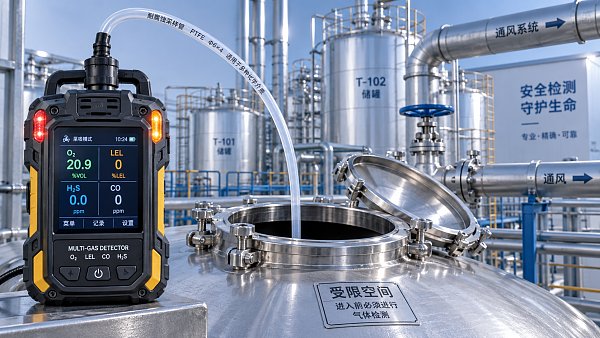
Gas detection remains a primary control point in oil and gas, refining, chemicals, wastewater, and battery infrastructure.
The concern is not limited to explosive atmospheres.
Toxic gas exposure, oxygen depletion, and leak migration through enclosed spaces can be just as critical.
Pressure excursions
Pressure instability often signals blockage, valve failure, overfilling, runaway reaction, or compressor imbalance.
In a Hazardous Environment, delayed pressure visibility can turn a manageable upset into a major containment event.
Temperature drift and thermal runaway
Abnormal heat patterns can indicate friction, electrical faults, reaction instability, insulation failure, or battery degradation.
Temperature points that look secondary during design often become leading indicators during operations.
Flow, level, and composition anomalies
Loss of flow, false level readings, and changing composition can undermine the entire control philosophy.
For many facilities, these variables are the first hint that the process is no longer behaving as intended.
Why Monitoring Failures Still Happen
Incidents in a Hazardous Environment are often blamed on equipment failure, but the pattern is usually broader.
Many failures start with design assumptions that were never updated after process changes.
Sensor technology may be correct in theory, yet poorly matched to contamination, vibration, humidity, or corrosive media.
Placement is another weak point.
A detector installed for convenience rather than dispersion behavior may produce a false sense of protection.
Data quality also gets underestimated.
Noise, drift, communication delays, and inconsistent time stamps can distort the operational picture during abnormal events.
This is where disciplined instrumentation governance matters.
GIH’s perspective across industrial process control, environmental monitoring, precision metrology, and smart energy shows the same lesson repeatedly.
The reliability of decisions depends on the reliability of measurement chains.
Control Points That Create Real Resilience
Effective Hazardous Environment monitoring depends on a few control points that consistently separate strong systems from fragile ones.
- Map hazards to actual process behavior, not only to drawings or legacy layouts.
- Choose sensing technologies based on media, response speed, drift tolerance, and maintenance burden.
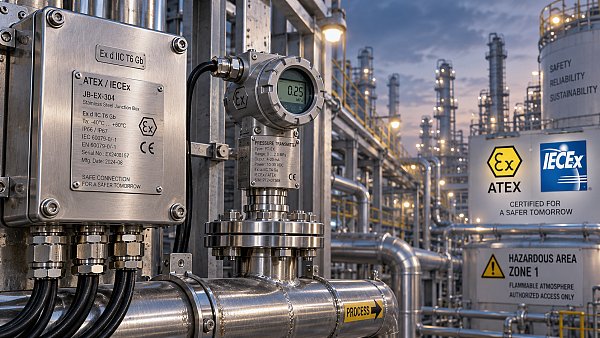
- Verify hazardous area compliance, including ATEX or IECEx suitability where relevant.
- Build alarm logic that supports action instead of flooding operators with low-value alerts.
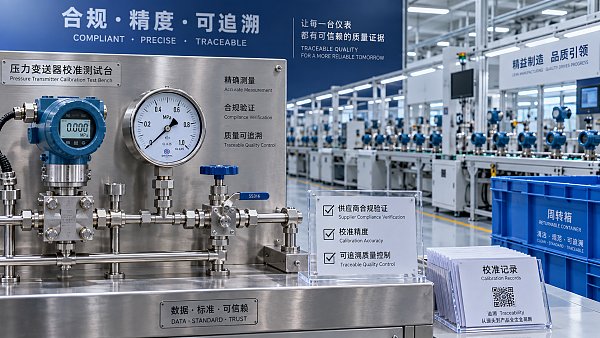
- Use calibration and proof-testing intervals that reflect risk severity and operating stress.
- Protect data continuity across control systems, historians, and remote monitoring layers.
None of these points is especially novel.
The difference comes from how consistently they are carried from engineering design into daily operations.
Where the Topic Is Expanding Fast
The scope of Hazardous Environment monitoring is widening as asset portfolios become more electrified, connected, and automated.
Battery energy storage introduces thermal and gas hazards with different progression patterns from conventional fuel systems.
Hydrogen projects raise new questions around leak detection, material compatibility, and ventilation strategy.
Environmental compliance systems are also converging with safety systems.
A release event may quickly become a reporting issue, a community issue, and a reputation issue at the same time.
Digitalization helps, but only when it improves signal clarity.
Adding dashboards without strengthening sensor integrity, context, and validation rarely improves outcomes.
How to Review a Monitoring Strategy Before the Next Project Gate
A practical review of any Hazardous Environment strategy should stay grounded in site realities.
Start by checking whether the highest-consequence scenarios are directly tied to measurable variables.
Then examine whether those variables are being measured at the right locations and with suitable response time.
It is also worth testing whether alarms lead to clear decisions.
If a reading changes, who responds, how fast, and with what supporting context?
Finally, review supplier confidence, certification traceability, and calibration evidence.
Those details often determine whether a monitoring architecture performs well outside ideal conditions.
The next useful step is not a blanket upgrade.
It is a focused comparison of risk scenarios, instrument coverage, compliance requirements, and maintenance capability.
That approach creates a clearer basis for specification, procurement, and phased improvement in any Hazardous Environment program.
Recommended for You
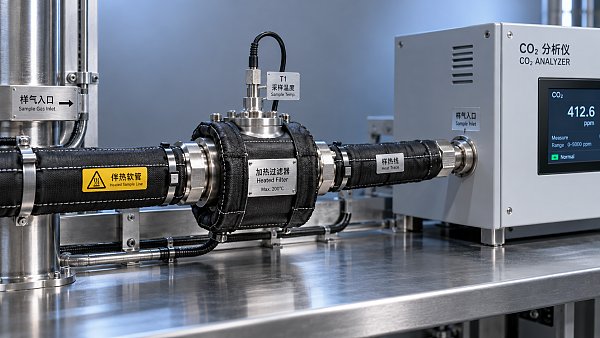
 How to prevent condensation in a CO2 analyzer sampling systemPrevent condensation in your CO2 analyzer sampling system. Learn how to control dew point, eliminate cold spots, and manage moisture for reliable readings and fewer costly disruptions.
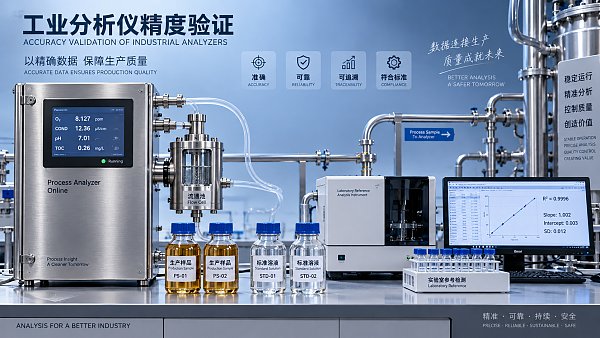
 How to verify accuracy claims for industrial quality analyzersVerify accuracy claims for industrial quality analyzers with calibration checks, independent testing, and clear acceptance criteria. Learn how to reduce risk and buy with confidence.
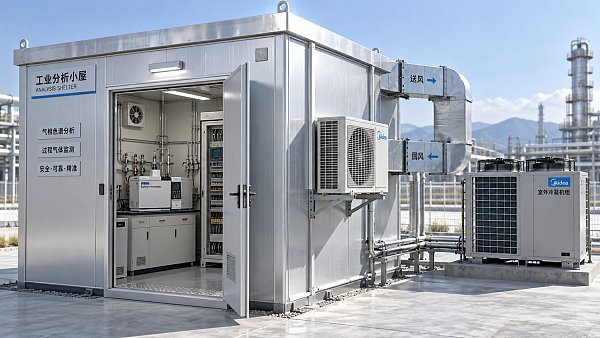
 How to calculate cooling loads for an industrial analyzer shelterSize industrial analyzer shelter cooling with confidence. Learn to calculate equipment heat, solar gains, and ventilation loads, then select HVAC capacity for reliable analyzer performance.
 What Happens When Combustible Gas Sensor Calibration Is Overdue?What happens if combustible gas sensor is not recalibrated on time? Discover the risks of inaccurate readings and missed alarms, plus steps to restore reliable protection.
 Can One Multi-Gas Detector Replace Four Separate Analyzers?Find out: can a single multi-gas detector replace four separate analyzers? Compare accuracy, safety, compliance, and lifetime costs to make a confident buying decision.
 Industrial Safety vs. Emission Monitoring: What Are the Differences?What are the main differences between industrial safety and emission monitoring? Compare goals, sensors, response times, and compliance needs to choose the right systems for your facility.
 Is Remote Monitoring Worth the Cost for Small Emission Sources?Is it worth investing in remote monitoring for small emission sources? Compare costs, compliance needs, and potential savings to choose the right solution for your operation.
 How Do You Handle Analyzer Failure During an Environmental Audit?Learn how to handle analyzer failure during environmental compliance audit procedures. Protect evidence, verify data, and restore monitoring with this practical response guide.
 Do VOC Monitors Require Explosion-Proof Certification?Does VOC monitoring require explosion-proof certification? Learn when approval is needed, compare ATEX and IECEx, and choose the right monitor for your site.
 How sample conditioning affects accuracy in petrochemical analyzersImprove accuracy in petrochemical analyzers with smarter sample conditioning. Discover how phase control, filtration, and transport design prevent bias and deliver reliable process data.
 How to troubleshoot sensor drift in industrial gas detectorsIndustrial gas detectors showing sensor drift? Learn how to verify calibration gas, identify root causes, and determine when sensor replacement is needed for reliable monitoring.
 How to judge whether a competitive price reflects real valueCompetitive Price: learn how to compare scope, compliance, performance, and lifecycle costs to identify real value, reduce risk, and make smarter purchasing decisions.
 When custom gas analysis is the right fit for complex process streamsCustom gas analysis for complex process streams: learn when tailored sampling, interference control, and reliable measurement design deliver confident decisions.
 When does a laser gas analyzer meet stack emissions monitoring needs?Laser gas analyzer for stack emissions: learn when it delivers fast, reliable data, how to assess installation risks, and what to verify for CEMS compliance.
 How to select a hazardous gas analyzer for confined spacesHazardous gas analyzer selection for confined spaces: compare sensors, sampling, certifications, alarms, and maintenance to protect workers and choose with confidence.
 When is a single gas analyzer sufficient for workplace safety monitoring?Discover when a single gas analyzer delivers reliable workplace safety monitoring, and learn the key limits, calibration needs, and risks that require broader detection.
 How to choose an ambient gas analyzer for low-level leak detectionAmbient gas analyzer selection for low-level leak detection: compare sensitivity, cross-sensitivity, sampling design, alarms, and calibration for reliable site performance.
 How to tell when an oxygen sensor needs replacementOxygen sensor replacement signs explained: learn how live data, fault codes, wiring checks, and exhaust inspections pinpoint the real issue before you buy.
 How laser gas analyzers improve combustion control in steel furnacesLaser gas analyzer for steel industry applications delivers fast in-situ O₂ and CO data to optimize furnace combustion, cut fuel waste, and improve steel heating stability.
 How to verify whether explosion proof equipment meets site requirementsExplosion proof equipment verification made practical: match zones, gas or dust groups, temperature classes, certificates, and installation conditions for confident compliance.
 How industrial gas analysis helps detect contamination before releaseIndustrial Gas Analysis helps detect moisture, oil, oxygen, and toxic contaminants before release—protecting processes, ensuring compliance, and reducing costly risks.
 When is electrochemistry detection the right choice for water analysis?Electrochemistry detection for water analysis: learn when fast, reliable monitoring of ions, chlorine, pH, and more delivers actionable results.
 How industrial standards reduce quality risks in supplier selectionIndustrial Standard guidance helps quality and safety managers reduce supplier risks, verify compliance, strengthen traceability, and build resilient instrumentation supply chains.
 When does a multi-component system reduce installation complexity?Multi component systems reduce installation complexity when they eliminate field interfaces, streamline commissioning, and provide proven compatibility. Learn how to assess total cost and supplier accountability.
 How to size an industrial control shelter for outdoor equipmentIndustrial control shelter sizing guide: optimize layout, HVAC, access, safety, and expansion space for reliable outdoor equipment operations.
 How flue analysis helps verify combustion efficiencyFlue analysis verifies combustion efficiency by assessing O2, CO, CO2, and stack temperature to identify excess air, incomplete combustion, and heat losses.
 How to select industrial gas detectors for confined spacesIndustrial gas detectors for confined spaces: learn how to match sensors, sampling methods, alarms, and certifications to real atmospheric hazards.
 When does a laser oxygen analyzer outperform zirconia sensors?Laser oxygen analyzer vs. zirconia sensors: compare speed, selectivity, maintenance, gas chemistry, and installation needs to choose the right oxygen measurement solution.
 How to select a percent range analyzer for process measurementsPercent range analyzer selection made practical: compare accuracy, sample systems, calibration, gas matrix, integration, and lifecycle cost for reliable process measurements.
 How explosion proof analysis verifies safe equipment for hazardous areasExplosion proof analysis verifies hazardous-area equipment by matching certifications, temperature ratings, installation details, and inspection controls for safer compliance.
 When does fixed gas detection need point sensors instead of open-path monitoring?Fixed gas detection: discover when point sensors outperform open-path monitoring for predictable leaks, enclosed zones, local alarms, and safer design decisions.
 How to choose industrial metrology systems for tight-tolerance partsIndustrial metrology guide for tight-tolerance parts: compare CMMs, optical scanners, gauges, uncertainty, workflow, and traceable inspection strategies.
Search Categories
Search Categories
- Smart Meters & Power Quality
- Transformer Gas Analyzers
- BESS Thermal Runaway Detectors
- Energy, Power & Smart Grid Monitoring
- Optical Profilers & CMM
- Ultrasonic & X-Ray NDT
- Calibration Standards
- Precision Metrology & NDT
- Water Quality Analyzers
- CEMS & VOCs Monitors
- Price Trends
- Import & Export Updates
- Market Trends
- Industry News
- Industry Insights
Latest Article
- How to prevent condensation in a CO2 analyzer sampling systemPrevent condensation in your CO2 analyzer sampling system. Learn how to control dew point, eliminate cold spots, and manage moisture for reliable readings and fewer costly disruptions.Posted by:
- How to verify accuracy claims for industrial quality analyzersVerify accuracy claims for industrial quality analyzers with calibration checks, independent testing, and clear acceptance criteria. Learn how to reduce risk and buy with confidence.Posted by:
- How to calculate cooling loads for an industrial analyzer shelterSize industrial analyzer shelter cooling with confidence. Learn to calculate equipment heat, solar gains, and ventilation loads, then select HVAC capacity for reliable analyzer performance.Posted by:
Please give us a message
