
Multi Component Monitoring in Process Equipment: Key Benefits and Limits


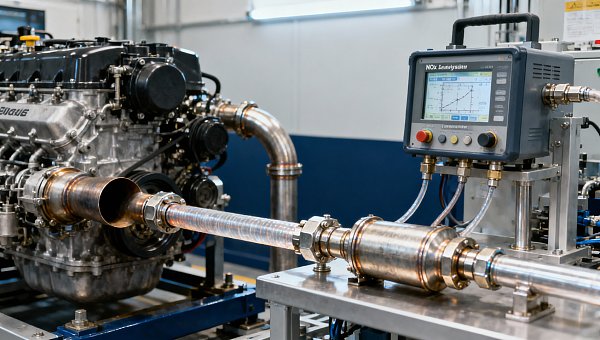
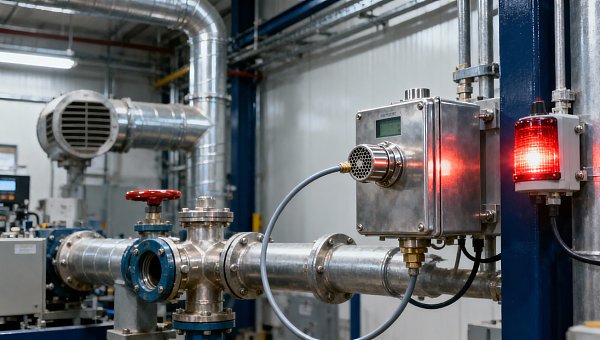
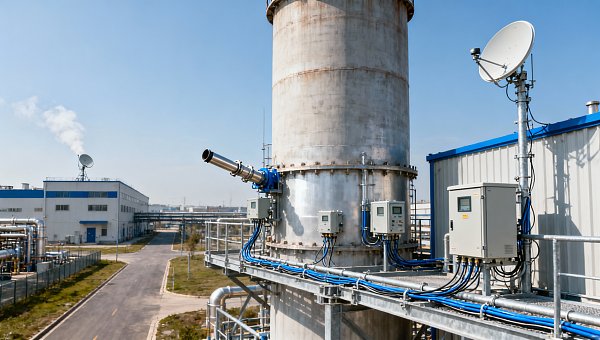
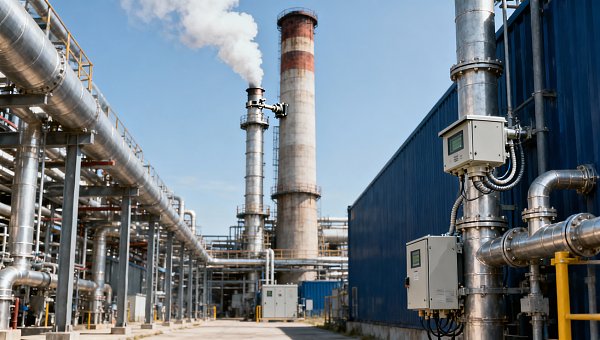
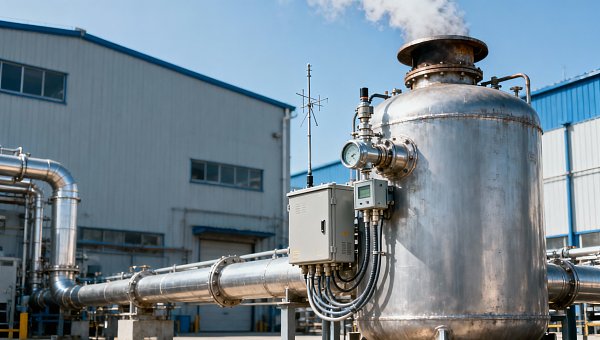
Multi component monitoring has become a practical priority in process equipment because a single reading rarely explains real operating conditions. In reactors, separators, pipelines, skids, and utility systems, performance depends on how pressure, temperature, flow, vibration, level, and composition behave together.
That matters even more in an industrial landscape shaped by digitalization, tighter compliance, and higher uptime expectations. Better visibility can improve control and maintenance planning, but the real value of multi component monitoring only appears when data quality, integration, and project economics stay aligned.
Why the topic is moving to the center of project decisions
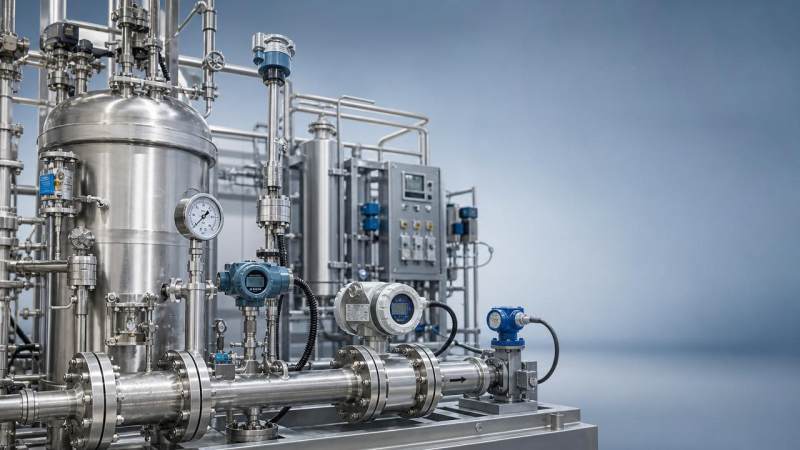
Process equipment is no longer judged only by nameplate capacity. It is judged by stability, traceability, safety margins, energy efficiency, and how quickly abnormal conditions can be detected before they become incidents.
In many facilities, isolated instruments still create blind spots. A pressure spike may look manageable on its own, yet become critical when paired with rising temperature, erratic flow, or off-spec composition.
This is where multi component monitoring changes the conversation. Instead of watching one variable at a time, operations teams gain a connected view of process behavior across equipment, control loops, and environmental conditions.
For a platform such as Global Instrument Hub, this shift reflects a wider truth in instrumentation. Measurement is no longer a supporting function alone. It is becoming the basis for asset strategy, supplier selection, and operational confidence.
What multi component monitoring really means in practice
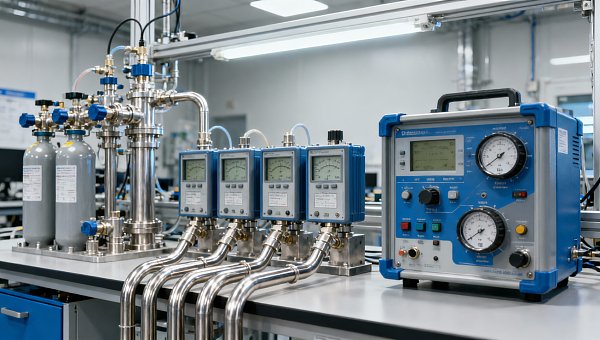
In simple terms, multi component monitoring means collecting and interpreting several relevant signals from the same process asset or system at the same time. Those signals may come from discrete sensors, integrated analyzers, or a hybrid architecture.
The goal is not data volume by itself. The goal is context. A useful system shows how variables influence each other, how deviations develop over time, and which changes are noise versus early evidence of process drift.
Depending on the process, monitored components can include:
- Core physical parameters such as pressure, temperature, flow, and level
- Mechanical condition indicators such as vibration, torque, and motor current
- Chemical or analytical data such as pH, conductivity, gas composition, moisture, or contamination
- Utility and environmental inputs including steam quality, cooling performance, ambient conditions, or emissions data
This broader view is especially important where product consistency, hazardous conditions, or narrow process windows leave little room for delayed response.
Where the benefits become most visible
The strongest case for multi component monitoring appears when process interactions are complex and failure costs are high. In those settings, correlation between variables often reveals issues earlier than any single threshold alarm.
Earlier fault detection
A pump may still meet flow targets while suction pressure fluctuates, motor current climbs, and vibration trends upward. Taken together, these signals can point to cavitation or wear before a shutdown occurs.
Better process control
When multiple variables are monitored together, control logic can respond more intelligently. This improves stability in blending, dosing, thermal treatment, fermentation, filtration, and other sensitive operations.
Stronger product and compliance assurance
Regulated environments increasingly require proof, not assumptions. Linked monitoring of process conditions and analytical quality indicators strengthens traceability for audits, validation, and deviation review.
More useful maintenance planning
Condition-based maintenance works best when it reflects both asset health and process stress. Multi component monitoring helps distinguish random sensor noise from genuine degradation patterns.
Limits that should be understood early
The promise of multi component monitoring is real, but so are its limits. Some projects underperform because they install more sensors without improving data architecture, alarm strategy, or operating discipline.
A few constraints appear repeatedly across industries:
- Integration complexity between legacy PLCs, DCS platforms, analyzers, and edge devices
- Data inconsistency caused by calibration drift, poor sensor placement, or mismatched sampling rates
- Alarm overload when systems report every deviation without ranking operational significance
- Unclear ownership between operations, maintenance, IT, automation, and quality functions
- Weak business cases when monitoring scope expands beyond the critical process risks
There is also a strategic limit. Not every process requires the same monitoring depth. Some assets benefit from advanced correlation analytics, while others only need a small number of high-trust signals and clear exception logic.
How to evaluate fit across different sectors
Across the sectors covered by GIH, the best monitoring design always reflects process criticality. The same architecture should not be copied from a life science skid to a mining slurry line or a power distribution enclosure.
A practical review usually starts with three questions. Which variables change product quality or safety most directly. Which failure modes create the highest downtime or compliance cost. Which measurements can be trusted in real operating conditions.
For example, industrial manufacturing may focus on cycle stability, machine condition, and utility consumption. Energy and power applications may prioritize thermal behavior, insulation status, load fluctuation, and early fault signatures.
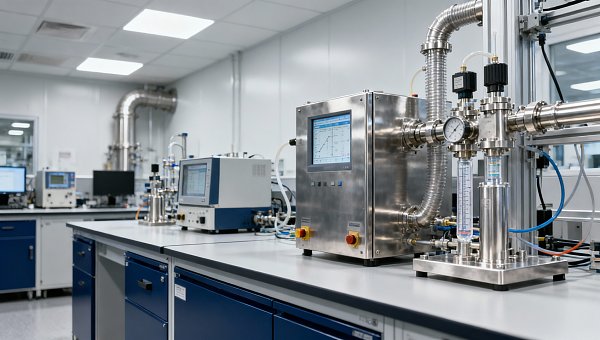
Environmental monitoring often depends on analytical integrity and reporting traceability. Laboratory or life science systems may need stronger control over contamination, composition, and validation history than over raw asset throughput.
So the right question is not whether multi component monitoring is valuable in general. The right question is where it reduces uncertainty enough to justify the added instrumentation, software, and governance effort.
What makes implementation more reliable
Projects usually succeed when monitoring is designed around decisions, not around devices alone. That means defining in advance what action should follow if a pattern appears, a variable drifts, or a correlation breaks.
Start with critical assets and failure logic
Map the equipment where instability creates the largest operational or financial consequence. Then link each asset to the failure modes that truly matter.
Choose sensor quality before sensor quantity
Reliable placement, calibration strategy, and environmental suitability often produce more value than adding another layer of marginal data points.
Build a usable data path
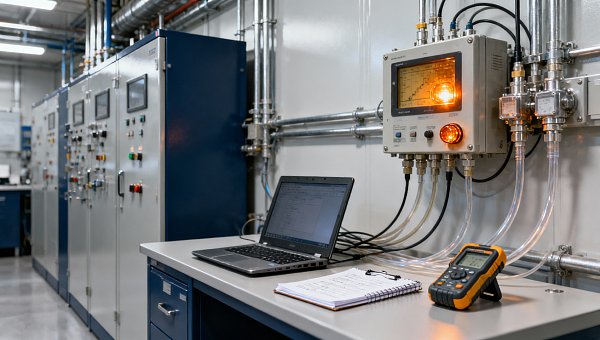
Data should move cleanly from field instrument to control layer, historian, and analytics environment. If timestamps, protocols, or tags are inconsistent, confidence falls quickly.
Tie alerts to response rules
A monitoring system should clarify action priority. Operators need to know what requires immediate intervention, what can be inspected during the next shift, and what belongs in maintenance planning.
Using market intelligence to support better monitoring choices
One reason multi component monitoring projects stall is uncertainty around supplier capability and specification fit. Instruments may look similar on paper while differing sharply in long-term stability, certification coverage, serviceability, and data interoperability.
This is where independent industry intelligence becomes useful. GIH’s perspective across process control, laboratory systems, environmental monitoring, metrology, and smart energy helps frame monitoring choices against real standards, supply chain signals, and application risk.
That does not replace engineering judgment. It strengthens it by narrowing the gap between technical requirements, compliance expectations, and vendor claims.
A practical next step
For most operations, the next step is not a full digital overhaul. It is a focused review of the assets where better signal correlation could prevent loss, improve consistency, or shorten diagnosis time.
Build that review around process risk, current instrumentation gaps, data trust level, and expected response value. If multi component monitoring can make operating decisions faster and more accurate, the investment case becomes much easier to judge.
In the end, the strongest monitoring strategy is rarely the most complex one. It is the one that measures the right boundaries, connects the right signals, and turns data into decisions that hold up under real plant conditions.
Recommended for You
 How condensation affects HCl concentration analyzer accuracyHCl concentration analyzer accuracy can suffer when condensation traps HCl. Learn how to spot sampling losses, prevent low readings, and improve measurement reliability.
 How does cross-interference affect multi-component gas analyzers?How does cross-interference affect multi component gas analyzers? Explore measurement errors, compensation limits, and validation tips to choose the right system for your process.
 How does temperature affect high-accuracy sensor performance?Explore how temperature affects high accuracy sensor performance. Learn to reduce thermal drift, evaluate compensation, and select the right sensor for reliable measurements.
 Can a C4H8O concentration analyzer distinguish between isomers?Can a C4H8O concentration analyzer distinguish isomers? Compare GC, FTIR and MS methods, uncover selectivity limits, and learn what to validate before choosing your instrument.
 How to identify a reliable supplier using on-time delivery recordsIdentify a Reliable Supplier by verifying on-time delivery records, original commitments, and complete shipments. Learn practical checks to reduce purchasing risk and protect your project schedule.
 How sensitive should a portable hydrogen analyzer be for lab use?Choose a portable hydrogen analyzer for laboratory use with the right quantification limit, accuracy, and range. Learn how to verify performance and avoid costly buying mistakes.
 How to set industrial calibration intervals based on equipment riskSet industrial calibration intervals based on equipment risk, drift, and as-found data. Learn when to shorten or extend schedules to improve reliability and avoid unnecessary costs.
 How to choose electrochemical analyzers for low-current measurementsCompare electrochemical analyzers for precise low-current measurements. Learn how noise, leakage, bandwidth, and real-cell testing help you choose the right instrument.
 What tolerance does a custom gas mixture need for calibration?Choose the right custom gas tolerance for calibration. Learn how blending tolerance, certified uncertainty, and stability affect accuracy—and avoid paying for precision you don’t need.
 How condensation affects stack detector readings in wet flue gasStack detector readings can drift when wet flue gas condenses. Learn how to identify moisture interference, prevent sample losses, and improve emissions monitoring reliability.
 How to prevent condensation in a CO2 analyzer sampling systemPrevent condensation in your CO2 analyzer sampling system. Learn how to control dew point, eliminate cold spots, and manage moisture for reliable readings and fewer costly disruptions.
 How to verify accuracy claims for industrial quality analyzersVerify accuracy claims for industrial quality analyzers with calibration checks, independent testing, and clear acceptance criteria. Learn how to reduce risk and buy with confidence.
 How to calculate cooling loads for an industrial analyzer shelterSize industrial analyzer shelter cooling with confidence. Learn to calculate equipment heat, solar gains, and ventilation loads, then select HVAC capacity for reliable analyzer performance.
 Hydrogen Analyzers for Energy Storage: Purity Monitoring vs. Leak DetectionChoosing a hydrogen analyzer for energy storage systems? Compare purity monitoring and leak detection to select the right sensors, improve safety, and protect fuel cell performance.
 NH3 Monitoring in Fertilizer Plants: Where Should Leak Analyzers Be Installed?NH3 analyzer for fertilizer production: discover where to place leak detectors around storage, compressors, and loading areas to reduce blind spots and improve early warning.
 Diesel Engine NOx Analyzers: Response Time and NO2 Conversion ExplainedChoosing a NOX analyzer for diesel engines? Learn how response time, NO2 conversion, and sampling design affect accuracy—and make a smarter, evidence-based purchase.
 SO2 Analyzers for Smelter Emissions: Sampling Hot, Dust-Laden Flue GasSelect an SO2 analyzer for smelting industry applications. Discover how to handle hot, dust-laden flue gas, prevent sample losses, and achieve reliable emissions monitoring.
 Unstable CH4 Readings in Biogas Monitoring? Check Moisture and Sample FlowCH4 analyzer for biogas monitoring giving unstable readings? Discover how moisture, sample flow, and pressure checks help pinpoint faults and restore reliable methane measurements.
 Buying a CO2 Analyzer for Brewery Gas Recovery: Costs Beyond the Purchase PriceBuying a CO2 analyzer for brewery applications? Compare sampling, installation, calibration, and downtime costs to uncover hidden expenses and make a smarter gas recovery investment.
 Where to Place CO Analyzers for Effective Parking Garage VentilationOptimize your CO analyzer for parking garage ventilation with practical placement tips. Learn how sensor height, airflow, and zone coverage support timely detection and effective fan control.
 NDIR vs. FTIR Gas Analyzers: Which Fits Your Environmental Research?Find the right infrared gas analyzer for environmental research. Compare NDIR vs. FTIR on sensitivity, gas coverage, sampling needs, and cost to choose confidently for your study.
 Oxygen Analyzers for Diving: Calibration Checks Before Nitrox BlendingUsing an oxygen analyzer for diving applications? Discover essential calibration, sensor, and sampling checks before nitrox blending to support reliable readings.
 How Paramagnetic Oxygen Analyzers Work and Why Sample Pressure MattersLearn how a paramagnetic oxygen analyzer works, why sample pressure affects accuracy, and what to check in compensation and calibration before choosing your system.
 How Much Does a Complete CEMS Integration Project Typically Cost?How much does a complete CEMS integration project typically cost? Explore budget ranges, hidden installation costs, and compliance needs to compare quotes and plan confidently.
 What Is the Typical Response Time for Industrial Air Monitors?What is the typical response time for industrial air monitors? Explore T90, sampling delays, and alarm settings to compare performance and choose the right monitor with confidence.
 Do Regulatory Monitoring Systems Need Third-Party Certification?Do regulatory monitoring systems need third-party certification? Learn when it is required, what certificates prove, and how to verify compliance before buying.
 How Do You Choose Wired or Wireless for Stack Monitoring?Learn how to choose between wired and wireless for stack monitoring. Compare reliability, lifecycle costs, and data recovery to find the right CEMS setup for your site.
 What Happens When Combustible Gas Sensor Calibration Is Overdue?What happens if combustible gas sensor is not recalibrated on time? Discover the risks of inaccurate readings and missed alarms, plus steps to restore reliable protection.
 Can One Multi-Gas Detector Replace Four Separate Analyzers?Find out: can a single multi-gas detector replace four separate analyzers? Compare accuracy, safety, compliance, and lifetime costs to make a confident buying decision.
 Industrial Safety vs. Emission Monitoring: What Are the Differences?What are the main differences between industrial safety and emission monitoring? Compare goals, sensors, response times, and compliance needs to choose the right systems for your facility.
 Is Remote Monitoring Worth the Cost for Small Emission Sources?Is it worth investing in remote monitoring for small emission sources? Compare costs, compliance needs, and potential savings to choose the right solution for your operation.
 How Do You Handle Analyzer Failure During an Environmental Audit?Learn how to handle analyzer failure during environmental compliance audit procedures. Protect evidence, verify data, and restore monitoring with this practical response guide.

Search Categories
Search Categories
- Smart Meters & Power Quality
- Transformer Gas Analyzers
- BESS Thermal Runaway Detectors
- Energy, Power & Smart Grid Monitoring
- Optical Profilers & CMM
- Ultrasonic & X-Ray NDT
- Calibration Standards
- Precision Metrology & NDT
- Water Quality Analyzers
- CEMS & VOCs Monitors
- Price Trends
- Import & Export Updates
- Market Trends
- Industry News
- Industry Insights
Latest Article
- How condensation affects HCl concentration analyzer accuracyHCl concentration analyzer accuracy can suffer when condensation traps HCl. Learn how to spot sampling losses, prevent low readings, and improve measurement reliability.Posted by:
- How does cross-interference affect multi-component gas analyzers?How does cross-interference affect multi component gas analyzers? Explore measurement errors, compensation limits, and validation tips to choose the right system for your process.Posted by:
- How does temperature affect high-accuracy sensor performance?Explore how temperature affects high accuracy sensor performance. Learn to reduce thermal drift, evaluate compensation, and select the right sensor for reliable measurements.Posted by:
Please give us a message
