
Online Control Systems: When Real-Time Monitoring Reduces Process Risk


When online control becomes a risk decision, not just an automation upgrade
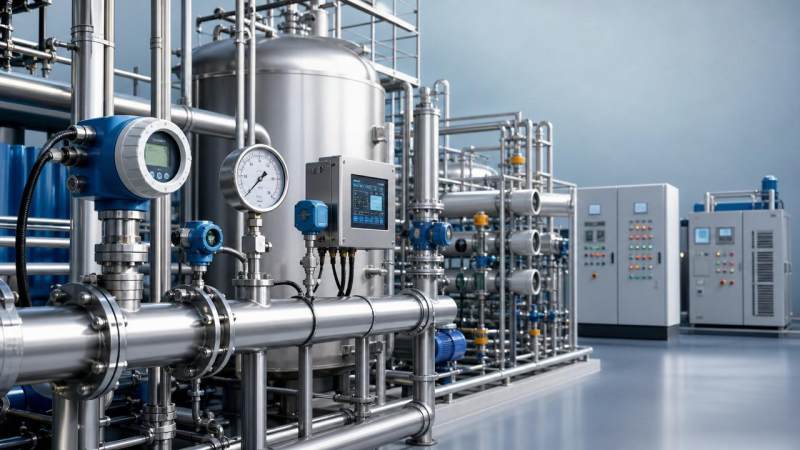
In high-variability operations, online control shapes how quickly abnormal conditions are recognized, verified, and contained.
That matters in chemical processing, utilities, life sciences, water treatment, and energy systems alike.
The real value is not constant visibility alone.
It is the ability to reduce process risk before instability becomes downtime, waste, or a compliance event.
In practice, online control works best when monitoring logic matches the operating context.
A reactor, a cleanroom utility loop, and a wastewater outlet may all need real-time data, but not for the same reason.
Global Instrument Hub follows this distinction closely across industrial process control, environmental monitoring, laboratory systems, and smart energy infrastructure.
The common thread is simple: if measurement quality is weak, control decisions become risky.
Why the same online control strategy fails across different sites
Different sites create different control priorities because the source of risk changes.
Some operations fear fast excursions.
Others fear slow drift that stays invisible until product quality falls outside specification.
A continuous line usually needs stable feedback, low latency, and durable field instruments.
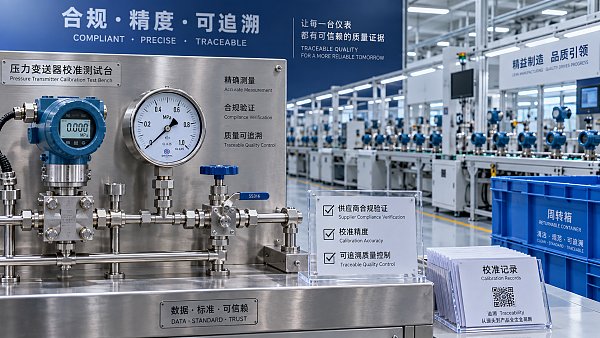
A regulated process may place more weight on traceability, calibration discipline, and audit-ready records.
This is where online control often gets misjudged.
Teams compare specifications but overlook sensor placement, sample integrity, communication delays, or environmental exposure.
The stronger approach is to judge online control by response window, consequence of failure, data confidence, and maintenance reality.
Continuous process lines need fast warning, but stable data matters more
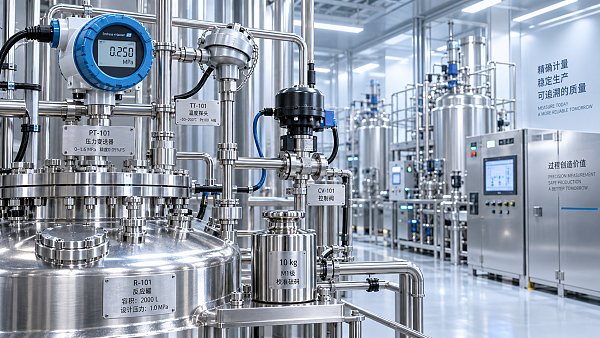
In refining, chemicals, pulp, metals, and food utilities, process conditions can change quickly but not always dramatically.
Small pressure, flow, or temperature deviations often signal a larger upset forming in the background.
Here, online control is valuable because it catches patterns, not just alarms.
A useful setup links transmitters, PLC or DCS logic, and historian trends in a way operators can trust.
If signal noise is high or maintenance intervals are unrealistic, real-time monitoring becomes distracting rather than protective.
In actual deployment, the better question is not whether online control is installed.
It is whether the system distinguishes normal variability from a credible process drift.
That usually requires better thresholds, redundant measurement at critical points, and disciplined calibration routines.
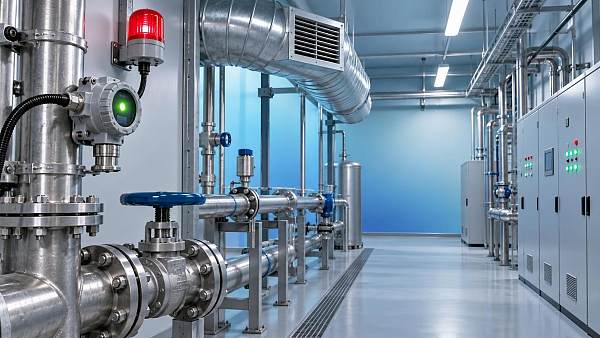
Where judgment changes in hazardous and high-pressure environments
The calculation changes when failure can trigger fire, explosion, or toxic release.
Online control in these environments must be judged with protection layers in mind.
Explosion-proof compliance, sensor survivability, fail-safe logic, and communication integrity become more important than dashboard appearance.
ATEX or IECEx suitability is not a paperwork detail.
It directly affects whether the monitoring chain remains trustworthy during abnormal operating conditions.
Utilities, water, and emissions systems focus on continuity and proof
Online control in water treatment, boilers, district energy, and emissions monitoring usually serves two goals at once.
One is operational continuity.
The other is defensible reporting.
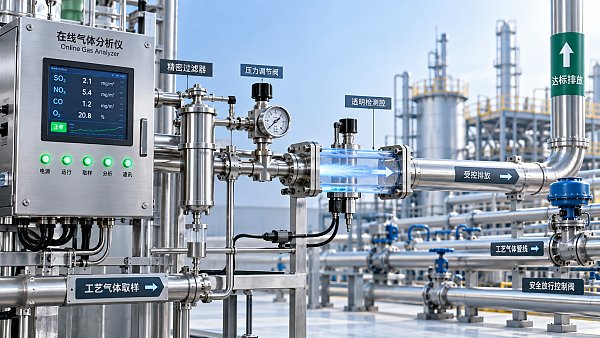
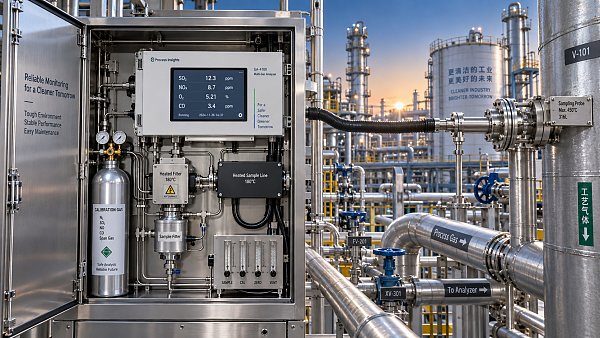
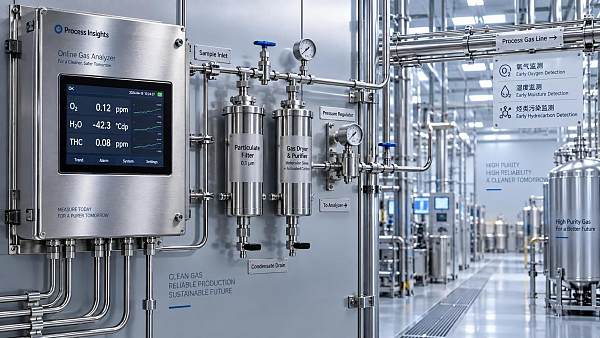
This makes analyzer reliability, sample conditioning, and data retention especially important.
For example, online control in a water quality station may depend less on millisecond response.
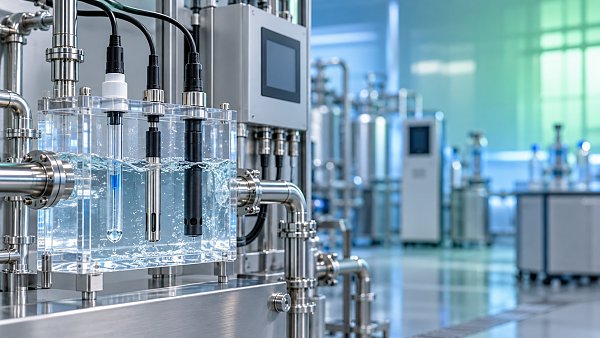
It depends more on whether the pH, conductivity, turbidity, or residual chlorine signal stays representative over time.
The common mistake is to copy control logic from a production line into a compliance-sensitive utility system.
That often underestimates fouling, reagent management, and seasonal process variation.
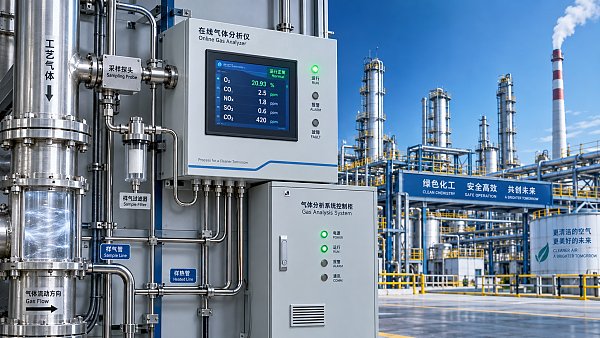
In environmental monitoring, online control only reduces risk when data quality rules are treated as part of the control architecture.
Life sciences and laboratories require a different online control mindset
In laboratory utilities, bioprocessing, and medical testing support systems, online control often serves quality assurance before throughput.
The operating window may be narrow, but the process pace can be slower.
That shifts attention toward data integrity, validation, and reproducibility.
A clean steam loop, a purified water system, or an incubator environment does not tolerate casual monitoring assumptions.
Online control here should support documented evidence, not only correction signals.
This is where standards awareness matters.
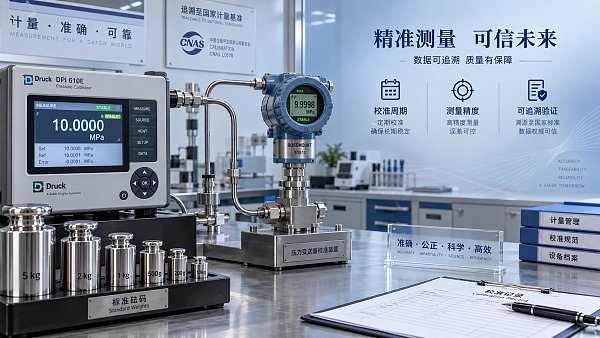
GIH regularly highlights how ISO/IEC 17025 discipline, validation expectations, and traceable calibration reshape instrumentation choices in sensitive applications.
A sensor with attractive specifications may still be a poor fit if replacement records, audit trails, or drift behavior are weak.
Smart grids and distributed energy need online control that sees relationships
Energy infrastructure introduces another challenge: the risk may sit between assets rather than inside one machine.
Battery storage, substations, renewable integration points, and power quality systems all depend on connected visibility.
Online control in these settings is less about one loop and more about coordinated interpretation.
A temperature increase may only matter when voltage instability and load imbalance appear at the same time.
That is why event synchronization, edge reliability, and multi-parameter correlation deserve more attention than isolated device accuracy.
Without that perspective, real-time monitoring generates data volume but misses risk context.
What online control projects often misread before rollout
Several mistakes appear across industries, even when the control platform itself is capable.
- Treating similar process units as identical, despite different media, ambient stress, or cleaning cycles.
- Choosing online control around nominal accuracy, while ignoring installation position and signal survivability.
- Budgeting for hardware, but not for calibration downtime, consumables, cybersecurity upkeep, or spare strategy.
- Expecting one dashboard to solve delayed maintenance discipline or weak alarm governance.
These issues explain why some sites collect more data yet experience little improvement in process risk.
Online control succeeds when measurement architecture, control logic, and field conditions are designed together.
A practical way to match online control to the real operating scene
A useful starting point is to define which deviation truly matters first.
That may be thermal runaway, off-spec chemistry, unstable pressure, emissions exceedance, or silent sensor drift.
Then compare the site against five practical checks.
- Confirm the response window required before risk becomes irreversible.
- Verify whether the measured variable is direct, inferred, or sample-dependent.
- Check compatibility with standards, hazardous area rules, and data governance expectations.
- Map maintenance burden, including cleaning, recalibration, and replacement frequency.
- Test whether the online control output will trigger a clear operational action.
This kind of scene-based review is more valuable than comparing specifications in isolation.
It also aligns with how GIH evaluates instrumentation trends, supplier capability, and technical fit across complex global supply chains.
The next step is usually not a larger system.
It is a clearer definition of operating conditions, critical parameters, implementation limits, and long-term evidence needs.
When online control is matched to those realities, real-time monitoring becomes a reliable risk barrier rather than a noisy data layer.
Recommended for You
 How sample conditioning affects accuracy in petrochemical analyzersImprove accuracy in petrochemical analyzers with smarter sample conditioning. Discover how phase control, filtration, and transport design prevent bias and deliver reliable process data.
 How to troubleshoot sensor drift in industrial gas detectorsIndustrial gas detectors showing sensor drift? Learn how to verify calibration gas, identify root causes, and determine when sensor replacement is needed for reliable monitoring.
 How to judge whether a competitive price reflects real valueCompetitive Price: learn how to compare scope, compliance, performance, and lifecycle costs to identify real value, reduce risk, and make smarter purchasing decisions.
 When custom gas analysis is the right fit for complex process streamsCustom gas analysis for complex process streams: learn when tailored sampling, interference control, and reliable measurement design deliver confident decisions.
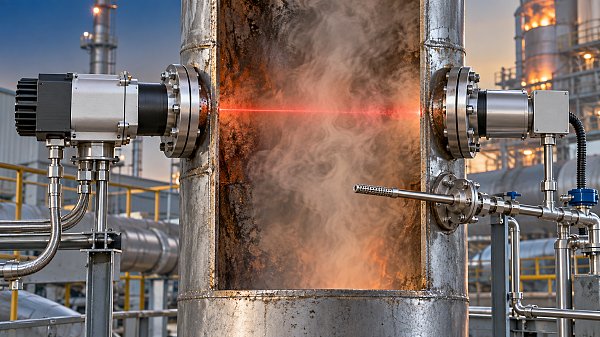
 When does a laser gas analyzer meet stack emissions monitoring needs?Laser gas analyzer for stack emissions: learn when it delivers fast, reliable data, how to assess installation risks, and what to verify for CEMS compliance.
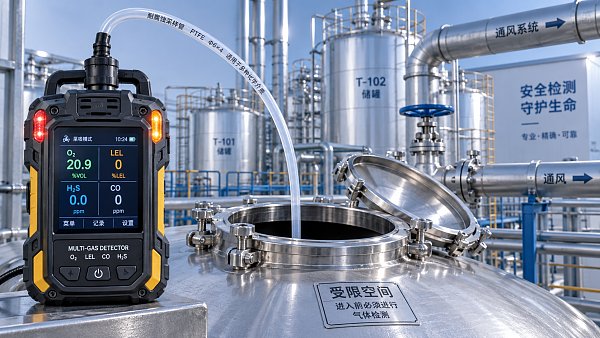
 How to select a hazardous gas analyzer for confined spacesHazardous gas analyzer selection for confined spaces: compare sensors, sampling, certifications, alarms, and maintenance to protect workers and choose with confidence.
 When is a single gas analyzer sufficient for workplace safety monitoring?Discover when a single gas analyzer delivers reliable workplace safety monitoring, and learn the key limits, calibration needs, and risks that require broader detection.
 How to choose an ambient gas analyzer for low-level leak detectionAmbient gas analyzer selection for low-level leak detection: compare sensitivity, cross-sensitivity, sampling design, alarms, and calibration for reliable site performance.
 How to tell when an oxygen sensor needs replacementOxygen sensor replacement signs explained: learn how live data, fault codes, wiring checks, and exhaust inspections pinpoint the real issue before you buy.
 How laser gas analyzers improve combustion control in steel furnacesLaser gas analyzer for steel industry applications delivers fast in-situ O₂ and CO data to optimize furnace combustion, cut fuel waste, and improve steel heating stability.
 How to verify whether explosion proof equipment meets site requirementsExplosion proof equipment verification made practical: match zones, gas or dust groups, temperature classes, certificates, and installation conditions for confident compliance.
 How industrial gas analysis helps detect contamination before releaseIndustrial Gas Analysis helps detect moisture, oil, oxygen, and toxic contaminants before release—protecting processes, ensuring compliance, and reducing costly risks.
 When is electrochemistry detection the right choice for water analysis?Electrochemistry detection for water analysis: learn when fast, reliable monitoring of ions, chlorine, pH, and more delivers actionable results.
 How industrial standards reduce quality risks in supplier selectionIndustrial Standard guidance helps quality and safety managers reduce supplier risks, verify compliance, strengthen traceability, and build resilient instrumentation supply chains.
 When does a multi-component system reduce installation complexity?Multi component systems reduce installation complexity when they eliminate field interfaces, streamline commissioning, and provide proven compatibility. Learn how to assess total cost and supplier accountability.
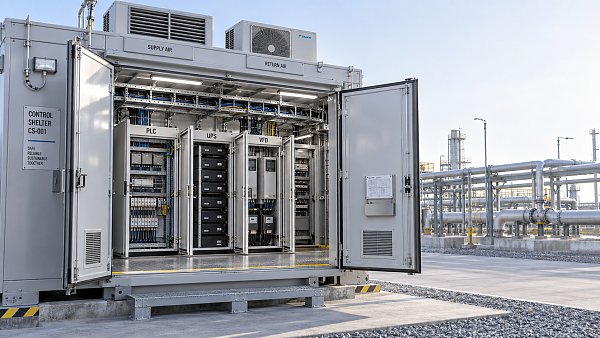
 How to size an industrial control shelter for outdoor equipmentIndustrial control shelter sizing guide: optimize layout, HVAC, access, safety, and expansion space for reliable outdoor equipment operations.
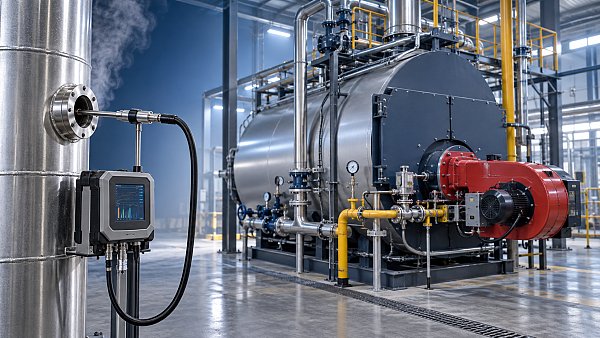
 How flue analysis helps verify combustion efficiencyFlue analysis verifies combustion efficiency by assessing O2, CO, CO2, and stack temperature to identify excess air, incomplete combustion, and heat losses.
 How to select industrial gas detectors for confined spacesIndustrial gas detectors for confined spaces: learn how to match sensors, sampling methods, alarms, and certifications to real atmospheric hazards.
 When does a laser oxygen analyzer outperform zirconia sensors?Laser oxygen analyzer vs. zirconia sensors: compare speed, selectivity, maintenance, gas chemistry, and installation needs to choose the right oxygen measurement solution.
 How to select a percent range analyzer for process measurementsPercent range analyzer selection made practical: compare accuracy, sample systems, calibration, gas matrix, integration, and lifecycle cost for reliable process measurements.
 How explosion proof analysis verifies safe equipment for hazardous areasExplosion proof analysis verifies hazardous-area equipment by matching certifications, temperature ratings, installation details, and inspection controls for safer compliance.
 When does fixed gas detection need point sensors instead of open-path monitoring?Fixed gas detection: discover when point sensors outperform open-path monitoring for predictable leaks, enclosed zones, local alarms, and safer design decisions.
 How to choose industrial metrology systems for tight-tolerance partsIndustrial metrology guide for tight-tolerance parts: compare CMMs, optical scanners, gauges, uncertainty, workflow, and traceable inspection strategies.
 How process metrology reduces measurement variation in productionProcess metrology reduces production measurement variation by improving traceability, uncertainty control, calibration, and reliable quality decisions.
 How to select an industrial monitoring analyzer for harsh environmentsIndustrial monitoring analyzer selection for harsh environments: evaluate sampling, durability, hazardous-area compliance, accuracy, maintenance, and data reliability.
 How calibration intervals affect test and measurement equipment accuracyTest and measurement equipment calibration intervals directly affect accuracy, risk, compliance, and uptime. Learn how to set evidence-based schedules that protect critical decisions.
 When does process gas monitoring need continuous measurement?Process gas monitoring needs continuous measurement when rapid changes threaten safety, quality, compliance, or uptime. Learn how to specify reliable, actionable monitoring systems.
 How to prevent false alarms in power plant instrumentationPower plant instrumentation guide: prevent false alarms with reliable signal checks, smarter alarm settings, mode-based control, and actionable operator responses.
 How fixed gas detectors help prevent leaks in enclosed workspacesFixed gas detectors provide continuous leak monitoring in enclosed workspaces, enabling faster alarms, safer responses, and stronger protection for people and processes.
 How industrial gas analysis helps detect process contamination earlyIndustrial Gas Analysis helps detect oxygen, moisture, and hydrocarbon contamination early, enabling faster fault isolation, safer operations, and stronger process control.
 What drives environmental compliance continuous monitoring setup cost?Environmental compliance continuous monitoring setup cost: uncover hidden expenses, compare bids accurately, and build a reliable, audit-ready system.
 How to select gas analysis equipment for continuous emissions monitoringGas analysis equipment selection guide for reliable continuous emissions monitoring—compare technologies, sampling, calibration, compliance, and maintenance needs.



Search Categories
Search Categories
- Smart Meters & Power Quality
- Transformer Gas Analyzers
- BESS Thermal Runaway Detectors
- Energy, Power & Smart Grid Monitoring
- Optical Profilers & CMM
- Ultrasonic & X-Ray NDT
- Calibration Standards
- Precision Metrology & NDT
- Water Quality Analyzers
- CEMS & VOCs Monitors
- Price Trends
- Import & Export Updates
- Market Trends
- Industry News
- Industry Insights
Latest Article
- How sample conditioning affects accuracy in petrochemical analyzersImprove accuracy in petrochemical analyzers with smarter sample conditioning. Discover how phase control, filtration, and transport design prevent bias and deliver reliable process data.Posted by:
- How to troubleshoot sensor drift in industrial gas detectorsIndustrial gas detectors showing sensor drift? Learn how to verify calibration gas, identify root causes, and determine when sensor replacement is needed for reliable monitoring.Posted by:
- How to judge whether a competitive price reflects real valueCompetitive Price: learn how to compare scope, compliance, performance, and lifecycle costs to identify real value, reduce risk, and make smarter purchasing decisions.Posted by:
Please give us a message
