
When a Process Monitoring System Prevents Downtime Risks


When a Process Monitoring System Prevents Downtime Risks
For project leaders, unplanned downtime is more than a technical issue. It disrupts schedules, raises costs, and weakens trust in daily operations.
A process monitoring system changes that equation. It converts scattered signals into clear alerts, useful trends, and faster operational decisions.
In complex plants, energy assets, labs, and utility networks, early visibility matters. Small deviations often become expensive failures when nobody sees them soon enough.
That is why a modern process monitoring system is no longer optional. It is a practical layer of protection for uptime, quality, and project certainty.
Why Downtime Risks Escalate So Quickly
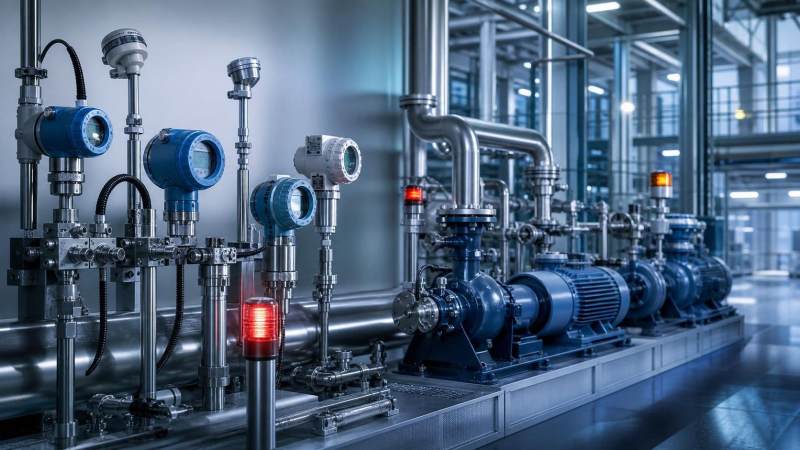
Most downtime events do not start with a dramatic breakdown. They begin with subtle process drift, unstable readings, or slow equipment degradation.
A temperature rise of two degrees may look harmless. A pressure fluctuation may seem temporary. A vibration spike may disappear before an operator investigates.
In reality, these are often early risk signals. Without continuous tracking, teams react late, usually after production quality, safety, or energy efficiency already suffers.
This pattern appears across industries. Chemical processing faces valve, flow, and pressure instability. Power systems face thermal and load anomalies. Labs face environmental drift.
The common issue is fragmented data. Information exists, but it sits in different devices, different screens, and different teams.
A process monitoring system closes that gap. It creates one operational view, helping teams spot abnormal behavior before it turns into forced downtime.
What a Process Monitoring System Actually Does
At its core, a process monitoring system collects, contextualizes, and analyzes process data in near real time. That sounds simple, but the impact is significant.
Instead of checking isolated tags, teams see operating conditions as connected behaviors. Flow affects pressure. Temperature affects viscosity. Load affects energy consumption.
A well-designed process monitoring system usually supports several functions:
- Continuous capture of sensor and control data from PLC, DCS, SCADA, and field devices.
- Alarm management based on thresholds, deviation rates, and pattern changes.
- Trend visualization for temperature, pressure, flow, level, vibration, and quality variables.
- Historical analysis that helps teams compare current behavior with normal baselines.
- Escalation workflows that direct alerts to operations, maintenance, or project stakeholders.
More importantly, the system turns raw readings into decision support. That shift is where downtime prevention becomes realistic rather than reactive.
How Early Detection Protects Project Performance
From a project perspective, downtime is rarely just a maintenance issue. It affects commissioning schedules, contractor coordination, production targets, and budget exposure.
A process monitoring system reduces these risks by moving teams from after-the-fact troubleshooting to forward-looking intervention.
For example, a pump may still be running while showing unstable discharge pressure. Without monitoring, failure appears sudden. With monitoring, the warning window becomes visible.
That extra visibility supports better planning:
- Maintenance teams can inspect assets before breakdown.
- Operations can reduce load or reroute process conditions.
- Procurement can secure replacement parts without emergency premiums.
- Project leaders can adjust timelines with less disruption.
This also improves communication. Instead of debating symptoms, teams discuss shared evidence, trend lines, and risk severity with far more confidence.
Where a Process Monitoring System Delivers the Most Value
The best use cases are not limited to one sector. A process monitoring system creates value wherever process stability, uptime, and compliance matter.
Industrial Manufacturing
Production lines depend on steady process windows. Monitoring helps detect drift in cycle conditions before defects, scrap, or stoppages spread across multiple batches.
Energy and Power
Turbines, boilers, substations, and storage systems generate huge data volumes. A process monitoring system highlights thermal stress, load imbalance, and power quality anomalies early.
Environmental Monitoring
Facilities using CEMS or water analysis systems need traceable stability. Monitoring prevents noncompliance by flagging drift, sensor fouling, or calibration issues in time.
Laboratory and Life Sciences
Controlled environments require consistency. A process monitoring system helps maintain temperature, humidity, gas flow, and sample handling conditions with less manual oversight.
Key Features to Prioritize Before Implementation
Not every platform delivers the same value. A process monitoring system should match operational complexity, asset criticality, and decision speed requirements.
When evaluating options, focus on features that improve actionability rather than simply adding dashboards.
In practice, the strongest systems support both frontline response and strategic analysis. That balance is essential for sustainable downtime reduction.
A Practical Rollout Approach That Works
Implementation often fails when companies try to monitor everything at once. A smarter path is phased deployment with measurable risk reduction goals.
Start with the assets and process points that create the highest downtime exposure. Usually, those include bottleneck equipment, utilities, and quality-critical steps.
A practical rollout can follow this sequence:
- Map the process variables most linked to failure, delay, or product loss.
- Define normal operating envelopes and alert thresholds with engineering teams.
- Integrate existing instruments before purchasing unnecessary new hardware.
- Set alert ownership so every warning has a clear response path.
- Review weekly trends and refine thresholds after real operating feedback.
This phased approach reduces change resistance. It also helps prove the value of the process monitoring system through visible wins in reliability and control.
Why Better Instrumentation Intelligence Makes the Difference
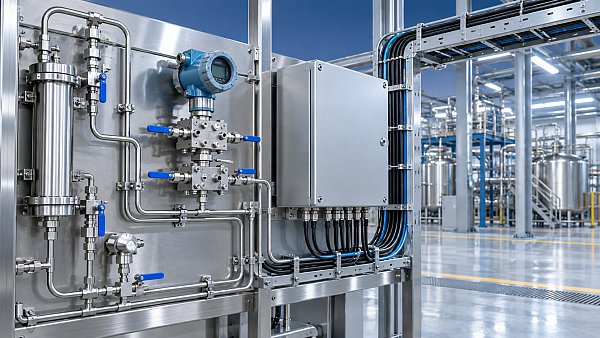
A process monitoring system is only as strong as the data behind it. Poor sensor selection, weak calibration discipline, or shallow supplier insight can limit results.
This is where deeper industry intelligence becomes valuable. Reliable monitoring depends on correct instruments, accurate standards, and confidence in long-term supply support.
Global Instrument Hub focuses on that foundation. Across industrial process control, environmental analysis, laboratory systems, precision metrology, and smart energy monitoring, the goal is practical clarity.
From transmitter performance to compliance frameworks like ISO/IEC 17025, ATEX, and IECEx, better intelligence helps organizations build stronger monitoring strategies from the start.
Final Takeaway
When downtime risks are rising, waiting for failure is the most expensive strategy. A process monitoring system gives teams time, visibility, and better control over outcomes.
It helps identify weak signals earlier, coordinate faster responses, and protect both operations and project targets. That makes it a practical investment, not just a technical upgrade.
If the goal is fewer disruptions, better data confidence, and stronger operational resilience, now is the right time to assess where a process monitoring system can deliver the fastest impact.
Recommended for You
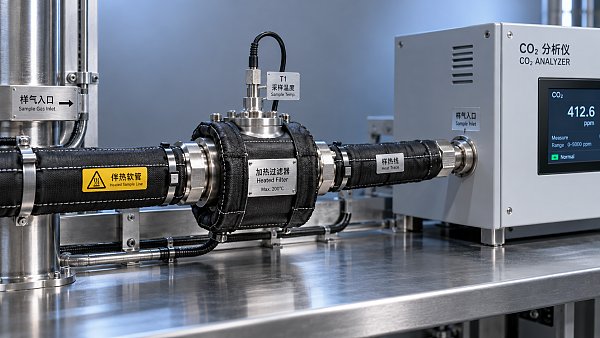
 How to prevent condensation in a CO2 analyzer sampling systemPrevent condensation in your CO2 analyzer sampling system. Learn how to control dew point, eliminate cold spots, and manage moisture for reliable readings and fewer costly disruptions.
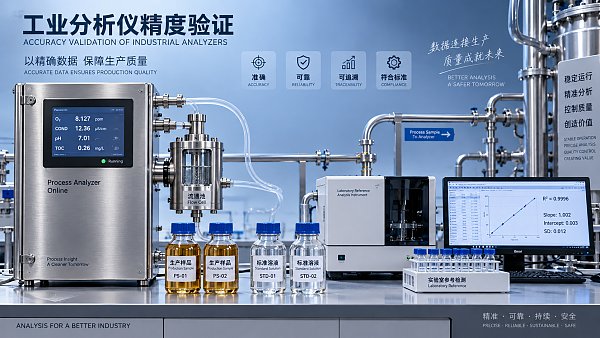
 How to verify accuracy claims for industrial quality analyzersVerify accuracy claims for industrial quality analyzers with calibration checks, independent testing, and clear acceptance criteria. Learn how to reduce risk and buy with confidence.
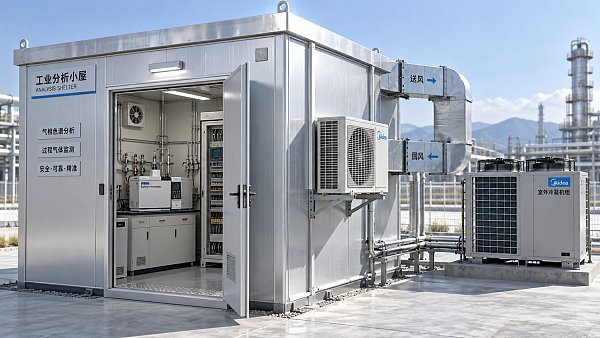
 How to calculate cooling loads for an industrial analyzer shelterSize industrial analyzer shelter cooling with confidence. Learn to calculate equipment heat, solar gains, and ventilation loads, then select HVAC capacity for reliable analyzer performance.
 What Happens When Combustible Gas Sensor Calibration Is Overdue?What happens if combustible gas sensor is not recalibrated on time? Discover the risks of inaccurate readings and missed alarms, plus steps to restore reliable protection.
 Can One Multi-Gas Detector Replace Four Separate Analyzers?Find out: can a single multi-gas detector replace four separate analyzers? Compare accuracy, safety, compliance, and lifetime costs to make a confident buying decision.
 Industrial Safety vs. Emission Monitoring: What Are the Differences?What are the main differences between industrial safety and emission monitoring? Compare goals, sensors, response times, and compliance needs to choose the right systems for your facility.
 Is Remote Monitoring Worth the Cost for Small Emission Sources?Is it worth investing in remote monitoring for small emission sources? Compare costs, compliance needs, and potential savings to choose the right solution for your operation.
 How Do You Handle Analyzer Failure During an Environmental Audit?Learn how to handle analyzer failure during environmental compliance audit procedures. Protect evidence, verify data, and restore monitoring with this practical response guide.
 Do VOC Monitors Require Explosion-Proof Certification?Does VOC monitoring require explosion-proof certification? Learn when approval is needed, compare ATEX and IECEx, and choose the right monitor for your site.
 How sample conditioning affects accuracy in petrochemical analyzersImprove accuracy in petrochemical analyzers with smarter sample conditioning. Discover how phase control, filtration, and transport design prevent bias and deliver reliable process data.
 How to troubleshoot sensor drift in industrial gas detectorsIndustrial gas detectors showing sensor drift? Learn how to verify calibration gas, identify root causes, and determine when sensor replacement is needed for reliable monitoring.
 How to judge whether a competitive price reflects real valueCompetitive Price: learn how to compare scope, compliance, performance, and lifecycle costs to identify real value, reduce risk, and make smarter purchasing decisions.
 When custom gas analysis is the right fit for complex process streamsCustom gas analysis for complex process streams: learn when tailored sampling, interference control, and reliable measurement design deliver confident decisions.
 When does a laser gas analyzer meet stack emissions monitoring needs?Laser gas analyzer for stack emissions: learn when it delivers fast, reliable data, how to assess installation risks, and what to verify for CEMS compliance.
 How to select a hazardous gas analyzer for confined spacesHazardous gas analyzer selection for confined spaces: compare sensors, sampling, certifications, alarms, and maintenance to protect workers and choose with confidence.
 When is a single gas analyzer sufficient for workplace safety monitoring?Discover when a single gas analyzer delivers reliable workplace safety monitoring, and learn the key limits, calibration needs, and risks that require broader detection.
 How to choose an ambient gas analyzer for low-level leak detectionAmbient gas analyzer selection for low-level leak detection: compare sensitivity, cross-sensitivity, sampling design, alarms, and calibration for reliable site performance.
 How to tell when an oxygen sensor needs replacementOxygen sensor replacement signs explained: learn how live data, fault codes, wiring checks, and exhaust inspections pinpoint the real issue before you buy.
 How laser gas analyzers improve combustion control in steel furnacesLaser gas analyzer for steel industry applications delivers fast in-situ O₂ and CO data to optimize furnace combustion, cut fuel waste, and improve steel heating stability.
 How to verify whether explosion proof equipment meets site requirementsExplosion proof equipment verification made practical: match zones, gas or dust groups, temperature classes, certificates, and installation conditions for confident compliance.
 How industrial gas analysis helps detect contamination before releaseIndustrial Gas Analysis helps detect moisture, oil, oxygen, and toxic contaminants before release—protecting processes, ensuring compliance, and reducing costly risks.
 When is electrochemistry detection the right choice for water analysis?Electrochemistry detection for water analysis: learn when fast, reliable monitoring of ions, chlorine, pH, and more delivers actionable results.
 How industrial standards reduce quality risks in supplier selectionIndustrial Standard guidance helps quality and safety managers reduce supplier risks, verify compliance, strengthen traceability, and build resilient instrumentation supply chains.
 When does a multi-component system reduce installation complexity?Multi component systems reduce installation complexity when they eliminate field interfaces, streamline commissioning, and provide proven compatibility. Learn how to assess total cost and supplier accountability.
 How to size an industrial control shelter for outdoor equipmentIndustrial control shelter sizing guide: optimize layout, HVAC, access, safety, and expansion space for reliable outdoor equipment operations.
 How flue analysis helps verify combustion efficiencyFlue analysis verifies combustion efficiency by assessing O2, CO, CO2, and stack temperature to identify excess air, incomplete combustion, and heat losses.
 How to select industrial gas detectors for confined spacesIndustrial gas detectors for confined spaces: learn how to match sensors, sampling methods, alarms, and certifications to real atmospheric hazards.
 When does a laser oxygen analyzer outperform zirconia sensors?Laser oxygen analyzer vs. zirconia sensors: compare speed, selectivity, maintenance, gas chemistry, and installation needs to choose the right oxygen measurement solution.
 How to select a percent range analyzer for process measurementsPercent range analyzer selection made practical: compare accuracy, sample systems, calibration, gas matrix, integration, and lifecycle cost for reliable process measurements.
 How explosion proof analysis verifies safe equipment for hazardous areasExplosion proof analysis verifies hazardous-area equipment by matching certifications, temperature ratings, installation details, and inspection controls for safer compliance.
 When does fixed gas detection need point sensors instead of open-path monitoring?Fixed gas detection: discover when point sensors outperform open-path monitoring for predictable leaks, enclosed zones, local alarms, and safer design decisions.
 How to choose industrial metrology systems for tight-tolerance partsIndustrial metrology guide for tight-tolerance parts: compare CMMs, optical scanners, gauges, uncertainty, workflow, and traceable inspection strategies.
Search Categories
Search Categories
- Smart Meters & Power Quality
- Transformer Gas Analyzers
- BESS Thermal Runaway Detectors
- Energy, Power & Smart Grid Monitoring
- Optical Profilers & CMM
- Ultrasonic & X-Ray NDT
- Calibration Standards
- Precision Metrology & NDT
- Water Quality Analyzers
- CEMS & VOCs Monitors
- Price Trends
- Import & Export Updates
- Market Trends
- Industry News
- Industry Insights
Latest Article
- How to prevent condensation in a CO2 analyzer sampling systemPrevent condensation in your CO2 analyzer sampling system. Learn how to control dew point, eliminate cold spots, and manage moisture for reliable readings and fewer costly disruptions.Posted by:
- How to verify accuracy claims for industrial quality analyzersVerify accuracy claims for industrial quality analyzers with calibration checks, independent testing, and clear acceptance criteria. Learn how to reduce risk and buy with confidence.Posted by:
- How to calculate cooling loads for an industrial analyzer shelterSize industrial analyzer shelter cooling with confidence. Learn to calculate equipment heat, solar gains, and ventilation loads, then select HVAC capacity for reliable analyzer performance.Posted by:
Please give us a message
