
Emission Calibration: Key Steps to Improve Compliance Accuracy


Emission calibration: why does it matter so much in compliance work?
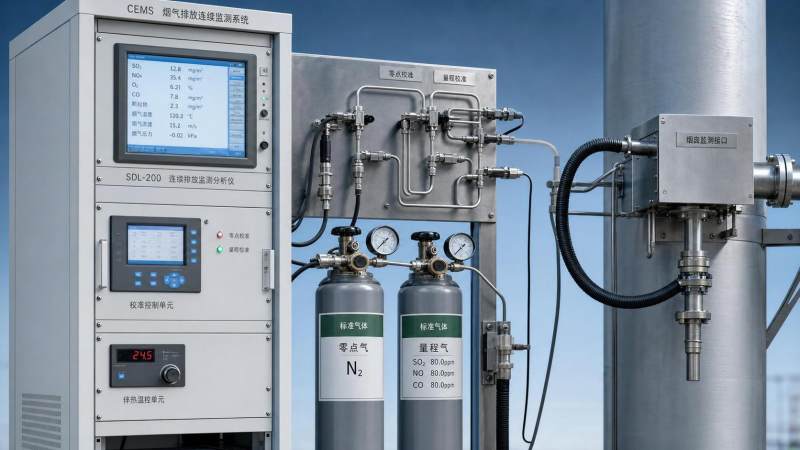
Emission calibration sits at the center of credible environmental reporting, especially where continuous monitoring drives permits, audits, and operational decisions.
If the calibration is weak, the data may still look neat on a dashboard. It just may not be defensible.
That is why emission calibration is not only a maintenance task. It is a control point for compliance accuracy.
In practice, teams rely on it to reduce drift, detect bias, and confirm that analyzers respond correctly across expected emission ranges.
The issue matters across sectors, from boilers and incineration lines to chemical processing, power generation, and environmental monitoring networks.
It also fits a broader instrumentation reality highlighted by Global Instrument Hub, where trustworthy measurement underpins automation, traceability, and safe operation.
Simple data capture is no longer enough. What counts is measured truth, backed by calibration discipline and documented evidence.
What does emission calibration actually include?
Many people use the term broadly, but emission calibration usually covers several linked checks rather than one single adjustment.
At the basic level, it confirms that an emission measurement system reports values that match known reference conditions.
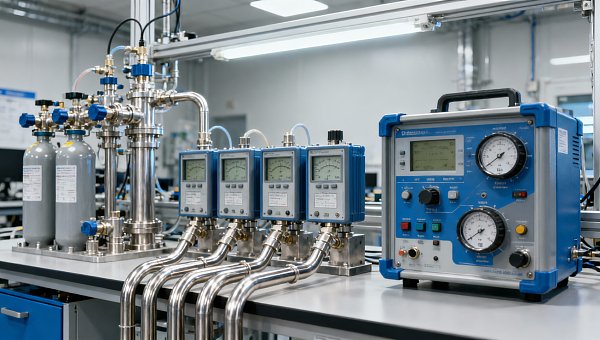
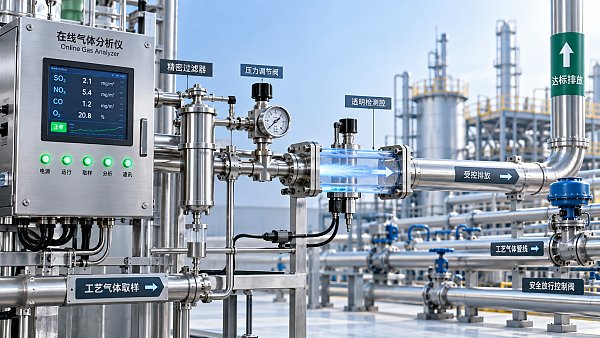
For CEMS and related analyzers, that often includes zero calibration, span calibration, linearity review, and response verification.
Some sites also need stack test correlation, moisture correction checks, flow validation, and data acquisition system alignment.
A useful way to think about emission calibration is to separate instrument behavior from reporting behavior.
- Instrument behavior asks whether the analyzer senses gases correctly.
- Reporting behavior asks whether conversions, compensations, and data transfer remain accurate.
- Compliance behavior asks whether the full chain meets the required standard or permit method.
This distinction matters because a calibrated analyzer can still produce noncompliant records if signal handling or reference factors are wrong.
More mature programs treat emission calibration as metrology, not as a box to tick before an inspection.
Which calibration steps usually make the biggest difference?
The strongest results come from getting a few essential steps consistently right rather than overcomplicating the workflow.
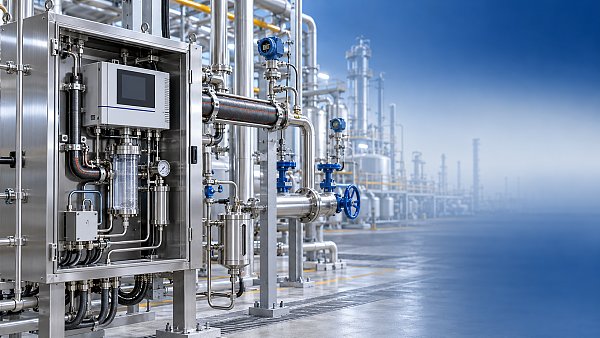
A reliable emission calibration sequence usually starts before gas even reaches the analyzer.
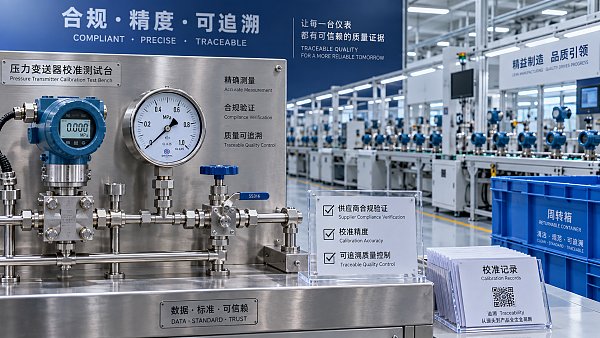
1. Confirm traceability of reference materials
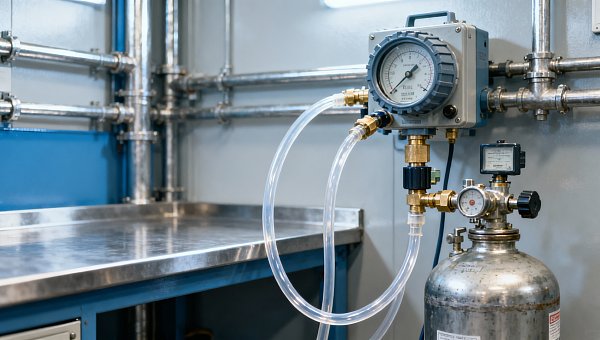
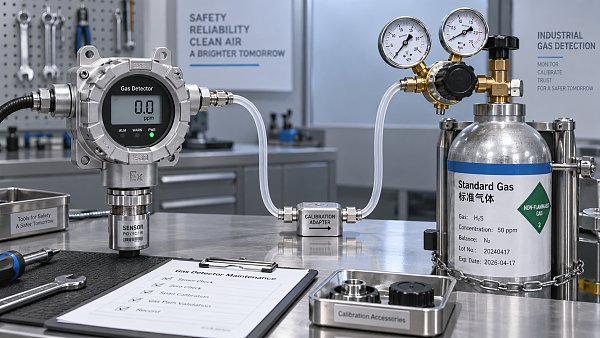
Calibration gases should be certified, current, and appropriate for the pollutant range being measured.
Expired cylinders or poorly matched concentration levels create hidden error from the first step.
2. Stabilize the sampling path
Leaks, condensation, filter loading, and heated line instability can distort the sample before calibration checks begin.
When that happens, adjustment alone will not fix the root cause.
3. Run zero and span checks properly
Zero checks reveal baseline offset. Span checks show whether analyzer gain remains aligned with known concentration values.
The key is trend review, not only pass or fail.
4. Check linearity across the operating range
A system can look accurate at one point yet drift at lower or higher concentrations.
Linearity testing helps catch that before reporting errors become systemic.
5. Verify data handling and correction factors
Dry basis conversion, oxygen normalization, pressure compensation, and averaging logic should match the permit method exactly.
This is where many avoidable discrepancies appear during audits.
How can you tell whether an emission calibration program is truly reliable?
A reliable program shows repeatability, traceability, and fast explanation when data is questioned.
In actual operations, the better question is not “Did we calibrate?” but “Can we prove the result stands up?”
The table below helps separate routine activity from calibration quality that supports compliance accuracy.
This is also where broader industry intelligence becomes valuable.
GIH often emphasizes that compliance-grade measurement depends on both instrument specification and system context, including standards, supplier quality, and lifecycle support.
Where do teams usually go wrong with emission calibration?
Most mistakes are not dramatic. They are small assumptions that slowly weaken data confidence.
One common issue is treating calibration frequency as the only indicator of control.
Frequent checks help, but poor gas selection or unstable sampling conditions can still make the whole process unreliable.
Another problem is ignoring cross-sensitivity and matrix effects.
Combustion streams, solvent processes, and mixed industrial exhaust can influence analyzer response in ways a simple span test will not show.
Documentation is another weak point. Missing evidence can turn a technically acceptable emission calibration into a compliance dispute.
- Do not adjust instruments without recording the reason.
- Do not mix internal tolerances with legal acceptance criteria.
- Do not overlook maintenance actions that change analyzer behavior.
- Do not assume software settings remain correct after updates.
A good rule is simple: every calibration action should leave a technical trail that another reviewer can understand.
How should calibration intervals, cost, and implementation effort be judged?
There is no universal interval that fits every site. The better approach is risk-based scheduling.
High variability processes, corrosive streams, and strict reporting thresholds usually need tighter emission calibration control.
Stable operations with strong drift history may justify a more optimized routine, if regulations allow it.
Cost should also be judged beyond gas cylinders and labor hours.
The real cost includes invalid data, re-testing, permit risk, downtime during corrective work, and loss of trust in reported results.
When reviewing implementation effort, these questions usually matter most:
- Is the measurement range aligned with actual emission patterns?
- Are reference gases easy to source with valid certification?
- Does the sampling system hold stable temperature and flow?
- Can maintenance and calibration records be reviewed in one place?
- Are external standards such as ISO-based traceability requirements clearly linked to site procedures?
That last point matters more as facilities face stricter scrutiny around metrology, data governance, and environmental accountability.
What is the practical next step if accuracy still feels uncertain?
Start with one complete measurement chain review rather than isolated instrument checks.
Map the path from sample extraction to final reported value. Then identify where uncertainty enters the system.
For many operations, the biggest gains come from standardizing records, tightening reference gas control, and trending drift over time.
If multiple sites or suppliers are involved, compare calibration methods side by side and remove undocumented local variations.
This is where a data-centered view, like the one promoted by GIH, becomes useful.
Better compliance does not come from more paperwork alone. It comes from measurement systems that are technically sound and consistently interpreted.
In the end, emission calibration is less about routine adjustment and more about protecting the truth of operational data.
A sensible next move is to review current procedures against actual risk, confirm traceability at each step, and refine the points where errors can quietly enter reporting.
Recommended for You
 How condensation affects stack detector readings in wet flue gasStack detector readings can drift when wet flue gas condenses. Learn how to identify moisture interference, prevent sample losses, and improve emissions monitoring reliability.
 How to prevent condensation in a CO2 analyzer sampling systemPrevent condensation in your CO2 analyzer sampling system. Learn how to control dew point, eliminate cold spots, and manage moisture for reliable readings and fewer costly disruptions.
 How to verify accuracy claims for industrial quality analyzersVerify accuracy claims for industrial quality analyzers with calibration checks, independent testing, and clear acceptance criteria. Learn how to reduce risk and buy with confidence.
 How to calculate cooling loads for an industrial analyzer shelterSize industrial analyzer shelter cooling with confidence. Learn to calculate equipment heat, solar gains, and ventilation loads, then select HVAC capacity for reliable analyzer performance.
 Do Regulatory Monitoring Systems Need Third-Party Certification?Do regulatory monitoring systems need third-party certification? Learn when it is required, what certificates prove, and how to verify compliance before buying.
 How Do You Choose Wired or Wireless for Stack Monitoring?Learn how to choose between wired and wireless for stack monitoring. Compare reliability, lifecycle costs, and data recovery to find the right CEMS setup for your site.
 What Happens When Combustible Gas Sensor Calibration Is Overdue?What happens if combustible gas sensor is not recalibrated on time? Discover the risks of inaccurate readings and missed alarms, plus steps to restore reliable protection.
 Can One Multi-Gas Detector Replace Four Separate Analyzers?Find out: can a single multi-gas detector replace four separate analyzers? Compare accuracy, safety, compliance, and lifetime costs to make a confident buying decision.
 Industrial Safety vs. Emission Monitoring: What Are the Differences?What are the main differences between industrial safety and emission monitoring? Compare goals, sensors, response times, and compliance needs to choose the right systems for your facility.
 Is Remote Monitoring Worth the Cost for Small Emission Sources?Is it worth investing in remote monitoring for small emission sources? Compare costs, compliance needs, and potential savings to choose the right solution for your operation.
 How Do You Handle Analyzer Failure During an Environmental Audit?Learn how to handle analyzer failure during environmental compliance audit procedures. Protect evidence, verify data, and restore monitoring with this practical response guide.
 Do VOC Monitors Require Explosion-Proof Certification?Does VOC monitoring require explosion-proof certification? Learn when approval is needed, compare ATEX and IECEx, and choose the right monitor for your site.
 How sample conditioning affects accuracy in petrochemical analyzersImprove accuracy in petrochemical analyzers with smarter sample conditioning. Discover how phase control, filtration, and transport design prevent bias and deliver reliable process data.
 How to troubleshoot sensor drift in industrial gas detectorsIndustrial gas detectors showing sensor drift? Learn how to verify calibration gas, identify root causes, and determine when sensor replacement is needed for reliable monitoring.
 How to judge whether a competitive price reflects real valueCompetitive Price: learn how to compare scope, compliance, performance, and lifecycle costs to identify real value, reduce risk, and make smarter purchasing decisions.
 When custom gas analysis is the right fit for complex process streamsCustom gas analysis for complex process streams: learn when tailored sampling, interference control, and reliable measurement design deliver confident decisions.
 When does a laser gas analyzer meet stack emissions monitoring needs?Laser gas analyzer for stack emissions: learn when it delivers fast, reliable data, how to assess installation risks, and what to verify for CEMS compliance.
 How to select a hazardous gas analyzer for confined spacesHazardous gas analyzer selection for confined spaces: compare sensors, sampling, certifications, alarms, and maintenance to protect workers and choose with confidence.
 When is a single gas analyzer sufficient for workplace safety monitoring?Discover when a single gas analyzer delivers reliable workplace safety monitoring, and learn the key limits, calibration needs, and risks that require broader detection.
 How to choose an ambient gas analyzer for low-level leak detectionAmbient gas analyzer selection for low-level leak detection: compare sensitivity, cross-sensitivity, sampling design, alarms, and calibration for reliable site performance.
 How to tell when an oxygen sensor needs replacementOxygen sensor replacement signs explained: learn how live data, fault codes, wiring checks, and exhaust inspections pinpoint the real issue before you buy.
 How laser gas analyzers improve combustion control in steel furnacesLaser gas analyzer for steel industry applications delivers fast in-situ O₂ and CO data to optimize furnace combustion, cut fuel waste, and improve steel heating stability.
 How to verify whether explosion proof equipment meets site requirementsExplosion proof equipment verification made practical: match zones, gas or dust groups, temperature classes, certificates, and installation conditions for confident compliance.
 How industrial gas analysis helps detect contamination before releaseIndustrial Gas Analysis helps detect moisture, oil, oxygen, and toxic contaminants before release—protecting processes, ensuring compliance, and reducing costly risks.
 When is electrochemistry detection the right choice for water analysis?Electrochemistry detection for water analysis: learn when fast, reliable monitoring of ions, chlorine, pH, and more delivers actionable results.
 How industrial standards reduce quality risks in supplier selectionIndustrial Standard guidance helps quality and safety managers reduce supplier risks, verify compliance, strengthen traceability, and build resilient instrumentation supply chains.
 When does a multi-component system reduce installation complexity?Multi component systems reduce installation complexity when they eliminate field interfaces, streamline commissioning, and provide proven compatibility. Learn how to assess total cost and supplier accountability.
 How to size an industrial control shelter for outdoor equipmentIndustrial control shelter sizing guide: optimize layout, HVAC, access, safety, and expansion space for reliable outdoor equipment operations.
 How flue analysis helps verify combustion efficiencyFlue analysis verifies combustion efficiency by assessing O2, CO, CO2, and stack temperature to identify excess air, incomplete combustion, and heat losses.
 How to select industrial gas detectors for confined spacesIndustrial gas detectors for confined spaces: learn how to match sensors, sampling methods, alarms, and certifications to real atmospheric hazards.
 When does a laser oxygen analyzer outperform zirconia sensors?Laser oxygen analyzer vs. zirconia sensors: compare speed, selectivity, maintenance, gas chemistry, and installation needs to choose the right oxygen measurement solution.
 How to select a percent range analyzer for process measurementsPercent range analyzer selection made practical: compare accuracy, sample systems, calibration, gas matrix, integration, and lifecycle cost for reliable process measurements.
Search Categories
Search Categories
- Smart Meters & Power Quality
- Transformer Gas Analyzers
- BESS Thermal Runaway Detectors
- Energy, Power & Smart Grid Monitoring
- Optical Profilers & CMM
- Ultrasonic & X-Ray NDT
- Calibration Standards
- Precision Metrology & NDT
- Water Quality Analyzers
- CEMS & VOCs Monitors
- Price Trends
- Import & Export Updates
- Market Trends
- Industry News
- Industry Insights
Latest Article
- How condensation affects stack detector readings in wet flue gasStack detector readings can drift when wet flue gas condenses. Learn how to identify moisture interference, prevent sample losses, and improve emissions monitoring reliability.Posted by:
- How to prevent condensation in a CO2 analyzer sampling systemPrevent condensation in your CO2 analyzer sampling system. Learn how to control dew point, eliminate cold spots, and manage moisture for reliable readings and fewer costly disruptions.Posted by:
- How to verify accuracy claims for industrial quality analyzersVerify accuracy claims for industrial quality analyzers with calibration checks, independent testing, and clear acceptance criteria. Learn how to reduce risk and buy with confidence.Posted by:
Please give us a message
