
Workplace Safety Monitors: Common Setup Mistakes That Raise Detection Risk


Workplace Safety Monitors: Common Setup Mistakes That Raise Detection Risk
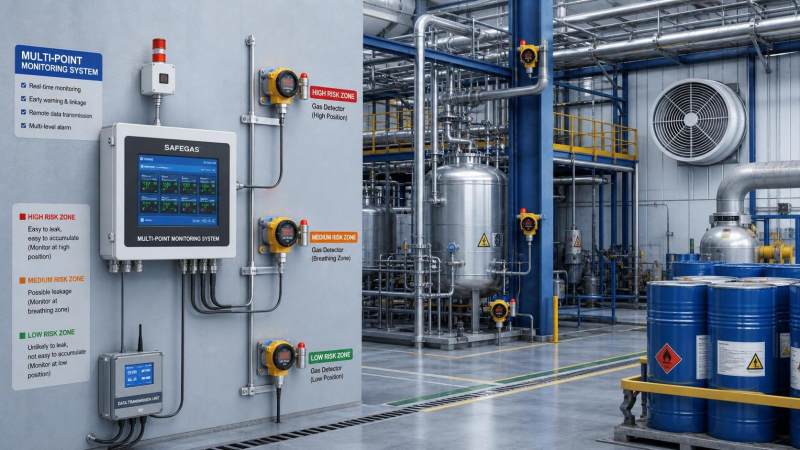
Even the best workplace safety monitors can fail quietly when setup details are overlooked.
A monitor may be certified, calibrated, and fully functional, yet still miss a real hazard.
In most cases, the problem is not the device itself.
It is the way workplace safety monitors are installed, positioned, tested, or maintained.
For operations handling chemicals, dust, gases, heat, pressure, or confined spaces, setup mistakes create dangerous blind spots.
They also increase false alarms, reduce trust in the system, and slow response times.
From a practical standpoint, reliable detection starts long before the first alarm event.
It starts with understanding how hazards behave in the real environment.
This article breaks down the most common setup mistakes and shows how to avoid them early.
Why workplace safety monitors underperform after installation
Many teams assume installation is a one-time task.
In reality, workplace safety monitors are part of a living control system.
Airflow changes, equipment moves, process upgrades, and seasonal conditions all affect performance.
A monitor placed correctly last year may now sit outside the highest-risk zone.
This is why detection risk often rises slowly, not suddenly.
The clearest signal is usually inconsistent readings, nuisance alarms, or unexplained gaps in event logs.
When those signs appear, setup assumptions should be reviewed before blaming the hardware.
Mistake 1: Placing monitors where access is easy, not where exposure happens
This is one of the most common workplace safety monitor mistakes.
Teams often install units where wiring is simple or maintenance is convenient.
That may reduce installation time, but it can weaken detection coverage.
Gas leaks, particulate releases, and heat buildup follow physical behavior, not facility layout preferences.
Heavier gases settle low.
Lighter gases rise.
Dust accumulates around transfer points, enclosed conveyors, and poor ventilation areas.
A well-placed workplace safety monitor should match the hazard path.
It should not simply match the easiest wall bracket location.
- Map probable release points before selecting mounting locations.
- Review airflow, door movement, extraction fans, and thermal currents.
- Validate monitor height against the physical behavior of the target hazard.
Mistake 2: Ignoring cross-sensitivity and environmental interference
Not every alarm indicates the target threat.
Some workplace safety monitors react to vapors, humidity, solvents, or temperature swings.
That creates a false sense of precision when the environment is more complex than expected.
For example, washdown areas, paint lines, battery rooms, and mixed-chemical storage zones often challenge sensor stability.
If the sensor technology is not matched to the interference profile, readings become harder to trust.
This matters because repeated false alarms train people to ignore future warnings.
A better approach is to review the full process chemistry, not only the primary hazard label.
What to check before startup
- Known interfering substances near the monitor.
- Expected humidity and temperature range.
- Cleaning agents, exhaust streams, and process byproducts.
- Sensor compatibility with site-specific exposure patterns.
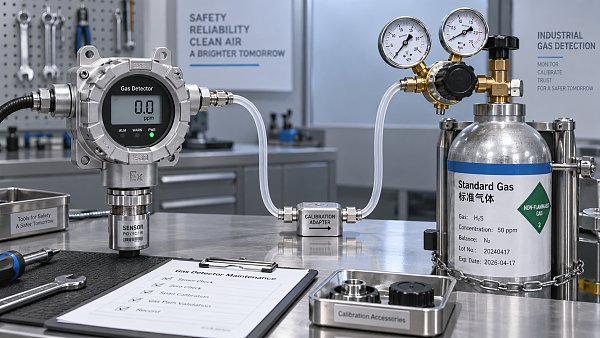
Mistake 3: Treating calibration as paperwork instead of performance control
Calibration is often handled as a compliance task.
That mindset is risky.
For workplace safety monitors, calibration directly affects detection confidence.
A monitor can be installed in the right place and still drift out of useful accuracy.
This tends to happen faster in harsh environments with vibration, contamination, or high cycling loads.
Bump testing is also skipped more often than teams admit.
That means alarms, sensor response, and communication outputs may not be verified under realistic conditions.
A reliable workplace safety monitor program should tie calibration frequency to actual process risk.
It should not rely only on fixed calendar intervals.
Practical calibration habits
- Record drift trends, not just pass or fail results.
- Shorten intervals for sensors exposed to contamination or shock.
- Use bump tests after maintenance, shutdowns, or process changes.
- Confirm alarm outputs reach both local and remote response points.
Mistake 4: Overlooking airflow, obstructions, and dead zones
A monitor does not sample the whole room equally.
It only responds to what reaches the sensing point.
This is where dead zones become dangerous.
Large equipment, partitions, storage racks, ducts, or new barriers can block dispersion paths.
Even a strong ventilation upgrade can redirect hazards away from existing workplace safety monitors.
In real facilities, changes like these happen gradually.
That is why periodic coverage reviews matter as much as initial installation.
Mistake 5: Using one setup standard for every process area
Uniformity looks efficient on paper.
However, different process areas carry different monitoring needs.
A battery charging room behaves differently from a solvent blending zone.
A wastewater section is not the same as a clean packaging line.
Yet many sites apply the same spacing, height, and alarm logic everywhere.
That shortcut raises risk because workplace safety monitors must reflect local process reality.
A smarter strategy divides the site by hazard behavior, occupancy, and response urgency.
This also improves procurement decisions because not every area needs the same sensing technology.
Mistake 6: Forgetting that alarms must trigger action, not just sound
Detection only matters if people can respond quickly.
Some workplace safety monitors are technically accurate but operationally weak.
The alarm may be audible in one zone and useless in another.
Remote notifications may not reach the right shift leader.
Response instructions may be unclear during night operations or contractor work.
This is more common than expected in expanding facilities.
When setup is reviewed, alarm routing and escalation should be reviewed as well.
- Check who receives each alert and how fast.
- Confirm actions for warning, high, and critical alarm levels.
- Test alarms during realistic operating conditions, not quiet windows.
How to build a lower-risk workplace safety monitor strategy
The most effective programs do not start with device count.
They start with hazard behavior, process conditions, and response goals.
That shift changes how workplace safety monitors are selected and managed.
In practical terms, a strong setup plan should include several checkpoints.
- Define the exact hazard and expected release behavior.
- Match sensor type to environment, interference, and exposure level.
- Place monitors using airflow and occupancy data.
- Set calibration and testing frequency by risk severity.
- Link alarms to clear, site-specific response actions.
- Reassess coverage after process, layout, or ventilation changes.
This approach reduces missed detection and cuts unnecessary alarm noise.
It also creates stronger confidence when reviewing suppliers, specifications, and long-term monitoring upgrades.
Final takeaway
Workplace safety monitors are only as reliable as the setup decisions behind them.
Poor placement, weak calibration habits, ignored interference, and outdated coverage assumptions all raise detection risk.
The good news is that most of these problems are preventable.
A focused review of workplace safety monitors often reveals quick improvements with immediate safety value.
If detection reliability matters, start by walking the site, challenging old assumptions, and testing whether each monitor still matches the real hazard path.
That is usually the fastest way to turn a monitoring system from compliant on paper into dependable in practice.
Recommended for You
 How to identify a reliable supplier using on-time delivery recordsIdentify a Reliable Supplier by verifying on-time delivery records, original commitments, and complete shipments. Learn practical checks to reduce purchasing risk and protect your project schedule.
 How sensitive should a portable hydrogen analyzer be for lab use?Choose a portable hydrogen analyzer for laboratory use with the right quantification limit, accuracy, and range. Learn how to verify performance and avoid costly buying mistakes.
 How to set industrial calibration intervals based on equipment riskSet industrial calibration intervals based on equipment risk, drift, and as-found data. Learn when to shorten or extend schedules to improve reliability and avoid unnecessary costs.
 How to choose electrochemical analyzers for low-current measurementsCompare electrochemical analyzers for precise low-current measurements. Learn how noise, leakage, bandwidth, and real-cell testing help you choose the right instrument.
 What tolerance does a custom gas mixture need for calibration?Choose the right custom gas tolerance for calibration. Learn how blending tolerance, certified uncertainty, and stability affect accuracy—and avoid paying for precision you don’t need.
 How condensation affects stack detector readings in wet flue gasStack detector readings can drift when wet flue gas condenses. Learn how to identify moisture interference, prevent sample losses, and improve emissions monitoring reliability.
 How to prevent condensation in a CO2 analyzer sampling systemPrevent condensation in your CO2 analyzer sampling system. Learn how to control dew point, eliminate cold spots, and manage moisture for reliable readings and fewer costly disruptions.
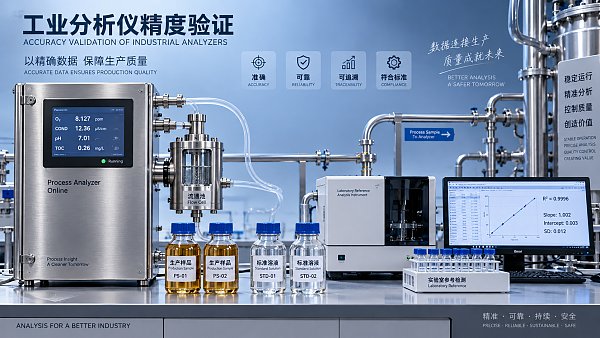
 How to verify accuracy claims for industrial quality analyzersVerify accuracy claims for industrial quality analyzers with calibration checks, independent testing, and clear acceptance criteria. Learn how to reduce risk and buy with confidence.
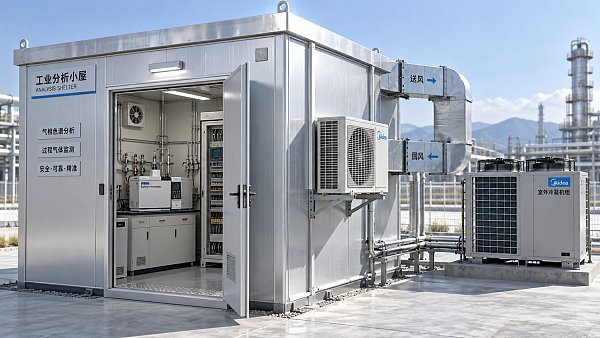
 How to calculate cooling loads for an industrial analyzer shelterSize industrial analyzer shelter cooling with confidence. Learn to calculate equipment heat, solar gains, and ventilation loads, then select HVAC capacity for reliable analyzer performance.
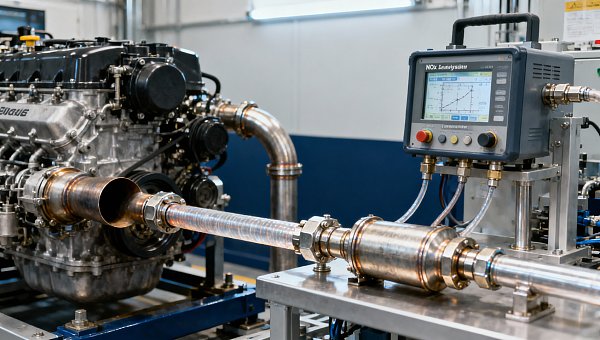
 Diesel Engine NOx Analyzers: Response Time and NO2 Conversion ExplainedChoosing a NOX analyzer for diesel engines? Learn how response time, NO2 conversion, and sampling design affect accuracy—and make a smarter, evidence-based purchase.
 SO2 Analyzers for Smelter Emissions: Sampling Hot, Dust-Laden Flue GasSelect an SO2 analyzer for smelting industry applications. Discover how to handle hot, dust-laden flue gas, prevent sample losses, and achieve reliable emissions monitoring.
 Unstable CH4 Readings in Biogas Monitoring? Check Moisture and Sample FlowCH4 analyzer for biogas monitoring giving unstable readings? Discover how moisture, sample flow, and pressure checks help pinpoint faults and restore reliable methane measurements.
 Buying a CO2 Analyzer for Brewery Gas Recovery: Costs Beyond the Purchase PriceBuying a CO2 analyzer for brewery applications? Compare sampling, installation, calibration, and downtime costs to uncover hidden expenses and make a smarter gas recovery investment.
 Where to Place CO Analyzers for Effective Parking Garage VentilationOptimize your CO analyzer for parking garage ventilation with practical placement tips. Learn how sensor height, airflow, and zone coverage support timely detection and effective fan control.
 NDIR vs. FTIR Gas Analyzers: Which Fits Your Environmental Research?Find the right infrared gas analyzer for environmental research. Compare NDIR vs. FTIR on sensitivity, gas coverage, sampling needs, and cost to choose confidently for your study.
 Oxygen Analyzers for Diving: Calibration Checks Before Nitrox BlendingUsing an oxygen analyzer for diving applications? Discover essential calibration, sensor, and sampling checks before nitrox blending to support reliable readings.
 How Paramagnetic Oxygen Analyzers Work and Why Sample Pressure MattersLearn how a paramagnetic oxygen analyzer works, why sample pressure affects accuracy, and what to check in compensation and calibration before choosing your system.
 How Much Does a Complete CEMS Integration Project Typically Cost?How much does a complete CEMS integration project typically cost? Explore budget ranges, hidden installation costs, and compliance needs to compare quotes and plan confidently.
 What Is the Typical Response Time for Industrial Air Monitors?What is the typical response time for industrial air monitors? Explore T90, sampling delays, and alarm settings to compare performance and choose the right monitor with confidence.
 Do Regulatory Monitoring Systems Need Third-Party Certification?Do regulatory monitoring systems need third-party certification? Learn when it is required, what certificates prove, and how to verify compliance before buying.
 How Do You Choose Wired or Wireless for Stack Monitoring?Learn how to choose between wired and wireless for stack monitoring. Compare reliability, lifecycle costs, and data recovery to find the right CEMS setup for your site.
 What Happens When Combustible Gas Sensor Calibration Is Overdue?What happens if combustible gas sensor is not recalibrated on time? Discover the risks of inaccurate readings and missed alarms, plus steps to restore reliable protection.
 Can One Multi-Gas Detector Replace Four Separate Analyzers?Find out: can a single multi-gas detector replace four separate analyzers? Compare accuracy, safety, compliance, and lifetime costs to make a confident buying decision.
 Industrial Safety vs. Emission Monitoring: What Are the Differences?What are the main differences between industrial safety and emission monitoring? Compare goals, sensors, response times, and compliance needs to choose the right systems for your facility.
 Is Remote Monitoring Worth the Cost for Small Emission Sources?Is it worth investing in remote monitoring for small emission sources? Compare costs, compliance needs, and potential savings to choose the right solution for your operation.
 How Do You Handle Analyzer Failure During an Environmental Audit?Learn how to handle analyzer failure during environmental compliance audit procedures. Protect evidence, verify data, and restore monitoring with this practical response guide.
 Do VOC Monitors Require Explosion-Proof Certification?Does VOC monitoring require explosion-proof certification? Learn when approval is needed, compare ATEX and IECEx, and choose the right monitor for your site.
 How sample conditioning affects accuracy in petrochemical analyzersImprove accuracy in petrochemical analyzers with smarter sample conditioning. Discover how phase control, filtration, and transport design prevent bias and deliver reliable process data.
 How to troubleshoot sensor drift in industrial gas detectorsIndustrial gas detectors showing sensor drift? Learn how to verify calibration gas, identify root causes, and determine when sensor replacement is needed for reliable monitoring.
 How to judge whether a competitive price reflects real valueCompetitive Price: learn how to compare scope, compliance, performance, and lifecycle costs to identify real value, reduce risk, and make smarter purchasing decisions.
 When custom gas analysis is the right fit for complex process streamsCustom gas analysis for complex process streams: learn when tailored sampling, interference control, and reliable measurement design deliver confident decisions.
 When does a laser gas analyzer meet stack emissions monitoring needs?Laser gas analyzer for stack emissions: learn when it delivers fast, reliable data, how to assess installation risks, and what to verify for CEMS compliance.
Search Categories
Search Categories
- Smart Meters & Power Quality
- Transformer Gas Analyzers
- BESS Thermal Runaway Detectors
- Energy, Power & Smart Grid Monitoring
- Optical Profilers & CMM
- Ultrasonic & X-Ray NDT
- Calibration Standards
- Precision Metrology & NDT
- Water Quality Analyzers
- CEMS & VOCs Monitors
- Price Trends
- Import & Export Updates
- Market Trends
- Industry News
- Industry Insights
Latest Article
- How to identify a reliable supplier using on-time delivery recordsIdentify a Reliable Supplier by verifying on-time delivery records, original commitments, and complete shipments. Learn practical checks to reduce purchasing risk and protect your project schedule.Posted by:
- How sensitive should a portable hydrogen analyzer be for lab use?Choose a portable hydrogen analyzer for laboratory use with the right quantification limit, accuracy, and range. Learn how to verify performance and avoid costly buying mistakes.Posted by:
- How to set industrial calibration intervals based on equipment riskSet industrial calibration intervals based on equipment risk, drift, and as-found data. Learn when to shorten or extend schedules to improve reliability and avoid unnecessary costs.Posted by:
Please give us a message
