
ATEX Certified Analyzers: What Certification Really Covers in Hazardous Areas


In hazardous-area projects, the phrase ATEX certified analyzers often appears early in specifications, yet its practical meaning is frequently misunderstood. Certification is not a general promise of safety under all conditions. It defines where equipment can operate, how ignition risks are controlled, and which installation and maintenance boundaries must be respected. That distinction matters across process industries, energy assets, environmental monitoring systems, laboratories, and infrastructure projects where analyzers support both compliance and operational continuity.
Why certification scope matters more than the label
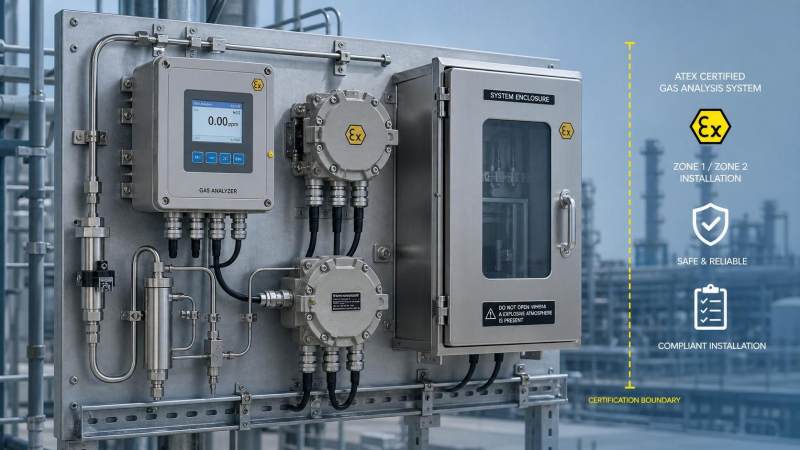
A certified nameplate can create false confidence when teams treat it as a broad approval instead of a technical boundary. In reality, ATEX certification covers defined conditions, not every field configuration.
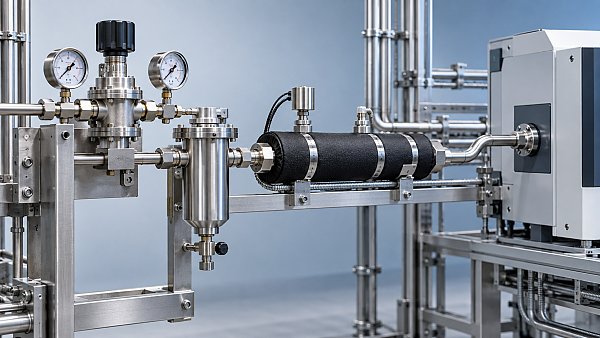
For analyzers, this is especially important because the instrument is rarely a single isolated box. It may include sample handling, heated lines, probes, enclosures, purge systems, transmitters, power supplies, and communication interfaces.
If one element falls outside the certified arrangement, the overall hazardous-area strategy can weaken quickly. That is why careful interpretation is as important as choosing the device itself.
From GIH’s industry perspective, this issue sits at the intersection of automation reliability, compliance discipline, and procurement accuracy. As plants become more data-driven, analyzers are no longer auxiliary devices. They are part of the decision chain.
What ATEX certified analyzers actually cover
ATEX certification addresses equipment intended for use in potentially explosive atmospheres within the European regulatory framework. For analyzers, the certification usually relates to ignition protection, temperature limits, equipment category, and the hazardous zone where installation is permitted.
Simple wording can be misleading. An analyzer may be ATEX certified for a specific gas group, ambient range, enclosure concept, or wiring method. That does not mean every accessory, mounting approach, or field modification remains compliant.
Key elements typically included
- Protection concept, such as flameproof, increased safety, intrinsic safety, or pressurization
- Equipment marking that links the analyzer to zone classification and gas or dust conditions
- Temperature class or maximum surface temperature under stated operating conditions
- Approved ambient temperature range and electrical input conditions
- Required installation notes, cable entries, gland types, and maintenance constraints
What often surprises project teams is how much of the safe operating envelope lives in the certificate schedule, drawings, and special conditions, not in the product brochure.
What certification usually does not guarantee
It does not automatically validate the whole analyzer shelter, the sample conditioning system, or the process tapping arrangement. It also does not confirm measurement suitability, response time, corrosion resistance, or lifecycle service quality.
In other words, ATEX certified analyzers may be compliant for ignition control while still being poorly matched to the sample stream, maintenance strategy, or climate exposure.
Where misunderstandings appear in real projects
The most common problems appear during engineering handover, package integration, and site installation. Specifications may call for ATEX certified analyzers, but omit the exact zone, gas group, or enclosure strategy.
That gap creates room for technically compliant equipment that still causes integration delays. A field analyzer can meet ATEX marking requirements while conflicting with purge air availability, cable routing, cabinet thermal loading, or calibration access.
Another weak point is system boundary confusion. Teams may certify the analyzer head, yet overlook pumps, filters, heated regulators, or local displays mounted nearby. In hazardous areas, these details are not minor.
Why the topic is gaining attention across industries
The demand for trusted field data is expanding across oil and gas, chemicals, power, hydrogen projects, pharmaceutical utilities, waste treatment, and emissions monitoring. Many of these operations combine explosive atmospheres with tighter reporting obligations.
That trend raises the value of analyzers placed closer to the process. It also raises the cost of getting hazardous-area decisions wrong. Delays now come not only from equipment lead time, but from document gaps, reclassification issues, and failed acceptance reviews.
GIH closely tracks this shift because instrumentation procurement is increasingly tied to digital modernization. The analyzer is expected to deliver continuous data, network compatibility, traceable quality, and safe field deployment at the same time.
That combination turns certification literacy into a strategic capability, not just a compliance task.
How to evaluate ATEX certified analyzers in practice
A useful starting point is to separate three questions. Is the analyzer legally suitable for the classified area? Is the full measurement system engineered within the certified boundary? Is the solution operationally realistic over time?
Read beyond the marketing sheet
Review the certificate, marking details, control drawings, and special conditions of use. These documents reveal whether the analyzer depends on barriers, purging, restricted ambient temperatures, or tightly defined accessory selections.
Map the real system boundary
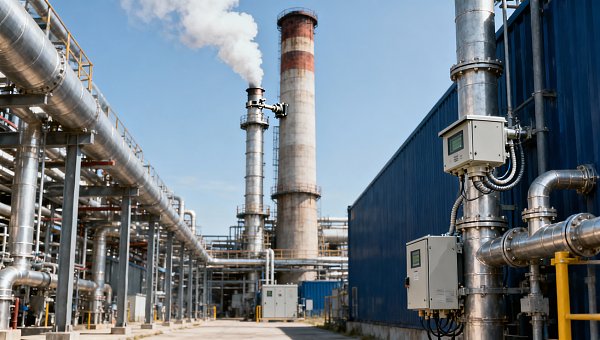
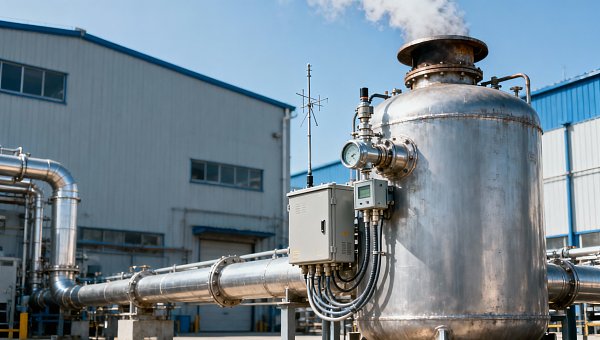
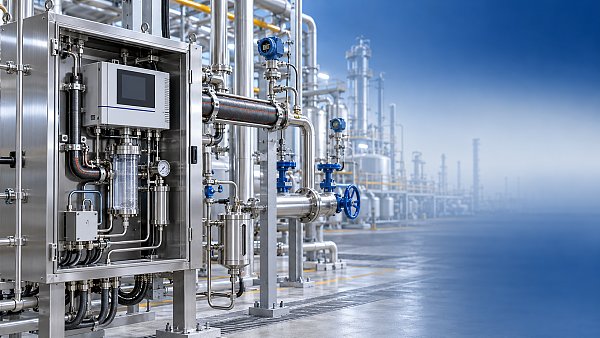
An analyzer package often includes cabinets, junction boxes, sampling panels, valves, regulators, heat tracing, and communication modules. Hazardous-area compliance should be checked across the complete installed arrangement.
Test the operating scenario
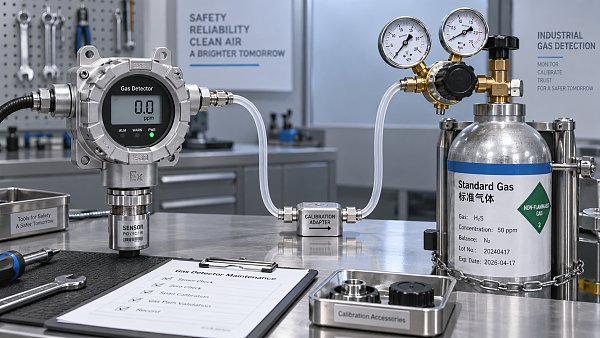
Look at startup conditions, upset conditions, calibration procedures, maintenance intervals, and local climate exposure. ATEX certified analyzers that fit the certificate but fail the operating reality can still create downtime and hidden risk.
- Check whether process gas composition may change the applicable gas group risk assumptions
- Confirm if enclosure heating affects surface temperature under summer load
- Verify service access without breaking protection integrity
- Review spare part control, because substitutions can invalidate certified conditions
Typical analyzer scenarios and decision priorities
Not every hazardous-area analyzer project carries the same decision pressure. The importance of sample integrity, uptime, location, and documentation can vary widely.
Process analyzers in chemical and energy facilities
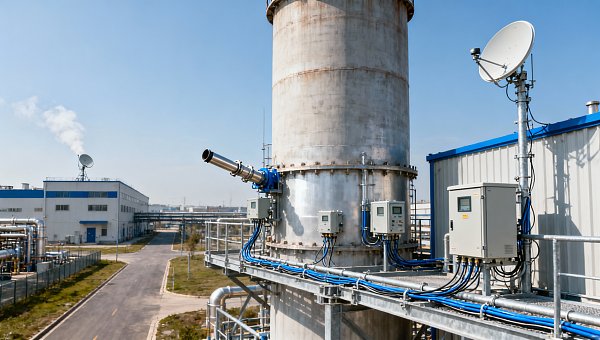
Online gas analyzers, moisture analyzers, oxygen analyzers, and composition systems often sit close to process streams. Here, certification must align with both hazardous zoning and process dynamics.
Environmental monitoring installations
Emissions and water-related analyzers may be deployed near volatile compounds, treatment units, or enclosed utility spaces. Documentation quality matters because audits often review both measurement traceability and installation compliance.
Laboratory-adjacent and pilot-scale systems
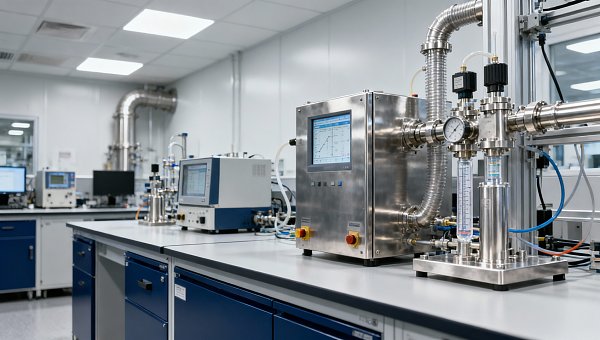
These projects sometimes underestimate hazardous classification because the setting feels controlled. Yet pilot plants and sample preparation areas can still demand ATEX certified analyzers or certified subassemblies.
A more reliable path for specification and sourcing
Better outcomes usually come from specifying the hazardous-area context with the same rigor used for measurement performance. That means defining zone, substance profile, ambient conditions, installation concept, service philosophy, and documentation expectations early.
When comparing suppliers of ATEX certified analyzers, the strongest signal is rarely the broadest product claim. It is the ability to connect certification details with application engineering, sample-system design, and long-term support discipline.
This is where industry intelligence becomes useful. GIH’s approach to instrumentation analysis emphasizes not only standards literacy, but also supplier confidence, technical fit, and practical deployment evidence across sectors.
A sensible next step is to review existing analyzer specifications against actual hazardous-area boundaries, then compare certificates, drawings, and accessory lists before final selection. That process often reveals more risk than the headline label ever does.
Recommended for You
 How to identify a reliable supplier using on-time delivery recordsIdentify a Reliable Supplier by verifying on-time delivery records, original commitments, and complete shipments. Learn practical checks to reduce purchasing risk and protect your project schedule.
 How sensitive should a portable hydrogen analyzer be for lab use?Choose a portable hydrogen analyzer for laboratory use with the right quantification limit, accuracy, and range. Learn how to verify performance and avoid costly buying mistakes.
 How to set industrial calibration intervals based on equipment riskSet industrial calibration intervals based on equipment risk, drift, and as-found data. Learn when to shorten or extend schedules to improve reliability and avoid unnecessary costs.
 How to choose electrochemical analyzers for low-current measurementsCompare electrochemical analyzers for precise low-current measurements. Learn how noise, leakage, bandwidth, and real-cell testing help you choose the right instrument.
 What tolerance does a custom gas mixture need for calibration?Choose the right custom gas tolerance for calibration. Learn how blending tolerance, certified uncertainty, and stability affect accuracy—and avoid paying for precision you don’t need.
 How condensation affects stack detector readings in wet flue gasStack detector readings can drift when wet flue gas condenses. Learn how to identify moisture interference, prevent sample losses, and improve emissions monitoring reliability.
 How to prevent condensation in a CO2 analyzer sampling systemPrevent condensation in your CO2 analyzer sampling system. Learn how to control dew point, eliminate cold spots, and manage moisture for reliable readings and fewer costly disruptions.
 How to verify accuracy claims for industrial quality analyzersVerify accuracy claims for industrial quality analyzers with calibration checks, independent testing, and clear acceptance criteria. Learn how to reduce risk and buy with confidence.
 How to calculate cooling loads for an industrial analyzer shelterSize industrial analyzer shelter cooling with confidence. Learn to calculate equipment heat, solar gains, and ventilation loads, then select HVAC capacity for reliable analyzer performance.
 Diesel Engine NOx Analyzers: Response Time and NO2 Conversion ExplainedChoosing a NOX analyzer for diesel engines? Learn how response time, NO2 conversion, and sampling design affect accuracy—and make a smarter, evidence-based purchase.
 SO2 Analyzers for Smelter Emissions: Sampling Hot, Dust-Laden Flue GasSelect an SO2 analyzer for smelting industry applications. Discover how to handle hot, dust-laden flue gas, prevent sample losses, and achieve reliable emissions monitoring.
 Unstable CH4 Readings in Biogas Monitoring? Check Moisture and Sample FlowCH4 analyzer for biogas monitoring giving unstable readings? Discover how moisture, sample flow, and pressure checks help pinpoint faults and restore reliable methane measurements.
 Buying a CO2 Analyzer for Brewery Gas Recovery: Costs Beyond the Purchase PriceBuying a CO2 analyzer for brewery applications? Compare sampling, installation, calibration, and downtime costs to uncover hidden expenses and make a smarter gas recovery investment.
 Where to Place CO Analyzers for Effective Parking Garage VentilationOptimize your CO analyzer for parking garage ventilation with practical placement tips. Learn how sensor height, airflow, and zone coverage support timely detection and effective fan control.
 NDIR vs. FTIR Gas Analyzers: Which Fits Your Environmental Research?Find the right infrared gas analyzer for environmental research. Compare NDIR vs. FTIR on sensitivity, gas coverage, sampling needs, and cost to choose confidently for your study.
 Oxygen Analyzers for Diving: Calibration Checks Before Nitrox BlendingUsing an oxygen analyzer for diving applications? Discover essential calibration, sensor, and sampling checks before nitrox blending to support reliable readings.
 How Paramagnetic Oxygen Analyzers Work and Why Sample Pressure MattersLearn how a paramagnetic oxygen analyzer works, why sample pressure affects accuracy, and what to check in compensation and calibration before choosing your system.
 How Much Does a Complete CEMS Integration Project Typically Cost?How much does a complete CEMS integration project typically cost? Explore budget ranges, hidden installation costs, and compliance needs to compare quotes and plan confidently.
 What Is the Typical Response Time for Industrial Air Monitors?What is the typical response time for industrial air monitors? Explore T90, sampling delays, and alarm settings to compare performance and choose the right monitor with confidence.
 Do Regulatory Monitoring Systems Need Third-Party Certification?Do regulatory monitoring systems need third-party certification? Learn when it is required, what certificates prove, and how to verify compliance before buying.
 How Do You Choose Wired or Wireless for Stack Monitoring?Learn how to choose between wired and wireless for stack monitoring. Compare reliability, lifecycle costs, and data recovery to find the right CEMS setup for your site.
 What Happens When Combustible Gas Sensor Calibration Is Overdue?What happens if combustible gas sensor is not recalibrated on time? Discover the risks of inaccurate readings and missed alarms, plus steps to restore reliable protection.
 Can One Multi-Gas Detector Replace Four Separate Analyzers?Find out: can a single multi-gas detector replace four separate analyzers? Compare accuracy, safety, compliance, and lifetime costs to make a confident buying decision.
 Industrial Safety vs. Emission Monitoring: What Are the Differences?What are the main differences between industrial safety and emission monitoring? Compare goals, sensors, response times, and compliance needs to choose the right systems for your facility.
 Is Remote Monitoring Worth the Cost for Small Emission Sources?Is it worth investing in remote monitoring for small emission sources? Compare costs, compliance needs, and potential savings to choose the right solution for your operation.
 How Do You Handle Analyzer Failure During an Environmental Audit?Learn how to handle analyzer failure during environmental compliance audit procedures. Protect evidence, verify data, and restore monitoring with this practical response guide.
 Do VOC Monitors Require Explosion-Proof Certification?Does VOC monitoring require explosion-proof certification? Learn when approval is needed, compare ATEX and IECEx, and choose the right monitor for your site.
 How sample conditioning affects accuracy in petrochemical analyzersImprove accuracy in petrochemical analyzers with smarter sample conditioning. Discover how phase control, filtration, and transport design prevent bias and deliver reliable process data.
 How to troubleshoot sensor drift in industrial gas detectorsIndustrial gas detectors showing sensor drift? Learn how to verify calibration gas, identify root causes, and determine when sensor replacement is needed for reliable monitoring.
 How to judge whether a competitive price reflects real valueCompetitive Price: learn how to compare scope, compliance, performance, and lifecycle costs to identify real value, reduce risk, and make smarter purchasing decisions.
 When custom gas analysis is the right fit for complex process streamsCustom gas analysis for complex process streams: learn when tailored sampling, interference control, and reliable measurement design deliver confident decisions.
 When does a laser gas analyzer meet stack emissions monitoring needs?Laser gas analyzer for stack emissions: learn when it delivers fast, reliable data, how to assess installation risks, and what to verify for CEMS compliance.
Search Categories
Search Categories
- Smart Meters & Power Quality
- Transformer Gas Analyzers
- BESS Thermal Runaway Detectors
- Energy, Power & Smart Grid Monitoring
- Optical Profilers & CMM
- Ultrasonic & X-Ray NDT
- Calibration Standards
- Precision Metrology & NDT
- Water Quality Analyzers
- CEMS & VOCs Monitors
- Price Trends
- Import & Export Updates
- Market Trends
- Industry News
- Industry Insights
Latest Article
- How to identify a reliable supplier using on-time delivery recordsIdentify a Reliable Supplier by verifying on-time delivery records, original commitments, and complete shipments. Learn practical checks to reduce purchasing risk and protect your project schedule.Posted by:
- How sensitive should a portable hydrogen analyzer be for lab use?Choose a portable hydrogen analyzer for laboratory use with the right quantification limit, accuracy, and range. Learn how to verify performance and avoid costly buying mistakes.Posted by:
- How to set industrial calibration intervals based on equipment riskSet industrial calibration intervals based on equipment risk, drift, and as-found data. Learn when to shorten or extend schedules to improve reliability and avoid unnecessary costs.Posted by:
Please give us a message
