
Fixed Analyzer Downtime Often Comes From One Overlooked Component


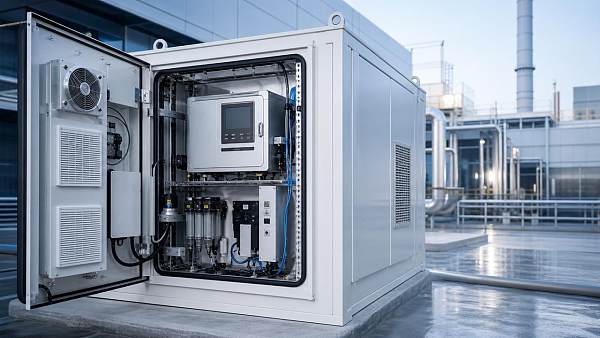
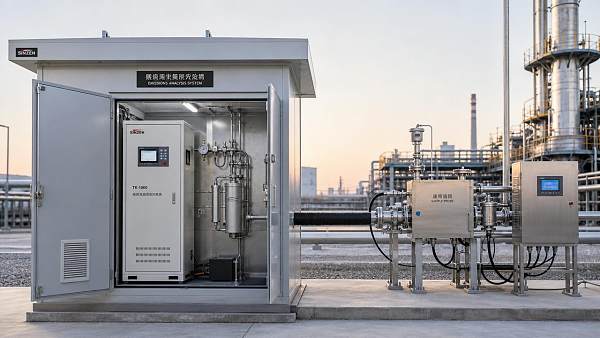
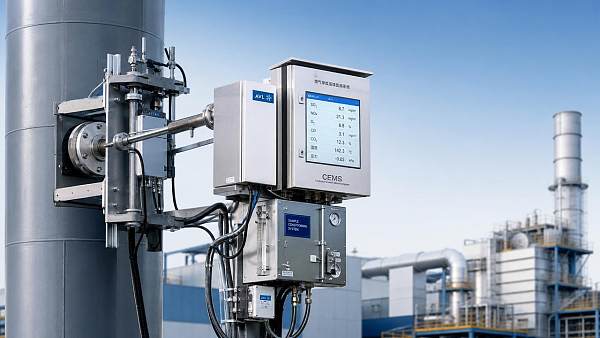
Fixed analyzer downtime rarely begins with the sensor alone. In many industrial installations, the real root cause is an overlooked component inside the analyzer enclosure: the sampling and conditioning section, especially parts such as filters, regulators, tubing connections, valves, and thermal management elements. When these supporting components are poorly selected, badly integrated, or insufficiently protected from heat, vibration, moisture, dust, and corrosive media, even a high-quality gas analyzer can become unstable, inaccurate, or unavailable. For teams responsible for continuous monitoring, safety compliance, product quality, or process control, identifying this hidden weak point is one of the fastest ways to reduce downtime and protect long-term operating value.
Why fixed analyzer downtime often comes from the enclosure, not the core analyzer
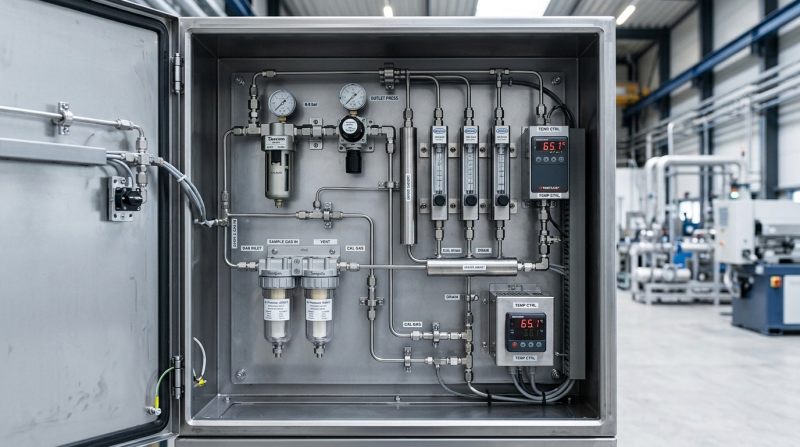
Many users assume analyzer failures are mainly caused by the measurement principle itself. In practice, that is often not the case. Whether the system uses continuous monitoring, portable monitoring backup, custom measurement, paramagnetic measurement, laser analysis, thermal analysis, or an explosion proof gas analyzer, uptime depends heavily on the environment around the analyzer and the components that prepare the sample before it reaches the sensing module.
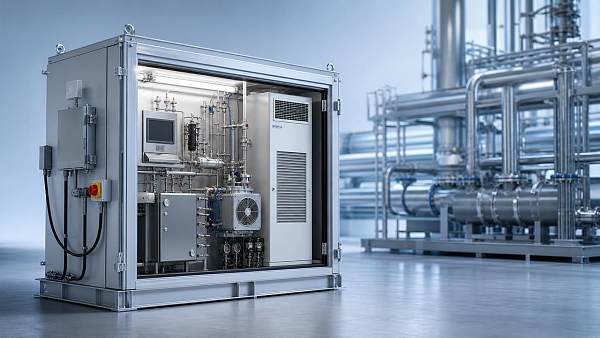
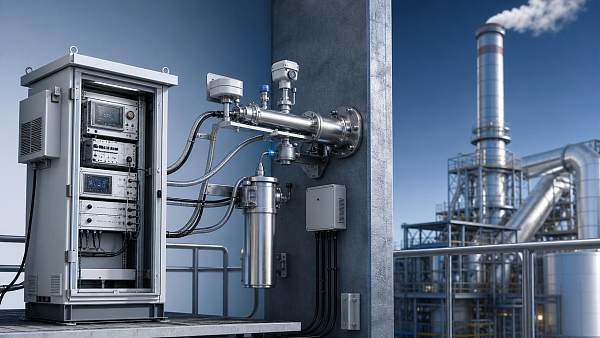
The enclosure is where several hidden risks come together:
- Heat buildup can shift readings, accelerate component aging, and damage seals or electronics.
- Vibration can loosen fittings, affect flow stability, and shorten the life of internal assemblies.
- Contamination from dust, condensate, oil mist, or corrosive gases can block sampling paths and distort results.
- Poor integration between analyzer, sampling system, wiring, and protection design can create chronic faults that look like random failures.
In other words, the analyzer may not actually be “failing” on its own. The system around it may be forcing it into failure conditions.
Which overlooked component causes the most trouble in real installations?
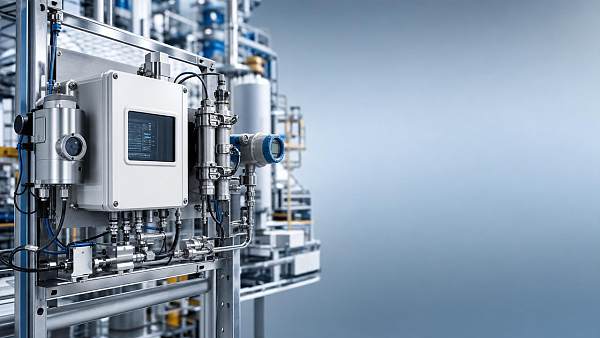
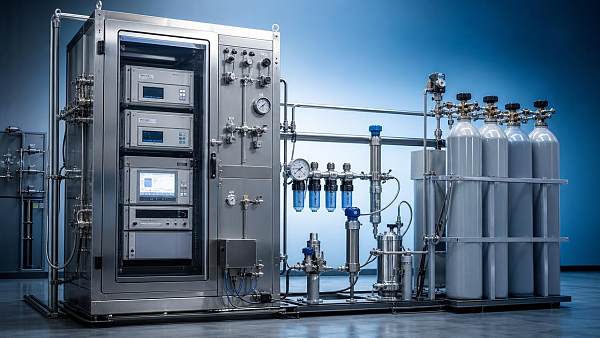
In many field applications, the most commonly overlooked trouble source is the sample handling and conditioning assembly. This may include filters, pumps, flow controllers, pressure regulators, moisture removal devices, heated lines, manifolds, and tubing joints. These parts are not always seen as the “main product,” but they have direct control over whether the analyzer receives a stable, representative sample.
If the sample entering the analyzer is too hot, too wet, contaminated, unstable in pressure, or inconsistent in flow, the consequences can include:
- Frequent alarms and signal drift
- Extended warm-up or recovery time
- False maintenance calls
- Calibration instability
- Premature wear of measurement modules
- Unexpected process shutdowns or safety concerns
This is especially important in industrial online monitoring, where the analyzer is expected to deliver reliable data continuously. A premium analyzer paired with a weak sampling design can still become a weak system.
What matters most to operators, engineers, and decision-makers?
Different readers view analyzer downtime from different angles, but their concerns overlap more than they differ.
- Operators and users want stable readings, fewer nuisance alarms, and easier maintenance.
- Technical evaluators want to know whether the system design matches the application conditions and measurement target.
- Business decision-makers care about uptime, operating cost, compliance risk, and return on investment.
- Quality and safety managers focus on measurement reliability, traceability, and risk prevention.
- Project managers and engineering leaders need integration confidence, commissioning efficiency, and lifecycle predictability.
- Distributors and agents want fewer after-sales issues and clearer value for customers.
What they all want is simple: a fixed analyzer system that performs reliably in real conditions, not just on paper.
How to tell whether your downtime problem is caused by poor enclosure integration
If analyzer downtime seems random or repetitive, check for these warning signs before blaming the analyzer core:
- Repeated filter clogging or condensate problems
This often points to inadequate sample pretreatment or poor thermal control. - Signal drift during temperature changes
Internal enclosure heat management may be insufficient, especially in outdoor or high-load environments. - Intermittent faults during equipment vibration or process fluctuation
Loose fittings, unsupported tubing, or poor component mounting may be the real cause. - Frequent maintenance without a clear root cause
This usually suggests a system design issue, not an isolated device defect. - Analyzer performs well during testing but poorly in operation
That gap often indicates mismatch between application conditions and installation design.
For plants using paramagnetic measurement, laser analysis, thermal analysis, or custom measurement systems, these issues are even more critical because measurement performance depends strongly on sample quality and environmental stability.
What a reliable fixed analyzer setup should include
To reduce downtime, a fixed analyzer system should be evaluated as a complete operating package, not just as an instrument purchase. Key design priorities include:
- Application-matched sample conditioning to control particulates, moisture, temperature, and pressure
- Proper enclosure thermal design for both hot and cold operating environments
- Mechanical robustness against vibration, shock, and installation stress
- Compatible materials for corrosive, reactive, or high-purity gas streams
- Service-friendly layout so operators can inspect and replace wear items efficiently
- Safety-compliant configuration for hazardous areas, including explosion proof gas analyzer requirements where needed
- Integration logic that considers calibration, purge, alarm response, and maintenance access from the start
A well-integrated system reduces hidden failure points and makes analyzer performance more predictable over time.
Why this matters for cost, safety, and long-term value
Analyzer downtime is not just a maintenance inconvenience. It can affect multiple layers of plant performance:
- Production efficiency: unreliable measurements can slow operations or interrupt process control.
- Quality control: bad analytical data can lead to off-spec product or invalid reporting.
- Safety and compliance: in critical monitoring applications, downtime can increase operational and regulatory risk.
- Service cost: repeated troubleshooting, emergency replacement, and field visits raise total ownership cost.
- Investment efficiency: buying a high-end analyzer without proper supporting design often reduces the expected return.
For enterprise buyers and project owners, this is the key takeaway: the best purchasing decision is not always the analyzer with the most advanced specification sheet. It is the system that can remain stable in the actual site environment with manageable maintenance and dependable measurement quality.
How to make a better evaluation before buying or upgrading
Before selecting or replacing a fixed analyzer system, ask these practical questions:
- What are the real gas conditions at the sampling point, including moisture, dust, temperature, and pressure variation?
- How will the enclosure handle ambient heat, solar load, or cold weather?
- What maintenance items are expected, and how easy are they to access?
- Is the sampling path designed specifically for the measurement principle being used?
- Will the installation face vibration, corrosive conditions, or hazardous area requirements?
- Is there a backup strategy, such as portable monitoring, during maintenance or unexpected outages?
- Has the supplier addressed integration, not just instrument selection?
These questions help technical teams and purchasing stakeholders move beyond product comparison and toward system reliability assessment.
Conclusion: the hidden weak point is often the difference between stable operation and repeated downtime
Fixed analyzer downtime often comes from one overlooked component, but that component is rarely isolated. More often, it is part of a larger issue inside the analyzer enclosure: weak sample conditioning, poor thermal management, inadequate mechanical protection, or incomplete system integration. For industrial users, engineering teams, quality managers, and business decision-makers, the most effective way to improve uptime is to evaluate the full analyzer environment, not just the sensing technology.
When the enclosure design, sample handling system, and analyzer are matched correctly to the application, continuous monitoring becomes more stable, maintenance becomes more predictable, and the long-term value of the investment becomes much stronger. That is what truly protects uptime.
Recommended for You
 SAMR to Finalize 1,800+ Standards by 2026, Including EV Battery RecyclingSAMR to finalize 1,800+ standards by 2026—including EV battery recycling, hazardous chemical packaging & EMC immunity. Stay ahead of mandatory GB shifts and global export compliance.
 China's Largest Single-Line Large-Tow Carbon Fiber Line Starts OperationChina's largest single-line large-tow carbon fiber line is live—30,000 tons/year capacity, ASME-certified, 22% cheaper & 6-week lead time. Boost your industrial instrumentation supply chain now.
 China Mobile Unveils National Integrated Computing Power NetworkChina Mobile's National Integrated Computing Power Network accelerates AI quality inspection for global manufacturers—cutting model training time by 68% and enabling cross-border industrial AI development.
 World's First Humanoid Robot Industrial Calibration White Paper ReleasedWorld's First Humanoid Robot Industrial Calibration White Paper released—setting new global benchmarks for dynamic sensor calibration in robotics. Discover how ABB, Yaskawa & metrology leaders are reshaping industry trust.
 Red Sea Crisis Escalates: Aden Gulf Ban Extended to June 15Red Sea Crisis escalates: Aden Gulf ban extended to June 15 — disrupting industrial instrumentation trade between China and the Middle East with 452% air freight spikes and 7–12 day delays.
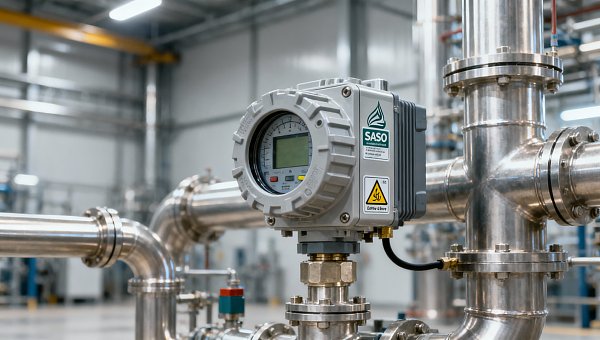
 Saudi SASO Introduces AI-Based Energy Validation for Industrial TransmittersAI-based energy validation for industrial transmitters is now mandatory in Saudi Arabia—learn how SASO’s new AI regulation impacts global exporters, compliance timelines, and supply chains.
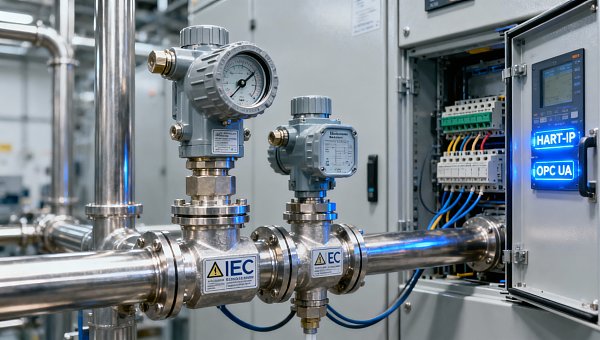
 IEC TC65 Releases Cybersecurity Validation Guide for Industrial InstrumentsIEC TC65’s new Cybersecurity Validation Guide for Industrial Instruments mandates SDL certification & firmware signing—key for EU/US market access. Act now to align with GB/T 42278-2026 and avoid export delays.
 EU PEF Carbon Footprint Database Mandatory Access for Industrial InstrumentsEU PEF Carbon Footprint Database mandatory access starts June 2026 for industrial instruments—pressure, temperature & flow meters. Ensure compliance now to avoid EU customs delays and market exclusion.
 Gas Quality Analyzer Shelter Price Trends and Specification Gaps to WatchGas quality analyzer shelter price trends vary with materials, HVAC, safety, integration, and compliance. See key specification gaps before shortlisting suppliers or approving budget.
 Process Measurement Equipment: Key Accuracy Risks in Harsh EnvironmentsProcess measurement equipment in harsh environments can drift before failing. Discover key accuracy risks, warning signs, and practical controls to protect quality, safety, and compliance.
 Industrial Analyzer Shelter Export Factors Affecting Lead Times This YearIndustrial analyzer shelter export lead times vary with sourcing, engineering, compliance, packing, and logistics. Learn the key factors to quote smarter and deliver with confidence.
 What to Check Before Buying a Process Analyzer ShelterProcess analyzer shelter buying guide: learn what to check before purchase, from compliance and HVAC to utilities, durability, and maintenance access.
 Process Monitoring Equipment Trends Shaping Plant Upgrades in 2026Process monitoring equipment trends for 2026 reveal how smarter plant upgrades can cut downtime, improve compliance, boost efficiency, and deliver faster ROI.
 Flue Gas Analyzer Shelter Maintenance Issues That Shorten Service LifeFlue gas analyzer shelter maintenance issues can quietly shorten equipment life. Learn the key risks, warning signs, and practical checks to reduce downtime and protect accuracy.
 Emission Analyzer Shelter vs Outdoor Mounting: Which Reduces DowntimeEmission analyzer shelter vs outdoor mounting: discover which setup cuts downtime, improves analyzer reliability, and lowers lifecycle risk in harsh or compliance-critical environments.
 Common Gas Quality Equipment Selection Mistakes in Industrial ProjectsGas quality equipment selection mistakes can delay industrial projects and raise compliance risks. Learn how to choose the right solution for accuracy, safety, integration, and faster commissioning.
 Gas Quality System Costs: What Shapes Total Project Spending in 2026Gas quality system costs in 2026 depend on more than analyzer price. Discover the key budget drivers, hidden expenses, and smart planning steps to control total project spending.
 How to Choose Emission Measurement Equipment for Reliable Compliance DataEmission measurement equipment selection affects compliance accuracy, uptime, and audit readiness. Learn how to compare systems, reduce risk, and choose a solution built for reliable data.
 First Global White Paper on Dynamic Calibration for Humanoid Robot Sensors ReleasedFirst global white paper on dynamic calibration for humanoid robot sensors—key for pressure & 6-axis force/torque accuracy in smart manufacturing and collaborative robotics.
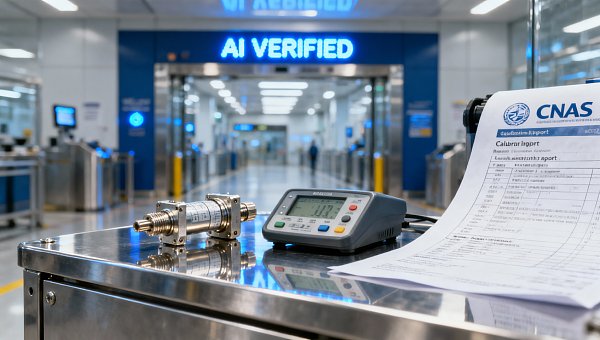
 FDA Updates IVD Import Guidelines: CNAS/NIST Calibration Chain RequiredFDA mandates CNAS/NIST calibration chain for IVD pressure & temperature sensors—key for Chinese exporters. Act now to meet July 2026 deadline.
 EU PEF Carbon Database Mandatory Access for Chinese Industrial InstrumentsEU PEF Carbon Database mandatory for Chinese industrial instruments—meet June 15, 2026 deadline to keep CE marking & win EU tenders.
 IEC TC65 Releases Cybersecurity Validation Guide for Industrial InstrumentsIEC TC65 releases cybersecurity validation guide for industrial instruments—key for firmware signing, OT encryption & remote audit compliance. Act now.
 SASO Introduces AI-Based Energy Efficiency Verification for Industrial TransmittersSASO AI energy efficiency verification now mandatory for industrial transmitters in Saudi Arabia—ensure compliance before June 1, 2026 to avoid customs delays.
 ASEAN Green Customs Corridor Fully LaunchedASEAN Green Customs Corridor now live: AI-verified CNAS calibration reports slash ASEAN-China customs clearance to under 4 hours — boost precision equipment trade today.
 Process Control Equipment Price Trends Under Energy Cost PressureProcess control equipment price trends are shifting under energy cost pressure. Discover key cost drivers, total ownership factors, and smart sourcing tips to reduce risk and improve ROI.
 Multi Gas Analysis in Safety-Critical Areas: What to Check FirstMulti gas analysis starts with risk, not just instruments. Learn what to check first in safety-critical areas to improve compliance, reduce downtime, and protect people and assets.
 Industrial Analyzer Equipment: Common Failures and Maintenance TipsIndustrial analyzer equipment failures can disrupt uptime, compliance, and data accuracy. Discover common faults and practical maintenance tips to improve reliability fast.
 Industrial Measurement System Import Trends and Supply RisksIndustrial measurement system import trends and supply risks explained: learn how distributors can protect margins, reduce delays, and build stronger sourcing resilience.
 Emission Control Equipment Rules Reshaping Industrial DemandEmission control equipment is reshaping industrial investment as stricter rules drive demand for smarter monitoring, lower risk, and compliance-ready systems. Explore what buyers must evaluate now.
 Emission Measurement System Costs in 2026: What Shapes PricingEmission measurement system costs in 2026 depend on accuracy, compliance, installation, integration, and service. Learn what shapes pricing and plan a smarter investment.
 Process Measurement System Upgrades: When Do They Pay Off?Process measurement system upgrades pay off when they cut downtime, improve accuracy, and support compliance. Learn the key signals, ROI factors, and smart upgrade strategies.
 Paramagnetic Gas Measurement: Where It Performs Best in IndustryParamagnetic gas measurement delivers fast, stable oxygen analysis for combustion, emissions, and process control. Discover where it performs best and how it improves efficiency, compliance, and reliability.


Search Categories
Search Categories
Latest Article
- SAMR to Finalize 1,800+ Standards by 2026, Including EV Battery RecyclingSAMR to finalize 1,800+ standards by 2026—including EV battery recycling, hazardous chemical packaging & EMC immunity. Stay ahead of mandatory GB shifts and global export compliance.Posted by:
- China's Largest Single-Line Large-Tow Carbon Fiber Line Starts OperationChina's largest single-line large-tow carbon fiber line is live—30,000 tons/year capacity, ASME-certified, 22% cheaper & 6-week lead time. Boost your industrial instrumentation supply chain now.Posted by:
- China Mobile Unveils National Integrated Computing Power NetworkChina Mobile's National Integrated Computing Power Network accelerates AI quality inspection for global manufacturers—cutting model training time by 68% and enabling cross-border industrial AI development.Posted by:
Please give us a message
