
Fixed Detector or Portable Detector


Choosing between a fixed detector and a portable detector depends on your application, safety goals, and budget. From explosion proof monitor systems to high accuracy detector solutions, today’s gas monitoring technologies include laser monitor, thermal conductivity monitor, paramagnetic monitor, electrochemical monitor, infrared monitor, and oxygen monitor options. Understanding their differences helps buyers, engineers, and safety managers make smarter decisions.
In the instrumentation industry, this decision is rarely a simple product comparison. It affects compliance planning, installation scope, maintenance workload, operator behavior, alarm response time, and total lifecycle cost. For industrial plants, laboratories, energy facilities, water treatment sites, construction projects, and confined-space operations, the right detector strategy can reduce downtime, improve worker safety, and support more consistent risk control.
For procurement teams and business decision-makers, the practical question is not only fixed detector or portable detector, but also where each one creates the highest value. Some environments need 24/7 area monitoring with relay outputs and control integration. Others need mobile spot-checking, pre-entry testing, and flexible gas detection across multiple work zones. A clear understanding of performance limits, deployment conditions, and budget trade-offs leads to better purchasing decisions.
Understanding the Core Difference Between Fixed and Portable Detectors
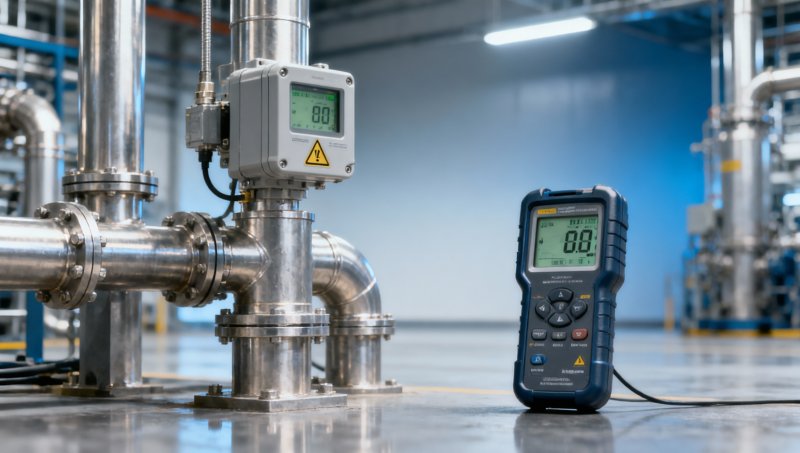
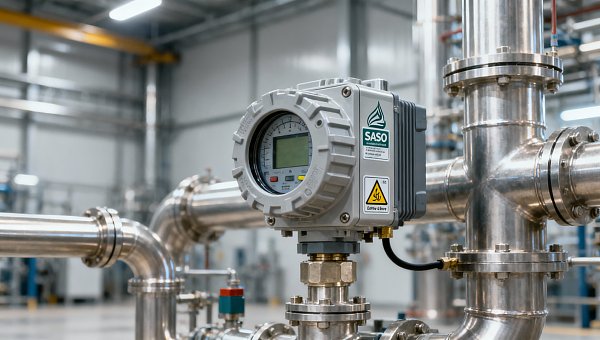
A fixed detector is designed for continuous monitoring in a defined location. It is usually mounted on a wall, pole, process skid, ceiling, or pipeline area and connected to a controller, alarm beacon, DCS, PLC, or standalone monitoring panel. In many industrial applications, fixed systems operate 24 hours a day and are selected for permanent hazard zones such as compressor rooms, battery rooms, boiler spaces, tank farms, loading stations, and chemical process units.
A portable detector is built for mobility. It may be clipped to a worker’s clothing, carried during inspection routes, or used as a handheld device for spot testing. Portable units are commonly chosen for confined-space entry, leak investigation, maintenance shutdowns, temporary projects, emergency response, and contractor work. Their main advantage is flexibility, especially when gas hazards can shift across locations within a single shift or project cycle.
In practice, the difference also includes power supply, communication method, maintenance routine, and response workflow. A fixed detector often uses wired power or loop power, supports 4–20 mA, Modbus, relay outputs, or local alarm functions, and may remain installed for 3–8 years depending on the sensor type and environment. A portable detector typically relies on rechargeable batteries, has a daily or weekly bump test routine, and is managed as part of personal protective equipment inventory.
Technology selection matters as much as form factor. Electrochemical monitor solutions are common for toxic gases and oxygen deficiency. Infrared monitor options are often chosen for hydrocarbons and carbon dioxide. Thermal conductivity monitor systems may be used where gas concentration is high or where binary gas mixtures need robust measurement. Paramagnetic monitor technology remains important in high-accuracy oxygen analysis, while laser monitor systems are increasingly used for long-path or fast-response detection in specialized industrial environments.
Where each detector type fits best
The selection should begin with exposure pattern. If a gas hazard exists in one location for more than 8 hours per day, a fixed detector usually becomes the baseline option. If the hazard appears only during maintenance, vessel opening, loading, cleaning, or commissioning, a portable detector may provide better cost efficiency. In mixed-risk operations, many facilities use both: fixed area monitoring for permanent risk points and portable devices for personnel movement and entry verification.
- Fixed detectors suit permanent or semi-permanent hazard zones, especially when automatic alarms or process shutdown signals are needed.
- Portable detectors suit moving personnel, contractors, inspection teams, and temporary worksites where 3 to 10 locations may need testing in one shift.
- Combined deployment suits larger sites where centralized monitoring and worker-level protection must operate together.
The table below provides a practical side-by-side view for technical and purchasing teams comparing installation logic, operating style, and lifecycle implications.
The main takeaway is that fixed and portable solutions address different layers of gas safety. A fixed detector protects a place. A portable detector protects a person or a task. When buyers understand this distinction early, they avoid under-specifying critical risks or overspending on the wrong deployment model.
Application Scenarios Across Industry and How Risk Profiles Change Selection
Different sectors in the instrumentation market face very different gas exposure patterns. In oil and gas, petrochemical processing, and energy facilities, combustible gas accumulation, oxygen depletion, and toxic release can occur around compressors, valves, pumps, manifolds, and storage areas. In these environments, fixed detector networks are often prioritized because gas release risk may remain present 24/7, even when staffing levels are low overnight or during weekends.
In laboratories, medical gas rooms, pharmaceutical production areas, and environmental testing facilities, the hazard profile is usually more localized. A fixed oxygen monitor, carbon dioxide monitor, or refrigerant leak detector may be installed in a room with continuous ventilation monitoring, while portable devices are used by maintenance teams during cylinder replacement, calibration work, and emergency leak confirmation. Here, accuracy, alarm logic, and sensor stability often matter more than large-area coverage.
Construction engineering and infrastructure projects often rely more heavily on portable detector use. Tunnel works, utility vault access, municipal sewer inspections, and tank cleaning involve changing job locations, variable ventilation, and rotating personnel. A 4-gas portable detector is frequently used for oxygen, flammable gases, carbon monoxide, and hydrogen sulfide before entry and during work. If a project lasts 6–18 months in one enclosed zone, temporary fixed systems may still be justified.
For automation control environments and smart manufacturing plants, detector choice also depends on integration goals. A fixed explosion proof monitor may be required if the gas alarm must trigger fans, dampers, shutdown valves, or remote notifications within 1–3 seconds of threshold activation. Portable devices are useful as supplemental tools, but they do not replace automated control logic when process interlocks are part of the safety design.
Scenario-based decision map
Procurement teams often need a simple way to translate site conditions into detector type. The matrix below helps align environment, task frequency, and response expectations with a practical detector selection route.
This comparison shows why there is no universal answer. The right choice depends on whether the gas hazard is location-based, task-based, or both. For many industrial sites, combining a fixed detector system with portable units for field staff delivers better protection than choosing only one approach.
Common mistake in scenario planning
A common purchasing mistake is selecting portable devices alone because the initial budget looks lower. This can create blind spots in unmanned areas, delayed alarm response, and inconsistent daily usage. Another mistake is overbuilding a fixed system in locations where the hazard exists only during a 2-hour maintenance window twice per month. Good planning starts with risk duration, worker movement, ventilation behavior, and required alarm action.
Key Technical Criteria: Sensor Type, Accuracy, Alarm Logic, and Installation Conditions
Once the detector format is identified, the next step is to compare technical criteria. Buyers should focus on at least 6 dimensions: target gas, detection range, sensor principle, response time, environmental suitability, and system integration. For example, an oxygen monitor used in a laboratory gas manifold room may need tight accuracy around normal atmospheric conditions, while a combustible gas detector in a refinery area may prioritize fast response and hazardous-area compatibility.
Sensor technology should match the gas and concentration range. Electrochemical monitor solutions are typically used for gases such as CO, H2S, NH3, Cl2, and O2, often with good sensitivity at low ppm levels. Infrared monitor technology is preferred for hydrocarbon gases or CO2 where poisoning risk can affect catalytic sensors. Thermal conductivity monitor devices can work well in high-concentration applications, often above percentage volume levels, and paramagnetic monitor systems are valued for stable oxygen measurement in process analysis.
Response time is another important issue. In many industrial specifications, T90 response targets may range from under 15 seconds to around 45 seconds depending on sensor type, gas movement, and sampling design. Fast response matters in enclosed or poorly ventilated spaces, but stable and low-drift measurement may be more important in process quality control. This is why a high accuracy detector is not always the same as the fastest detector.
Installation conditions influence detector performance more than many buyers expect. Ambient temperature may range from -20°C to 50°C in general industrial use, while humidity, dust, corrosive vapors, and airflow can change sensor life and alarm reliability. Mounting height also matters. Gases lighter than air may require higher placement, while heavier gases often require lower placement near pits, sumps, or floor level. A poor mounting decision can reduce detection effectiveness even when the detector itself is high quality.
Technical checklist before purchase
- Define the target gas or gas group, expected concentration range, and whether ppm or %VOL measurement is needed.
- Confirm whether the detector must support explosion proof monitor construction or safe-area installation only.
- Check output requirements such as 4–20 mA, relay, RS485, Modbus, or local buzzer and beacon.
- Verify calibration interval, typical sensor life, and spare parts plan for a 12–36 month maintenance horizon.
- Review operating temperature, humidity, ingress protection level, and cross-sensitivity risk.
The following table can help technical evaluators compare common sensor choices in a more structured way.
This technical view helps teams avoid choosing on price alone. The best detector is the one that matches gas characteristics, operating environment, and response requirements with the lowest practical operational risk over its service life.
Budget, Ownership Cost, and Procurement Decision Factors
Initial purchase price is only one part of the decision. For a fixed detector, buyers should consider detector heads, controller or gateway, cables, conduits, junction boxes, mounting hardware, engineering time, commissioning, alarm devices, and future calibration access. In some facilities, installation cost can equal 30% to 70% of the hardware budget depending on distance, hazardous-area requirements, and integration complexity.
Portable detector ownership cost is structured differently. The upfront cost is often lower per unit, but lifecycle cost includes docking stations, charging management, bump test gas, replacement sensors, batteries, filters, and training. If a site needs 20–50 portable units for multiple shifts, inventory control becomes a major issue. Devices that are not charged, tested, or assigned correctly can create false confidence and compliance gaps.
Financial approvers should also compare the consequence cost of inadequate detection. A single gas incident can lead to production interruption, contractor delay, emergency evacuation, damaged equipment, or regulatory investigation. Even in non-catastrophic cases, one failed entry check or one missed leak alarm can cost more than the price difference between a basic solution and a properly specified detector system.
For distributors and resellers, supportability is another procurement factor. Products with stable sensor supply, predictable service intervals, and clear calibration procedures are often easier to stock and support. End users increasingly value lifecycle transparency over low headline pricing, especially when detectors are part of a wider instrumentation strategy covering pressure, flow, temperature, control, and online monitoring systems.
A practical procurement checklist
- Estimate 3-year ownership cost rather than comparing unit price only.
- Review installation scope, especially cable distance, zoning, and alarm interface requirements.
- Check calibration consumables, spare sensor lead time, and battery replacement cycle.
- Confirm training needs for operators, EHS staff, and maintenance teams within the first 30–60 days after delivery.
- Ask whether the site needs one detector type or a mixed fleet strategy for permanent and temporary risks.
The table below is useful when procurement, engineering, and finance teams need to align on evaluation criteria before issuing a purchase order.
A structured cost review often shows that the lowest-price option is not the lowest-risk option. Procurement teams that account for maintenance effort, operational discipline, and response value usually make stronger long-term decisions.
Implementation, Maintenance, and Common Selection Mistakes
Successful detector deployment depends on implementation discipline. For fixed detector projects, a typical rollout may involve 5 stages: hazard review, detector location study, installation and wiring, commissioning and alarm testing, then calibration and maintenance planning. Depending on site size, this can take from 7 days for a small system to 4–8 weeks for multi-zone installations with integration into existing control infrastructure.
Portable detector rollout focuses more on user management. Teams need device assignment, charging stations, bump test routines, alarm-setting verification, and training on sensor limitations. In many operations, a daily bump test or a test before each day’s use is recommended, while full calibration may be performed monthly, quarterly, or according to the manufacturer and site policy. Without this routine, portable protection can degrade quickly even if the devices are technically sound.
One common mistake is choosing detector placement based only on convenience. A fixed oxygen monitor installed near a doorway may not represent the actual depletion zone. A combustible gas detector mounted too high may miss heavier vapors near floor level. Another frequent mistake is failing to consider air movement from fans, louvers, or open process areas, which can dilute gas and delay alarm activation.
Another mistake is ignoring maintenance accessibility. If a detector is mounted in a difficult or hazardous position, calibration may be delayed or skipped. Buyers should review whether the site can realistically service the system every 1, 3, or 6 months as required. Maintenance planning should be designed before purchase, not after installation.
Best practices for rollout
- Map gas behavior and worker movement before fixing detector quantity or location.
- Set alarm thresholds that fit the actual process risk, response plan, and evacuation logic.
- Train users on cross-sensitivity, warm-up time, battery limits, and calibration intervals.
- Keep service records for each detector head or portable unit, including sensor replacement date.
- Review the system after the first 30 days of operation and after any process change.
FAQ for buyers and safety managers
How do I know if I need both types? If a site has at least one permanent hazard zone and also uses mobile workers, contractors, or confined-space tasks, a combined strategy is often the safest choice. Many medium to large facilities adopt fixed detectors for area protection and portable units for personal verification.
How long is the delivery and commissioning cycle? For standard portable detector orders, supply may be relatively fast if stock is available. Fixed systems generally take longer because layout review, panel configuration, wiring accessories, and commissioning must be planned. A practical estimate is 1–3 weeks for straightforward supply and 2–8 weeks for installed systems, depending on scope.
Which specification is most often overlooked? Many teams focus on gas type and ignore integration requirements. If the site needs alarms, fan start, valve closure, or remote monitoring, output protocol and control compatibility become just as important as sensor choice.
Can a portable detector replace a fixed detector? Not fully. A portable device is an excellent tool for personnel safety and temporary tasks, but it does not continuously monitor unmanned areas or provide automatic plant response in the same way a fixed detector system can.
Selecting between a fixed detector and a portable detector requires a clear view of risk duration, site layout, target gas, integration needs, and ownership cost. Fixed systems are better for permanent zones, automated response, and 24/7 monitoring. Portable devices are better for mobile work, entry checks, inspections, and temporary hazards. In many industrial and commercial environments, the strongest solution is a balanced combination of both.
For buyers, engineers, safety managers, and decision-makers in the instrumentation sector, the most effective approach is to match detector type with real operating conditions rather than follow a one-size-fits-all rule. If you need help comparing technologies such as electrochemical monitor, infrared monitor, oxygen monitor, thermal conductivity monitor, paramagnetic monitor, or laser monitor solutions, now is the right time to review your application in detail.
Contact us to discuss your gas detection goals, request a tailored recommendation, or explore a detector configuration that fits your process, safety targets, and budget. You can also consult us for product details, deployment planning, and broader instrumentation solutions for industrial monitoring and automation projects.
Recommended for You
 SAMR to Finalize 1,800+ Standards by 2026, Including EV Battery RecyclingSAMR to finalize 1,800+ standards by 2026—including EV battery recycling, hazardous chemical packaging & EMC immunity. Stay ahead of mandatory GB shifts and global export compliance.
 China's Largest Single-Line Large-Tow Carbon Fiber Line Starts OperationChina's largest single-line large-tow carbon fiber line is live—30,000 tons/year capacity, ASME-certified, 22% cheaper & 6-week lead time. Boost your industrial instrumentation supply chain now.
 China Mobile Unveils National Integrated Computing Power NetworkChina Mobile's National Integrated Computing Power Network accelerates AI quality inspection for global manufacturers—cutting model training time by 68% and enabling cross-border industrial AI development.
 World's First Humanoid Robot Industrial Calibration White Paper ReleasedWorld's First Humanoid Robot Industrial Calibration White Paper released—setting new global benchmarks for dynamic sensor calibration in robotics. Discover how ABB, Yaskawa & metrology leaders are reshaping industry trust.
 Red Sea Crisis Escalates: Aden Gulf Ban Extended to June 15Red Sea Crisis escalates: Aden Gulf ban extended to June 15 — disrupting industrial instrumentation trade between China and the Middle East with 452% air freight spikes and 7–12 day delays.
 Saudi SASO Introduces AI-Based Energy Validation for Industrial TransmittersAI-based energy validation for industrial transmitters is now mandatory in Saudi Arabia—learn how SASO’s new AI regulation impacts global exporters, compliance timelines, and supply chains.
 IEC TC65 Releases Cybersecurity Validation Guide for Industrial InstrumentsIEC TC65’s new Cybersecurity Validation Guide for Industrial Instruments mandates SDL certification & firmware signing—key for EU/US market access. Act now to align with GB/T 42278-2026 and avoid export delays.
 EU PEF Carbon Footprint Database Mandatory Access for Industrial InstrumentsEU PEF Carbon Footprint Database mandatory access starts June 2026 for industrial instruments—pressure, temperature & flow meters. Ensure compliance now to avoid EU customs delays and market exclusion.
 Gas Quality Analyzer Shelter Price Trends and Specification Gaps to WatchGas quality analyzer shelter price trends vary with materials, HVAC, safety, integration, and compliance. See key specification gaps before shortlisting suppliers or approving budget.
 Process Measurement Equipment: Key Accuracy Risks in Harsh EnvironmentsProcess measurement equipment in harsh environments can drift before failing. Discover key accuracy risks, warning signs, and practical controls to protect quality, safety, and compliance.
 Industrial Analyzer Shelter Export Factors Affecting Lead Times This YearIndustrial analyzer shelter export lead times vary with sourcing, engineering, compliance, packing, and logistics. Learn the key factors to quote smarter and deliver with confidence.
 What to Check Before Buying a Process Analyzer ShelterProcess analyzer shelter buying guide: learn what to check before purchase, from compliance and HVAC to utilities, durability, and maintenance access.
 Process Monitoring Equipment Trends Shaping Plant Upgrades in 2026Process monitoring equipment trends for 2026 reveal how smarter plant upgrades can cut downtime, improve compliance, boost efficiency, and deliver faster ROI.
 Flue Gas Analyzer Shelter Maintenance Issues That Shorten Service LifeFlue gas analyzer shelter maintenance issues can quietly shorten equipment life. Learn the key risks, warning signs, and practical checks to reduce downtime and protect accuracy.
 Emission Analyzer Shelter vs Outdoor Mounting: Which Reduces DowntimeEmission analyzer shelter vs outdoor mounting: discover which setup cuts downtime, improves analyzer reliability, and lowers lifecycle risk in harsh or compliance-critical environments.
 Common Gas Quality Equipment Selection Mistakes in Industrial ProjectsGas quality equipment selection mistakes can delay industrial projects and raise compliance risks. Learn how to choose the right solution for accuracy, safety, integration, and faster commissioning.
 Gas Quality System Costs: What Shapes Total Project Spending in 2026Gas quality system costs in 2026 depend on more than analyzer price. Discover the key budget drivers, hidden expenses, and smart planning steps to control total project spending.
 How to Choose Emission Measurement Equipment for Reliable Compliance DataEmission measurement equipment selection affects compliance accuracy, uptime, and audit readiness. Learn how to compare systems, reduce risk, and choose a solution built for reliable data.
 First Global White Paper on Dynamic Calibration for Humanoid Robot Sensors ReleasedFirst global white paper on dynamic calibration for humanoid robot sensors—key for pressure & 6-axis force/torque accuracy in smart manufacturing and collaborative robotics.
 FDA Updates IVD Import Guidelines: CNAS/NIST Calibration Chain RequiredFDA mandates CNAS/NIST calibration chain for IVD pressure & temperature sensors—key for Chinese exporters. Act now to meet July 2026 deadline.
 EU PEF Carbon Database Mandatory Access for Chinese Industrial InstrumentsEU PEF Carbon Database mandatory for Chinese industrial instruments—meet June 15, 2026 deadline to keep CE marking & win EU tenders.
 IEC TC65 Releases Cybersecurity Validation Guide for Industrial InstrumentsIEC TC65 releases cybersecurity validation guide for industrial instruments—key for firmware signing, OT encryption & remote audit compliance. Act now.
 SASO Introduces AI-Based Energy Efficiency Verification for Industrial TransmittersSASO AI energy efficiency verification now mandatory for industrial transmitters in Saudi Arabia—ensure compliance before June 1, 2026 to avoid customs delays.
 ASEAN Green Customs Corridor Fully LaunchedASEAN Green Customs Corridor now live: AI-verified CNAS calibration reports slash ASEAN-China customs clearance to under 4 hours — boost precision equipment trade today.
 Process Control Equipment Price Trends Under Energy Cost PressureProcess control equipment price trends are shifting under energy cost pressure. Discover key cost drivers, total ownership factors, and smart sourcing tips to reduce risk and improve ROI.
 Multi Gas Analysis in Safety-Critical Areas: What to Check FirstMulti gas analysis starts with risk, not just instruments. Learn what to check first in safety-critical areas to improve compliance, reduce downtime, and protect people and assets.
 Industrial Analyzer Equipment: Common Failures and Maintenance TipsIndustrial analyzer equipment failures can disrupt uptime, compliance, and data accuracy. Discover common faults and practical maintenance tips to improve reliability fast.
 Industrial Measurement System Import Trends and Supply RisksIndustrial measurement system import trends and supply risks explained: learn how distributors can protect margins, reduce delays, and build stronger sourcing resilience.
 Emission Control Equipment Rules Reshaping Industrial DemandEmission control equipment is reshaping industrial investment as stricter rules drive demand for smarter monitoring, lower risk, and compliance-ready systems. Explore what buyers must evaluate now.
 Emission Measurement System Costs in 2026: What Shapes PricingEmission measurement system costs in 2026 depend on accuracy, compliance, installation, integration, and service. Learn what shapes pricing and plan a smarter investment.
 Process Measurement System Upgrades: When Do They Pay Off?Process measurement system upgrades pay off when they cut downtime, improve accuracy, and support compliance. Learn the key signals, ROI factors, and smart upgrade strategies.
 Paramagnetic Gas Measurement: Where It Performs Best in IndustryParamagnetic gas measurement delivers fast, stable oxygen analysis for combustion, emissions, and process control. Discover where it performs best and how it improves efficiency, compliance, and reliability.









Search Categories
Search Categories
Latest Article
- SAMR to Finalize 1,800+ Standards by 2026, Including EV Battery RecyclingSAMR to finalize 1,800+ standards by 2026—including EV battery recycling, hazardous chemical packaging & EMC immunity. Stay ahead of mandatory GB shifts and global export compliance.Posted by:
- China's Largest Single-Line Large-Tow Carbon Fiber Line Starts OperationChina's largest single-line large-tow carbon fiber line is live—30,000 tons/year capacity, ASME-certified, 22% cheaper & 6-week lead time. Boost your industrial instrumentation supply chain now.Posted by:
- China Mobile Unveils National Integrated Computing Power NetworkChina Mobile's National Integrated Computing Power Network accelerates AI quality inspection for global manufacturers—cutting model training time by 68% and enabling cross-border industrial AI development.Posted by:
Please give us a message
