
Portable Detector Price Guide 2026


In 2026, understanding portable detector pricing means looking beyond list cost to accuracy, safety certification, sensor type, and long-term maintenance. Whether you compare a portable detector with a fixed detector, or evaluate an explosion proof monitor, oxygen monitor, infrared monitor, electrochemical monitor, laser monitor, paramagnetic monitor, or thermal conductivity monitor, this guide helps buyers identify the best high accuracy detector for budget, compliance, and application needs.
For most buyers, the real question is not “What is the cheapest portable detector?” but “What will this detector actually cost over its working life, and will it meet safety, compliance, and performance requirements?” In 2026, portable detector prices vary widely because they are tied to sensing technology, certification level, measurement accuracy, environmental suitability, and maintenance burden. A low upfront price may look attractive, but if calibration is frequent, sensors fail early, or the device lacks required approvals, the total cost can quickly rise.
This guide is written for researchers, procurement teams, project managers, safety personnel, quality teams, business decision-makers, finance approvers, distributors, and end users who need a practical way to compare options. Instead of staying at a general level, it focuses on how pricing works, what drives value, and how to choose the right detector for the application.
What buyers really want to know before comparing portable detector prices
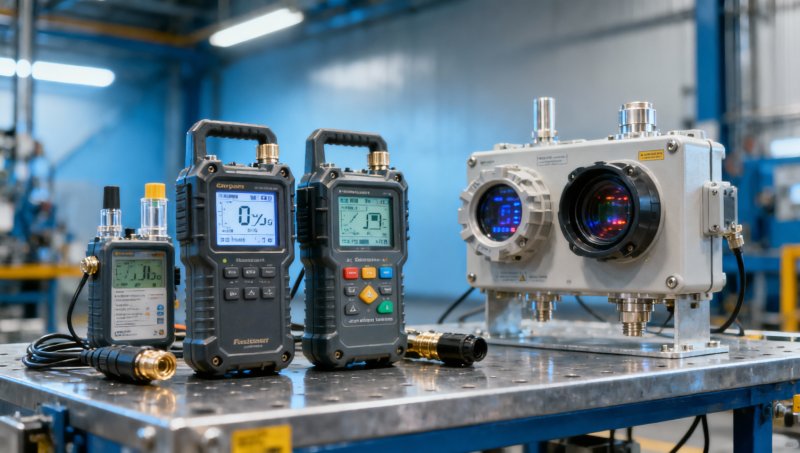
The core search intent behind “Portable Detector Price Guide 2026” is commercial investigation with decision support. Readers usually want to answer four practical questions:
- What is the expected price range for different types of portable detectors?
- Why do similar-looking models have very different prices?
- Which technical and compliance factors justify a higher cost?
- How can we avoid buying a detector that is cheap upfront but expensive in operation?
For enterprise buyers especially, pricing is inseparable from risk. A detector is often part of a safety, quality, environmental, or process-control workflow. If it performs poorly, the consequences may include compliance failure, production downtime, inaccurate readings, unsafe working conditions, or replacement costs. That is why readers in this market care less about headline price alone and more about fitness for purpose.
Portable detector price ranges in 2026: what you can expect
In broad terms, portable detector pricing in 2026 can be grouped by sensor technology, gas or substance measured, environmental protection level, and data capability. Exact prices vary by brand, region, certification, and feature set, but these general tiers are useful for budgeting:
- Entry-level portable detectors: Typically used for basic single-parameter monitoring, such as oxygen monitor applications or simple electrochemical monitor tasks. These are often the lowest-cost options.
- Mid-range portable detectors: Common for multi-gas use, industrial safety inspections, environmental spot checks, and standard field service. They usually offer better alarms, display functions, logging, and stronger enclosure protection.
- High-end portable detectors: Designed for high accuracy detector requirements, hazardous area use, advanced diagnostics, digital communications, and more specialized sensing methods such as infrared monitor or laser monitor technologies.
- Specialized premium detectors: Often built for highly regulated, corrosive, explosive, or precision-critical applications. Explosion proof monitor models, paramagnetic monitor systems, and thermal conductivity monitor devices can fall into this category depending on performance and certification demands.
As a budgeting rule, simple portable detectors may cost a fraction of advanced certified models, while lifecycle expenses such as calibration gas, sensor replacement, docking stations, software, and training can add significantly over time.
Why one portable detector costs more than another
Price differences are usually caused by a combination of technical and operational factors, not brand markup alone. The main cost drivers include:
1. Sensor technology
Different sensing principles have very different cost structures. An electrochemical monitor may be cost-effective for many toxic gases and oxygen measurement tasks, but sensor life can be limited depending on the environment. An infrared monitor often costs more initially but may offer better stability for certain gases and lower long-term drift. A laser monitor usually sits in a higher pricing band due to precision optics, response quality, and advanced signal processing. Paramagnetic monitor and thermal conductivity monitor technologies also tend to command higher prices in applications where selectivity or measurement method matters.
2. Accuracy and repeatability
A high accuracy detector typically costs more because it needs better sensor quality, tighter manufacturing control, stronger compensation algorithms, and more stable calibration performance. For safety-critical or quality-sensitive use, that premium may be justified.
3. Certification and compliance
If a detector must operate in hazardous or explosive environments, an explosion proof monitor or intrinsically safe portable detector can be substantially more expensive than a general-purpose unit. Certifications related to ATEX, IECEx, UL, CSA, or regional standards often increase both product and documentation costs.
4. Environmental durability
Portable detectors used in industrial manufacturing, power plants, wastewater facilities, construction sites, laboratories, or energy projects often need stronger housing, water and dust resistance, chemical resistance, shock tolerance, and temperature compensation. Ruggedized construction adds cost but reduces field failure risk.
5. Multi-gas or multi-parameter capability
Devices that monitor several parameters at once usually cost more than single-function units, but they may reduce the need for multiple instruments. For procurement teams, this can improve overall value.
6. Connectivity and data features
Bluetooth, cloud sync, GPS, event logging, wireless fleet management, and compliance reporting software all influence pricing. These features matter more in large organizations where auditability and centralized device management are important.
Portable detector vs fixed detector: which is more economical?
This is a common buying question because many organizations are unsure whether portable monitoring or fixed monitoring is the better investment. The answer depends on use pattern, risk level, and operational goals.
A portable detector is usually more economical when:
- You need spot checks, mobile inspections, or temporary measurement
- Personnel move across multiple areas or project sites
- The application does not require continuous 24/7 monitoring at one point
- Initial budget is limited
A fixed detector is usually more economical when:
- The environment needs continuous monitoring
- There is a high consequence of leakage or atmospheric change
- Alarm integration with plant systems is required
- Labor costs for manual inspection are high
Many facilities end up needing both. A fixed detector protects critical process points continuously, while a portable detector supports maintenance teams, confined-space entry, emergency response, audits, and temporary troubleshooting. Buyers should not treat these as interchangeable in all cases. A cheaper portable device cannot fully replace a permanent safety strategy where fixed monitoring is required.
How different detector types affect budget and application fit
Choosing by price alone is risky because the detector type affects both measurement quality and ongoing cost. Here is how common categories are typically evaluated in 2026:
Oxygen monitor
Often essential in confined spaces, laboratories, medical-related environments, and industrial safety inspections. Pricing is usually moderate, but reliability is critical because oxygen deficiency or enrichment can quickly become dangerous. Buyers should focus on sensor stability, alarm performance, and maintenance intervals.
Electrochemical monitor
Common for toxic gas detection and oxygen measurement. Usually attractive on upfront cost, especially for portable use. However, sensor lifespan and cross-sensitivity should be reviewed carefully, as these factors affect replacement frequency and reading reliability.
Infrared monitor
Often preferred for certain hydrocarbon gases or carbon dioxide applications. Initial pricing is typically higher than electrochemical alternatives, but it may offer strong stability and reduced poisoning risk in some environments. This can improve long-term value.
Laser monitor
Usually selected when higher selectivity, faster response, or longer-distance measurement capability is required. These systems often sit in the premium range and are more likely to be justified in advanced industrial, environmental, or specialized process applications.
Paramagnetic monitor
Frequently used where precise oxygen analysis is important. Compared with simpler oxygen sensors, paramagnetic systems may cost more, but they can deliver higher performance in demanding analytical applications.
Thermal conductivity monitor
Useful in applications involving binary or specific gas mixture analysis. Price depends heavily on configuration, range, and installation demands. Buyers should confirm whether the measurement principle truly matches the process need.
Explosion proof monitor
These models are usually priced above standard portable detectors due to enclosure design, certification, and safety engineering. In hazardous locations, however, this is not an optional premium but a compliance necessity.
The hidden costs that finance and procurement teams should not overlook
One of the biggest mistakes in detector sourcing is approving a purchase based on unit price alone. Total cost of ownership often includes:
- Calibration gas and calibration accessories
- Sensor replacement cycles
- Battery replacement or charging infrastructure
- Bump test and docking station equipment
- Software licensing or fleet management systems
- Operator training
- Repair turnaround and spare device needs
- Annual certification or compliance documentation support
- Downtime caused by poor reliability or slow service response
For finance approvers, a detector with a higher purchase price but lower maintenance frequency and longer service life may be the better investment. For safety managers, the cost of a missed alarm or inaccurate reading is often far greater than the cost difference between models.
How to judge whether a high accuracy detector is worth the premium
A high accuracy detector is not automatically the right choice for every project. The premium is worth paying when measurement quality directly affects safety, compliance, product quality, process optimization, or legal documentation.
You should give extra weight to accuracy when:
- Measurements are close to regulatory thresholds
- False alarms create costly shutdowns
- Minor concentration changes matter to process quality
- The detector supports formal reporting or audit records
- The environment contains interfering substances
By contrast, if the detector is mainly for rough screening in low-risk conditions, a mid-range instrument may be sufficient. The key is matching precision level to business consequence.
Questions buyers should ask suppliers before requesting a quote
To compare portable detector prices fairly, ask suppliers for more than a model number and list price. A strong quote comparison should include the following:
- What sensor technology is used, and why is it suitable for this application?
- What certifications are included?
- What is the expected sensor lifespan under normal operating conditions?
- How often is calibration required?
- What accessories are necessary for compliant use?
- What is the enclosure rating and environmental tolerance?
- What is the response time and measurement range?
- What software, data logging, or connectivity features are included?
- What warranty and after-sales support are provided?
- What are the estimated annual operating costs?
These questions help procurement teams move from price comparison to value comparison. They also reduce the risk of selecting an under-specified device that later fails project needs.
Best buying strategies for different reader types
Different stakeholders evaluate detector pricing differently, so the decision process should reflect their goals.
For information researchers
Focus on understanding the difference between sensing methods, application fit, and certification requirements. This will make later supplier comparisons more meaningful.
For procurement personnel
Compare total cost of ownership, not just unit price. Standardize quote templates so suppliers respond with the same technical and commercial data.
For business decision-makers
Prioritize operational risk reduction, compliance support, and service reliability. The cheapest option may expose the business to higher indirect costs.
For finance approvers
Ask for lifecycle cost estimates over one, three, and five years. Include maintenance, consumables, and expected replacement timing.
For quality control and safety managers
Check alarm logic, sensor drift, cross-sensitivity, calibration stability, and certification validity. Performance confidence matters more than headline savings.
For project managers and engineering leads
Match detector type to site conditions, operating workflow, and integration requirements. If workers are mobile, a portable detector may be ideal; if the hazard is constant, a fixed detector may still be necessary.
For distributors and agents
Look at serviceability, replacement parts availability, and product positioning across price tiers. Customers often need a clear choice between value, standard, and premium lines.
For end consumers
Choose based on use case, simplicity, reliability, and support. Overbuying advanced features may waste budget, but underbuying can reduce protection.
Final judgment: what determines good value in a portable detector in 2026?
In 2026, good value in a portable detector comes from fit, not simply from low price. The best choice is the detector that delivers the required accuracy, safety certification, sensor performance, and durability without creating unnecessary maintenance or compliance burden. For some users, that means a basic oxygen monitor or electrochemical monitor. For others, it means investing in an explosion proof monitor, infrared monitor, laser monitor, paramagnetic monitor, thermal conductivity monitor, or another high accuracy detector suited to a demanding environment.
Before approving any purchase, buyers should compare not only device price but also application suitability, lifecycle cost, calibration needs, service support, and risk exposure. When evaluated this way, portable detector pricing becomes easier to understand and far more useful for making confident buying decisions.
Recommended for You
 SAMR to Finalize 1,800+ Standards by 2026, Including EV Battery RecyclingSAMR to finalize 1,800+ standards by 2026—including EV battery recycling, hazardous chemical packaging & EMC immunity. Stay ahead of mandatory GB shifts and global export compliance.
 China's Largest Single-Line Large-Tow Carbon Fiber Line Starts OperationChina's largest single-line large-tow carbon fiber line is live—30,000 tons/year capacity, ASME-certified, 22% cheaper & 6-week lead time. Boost your industrial instrumentation supply chain now.
 China Mobile Unveils National Integrated Computing Power NetworkChina Mobile's National Integrated Computing Power Network accelerates AI quality inspection for global manufacturers—cutting model training time by 68% and enabling cross-border industrial AI development.
 World's First Humanoid Robot Industrial Calibration White Paper ReleasedWorld's First Humanoid Robot Industrial Calibration White Paper released—setting new global benchmarks for dynamic sensor calibration in robotics. Discover how ABB, Yaskawa & metrology leaders are reshaping industry trust.
 Red Sea Crisis Escalates: Aden Gulf Ban Extended to June 15Red Sea Crisis escalates: Aden Gulf ban extended to June 15 — disrupting industrial instrumentation trade between China and the Middle East with 452% air freight spikes and 7–12 day delays.
 Saudi SASO Introduces AI-Based Energy Validation for Industrial TransmittersAI-based energy validation for industrial transmitters is now mandatory in Saudi Arabia—learn how SASO’s new AI regulation impacts global exporters, compliance timelines, and supply chains.
 IEC TC65 Releases Cybersecurity Validation Guide for Industrial InstrumentsIEC TC65’s new Cybersecurity Validation Guide for Industrial Instruments mandates SDL certification & firmware signing—key for EU/US market access. Act now to align with GB/T 42278-2026 and avoid export delays.
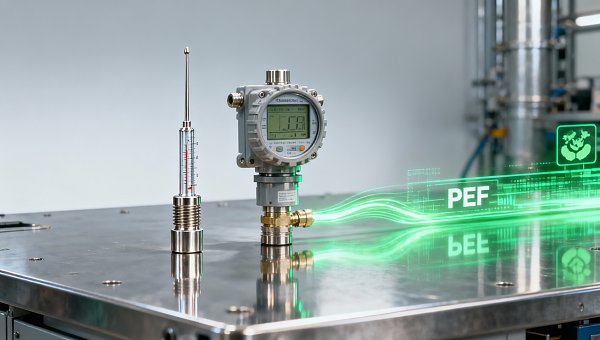
 EU PEF Carbon Footprint Database Mandatory Access for Industrial InstrumentsEU PEF Carbon Footprint Database mandatory access starts June 2026 for industrial instruments—pressure, temperature & flow meters. Ensure compliance now to avoid EU customs delays and market exclusion.
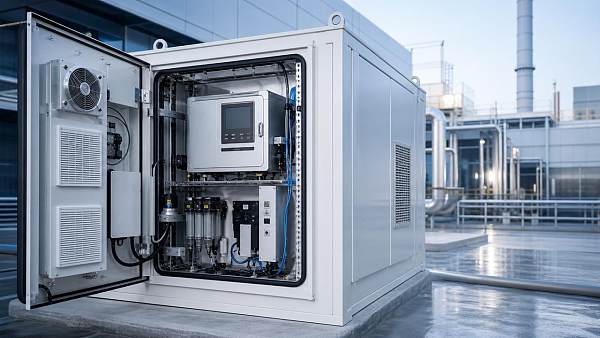
 Gas Quality Analyzer Shelter Price Trends and Specification Gaps to WatchGas quality analyzer shelter price trends vary with materials, HVAC, safety, integration, and compliance. See key specification gaps before shortlisting suppliers or approving budget.
 Process Measurement Equipment: Key Accuracy Risks in Harsh EnvironmentsProcess measurement equipment in harsh environments can drift before failing. Discover key accuracy risks, warning signs, and practical controls to protect quality, safety, and compliance.
 Industrial Analyzer Shelter Export Factors Affecting Lead Times This YearIndustrial analyzer shelter export lead times vary with sourcing, engineering, compliance, packing, and logistics. Learn the key factors to quote smarter and deliver with confidence.
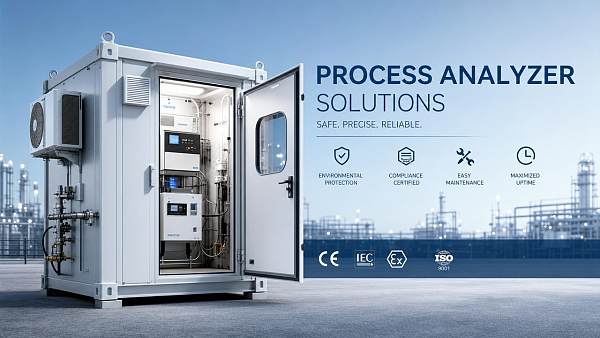
 What to Check Before Buying a Process Analyzer ShelterProcess analyzer shelter buying guide: learn what to check before purchase, from compliance and HVAC to utilities, durability, and maintenance access.
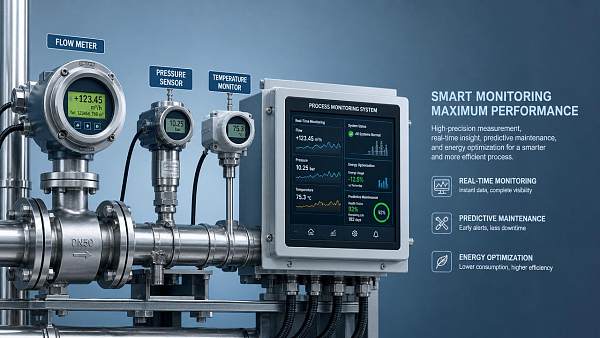
 Process Monitoring Equipment Trends Shaping Plant Upgrades in 2026Process monitoring equipment trends for 2026 reveal how smarter plant upgrades can cut downtime, improve compliance, boost efficiency, and deliver faster ROI.
 Flue Gas Analyzer Shelter Maintenance Issues That Shorten Service LifeFlue gas analyzer shelter maintenance issues can quietly shorten equipment life. Learn the key risks, warning signs, and practical checks to reduce downtime and protect accuracy.
 Emission Analyzer Shelter vs Outdoor Mounting: Which Reduces DowntimeEmission analyzer shelter vs outdoor mounting: discover which setup cuts downtime, improves analyzer reliability, and lowers lifecycle risk in harsh or compliance-critical environments.
 Common Gas Quality Equipment Selection Mistakes in Industrial ProjectsGas quality equipment selection mistakes can delay industrial projects and raise compliance risks. Learn how to choose the right solution for accuracy, safety, integration, and faster commissioning.
 Gas Quality System Costs: What Shapes Total Project Spending in 2026Gas quality system costs in 2026 depend on more than analyzer price. Discover the key budget drivers, hidden expenses, and smart planning steps to control total project spending.
 How to Choose Emission Measurement Equipment for Reliable Compliance DataEmission measurement equipment selection affects compliance accuracy, uptime, and audit readiness. Learn how to compare systems, reduce risk, and choose a solution built for reliable data.
 First Global White Paper on Dynamic Calibration for Humanoid Robot Sensors ReleasedFirst global white paper on dynamic calibration for humanoid robot sensors—key for pressure & 6-axis force/torque accuracy in smart manufacturing and collaborative robotics.
 FDA Updates IVD Import Guidelines: CNAS/NIST Calibration Chain RequiredFDA mandates CNAS/NIST calibration chain for IVD pressure & temperature sensors—key for Chinese exporters. Act now to meet July 2026 deadline.
 EU PEF Carbon Database Mandatory Access for Chinese Industrial InstrumentsEU PEF Carbon Database mandatory for Chinese industrial instruments—meet June 15, 2026 deadline to keep CE marking & win EU tenders.
 IEC TC65 Releases Cybersecurity Validation Guide for Industrial InstrumentsIEC TC65 releases cybersecurity validation guide for industrial instruments—key for firmware signing, OT encryption & remote audit compliance. Act now.
 SASO Introduces AI-Based Energy Efficiency Verification for Industrial TransmittersSASO AI energy efficiency verification now mandatory for industrial transmitters in Saudi Arabia—ensure compliance before June 1, 2026 to avoid customs delays.
 ASEAN Green Customs Corridor Fully LaunchedASEAN Green Customs Corridor now live: AI-verified CNAS calibration reports slash ASEAN-China customs clearance to under 4 hours — boost precision equipment trade today.
 Process Control Equipment Price Trends Under Energy Cost PressureProcess control equipment price trends are shifting under energy cost pressure. Discover key cost drivers, total ownership factors, and smart sourcing tips to reduce risk and improve ROI.
 Multi Gas Analysis in Safety-Critical Areas: What to Check FirstMulti gas analysis starts with risk, not just instruments. Learn what to check first in safety-critical areas to improve compliance, reduce downtime, and protect people and assets.
 Industrial Analyzer Equipment: Common Failures and Maintenance TipsIndustrial analyzer equipment failures can disrupt uptime, compliance, and data accuracy. Discover common faults and practical maintenance tips to improve reliability fast.
 Industrial Measurement System Import Trends and Supply RisksIndustrial measurement system import trends and supply risks explained: learn how distributors can protect margins, reduce delays, and build stronger sourcing resilience.
 Emission Control Equipment Rules Reshaping Industrial DemandEmission control equipment is reshaping industrial investment as stricter rules drive demand for smarter monitoring, lower risk, and compliance-ready systems. Explore what buyers must evaluate now.
 Emission Measurement System Costs in 2026: What Shapes PricingEmission measurement system costs in 2026 depend on accuracy, compliance, installation, integration, and service. Learn what shapes pricing and plan a smarter investment.
 Process Measurement System Upgrades: When Do They Pay Off?Process measurement system upgrades pay off when they cut downtime, improve accuracy, and support compliance. Learn the key signals, ROI factors, and smart upgrade strategies.
 Paramagnetic Gas Measurement: Where It Performs Best in IndustryParamagnetic gas measurement delivers fast, stable oxygen analysis for combustion, emissions, and process control. Discover where it performs best and how it improves efficiency, compliance, and reliability.













Search Categories
Search Categories
Latest Article
- SAMR to Finalize 1,800+ Standards by 2026, Including EV Battery RecyclingSAMR to finalize 1,800+ standards by 2026—including EV battery recycling, hazardous chemical packaging & EMC immunity. Stay ahead of mandatory GB shifts and global export compliance.Posted by:
- China's Largest Single-Line Large-Tow Carbon Fiber Line Starts OperationChina's largest single-line large-tow carbon fiber line is live—30,000 tons/year capacity, ASME-certified, 22% cheaper & 6-week lead time. Boost your industrial instrumentation supply chain now.Posted by:
- China Mobile Unveils National Integrated Computing Power NetworkChina Mobile's National Integrated Computing Power Network accelerates AI quality inspection for global manufacturers—cutting model training time by 68% and enabling cross-border industrial AI development.Posted by:
Please give us a message
