
Laser Analysis Limits That Are Easy to Miss in Dusty Processes


In dusty processes, laser analyzers are often chosen because they promise fast response, non-contact measurement, and lower routine maintenance than some conventional methods. But in real plants, dust can reduce optical signal strength, distort readings, increase cleaning frequency, and create blind spots that are easy to overlook during selection. If you are comparing portable monitoring, continuous monitoring, or industrial gas monitoring options, the key question is not whether laser analysis works in principle, but where its limits begin to affect safety, compliance, uptime, and total cost.
For operators, engineers, quality teams, and decision-makers, the practical conclusion is straightforward: laser analysis can be highly effective in dusty environments, but only when the process conditions, installation method, purge design, analyzer enclosure, and maintenance strategy are matched correctly. When they are not, a fixed analyzer or even an explosion proof gas analyzer based on another measurement principle may deliver more stable long-term value.
Why laser analysis can struggle more than expected in dusty processes

Laser-based instruments are attractive because they are selective, fast, and often capable of continuous monitoring without direct sampling in the traditional sense. However, dusty processes introduce several real-world limits that are easy to miss during specification reviews or vendor comparisons.
The first issue is simple optical interference. Dust particles scatter and absorb light. Even if the target gas has a clear absorption line, the analyzer still depends on enough clean optical transmission to maintain a stable signal. In high-dust ducts, kilns, conveyors, combustion exhaust lines, or powder handling systems, the instrument may experience reduced signal quality long before it reaches a complete failure state. That means the analyzer may still appear to be operating while accuracy and repeatability are already drifting.
The second issue is window fouling. In many industrial gas monitoring installations, the weak point is not the laser source itself but the optical windows or probe surfaces. Fine particulate matter can build up gradually, especially where moisture, sticky vapors, or condensable materials are present. This buildup changes the optical path and can slow response, trigger more frequent alarms, or create maintenance intervals much shorter than expected.
The third issue is process variability. Dust loading is rarely constant. Startups, shutdowns, filter upsets, product changes, and transient flow conditions can all alter particle concentration and particle size distribution. A laser analyzer that performs well during stable operation may behave very differently during abnormal but operationally important events. For safety management and quality control, these are often the exact moments when reliable readings matter most.
What users and decision-makers should evaluate before trusting the data
For most readers, the real concern is not optical theory. It is whether the measurement can be trusted enough for control decisions, emissions reporting, process optimization, or worker safety. That requires looking beyond headline specifications.
1. Ask how dust affects the stated accuracy.
Many data sheets present accuracy under controlled conditions. In dusty processes, the more useful question is: what accuracy remains at the expected dust concentration, temperature, flow profile, and humidity range? If that information is unavailable, the risk during actual operation is higher than it first appears.
2. Separate response time on paper from response time in service.
Laser analysis is often promoted as fast. That can be true, but optical contamination, purge instability, and poor installation geometry may slow practical response. In process control or hazard detection, delayed readings can be almost as problematic as inaccurate ones.
3. Review the purge and cleaning strategy in detail.
A well-designed purge system can significantly improve analyzer uptime in dusty service. But purge gas quality, pressure stability, flow balance, and nozzle design all matter. If the purge is weak, inconsistent, or not suited to the particle load, optical fouling will return quickly. If the purge is too aggressive, it may disturb the local measurement zone.
4. Confirm whether the mounting location represents the process.
In ducts or stacks with stratification, swirling flow, or uneven solids distribution, the analyzer may measure a non-representative zone. This is especially important for fixed analyzer installations intended for compliance, combustion control, or process quality assurance.
5. Evaluate maintenance burden realistically.
Laser systems are sometimes selected to reduce routine maintenance. In dusty processes, that assumption should be verified. If staff must clean optics frequently, troubleshoot signal loss, or recalibrate after contamination events, the real maintenance load may be far higher than expected.
Where laser analysis underperforms compared with other monitoring approaches
Laser technology is not inherently the wrong choice. The problem is that it is sometimes treated as universally superior. In practice, some dusty applications expose weaknesses that make other technologies more suitable.
Very high particulate loading.
When dust concentration is continuously high, optical attenuation may become the limiting factor. In these cases, extractive systems with filtration, dilution, or conditioning may offer more stable long-term measurements, even if they require more infrastructure.
Sticky or condensing process streams.
If the dust is combined with moisture, oils, tars, or condensable compounds, window fouling can become severe. This is common in some thermal processes, waste handling, chemical operations, and energy applications. A laser analyzer may still be usable, but only with robust protection and a realistic service plan.
Applications needing highly defensible reporting data.
Where readings are tied to regulatory reporting, product release, or incident investigation, consistency may matter more than theoretical speed. If dusty conditions create repeated signal degradation, teams may prefer a measurement principle that is less vulnerable to optical path contamination.
Installations with difficult access.
If the analyzer is mounted high on a duct, in a hazardous area, or inside a tight production zone, frequent manual cleaning can quickly become a safety and labor issue. In such cases, an explosion proof gas analyzer or a different industrial gas monitoring architecture may be the better choice, especially when enclosure design and service access are constrained.
How to decide between portable monitoring, continuous monitoring, and fixed analyzer setups
Different monitoring strategies solve different problems, and dusty processes often require more careful matching than clean applications do.
Portable monitoring is useful for spot checks, troubleshooting, temporary validation, and cross-checking installed systems. It helps teams verify whether a continuous laser reading is being affected by local dust conditions. However, portable tools are not a substitute for reliable real-time protection or process control.
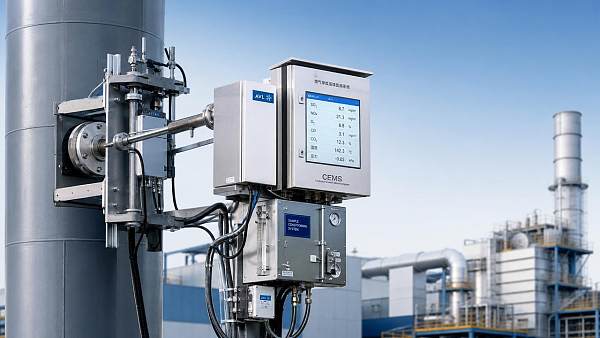
Continuous monitoring is the preferred approach when process stability, emissions visibility, or safety response depends on live data. But in dusty environments, continuous monitoring only works well if the analyzer technology, installation point, and maintenance concept are engineered together. A poor continuous setup simply automates bad data.
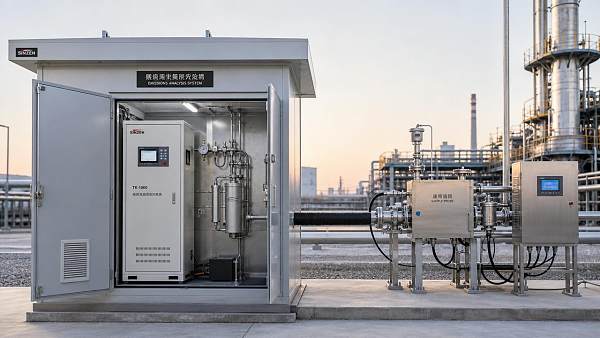
Fixed analyzer systems are often the right answer where long-term integration, alarms, control logic, and centralized plant operation are required. The key is to evaluate not only the analyzer core but also the analyzer enclosure, sample interface if any, purge arrangement, hazardous area classification, and service accessibility.
For buyers and project leaders, the most effective selection method is to compare options using a field-oriented checklist: dust load, particle behavior, cleaning interval, required response speed, acceptable drift, access constraints, hazardous area requirements, and total service cost over time.
Design features that make laser analyzers more reliable in dusty environments
If laser analysis is still the preferred solution, several design factors can greatly improve outcomes.
Proper analyzer enclosure design.
A well-selected analyzer enclosure protects electronics from ambient dust, heat, moisture, and vibration. It also supports temperature stability and easier servicing. In harsh plants, enclosure design is not a secondary detail; it directly affects reliability and instrument life.
Effective optical protection.
Window purge systems, self-cleaning arrangements, and smart probe designs can reduce contamination. The goal is not to eliminate maintenance entirely, but to make performance more predictable.
Hazardous area suitability.
Where combustible dusts or gases are present, an explosion proof gas analyzer or properly certified integrated system may be required. Safety compliance must be evaluated alongside measurement performance, not afterward.
Diagnostic capability.
Advanced instruments that show signal strength, contamination trends, or optical health indicators help operators act before data quality collapses. For quality managers and maintenance teams, these diagnostics are often more valuable than headline sensitivity.
Installation engineering.
Even a high-end analyzer can fail in practice if installed at the wrong angle, in a poor flow zone, or without enough purge support. Good mounting design and commissioning discipline matter as much as instrument selection.
A practical decision framework for buyers, engineers, and plant teams
If you are evaluating laser analysis for a dusty process, use a simple decision framework:
Choose laser analysis when:
- The dust load is manageable or intermittent.
- The process benefits from fast in-situ measurement.
- Optical windows can be protected effectively.
- The installation point provides representative measurement conditions.
- Maintenance access is safe and practical.
Use extra caution when:
- Dust concentration is high and persistent.
- Particles are sticky, abrasive, or combined with condensation.
- Readings are critical for compliance or shutdown logic.
- The site cannot support frequent inspection or cleaning.
- The system is being selected mainly on the assumption of “low maintenance.”
Consider alternatives when:
- Signal loss is likely to be chronic.
- Representative optical paths are hard to maintain.
- Total cost of ownership rises because of repeated service interventions.
- A different measurement principle can deliver more stable results under the actual process conditions.
Conclusion: the real limit is not the laser, but the process fit
Laser analysis remains a powerful option in industrial gas monitoring, especially for continuous monitoring and advanced fixed analyzer applications. But in dusty processes, its hidden limits are often practical rather than theoretical: signal attenuation, fouling, unstable response, maintenance burden, and installation sensitivity. These issues can quietly reduce confidence in the data long before the analyzer appears to fail.
The best decision is rarely based on technology labels alone. It comes from matching the analyzer to the real dust behavior, process dynamics, safety requirements, and maintenance reality of the site. For operators, engineers, and business decision-makers alike, that is the difference between buying an instrument and securing dependable measurement performance.
Recommended for You
 SAMR to Finalize 1,800+ Standards by 2026, Including EV Battery RecyclingSAMR to finalize 1,800+ standards by 2026—including EV battery recycling, hazardous chemical packaging & EMC immunity. Stay ahead of mandatory GB shifts and global export compliance.
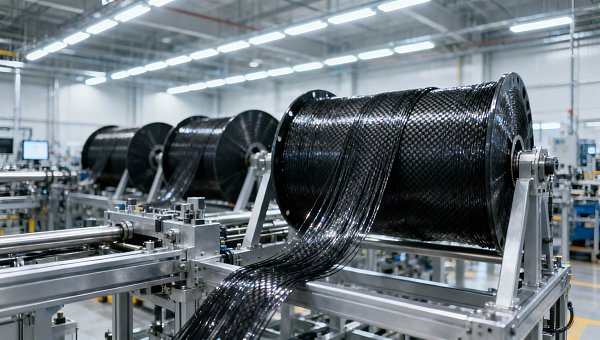
 China's Largest Single-Line Large-Tow Carbon Fiber Line Starts OperationChina's largest single-line large-tow carbon fiber line is live—30,000 tons/year capacity, ASME-certified, 22% cheaper & 6-week lead time. Boost your industrial instrumentation supply chain now.
 China Mobile Unveils National Integrated Computing Power NetworkChina Mobile's National Integrated Computing Power Network accelerates AI quality inspection for global manufacturers—cutting model training time by 68% and enabling cross-border industrial AI development.
 World's First Humanoid Robot Industrial Calibration White Paper ReleasedWorld's First Humanoid Robot Industrial Calibration White Paper released—setting new global benchmarks for dynamic sensor calibration in robotics. Discover how ABB, Yaskawa & metrology leaders are reshaping industry trust.
 Red Sea Crisis Escalates: Aden Gulf Ban Extended to June 15Red Sea Crisis escalates: Aden Gulf ban extended to June 15 — disrupting industrial instrumentation trade between China and the Middle East with 452% air freight spikes and 7–12 day delays.
 Saudi SASO Introduces AI-Based Energy Validation for Industrial TransmittersAI-based energy validation for industrial transmitters is now mandatory in Saudi Arabia—learn how SASO’s new AI regulation impacts global exporters, compliance timelines, and supply chains.
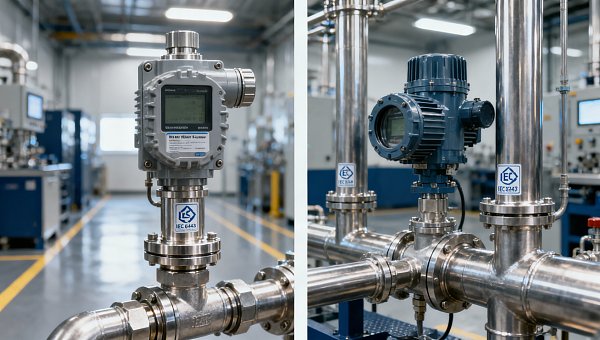
 IEC TC65 Releases Cybersecurity Validation Guide for Industrial InstrumentsIEC TC65’s new Cybersecurity Validation Guide for Industrial Instruments mandates SDL certification & firmware signing—key for EU/US market access. Act now to align with GB/T 42278-2026 and avoid export delays.
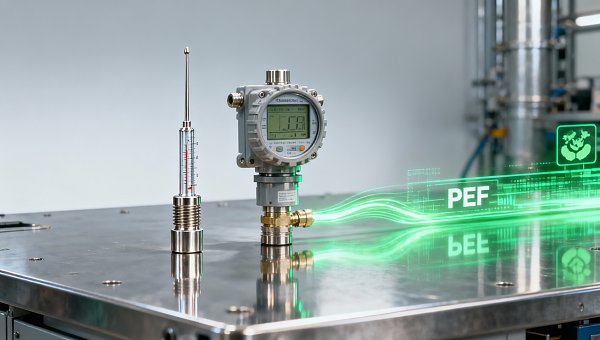
 EU PEF Carbon Footprint Database Mandatory Access for Industrial InstrumentsEU PEF Carbon Footprint Database mandatory access starts June 2026 for industrial instruments—pressure, temperature & flow meters. Ensure compliance now to avoid EU customs delays and market exclusion.
 Gas Quality Analyzer Shelter Price Trends and Specification Gaps to WatchGas quality analyzer shelter price trends vary with materials, HVAC, safety, integration, and compliance. See key specification gaps before shortlisting suppliers or approving budget.
 Process Measurement Equipment: Key Accuracy Risks in Harsh EnvironmentsProcess measurement equipment in harsh environments can drift before failing. Discover key accuracy risks, warning signs, and practical controls to protect quality, safety, and compliance.
 Industrial Analyzer Shelter Export Factors Affecting Lead Times This YearIndustrial analyzer shelter export lead times vary with sourcing, engineering, compliance, packing, and logistics. Learn the key factors to quote smarter and deliver with confidence.
 What to Check Before Buying a Process Analyzer ShelterProcess analyzer shelter buying guide: learn what to check before purchase, from compliance and HVAC to utilities, durability, and maintenance access.
 Process Monitoring Equipment Trends Shaping Plant Upgrades in 2026Process monitoring equipment trends for 2026 reveal how smarter plant upgrades can cut downtime, improve compliance, boost efficiency, and deliver faster ROI.
 Flue Gas Analyzer Shelter Maintenance Issues That Shorten Service LifeFlue gas analyzer shelter maintenance issues can quietly shorten equipment life. Learn the key risks, warning signs, and practical checks to reduce downtime and protect accuracy.
 Emission Analyzer Shelter vs Outdoor Mounting: Which Reduces DowntimeEmission analyzer shelter vs outdoor mounting: discover which setup cuts downtime, improves analyzer reliability, and lowers lifecycle risk in harsh or compliance-critical environments.
 Common Gas Quality Equipment Selection Mistakes in Industrial ProjectsGas quality equipment selection mistakes can delay industrial projects and raise compliance risks. Learn how to choose the right solution for accuracy, safety, integration, and faster commissioning.
 Gas Quality System Costs: What Shapes Total Project Spending in 2026Gas quality system costs in 2026 depend on more than analyzer price. Discover the key budget drivers, hidden expenses, and smart planning steps to control total project spending.
 How to Choose Emission Measurement Equipment for Reliable Compliance DataEmission measurement equipment selection affects compliance accuracy, uptime, and audit readiness. Learn how to compare systems, reduce risk, and choose a solution built for reliable data.
 First Global White Paper on Dynamic Calibration for Humanoid Robot Sensors ReleasedFirst global white paper on dynamic calibration for humanoid robot sensors—key for pressure & 6-axis force/torque accuracy in smart manufacturing and collaborative robotics.
 FDA Updates IVD Import Guidelines: CNAS/NIST Calibration Chain RequiredFDA mandates CNAS/NIST calibration chain for IVD pressure & temperature sensors—key for Chinese exporters. Act now to meet July 2026 deadline.
 EU PEF Carbon Database Mandatory Access for Chinese Industrial InstrumentsEU PEF Carbon Database mandatory for Chinese industrial instruments—meet June 15, 2026 deadline to keep CE marking & win EU tenders.
 IEC TC65 Releases Cybersecurity Validation Guide for Industrial InstrumentsIEC TC65 releases cybersecurity validation guide for industrial instruments—key for firmware signing, OT encryption & remote audit compliance. Act now.
 SASO Introduces AI-Based Energy Efficiency Verification for Industrial TransmittersSASO AI energy efficiency verification now mandatory for industrial transmitters in Saudi Arabia—ensure compliance before June 1, 2026 to avoid customs delays.
 ASEAN Green Customs Corridor Fully LaunchedASEAN Green Customs Corridor now live: AI-verified CNAS calibration reports slash ASEAN-China customs clearance to under 4 hours — boost precision equipment trade today.
 Process Control Equipment Price Trends Under Energy Cost PressureProcess control equipment price trends are shifting under energy cost pressure. Discover key cost drivers, total ownership factors, and smart sourcing tips to reduce risk and improve ROI.
 Multi Gas Analysis in Safety-Critical Areas: What to Check FirstMulti gas analysis starts with risk, not just instruments. Learn what to check first in safety-critical areas to improve compliance, reduce downtime, and protect people and assets.
 Industrial Analyzer Equipment: Common Failures and Maintenance TipsIndustrial analyzer equipment failures can disrupt uptime, compliance, and data accuracy. Discover common faults and practical maintenance tips to improve reliability fast.
 Industrial Measurement System Import Trends and Supply RisksIndustrial measurement system import trends and supply risks explained: learn how distributors can protect margins, reduce delays, and build stronger sourcing resilience.
 Emission Control Equipment Rules Reshaping Industrial DemandEmission control equipment is reshaping industrial investment as stricter rules drive demand for smarter monitoring, lower risk, and compliance-ready systems. Explore what buyers must evaluate now.
 Emission Measurement System Costs in 2026: What Shapes PricingEmission measurement system costs in 2026 depend on accuracy, compliance, installation, integration, and service. Learn what shapes pricing and plan a smarter investment.
 Process Measurement System Upgrades: When Do They Pay Off?Process measurement system upgrades pay off when they cut downtime, improve accuracy, and support compliance. Learn the key signals, ROI factors, and smart upgrade strategies.
 Paramagnetic Gas Measurement: Where It Performs Best in IndustryParamagnetic gas measurement delivers fast, stable oxygen analysis for combustion, emissions, and process control. Discover where it performs best and how it improves efficiency, compliance, and reliability.























Search Categories
Search Categories
Latest Article
- SAMR to Finalize 1,800+ Standards by 2026, Including EV Battery RecyclingSAMR to finalize 1,800+ standards by 2026—including EV battery recycling, hazardous chemical packaging & EMC immunity. Stay ahead of mandatory GB shifts and global export compliance.Posted by:
- China's Largest Single-Line Large-Tow Carbon Fiber Line Starts OperationChina's largest single-line large-tow carbon fiber line is live—30,000 tons/year capacity, ASME-certified, 22% cheaper & 6-week lead time. Boost your industrial instrumentation supply chain now.Posted by:
- China Mobile Unveils National Integrated Computing Power NetworkChina Mobile's National Integrated Computing Power Network accelerates AI quality inspection for global manufacturers—cutting model training time by 68% and enabling cross-border industrial AI development.Posted by:
Please give us a message
