
Paramagnetic Measurement Errors Caused by Process Instability


Process instability can significantly distort paramagnetic measurement results, affecting accuracy in portable monitoring, continuous monitoring, and industrial gas monitoring applications. From fixed analyzer systems to explosion proof gas analyzer setups, even small fluctuations can compromise data reliability. This article explores the root causes of these errors and how custom measurement strategies, analyzer enclosure design, laser analysis, and thermal analysis can help improve performance.
For operators, quality teams, technical evaluators, project managers, and purchasing decision-makers, the issue is not only measurement accuracy. It also affects process safety, product quality, compliance reporting, maintenance cost, and confidence in operational data. In instrumentation-intensive environments, an oxygen deviation of only 0.1% to 0.5% can trigger false alarms, incorrect control actions, or unnecessary recalibration.
Paramagnetic analyzers remain widely used because they offer fast response, good selectivity for oxygen, and suitability for online and fixed analyzer systems. However, when the process itself is unstable, even a well-configured analyzer can deliver readings that drift, oscillate, or lag behind actual gas composition. Understanding where these errors originate is the first step toward better analyzer performance and lower lifecycle risk.
How Process Instability Creates Errors in Paramagnetic Measurement
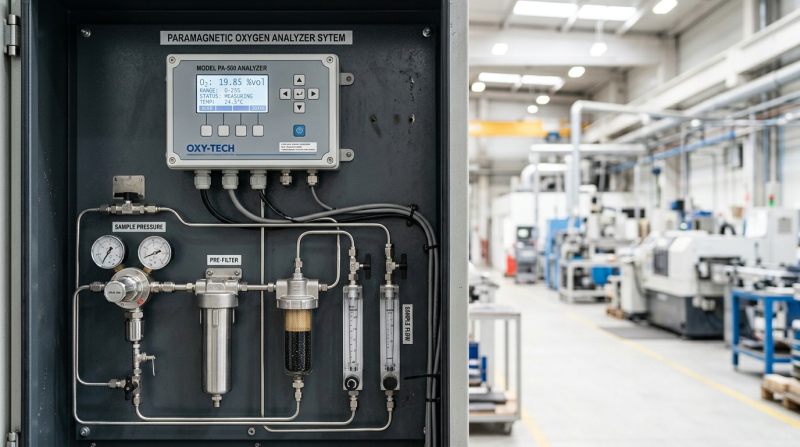
Paramagnetic measurement depends on the magnetic susceptibility difference of oxygen compared with other gases. In stable conditions, this principle provides reliable oxygen analysis across many industrial applications. In unstable conditions, however, the sensor sees not just oxygen concentration changes, but also pressure pulses, flow swings, temperature shifts, moisture variation, and composition disturbances. These factors can distort the measurement signal and create apparent oxygen changes that do not reflect the true process state.
The most common instability sources include fluctuating sample pressure within ±5 kPa to ±20 kPa, flow rate variation of more than 10% to 15%, and temperature excursions beyond the analyzer’s compensation range. In continuous monitoring lines, these disturbances often happen during compressor cycling, valve switching, burner load change, purge sequence transitions, or process batch turnover. Portable monitoring faces similar issues when the operator samples from locations with inconsistent pressure equalization or line conditioning.
Another challenge is cross-sensitivity linked to gas matrix changes. A paramagnetic analyzer is designed for oxygen, but the physical behavior of the sample gas still matters. If the background gas changes from nitrogen-rich to carbon dioxide-rich, or if water vapor content rises rapidly, the density and thermal properties of the sample may alter flow behavior inside the measurement chamber. That can introduce zero shift, span error, or increased response time.
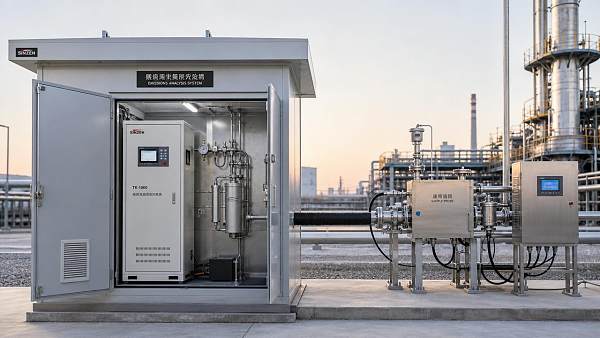
In fixed analyzer systems, installation layout adds another layer of variability. Long sample lines, dead volumes, undersized regulators, and poorly controlled bypass loops can turn a small process fluctuation into a larger analyzer disturbance. In hazardous areas, explosion proof gas analyzer designs sometimes require enclosure, purge, or barrier arrangements that improve safety but also add thermal and flow management complexity.
Key instability mechanisms to watch
- Pressure pulsation from pumps, blowers, and compressors, especially when cycle frequency falls between 2 and 20 seconds.
- Flow instability caused by clogged filters, changing backpressure, or inconsistent sample extraction.
- Temperature drift in shelters or analyzer enclosures, often exceeding 5°C to 10°C over one shift.
- Condensation and moisture carryover that alter gas path behavior or partially block capillaries.
- Rapid composition changes in batch processes, combustion control, or switching manifolds.
Typical error patterns in the field
When process instability affects a paramagnetic analyzer, field teams usually see one of four patterns: noisy readings, repeated zero drift, delayed response, or unexplained disagreement with grab sample results. The danger is that these symptoms are often mistaken for sensor failure, even when the real problem lies upstream in the sample conditioning or process dynamics.
The table below summarizes common instability sources and the kind of measurement error they tend to produce in industrial gas monitoring systems.
The key conclusion is that paramagnetic measurement errors are often process-induced rather than instrument-induced. That distinction matters for troubleshooting, because replacing the analyzer alone rarely solves a pressure, flow, or moisture problem that is still active in the sampling path.
Why the Problem Matters Across Portable, Continuous, and Hazardous-Area Monitoring
Process instability affects different monitoring modes in different ways. In portable monitoring, the main risk is inconsistent sampling technique, short stabilization time, and location-to-location variation. A technician may take a reading after only 15 to 30 seconds, even though the sample line and sensor require 60 to 120 seconds to stabilize under current conditions. The result is a convenient number, but not necessarily a dependable one.
In continuous monitoring, the challenge is persistence. The analyzer may remain online 24/7 and feed a DCS, PLC, or environmental reporting system. If the sample conditioning system allows repeated instability events, the resulting data stream can introduce long-term noise into trend analysis, false process optimization decisions, or avoidable quality investigations. Even a 1% recurring bias can become costly when oxygen balance influences combustion efficiency, inerting safety, or product consistency.
Industrial gas monitoring in hazardous areas introduces further constraints. Explosion proof gas analyzer arrangements often include sealed enclosures, purge systems, cable protection, and temperature management features. These are essential for safe operation, but they can trap heat, slow maintenance access, and complicate sample routing. If enclosure temperature rises by 8°C to 12°C above ambient or purge flow is not well controlled, the analyzer may experience thermal drift or internal flow imbalance.
For enterprise decision-makers and project owners, the issue extends beyond instrumentation performance. Poor measurement reliability can delay commissioning, increase recalibration frequency, raise spare part consumption, and create disputes between operations, maintenance, and quality teams. Over a 12-month period, these indirect costs often exceed the price difference between a basic analyzer package and a properly engineered measurement system.
Operational consequences by user group
- Operators face alarm fatigue, unstable readings, and reduced trust in the instrument.
- Quality and safety managers face compliance risk, traceability issues, and delayed corrective action.
- Technical evaluators must determine whether the root cause is the sensor, the process, or the sampling design.
- Project managers face startup delays, change orders, and higher commissioning labor.
- Distributors and integrators face more service calls if system design does not match application dynamics.
A practical risk screening approach
A useful way to assess risk is to evaluate four areas before procurement or retrofit: process variability, sample conditioning, enclosure environment, and calibration strategy. If two or more of these areas show weak control, the probability of recurrent paramagnetic measurement errors rises sharply. This is especially true in applications with frequent load changes, humid gas streams, or oxygen ranges below 2% where even a small offset matters.
In many instrumentation projects, the analyzer specification is reviewed carefully, but the process instability profile is not quantified. A better practice is to define expected pressure variation, temperature range, moisture condition, and required response time at the design stage. That information improves equipment selection and reduces rework during FAT, SAT, and site commissioning.
Engineering Controls That Reduce Paramagnetic Measurement Error
Reducing error starts with treating the analyzer as part of a measurement system rather than a standalone device. In most installations, the gas extraction point, line length, filter arrangement, pressure control, moisture handling, and enclosure temperature management have as much influence on result quality as the sensor technology itself. A stable measurement chain can often cut apparent reading fluctuation by 30% to 70%, depending on the original design condition.
One of the most effective measures is pressure stabilization ahead of the analyzer. A well-chosen regulator, restrictor, or constant-flow arrangement can absorb upstream pulsation before it reaches the measurement chamber. The target is not only nominal pressure, but also low short-cycle variation. In practical terms, many systems perform better when sample pressure is held within a narrow band and flow remains stable within roughly ±2% to ±5% of setpoint.
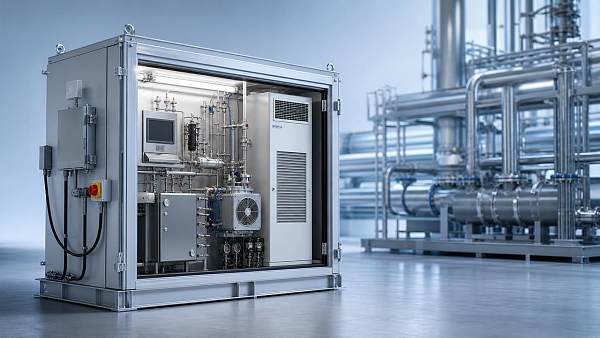
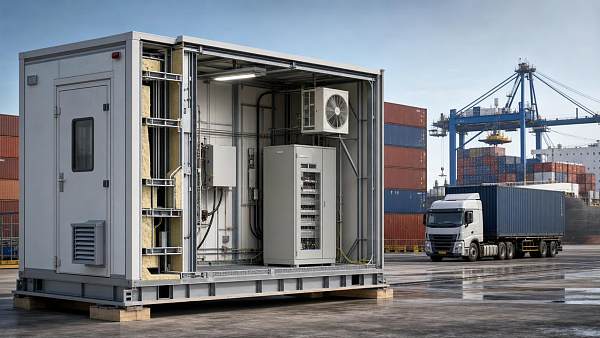
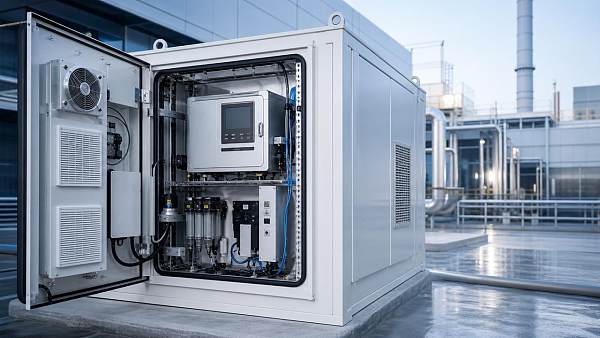
Analyzer enclosure design is equally important. Enclosures for fixed analyzer systems should protect the instrument from ambient swings, dust, vibration, and hazardous exposure, but they should also avoid creating internal thermal stress. Heaters, fans, insulation, purge flow, and component spacing must be coordinated. If multiple heat-generating devices are packed into a small panel without ventilation balance, the analyzer may drift even when the process gas is stable.
Moisture control deserves special attention. Water vapor can affect measurement directly and indirectly by changing gas properties, condensing in cool sections, or damaging flow consistency. Depending on the application, solutions may include heated sample lines, knockout pots, membrane drying, condensate traps, or temperature-controlled shelters. The right approach depends on whether moisture is part of the measured matrix or a contaminant that should be removed before analysis.
Core design measures for better stability
- Keep sample transport distance as short as practical, especially when fast response below 30 seconds is required.
- Use pressure and flow conditioning sized for actual process dynamics, not only average operating values.
- Separate wet and dry sections in the sample path to reduce condensation risk and simplify maintenance.
- Design analyzer enclosures for thermal balance, not only ingress protection or hazardous-area compliance.
- Verify calibration gas delivery pressure, line integrity, and switching valve repeatability during commissioning.
Comparing common control strategies
The choice of mitigation method depends on the process profile and the expected error source. The table below compares several common control measures used in industrial instrumentation projects.
The main takeaway is that no single accessory fixes every problem. The best results usually come from coordinated design decisions that combine sampling stability, thermal control, moisture management, and realistic calibration practice.
When to Use Custom Measurement Strategies, Laser Analysis, and Thermal Analysis
Not every application should rely on one analysis method alone. In some projects, the right answer is not to replace paramagnetic analysis, but to support it with additional techniques or a more tailored measurement strategy. This is particularly relevant when the process has fast transients, variable gas composition, high moisture loading, or conflicting demands for response speed and low maintenance.
Custom measurement strategies may include dual-stage sample conditioning, buffered sample loops, application-specific calibration intervals, or parallel verification using a secondary analyzer. For example, if a line experiences short process surges every 3 to 5 minutes, a buffered approach may improve trend stability. If the process composition changes significantly across production recipes, a matrix-aware calibration plan may be more effective than a fixed monthly routine.
Laser analysis can be useful when non-contact or in-situ measurement is needed, or when sample transport itself creates too much lag or conditioning bias. Depending on the gas stream and installation constraints, laser-based systems can reduce some of the pressure and moisture problems associated with extracted sampling. However, they introduce their own requirements, including optical path cleanliness, alignment, and sensitivity to particulates or window fouling.
Thermal analysis also plays a practical supporting role. In analyzer system design, thermal mapping of shelters, cabinets, and panel layouts can identify hot spots, stagnant air zones, and seasonal drift risk before field problems appear. Even a simple review of internal component heat load, expected ambient range, and purge pattern can prevent recurring calibration drift after installation.
Selection logic for technology and strategy
The decision should be based on four variables: process stability, required response time, maintenance resources, and regulatory or quality impact of measurement error. If the process is moderately stable and oxygen measurement is the main target, a properly engineered paramagnetic system is often sufficient. If the process is highly dynamic, wet, or difficult to extract, a hybrid approach may be more economical over 2 to 5 years than repeated troubleshooting of an unsuitable setup.
Practical triggers for escalation
- Repeated recalibration more than once per week under otherwise normal operation.
- Persistent mismatch greater than process tolerance between online reading and laboratory verification.
- Sample line condensation or blockage recurring two or more times per month.
- Analyzer enclosure temperature regularly exceeding design target during seasonal peaks.
- Startup delays caused by unstable analyzer readings during acceptance testing.
For technical evaluators and project leaders, the value of this approach is strategic. Instead of treating every error as an isolated maintenance event, it reframes measurement as a process-integrated function. That improves equipment selection, commissioning efficiency, and long-term service planning.
Procurement, Commissioning, and Maintenance Guidelines for Reliable Results
A reliable paramagnetic measurement project starts before purchase. Procurement teams should not compare analyzers only by quoted range, response time, or cabinet price. They should also review sampling architecture, environmental suitability, required service interval, enclosure design, hazardous-area constraints, and the supplier’s ability to adapt the solution to actual process conditions. This is especially important in integrated instrumentation projects where one weak subsystem can undermine the full package.
During commissioning, teams should verify at least six points: extraction stability, leak tightness, pressure control, flow consistency, calibration gas switching, and enclosure temperature behavior. Site acceptance should include operation under both normal and disturbed process states, not only a single steady-state check. A system that passes at one fixed load may still perform poorly during the 20% to 80% operating range seen in daily production.
Maintenance strategy should combine routine inspection with trend-based intervention. Filters, traps, regulators, and sample pumps should be checked on a defined cycle such as every 2 weeks, monthly, or quarterly, depending on gas cleanliness and criticality. More importantly, teams should trend signal noise, calibration shift, and response time. A rise in these indicators usually appears before complete failure.
For distributors, system integrators, and EPC participants, serviceability can be a major differentiator. Accessible layout, clear isolation points, documented calibration procedures, and sensible spare part lists reduce downtime and strengthen customer confidence. In practical B2B environments, maintainability often influences repeat business as much as initial measurement performance.
Procurement checklist for decision-makers
Before final selection, it helps to compare suppliers and system concepts using operational criteria rather than specification sheets alone.
This comparison shows that the lowest acquisition price is rarely the lowest-risk option. A system that matches the process and includes a realistic maintenance path will usually deliver better value across the full service life.
FAQ for field teams and buyers
How do I know whether the error comes from the analyzer or the process?
Check whether reading instability correlates with pressure, flow, temperature, or moisture changes. If the signal becomes stable during calibration gas application but unstable during process sampling, the root cause is often in the sample system or process conditions rather than in the analyzer core.
Is a paramagnetic analyzer still suitable for unstable processes?
Yes, in many cases, provided the sample conditioning and measurement strategy are designed correctly. For severe instability, the solution may involve buffering, enhanced regulation, enclosure redesign, or a complementary analysis method rather than abandoning paramagnetic technology entirely.
What maintenance interval is realistic?
There is no universal interval, but many industrial systems use monthly inspection for sample path components and quarterly deeper verification for calibration performance. Dirtier or wetter gas streams may require shorter cycles, while clean and dry utility gas applications may run longer between interventions.
What should be prioritized in a hazardous-area installation?
Safety compliance comes first, but thermal management, accessibility, and sample stability should be engineered at the same time. A compliant enclosure that overheats or complicates maintenance can still generate poor data and higher lifecycle cost.
Paramagnetic measurement errors caused by process instability are rarely random. They usually arise from identifiable interactions among pressure, flow, temperature, moisture, gas matrix, and system design. For instrumentation users, evaluators, and decision-makers, the strongest path to reliable oxygen analysis is to address the full measurement chain, from extraction point to enclosure environment and maintenance practice.
Whether you manage portable monitoring, continuous monitoring, fixed analyzer systems, or explosion proof gas analyzer projects, a better result comes from matching the analyzer solution to actual operating dynamics. If you want to reduce false readings, improve commissioning success, or develop a more stable custom measurement strategy, now is the right time to review your application in detail.
Contact us to discuss your process conditions, request a tailored analyzer configuration, or learn more about practical solutions involving sample conditioning, analyzer enclosure design, laser analysis, and thermal analysis.
Recommended for You
 SAMR to Finalize 1,800+ Standards by 2026, Including EV Battery RecyclingSAMR to finalize 1,800+ standards by 2026—including EV battery recycling, hazardous chemical packaging & EMC immunity. Stay ahead of mandatory GB shifts and global export compliance.
 China's Largest Single-Line Large-Tow Carbon Fiber Line Starts OperationChina's largest single-line large-tow carbon fiber line is live—30,000 tons/year capacity, ASME-certified, 22% cheaper & 6-week lead time. Boost your industrial instrumentation supply chain now.
 China Mobile Unveils National Integrated Computing Power NetworkChina Mobile's National Integrated Computing Power Network accelerates AI quality inspection for global manufacturers—cutting model training time by 68% and enabling cross-border industrial AI development.
 World's First Humanoid Robot Industrial Calibration White Paper ReleasedWorld's First Humanoid Robot Industrial Calibration White Paper released—setting new global benchmarks for dynamic sensor calibration in robotics. Discover how ABB, Yaskawa & metrology leaders are reshaping industry trust.
 Red Sea Crisis Escalates: Aden Gulf Ban Extended to June 15Red Sea Crisis escalates: Aden Gulf ban extended to June 15 — disrupting industrial instrumentation trade between China and the Middle East with 452% air freight spikes and 7–12 day delays.
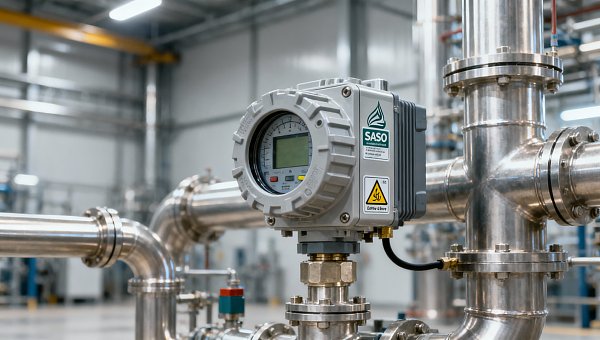
 Saudi SASO Introduces AI-Based Energy Validation for Industrial TransmittersAI-based energy validation for industrial transmitters is now mandatory in Saudi Arabia—learn how SASO’s new AI regulation impacts global exporters, compliance timelines, and supply chains.
 IEC TC65 Releases Cybersecurity Validation Guide for Industrial InstrumentsIEC TC65’s new Cybersecurity Validation Guide for Industrial Instruments mandates SDL certification & firmware signing—key for EU/US market access. Act now to align with GB/T 42278-2026 and avoid export delays.
 EU PEF Carbon Footprint Database Mandatory Access for Industrial InstrumentsEU PEF Carbon Footprint Database mandatory access starts June 2026 for industrial instruments—pressure, temperature & flow meters. Ensure compliance now to avoid EU customs delays and market exclusion.
 Gas Quality Analyzer Shelter Price Trends and Specification Gaps to WatchGas quality analyzer shelter price trends vary with materials, HVAC, safety, integration, and compliance. See key specification gaps before shortlisting suppliers or approving budget.
 Process Measurement Equipment: Key Accuracy Risks in Harsh EnvironmentsProcess measurement equipment in harsh environments can drift before failing. Discover key accuracy risks, warning signs, and practical controls to protect quality, safety, and compliance.
 Industrial Analyzer Shelter Export Factors Affecting Lead Times This YearIndustrial analyzer shelter export lead times vary with sourcing, engineering, compliance, packing, and logistics. Learn the key factors to quote smarter and deliver with confidence.
 What to Check Before Buying a Process Analyzer ShelterProcess analyzer shelter buying guide: learn what to check before purchase, from compliance and HVAC to utilities, durability, and maintenance access.
 Process Monitoring Equipment Trends Shaping Plant Upgrades in 2026Process monitoring equipment trends for 2026 reveal how smarter plant upgrades can cut downtime, improve compliance, boost efficiency, and deliver faster ROI.
 Flue Gas Analyzer Shelter Maintenance Issues That Shorten Service LifeFlue gas analyzer shelter maintenance issues can quietly shorten equipment life. Learn the key risks, warning signs, and practical checks to reduce downtime and protect accuracy.
 Emission Analyzer Shelter vs Outdoor Mounting: Which Reduces DowntimeEmission analyzer shelter vs outdoor mounting: discover which setup cuts downtime, improves analyzer reliability, and lowers lifecycle risk in harsh or compliance-critical environments.
 Common Gas Quality Equipment Selection Mistakes in Industrial ProjectsGas quality equipment selection mistakes can delay industrial projects and raise compliance risks. Learn how to choose the right solution for accuracy, safety, integration, and faster commissioning.
 Gas Quality System Costs: What Shapes Total Project Spending in 2026Gas quality system costs in 2026 depend on more than analyzer price. Discover the key budget drivers, hidden expenses, and smart planning steps to control total project spending.
 How to Choose Emission Measurement Equipment for Reliable Compliance DataEmission measurement equipment selection affects compliance accuracy, uptime, and audit readiness. Learn how to compare systems, reduce risk, and choose a solution built for reliable data.
 First Global White Paper on Dynamic Calibration for Humanoid Robot Sensors ReleasedFirst global white paper on dynamic calibration for humanoid robot sensors—key for pressure & 6-axis force/torque accuracy in smart manufacturing and collaborative robotics.
 FDA Updates IVD Import Guidelines: CNAS/NIST Calibration Chain RequiredFDA mandates CNAS/NIST calibration chain for IVD pressure & temperature sensors—key for Chinese exporters. Act now to meet July 2026 deadline.
 EU PEF Carbon Database Mandatory Access for Chinese Industrial InstrumentsEU PEF Carbon Database mandatory for Chinese industrial instruments—meet June 15, 2026 deadline to keep CE marking & win EU tenders.
 IEC TC65 Releases Cybersecurity Validation Guide for Industrial InstrumentsIEC TC65 releases cybersecurity validation guide for industrial instruments—key for firmware signing, OT encryption & remote audit compliance. Act now.
 SASO Introduces AI-Based Energy Efficiency Verification for Industrial TransmittersSASO AI energy efficiency verification now mandatory for industrial transmitters in Saudi Arabia—ensure compliance before June 1, 2026 to avoid customs delays.
 ASEAN Green Customs Corridor Fully LaunchedASEAN Green Customs Corridor now live: AI-verified CNAS calibration reports slash ASEAN-China customs clearance to under 4 hours — boost precision equipment trade today.
 Process Control Equipment Price Trends Under Energy Cost PressureProcess control equipment price trends are shifting under energy cost pressure. Discover key cost drivers, total ownership factors, and smart sourcing tips to reduce risk and improve ROI.
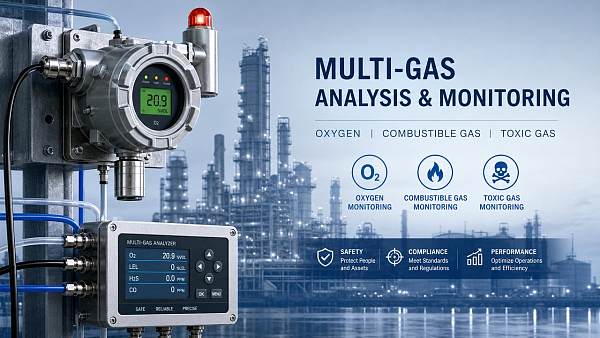
 Multi Gas Analysis in Safety-Critical Areas: What to Check FirstMulti gas analysis starts with risk, not just instruments. Learn what to check first in safety-critical areas to improve compliance, reduce downtime, and protect people and assets.
 Industrial Analyzer Equipment: Common Failures and Maintenance TipsIndustrial analyzer equipment failures can disrupt uptime, compliance, and data accuracy. Discover common faults and practical maintenance tips to improve reliability fast.
 Industrial Measurement System Import Trends and Supply RisksIndustrial measurement system import trends and supply risks explained: learn how distributors can protect margins, reduce delays, and build stronger sourcing resilience.
 Emission Control Equipment Rules Reshaping Industrial DemandEmission control equipment is reshaping industrial investment as stricter rules drive demand for smarter monitoring, lower risk, and compliance-ready systems. Explore what buyers must evaluate now.
 Emission Measurement System Costs in 2026: What Shapes PricingEmission measurement system costs in 2026 depend on accuracy, compliance, installation, integration, and service. Learn what shapes pricing and plan a smarter investment.
 Process Measurement System Upgrades: When Do They Pay Off?Process measurement system upgrades pay off when they cut downtime, improve accuracy, and support compliance. Learn the key signals, ROI factors, and smart upgrade strategies.
 Paramagnetic Gas Measurement: Where It Performs Best in IndustryParamagnetic gas measurement delivers fast, stable oxygen analysis for combustion, emissions, and process control. Discover where it performs best and how it improves efficiency, compliance, and reliability.





Search Categories
Search Categories
Latest Article
- SAMR to Finalize 1,800+ Standards by 2026, Including EV Battery RecyclingSAMR to finalize 1,800+ standards by 2026—including EV battery recycling, hazardous chemical packaging & EMC immunity. Stay ahead of mandatory GB shifts and global export compliance.Posted by:
- China's Largest Single-Line Large-Tow Carbon Fiber Line Starts OperationChina's largest single-line large-tow carbon fiber line is live—30,000 tons/year capacity, ASME-certified, 22% cheaper & 6-week lead time. Boost your industrial instrumentation supply chain now.Posted by:
- China Mobile Unveils National Integrated Computing Power NetworkChina Mobile's National Integrated Computing Power Network accelerates AI quality inspection for global manufacturers—cutting model training time by 68% and enabling cross-border industrial AI development.Posted by:
Please give us a message
