
Where Paramagnetic Measurement Still Outperforms Newer Methods


In an era shaped by laser analysis, thermal analysis, and smarter fixed analyzer systems, paramagnetic measurement still holds a clear edge in many industrial gas monitoring tasks. From portable monitoring to continuous monitoring, users and decision-makers continue to value its stability, speed, and reliability—especially when paired with an analyzer enclosure, custom measurement design, or an explosion proof gas analyzer for demanding operating environments.
For operators, evaluators, project owners, safety managers, distributors, and procurement teams, the question is no longer whether a newer technology exists. The real issue is where paramagnetic oxygen measurement still delivers lower lifecycle risk, faster response, simpler maintenance, and stronger fit for harsh industrial conditions. In many plants, the best technical decision is not the newest analyzer on paper, but the one that performs consistently over 24/7 duty cycles, variable gas loads, and strict safety requirements.
This article explains where paramagnetic measurement continues to outperform newer methods, what selection criteria matter most, and how companies can match analyzer architecture to field conditions, compliance demands, and return-on-investment targets.
Why Paramagnetic Measurement Remains Relevant in Modern Instrumentation
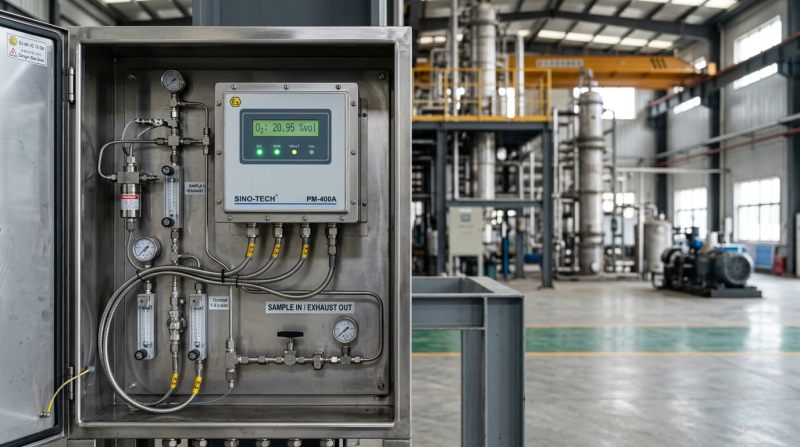
Paramagnetic measurement is most closely associated with oxygen analysis. Its operating principle takes advantage of oxygen’s strong magnetic susceptibility, allowing the analyzer to detect concentration changes quickly and with high selectivity. In practical instrumentation work, this matters because oxygen is one of the most monitored gases across combustion control, inerting systems, emissions checks, laboratory validation, and safety monitoring.
Newer technologies such as laser-based methods or thermal conductivity systems can be highly effective, but they are not universally superior. In many installations, the process gas is dusty, humid, corrosive, pressure-variable, or exposed to ambient temperature swings from -10°C to 45°C. Under those conditions, a well-designed paramagnetic analyzer with stable sampling and enclosure protection often provides more predictable long-term performance than a more sensitive method that demands tighter gas conditioning.
For users and operators, one major advantage is speed. Typical response expectations in industrial oxygen monitoring often target T90 values in the range of 5–15 seconds, depending on sample line design and conditioning. Fast response helps operators correct combustion imbalance, verify purge cycles, or confirm oxygen reduction before a safety threshold is exceeded. In process environments where decisions are made in seconds rather than minutes, this response profile remains valuable.
Another advantage is application maturity. Maintenance teams, EPC contractors, and quality departments are already familiar with installation practices, calibration workflows, and common fault modes. That lowers commissioning risk. In real projects, reducing startup uncertainty by even 1–2 days can be meaningful when a line shutdown costs thousands per hour.
Core strengths that still matter
- High selectivity for oxygen compared with broader-response methods that may require more compensation logic.
- Rapid response suitable for continuous process control, purge validation, and safety interlocks.
- Good stability in established industrial designs with proven service intervals of 6–12 months.
- Compatibility with portable systems, fixed systems, analyzer shelters, and hazardous-area packaging.
Where “newer” does not automatically mean “better”
A common purchasing mistake is to compare technologies only on laboratory sensitivity. Industrial reality is different. Analyzer uptime, sample conditioning tolerance, spare parts access, and technician familiarity often matter just as much as ppm-level capability. When the target range is, for example, 0–25% oxygen in combustion optimization or 0–5% oxygen in inerting verification, paramagnetic measurement may offer the most balanced solution across cost, response, and robustness.
This is especially true in broad instrumentation markets where one platform may need to support manufacturing, energy, environmental monitoring, and process automation with minimal redesign. Standardized paramagnetic systems can often be integrated faster than highly customized alternatives.
Industrial Scenarios Where Paramagnetic Analyzers Still Outperform
Paramagnetic measurement performs particularly well in applications that require dependable oxygen analysis under continuous or semi-continuous operating conditions. These include boiler combustion control, furnace atmosphere verification, nitrogen blanketing systems, industrial gas generation, waste treatment, laboratory process skids, and mobile inspection units. In many of these environments, the oxygen range is broad enough that ultra-specialized optical systems are unnecessary, while process stability is too important for slower or less selective methods.
In combustion optimization, for example, maintaining oxygen at a controlled excess level can reduce fuel waste and improve process repeatability. Plants often track oxygen within a narrow operating band such as 2–4% in flue gas, depending on burner type and load conditions. A paramagnetic analyzer’s fast update rate helps operators adjust air-to-fuel ratios without waiting for delayed readings.
In inerting or purge applications, the concern shifts from efficiency to safety. Many facilities need confirmation that oxygen concentration has dropped below a threshold such as 1%, 2%, or 5% before opening the next process step. Here, the analyzer must be reliable, easy to validate, and suitable for integration with alarms, PLCs, or DCS logic. That operational fit is one reason paramagnetic systems continue to be specified.
Portable gas monitoring is another area where paramagnetic technology remains relevant. Field teams often need a measurement method that starts quickly, holds calibration well over a work shift, and delivers readings without excessive warm-up or sample preparation. Where mobility, repeatability, and ruggedness all matter, portable paramagnetic oxygen analyzers still serve a practical role.
Application comparison by operating need
The table below highlights where paramagnetic measurement typically has an advantage over newer methods, not because alternatives lack capability, but because the field conditions favor a more stable and implementation-friendly solution.
The key takeaway is that performance depends on application fit. Where oxygen is the main variable, the range is industrial rather than ultra-trace, and uptime matters more than technology novelty, paramagnetic systems remain highly competitive.
Field conditions that favor paramagnetic technology
- Continuous duty cycles of 8,000 hours per year or more.
- Need for simple analog or digital output integration with existing plant controls.
- Sites requiring explosion proof gas analyzer packaging or protective analyzer enclosures.
- Projects with limited time for retraining or complex optical maintenance procedures.
Selection Criteria: How Buyers Should Compare Paramagnetic and Newer Methods
Technical evaluation should start with the process requirement, not the analyzer brochure. Procurement teams often compare methods based on headline claims, yet the better approach is to score each option across at least 5 dimensions: measurement range, response time, sample conditioning demand, maintenance burden, and installation environment. In many industrial gas monitoring projects, paramagnetic analysis stays ahead because it offers a stronger overall balance rather than the highest score in a single category.
For technical assessors, sample gas quality is a critical checkpoint. If the gas stream contains particulate matter, condensate, or pressure fluctuation, newer optical or thermal systems may need more extensive pretreatment. That can add filters, chillers, flow controls, and heated lines, increasing both CapEx and maintenance workload. By contrast, a properly engineered paramagnetic analyzer may operate with a simpler conditioning chain, especially when installed inside an analyzer enclosure with controlled temperature and clean sample routing.
For decision-makers, total cost of ownership matters more than purchase price alone. A system that costs 15–25% less initially can become more expensive if it requires more frequent specialist servicing, more downtime, or more operator intervention. If one analyzer design supports calibration every 6 months while another needs monthly attention, the labor difference across 3 years becomes significant.
Safety and compliance teams should also evaluate hazardous-area suitability. In oil and gas, chemical handling, power generation, and solvent storage, enclosure rating and installation method may determine whether the analyzer is practical at all. Paramagnetic measurement paired with explosion-proof packaging or purge-protected cabinets remains a strong choice where area classification is a major constraint.
A practical buyer comparison matrix
The matrix below provides a decision framework that project managers, distributors, and engineering teams can use during specification and bid review.
This comparison does not suggest paramagnetic analyzers are best in every case. It shows why they often remain the lowest-risk option for mainstream oxygen monitoring projects where uptime, safe deployment, and manageable maintenance carry more weight than technology novelty.
Four selection questions every team should ask
- What is the true oxygen range and required accuracy band: 0–1%, 0–5%, 0–25%, or full-range process monitoring?
- Will the system run continuously, intermittently, or as a portable field unit?
- How much sample conditioning is realistic within the project budget and maintenance resources?
- Does the installation require an analyzer enclosure, heated cabinet, or explosion proof gas analyzer arrangement?
Implementation Factors: Enclosures, Custom Design, and Hazardous-Area Readiness
Even the best measurement principle can underperform if system integration is poor. In instrumentation projects, real analyzer performance depends not only on the sensor method, but also on enclosure design, sample path length, pressure control, filtration, drainage, and ambient protection. This is why paramagnetic measurement often shows its full advantage only when paired with the right mechanical and electrical architecture.
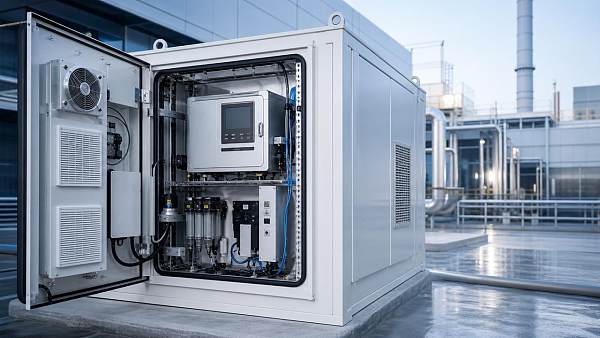
Analyzer enclosures are especially important in outdoor or unstable plant environments. When ambient temperatures swing more than 20°C across a shift, or when dust and moisture are persistent, enclosure control helps preserve reading stability and reduce maintenance frequency. For many industrial users, a weather-protected or temperature-managed enclosure can extend service intervals from a few weeks of reactive cleaning to planned checks every 3–6 months.
Custom measurement design also matters. A standard analyzer may be technically capable, but the wrong sample extraction point, tubing diameter, or flow configuration can slow response and distort readings. In practice, optimizing a sample line from 10 meters down to 3–5 meters, or reducing unnecessary dead volume, may improve practical response faster than switching to a newer sensing method.
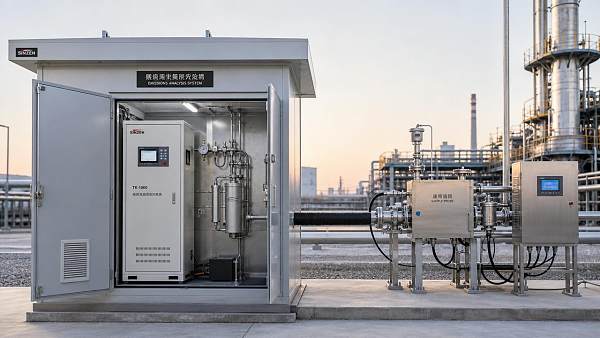
Hazardous-area readiness is another key differentiator. In classified environments, companies may need explosion-proof housings, purge systems, flameproof barriers, or remote analyzer shelters. Paramagnetic analyzer systems can be configured within these architectures in a mature and well-understood way, which simplifies engineering review and site acceptance.
Configuration priorities by site condition
The following table shows how system packaging decisions affect analyzer performance and project suitability in different industrial settings.
The main conclusion is clear: system design can decide whether a proven paramagnetic analyzer performs at its full value. For project managers and EPC teams, packaging and sample engineering should be specified at the same level of detail as the measurement principle itself.
A 5-step implementation workflow
- Define gas composition, oxygen range, pressure, humidity, and hazard classification.
- Select analyzer type and confirm whether fixed, portable, or shelter-mounted installation is needed.
- Design sample extraction, conditioning, and transport for a target response time.
- Choose enclosure or protection strategy based on ambient and safety requirements.
- Validate commissioning, calibration procedure, and maintenance interval before handover.
Common Misjudgments, Maintenance Realities, and Long-Term Value
One of the most common mistakes in analyzer selection is assuming that newer technology automatically lowers maintenance. In reality, maintenance is shaped by the total system: sample quality, operator skill, environmental protection, spare parts logistics, and calibration access. A paramagnetic analyzer with clean sample conditioning and a well-built enclosure may need less unplanned attention than a more advanced method exposed to unstable field conditions.
Another misconception is that paramagnetic measurement lacks precision for modern plants. That depends on the task. For many industrial oxygen applications, decision quality does not depend on trace-level sensitivity. It depends on repeatability, fast recovery, and dependable thresholds. If the operating target is around 3% oxygen in flue gas or below 2% during inerting, a stable and properly maintained paramagnetic analyzer can be exactly the right tool.
Maintenance planning should be practical and role-based. Operators need clear daily checks, quality teams need calibration traceability, and managers need predictable service windows. A realistic service plan might include weekly visual inspection, monthly filter review, and calibration verification every 3 or 6 months depending on process criticality. This structure supports uptime without creating unnecessary intervention.
From a lifecycle perspective, value is created by avoiding hidden losses: delayed process adjustments, nuisance alarms, unsafe purge assumptions, repeated troubleshooting, and long shutdowns for analyzer faults. When those risks are included in the business case, paramagnetic measurement often remains the smarter choice in mainstream oxygen monitoring applications.
FAQ for evaluators and buyers
How do I know if paramagnetic measurement is suitable for my plant?
Start with three checks: target gas is oxygen-focused, measurement range is industrial rather than ultra-trace, and the site requires dependable operation over long duty cycles. If your process range is commonly between 0–25% or 0–100% oxygen, and you value fast continuous response, paramagnetic analysis is often a strong candidate.
When should a newer method be preferred instead?
If the application demands very low-level trace analysis, highly specific multi-gas discrimination, or a unique process chemistry beyond standard oxygen monitoring, another method may be better. The key is to compare process demands honestly rather than selecting by trend alone.
What should procurement teams review before buying?
Review at least 6 items: measurement range, response time, calibration frequency, spare parts accessibility, sample conditioning scope, and hazardous-area packaging. Also confirm whether the supplier can support custom measurement design and analyzer enclosure integration when the site requires it.
What delivery and commissioning timeline is typical?
For standard industrial configurations, lead times often fall in the 2–6 week range, while more customized systems with enclosure engineering or hazardous-area requirements may take longer. Commissioning itself can be completed in 1–3 days if utilities, sample lines, and control interfaces are ready in advance.
Paramagnetic measurement continues to outperform newer methods wherever oxygen analysis must be fast, stable, and practical in real industrial conditions. Its strength is not just the sensing principle, but the way it integrates with established workflows, portable and fixed analyzer systems, enclosure protection, and hazardous-area deployment.
For instrumentation users, technical evaluators, and decision-makers, the most effective choice is the one that aligns measurement performance with site reality, maintenance capability, safety requirements, and total lifecycle value. If you are assessing oxygen monitoring for manufacturing, energy, environmental, laboratory, or automation applications, now is the right time to compare configurations, clarify operating needs, and define the best-fit analyzer architecture.
Contact us to discuss your application, request a custom measurement design, review analyzer enclosure options, or explore an explosion proof gas analyzer solution built for your operating environment.
Recommended for You
 SAMR to Finalize 1,800+ Standards by 2026, Including EV Battery RecyclingSAMR to finalize 1,800+ standards by 2026—including EV battery recycling, hazardous chemical packaging & EMC immunity. Stay ahead of mandatory GB shifts and global export compliance.
 China's Largest Single-Line Large-Tow Carbon Fiber Line Starts OperationChina's largest single-line large-tow carbon fiber line is live—30,000 tons/year capacity, ASME-certified, 22% cheaper & 6-week lead time. Boost your industrial instrumentation supply chain now.
 China Mobile Unveils National Integrated Computing Power NetworkChina Mobile's National Integrated Computing Power Network accelerates AI quality inspection for global manufacturers—cutting model training time by 68% and enabling cross-border industrial AI development.
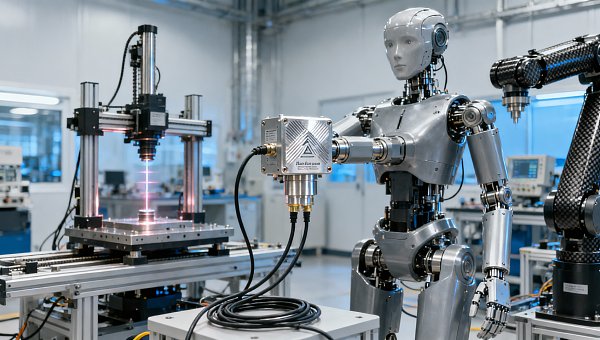
 World's First Humanoid Robot Industrial Calibration White Paper ReleasedWorld's First Humanoid Robot Industrial Calibration White Paper released—setting new global benchmarks for dynamic sensor calibration in robotics. Discover how ABB, Yaskawa & metrology leaders are reshaping industry trust.
 Red Sea Crisis Escalates: Aden Gulf Ban Extended to June 15Red Sea Crisis escalates: Aden Gulf ban extended to June 15 — disrupting industrial instrumentation trade between China and the Middle East with 452% air freight spikes and 7–12 day delays.
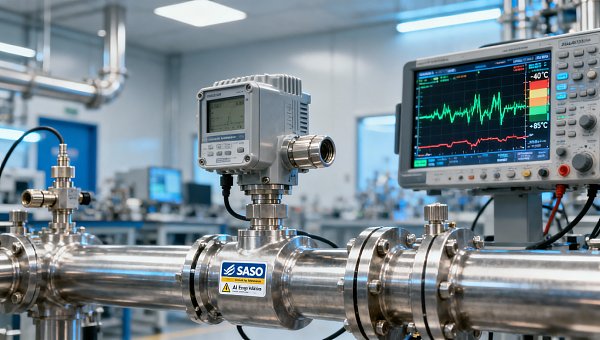
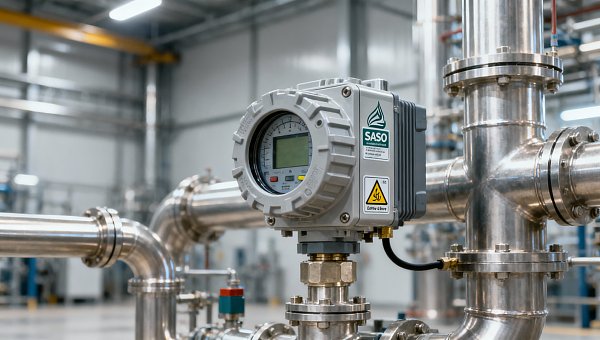
 Saudi SASO Introduces AI-Based Energy Validation for Industrial TransmittersAI-based energy validation for industrial transmitters is now mandatory in Saudi Arabia—learn how SASO’s new AI regulation impacts global exporters, compliance timelines, and supply chains.
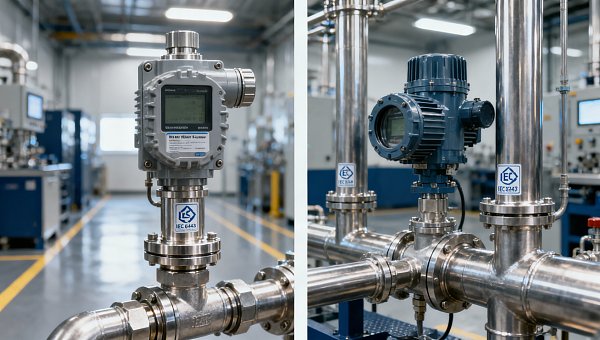
 IEC TC65 Releases Cybersecurity Validation Guide for Industrial InstrumentsIEC TC65’s new Cybersecurity Validation Guide for Industrial Instruments mandates SDL certification & firmware signing—key for EU/US market access. Act now to align with GB/T 42278-2026 and avoid export delays.
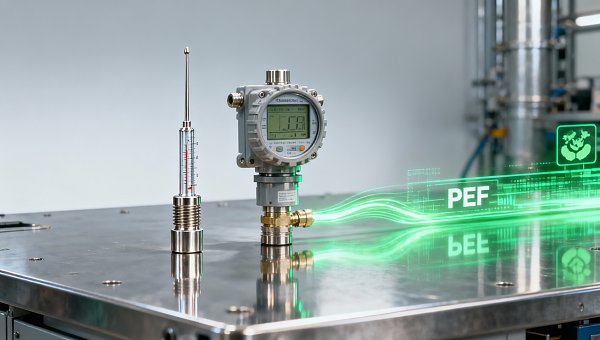
 EU PEF Carbon Footprint Database Mandatory Access for Industrial InstrumentsEU PEF Carbon Footprint Database mandatory access starts June 2026 for industrial instruments—pressure, temperature & flow meters. Ensure compliance now to avoid EU customs delays and market exclusion.
 Gas Quality Analyzer Shelter Price Trends and Specification Gaps to WatchGas quality analyzer shelter price trends vary with materials, HVAC, safety, integration, and compliance. See key specification gaps before shortlisting suppliers or approving budget.
 Process Measurement Equipment: Key Accuracy Risks in Harsh EnvironmentsProcess measurement equipment in harsh environments can drift before failing. Discover key accuracy risks, warning signs, and practical controls to protect quality, safety, and compliance.
 Industrial Analyzer Shelter Export Factors Affecting Lead Times This YearIndustrial analyzer shelter export lead times vary with sourcing, engineering, compliance, packing, and logistics. Learn the key factors to quote smarter and deliver with confidence.
 What to Check Before Buying a Process Analyzer ShelterProcess analyzer shelter buying guide: learn what to check before purchase, from compliance and HVAC to utilities, durability, and maintenance access.
 Process Monitoring Equipment Trends Shaping Plant Upgrades in 2026Process monitoring equipment trends for 2026 reveal how smarter plant upgrades can cut downtime, improve compliance, boost efficiency, and deliver faster ROI.
 Flue Gas Analyzer Shelter Maintenance Issues That Shorten Service LifeFlue gas analyzer shelter maintenance issues can quietly shorten equipment life. Learn the key risks, warning signs, and practical checks to reduce downtime and protect accuracy.
 Emission Analyzer Shelter vs Outdoor Mounting: Which Reduces DowntimeEmission analyzer shelter vs outdoor mounting: discover which setup cuts downtime, improves analyzer reliability, and lowers lifecycle risk in harsh or compliance-critical environments.
 Common Gas Quality Equipment Selection Mistakes in Industrial ProjectsGas quality equipment selection mistakes can delay industrial projects and raise compliance risks. Learn how to choose the right solution for accuracy, safety, integration, and faster commissioning.
 Gas Quality System Costs: What Shapes Total Project Spending in 2026Gas quality system costs in 2026 depend on more than analyzer price. Discover the key budget drivers, hidden expenses, and smart planning steps to control total project spending.
 How to Choose Emission Measurement Equipment for Reliable Compliance DataEmission measurement equipment selection affects compliance accuracy, uptime, and audit readiness. Learn how to compare systems, reduce risk, and choose a solution built for reliable data.
 First Global White Paper on Dynamic Calibration for Humanoid Robot Sensors ReleasedFirst global white paper on dynamic calibration for humanoid robot sensors—key for pressure & 6-axis force/torque accuracy in smart manufacturing and collaborative robotics.
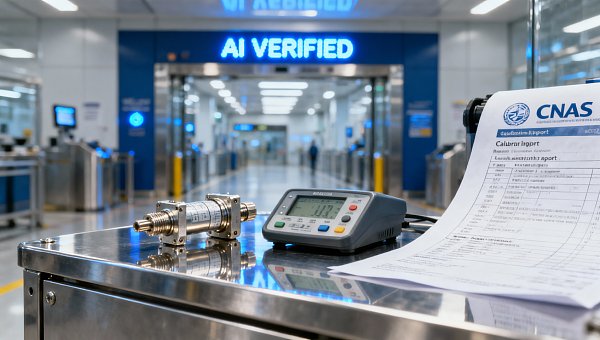
 FDA Updates IVD Import Guidelines: CNAS/NIST Calibration Chain RequiredFDA mandates CNAS/NIST calibration chain for IVD pressure & temperature sensors—key for Chinese exporters. Act now to meet July 2026 deadline.
 EU PEF Carbon Database Mandatory Access for Chinese Industrial InstrumentsEU PEF Carbon Database mandatory for Chinese industrial instruments—meet June 15, 2026 deadline to keep CE marking & win EU tenders.
 IEC TC65 Releases Cybersecurity Validation Guide for Industrial InstrumentsIEC TC65 releases cybersecurity validation guide for industrial instruments—key for firmware signing, OT encryption & remote audit compliance. Act now.
 SASO Introduces AI-Based Energy Efficiency Verification for Industrial TransmittersSASO AI energy efficiency verification now mandatory for industrial transmitters in Saudi Arabia—ensure compliance before June 1, 2026 to avoid customs delays.
 ASEAN Green Customs Corridor Fully LaunchedASEAN Green Customs Corridor now live: AI-verified CNAS calibration reports slash ASEAN-China customs clearance to under 4 hours — boost precision equipment trade today.
 Process Control Equipment Price Trends Under Energy Cost PressureProcess control equipment price trends are shifting under energy cost pressure. Discover key cost drivers, total ownership factors, and smart sourcing tips to reduce risk and improve ROI.
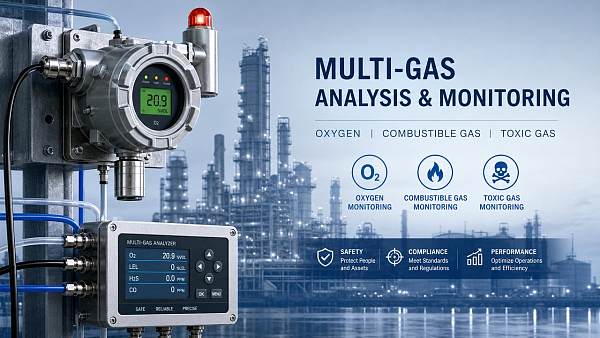
 Multi Gas Analysis in Safety-Critical Areas: What to Check FirstMulti gas analysis starts with risk, not just instruments. Learn what to check first in safety-critical areas to improve compliance, reduce downtime, and protect people and assets.
 Industrial Analyzer Equipment: Common Failures and Maintenance TipsIndustrial analyzer equipment failures can disrupt uptime, compliance, and data accuracy. Discover common faults and practical maintenance tips to improve reliability fast.
 Industrial Measurement System Import Trends and Supply RisksIndustrial measurement system import trends and supply risks explained: learn how distributors can protect margins, reduce delays, and build stronger sourcing resilience.
 Emission Control Equipment Rules Reshaping Industrial DemandEmission control equipment is reshaping industrial investment as stricter rules drive demand for smarter monitoring, lower risk, and compliance-ready systems. Explore what buyers must evaluate now.
 Emission Measurement System Costs in 2026: What Shapes PricingEmission measurement system costs in 2026 depend on accuracy, compliance, installation, integration, and service. Learn what shapes pricing and plan a smarter investment.
 Process Measurement System Upgrades: When Do They Pay Off?Process measurement system upgrades pay off when they cut downtime, improve accuracy, and support compliance. Learn the key signals, ROI factors, and smart upgrade strategies.
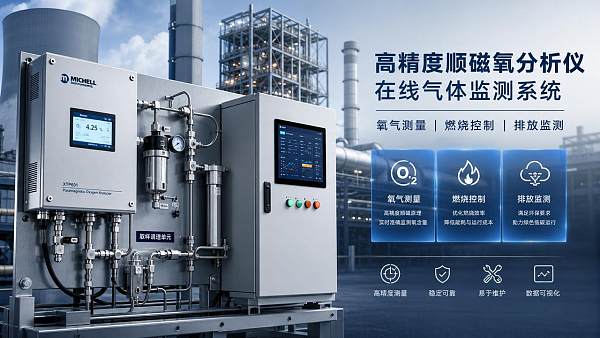
 Paramagnetic Gas Measurement: Where It Performs Best in IndustryParamagnetic gas measurement delivers fast, stable oxygen analysis for combustion, emissions, and process control. Discover where it performs best and how it improves efficiency, compliance, and reliability.




Search Categories
Search Categories
Latest Article
- SAMR to Finalize 1,800+ Standards by 2026, Including EV Battery RecyclingSAMR to finalize 1,800+ standards by 2026—including EV battery recycling, hazardous chemical packaging & EMC immunity. Stay ahead of mandatory GB shifts and global export compliance.Posted by:
- China's Largest Single-Line Large-Tow Carbon Fiber Line Starts OperationChina's largest single-line large-tow carbon fiber line is live—30,000 tons/year capacity, ASME-certified, 22% cheaper & 6-week lead time. Boost your industrial instrumentation supply chain now.Posted by:
- China Mobile Unveils National Integrated Computing Power NetworkChina Mobile's National Integrated Computing Power Network accelerates AI quality inspection for global manufacturers—cutting model training time by 68% and enabling cross-border industrial AI development.Posted by:
Please give us a message
