
Custom Measurement or Standard Setup Which Pays Off Faster?


When buyers compare custom measurement with a standard setup, the fastest payoff usually does not come from the lowest purchase price. In most routine applications, a standard setup delivers faster ROI because it installs faster, costs less upfront, and is easier to maintain. But when process conditions are complex, compliance risk is high, or poor-fit data can lead to downtime, safety issues, or quality losses, custom measurement often pays off faster in real operating terms. The right choice depends on how closely the instrument matches the application, how costly measurement error is, and how much flexibility the project really needs.
For operators, engineers, quality teams, and business decision-makers, the real question is not simply “custom or standard?” It is: which option reduces total cost, controls risk, and delivers usable results sooner? In instrumentation projects involving portable monitoring, continuous monitoring, industrial gas monitoring, analyzer enclosure design, fixed analyzer systems, and technologies such as paramagnetic measurement, laser analysis, thermal analysis, or explosion proof gas analyzer solutions, the answer can differ significantly by site and use case.
What Buyers Really Want to Know Before Choosing
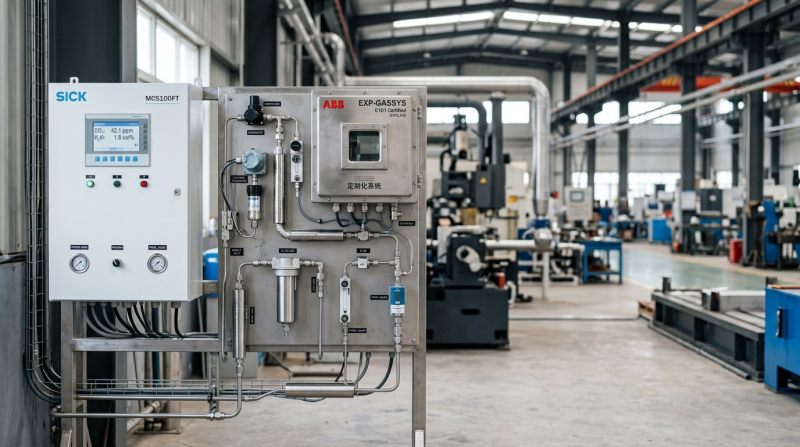
The core search intent behind this topic is practical decision-making. Readers are usually trying to compare two investment paths and identify which one will produce faster business value. They want a clear answer on payback speed, but they also want to avoid making a choice that looks cheaper at first and becomes expensive later.
Across the target audience, the main concerns are consistent:
- Upfront cost vs. total lifecycle cost
- How quickly the system can be installed and put into operation
- Whether the measurement accuracy truly fits the application
- Maintenance complexity, spare parts, and service availability
- Safety, compliance, and operational risk
- Scalability for future process changes
- Downtime risk if the setup is not well matched
This means the article should focus less on abstract definitions and more on how to judge fit, payoff, and risk in real operating environments.
In Most Normal Applications, Standard Setup Pays Off Faster
For many industrial and commercial measurement tasks, a standard setup produces the faster return. This is especially true when the application is stable, the process conditions are common, and the measurement requirements match proven product specifications.
A standard setup often wins on speed because it offers:
- Lower initial procurement cost
- Shorter lead times
- Faster installation and commissioning
- Simpler operator training
- More predictable maintenance
- Easier access to spare parts and distributor support
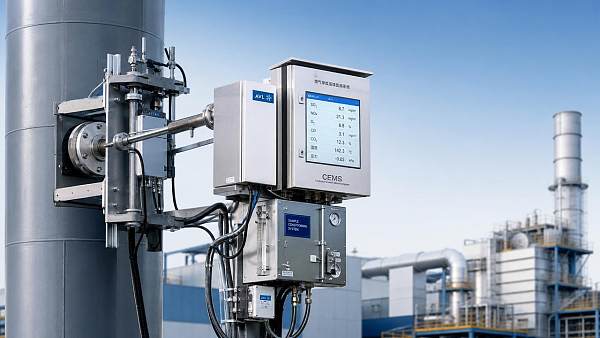
For example, if a plant needs fixed analyzer performance for a well-understood gas monitoring duty, and standard analyzer specifications already meet range, response time, environmental rating, and compliance requirements, customization may only delay deployment without adding enough measurable value.
Standard systems are often the best fit for:
- Routine pressure, temperature, flow, and level measurement
- Widely used industrial gas monitoring tasks
- Projects with tight commissioning schedules
- Sites with limited technical staffing
- Multi-site rollouts where consistency matters more than tailored optimization
If the cost of “good enough” measurement is low, standard usually pays back faster.
Custom Measurement Pays Off Faster When Measurement Mistakes Are Expensive
Custom measurement becomes the better financial choice when the application is not standard, or when incorrect, unstable, or incomplete data can create large downstream losses. In these cases, better fit can outperform lower purchase cost.
This is common in environments where:
- Process conditions vary widely or are harsh
- Gas composition is complex or changes frequently
- Sampling systems require special treatment
- Space, enclosure, or hazardous-area requirements are unusual
- Regulatory compliance demands a specific measurement approach
- Product quality depends on highly reliable real-time data
Consider a continuous monitoring application in which standard instrumentation gives acceptable readings in the lab but drifts under real field conditions. If that drift causes off-spec production, failed audits, unnecessary shutdowns, or safety incidents, the “cheaper” option quickly becomes the more expensive one.
Custom solutions often pay back faster in cases involving:
- Analyzer enclosure design for extreme temperatures, dust, washdown, or corrosive environments
- Explosion proof gas analyzer configurations for hazardous zones
- Laser analysis where fast response and selective measurement are critical
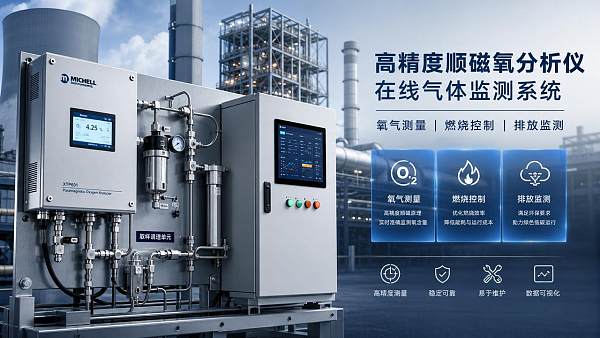
- Paramagnetic measurement when oxygen analysis accuracy and stability are essential
- Thermal analysis in process streams requiring tailored integration
- Portable monitoring applications with special portability, battery, data logging, or environmental requirements
In short: when poor fit can trigger major operating cost or compliance exposure, custom measurement often reaches payoff sooner than buyers expect.
How to Compare Payoff: Use Total Value, Not Purchase Price
A practical ROI comparison should include more than the equipment quote. Decision-makers should evaluate both direct and indirect cost factors.
Key cost elements to compare include:
- Equipment purchase price
- Engineering and integration cost
- Installation and commissioning time
- Calibration and maintenance workload
- Downtime risk
- Operator error risk
- Expected service life
- Compliance and certification cost
- Cost of bad data or delayed data
- Upgrade flexibility for future needs
A simple decision rule can help:
- Choose standard if the application is common, specifications are already met, and delayed optimization has little business impact.
- Choose custom if measurement quality directly affects safety, product quality, energy efficiency, reporting accuracy, or process continuity.
For enterprise buyers, the fastest payoff is often the option that reduces hidden operating losses, not the one with the lowest invoice value.
Questions Operators, Engineers, and Managers Should Ask Before Deciding
To make the right choice, teams should ask structured questions early in the project.
For operators and maintenance teams:
- Will the setup be easy to use in real conditions?
- How often will calibration be required?
- Can our team maintain it without specialized external support?
- Will the system hold performance under actual field temperature, dust, vibration, or humidity?
For technical evaluators and project engineers:
- Does the standard design fully match the process media and sampling conditions?
- Are response time, range, and detection limits sufficient?
- Do we need custom analyzer enclosure design or hazardous-area protection?
- Would a tailored sensing technology such as laser analysis or paramagnetic measurement improve reliability?
For business leaders and project owners:
- What is the financial impact of incorrect or delayed measurement?
- How much production or compliance risk are we carrying with a generic setup?
- Will this project need future expansion or process changes?
- Which option reaches stable operation faster, not just delivery faster?
These questions often reveal whether customization is a true investment or an unnecessary complication.
Typical Scenarios: When Standard Wins and When Custom Wins
Standard setup usually wins faster when:
- The process is conventional and stable
- Measurement ranges are typical
- Fast deployment is more important than fine optimization
- Budget is tight and the risk of moderate measurement limitations is low
- Distribution, support, and replacement speed are high priorities
Custom measurement usually wins faster when:
- The measurement point is critical to safety or compliance
- The environment is harsh or space-constrained
- Standard products require too many workarounds
- Online monitoring accuracy affects production yield or energy performance
- Special enclosure, integration, or protection requirements exist
- One measurement failure could lead to a shutdown, incident, or quality rejection
In instrumentation, “faster payoff” is often about how quickly the chosen solution becomes dependable in the real process—not just how soon it arrives.
Final Decision: Match the Setup to the Cost of Getting Measurement Wrong
If your application is routine, your process is stable, and a proven off-the-shelf instrument already meets technical requirements, a standard setup will usually pay off faster. It minimizes capital expense, reduces deployment time, and simplifies ownership.
If your process is demanding, regulated, safety-sensitive, or vulnerable to the cost of poor data, custom measurement can deliver faster true ROI by improving reliability, reducing risk, and preventing expensive downstream problems. This is especially relevant for continuous monitoring, industrial gas monitoring, fixed analyzer systems, portable monitoring, and specialized solutions involving analyzer enclosure design, explosion proof gas analyzer requirements, paramagnetic measurement, laser analysis, or thermal analysis.
The best decision is not based on whether custom sounds advanced or standard sounds economical. It is based on one practical test: which option creates accurate, maintainable, low-risk measurement at the lowest total business cost? That is the setup that pays off fastest.
Recommended for You
 SAMR to Finalize 1,800+ Standards by 2026, Including EV Battery RecyclingSAMR to finalize 1,800+ standards by 2026—including EV battery recycling, hazardous chemical packaging & EMC immunity. Stay ahead of mandatory GB shifts and global export compliance.
 China's Largest Single-Line Large-Tow Carbon Fiber Line Starts OperationChina's largest single-line large-tow carbon fiber line is live—30,000 tons/year capacity, ASME-certified, 22% cheaper & 6-week lead time. Boost your industrial instrumentation supply chain now.
 China Mobile Unveils National Integrated Computing Power NetworkChina Mobile's National Integrated Computing Power Network accelerates AI quality inspection for global manufacturers—cutting model training time by 68% and enabling cross-border industrial AI development.
 World's First Humanoid Robot Industrial Calibration White Paper ReleasedWorld's First Humanoid Robot Industrial Calibration White Paper released—setting new global benchmarks for dynamic sensor calibration in robotics. Discover how ABB, Yaskawa & metrology leaders are reshaping industry trust.
 Red Sea Crisis Escalates: Aden Gulf Ban Extended to June 15Red Sea Crisis escalates: Aden Gulf ban extended to June 15 — disrupting industrial instrumentation trade between China and the Middle East with 452% air freight spikes and 7–12 day delays.
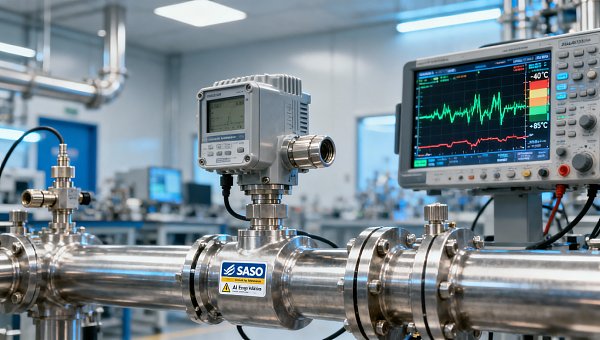
 Saudi SASO Introduces AI-Based Energy Validation for Industrial TransmittersAI-based energy validation for industrial transmitters is now mandatory in Saudi Arabia—learn how SASO’s new AI regulation impacts global exporters, compliance timelines, and supply chains.
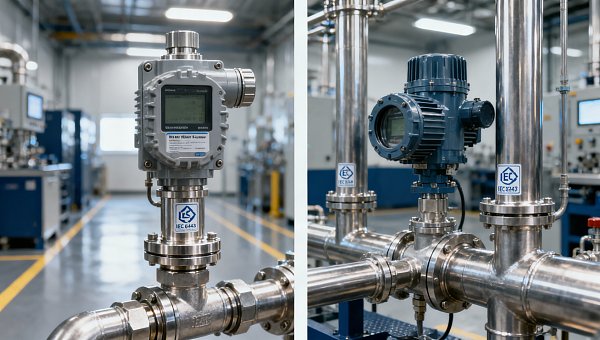
 IEC TC65 Releases Cybersecurity Validation Guide for Industrial InstrumentsIEC TC65’s new Cybersecurity Validation Guide for Industrial Instruments mandates SDL certification & firmware signing—key for EU/US market access. Act now to align with GB/T 42278-2026 and avoid export delays.
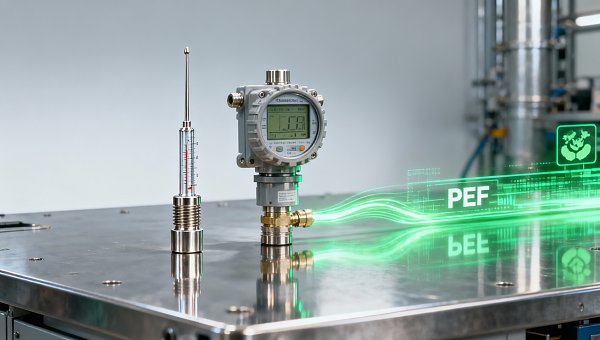
 EU PEF Carbon Footprint Database Mandatory Access for Industrial InstrumentsEU PEF Carbon Footprint Database mandatory access starts June 2026 for industrial instruments—pressure, temperature & flow meters. Ensure compliance now to avoid EU customs delays and market exclusion.
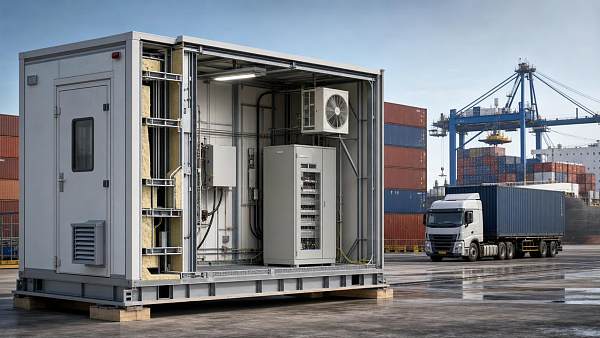
 Gas Quality Analyzer Shelter Price Trends and Specification Gaps to WatchGas quality analyzer shelter price trends vary with materials, HVAC, safety, integration, and compliance. See key specification gaps before shortlisting suppliers or approving budget.
 Process Measurement Equipment: Key Accuracy Risks in Harsh EnvironmentsProcess measurement equipment in harsh environments can drift before failing. Discover key accuracy risks, warning signs, and practical controls to protect quality, safety, and compliance.
 Industrial Analyzer Shelter Export Factors Affecting Lead Times This YearIndustrial analyzer shelter export lead times vary with sourcing, engineering, compliance, packing, and logistics. Learn the key factors to quote smarter and deliver with confidence.
 What to Check Before Buying a Process Analyzer ShelterProcess analyzer shelter buying guide: learn what to check before purchase, from compliance and HVAC to utilities, durability, and maintenance access.
 Process Monitoring Equipment Trends Shaping Plant Upgrades in 2026Process monitoring equipment trends for 2026 reveal how smarter plant upgrades can cut downtime, improve compliance, boost efficiency, and deliver faster ROI.
 Flue Gas Analyzer Shelter Maintenance Issues That Shorten Service LifeFlue gas analyzer shelter maintenance issues can quietly shorten equipment life. Learn the key risks, warning signs, and practical checks to reduce downtime and protect accuracy.
 Emission Analyzer Shelter vs Outdoor Mounting: Which Reduces DowntimeEmission analyzer shelter vs outdoor mounting: discover which setup cuts downtime, improves analyzer reliability, and lowers lifecycle risk in harsh or compliance-critical environments.
 Common Gas Quality Equipment Selection Mistakes in Industrial ProjectsGas quality equipment selection mistakes can delay industrial projects and raise compliance risks. Learn how to choose the right solution for accuracy, safety, integration, and faster commissioning.
 Gas Quality System Costs: What Shapes Total Project Spending in 2026Gas quality system costs in 2026 depend on more than analyzer price. Discover the key budget drivers, hidden expenses, and smart planning steps to control total project spending.
 How to Choose Emission Measurement Equipment for Reliable Compliance DataEmission measurement equipment selection affects compliance accuracy, uptime, and audit readiness. Learn how to compare systems, reduce risk, and choose a solution built for reliable data.
 First Global White Paper on Dynamic Calibration for Humanoid Robot Sensors ReleasedFirst global white paper on dynamic calibration for humanoid robot sensors—key for pressure & 6-axis force/torque accuracy in smart manufacturing and collaborative robotics.
 FDA Updates IVD Import Guidelines: CNAS/NIST Calibration Chain RequiredFDA mandates CNAS/NIST calibration chain for IVD pressure & temperature sensors—key for Chinese exporters. Act now to meet July 2026 deadline.
 EU PEF Carbon Database Mandatory Access for Chinese Industrial InstrumentsEU PEF Carbon Database mandatory for Chinese industrial instruments—meet June 15, 2026 deadline to keep CE marking & win EU tenders.
 IEC TC65 Releases Cybersecurity Validation Guide for Industrial InstrumentsIEC TC65 releases cybersecurity validation guide for industrial instruments—key for firmware signing, OT encryption & remote audit compliance. Act now.
 SASO Introduces AI-Based Energy Efficiency Verification for Industrial TransmittersSASO AI energy efficiency verification now mandatory for industrial transmitters in Saudi Arabia—ensure compliance before June 1, 2026 to avoid customs delays.
 ASEAN Green Customs Corridor Fully LaunchedASEAN Green Customs Corridor now live: AI-verified CNAS calibration reports slash ASEAN-China customs clearance to under 4 hours — boost precision equipment trade today.
 Process Control Equipment Price Trends Under Energy Cost PressureProcess control equipment price trends are shifting under energy cost pressure. Discover key cost drivers, total ownership factors, and smart sourcing tips to reduce risk and improve ROI.
 Multi Gas Analysis in Safety-Critical Areas: What to Check FirstMulti gas analysis starts with risk, not just instruments. Learn what to check first in safety-critical areas to improve compliance, reduce downtime, and protect people and assets.
 Industrial Analyzer Equipment: Common Failures and Maintenance TipsIndustrial analyzer equipment failures can disrupt uptime, compliance, and data accuracy. Discover common faults and practical maintenance tips to improve reliability fast.
 Industrial Measurement System Import Trends and Supply RisksIndustrial measurement system import trends and supply risks explained: learn how distributors can protect margins, reduce delays, and build stronger sourcing resilience.
 Emission Control Equipment Rules Reshaping Industrial DemandEmission control equipment is reshaping industrial investment as stricter rules drive demand for smarter monitoring, lower risk, and compliance-ready systems. Explore what buyers must evaluate now.
 Emission Measurement System Costs in 2026: What Shapes PricingEmission measurement system costs in 2026 depend on accuracy, compliance, installation, integration, and service. Learn what shapes pricing and plan a smarter investment.
 Process Measurement System Upgrades: When Do They Pay Off?Process measurement system upgrades pay off when they cut downtime, improve accuracy, and support compliance. Learn the key signals, ROI factors, and smart upgrade strategies.
 Paramagnetic Gas Measurement: Where It Performs Best in IndustryParamagnetic gas measurement delivers fast, stable oxygen analysis for combustion, emissions, and process control. Discover where it performs best and how it improves efficiency, compliance, and reliability.












Search Categories
Search Categories
Latest Article
- SAMR to Finalize 1,800+ Standards by 2026, Including EV Battery RecyclingSAMR to finalize 1,800+ standards by 2026—including EV battery recycling, hazardous chemical packaging & EMC immunity. Stay ahead of mandatory GB shifts and global export compliance.Posted by:
- China's Largest Single-Line Large-Tow Carbon Fiber Line Starts OperationChina's largest single-line large-tow carbon fiber line is live—30,000 tons/year capacity, ASME-certified, 22% cheaper & 6-week lead time. Boost your industrial instrumentation supply chain now.Posted by:
- China Mobile Unveils National Integrated Computing Power NetworkChina Mobile's National Integrated Computing Power Network accelerates AI quality inspection for global manufacturers—cutting model training time by 68% and enabling cross-border industrial AI development.Posted by:
Please give us a message
