
Thermal Analysis Problems That Start Before Testing Even Begins


Many thermal analysis failures are blamed on the instrument, but in practice, a large share of them begin much earlier: in sampling design, enclosure selection, installation decisions, operating conditions, and maintenance planning. If your team works with industrial gas monitoring, paramagnetic measurement, laser analysis, portable monitoring, continuous monitoring, or a fixed analyzer system, the most important takeaway is simple: data quality and safety are largely determined before testing starts. For operators, engineers, quality teams, and decision-makers, preventing upstream errors is often faster and cheaper than troubleshooting unstable results later.
Why do thermal analysis problems often start before the sample reaches the instrument?
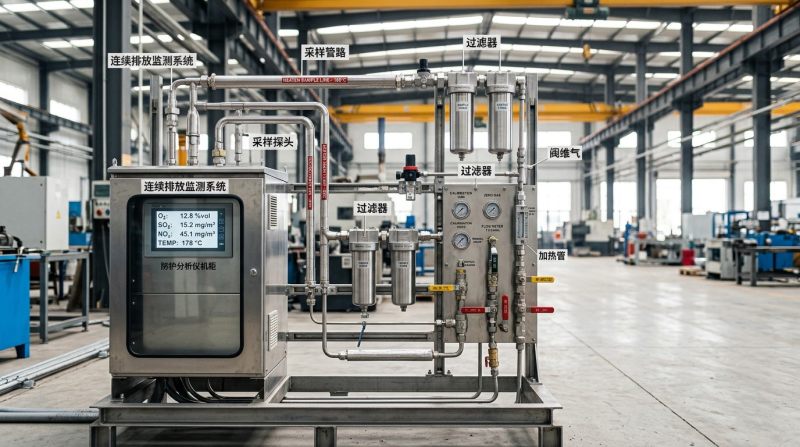
The core search intent behind this topic is practical diagnosis and prevention. Readers are not just asking what thermal analysis is; they want to know why results become unreliable even when the analyzer appears to be working, and what should be checked before formal testing begins.
In real applications, the instrument is only one part of the measurement chain. Early-stage decisions affect whether the analyzer ever receives a representative, stable, and safe sample. Problems often begin in areas such as:
- Custom measurement setup: poor layout, dead volume, long sample paths, wrong material selection, or unstable flow conditions
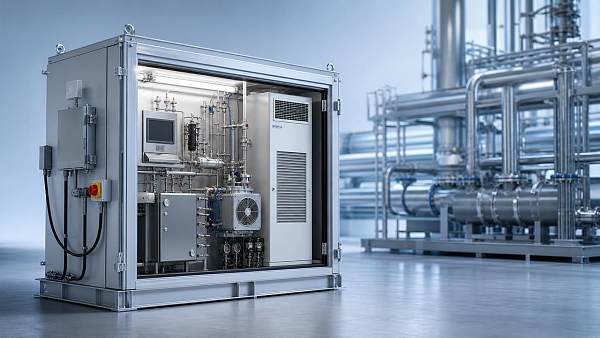
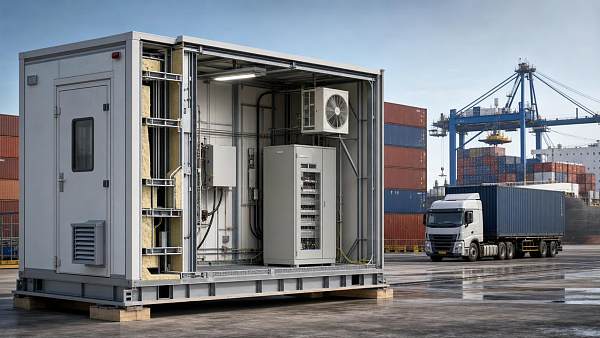
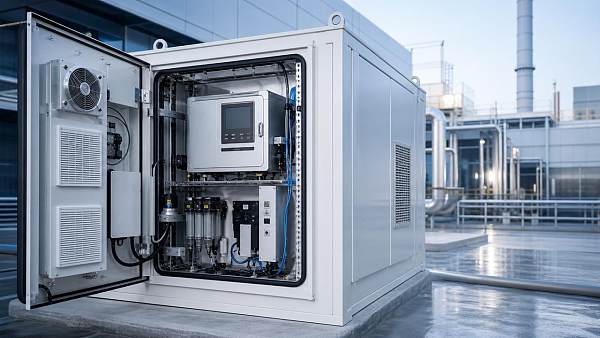
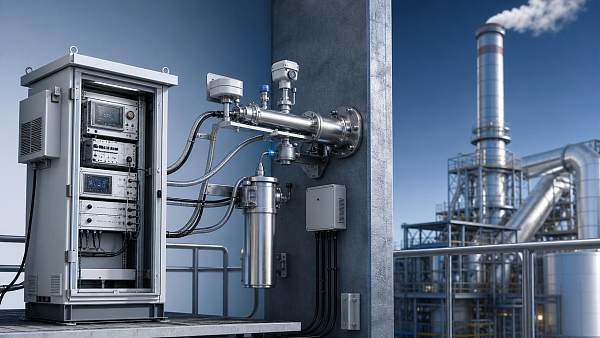
- Analyzer enclosure design: inadequate thermal control, contamination risk, vibration exposure, or insufficient protection for harsh environments
- Portable monitoring: inconsistent operating conditions, limited stabilization time, battery-related variation, and user handling differences
- Continuous monitoring: drift caused by process fluctuations, insufficient maintenance access, or poor integration with the plant environment
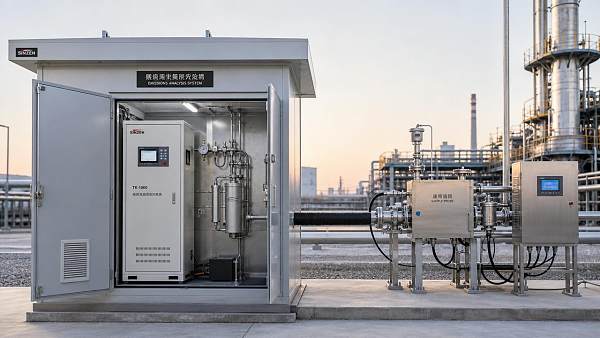
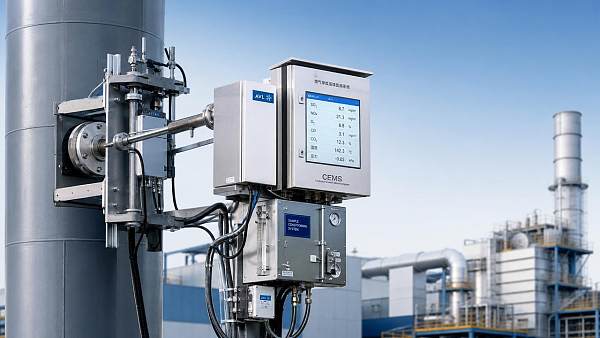
- Fixed analyzer deployment: wrong installation point, delayed response due to distance, or environmental exposure that changes measurement behavior
For industrial users, this means a bad reading is not always a sensor problem. It may be a system problem created upstream by design, configuration, or operating assumptions.
What issues matter most to operators, engineers, and business decision-makers?
Different readers care about different consequences, but their concerns are closely linked.
- Operators and users want stable readings, simple workflows, and fewer unexplained alarms or retests.
- Technical evaluators want to know whether the analyzer setup matches the process conditions and target measurement range.
- Quality and safety managers focus on traceability, repeatability, compliance risk, and hazardous-area suitability.
- Project managers and engineering leaders care about commissioning delays, integration complexity, and lifecycle reliability.
- Business decision-makers want to reduce hidden costs: downtime, wasted calibration gas, failed acceptance tests, field service visits, and poor operational decisions based on weak data.
- Distributors and agents need a clear way to match applications with the right analyzer form factor, enclosure, and deployment model.
What these groups have in common is the need for confidence. They want to know that the data can be trusted, the system is safe, and the installation will remain practical over time rather than only during initial demonstration.
Which early decisions have the biggest impact on thermal analysis quality?
If readers are trying to solve real measurement problems, the most valuable content is not abstract theory but a framework for identifying where errors are introduced. The following decisions usually have the greatest effect.
1. Sampling point selection
A technically advanced analyzer cannot correct for a non-representative sample. If the sample point is located where temperature, pressure, concentration, or flow are unstable, the reading may be misleading from the start. This is especially important in industrial gas monitoring, where process dynamics can vary significantly across the line.
2. Sample transport path
Line length, diameter, bends, valves, filters, and material compatibility all influence response time and sample integrity. Condensation, adsorption, leakage, and contamination can all distort the measured result before it reaches the analyzer cell.
3. Thermal and environmental protection
Thermal analysis performance depends heavily on environmental control. If the analyzer enclosure design does not account for ambient heat, cold, dust, humidity, vibration, or corrosive atmospheres, even a well-specified instrument may drift or fail prematurely.
4. Measurement technology fit
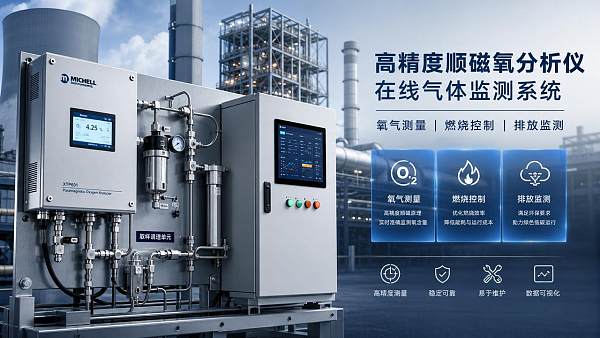
Not every application should use the same analytical principle. Paramagnetic measurement may be preferred for certain oxygen applications because of selectivity and speed, while laser analysis can be effective where fast, targeted gas measurement is required. Selection should be based on process characteristics, cross-sensitivities, installation constraints, maintenance capacity, and safety requirements.
5. Hazardous-area and safety design
Where explosive or flammable gases are present, using an explosion proof gas analyzer or a properly protected analyzer system is not just a compliance issue; it directly affects deployment options, enclosure design, cable routing, maintenance procedures, and total project cost.
6. Maintenance accessibility
A system that performs well on day one but is difficult to calibrate, inspect, or clean will usually create long-term reliability issues. Maintenance planning should be part of initial design, not an afterthought.
How do portable, continuous, and fixed analyzer deployments create different risks?
One of the most useful ways to prevent pre-test problems is to recognize that deployment model changes the failure pattern.
Portable monitoring
Portable systems are useful when flexibility and rapid field checks matter. However, they are more vulnerable to operator-to-operator variation, inconsistent warm-up, temporary environmental exposure, and handling-related contamination. They work best when procedures are standardized and the use case is clearly defined.
Continuous monitoring
Continuous monitoring supports process visibility and trend analysis, but long-term stability becomes the main concern. Drift, fouling, calibration intervals, sample conditioning performance, and data integration quality all need attention. A system that is technically accurate in short tests may still be unsuitable for round-the-clock monitoring if support conditions are weak.
Fixed analyzer deployment
Fixed installations typically offer the highest consistency when designed correctly, but they demand stronger planning at the beginning. Installation point, sheltering, utilities, access, hazardous-area protection, and process integration all influence whether the system delivers dependable results over years instead of months.
For many organizations, choosing between portable monitoring, continuous monitoring, and a fixed analyzer should not be based only on purchase price. It should be based on decision speed required, operating environment, maintenance resources, and the consequences of inaccurate data.
How can teams diagnose whether the problem is the analyzer or the system around it?
This is one of the most important practical questions for search users. A structured check is more useful than trial-and-error troubleshooting.
- Verify sample representativeness: Is the sample point truly reflecting the process condition you want to measure?
- Review sample path design: Check for condensation risk, leaks, contamination, excessive lag time, and incompatible materials.
- Assess installation environment: Confirm whether ambient conditions exceed what the enclosure or analyzer can tolerate.
- Confirm technology suitability: Make sure the chosen principle, such as paramagnetic measurement or laser analysis, fits the target gas and process context.
- Check calibration and maintenance workflow: If calibration is infrequent, inconsistent, or hard to perform, the system may appear unstable even when the analyzer itself is functional.
- Evaluate safety integration: In hazardous applications, confirm that the explosion proof gas analyzer or protection concept matches site requirements and operating practice.
- Compare behavior across conditions: If readings change with ambient temperature, process load, or time of day, upstream system design may be the underlying cause.
This approach helps teams avoid replacing hardware unnecessarily when the true issue lies in system layout, process conditions, or environmental protection.
What should buyers and project teams evaluate before choosing an analyzer solution?
For technical buyers and enterprise decision-makers, value comes from asking better questions before procurement. A reliable analyzer solution is not only a device specification; it is a fit between application, environment, risk level, and maintenance reality.
Before selecting a solution, teams should evaluate:
- What gas, parameter, or thermal behavior must be measured, and at what accuracy?
- Will the analyzer be used for spot checks, continuous monitoring, or permanent fixed analyzer installation?
- Does the application require paramagnetic measurement, laser analysis, or another principle based on interference risk and response needs?
- Is a custom measurement setup needed because of process layout, sample composition, or site constraints?
- Does the analyzer enclosure design protect performance in actual field conditions?
- Are there hazardous-area requirements that call for an explosion proof gas analyzer or a different protection strategy?
- Can the site support calibration, servicing, and operator training over the full lifecycle?
The strongest purchasing decisions usually come from lifecycle thinking. A lower upfront cost may become expensive if it leads to unstable data, repeated site visits, avoidable shutdowns, or compliance exposure.
How can organizations prevent errors at the source?
The most effective strategy is to treat thermal analysis as a full system engineering task rather than a standalone instrument purchase. In practice, that means:
- Defining the measurement objective clearly before selecting hardware
- Designing the sampling path and installation point around sample integrity
- Matching analyzer technology to process reality, not only brochure specifications
- Using enclosure and protection designs suitable for field conditions
- Planning maintenance, calibration, and user operation at the start of the project
- Reviewing whether portable monitoring, continuous monitoring, or fixed deployment best supports the business need
When these decisions are made early and correctly, teams reduce false readings, improve safety, shorten commissioning time, and gain more dependable data for operations and compliance.
Thermal analysis problems rarely begin at the moment of testing. More often, they begin with earlier choices about sample handling, environment, technology selection, and deployment strategy. Whether your application involves industrial gas monitoring, paramagnetic measurement, laser analysis, a custom measurement setup, or an explosion proof gas analyzer, the real key to reliable results is upstream design discipline. If organizations want dependable performance, they should focus less on blaming the instrument after failure and more on preventing error before measurement ever starts.
Recommended for You
 SAMR to Finalize 1,800+ Standards by 2026, Including EV Battery RecyclingSAMR to finalize 1,800+ standards by 2026—including EV battery recycling, hazardous chemical packaging & EMC immunity. Stay ahead of mandatory GB shifts and global export compliance.
 China's Largest Single-Line Large-Tow Carbon Fiber Line Starts OperationChina's largest single-line large-tow carbon fiber line is live—30,000 tons/year capacity, ASME-certified, 22% cheaper & 6-week lead time. Boost your industrial instrumentation supply chain now.
 China Mobile Unveils National Integrated Computing Power NetworkChina Mobile's National Integrated Computing Power Network accelerates AI quality inspection for global manufacturers—cutting model training time by 68% and enabling cross-border industrial AI development.
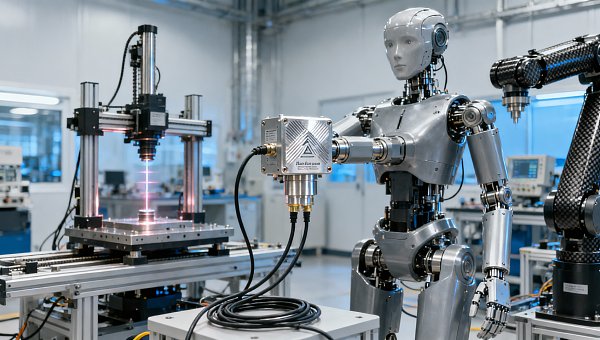
 World's First Humanoid Robot Industrial Calibration White Paper ReleasedWorld's First Humanoid Robot Industrial Calibration White Paper released—setting new global benchmarks for dynamic sensor calibration in robotics. Discover how ABB, Yaskawa & metrology leaders are reshaping industry trust.
 Red Sea Crisis Escalates: Aden Gulf Ban Extended to June 15Red Sea Crisis escalates: Aden Gulf ban extended to June 15 — disrupting industrial instrumentation trade between China and the Middle East with 452% air freight spikes and 7–12 day delays.
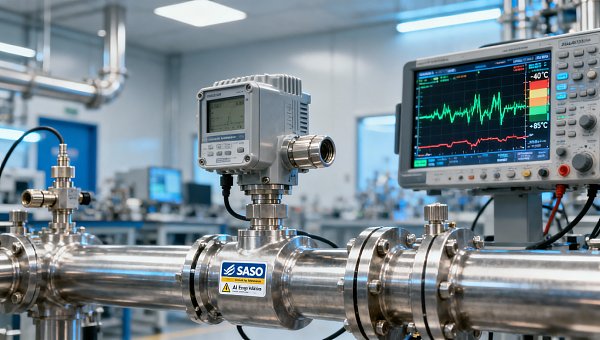
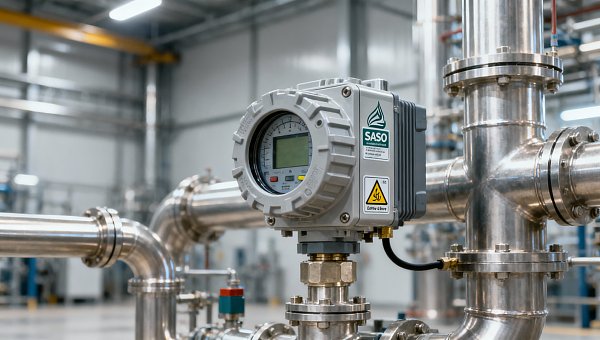
 Saudi SASO Introduces AI-Based Energy Validation for Industrial TransmittersAI-based energy validation for industrial transmitters is now mandatory in Saudi Arabia—learn how SASO’s new AI regulation impacts global exporters, compliance timelines, and supply chains.
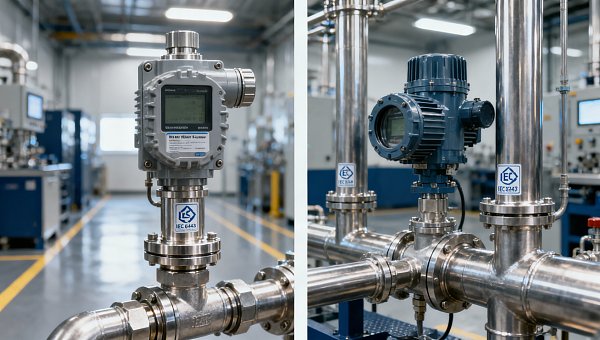
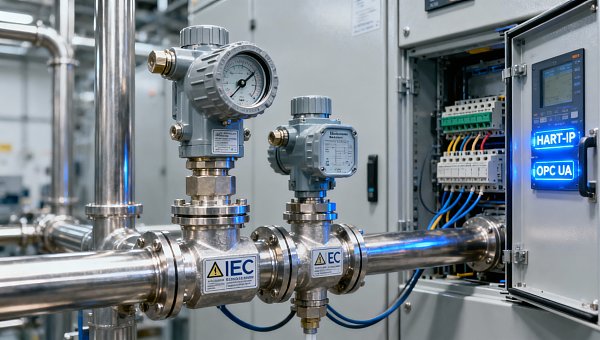
 IEC TC65 Releases Cybersecurity Validation Guide for Industrial InstrumentsIEC TC65’s new Cybersecurity Validation Guide for Industrial Instruments mandates SDL certification & firmware signing—key for EU/US market access. Act now to align with GB/T 42278-2026 and avoid export delays.
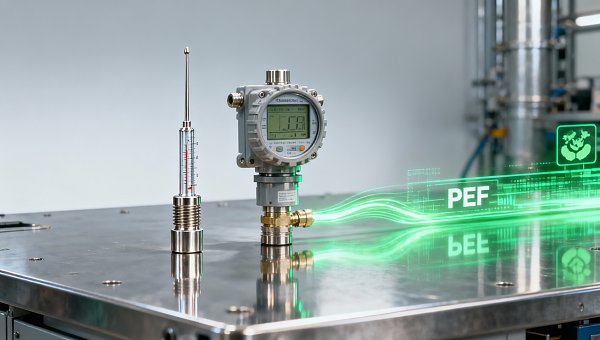
 EU PEF Carbon Footprint Database Mandatory Access for Industrial InstrumentsEU PEF Carbon Footprint Database mandatory access starts June 2026 for industrial instruments—pressure, temperature & flow meters. Ensure compliance now to avoid EU customs delays and market exclusion.
 Gas Quality Analyzer Shelter Price Trends and Specification Gaps to WatchGas quality analyzer shelter price trends vary with materials, HVAC, safety, integration, and compliance. See key specification gaps before shortlisting suppliers or approving budget.
 Process Measurement Equipment: Key Accuracy Risks in Harsh EnvironmentsProcess measurement equipment in harsh environments can drift before failing. Discover key accuracy risks, warning signs, and practical controls to protect quality, safety, and compliance.
 Industrial Analyzer Shelter Export Factors Affecting Lead Times This YearIndustrial analyzer shelter export lead times vary with sourcing, engineering, compliance, packing, and logistics. Learn the key factors to quote smarter and deliver with confidence.
 What to Check Before Buying a Process Analyzer ShelterProcess analyzer shelter buying guide: learn what to check before purchase, from compliance and HVAC to utilities, durability, and maintenance access.
 Process Monitoring Equipment Trends Shaping Plant Upgrades in 2026Process monitoring equipment trends for 2026 reveal how smarter plant upgrades can cut downtime, improve compliance, boost efficiency, and deliver faster ROI.
 Flue Gas Analyzer Shelter Maintenance Issues That Shorten Service LifeFlue gas analyzer shelter maintenance issues can quietly shorten equipment life. Learn the key risks, warning signs, and practical checks to reduce downtime and protect accuracy.
 Emission Analyzer Shelter vs Outdoor Mounting: Which Reduces DowntimeEmission analyzer shelter vs outdoor mounting: discover which setup cuts downtime, improves analyzer reliability, and lowers lifecycle risk in harsh or compliance-critical environments.
 Common Gas Quality Equipment Selection Mistakes in Industrial ProjectsGas quality equipment selection mistakes can delay industrial projects and raise compliance risks. Learn how to choose the right solution for accuracy, safety, integration, and faster commissioning.
 Gas Quality System Costs: What Shapes Total Project Spending in 2026Gas quality system costs in 2026 depend on more than analyzer price. Discover the key budget drivers, hidden expenses, and smart planning steps to control total project spending.
 How to Choose Emission Measurement Equipment for Reliable Compliance DataEmission measurement equipment selection affects compliance accuracy, uptime, and audit readiness. Learn how to compare systems, reduce risk, and choose a solution built for reliable data.
 First Global White Paper on Dynamic Calibration for Humanoid Robot Sensors ReleasedFirst global white paper on dynamic calibration for humanoid robot sensors—key for pressure & 6-axis force/torque accuracy in smart manufacturing and collaborative robotics.
 FDA Updates IVD Import Guidelines: CNAS/NIST Calibration Chain RequiredFDA mandates CNAS/NIST calibration chain for IVD pressure & temperature sensors—key for Chinese exporters. Act now to meet July 2026 deadline.
 EU PEF Carbon Database Mandatory Access for Chinese Industrial InstrumentsEU PEF Carbon Database mandatory for Chinese industrial instruments—meet June 15, 2026 deadline to keep CE marking & win EU tenders.
 IEC TC65 Releases Cybersecurity Validation Guide for Industrial InstrumentsIEC TC65 releases cybersecurity validation guide for industrial instruments—key for firmware signing, OT encryption & remote audit compliance. Act now.
 SASO Introduces AI-Based Energy Efficiency Verification for Industrial TransmittersSASO AI energy efficiency verification now mandatory for industrial transmitters in Saudi Arabia—ensure compliance before June 1, 2026 to avoid customs delays.
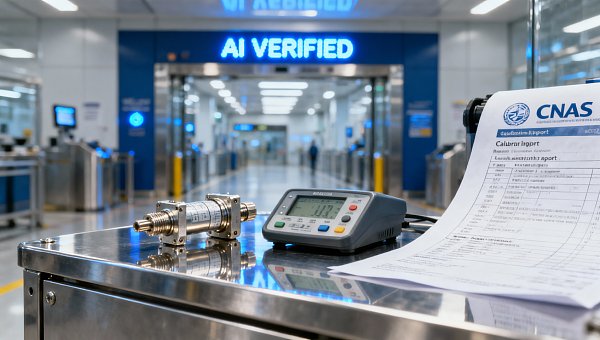
 ASEAN Green Customs Corridor Fully LaunchedASEAN Green Customs Corridor now live: AI-verified CNAS calibration reports slash ASEAN-China customs clearance to under 4 hours — boost precision equipment trade today.
 Process Control Equipment Price Trends Under Energy Cost PressureProcess control equipment price trends are shifting under energy cost pressure. Discover key cost drivers, total ownership factors, and smart sourcing tips to reduce risk and improve ROI.
 Multi Gas Analysis in Safety-Critical Areas: What to Check FirstMulti gas analysis starts with risk, not just instruments. Learn what to check first in safety-critical areas to improve compliance, reduce downtime, and protect people and assets.
 Industrial Analyzer Equipment: Common Failures and Maintenance TipsIndustrial analyzer equipment failures can disrupt uptime, compliance, and data accuracy. Discover common faults and practical maintenance tips to improve reliability fast.
 Industrial Measurement System Import Trends and Supply RisksIndustrial measurement system import trends and supply risks explained: learn how distributors can protect margins, reduce delays, and build stronger sourcing resilience.
 Emission Control Equipment Rules Reshaping Industrial DemandEmission control equipment is reshaping industrial investment as stricter rules drive demand for smarter monitoring, lower risk, and compliance-ready systems. Explore what buyers must evaluate now.
 Emission Measurement System Costs in 2026: What Shapes PricingEmission measurement system costs in 2026 depend on accuracy, compliance, installation, integration, and service. Learn what shapes pricing and plan a smarter investment.
 Process Measurement System Upgrades: When Do They Pay Off?Process measurement system upgrades pay off when they cut downtime, improve accuracy, and support compliance. Learn the key signals, ROI factors, and smart upgrade strategies.
 Paramagnetic Gas Measurement: Where It Performs Best in IndustryParamagnetic gas measurement delivers fast, stable oxygen analysis for combustion, emissions, and process control. Discover where it performs best and how it improves efficiency, compliance, and reliability.


Search Categories
Search Categories
Latest Article
- SAMR to Finalize 1,800+ Standards by 2026, Including EV Battery RecyclingSAMR to finalize 1,800+ standards by 2026—including EV battery recycling, hazardous chemical packaging & EMC immunity. Stay ahead of mandatory GB shifts and global export compliance.Posted by:
- China's Largest Single-Line Large-Tow Carbon Fiber Line Starts OperationChina's largest single-line large-tow carbon fiber line is live—30,000 tons/year capacity, ASME-certified, 22% cheaper & 6-week lead time. Boost your industrial instrumentation supply chain now.Posted by:
- China Mobile Unveils National Integrated Computing Power NetworkChina Mobile's National Integrated Computing Power Network accelerates AI quality inspection for global manufacturers—cutting model training time by 68% and enabling cross-border industrial AI development.Posted by:
Please give us a message
