
What Shortens the Service Life of an Analyzer Enclosure?


From portable monitoring and continuous monitoring to industrial gas monitoring and fixed analyzer systems, the reliability of an analyzer enclosure directly affects measurement accuracy, safety, and maintenance cost. Whether your application involves custom measurement, paramagnetic measurement, laser analysis, thermal analysis, or an explosion proof gas analyzer, understanding what shortens enclosure service life is essential for operators, engineers, and decision-makers seeking stable long-term performance.
In instrumentation environments, the enclosure is more than a protective box. It acts as a thermal barrier, contamination shield, structural support, cable management point, and safety interface between sensitive analyzers and harsh field conditions. When enclosure life is shortened, the result is rarely limited to cosmetic damage. It can lead to drift, unstable sampling, moisture ingress, corrosion, accelerated component replacement, and unplanned downtime.
For operators, this means more frequent inspections and higher maintenance workload. For technical evaluators, it raises questions about material selection, ingress protection, purge design, and environmental compatibility. For business decision-makers and project managers, enclosure durability affects total lifecycle cost over 5–10 years, especially in continuous monitoring applications where a few hours of outage can disrupt compliance and production targets.
The most common service-life problems are not caused by one dramatic failure. They usually come from a combination of heat stress, corrosion, vibration, poor sealing, improper installation, and maintenance practices that overlook early warning signs. A structured review of these factors helps buyers and users choose better configurations and reduce avoidable replacement cycles.
Environmental Stress Is the Primary Cause of Early Enclosure Aging
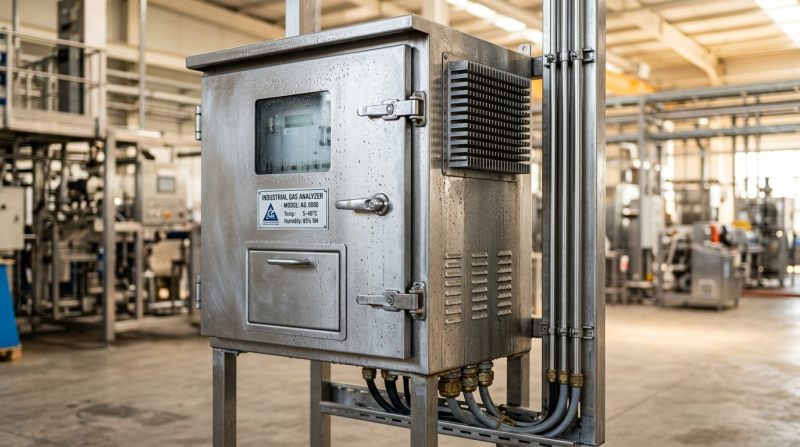
Analyzer enclosures in industrial manufacturing, power plants, environmental monitoring stations, and process automation lines are often exposed to conditions far outside office-grade equipment limits. Ambient temperatures may range from -20°C to 50°C, while direct solar loading can push internal surface temperatures 10°C–20°C higher if shielding and ventilation are inadequate. Repeated thermal cycling expands and contracts gaskets, cable seals, fasteners, and mounting points, reducing long-term sealing performance.
Moisture is another major contributor. High humidity above 75%, washdown exposure, coastal salt air, or condensation from poor heater control can gradually damage metal surfaces, terminal blocks, insulation materials, and door seals. In analyzer systems, even small moisture ingress can affect sample conditioning lines, electronics, and display modules. What begins as a minor condensation issue can turn into corrosion, false alarms, and recurring recalibration.
Dust, corrosive gases, and chemical splash further accelerate degradation. Enclosures installed near acid handling, wastewater treatment, flue gas monitoring, or solvent-rich process areas face a much higher attack rate than those in clean utility rooms. Carbon steel enclosures with standard coatings may perform acceptably indoors, yet deteriorate quickly in chloride-rich or chemically aggressive environments if the surface treatment and sealing system are not matched to the site.
Mechanical stress also matters. Vibration from compressors, pumps, fans, or nearby rotating equipment can loosen hinges, fatigue mounting brackets, crack rigid conduit entries, and reduce cable gland integrity over 12–36 months. This is especially common in skid-mounted analyzer houses and continuous process lines where support frames are not isolated from vibration sources.
Typical Environmental Conditions That Reduce Enclosure Life
The table below outlines common site conditions and the types of damage they usually cause in analyzer enclosures. This helps engineering and procurement teams connect environment class with enclosure design priorities before purchase or retrofit.
The practical takeaway is simple: service life depends heavily on matching enclosure material and protection level to the installation environment. An enclosure rated correctly for the site can often remain stable for 7–10 years or longer with scheduled maintenance, while an under-specified design may show serious deterioration within 18–36 months.
Field Checks That Should Not Be Skipped
- Measure actual day and night temperature variation over at least 7 consecutive days before final enclosure selection.
- Confirm whether the site includes washdown, coastal exposure, or process chemical splash within 1–3 meters of the analyzer location.
- Inspect for vibration sources such as pumps, blowers, or skid resonance that may require isolation pads or reinforced mounting.
- Review whether enclosure doors are opened more than 5 times per week, because frequent access changes gasket wear and moisture load.
Poor Thermal Management and Inadequate Sealing Damage Enclosures from the Inside
Many buyers focus on external corrosion, but internal thermal stress is equally destructive. Analyzer enclosures often contain heaters, thermostats, sample lines, power supplies, transmitters, displays, purge units, and communication devices. When these components generate heat in a confined space without proper airflow or heat dissipation, the internal temperature can exceed the safe working window even if ambient conditions seem moderate.
For example, if ambient temperature is 35°C and internal devices add another 12°C–18°C, local hot spots may approach 50°C–55°C. At that point, gasket elastomers age faster, cable insulation can harden, display readability declines, and electronic reliability drops. In hazardous area applications, purge and pressurization systems must also be stable; otherwise, pressure imbalance or heat buildup may create both safety and maintenance problems.
Sealing failures often begin with small installation mistakes. An incorrectly sized cable gland, poorly aligned door latch, over-compressed gasket, or unsealed field penetration allows moisture and contaminants into the enclosure. Once ingress begins, repeated wet-dry cycles speed up metal oxidation and electrical degradation. In analyzer systems with sampling and conditioning components, internal moisture can also affect response time and measurement consistency.
Another hidden issue is overuse of aftermarket modifications. Drilling extra holes on site, adding non-matched fittings, or rerouting wiring after commissioning can weaken ingress protection. A nominal IP or NEMA performance level only holds if the final installed condition preserves the original design intent. In practice, many premature failures appear 6–12 months after site modifications, not at initial startup.
Common Internal Design Weaknesses
- Undersized heaters or uncontrolled heaters that cause condensation during cool-down periods.
- Missing sunshades or poor ventilation paths in outdoor analyzer cabinets.
- Door seals compressed unevenly because of weak hinges or frame misalignment.
- Too many devices packed into a small enclosure without thermal separation.
- Drain and breather devices omitted in applications with frequent temperature cycling.
A useful engineering rule is to review not only the enclosure rating, but also the complete internal heat balance, access frequency, sealing points, and maintenance interface. This is particularly important for fixed analyzer systems expected to run continuously for 24 hours a day, 7 days a week.
Recommended Review Points Before Approval
Before finalizing an enclosure design, technical teams should confirm at least 4 items: expected internal heat load, required ingress protection level, service access frequency, and condensation control strategy. Where the site sees large seasonal variation, adding thermostatic control, anti-condensation heaters, or filtered ventilation may increase upfront cost but reduce replacement frequency over a 3–5 year period.
Material Selection, Coatings, and Hardware Quality Directly Influence Lifecycle Cost
Not all analyzer enclosures fail for the same reason, and not all materials age at the same rate. Carbon steel, painted steel, 304 stainless steel, 316 stainless steel, fiberglass-reinforced materials, and aluminum each have strengths and limitations. A mismatch between material choice and environment is one of the fastest ways to shorten service life and increase the total cost of ownership.
Painted carbon steel may be economical for clean indoor installations where humidity is stable and chemical exposure is low. However, if the enclosure is mounted outdoors, near marine air, or in corrosive process zones, coating chips and edge damage can become corrosion initiation points. Once rust develops around door edges, hinges, or cable entries, maintenance intervals often shrink from annual inspection to quarterly repair work.
Stainless steel improves corrosion resistance, but grade matters. In chloride-rich environments, 316 stainless steel generally performs better than 304. The same logic applies to hardware. If the enclosure body is corrosion resistant but the hinges, latches, mounting bolts, or gland plates are lower grade, the whole assembly can still fail prematurely. Mixed-material construction also increases the risk of galvanic corrosion in wet conditions.
Gaskets, viewing windows, insulation, and cable glands deserve equal attention. A durable enclosure can still suffer early failure if a low-grade gasket loses elasticity after 1–2 summers, or if a transparent panel turns brittle under UV exposure. Procurement teams should ask for configuration details rather than judging only by enclosure shell material.
Material Comparison for Typical Instrumentation Applications
The comparison below can help project teams align enclosure material with field conditions, maintenance expectations, and budget priorities in instrumentation projects.
For distributors, integrators, and end users, the key conclusion is that initial purchase price alone does not predict value. In many projects, selecting a more suitable material can reduce repair frequency, site visits, and replacement parts over a 5-year operating cycle, making the higher capital cost easier to justify.
What to Verify in Supplier Specifications
- Base material grade and thickness for the enclosure body and door.
- Hardware material consistency, including hinges, locks, screws, and gland plates.
- Coating type, edge protection details, and UV resistance where applicable.
- Gasket material compatibility with heat, oil mist, chemicals, and door opening frequency.
Installation Errors and Maintenance Gaps Often Shorten Service Life More Than Design Limitations
Even a well-designed analyzer enclosure can fail early if installation and maintenance are handled poorly. Common field mistakes include mounting the enclosure too close to heat sources, placing it in splash zones without shielding, routing cables downward without drip loops, and using unsupported conduit that transfers vibration to the cabinet wall. These issues may seem minor during commissioning, but they can shorten service life significantly over 1–3 years.
Maintenance practices also determine longevity. If door seals are never inspected, vents are left clogged, corrosion spots are not treated early, and thermostat or heater functions are not checked before seasonal changes, small faults can compound. In continuous monitoring systems, preventive inspection every 3 months is often more economical than reactive repair after analyzer instability or alarm events occur.
Another recurring problem is excessive door opening during operation. Each opening changes internal temperature and humidity balance, exposes components to dust, and increases wear on hinges and latches. Where operators access the enclosure daily, design should include practical service layout, durable hardware, and clear separation between user-access components and protected internal assemblies.
For safety managers and quality personnel, documentation is just as important as physical upkeep. A simple checklist covering 6–8 inspection items can improve consistency across shifts and sites. This is especially useful for multi-site operations, distributors supporting installed equipment, and project owners handing systems over to operations teams after commissioning.
Installation and Maintenance Priorities
The following table highlights avoidable practices that commonly reduce enclosure life and the preferred preventive action for each situation.
A disciplined installation and maintenance plan often extends enclosure service life more effectively than replacing equipment after damage appears. In many cases, lifecycle improvement comes from practical field control rather than major redesign.
A Practical 5-Step Maintenance Routine
- Inspect door gasket compression, latch condition, and visible corrosion every 90 days.
- Check heater, thermostat, fan, and vent cleanliness before seasonal temperature changes.
- Verify cable glands, conduit seals, and sample line penetrations after any site modification.
- Clean external surfaces with compatible materials to avoid coating damage or chemical attack.
- Record findings and replace worn sealing parts before ingress causes analyzer downtime.
How to Select an Analyzer Enclosure for Longer Service Life
A durable analyzer enclosure is selected by application fit, not by appearance alone. The first step is to define the operating scenario: portable monitoring, continuous emissions analysis, industrial gas monitoring, laboratory-adjacent analysis, or hazardous area installation. Each scenario changes the requirements for material, ingress protection, thermal control, internal layout, and service access. A cabinet that works well indoors may be unsuitable for an outdoor, high-humidity, 24/7 process line.
Next, evaluate the enclosure as part of the full analyzer system. Decision-makers should review at least 5 dimensions: environment, heat load, corrosion exposure, access frequency, and maintenance capability. If the unit will support paramagnetic measurement, laser analysis, thermal analysis, or explosion proof gas analyzer configurations, additional attention should be given to pressure integrity, wiring segregation, and compatibility with the analyzer’s sensitivity to temperature fluctuation.
For procurement teams, lifecycle questions are often more valuable than headline specifications. Ask how easy it is to replace gaskets, whether hardware is standardized, whether the enclosure supports future cable additions without compromising sealing, and what preventive maintenance interval is realistic in the actual site environment. These points affect service continuity and spare-parts planning over the next 3–8 years.
For distributors and project managers, supplier responsiveness is also part of service life management. A technically suitable enclosure can still become a poor investment if spare components, technical drawings, or maintenance guidance are difficult to obtain during operation and expansion projects.
Selection Checklist for Buyers and Engineers
- Confirm actual ambient range, including peak summer temperature and low-temperature startup conditions.
- Match enclosure material to corrosion risk, not just to indoor or outdoor labeling.
- Review ingress protection based on real splash, dust, and washdown exposure.
- Calculate internal heat load from analyzers, power supplies, heaters, and accessories.
- Check whether vibration isolation, sunshade, drain, or anti-condensation measures are required.
- Plan spare gaskets, latches, glands, and inspection intervals from day one of operation.
FAQ: Questions Commonly Raised During Selection
How long should a well-matched analyzer enclosure last?
In stable industrial conditions with proper material selection and routine inspection, an analyzer enclosure may remain serviceable for 7–10 years or more. In corrosive or high-heat areas, service life can drop sharply if thermal control, coating protection, and sealing maintenance are neglected.
Is stainless steel always the best option?
Not always. Stainless steel improves corrosion resistance, but the correct grade and full hardware compatibility matter. For low-risk indoor areas, painted steel may be sufficient. For coastal or chemical sites, 316 stainless steel or suitable composite materials may provide better lifecycle value.
How often should enclosure seals be checked?
A common field practice is inspection every 3–6 months, with shorter intervals in outdoor, dusty, high-humidity, or frequently accessed installations. If the enclosure is opened daily or exposed to washdown, seals and latches should be reviewed more often.
What is the biggest mistake during procurement?
The most common mistake is selecting by initial price or nominal rating alone, without evaluating environment, internal heat load, access frequency, and maintenance practicality. This often leads to higher costs later through premature corrosion, condensation issues, and repeated field repairs.
Analyzer enclosure service life is shortened most often by a combination of environmental stress, poor thermal management, inadequate sealing, mismatched materials, and avoidable installation or maintenance errors. For instrumentation users, technical evaluators, and project leaders, the smartest approach is to treat the enclosure as a critical part of analyzer reliability rather than an accessory.
If you are planning a new analyzer system, upgrading an existing monitoring point, or comparing enclosure options for industrial gas monitoring and fixed analyzer applications, a structured technical review can reduce downtime and improve long-term value. Contact us to discuss your operating conditions, get a tailored enclosure recommendation, and explore more instrumentation solutions built for durable field performance.
Recommended for You
 SAMR to Finalize 1,800+ Standards by 2026, Including EV Battery RecyclingSAMR to finalize 1,800+ standards by 2026—including EV battery recycling, hazardous chemical packaging & EMC immunity. Stay ahead of mandatory GB shifts and global export compliance.
 China's Largest Single-Line Large-Tow Carbon Fiber Line Starts OperationChina's largest single-line large-tow carbon fiber line is live—30,000 tons/year capacity, ASME-certified, 22% cheaper & 6-week lead time. Boost your industrial instrumentation supply chain now.
 China Mobile Unveils National Integrated Computing Power NetworkChina Mobile's National Integrated Computing Power Network accelerates AI quality inspection for global manufacturers—cutting model training time by 68% and enabling cross-border industrial AI development.
 World's First Humanoid Robot Industrial Calibration White Paper ReleasedWorld's First Humanoid Robot Industrial Calibration White Paper released—setting new global benchmarks for dynamic sensor calibration in robotics. Discover how ABB, Yaskawa & metrology leaders are reshaping industry trust.
 Red Sea Crisis Escalates: Aden Gulf Ban Extended to June 15Red Sea Crisis escalates: Aden Gulf ban extended to June 15 — disrupting industrial instrumentation trade between China and the Middle East with 452% air freight spikes and 7–12 day delays.
 Saudi SASO Introduces AI-Based Energy Validation for Industrial TransmittersAI-based energy validation for industrial transmitters is now mandatory in Saudi Arabia—learn how SASO’s new AI regulation impacts global exporters, compliance timelines, and supply chains.
 IEC TC65 Releases Cybersecurity Validation Guide for Industrial InstrumentsIEC TC65’s new Cybersecurity Validation Guide for Industrial Instruments mandates SDL certification & firmware signing—key for EU/US market access. Act now to align with GB/T 42278-2026 and avoid export delays.
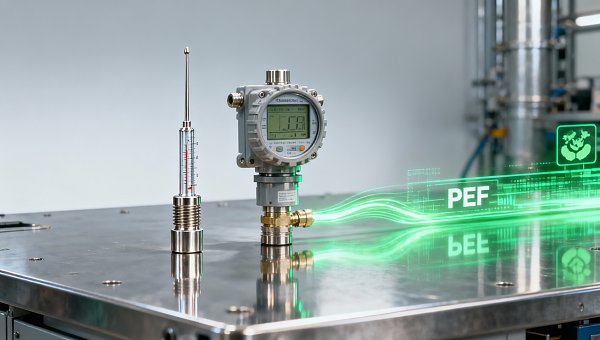
 EU PEF Carbon Footprint Database Mandatory Access for Industrial InstrumentsEU PEF Carbon Footprint Database mandatory access starts June 2026 for industrial instruments—pressure, temperature & flow meters. Ensure compliance now to avoid EU customs delays and market exclusion.
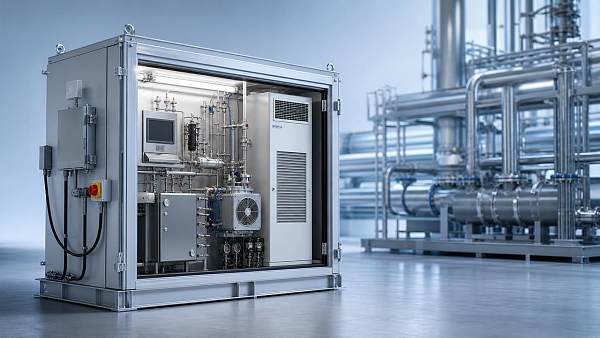
 Gas Quality Analyzer Shelter Price Trends and Specification Gaps to WatchGas quality analyzer shelter price trends vary with materials, HVAC, safety, integration, and compliance. See key specification gaps before shortlisting suppliers or approving budget.
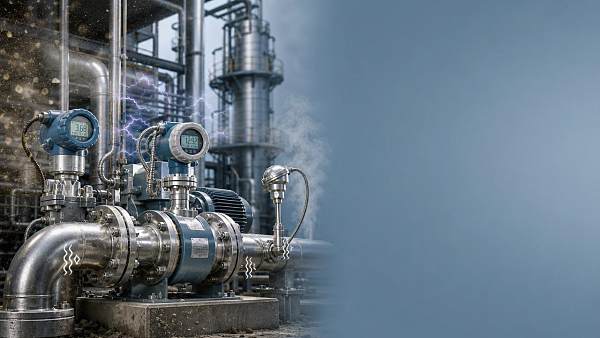
 Process Measurement Equipment: Key Accuracy Risks in Harsh EnvironmentsProcess measurement equipment in harsh environments can drift before failing. Discover key accuracy risks, warning signs, and practical controls to protect quality, safety, and compliance.
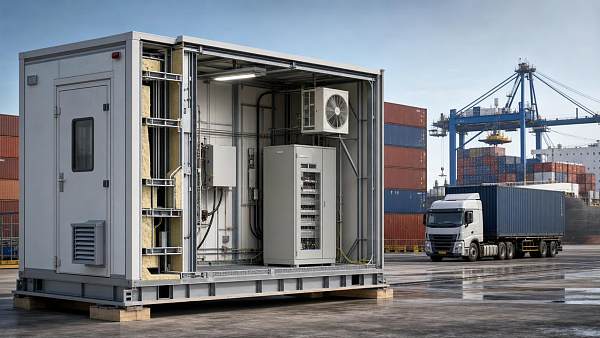
 Industrial Analyzer Shelter Export Factors Affecting Lead Times This YearIndustrial analyzer shelter export lead times vary with sourcing, engineering, compliance, packing, and logistics. Learn the key factors to quote smarter and deliver with confidence.
 What to Check Before Buying a Process Analyzer ShelterProcess analyzer shelter buying guide: learn what to check before purchase, from compliance and HVAC to utilities, durability, and maintenance access.
 Process Monitoring Equipment Trends Shaping Plant Upgrades in 2026Process monitoring equipment trends for 2026 reveal how smarter plant upgrades can cut downtime, improve compliance, boost efficiency, and deliver faster ROI.
 Flue Gas Analyzer Shelter Maintenance Issues That Shorten Service LifeFlue gas analyzer shelter maintenance issues can quietly shorten equipment life. Learn the key risks, warning signs, and practical checks to reduce downtime and protect accuracy.
 Emission Analyzer Shelter vs Outdoor Mounting: Which Reduces DowntimeEmission analyzer shelter vs outdoor mounting: discover which setup cuts downtime, improves analyzer reliability, and lowers lifecycle risk in harsh or compliance-critical environments.
 Common Gas Quality Equipment Selection Mistakes in Industrial ProjectsGas quality equipment selection mistakes can delay industrial projects and raise compliance risks. Learn how to choose the right solution for accuracy, safety, integration, and faster commissioning.
 Gas Quality System Costs: What Shapes Total Project Spending in 2026Gas quality system costs in 2026 depend on more than analyzer price. Discover the key budget drivers, hidden expenses, and smart planning steps to control total project spending.
 How to Choose Emission Measurement Equipment for Reliable Compliance DataEmission measurement equipment selection affects compliance accuracy, uptime, and audit readiness. Learn how to compare systems, reduce risk, and choose a solution built for reliable data.
 First Global White Paper on Dynamic Calibration for Humanoid Robot Sensors ReleasedFirst global white paper on dynamic calibration for humanoid robot sensors—key for pressure & 6-axis force/torque accuracy in smart manufacturing and collaborative robotics.
 FDA Updates IVD Import Guidelines: CNAS/NIST Calibration Chain RequiredFDA mandates CNAS/NIST calibration chain for IVD pressure & temperature sensors—key for Chinese exporters. Act now to meet July 2026 deadline.
 EU PEF Carbon Database Mandatory Access for Chinese Industrial InstrumentsEU PEF Carbon Database mandatory for Chinese industrial instruments—meet June 15, 2026 deadline to keep CE marking & win EU tenders.
 IEC TC65 Releases Cybersecurity Validation Guide for Industrial InstrumentsIEC TC65 releases cybersecurity validation guide for industrial instruments—key for firmware signing, OT encryption & remote audit compliance. Act now.
 SASO Introduces AI-Based Energy Efficiency Verification for Industrial TransmittersSASO AI energy efficiency verification now mandatory for industrial transmitters in Saudi Arabia—ensure compliance before June 1, 2026 to avoid customs delays.
 ASEAN Green Customs Corridor Fully LaunchedASEAN Green Customs Corridor now live: AI-verified CNAS calibration reports slash ASEAN-China customs clearance to under 4 hours — boost precision equipment trade today.
 Process Control Equipment Price Trends Under Energy Cost PressureProcess control equipment price trends are shifting under energy cost pressure. Discover key cost drivers, total ownership factors, and smart sourcing tips to reduce risk and improve ROI.
 Multi Gas Analysis in Safety-Critical Areas: What to Check FirstMulti gas analysis starts with risk, not just instruments. Learn what to check first in safety-critical areas to improve compliance, reduce downtime, and protect people and assets.
 Industrial Analyzer Equipment: Common Failures and Maintenance TipsIndustrial analyzer equipment failures can disrupt uptime, compliance, and data accuracy. Discover common faults and practical maintenance tips to improve reliability fast.
 Industrial Measurement System Import Trends and Supply RisksIndustrial measurement system import trends and supply risks explained: learn how distributors can protect margins, reduce delays, and build stronger sourcing resilience.
 Emission Control Equipment Rules Reshaping Industrial DemandEmission control equipment is reshaping industrial investment as stricter rules drive demand for smarter monitoring, lower risk, and compliance-ready systems. Explore what buyers must evaluate now.
 Emission Measurement System Costs in 2026: What Shapes PricingEmission measurement system costs in 2026 depend on accuracy, compliance, installation, integration, and service. Learn what shapes pricing and plan a smarter investment.
 Process Measurement System Upgrades: When Do They Pay Off?Process measurement system upgrades pay off when they cut downtime, improve accuracy, and support compliance. Learn the key signals, ROI factors, and smart upgrade strategies.
 Paramagnetic Gas Measurement: Where It Performs Best in IndustryParamagnetic gas measurement delivers fast, stable oxygen analysis for combustion, emissions, and process control. Discover where it performs best and how it improves efficiency, compliance, and reliability.
Search Categories
Search Categories
Latest Article
- SAMR to Finalize 1,800+ Standards by 2026, Including EV Battery RecyclingSAMR to finalize 1,800+ standards by 2026—including EV battery recycling, hazardous chemical packaging & EMC immunity. Stay ahead of mandatory GB shifts and global export compliance.Posted by:
- China's Largest Single-Line Large-Tow Carbon Fiber Line Starts OperationChina's largest single-line large-tow carbon fiber line is live—30,000 tons/year capacity, ASME-certified, 22% cheaper & 6-week lead time. Boost your industrial instrumentation supply chain now.Posted by:
- China Mobile Unveils National Integrated Computing Power NetworkChina Mobile's National Integrated Computing Power Network accelerates AI quality inspection for global manufacturers—cutting model training time by 68% and enabling cross-border industrial AI development.Posted by:
Please give us a message
