
Tmall Health Launches 'Health Supplement Safety Alliance'


On May 20, 2026, Tmall Health partnered with leading domestic and international health supplement brands—including By-Health, Centrum, and Harbin Pharmaceutical Group—to launch the 'Health Supplement Safety Alliance'. This initiative signals a coordinated industry response to tightening regulatory expectations around traceability, analytical credibility, and cross-border quality assurance in China’s rapidly evolving dietary supplement market.
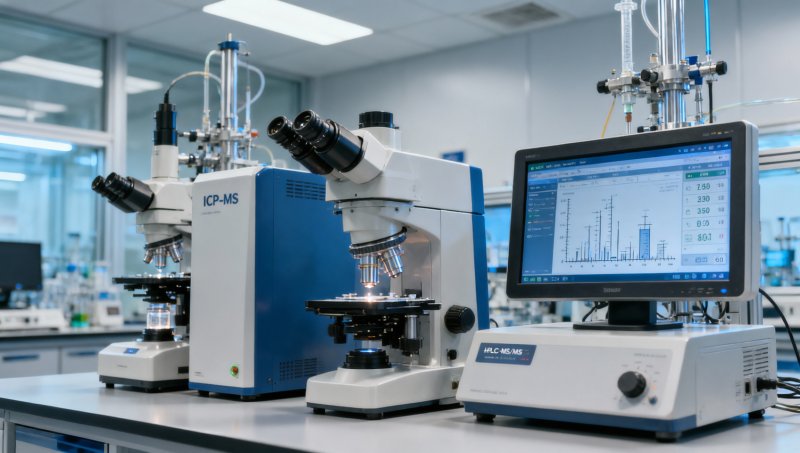
Event Overview
On May 20, 2026, Tmall Health officially launched the 'Health Supplement Safety Alliance' with 15 major brands. The alliance’s initial implementation includes three core measures: (1) blockchain-based raw material ingredient traceability; (2) third-party laboratory comparative verification; and (3) mutual recognition of cross-border testing reports. These mechanisms aim to strengthen data integrity and audit readiness across the supply chain.
Industries Affected
Direct Importers & Cross-Border Traders: These enterprises face heightened compliance pressure as the alliance mandates acceptance of GMP-grade analytical instrumentation standards—specifically requiring ICP-MS and HPLC-MS/MS systems used in overseas labs to meet Chinese regulatory audit expectations. Non-compliant reports may no longer be accepted for platform listing or customs clearance support.
Raw Material Sourcing Companies: Suppliers must now provide verifiable, instrument-level metadata (e.g., calibration logs, method validation records, chromatogram timestamps) alongside batch certificates. Traceability is no longer limited to origin geography but extends to analytical provenance—requiring digital integration between ERP, LIMS, and blockchain nodes.
Contract Manufacturing Organizations (CMOs) & Domestic Formulators: CMOs serving alliance members will need to demonstrate alignment with upstream analytical standards—not just manufacturing compliance. For instance, if a U.S.-based raw material supplier uses an ICP-MS system not calibrated against CNAS-accredited reference materials, downstream formulation batches may trigger additional verification steps before platform approval.
Supply Chain Service Providers (e.g., Lab Accreditation Bodies, Blockchain Platform Vendors, Regulatory Consultants): Demand is rising for services that bridge technical gaps—such as audit-readiness assessments for foreign labs, interoperable blockchain node deployment for multi-jurisdictional traceability, and bilingual method translation/validation packages aligned with both USP and ChP monographs.
Key Focus Areas & Recommended Actions
Verify Instrumentation Audit Readiness
Importers and brand owners should conduct internal gap assessments of overseas testing labs’ equipment—particularly ICP-MS and HPLC-MS/MS systems—against Chinese GMP Annex requirements on analytical instrument qualification (e.g., IQ/OQ/PQ documentation, traceable calibration chains, electronic record security). Labs lacking formal CNAS or equivalent accreditation may require third-party pre-audit support.
Implement Dual-Standard Traceability Protocols
Brands must align blockchain traceability systems with both ingredient lot data and analytical report metadata. This means integrating lab information management systems (LIMS) with distributed ledger platforms to ensure timestamped, immutable links between test results and physical batches—not just static PDF uploads.
Prepare for Mutual Recognition Negotiations
While the alliance announces 'mutual recognition of cross-border testing reports', this does not imply automatic equivalence. Enterprises should proactively engage with designated third-party verification labs (e.g., SGS, BSI, or CNAS-accredited domestic labs) to co-develop comparative validation protocols—especially for methods involving heavy metal speciation or vitamin isomer quantification.
Editorial Perspective / Industry Observation
Observably, this initiative reflects a structural shift: platform-led standard-setting is increasingly substituting for lagging harmonization at the intergovernmental level. Unlike top-down regulatory mandates, the alliance operates through commercial incentives—e.g., preferential search ranking, dedicated 'Trusted Source' badges, and faster review cycles—which makes adoption more immediate but also less transparent in scope. Analysis shows that while blockchain traceability garners attention, the deeper operational impact lies in the quiet elevation of analytical infrastructure expectations—a de facto technical barrier that reshapes sourcing geography over time.
Conclusion
The 'Health Supplement Safety Alliance' is not merely a branding exercise—it represents an early signal of how e-commerce platforms are becoming de facto standard enforcers in regulated consumer health sectors. Its long-term significance lies less in immediate enforcement and more in establishing precedent: when technical credibility (not just certification) becomes a prerequisite for market access, supply chain resilience redefines itself around instrumentation transparency, not just logistics efficiency.
Source Attribution
Official announcement: Tmall Health Press Release (May 20, 2026); confirmed participation list from By-Health Corporate Communications; technical specifications referenced from China NMPA Draft Guideline on Analytical Instrument Qualification for Dietary Supplements (2025 Consultation Version). Note: Specific implementation timelines for mutual recognition frameworks and blockchain interoperability standards remain pending official publication—these items are under active monitoring.
Recommended for You
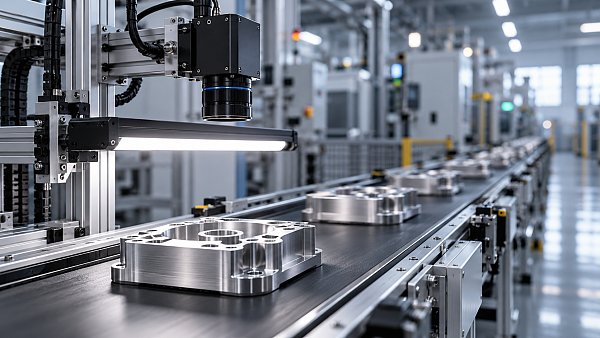
 How does production line speed affect in-line measurement accuracy?Discover how production line speed affects in-line measurement accuracy. Explore sensor response, sampling, and timing to boost throughput without compromising quality.
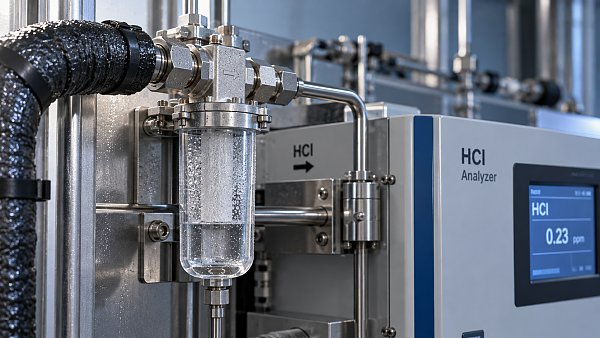
 How condensation affects HCl concentration analyzer accuracyHCl concentration analyzer accuracy can suffer when condensation traps HCl. Learn how to spot sampling losses, prevent low readings, and improve measurement reliability.
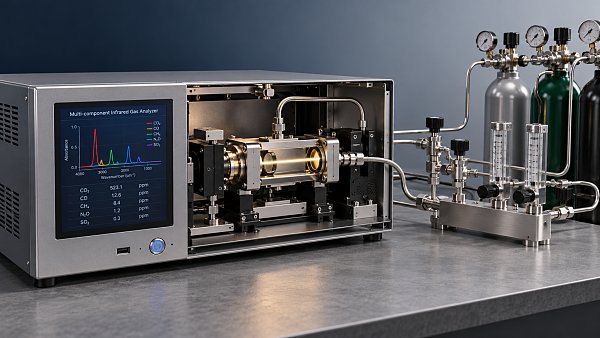
 How does cross-interference affect multi-component gas analyzers?How does cross-interference affect multi component gas analyzers? Explore measurement errors, compensation limits, and validation tips to choose the right system for your process.
 How does temperature affect high-accuracy sensor performance?Explore how temperature affects high accuracy sensor performance. Learn to reduce thermal drift, evaluate compensation, and select the right sensor for reliable measurements.
 Can a C4H8O concentration analyzer distinguish between isomers?Can a C4H8O concentration analyzer distinguish isomers? Compare GC, FTIR and MS methods, uncover selectivity limits, and learn what to validate before choosing your instrument.
 How to identify a reliable supplier using on-time delivery recordsIdentify a Reliable Supplier by verifying on-time delivery records, original commitments, and complete shipments. Learn practical checks to reduce purchasing risk and protect your project schedule.
 How sensitive should a portable hydrogen analyzer be for lab use?Choose a portable hydrogen analyzer for laboratory use with the right quantification limit, accuracy, and range. Learn how to verify performance and avoid costly buying mistakes.
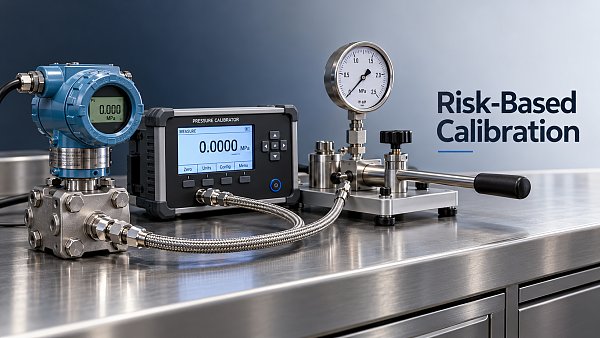
 How to set industrial calibration intervals based on equipment riskSet industrial calibration intervals based on equipment risk, drift, and as-found data. Learn when to shorten or extend schedules to improve reliability and avoid unnecessary costs.
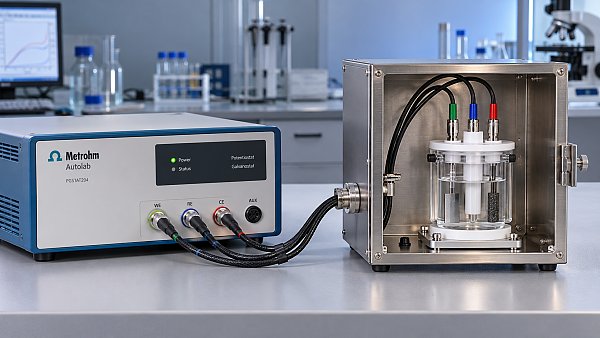
 How to choose electrochemical analyzers for low-current measurementsCompare electrochemical analyzers for precise low-current measurements. Learn how noise, leakage, bandwidth, and real-cell testing help you choose the right instrument.
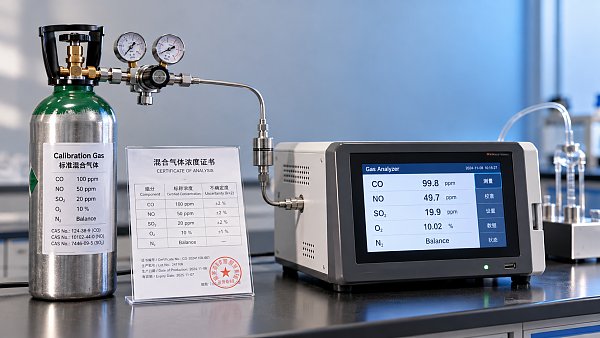
 What tolerance does a custom gas mixture need for calibration?Choose the right custom gas tolerance for calibration. Learn how blending tolerance, certified uncertainty, and stability affect accuracy—and avoid paying for precision you don’t need.
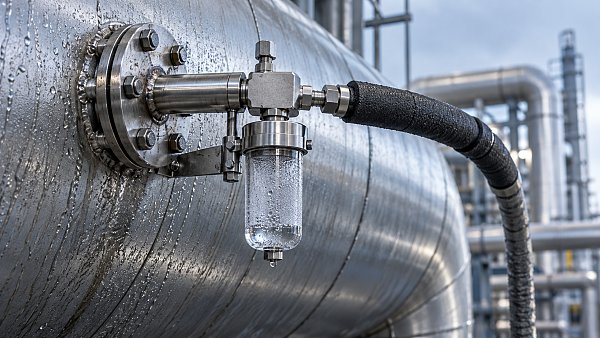
 How condensation affects stack detector readings in wet flue gasStack detector readings can drift when wet flue gas condenses. Learn how to identify moisture interference, prevent sample losses, and improve emissions monitoring reliability.
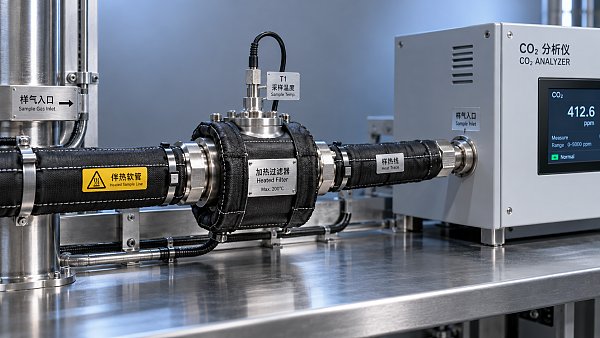
 How to prevent condensation in a CO2 analyzer sampling systemPrevent condensation in your CO2 analyzer sampling system. Learn how to control dew point, eliminate cold spots, and manage moisture for reliable readings and fewer costly disruptions.
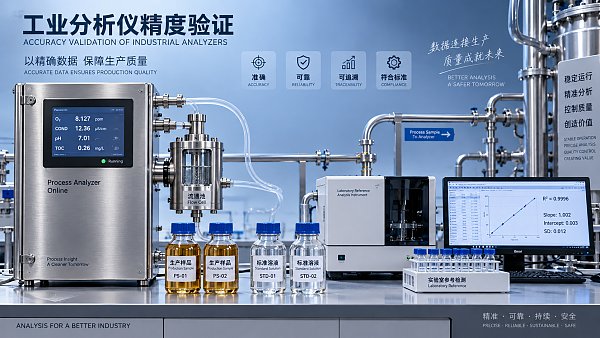
 How to verify accuracy claims for industrial quality analyzersVerify accuracy claims for industrial quality analyzers with calibration checks, independent testing, and clear acceptance criteria. Learn how to reduce risk and buy with confidence.
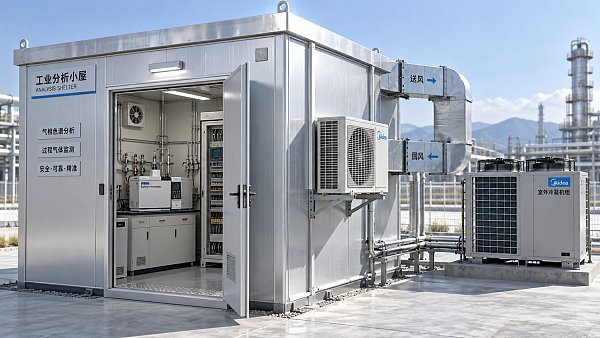
 How to calculate cooling loads for an industrial analyzer shelterSize industrial analyzer shelter cooling with confidence. Learn to calculate equipment heat, solar gains, and ventilation loads, then select HVAC capacity for reliable analyzer performance.
 Hydrogen Analyzers for Energy Storage: Purity Monitoring vs. Leak DetectionChoosing a hydrogen analyzer for energy storage systems? Compare purity monitoring and leak detection to select the right sensors, improve safety, and protect fuel cell performance.
 NH3 Monitoring in Fertilizer Plants: Where Should Leak Analyzers Be Installed?NH3 analyzer for fertilizer production: discover where to place leak detectors around storage, compressors, and loading areas to reduce blind spots and improve early warning.
 Diesel Engine NOx Analyzers: Response Time and NO2 Conversion ExplainedChoosing a NOX analyzer for diesel engines? Learn how response time, NO2 conversion, and sampling design affect accuracy—and make a smarter, evidence-based purchase.
 SO2 Analyzers for Smelter Emissions: Sampling Hot, Dust-Laden Flue GasSelect an SO2 analyzer for smelting industry applications. Discover how to handle hot, dust-laden flue gas, prevent sample losses, and achieve reliable emissions monitoring.
 Unstable CH4 Readings in Biogas Monitoring? Check Moisture and Sample FlowCH4 analyzer for biogas monitoring giving unstable readings? Discover how moisture, sample flow, and pressure checks help pinpoint faults and restore reliable methane measurements.
 Buying a CO2 Analyzer for Brewery Gas Recovery: Costs Beyond the Purchase PriceBuying a CO2 analyzer for brewery applications? Compare sampling, installation, calibration, and downtime costs to uncover hidden expenses and make a smarter gas recovery investment.
 Where to Place CO Analyzers for Effective Parking Garage VentilationOptimize your CO analyzer for parking garage ventilation with practical placement tips. Learn how sensor height, airflow, and zone coverage support timely detection and effective fan control.
 NDIR vs. FTIR Gas Analyzers: Which Fits Your Environmental Research?Find the right infrared gas analyzer for environmental research. Compare NDIR vs. FTIR on sensitivity, gas coverage, sampling needs, and cost to choose confidently for your study.
 Oxygen Analyzers for Diving: Calibration Checks Before Nitrox BlendingUsing an oxygen analyzer for diving applications? Discover essential calibration, sensor, and sampling checks before nitrox blending to support reliable readings.
 How Paramagnetic Oxygen Analyzers Work and Why Sample Pressure MattersLearn how a paramagnetic oxygen analyzer works, why sample pressure affects accuracy, and what to check in compensation and calibration before choosing your system.
 How Much Does a Complete CEMS Integration Project Typically Cost?How much does a complete CEMS integration project typically cost? Explore budget ranges, hidden installation costs, and compliance needs to compare quotes and plan confidently.
 What Is the Typical Response Time for Industrial Air Monitors?What is the typical response time for industrial air monitors? Explore T90, sampling delays, and alarm settings to compare performance and choose the right monitor with confidence.
 Do Regulatory Monitoring Systems Need Third-Party Certification?Do regulatory monitoring systems need third-party certification? Learn when it is required, what certificates prove, and how to verify compliance before buying.
 How Do You Choose Wired or Wireless for Stack Monitoring?Learn how to choose between wired and wireless for stack monitoring. Compare reliability, lifecycle costs, and data recovery to find the right CEMS setup for your site.
 What Happens When Combustible Gas Sensor Calibration Is Overdue?What happens if combustible gas sensor is not recalibrated on time? Discover the risks of inaccurate readings and missed alarms, plus steps to restore reliable protection.
 Can One Multi-Gas Detector Replace Four Separate Analyzers?Find out: can a single multi-gas detector replace four separate analyzers? Compare accuracy, safety, compliance, and lifetime costs to make a confident buying decision.
 Industrial Safety vs. Emission Monitoring: What Are the Differences?What are the main differences between industrial safety and emission monitoring? Compare goals, sensors, response times, and compliance needs to choose the right systems for your facility.
 Is Remote Monitoring Worth the Cost for Small Emission Sources?Is it worth investing in remote monitoring for small emission sources? Compare costs, compliance needs, and potential savings to choose the right solution for your operation.
Search Categories
Search Categories
- Smart Meters & Power Quality
- Transformer Gas Analyzers
- BESS Thermal Runaway Detectors
- Energy, Power & Smart Grid Monitoring
- Optical Profilers & CMM
- Ultrasonic & X-Ray NDT
- Calibration Standards
- Precision Metrology & NDT
- Water Quality Analyzers
- CEMS & VOCs Monitors
- Price Trends
- Import & Export Updates
- Market Trends
- Industry News
- Industry Insights
Latest Article
- How does production line speed affect in-line measurement accuracy?Discover how production line speed affects in-line measurement accuracy. Explore sensor response, sampling, and timing to boost throughput without compromising quality.Posted by:
- How condensation affects HCl concentration analyzer accuracyHCl concentration analyzer accuracy can suffer when condensation traps HCl. Learn how to spot sampling losses, prevent low readings, and improve measurement reliability.Posted by:
- How does cross-interference affect multi-component gas analyzers?How does cross-interference affect multi component gas analyzers? Explore measurement errors, compensation limits, and validation tips to choose the right system for your process.Posted by:
Please give us a message
